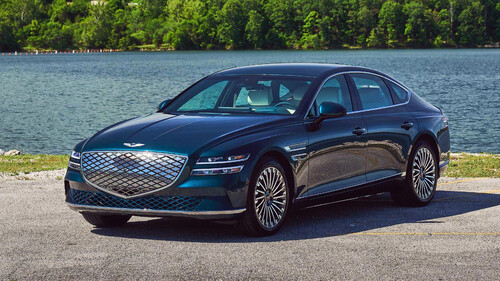
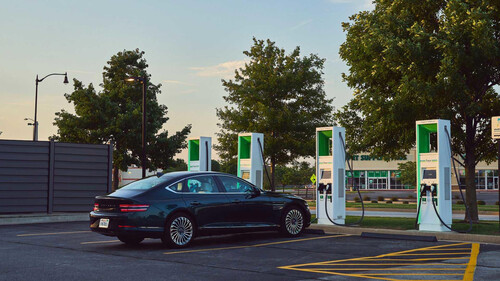
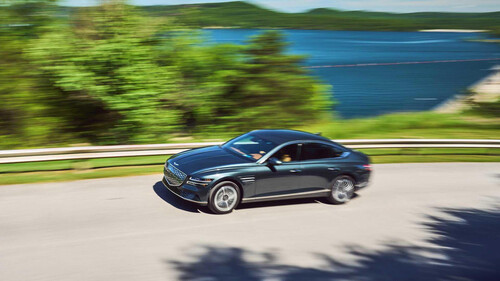
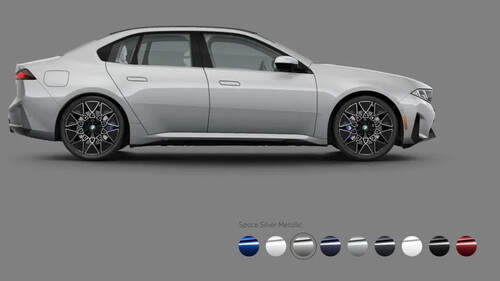
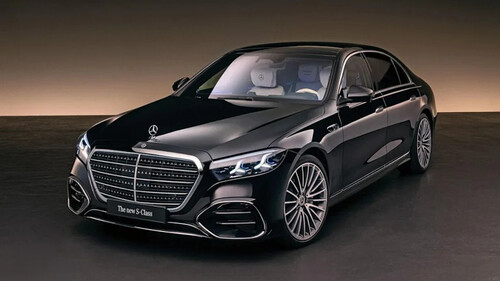
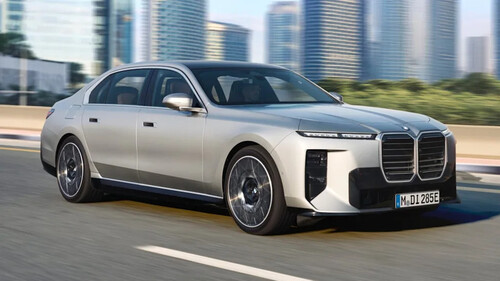
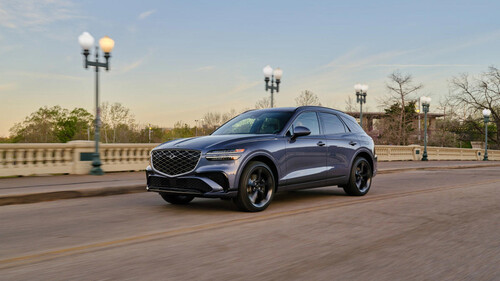
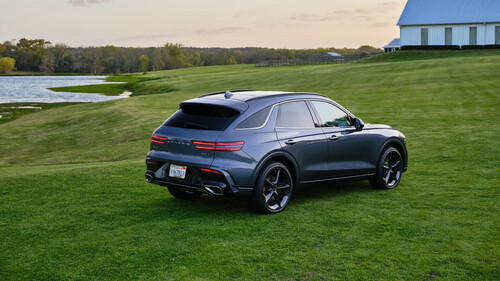
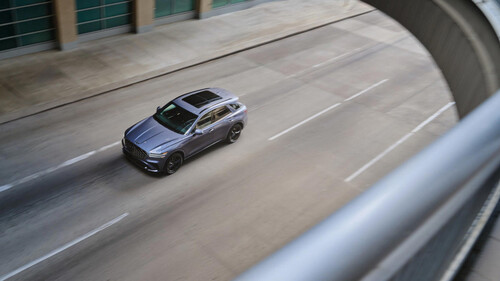
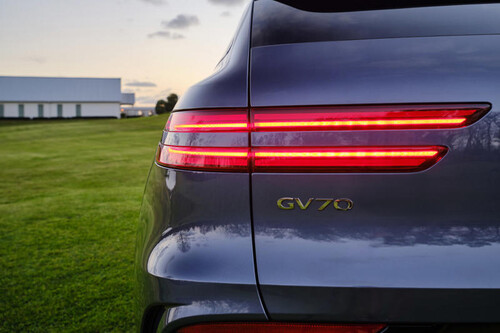
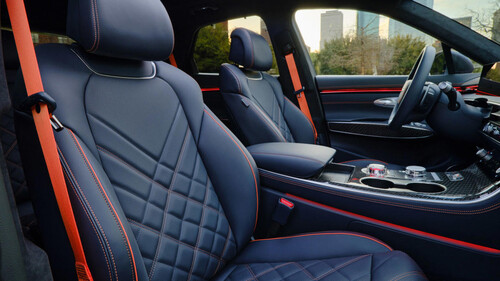
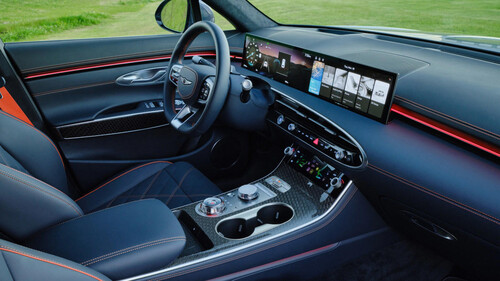
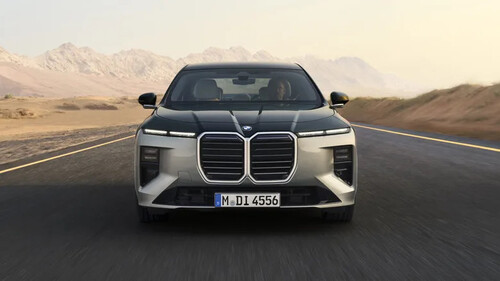
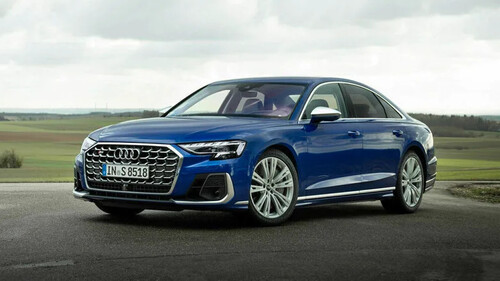
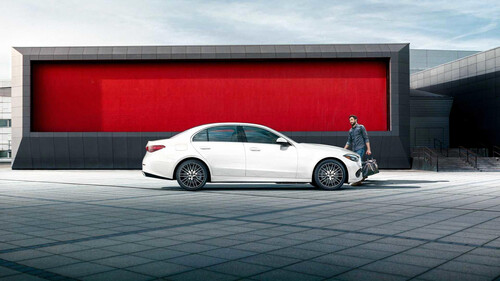
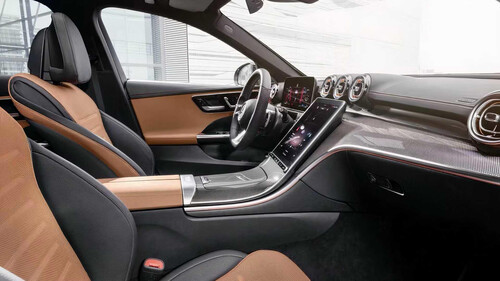
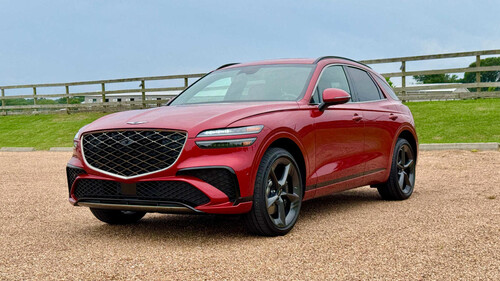
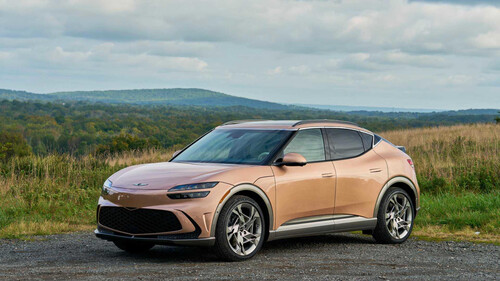
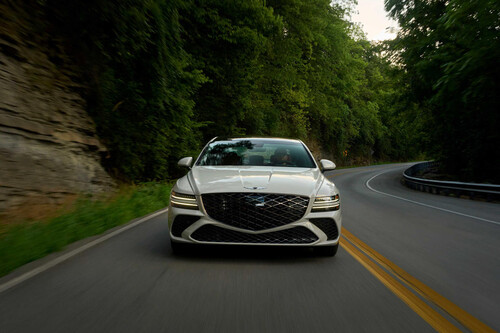
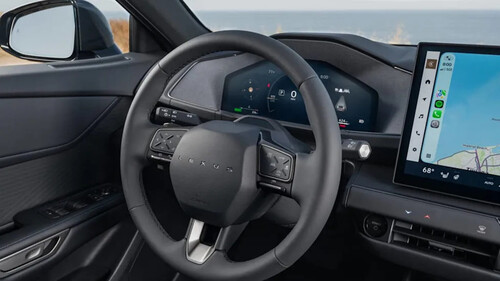
Andrew P. Collins The 2026 Genesis G90 is often described as a lower-cost alternative to the BMW 7 Series and Mercedes-Benz S-Class, but undercutting the establishment is not the most interesting thing about this car. The G90’s real value proposition is its own dichotomy—the interface has the high-contrast sans-serif modernity of an iPhone app, but the driving experience is old-school luxury car. We’re not just talking about smooth and quiet, here. The G90 is plush, plush, plush. It’s nice to drive, but nobody should be calling this a “driver’s car.” It’s a limo that the driver, too, can enjoy riding in. Consider this: Extremely gentle driving dynamics—that “floating” ultra-smoothness people associate with Boomer-era Cadillacs—and a UI that firmly prioritizes legibility over whimsy, plus a raft of bone-coddling features like push-button-close doors and massagers in every seat. The Basics This is a bona fide six-figure flagship, and it looks the part. The design, which hasn’t changed much since its debut a few years ago, has proven pretty timeless, largely thanks to its restraint. It has the strength of presence you want in a big luxury car, without being shouty. A simple word for that: Classy. The standard-wheelbase G90 measures 207.7 inches, making it quite close in size to the 2026 S-Class (209.5 inches) but noticeably shorter than the 7 Series (212.2 inches). Genesis makes great use of all that space with spectacularly comfortable rear seats that very much hit the transatlantic first-class ambiance you expect in a car like this. Andrew P. Collins All G90s sport a 3.5-liter twin-turbo V6 with all-wheel drive and an eight-speed automatic transmission. When you move up from the base model, the powertrain also features a 48V E-Supercharger, bumping horsepower from 375 to 409 while fuel economy drops slightly (21 to 20 mpg in combined driving). What’s An E-Supercharger? Genesis has published a fairly detailed explanation of its unique E-Supercharger system. The most important nugget regarding why you’d want this technology is here: “Typically, a turbocharger uses exhaust gas to spin the turbine following combustion in the engine, which then drives a compressor wheel to compress air into the engine, increasing output. Enhancing the turbocharger’s capacity can increase airflow and ultimately boost maximum output, but this normally leads to longer compression times. Therefore, when the engine is under load or operating at low speeds, it can cause a delay in acceleration or slower throttle response. “The 48-volt e-supercharger, however, addresses these drawbacks by activating at speeds below 1,750 revolutions per minute. It compresses air behind the compressor wheel and delivers it to the engine, increasing low-end output and reducing turbo lag. When the engine reaches higher revolutions per minute, where the turbochargers alone are adequate for boosting, the air bypasses the e-supercharger and is directly supplied to the engine intake manifold.” I appreciate that Genesis took some care to make a decent-looking decorative engine cover. Andrew P. Collins In other words, though the system adds to peak horsepower, its most appreciable benefit is a huge sensation of low-speed thrust that makes it feel very powerful. Genesis Models equipped with the E-Supercharger also get more luxurious features, such as multi-chamber air suspension, rear-wheel steering, larger brakes, and more. The top-of-the-range model we tested, the G90 3.5T E-SC MHEV Prestige Black AWD (yes, that’s the full proper name), adds unique all-black trim, wheels, and light bezels for a brooding, almost ominous appearance. Driving the 2026 Genesis G90 Settling into the G90’s seats feels like landing on your favorite couch after a full shift at the factory. Pleasure, relief, and a sense of safety wash over you as you push a button and the door swings closed without effort. That takes some getting used to—I kept forgetting that the doors are powered and found myself fighting the mechanism. Andrew P. Collins The controls are clear and easy to find, and even the steering wheel seems optimized for minimal user resistance—with just two big spokes, you can pretty much hold it however you want. When you hit the gas and get going, it almost feels like the car’s sitting still while the world moves around it. There’s not really much sensation of speed, but it’s definitely not slow. In a sense, this 5,000-pound vehicle actually feels light. It almost feels like it’s hovering. There is a sport mode; if you boot the gas pedal and steer the wheel like you’re in an ’80s action movie, there’s a whole lot of body roll—it’s much more boat-like than its stiffer German rivals. The car doesn’t reward aggressive driving. But it does provide effortless acceleration when you want it, and an almost unbelievably smooth ride, even over NYC’s battle-scarred roads. One of the vehicle’s front-facing cameras communicates with the air suspension to mitigate the impact of potholes and speed bumps as much as possible. Genesis calls this party trick “Preview Electronic Control Suspension,” and as far as my butt could tell, it works remarkably well. The G90 also has a surprisingly tight turning radius—made possible by rear-wheel steering that’s active at low speeds. This kink at the end of the rear window and rear fender-flare area is my favorite exterior design element. These shapes that add weight to the tail end of the car’s greenhouse make me think of an old-world coach. Andrew P. Collins All this to say: The driving experience is remarkably effortless. The Highs and Lows I’ve established pretty clearly that comfort is the big high point here. But design and parking-lot presence are also very strong. The G90’s reserved look is already aging well; this car will undoubtedly still be pretty in a decade. The plushness won’t appeal to everyone—if you’re looking for steering feel and driver engagement, this isn’t your car—but I think Genesis was wise to lean into relaxation with this. There are plenty of high-power, high-stiffness luxury vehicles out there. Some of the things that bugged me were just a matter of learning the settings. I never did come to enjoy the “push-button close” doors, for example. I found the interior lighting almost universally annoying. Interior ambient light strips reflect on the windshield at night. The rear climate control screen is needlessly bright and way too hard to quickly deactivate. At least the main infotainment screen is mostly elegantly tucked into the dash. Fuel economy leaves a lot to be desired, especially when compared to rivals. That’s an earnest complaint we’ll revisit in a few paragraphs. A more pedantic observation I couldn’t help making is that the design of the buttons and some interior material choices felt a little more “kid’s toy” than “timeless luxury product.” While the surfaces that matter most (seats, steering wheel) are well-attended to, the wood dash trim and buttons just don’t look or feel as robust as those in my nine-year-old BMW 3 Series. Not a dealbreaker, but I won’t let it go unmentioned. Rear-Seat Comfort The G90 is almost better to appreciate from the back-right seat. And it’s very clear that the car was designed mostly for limo duty. There are easy controls to squish the front passenger seat towards the windshield, creating a soft-leather paradise for whoever’s being shuttled. The rear seats don’t quite lie flat, but they get as close as you’d reasonably want to, and they are just so, damn, comfy. The rear center console, which tucks away if you have to suffer the indignity of having three people on the rear bench, is full of cupholders, chargers, and comfort controls. If you make your driver activate Chauffeur mode, the vehicle’s muted response exaggerates the floating sensation to the point where you pretty much feel like you’re in a high-luxe spaceship. Fuel Economy The range-topping Genesis G90 is most directly comparable to the base BMW 7 and Merc S. Compared to those, it uses much more gasoline. Based on these numbers below, it seems pretty clear that Genesis’ E-Supercharger system is more about adding low-speed oomph than improving efficiency. I don’t know if this is a deal-breaker, but if you’re picking a Korean car over Germans purely because you think running costs will be lower, it seems that is not actually the case. FuelEconomy.gov Value and Verdict The top-spec Prestige Black G90 we test-drove and photographed here lists at $107,895. That’s a lot of money, but it is a rock-solid value compared to other cars on the market. If you’re looking for a modern execution of old-school luxury car priorities, this is it. It’s ultra-comfortable, easy to drive, and delightful to ride in. Genesis provided The Drive with a seven-day loan of this vehicle for the purpose of writing this review. 2026 Genesis G90 3.5T E-SC MHEV Prestige Black AWD Specs Base Price (as tested)$105,750 ($107,895)Powertrain3.5 twin-turbo V6 E-SC | 8-speed automatic transmission | all-wheel driveHorsepower409 @ 5,800 rpmTorque405 lb-ft @ 1,300-4,500 rpmSeating Capacity5Cargo Volume10.59 cubic feetCurb Weight5,150 poundsEPA Fuel Economy17 mpg city | 24 highway | 20 combinedScore8/10