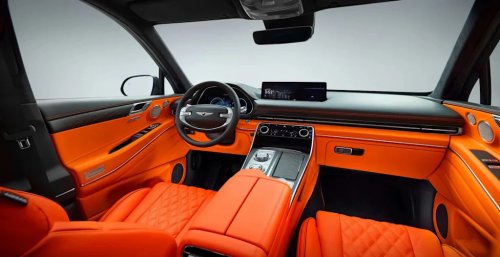
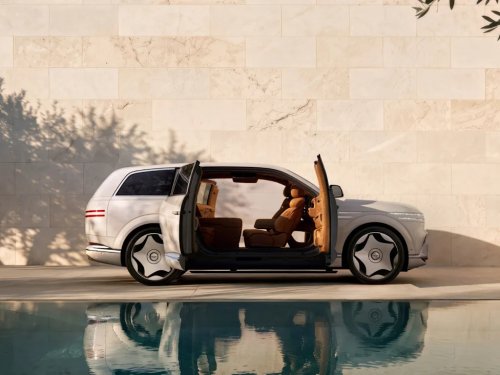
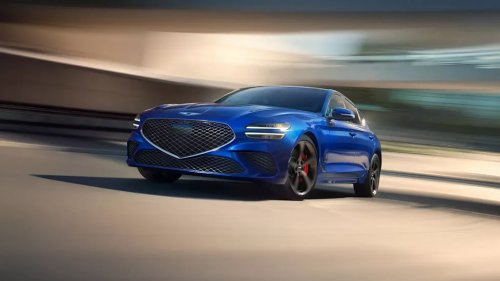
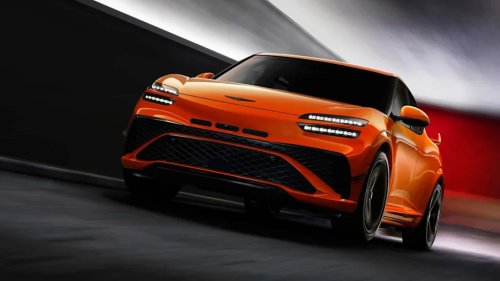
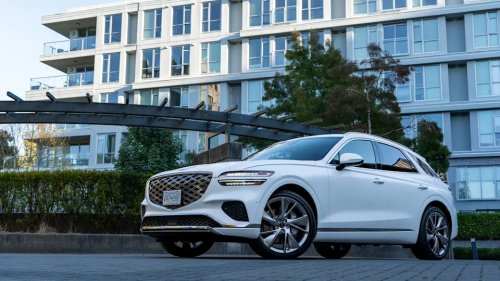
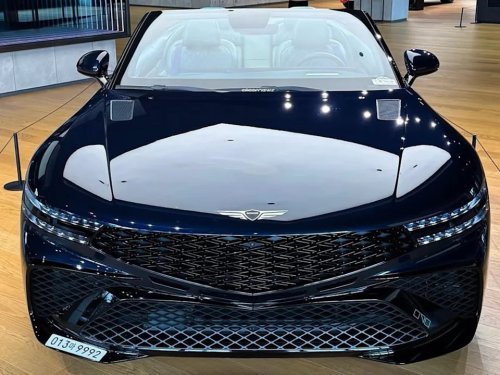
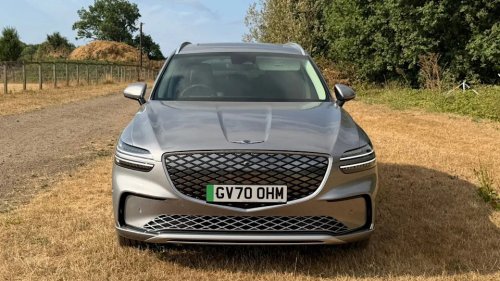
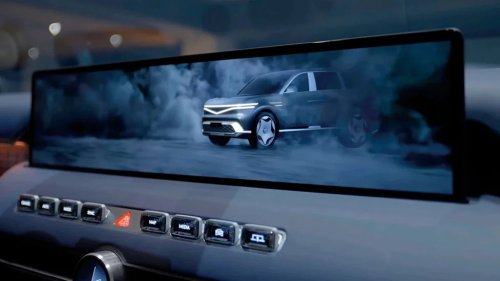
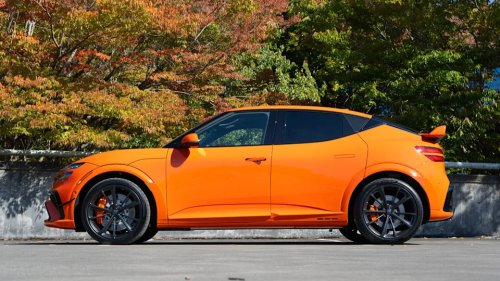
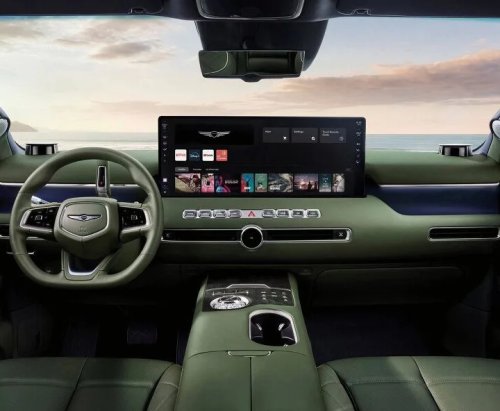
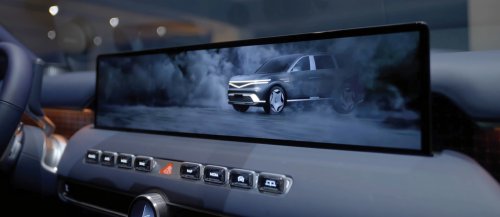
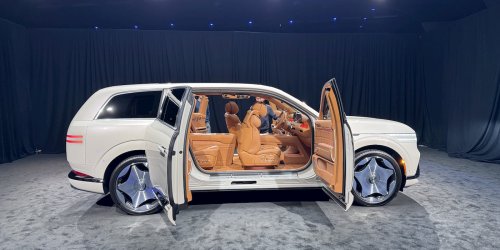
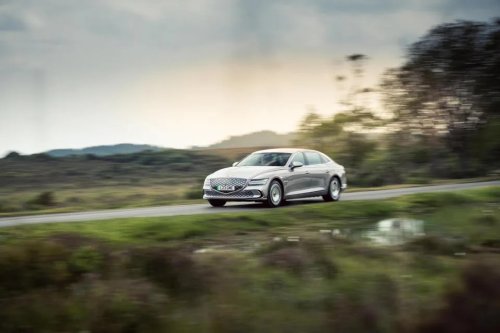
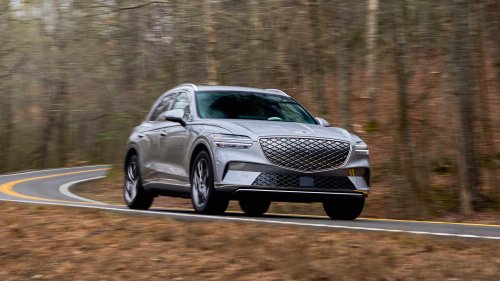
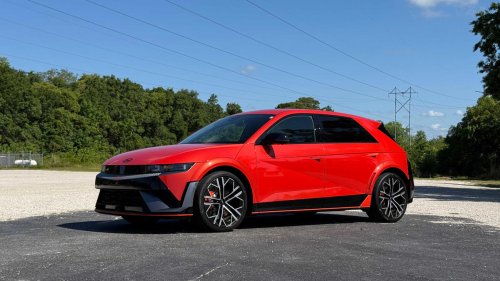
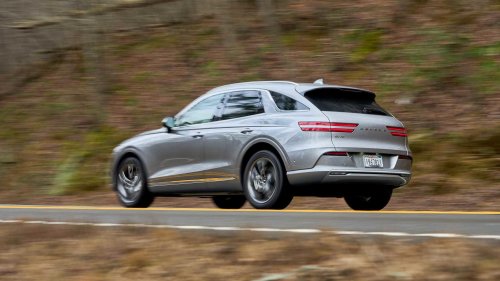
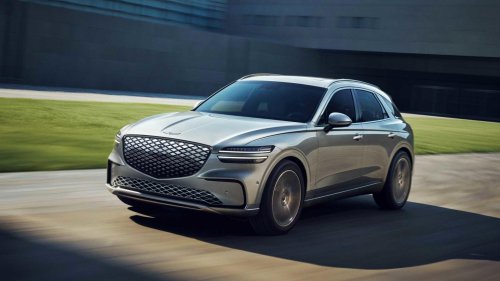
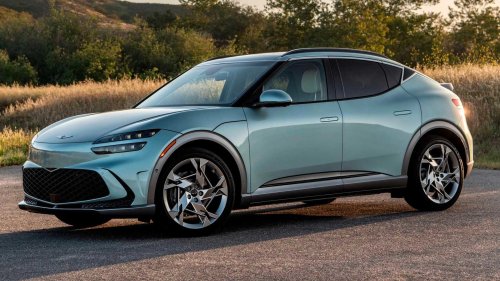
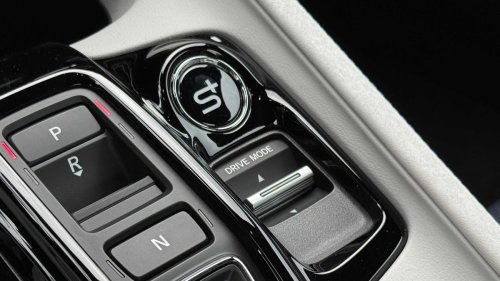
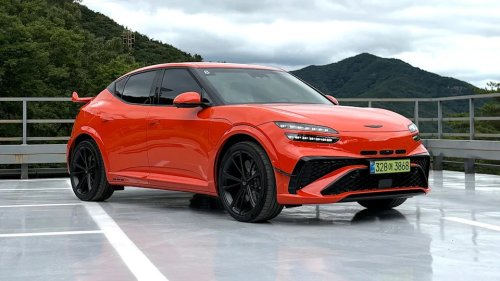
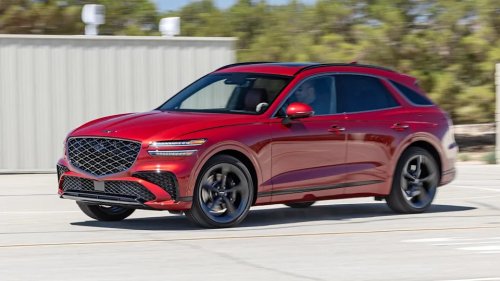
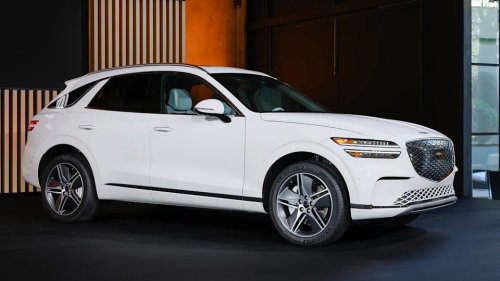
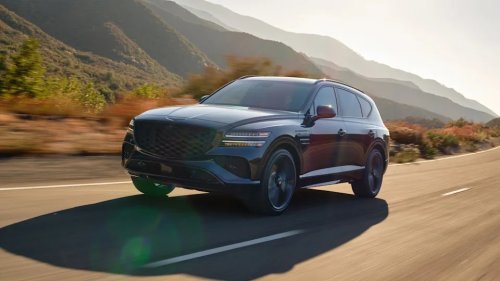
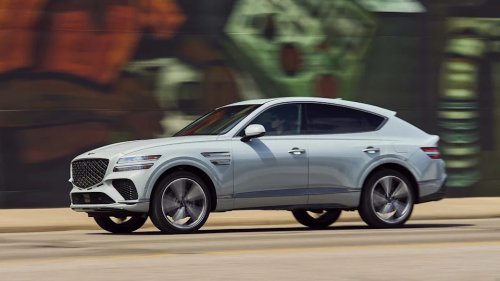
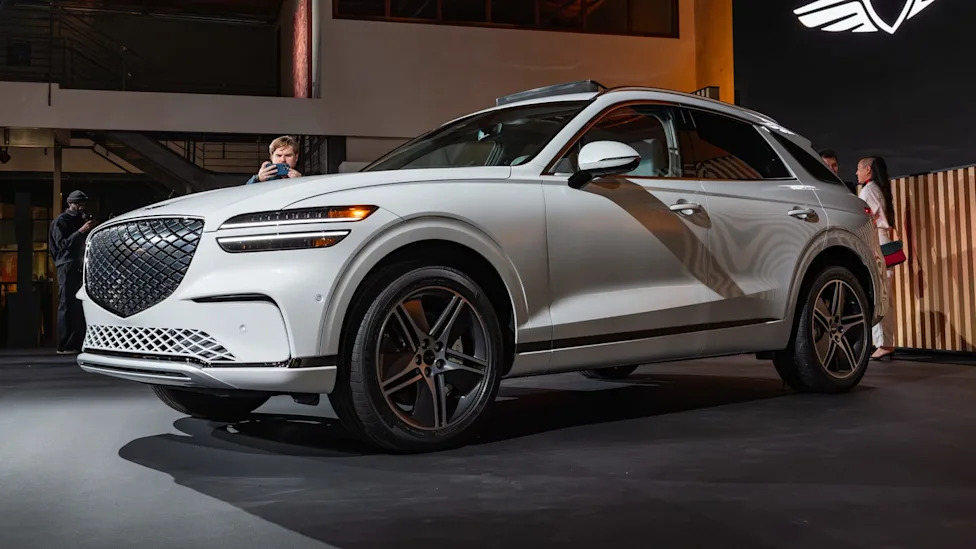
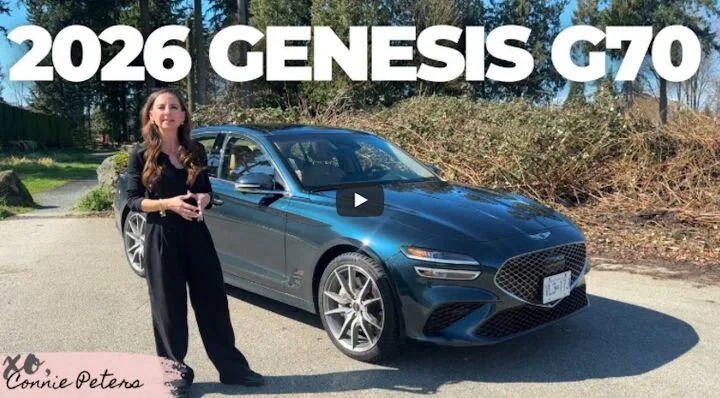
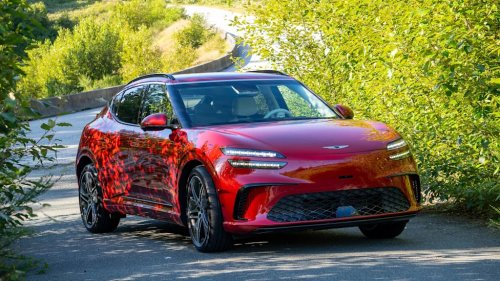
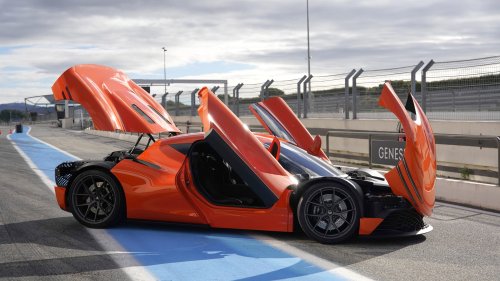
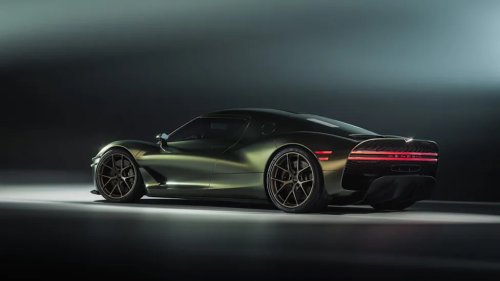
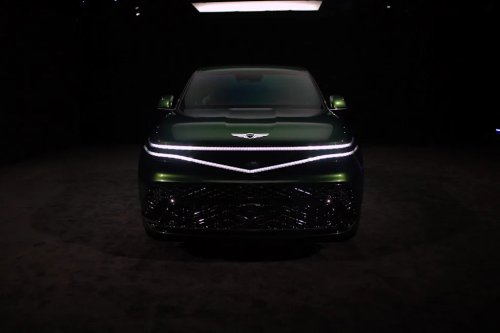
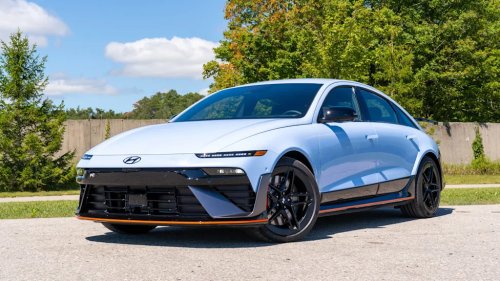
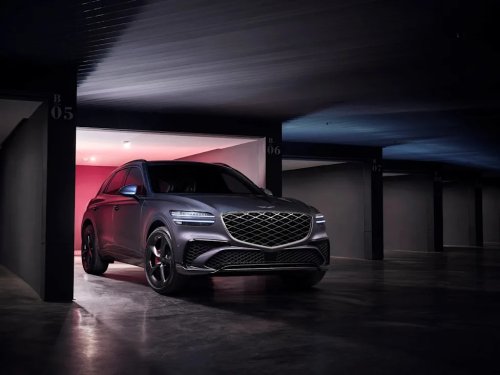
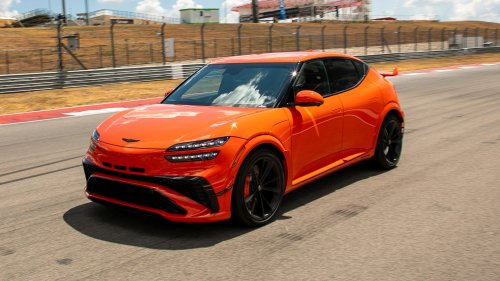
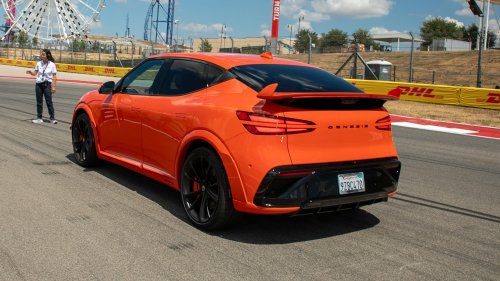
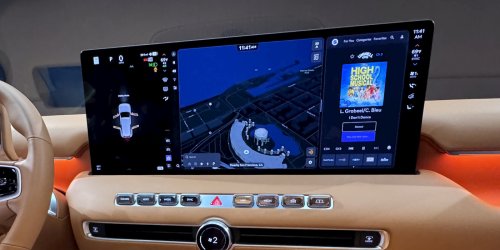
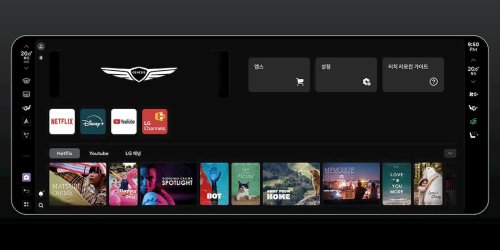
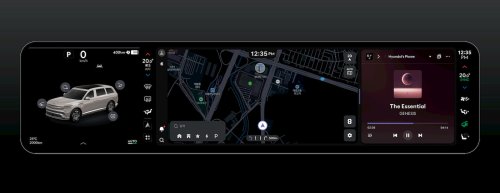
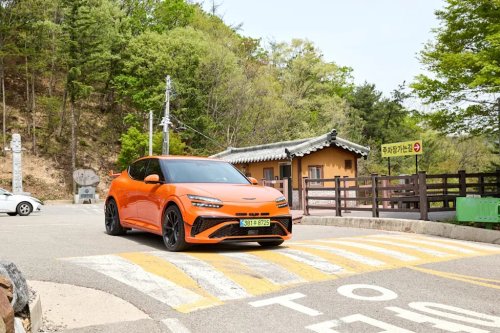
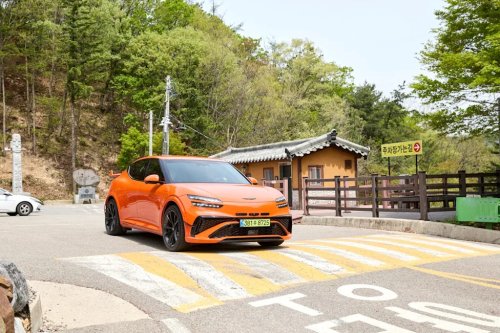
In theory, electric propulsion is the ultimate way to power a car. No need for multiple gears, torque delivery is instantaneous, and there’s zero doubt it’s greener at the point of use, at least.However, it’s hard to escape the feeling that they lack character when compared with gas-powered models. The inherent imperfections that accompany an internal combustion engine are what make the experience special, and it is this loss of feeling that many drivers fear losing when they make the switch to an EV.But there is a solution, and in an unlikely place. Allow us to introduce you to the revolutionary feature hiding inside some Genesis models. Virtual Gear Shift Genesis As the name suggests, the Virtual Gear Shift (VGS) system used by Genesis aims to replicate the feeling of an automatic gearbox. It works by manipulating electric motors to provide a gradual deployment of its power, replicating a rev range as you would see on an internal combustion car.In this system, you have the option of it working in an automatic mode, with the car itself able to determine when it shifts up or down. The rate of your progress will affect its shift timing, too. Drive hard, and it’ll maximize the "rev" range while driving at a cruise will replicate lower shifts for a smoother ride.You can also opt for a "manual" mode, which sees the steering wheel paddles, which normally adjust the regenerative braking levels, operating the virtual gears and giving you full control of the system, freely "revving" it out and making full use of the electronically restricted power band.Naturally, this makes it slower to accelerate than its default instant power delivery, but does heighten engagement. It Comes From Hyundai Jared Rosenholtz/CarBuzz/Valnet Although Genesis uses the technology, it isn’t the first brand within the Hyundai Motor Group to use it. That was Hyundai itself, introducing the technology for the enthusiast-focused Hyundai Ioniq 5 N.In that car, it operates in a very similar way but goes a step further in presenting the driver with synthesized engine noises. These can be selected between a sound that aims to replicate the 2.0-liter turbo four-cylinder used in the Elantra N, the virtual noise of the Hyundai Vision Gran Turismo concept, or, incredibly, even a fighter jet.The system has been well received by global automotive media, giving the Ioniq 5 N a real chance of appealing to enthusiasts who may otherwise turn their noses up at a battery-powered vehicle. The system returns for the Ioniq 6 N, and has also seen use in the Kia EV6 GT, updated with the technology in 2025. Why Genesis Models Have VGS Genesis Although utilizing the technology in the enthusiast-focused Hyundai N models makes sense, its presence in the more comfort and luxury-oriented Genesis models is a little bit more perplexing.There is surely an element of "just because" involved here. After all, the software exists for the platform, so why not use it? According to Genesis’ marketing material, though, it aims to "enhance your EV with a high-performance sports sensation".Worth noting that while it isn’t a direct copy and paste of the N model’s more enthusiast-focused system, it does also offer eight "ratios", whereas the Kia EV6 GT only opts for six, perhaps suggesting less engineering work has been utilized here. Which Genesis Models Have VGS? Not all Genesis electric models use VGS technology, but it is a feature on two of its most prominent SUVs on sale right now. Genesis Electrified GV70 GenesisYou wouldn’t inherently associate the Genesis Electrified GV70 as a car with enthusiasts in mind, but it was the first Genesis model to take on VGS technology when the model was updated for the 2026 model year.It certainly has the performance to make the most of the technology, with 429hp and 516lb ft of torque available from its dual-motor, all-wheel drive setup. Adding the software doesn’t magically transform the SUV into a driver’s car, but there’s no doubting it’s a neat addition. Genesis GV60 GenesisWith the Genesis Electrified GV60 directly sharing a platform with the Hyundai Ioniq 5 N, it came as no major surprise when VGS technology was introduced to the sleek-looking electric SUV in 2025 as part of a major refresh.It’s not available on all variants of the GV60. It’s currently reserved for the Performance AWD model. Sorry to those who have a single-motor car. Those Performance models offer the same output as the GV70 with 429 hp and 516 lb-ft of torque, so still plenty to work with there. It's Easy To Miss GenesisWhile Hyundai N’s system is super easy to access at the press of a button on the steering wheel, the Genesis Virtual Gear Shift system requires a little more work to activate and might be easy to miss. At least the first time you use it.You’ll have to head into Settings, Vehicle, and then Drive Mode through the infotainment system. Within that menu lies the Virtual Gear Shift activation button. From there, you can remap it to the favorites button on the steering wheel for an easy shortcut in the future, but that would come at the cost of using it for another function you may prefer. The Upcoming Genesis Performance Car With VGS At Its Heart GenesisWhen the Genesis GV60 Magma comes to the market, the Virtual Gear Shift system is surely set to be one of its biggest selling points.This is effectively the Genesis version of the Hyundai Ioniq 5 N, matching its 641hp and offering more torque at 583lb ft in Boost mode. Along with several hardware changes to make the chassis more engaging, this is a car focused squarely at enthusiasts while taking the fight to the Porsche Macan Turbo Electric.You’ll be able to spot a Magma pretty easily, owing to its aggressive bodywork, a rear wing that looks straight from Need For Speed Carbon, and with the option of Magma Orange paint that we think is a must-have.We are incredibly excited to drive this one when it goes on sale later in 2026. Mostly to try out its Drift Mode. Honda Has Similar Technology Jared Rosenholtz/CarBuzz/Valnet Although the Hyundai and Genesis technology is currently the most prominent of its kind, it’s not just the South Korean manufacturers aiming to give enthusiasts something to enjoy in this electric age.While the Honda Prelude is a hybrid model with combustion and electric components in its powertrain, its internal combustion engine primarily serves as a petrol generator to drive an electric motor, with no physical connection to the wheels. To help add a sense of engagement, Honda introduced S+ Shift, a system that replicates a six-speed automatic gearbox that can be controlled using paddles on the steering wheel. It’s an effective system, albeit one that’s not perfectly polished.Honda will be using a similar system in a model you can’t have, too. The global-market Honda Super-One, an electric Kei hot hatch, will simulate a seven-speed gearbox through its Boost mode. Keep that in mind when you’re picking your rental for your next trip to Japan, or want something quirky to import in 2051.Other manufacturers are sure to follow in the future. Ford has previously patented its own version of a virtual gearbox for electric vehicles, and Toyota has done the same with technology that goes a step further, introducing a physical gear stick and a clutch to control electronic ratios.Porsche is another investigating the technology, with development in the works for a system that aims to replicate the sounds and feel of its trademark 4.0-liter twin-turbo V8. Given its rocky road with electric vehicles in recent years, it'll be interesting to see if its system will be able to resonate with die-hard Porsche enthusiasts.Sources: Genesis



















 +64 others














![Genesis, Here's what all the Genesis GV90 colors look like in person [Video]](https://cdn.topcarnews.net/thumb/id/aHR0cHM6Ly9pMC53cC5jb20vZWxlY3Ry-ZWsuY28vd3AtY29udGVudC91cGxvYWRz-L3NpdGVzLzMvMjAyNi8wOC9HZW5lc2lz-LUdWOTAtY29hY2gtZG9vci1pbWFnZS5q-cGVnP3c9MTUwMCZhbXA7cXVhbGl0eT04-MiZhbXA7c3RyaXA9YWxsJmFtcDtzc2w9-MQ/d2154115ddb5be8c5f29a480c0279ef4.jpeg?t=20261004&post_id=59447)
![Genesis, Here's what all the Genesis GV90 colors look like in person [Video]](https://cdn.topcarnews.net/thumb/id/aHR0cHM6Ly9lbGVjdHJlay5jby93cC1j-b250ZW50L3VwbG9hZHMvc2l0ZXMvMy8y-MDI2LzA4L0dlbmVzaXMtR1Y5MC1leHRl-cmlvci1jb2xvci1vcHRpb25zLmpwZWc/49fa28d133636f9df274a6eab6251225.jpeg?t=20261004&post_id=59447)
![Genesis, Here's what all the Genesis GV90 colors look like in person [Video]](https://cdn.topcarnews.net/thumb/id/aHR0cHM6Ly9pMC53cC5jb20vZWxlY3Ry-ZWsuY28vd3AtY29udGVudC91cGxvYWRz-L3NpdGVzLzMvMjAyNi8wOS9HZW5lc2lz-LUdWOTAtY29sb3JzLTMuanBlZz9zdHJp-cD1pbmZvJmFtcDt3PTE0MDAmYW1wO3Nz-bD0x/48c60b0e4a90502fafc973a627041393.jpeg?t=20261004&post_id=59447)
![Genesis, Here's what all the Genesis GV90 colors look like in person [Video]](https://cdn.topcarnews.net/thumb/id/aHR0cHM6Ly9pMC53cC5jb20vZWxlY3Ry-ZWsuY28vd3AtY29udGVudC91cGxvYWRz-L3NpdGVzLzMvMjAyNi8wOS9HZW5lc2lz-LUdWOTAtY29sb3Itb3B0aW9ucy5qcGVn-P3N0cmlwPWluZm8mYW1wO3c9MTQwMCZh-bXA7c3NsPTE/1ef7d000f533d8e2fb732d31869daf3e.jpeg?t=20261004&post_id=59447)
![Genesis, Here's what all the Genesis GV90 colors look like in person [Video]](https://cdn.topcarnews.net/thumb/id/aHR0cHM6Ly9pMC53cC5jb20vZWxlY3Ry-ZWsuY28vd3AtY29udGVudC91cGxvYWRz-L3NpdGVzLzMvMjAyNi8wOS9HZW5lc2lz-LUdWOTAtY29sb3JzLTIuanBlZz9zdHJp-cD1pbmZvJmFtcDt3PTE0MDAmYW1wO3Nz-bD0x/255af6546a43efa41b569fe06843aff7.jpeg?t=20261004&post_id=59447)
![Genesis, Here's what all the Genesis GV90 colors look like in person [Video]](https://cdn.topcarnews.net/thumb/id/aHR0cHM6Ly9lbGVjdHJlay5jby93cC1j-b250ZW50L3VwbG9hZHMvc2l0ZXMvMy8y-MDI2LzA4L0dlbmVzaXMtR1Y5MC1sdXh1-cnktU1VWLmpwZWc/2e7bbf058d81de34c658204d541afdac.jpeg?t=20261004&post_id=59447)