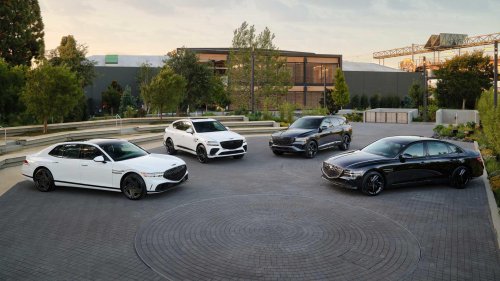
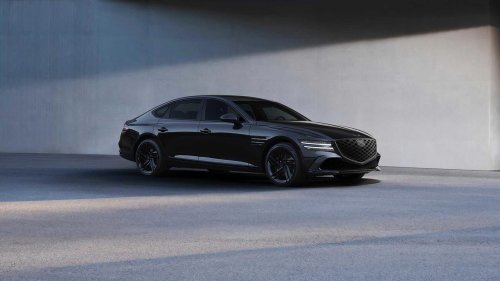
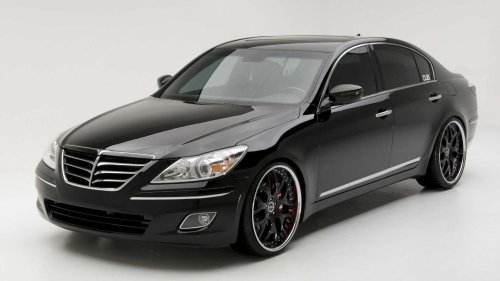
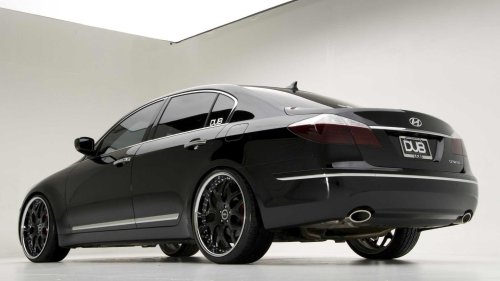
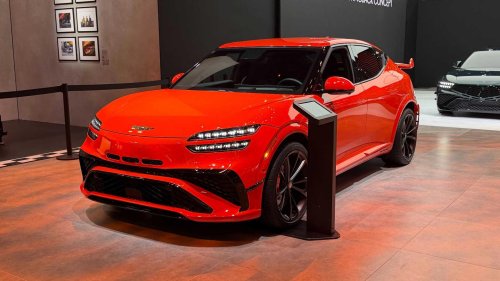
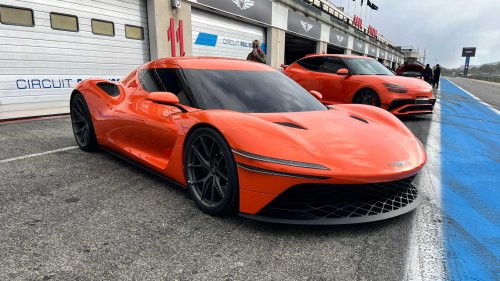
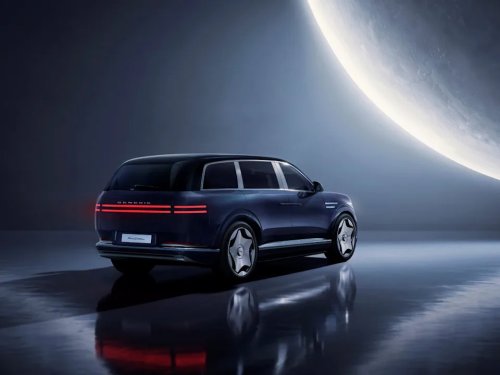
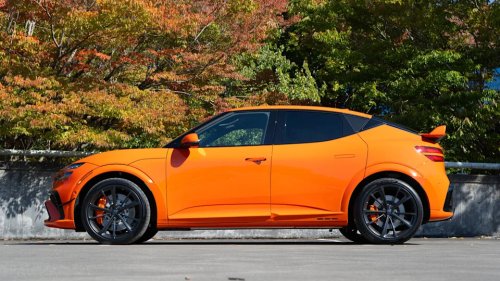
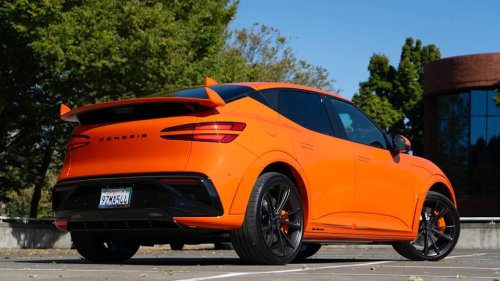
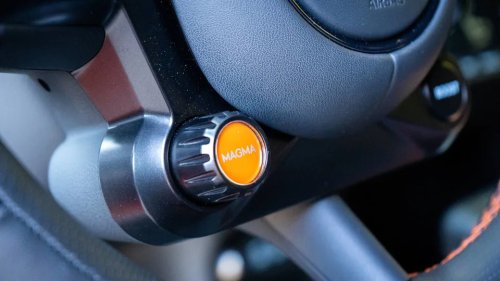
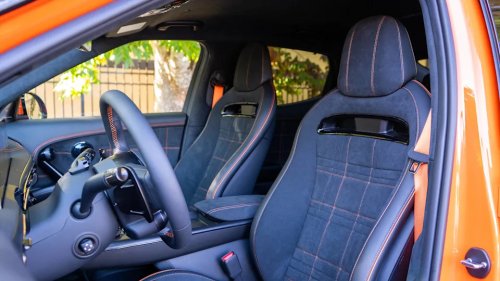
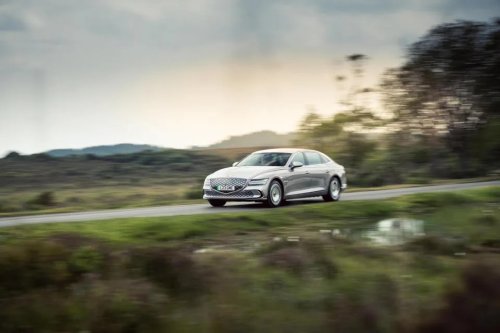
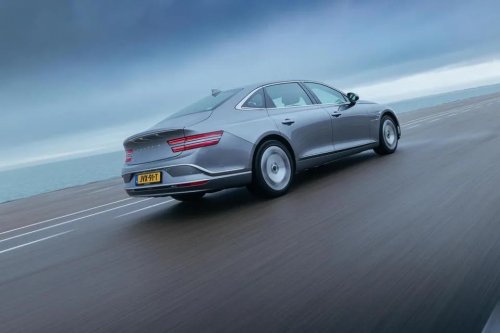
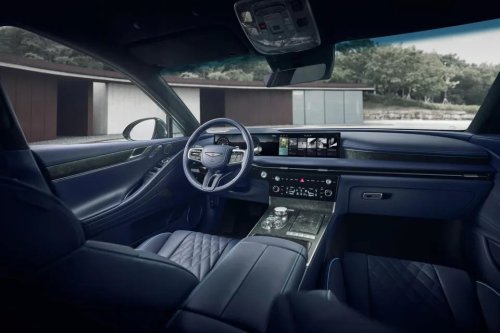
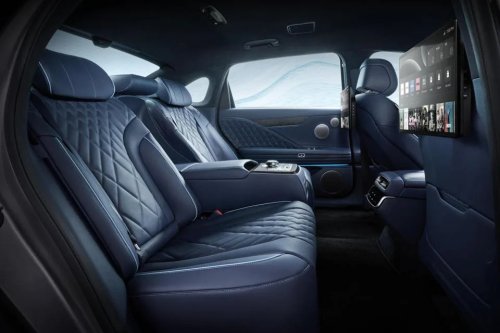
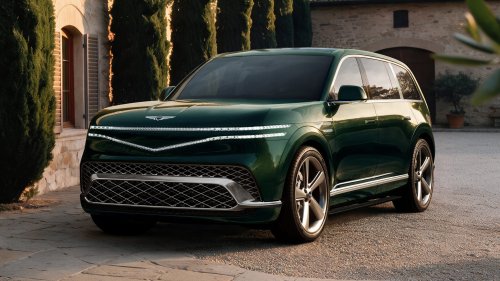
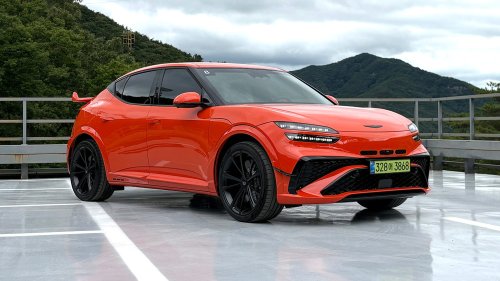
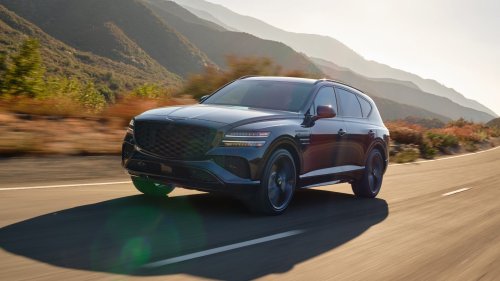
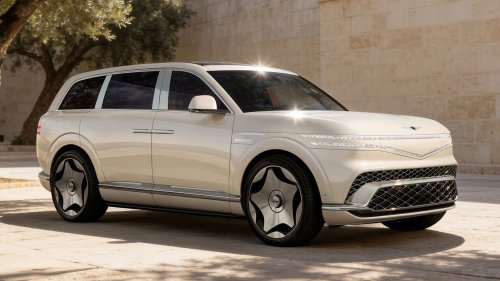
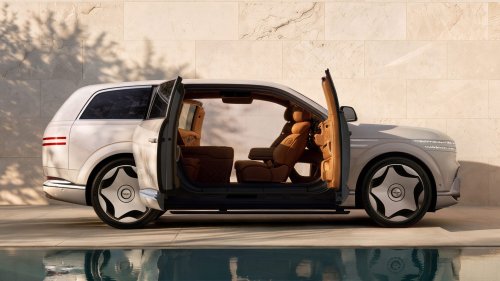
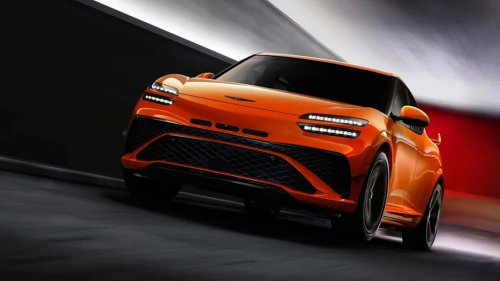
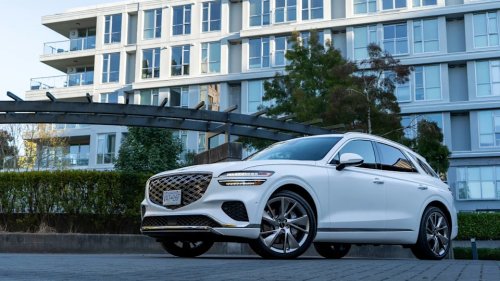
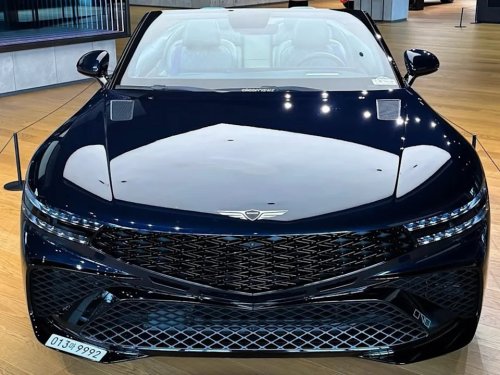
Hyundai is a brand that has undergone a long and complex evolution process. From its early days of simple, inexpensive cars, to its much more premium present-day offering, the Korean automaker has grown by leaps and bounds. Although there are many factors that went into its transformation, one in particular stands out: the creation of its luxury sub-brand, Genesis, just over a decade ago.Genesis has put Hyundai on the map in areas of the automotive world it didn’t occupy before, adding a dimension of luxury that enabled the brand to fight against giants such as BMW. Today, this division is expanding even further with the addition of the Magma program, going beyond luxury and into the worlds of track-ready performance and motorsport. We are taking a look back at Genesis’ journey from the beginning, the model that helped launch it, and how it fits into Hyundai’s wider history. Genesis: A Sub-Brand That Elevated Hyundai To A New Level Genesis The Genesis brand was launched at the end of 2015 in Hyundai’s home market of Korea. A few months later, it arrived in the US with two models, the G80 (formerly known as the Hyundai Genesis) and the G90. The brand’s European debut, however, would not happen until a few years later, in 2021.Genesis’ current lineup includes seven models. Four of them are SUVs (the GV60, GV70, and GV80 SUV), three (the G70, G80, and G90) are sedans. The GV80 is also available in coupe form. Right now, just two models in the lineup offer an electric powertrain: the GV60, which does not offer a gas-powered option, and the electric version of the GV70, which is also available with a combustion engine.Genesis The brand also has a few upcoming models in the works. One of them, the GV90, is an SUV set to slot directly above the GV80. Its concept predecessor, the Neolun, was introduced in 2024. Another upcoming Genesis model is the Magma GT, a supercar made by the brand’s most recent development, the Magma division. Aimed at creating high-performance variants of Genesis’ existing models, the Magma project has also given us one-off concepts and a racing team of its own, Genesis Magma Racing. The Model That Gave Rise To The Brand: The Hyundai Genesis HyundaiBefore the Genesis name was used for Hyundai’s luxury sub-brand, it was used for the model that anticipated it, the Hyundai Genesis. This executive sedan made its first appearance in concept form at the 2007 New York Auto Show, before the production version hit the market for the 2008 model year. The model was powered by a range of V6 and V8 engines, varying in size between 3.3 and 5.0 liters. Power output ranged between 258 and 429 hp. On the US market, a six-speed automatic was the only transmission option available.The Genesis’ first generation remained on the market until the 2014 model year. For 2015, Hyundai released a second generation with some design and mechanical updates. The powertrain lineup remained similar, with both V6 and V8 options on offer. Power output ranged between 253 and 419 hp. This time, the only transmission available was an eight-speed automatic.Hyundai The Genesis’ second generation remained on the market under its original name until the 2016 model year. At the same time, however, the Genesis brand was getting off the ground; the model was absorbed into the new division, becoming the Genesis G80 from 2017 onward. Along with the G90 (a full-size luxury car), the G80 helped launch Genesis as Hyundai’s high-end marque. The Genesis sedan was the perfect model for Hyundai to launch its luxury arm off — it was a premium product and a cut-above what Hyundai had produced in the past.During the Genesis’ production run, Hyundai also produced a coupe that also used the Genesis name. This model shared its platform with the Genesis sedan, and was the first rear-wheel-drive sports coupe produced by Hyundai. It was available with either a turbocharged inline-four engine or a V6, with power output ranging between 207 and 312 hp. Transmission options included a six-speed manual, six-speed automatic, or eight-speed automatic depending on model year and engine. The Genesis Coupe, however, was discontinued in 2016 and was not carried over into the lineup of the newly-established Genesis marque. As the years progressed, the sporting connection between this early coupe and the direction both Hyundai and Genesis would take become ever-more relevant. Magma: Genesis' Expansion From Luxury To Performance Brett T. Evans / CarBuzz / Valnet Genesis has been associated with luxury and comfort for its entire existence, but in the past year it has really started to push performance as part of its portfolio too, with the launch of the Magma program. Magma is Genesis’ performance division, encompassing both the world of road cars and that of motorsport.The division’s name was inspired by the volcanic heat and energy of magma. This is reflected in the Magma-branded cars we have seen so far, which have a fiery character that’s ready to compete both on and off the track. The signature bold hue of the Magma division, aptly called Magma Orange, is also connected to the volcanic theme.The aim of the Magma division is to create a high-performance variant of each model in the current Genesis lineup. It has, however, also been responsible for creating some interesting one-off concepts, such as the G90 Wingback Magma, a re-imagined version of the G90 sedan in high-performance wagon form. Perhaps most notably, though, was the un-cloaking of an entirely new high-end performance car, the Magma GT, although whether a production run will materialize or not is not yet clear.Joel Stocksdale/CarBuzz/Valnet Magma vehicles are set to be upgraded with performance-oriented batteries and motor systems, giving them an edge on the speed, range, and acceleration fronts. Aerodynamic elements, such as rear diffusers, are also a part of the Magma recipe. Genesis has also set its sights on the world of motorsport with the Magma program. A new motorsport team, Genesis Magma Racing, has joined Genesis’ existing motorsport efforts, competing in endurance racing. The GMR-001 hypercar is competing in the World Endurance Championship, and some of its technology will likely trickle down to the Magma road cars as well. The Magma program also has a direct connection to the history of motorsport thanks to input from racing legend Jackie Ickx, who was a consultant for the GV60 Magma’s design process.While still young, the development of its Magma performance division is a huge step for Genesis, if it genuinely wants to be seen as a rival to luxury and sporting European brands, like BMW. Offering value is one thing, as is launching compelling luxury models, but the performance side of things is typically where enthusiasts will be most critical. By developing a dedicated division, Genesis is setting itself up well for creating the kind of brand entity that gas-crazed gearheads can really get behind. Hyundai's Rise From Budget To Premium Hyundai The creation of Genesis is just one of the most recent chapters in Hyundai’s journey from budget brand territory to automotive luxury. The brand traces its origins back to the 1940s, but started out as an engineering and construction firm. Its very first car, a version of the Ford Cortina built under license, was introduced in the late '60s. During the following two decades, Hyundai grew steadily in its home market of Korea, producing its own models with help from foreign firms such as the UK’s British Leyland and Italy’s Italdesign.Hyundai eventually made its debut in the US in 1986. The brand’s first models sold in the States were primarily focused on affordability, with few creature comforts and powertrains that got from A to B without much focus on performance. Some models from Hyundai’s early American lineup include the Sonata (a highly successful car, still in production today) and the Excel, whose affordability earned itself a mention in Fortune magazine.Hyundai At the turn of the millennium, Hyundai made a large jump ahead thanks to its acquisition of Kia, which was going through a difficult financial period. After Kia declared bankruptcy and was forced to find a buyer, Hyundai managed to outbid Ford and acquired 51% of Kia, in a unique “mutual ownership” arrangement (Kia itself owned some of the Hyundai Motor Company’s subsidiaries). This deal marked the start of an upwards trajectory for Hyundai, with its reputation changing as new models joined the lineup.The “10 years or 100,000 miles” warranty, one of Hyundai’s most famous selling points, was also introduced around this time. This warranty is arguably one of the most important moves Hyundai ever made, as it portrayed a real confidence from the brand in its own products. No way could a small Korean automaker have ever dreamed of taking on the likes of BMW, until it could finally convey that its products had made the swing from the bargain-end of the market, to being just as dependable and well-built as anything else on the market.Hyundai’s image steadily evolved to include not just affordability, but reliability, comfort, luxury, and performance. The Genesis sub-brand played a major part in this change. Today, the company is a major player in the automotive world, with a bright future ahead of it.Sources: Hyundai




















 +81 others
















![BMW, BMW's new iX4 leaks days ahead of its debut [Images]](https://cdn.topcarnews.net/thumb/id/aHR0cHM6Ly9pMC53cC5jb20vZWxlY3Ry-ZWsuY28vd3AtY29udGVudC91cGxvYWRz-L3NpdGVzLzMvMjAyNi8wNy9CTVctaVg0-LUdULVNVVi0yLmpwZWc_dz0xNTAwJmFt-cDtxdWFsaXR5PTgyJmFtcDtzdHJpcD1h-bGwmYW1wO3NzbD0x/44847916d4631457013dfd46d3f7570e.jpeg?t=20261007&post_id=68433)
![BMW, BMW's new iX4 leaks days ahead of its debut [Images]](https://cdn.topcarnews.net/thumb/id/aHR0cHM6Ly9lbGVjdHJlay5jby93cC1j-b250ZW50L3VwbG9hZHMvc2l0ZXMvMy8y-MDI2LzA5L0JNVy1pWDMtZGlzY291bnRz-LTEuanBlZw/c8460dcaa0db22fb19e72a4850b8290a.jpeg?t=20261007&post_id=68433)
![BMW, BMW's new iX4 leaks days ahead of its debut [Images]](https://cdn.topcarnews.net/thumb/id/aHR0cHM6Ly9lbGVjdHJlay5jby93cC1j-b250ZW50L3VwbG9hZHMvc2l0ZXMvMy8y-MDI2LzA5L0JNVy1uZXctaVgzLWludGVy-aW9yLmpwZWc/a56ce0577f87e18bc04a56d2fb9519d2.jpeg?t=20261007&post_id=68433)


















![Hyundai is testing a smaller EV — could it be the IONIQ 4? [Video]](https://cdn.topcarnews.net/thumb/id/aHR0cHM6Ly9pMC53cC5jb20vZWxlY3Ry-ZWsuY28vd3AtY29udGVudC91cGxvYWRz-L3NpdGVzLzMvMjAyNi8wMi9IeXVuZGFp-LUlPTklRLTEtRVYtZnJvbnQuanBlZz93-PTE1MDAmYW1wO3F1YWxpdHk9ODImYW1w-O3N0cmlwPWFsbCZhbXA7c3NsPTE/62d7459438201b3f1399106554e467d7.jpeg?t=20261007&post_id=68203)