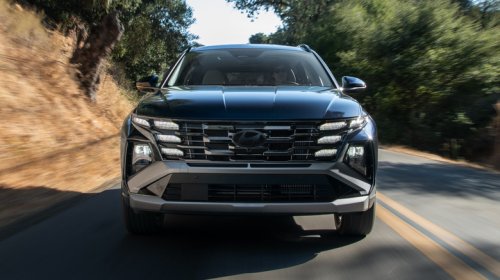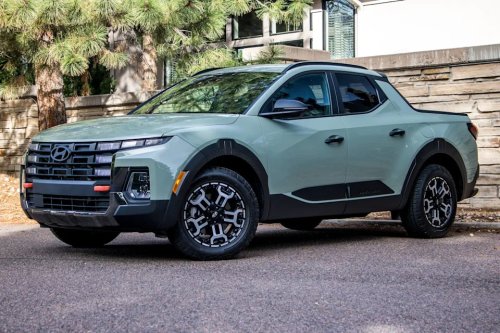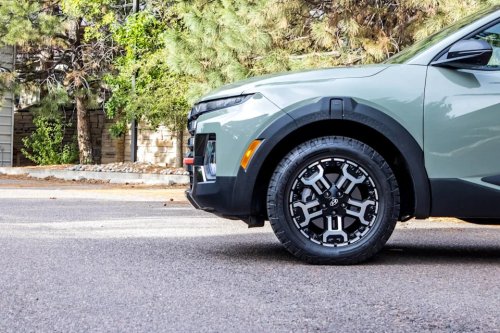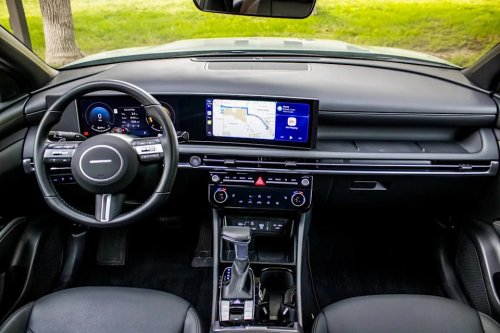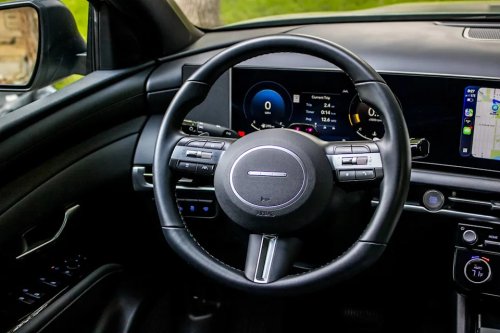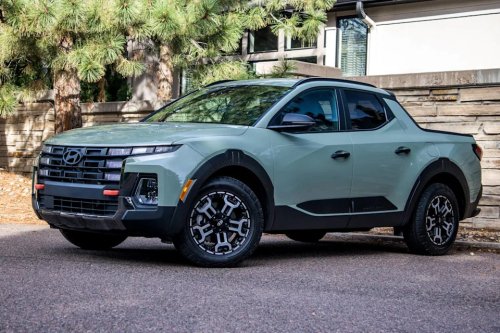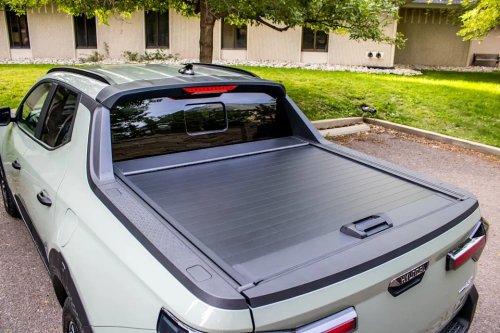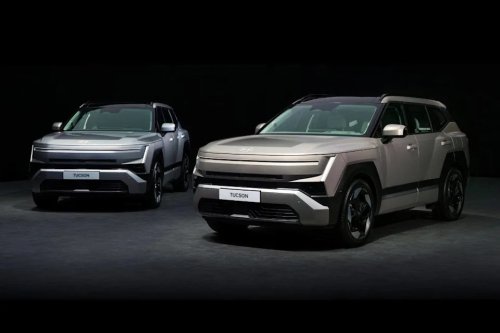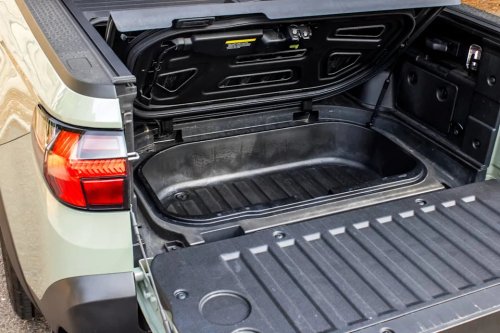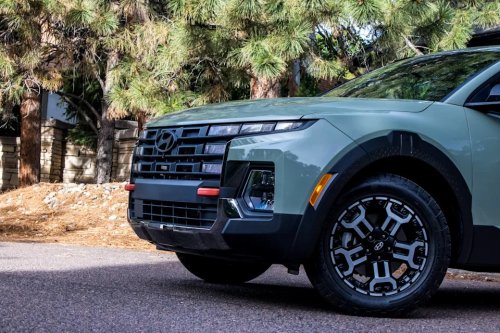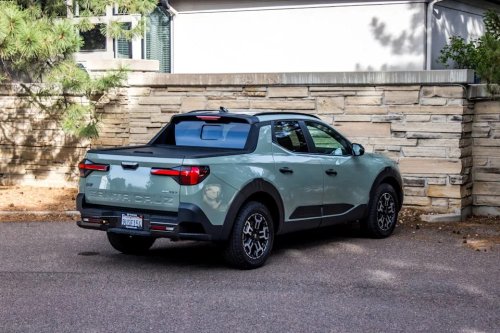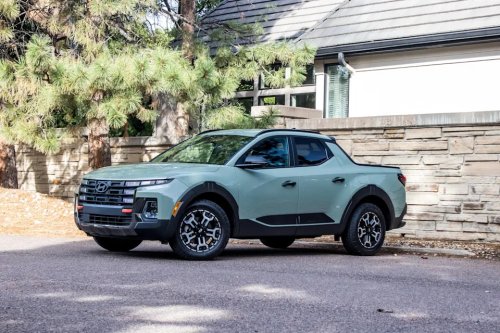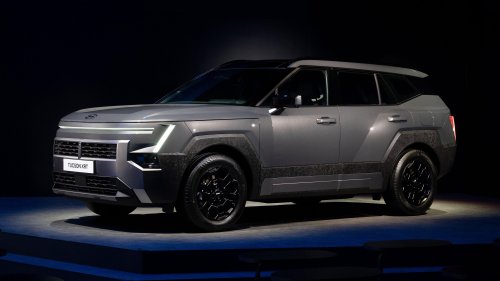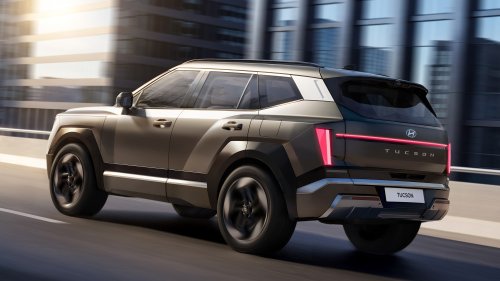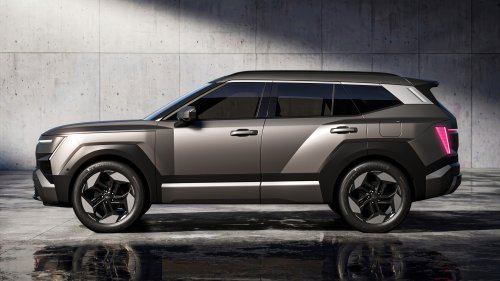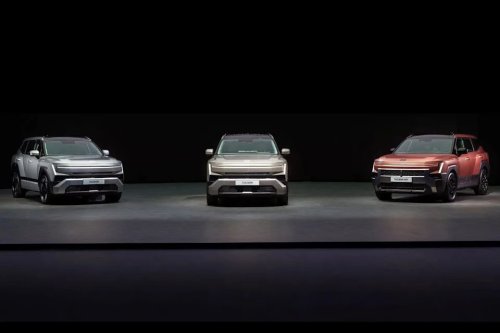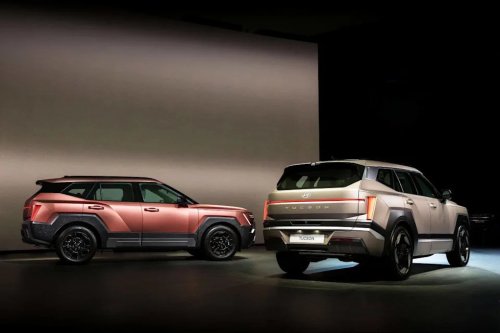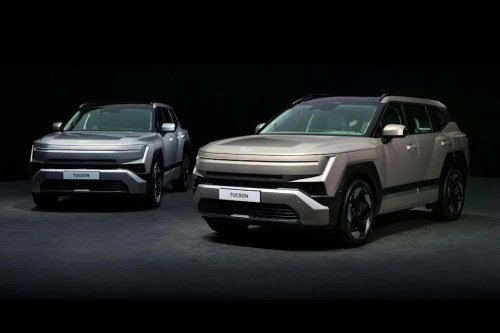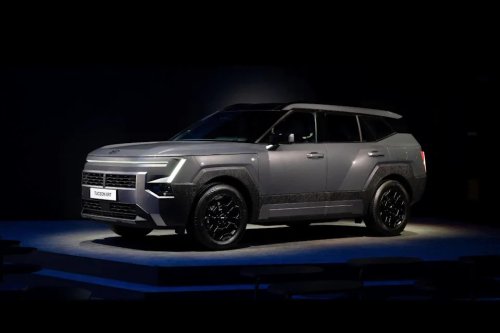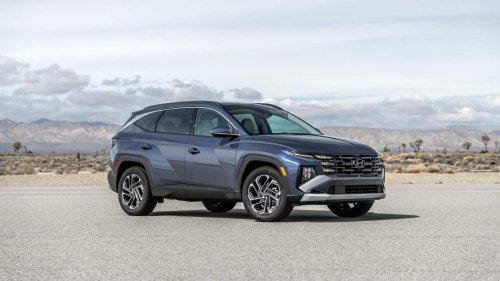

















Hyundai filed a recall with NHTSA today, May 22, 2026, covering 421,078 vehicles across four model variants—and the problem is one that drivers behind these cars never see coming. The Forward Collision-Avoidance Assist (FCA) system in certain 2025–2026 Tucsons and Santa Cruz models can slam on the brakes without warning, without an actual obstacle in the road, and without giving following traffic any chance to react. Four rear-end crashes have already been reported as a direct result.No Do Not Drive order is in effect, which means every one of these vehicles is likely still in daily use right now. A free software fix is coming, but owners won't receive official mail notification until July 17 — nearly two months away. Here's what the recall covers, what the fix actually changes, and why this isn't an isolated incident for Hyundai. Which Vehicles Are Affected And What the Defect Actually Does HyundaiThe recall — filed under NHTSA number 26V316 — covers four distinct model configurations. The largest group is the standard 2025–2026 Hyundai Tucson at 292,805 units, followed by 110,844 Tucson Hybrids, 13,082 Santa Cruz pickups, and 4,347 Tucson Plug-In Hybrids, for a combined total of 421,078 vehicles.The failure mode is specific: the front camera software that feeds the FCA system is calibrated too aggressively. In certain driving scenarios—the recall report does not enumerate exactly which ones—the camera interprets proximity to a forward object as more critical than it actually is. The system then triggers a braking event earlier than any reasonable driver would expect, and it does so without alerting the driver beforehand. The car simply brakes, hard and suddenly. Anyone following at normal highway or city distances has no warning. That's the mechanism behind all four reported crashes. What The Software Update Changes—And What It Doesn't Guarantee HyundaiWhat the recall report does not specify is the exact threshold change—how much the sensitivity window is being widened, or whether the fix addresses every driving scenario that can trigger a false activation. Owners who want to confirm their specific VIN is included should check directly through NHTSA's recall lookup tool at nhtsa.gov before the July 17 mail notices go out. Using the recall number 26V316 will pull the filing directly. In the meantime, Hyundai advises affected owners to drive with extra caution, particularly in conditions where following distances are already compressed—wet roads, stop-and-go traffic, highway on-ramps. Why This Fits A Larger Pattern Of Hyundai Safety Concerns HyundaiThis recall lands in an already difficult stretch for Hyundai. Earlier in 2026, a lawsuit was filed alleging the company cut corners by using cheaper radar components and sensors in certain Tucson models—a claim that has not been proven in court and one the recall report does not address directly. But the timing is hard to ignore: that lawsuit specifically named phantom braking as the central complaint, and this recall now formally acknowledges the same failure mode in a much larger pool of vehicles.Separately, a defective folding rear seat in the Palisade was linked to the death of a toddler earlier this year, a tragedy that has kept Hyundai's safety record under sustained scrutiny. None of the four crashes tied to this FCA recall have been fatal, and the company is moving to fix the issue. But phantom braking is a particularly insidious defect—it doesn't just endanger the driver of the affected vehicle. It turns the car into an unpredictable hazard for everyone traveling behind it, with zero warning.If you own a 2025 or 2026 Tucson (any powertrain) or a Santa Cruz, don't wait for the July 17 letter. Look up your VIN at nhtsa.gov using recall number 26V316 to confirm your vehicle's status, then schedule the software update at your Hyundai dealer. The fix is free, it covers out-of-warranty vehicles, and given that four crashes have already happened, there's no good reason to delay.