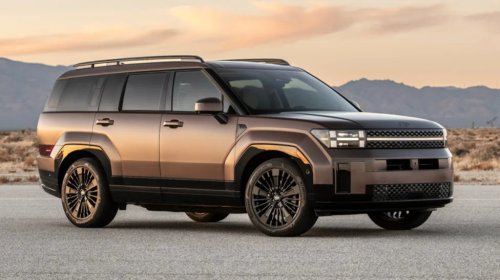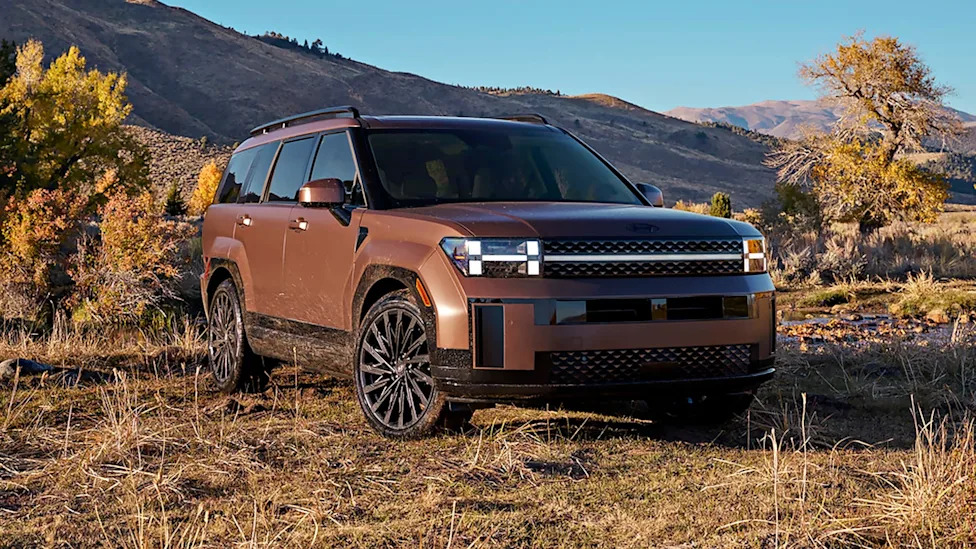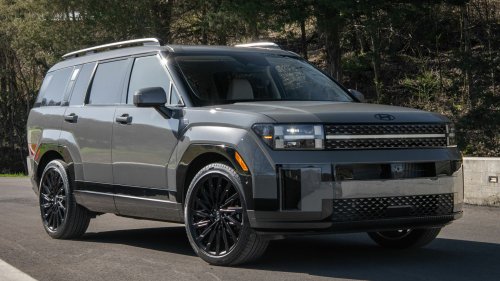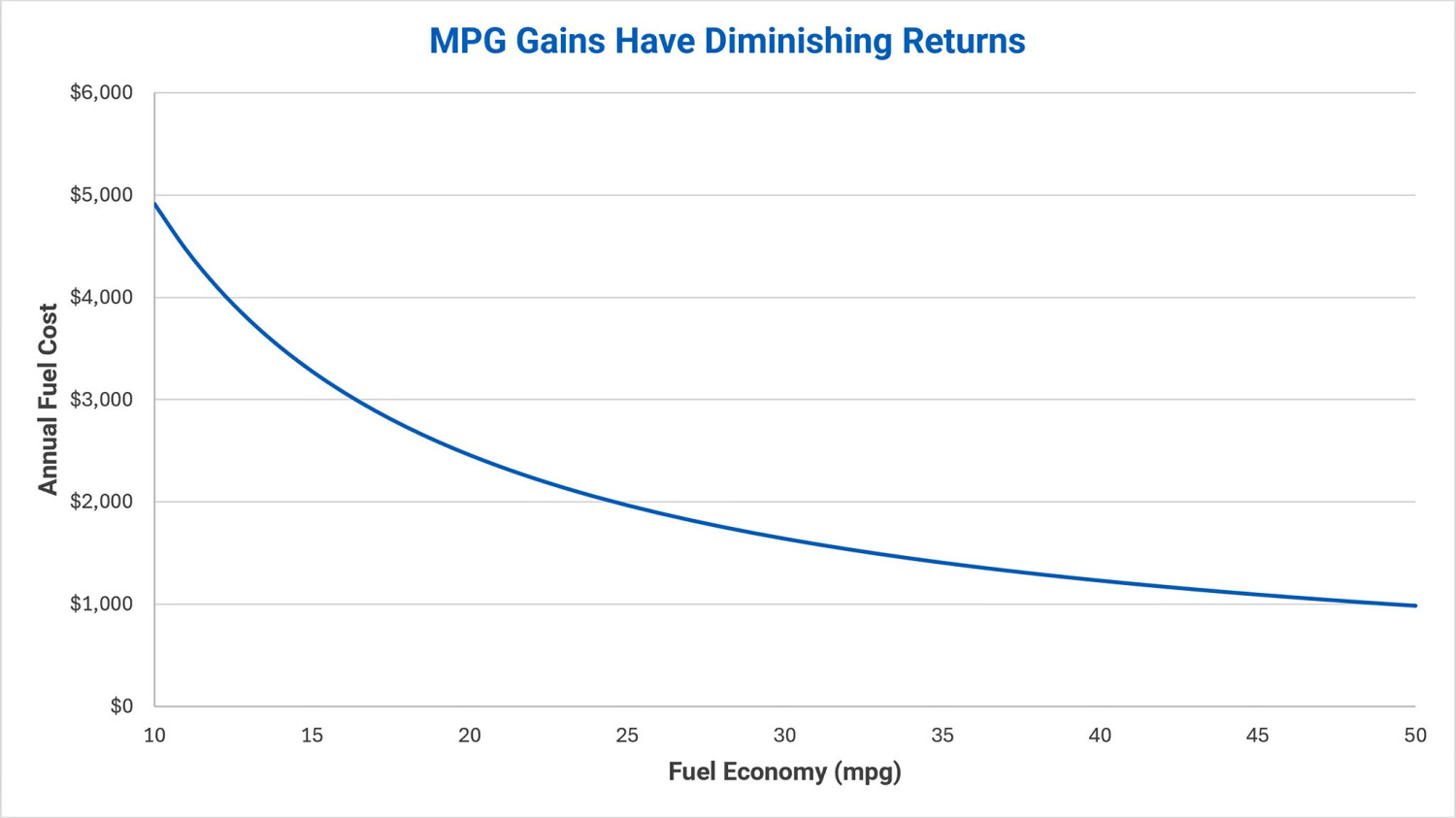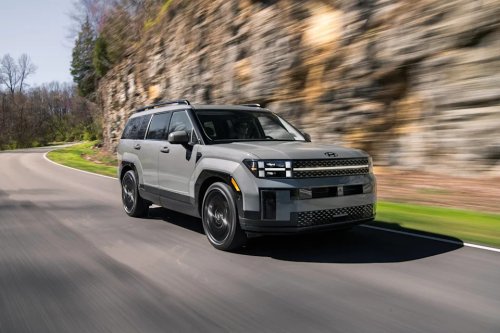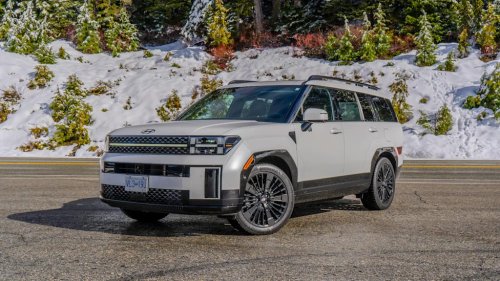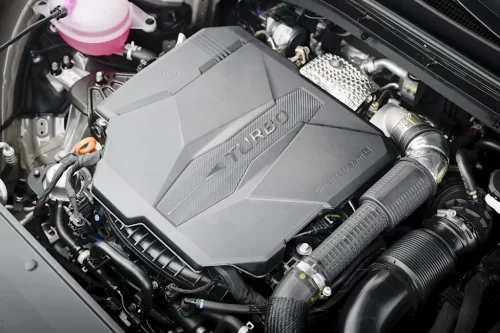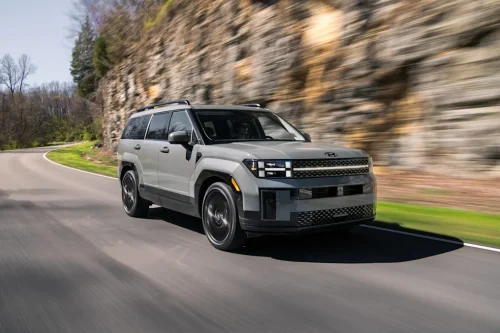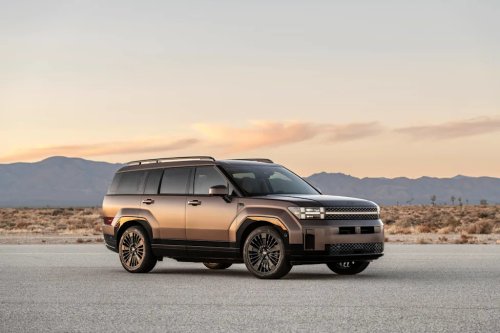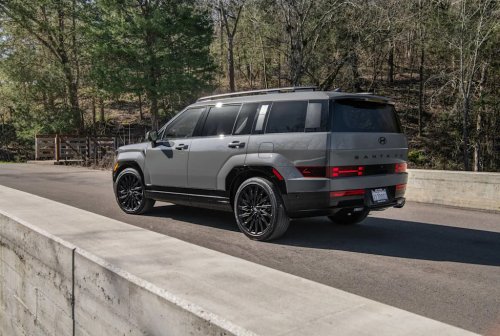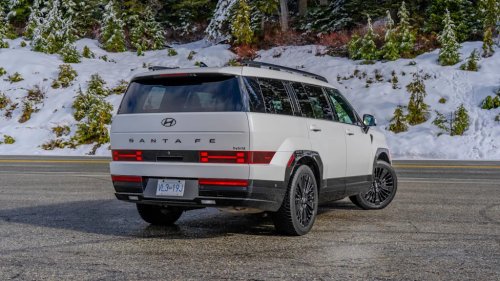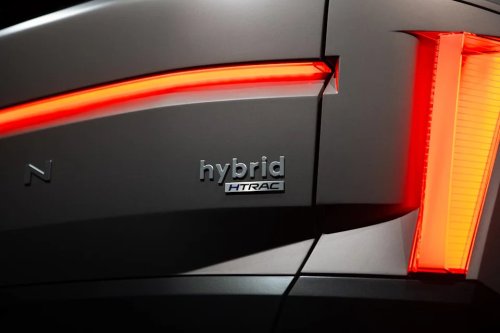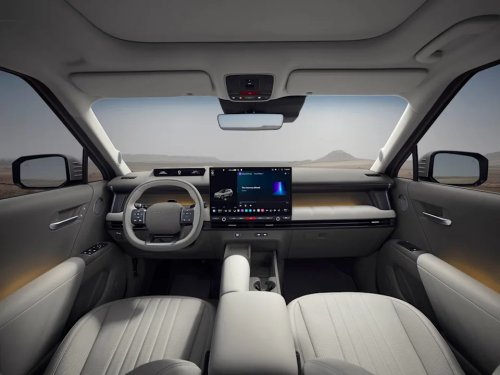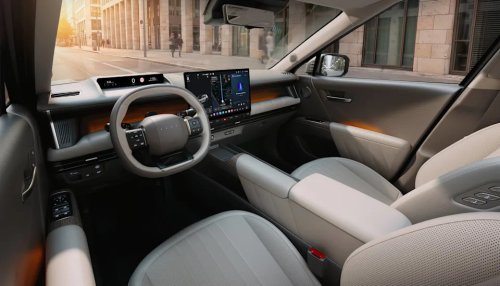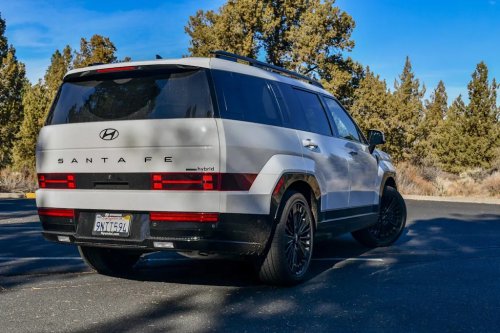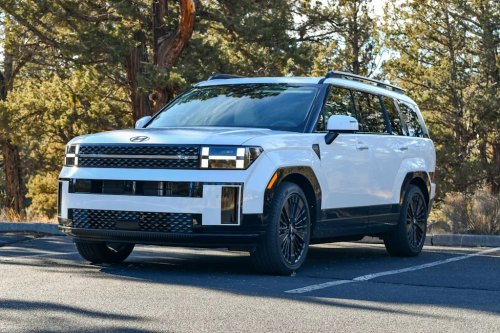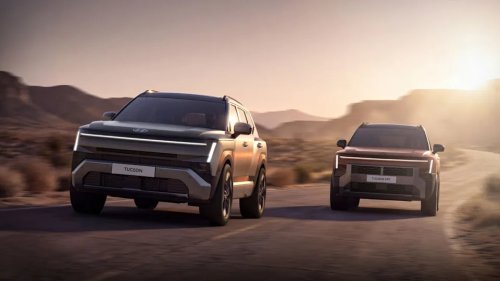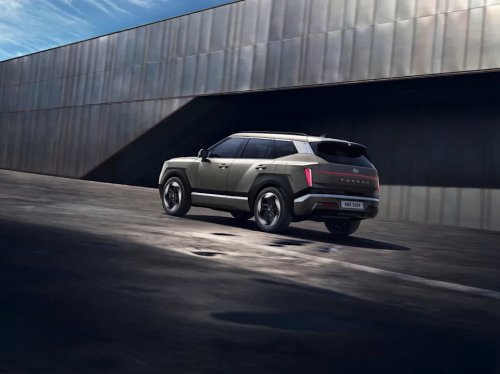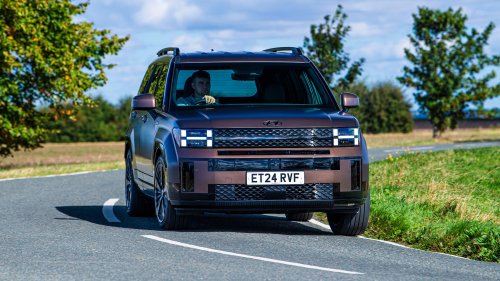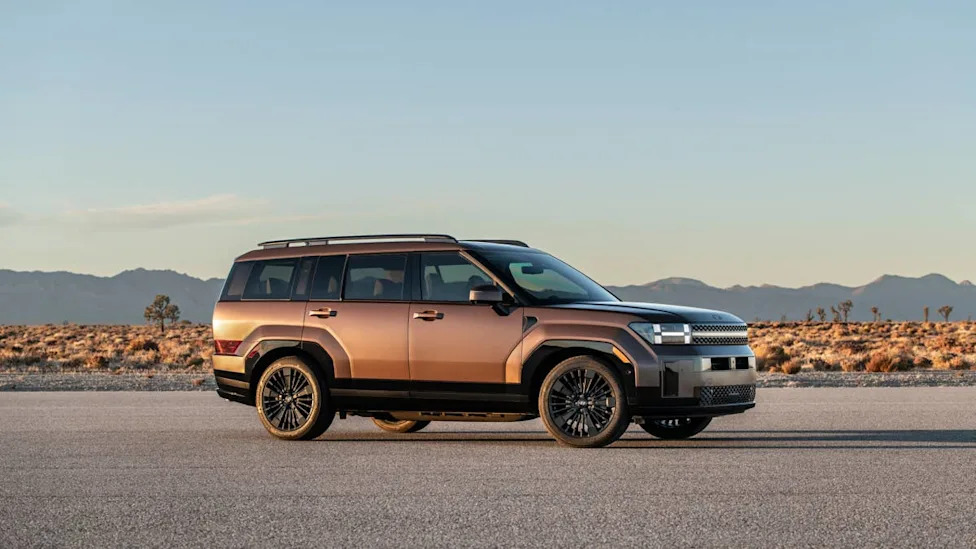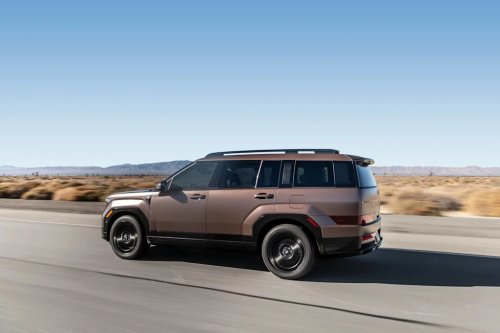
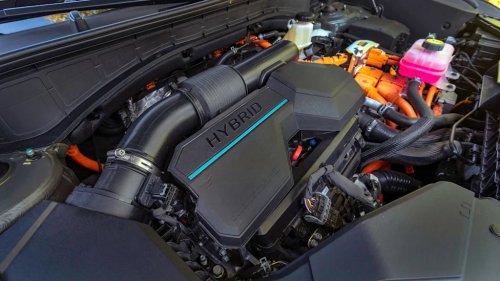
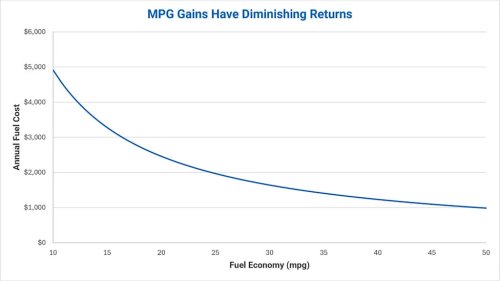
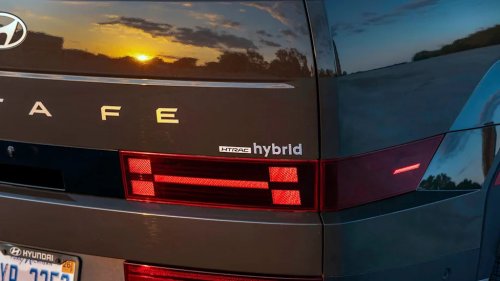



















2025 Hyundai Santa Fe Hybrid vs. GasJim Fets - MotorTrendIn the last update on our long-term 2025 Hyundai Santa Fe Hybrid, we tested how gingerly you need to drive to hit the EPA-rated 35 /34/35 mpg city/highway/combined fuel economy. Our real-world fuel economy, which sits at just 26.0 mpg with 17,388 miles on the odometer, left us wondering whether the gas-electric powertrain was worth the extra money. Should you spend more up front to buy the hybrid? And if you do, how much driving does it take for the more efficient model to pay for itself? We've now done the math to answer those questions.The Santa Fe's optional hybrid powertrain combines a 1.6-liter turbocharged inline-four with an electric motor sandwiched between the engine and transmission for a total of 231 hp. In the base Santa Fe SE, it will cost you $1,350 to upgrade from the standard 277-hp 2.5-liter turbo inline-four. Every other trim offers an even better deal with a $1,100 difference between the gas and hybrid models. We're using that smaller spread for the calculations in this story since it covers a wider group of buyers.We're also assuming gas prices will hold steady at the current national average, $4.10 per gallon. Of course, that's not likely to be the case for long, so know that as gas prices increase, the payback period for the hybrid shrinks. On the flip side, it'll take longer to pay off the Hybrid premium if gas prices drop.Jim Fets - MotorTrendThe EPA IdealThe simplest way of looking at this question is to run the numbers using the official EPA fuel economy for the gas and hybrid models. That means 34 mpg combined for our all-wheel-drive hybrid Santa Fe versus 23 mpg for a gas, all-wheel-drive model. It's a massive spread that works out to spending $2,137 on gas annually for the base powertrain versus $1,445 for the hybrid if both vehicles travel 12,000 miles per year. In this scenario, it would take about 19,000 miles to save $1,100 on fuel and fully offset the Hybrid's price premium. Most American vehicles cover that distance in less than two years.The Real-World FactorOf course, if you read the last update on our long-term Hyundai Santa Fe Hybrid, you know our real-world fuel economy is well below the EPA's benchmark. The good news is that our long-termer's fuel economy continues to improve the further we get from winter's frigid temperatures, watered-down gas, and energy-sapping tires. We're currently sitting at a lifetime average of 26.0 mpg, up from 25.3 mpg back in May. That puts us 24 percent below the EPA combined rating of 34 mpg.AdvertisementAdvertisementUsing the same 24 percent shortfall would drop the gas Santa Fe's fuel economy from 23 to 17.6 mpg. These efficiency figures close the gap between the gas and hybrid models from 11 mpg to 7.7 mpg. You might think that would increase the payback period, but you'd be wrong. The chart below shows how increasing fuel economy provides diminishing returns when it comes to annual fuel cost.Eric Tingwall - MotorTrendAs the Energy Information Administration notes, "The fuel and cost savings of improving fuel economy from 12 mpg to 15 mpg are the same as increasing from 30 mpg to 60 mpg." When we move to the left on this curve with our real-world efficiency, we're opening up the cost spread between the two models from $691 to $902 per year. At that savings, you'll pay off the hybrid premium after driving roughly 14,600 miles.The Worst-Case ScenarioFor the final thought experiment, we'll give the gas engine every advantage: What if the standard powertrain hit its 23 mpg EPA combined rating while the hybrid could only manage our observed 26 mpg?That 3-mpg difference amounts to saving just $247 per year with the gas-electric hybrid. You'll eventually earn back the $1,100 you spent on the hybrid, but it will take 53,532 miles, or nearly 4.5 years at 12,000 miles annually.Yes, It Pays to Pay MoreIn the same way Lightning McQueen learned to turn right to go left, hybrids universally require you spend more to save money. Thanks to the low upfront cost of the Hyundai Santa Fe's hybrid powertrain, the math here is clear: The hybrid pays for itself within a couple years, after which point every mile driven costs less than if you'd bought the gas Santa Fe.Jim Fets - MotorTrendMore on Our Long-Term 2025 Hyundai Santa Fe Hybrid:The Average New Car Costs $50K. So Does Our New Yearlong Hyundai Santa Fe HybridHow EV Thinking Makes Our 2025 Hyundai Santa Fe Hybrid Better to Live WithA Brutal Michigan Winter Changed How I View Our Yearlong Hyundai Santa Fe HybridThis Is What It Takes to Hit 35 MPG in Our Hyundai Santa Fe Hybrid