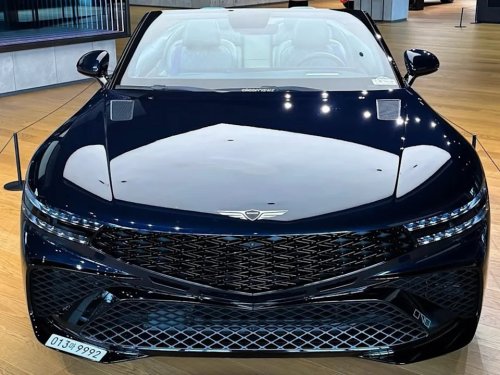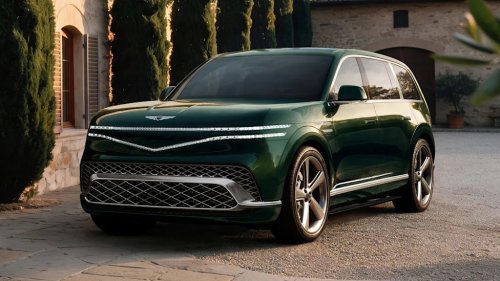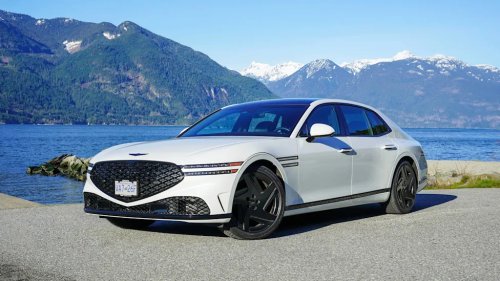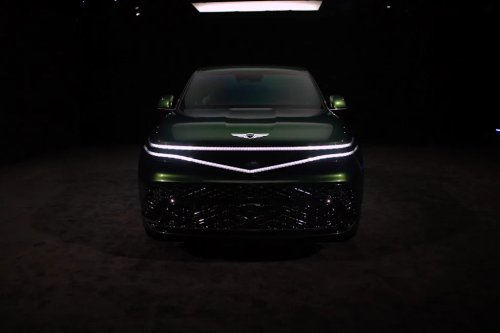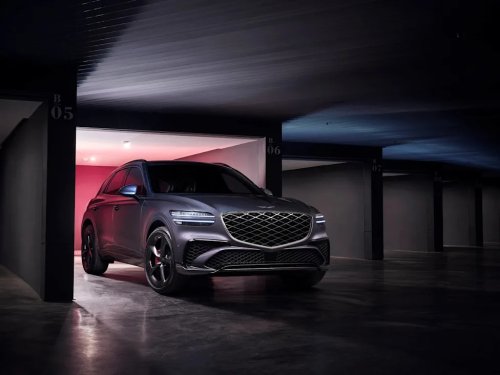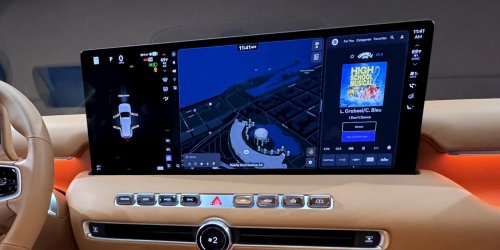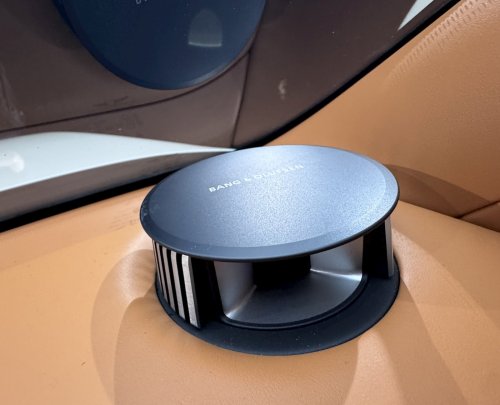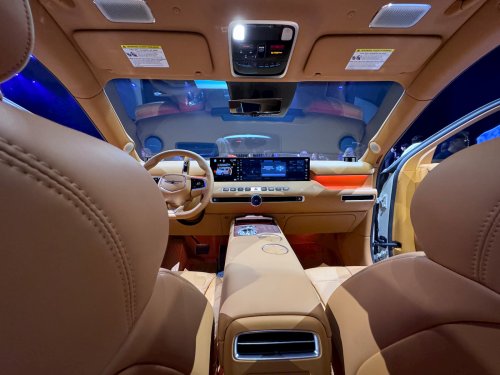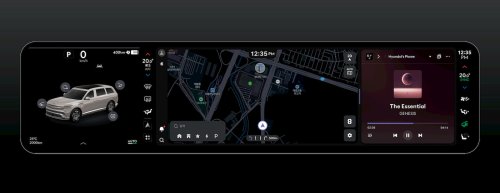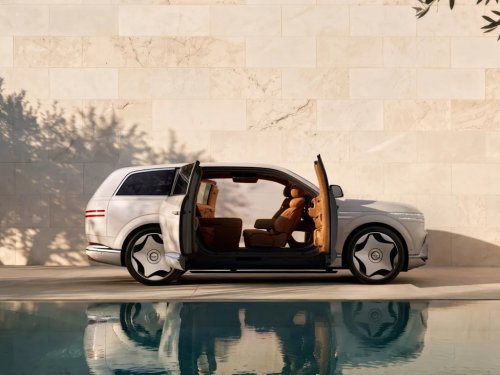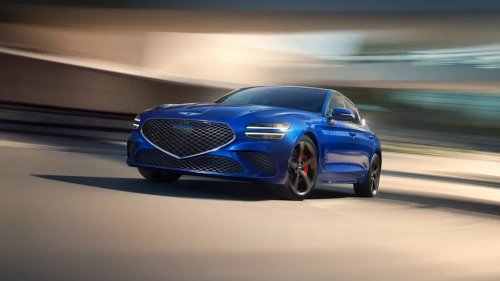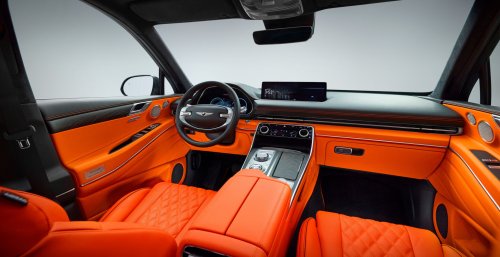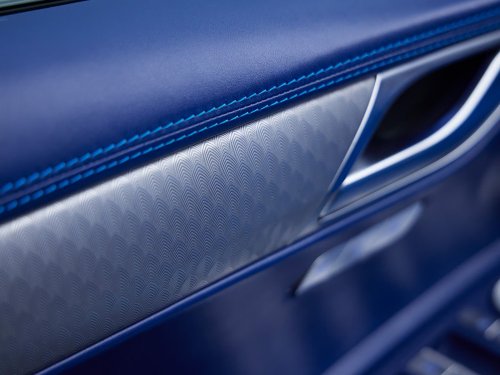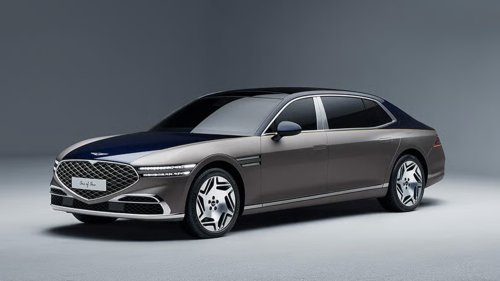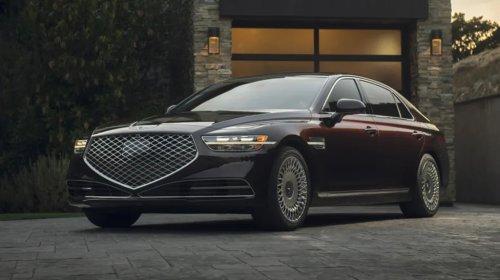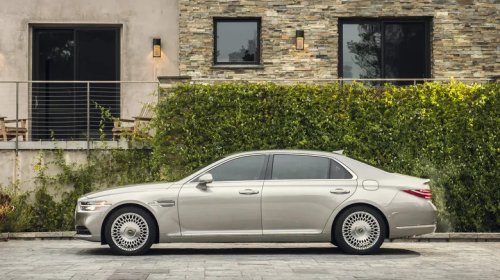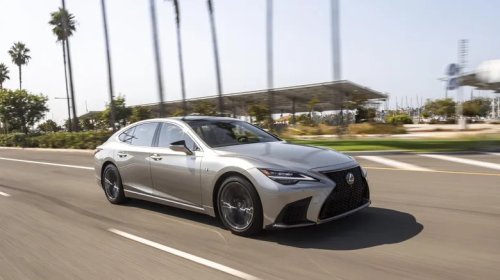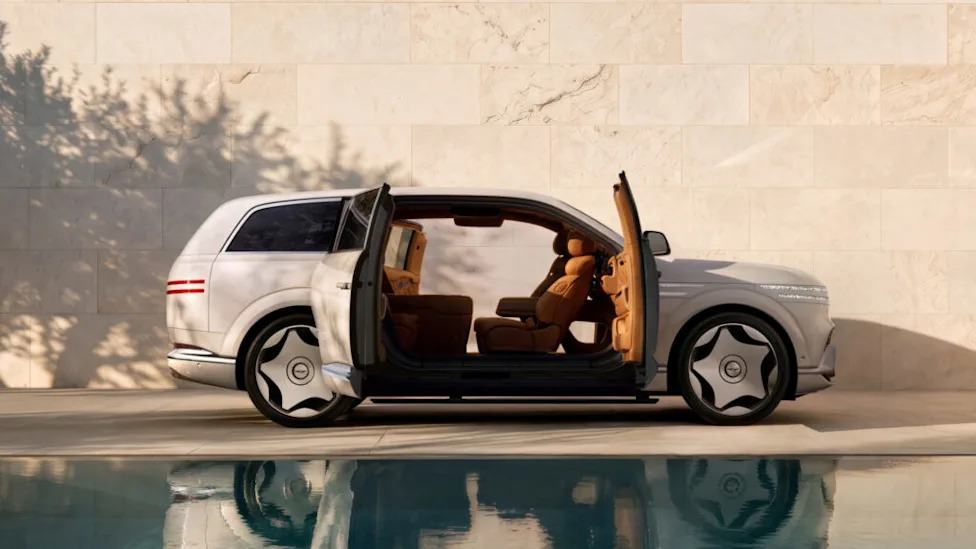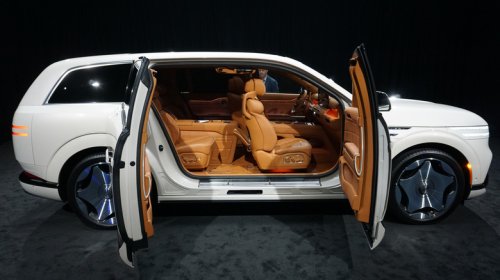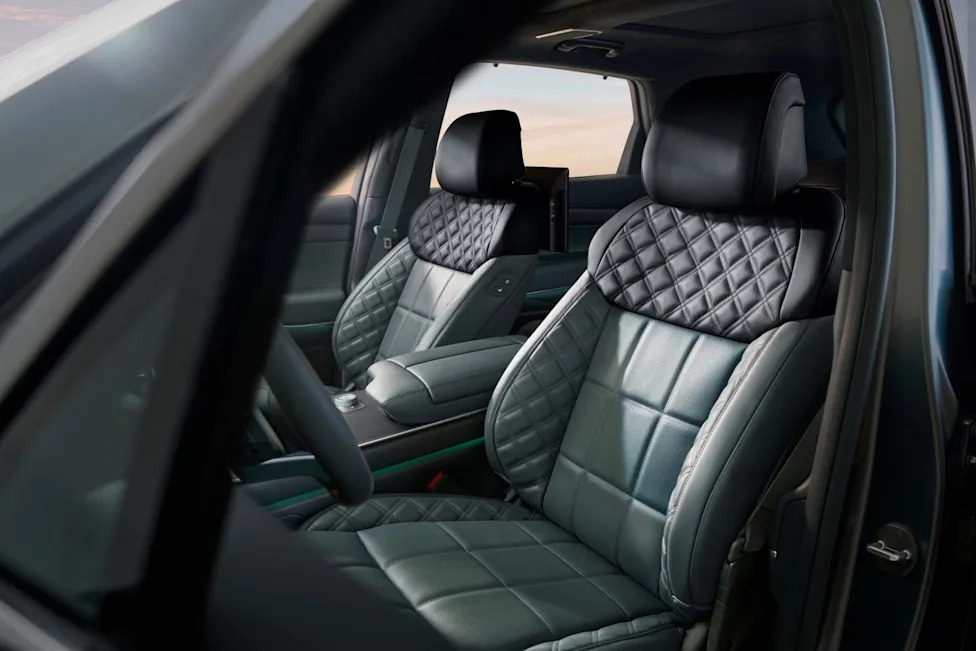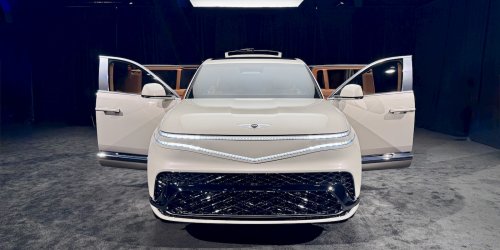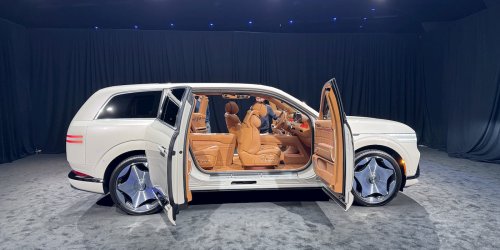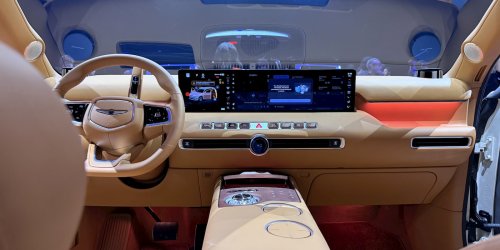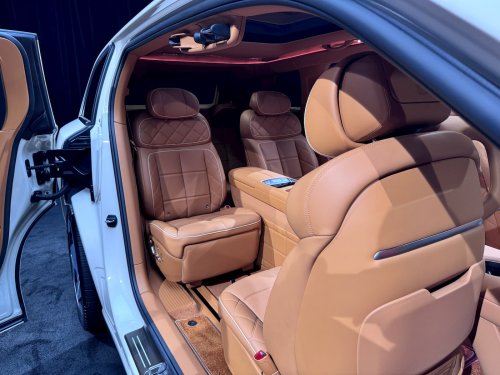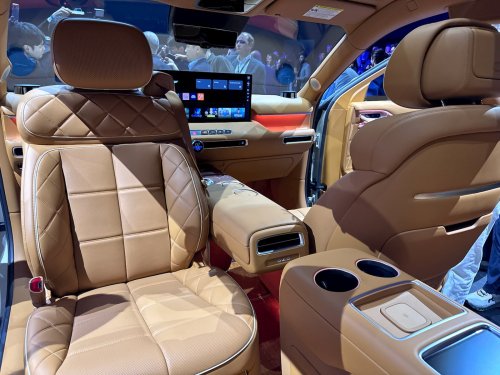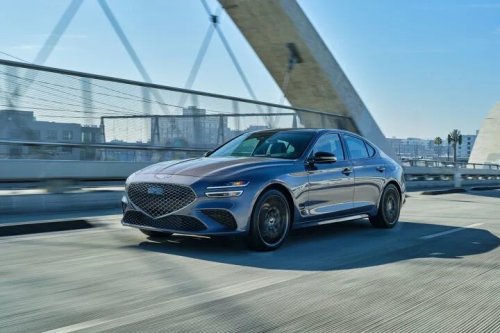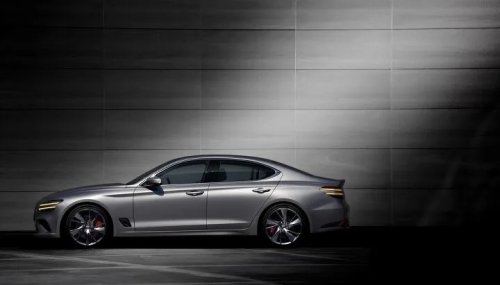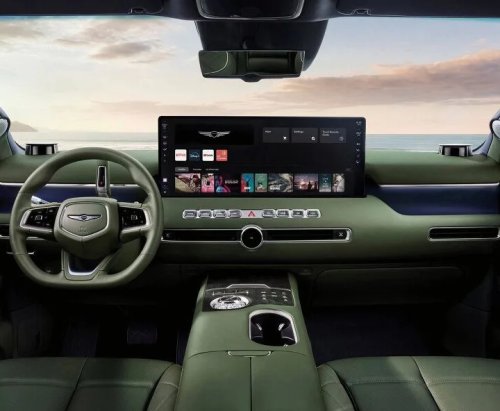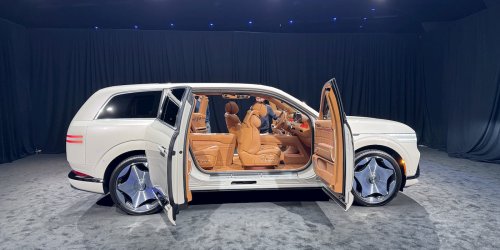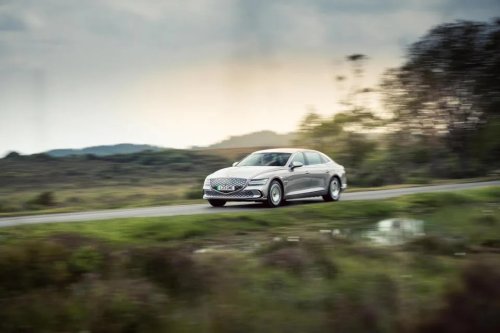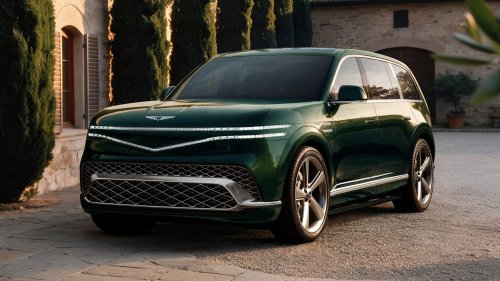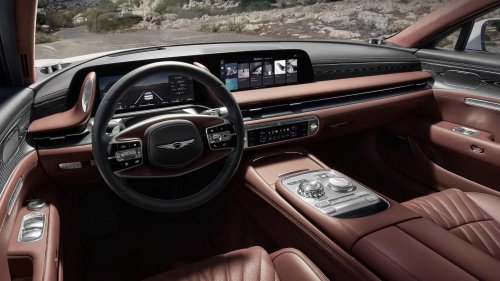
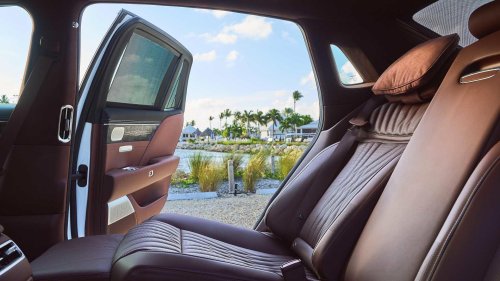
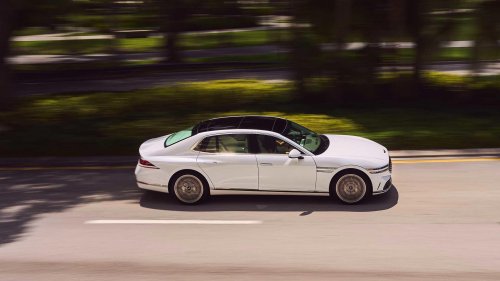

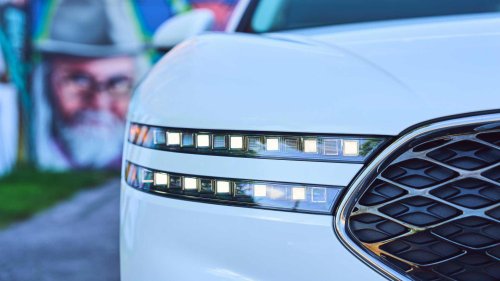
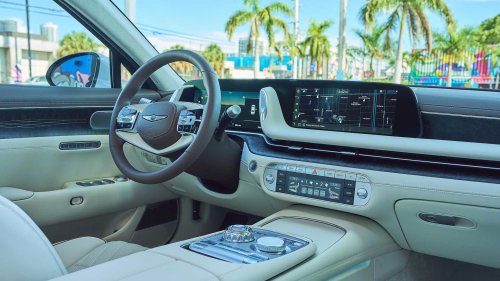
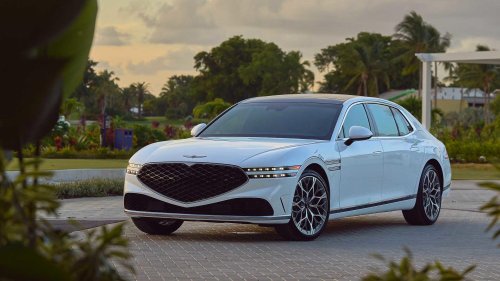



















In 2015, Genesis, the premium sibling to Hyundai, debuted its first standalone model: the G90 sedan. It enjoyed a quiet run in North America from 2016 onward. In late 2021, Genesis, now with an extended lineup, pulled the silk off the brand-new, second-generation G90, introducing “a bold new direction” for the growing brand in the process.Though still a comparative unknown on the global scene, Genesis had fully thrown the gauntlet down to the Audi A8, the BMW 7 Series, and, most significantly, the Mercedes-Benz S-Class. These cars were well-established and highly respected models that had dominated the opulent and equally lucrative large luxury sedan segment for more than half a century. Few automotive obstacles are tougher to overcome than that. Turns out, though, with its second-generation G90, Genesis had a few tricks up its lavish sleeves. The Best Kept Secret From Genesis GenesisA luxurious cabin was, naturally, the jumping-off point. And in this regard, Genesis certainly delivered. Straight out the gate, the G90’s cabin boasts fine, quilted Nappa leather across the seats and upholstery, complemented by repurposed wood and newspaper trim on the doors. A 12.3-inch touchscreen is elegantly mounted in the dash, and below it, there's a smaller touchscreen for the climate controls. Occupants enjoy ample head and legroom, particularly in the long-wheelbase model, which adds 7.5 inches to the Standard version. Even the rear seat side bolsters automatically deflate to make ingress and egress easier.Among the brand’s best-kept secrets, however, is the use of acoustic-laminated glass, including for the rear quarter panels. There are also hermetic-seal-like door seals that provide the maximum possible sound deadening. The Genesis G90 is, after all, billed heavily as a limousine in which to be chauffeured, rather than simply driven. Extraneous road noise simply wouldn't do in this class of machine. Advanced Noise Canceling GenesisAs the likes of the Cadillac CT6 and Lexus LS discovered, however, a luxurious cabin alone simply wouldn’t do. The benchmark Mercedes S-Class, after all, has regularly been among the most technologically advanced passenger vehicles on the market. Anti-lock brakes? Airbags? Radar cruise control? All made their respective industry debuts on Mercedes’ flagship.Once again, Genesis dutifully delivered with its unique, Active Noise Control-Road (ANC-R) system, the most advanced noise-canceling setup the brand has developed both before and since. Designed specifically to drown out sound pollution, the ANC-R, via external sensors and in-car microphones in the microfiber suede headliner, detects any road roar that manages to Mission: Impossible its way through the sound-deadening windows. Said noise is countered by “opposite phase sounds” being played through the Bang & Olufsen sound system’s 23 speakers.GenesisOutside the cabin, meanwhile, Genesis has the new Preview-Electronic Control Suspension (P-ECS) system that uses a front-facing camera to detect upcoming imperfections in the road. The P-ECS then works in real time with the multi-chamber air suspension to marginally raise the vehicle’s ride height, thus reducing the number of vibrations ricocheting through the chassis. Think Rolls-Royce’s Magic Carpet tech, but not quite on par with the 122-year-old luxury British coach builder. Your Guest Curator Will Be… GenesisFor folks in the back, there's even more to enjoy. The 8.0-inch Armrest Touch System in the rear center armrest can operate the rear climate control, massage settings, and the heated and ventilated seats. Passengers can also activate the Mood Curator to adjust the ambient lighting, the sound system, and even the pre-selected cabin fragrance to counter dazzling midday sunlight and/or road noise. Particularly helpful for CEOs and industry tycoons who can't get through the day without a midday snooze. Incidentally, for cabin fragrance, customers can choose between "The Great Outdoors," "My Favorite Place," and the oddly named "The Driver’s Awakening." Even The Hood Helps GenesisThe second-generation G90 featured an evolution of its heavily facelifted predecessor’s distinct, modern look. The new Genesis thus retained the huge, crest-shaped front grille and the sleek dual headlamps for the company’s “bold new direction.” It even threw in Bentley-like C-pillars and, fittingly, a Mercedes-esque tapering rear deck.Specific attention, however, should be given to the hood, and not just for what lies beneath it. The first-generation’s 5.0-liter V8, after all, went away in favor of two tunes of a 3.5-liter twin-turbocharged V6. The most potent version has an electric supercharger and a 48-volt battery pack (the latter taking up space previously reserved for the spare wheel) that upped grunt to 409 horsepower and 405 pound-feet of torque. It was a setup that hiked power over the previous, turbo V6-engined entry-level G90 by a noticeable 44 hp.GenesisMoreover, with power (optionally) being sent to all four wheels via a smooth-shifting eight-speed automatic gearbox, 5,100-plus pounds of luxury Genesis could haul itself from zero to 60 mph in an estimated 5.1 seconds. It was also a setup that was more civilized, more fuel-efficient, and quieter than its V8 predecessor.Take a closer look at the unified hood, though. In addition to creating a very striking design, the elimination of panel gaps improved overall aerodynamics and added sound damping in the engine bay. In its new fight with Mercedes, Genesis was serious about offering a competitive product. How It Compares To The S-Class GenesisThe big question, though, just under five years on from its launch and with a facelift arriving soon, is whether Genesis’ impressive attention to every luxurious detail paid off. Can the once unproven Genesis G90 sedan stand shoulder-to-metallic-painted-shoulder with the Mercedes-Benz S-Class, in particular, on merit?On pricing at least, Genesis certainly has the drop on Mercedes. Today, an entry-level G90 3.5T AWD and its slightly less potent 375-hp V6 would set you back at least $92,700 ($88,400 in 2022). The range-topping 3.5T E-sc Prestige Black AWD trim, meanwhile, which throws in bigger wheels, black detailing inside and out, and more bespoke leather and Black Ashwood trim, comes in at a slightly heftier $105,750 in the US. By contrast, that’s $13,750 less than Mercedes’ entry-level S 500 4MATIC ($119,500). Or a whopping $84,050 if you simply must have Mercedes-AMG’s range-topping, S 63 E Performance ($189,800).GenesisSome might argue, however, that this cavernous price gap is still worth it. While the G90 has been around for just over a decade, the Mercedes-Benz S-Class has been the opulent benchmark since 1972, and, for many, still is today. Early reviews, for example, were full of praise for the G90’s air suspension-ed ride, but still believed it to be less pillowy soft than in the S-Class. Mercedes cosseting, reclining rear seats have similarly received the nod over the G90’s still-excellent rear perch.Even the entry-level S 500 4MATIC, meanwhile, packs more power (442 hp) and more torque (413 lb ft) from its mild hybrid inline-six than even the supercharged G90, hits 60 mph from standstill more than half a second quicker than the G90, and, while such things are rarely a deal-breaker for cross-country land yachts, is considered more composed through the corners. Throw in more frugal fuel economy, and that $13,750 price difference feels less significant.To play second fiddle to a Mercedes S-Class, however, is far from disastrous, especially for a still-burgeoning automaker. Indeed, one might even argue that the Genesis G90, with a striking design, a lavishly-designed cabin, and an abundance of passenger-focused technology, came closer to felling the king than many before it.Source: Genesis