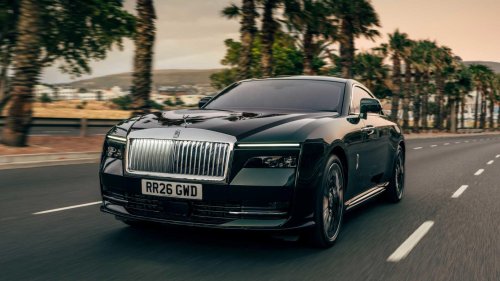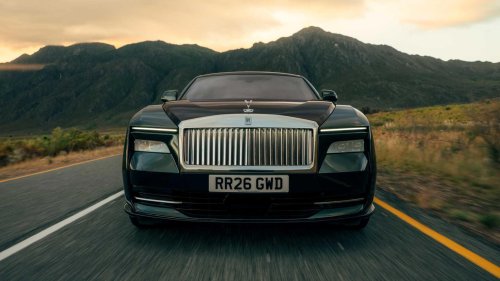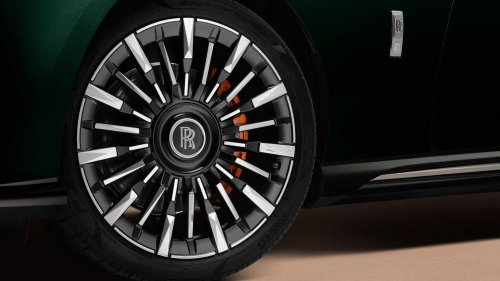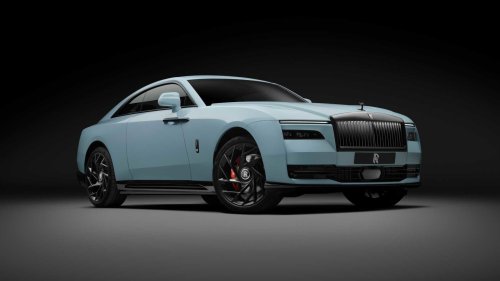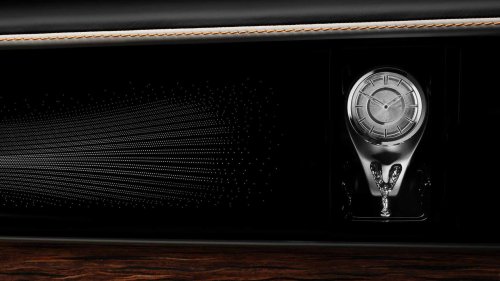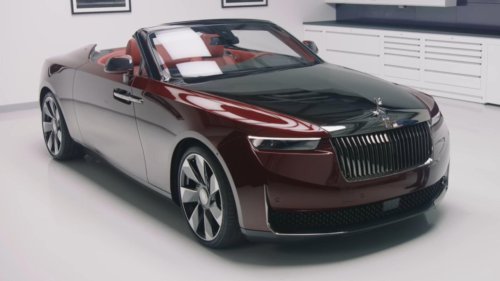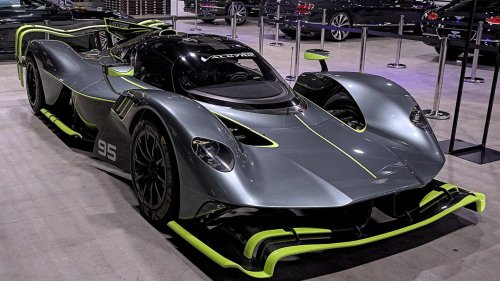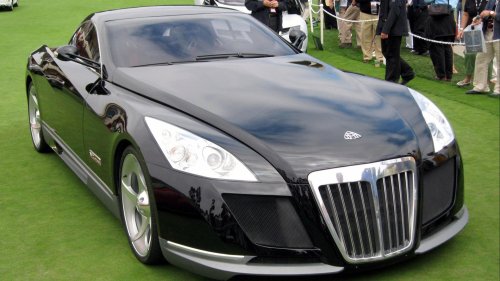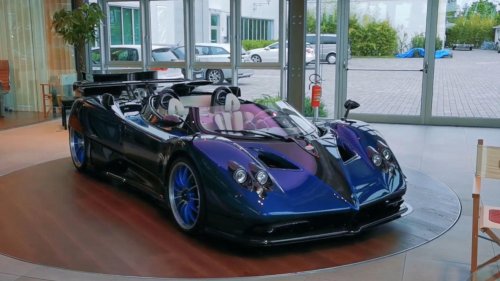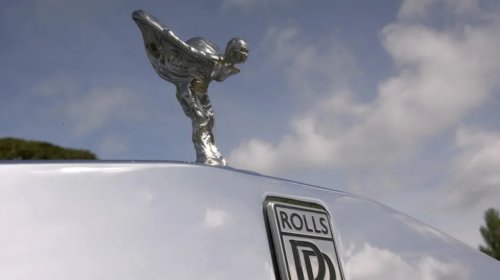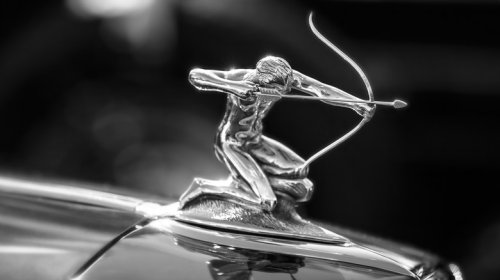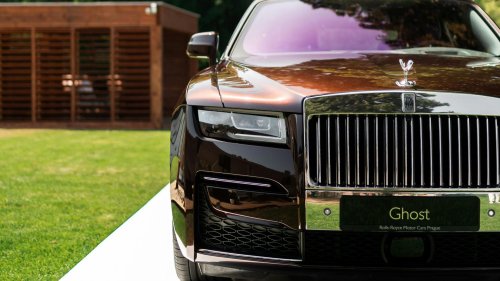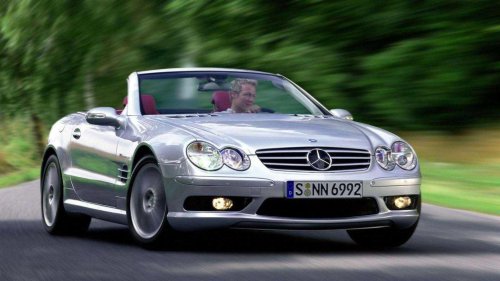

































When Art Met The AutomobileFor decades, hood ornaments have stood as storytellers in automotive history—part sculpture, part signature. Some radiate elegance, others aggression, and a few even play with mythology or flight. But what unites them is their ability to transform a machine into something more memorable. Many of them reveal something intimate about the brand or the ambition behind it, and here, we gather twenty of the most iconic.1. Spirit Of EcstasyThe figure was modeled after Eleanor Thornton, the secretary and secret lover of Lord Montagu. First introduced in 1911, it has adorned nearly every Rolls-Royce model ever since. It is the most enduring and instantly recognizable luxury car mascot in automotive history.2. The Leaping JaguarThis one debuted in the 1930s and became synonymous with Jaguar’s brand identity. It is a symbol of elegance and agility—core values of the Jaguar marque. Earlier versions were made of brass and later upgraded to chrome and spring-loaded designs.3. The Bentley Flying BThe Flying B represents Bentley’s commitment to speed, prestige, and aviation heritage. Introduced in the 1920s, it became a hallmark of British luxury and artistry. On modern Bentleys, it rises silently from the hood and is illuminated at night.4. The Packard CormorantServing as a defining symbol of American prestige during the pre- and postwar era, this figure dominated Packard’s luxury models from the 1930s through the 1950s. It is often confused with a swan due to its graceful neck and wing design.5. The Cadillac GoddessDesigned in the 1930s, it graced Cadillac’s most luxurious models until the 1950s. It represents the elegance and optimism of the American Art Deco era. Some early versions were integrated with the radiator cap and lit from beneath.6. The Pierce-Arrow ArcherUsed between the 1920s and 1930s, it symbolized Pierce-Arrow’s artistry and accuracy. The detailed archer reflected the brand’s dedication to engineering excellence. It was one of the first mascots to show the human form in dynamic motion.7. The Lincoln GreyhoundThe greyhound figure was modeled after Edsel Ford’s own pet dog. He also commissioned it in the early 1930s to signify speed and grace. Sharing a striking similarity to Jaguar's Leaper, it appeared exclusively on luxury Lincolns and quickly became a design icon.8. The Oldsmobile RocketDebuting in the late 1940s, the Rocket emblem crowned Oldsmobile’s postwar models, especially the Rocket 88. This was one of the first ornaments to fully embrace jet-age design cues. The Rocket 88, often cited as one of the earliest muscle cars, amplifies the mascot’s legacy.9. The Hispano-Suiza StorkThis mascot was adopted from the emblem of famed WWI pilot Georges Guynemer. Designed to celebrate the company’s aircraft engines used during the war, it bridged the brand’s aviation and luxury automotive identities. Some versions were sculpted from solid silver and hand-engraved.10. The Bugatti Dancing ElephantIt was created by Rembrandt Bugatti for the 1927 Type 41 Royale, the world’s most exclusive car. The mascot symbolizes both artistic mastery and mechanical brilliance. Cast in bronze, it was inspired by Rembrandt’s fascination with zoo animals. Only six Type 41s were ever made.11. The Mercedes-Benz StarIntroduced in 1926, it represents Daimler’s vision for mobility on land, sea, and air. It remains one of the most universally recognized automotive emblems. Early versions were illuminated from within for nighttime visibility. Around the world, fans detach the star to wear as pendants.12. The Nash Flying LadyDesigned by George Petty, a famous pin-up illustrator of the era, it adorned Nash models during the 1940s and early 1950s to reflect aerodynamic styling. Also, it became a symbol of the brand's innovation in streamlined vehicle design. Some had translucent plastic wings that lit up at night.13. The Pontiac ChiefThe Pontiac Chief ornament, introduced in the 1930s, represented the brand's namesake, Chief Pontiac of the Ottawa tribe. Symbolizing strength, heritage, and American roots, it was a prominent design feature until the 1950s. It was eventually retired due to changing cultural sensitivities around Indigenous imagery.14. The Buick Eight Gun SightProminent in the 1940s and early 1950s, this jet-age ornament resembled the sighting reticle used on bomber aircraft. Reflecting Buick’s emphasis on top-notch design and postwar technological progress, the ornament often had concentric chrome rings that caught and reflected light dramatically.15. The Stutz RaThis exotic mascot adorned luxury Stutz cars in the 1920s, invoking the god Ra to symbolize light, dominance, and vision. Its use in elite Stutz models aligned with the brand’s image of mystique and grandeur. The design reflected a broader 1920s fascination with Egyptian art.16. The Auburn Boattail LadyFeatured on the iconic Auburn Speedster, the ornament represented speed and elegance. A symbol of American Art Deco styling, it reinforced Auburn’s reputation for aerodynamic, luxury performance cars during the 1930s. It has been recreated in museums as an example of sculpture in motion.17. The Hudson Winged TriangleThis angular, futuristic design was used on Hudsons during the 1930s and 1940s to project innovation and forward-thinking design. It symbolized aerodynamics and performance, key selling points for Hudson during the prewar era. The ornament doubled as a radiator cap on many models.18. The Avions Voisin CocotteCreated by Gabriel Voisin, it graced his avant-garde French luxury cars in the 1920s. No two mascots were exactly alike, as many were handmade by artisans. It stood out in an era dominated by classical motifs and feminine figures.19. The Dodge RamAfter first appearing in the 1930s, it reemerged as the symbol for Ram Trucks after 2009. It represents strength, ruggedness, and bold American truck culture. Early versions were bulky and chrome-plated. The mascot helped distinguish Dodge’s truck line even before it became a separate brand.20. The Tatra V570 StreamlinerThe streamlined shape of this ornament doubled as a directional aid for airflow over the hood. Designed by Czech engineer Hans Ledwinka in the 1930s, it matched the revolutionary rear-engine Tatra V570. Because the V570 was never mass-produced, original mascots are incredibly rare.