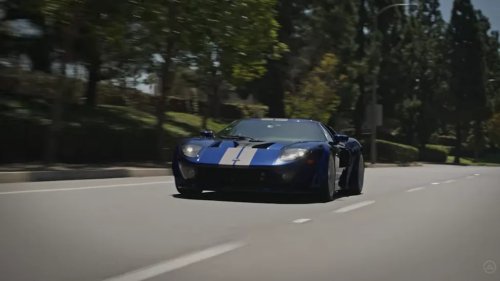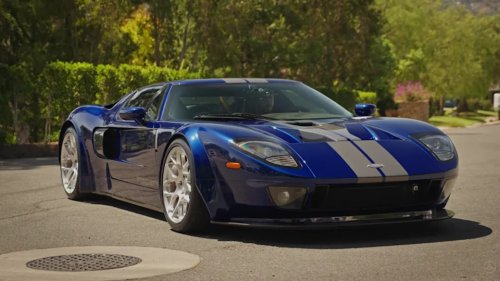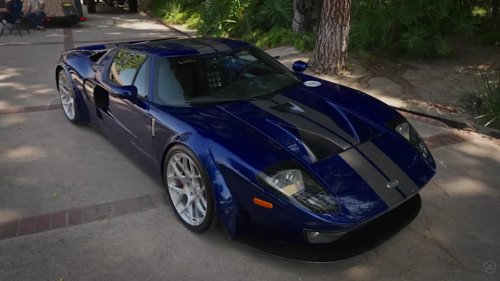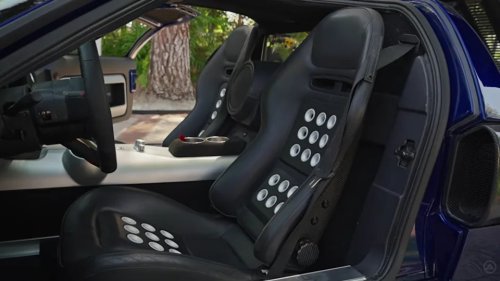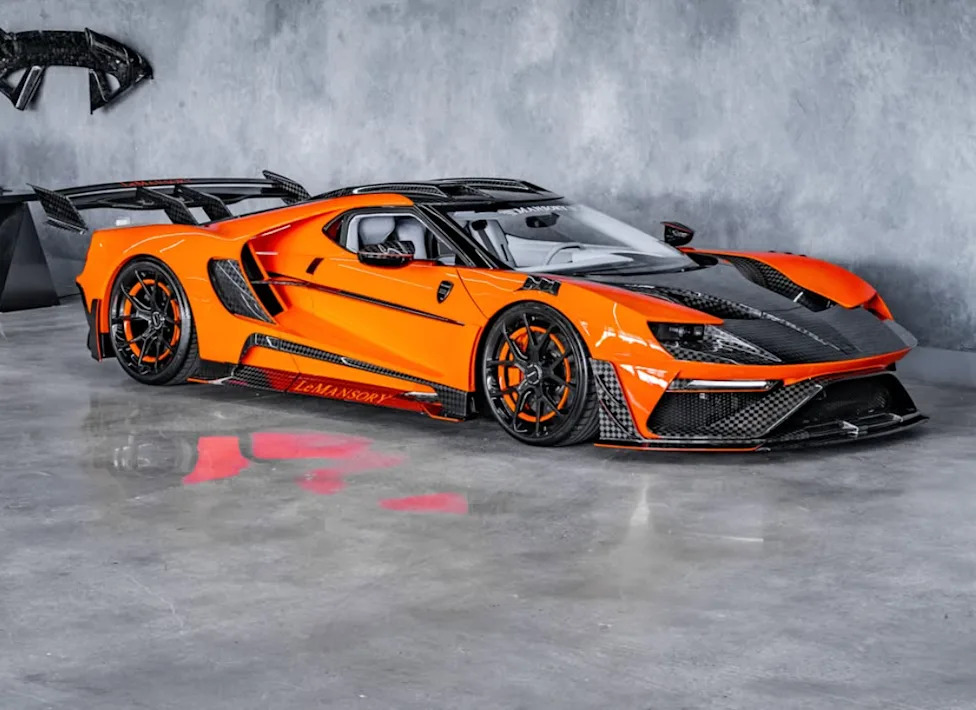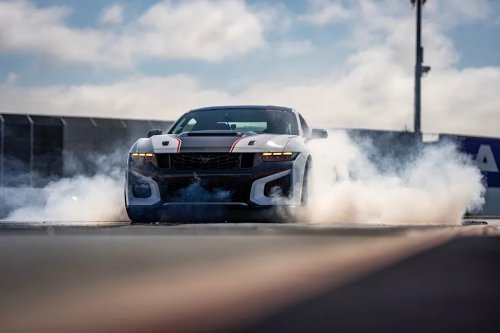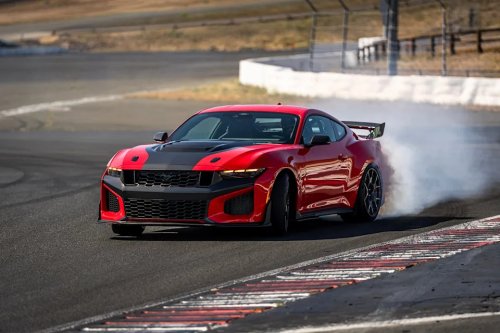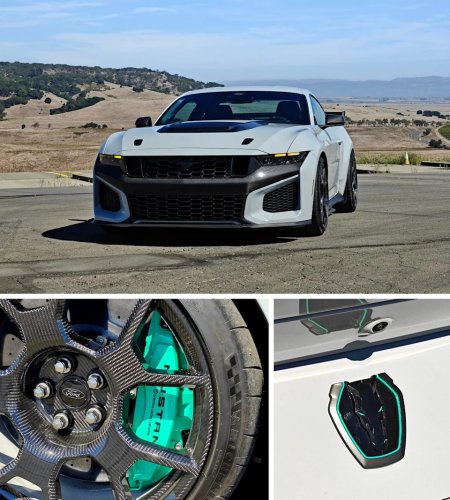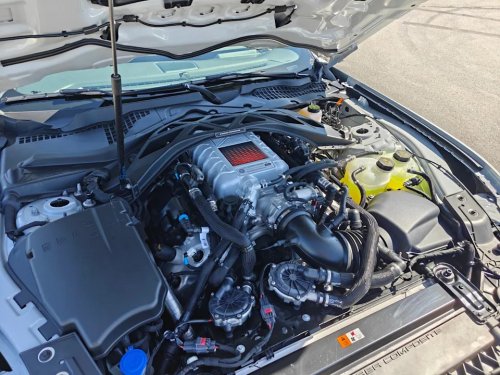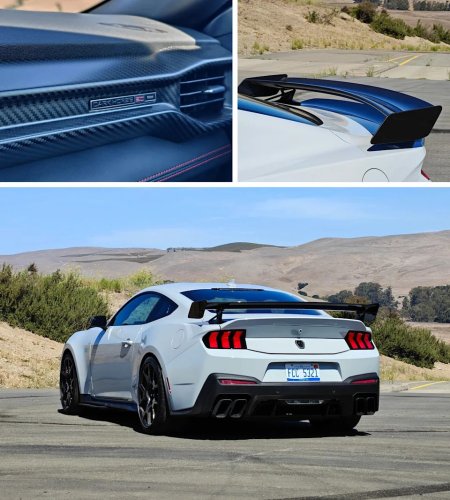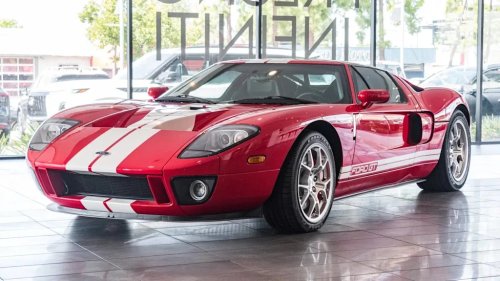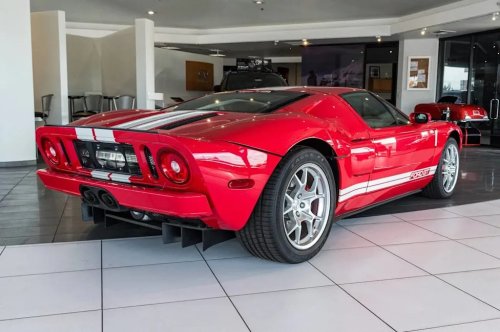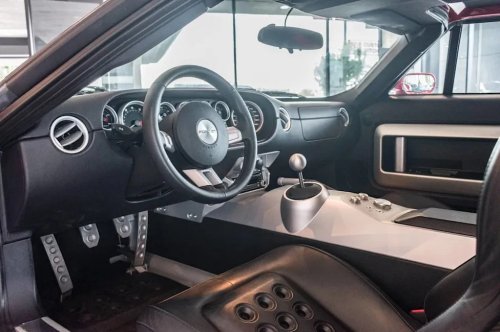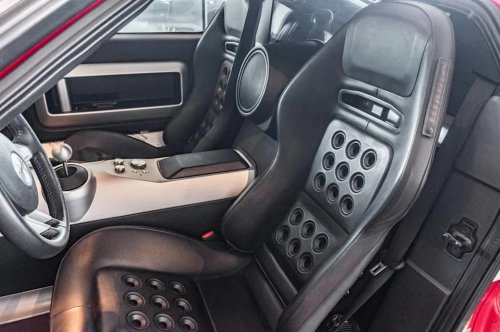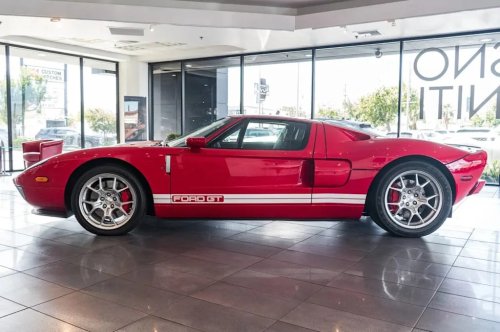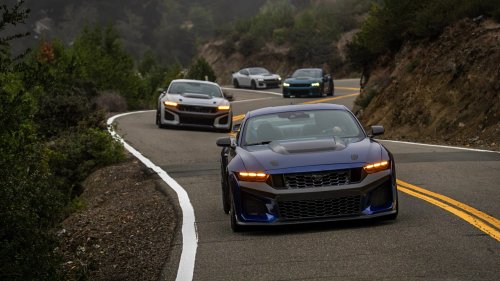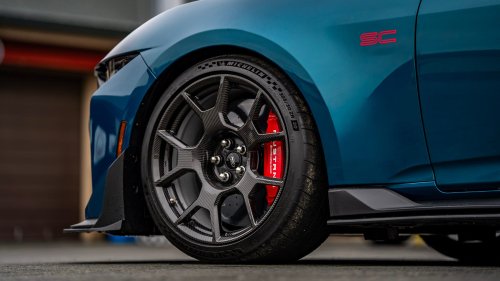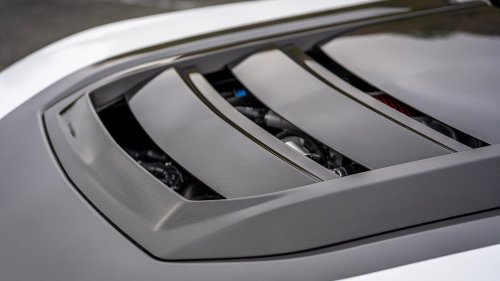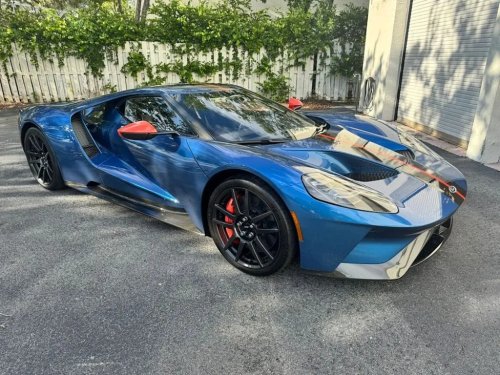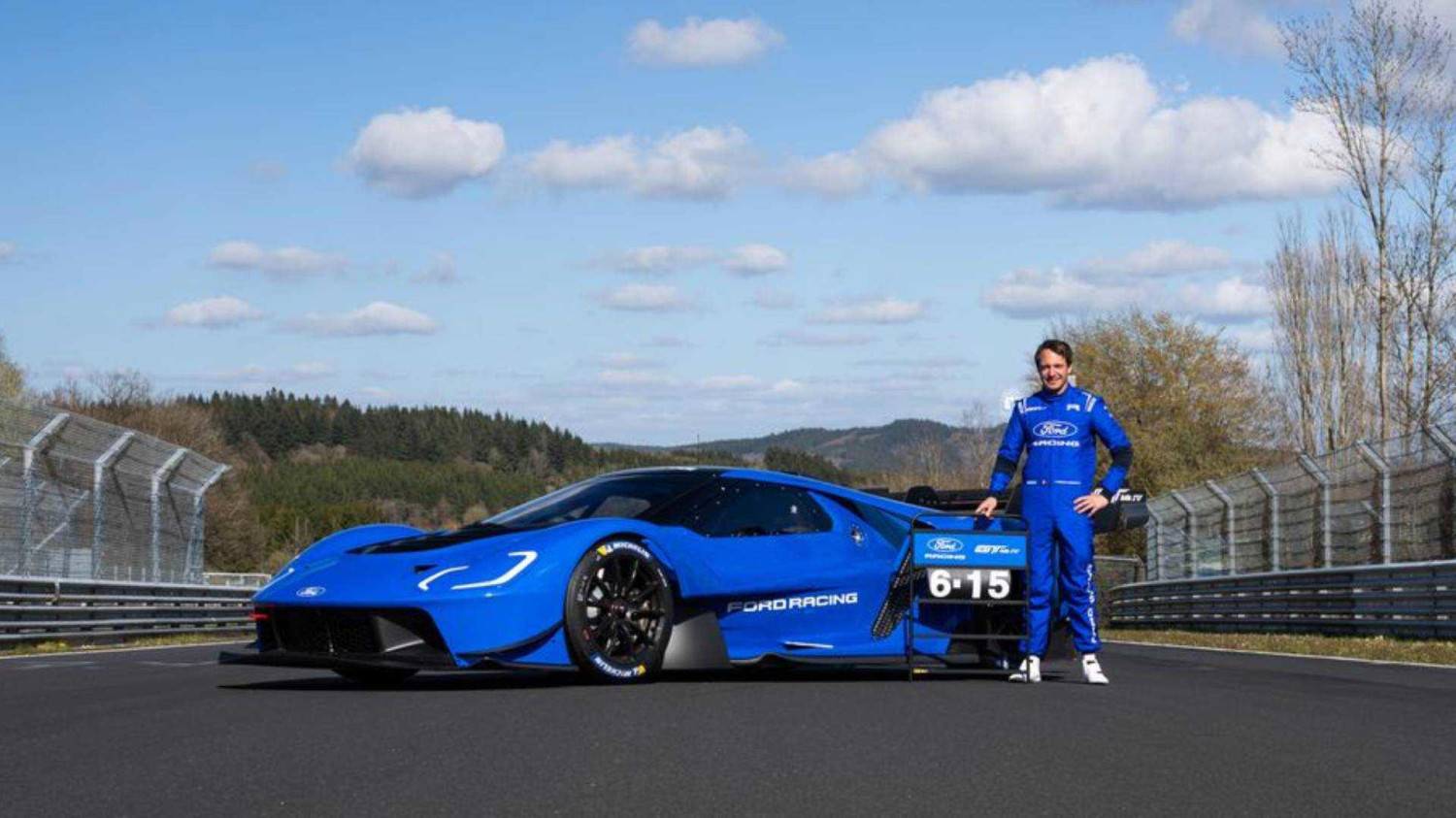
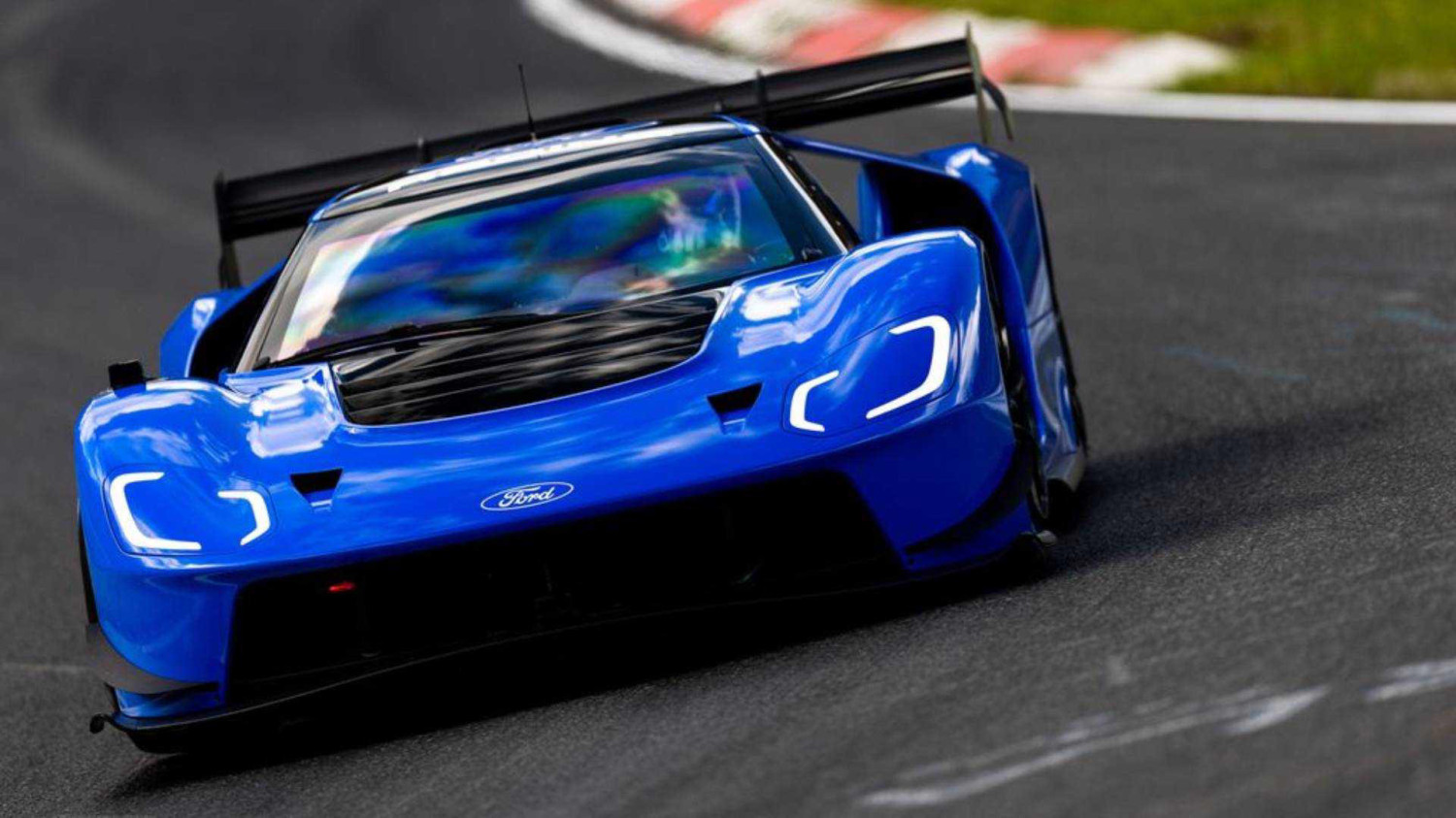




















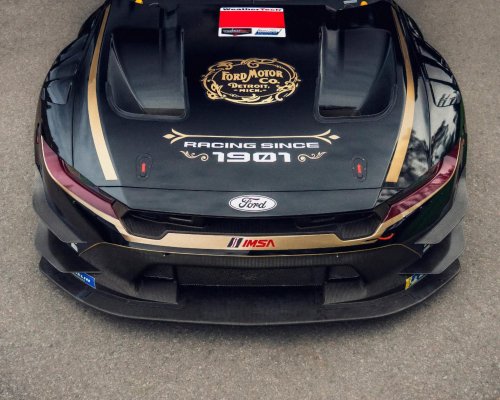
The Nürburgring in Germany is the chosen battleground where automakers and racing teams wage war for the crown. Its brutal, technical nature puts driver and machine to the test, and whoever completes the unforgiving 13-mile run the quickest secures more than bragging rights, but prestigious status as well. Ford just planted its flagpole at the top of the hill in multiple categories with the GT Mk IV. It secured a record lap time that just reminded the world that both Americans and internal combustion engines are still a real force to reckon with in the racing world. Ford Shatters Records At Nürburgring FordFord just announced that the GT Mk IV officially completed the notorious “Green Hell” with a lap time of 6:15.59. That time makes it the fastest American OEM to ever complete the Nürburgring. Being a member of the prototype category, it put the Corvette to shame, but that’s only the start. It’s also the fastest car to lap Nürburgring that’s currently available for purchase, the fastest to ever do it exclusively with an internal combustion engine, and the third fastest overall car to do it, period.While those are all serious badges of honor, Ford notes that the GT did have some limitations working against it. With temperatures being abnormally cold for this time of year, top speeds were limited to 310kph, or roughly 193mph.Behind the wheel of the GT was Ford Racing factory driver Frédéric Vervisch. Setting a record like this comes with an experienced driver at the helm and Vervisch is the man to do it, with two Nürburgring 24 Hours race wins under his belt. The 800-horsepower twin-turbo Ecoboost engine, Adaptive Spool Valve (ASV) race suspension built in-part with Multimatic, lengthened wheel base, and specially-designed carbon body were all undoubtedly hard at work as well. The Fastest Internal Combustion Car In The World FordAs of right now, only two cars officially best the GT Mk IV at Nürburgring: the VW ID.R. and Porsche 919 Hybrid EVO. This accomplishment officially makes the Ford internal combustion royalty, and the benchmark the rest of the world will strive toward. With just 67 units headed to production, only a lucky few will get to own a significant moment in history when Ford reminded everyone that pistons can still get the job done.