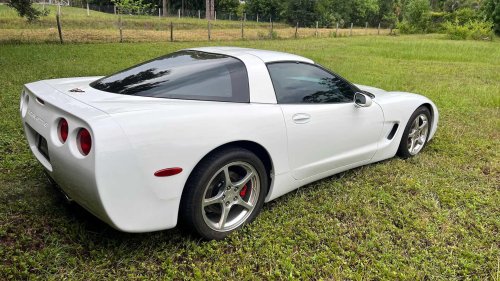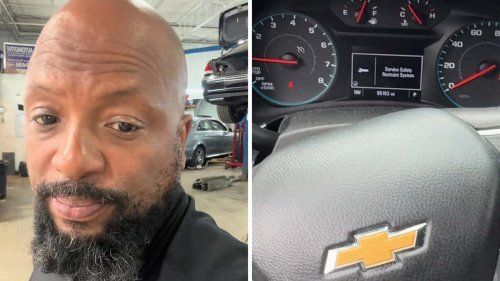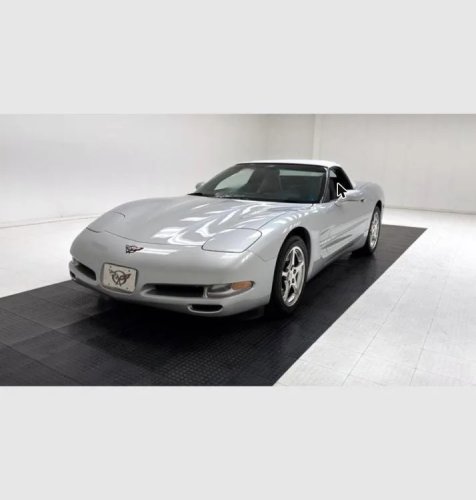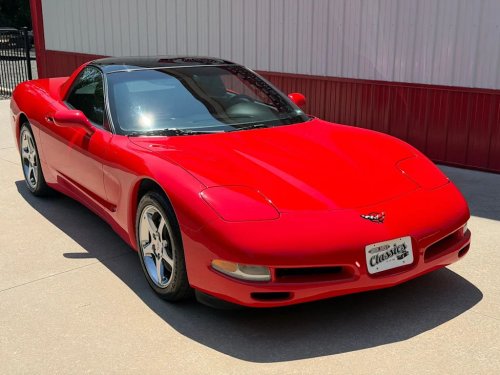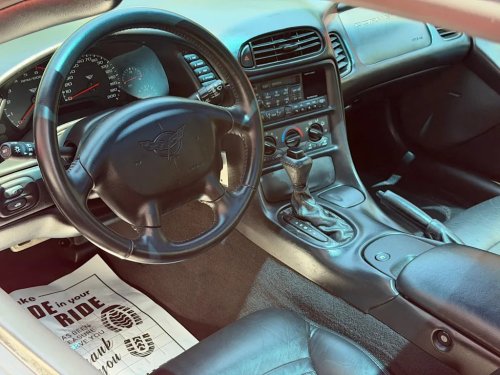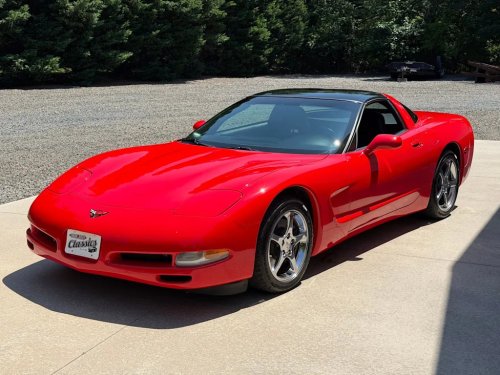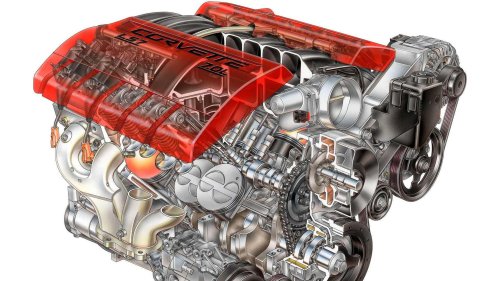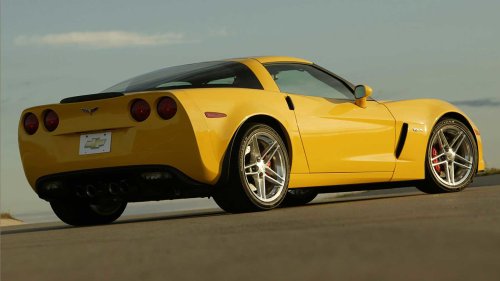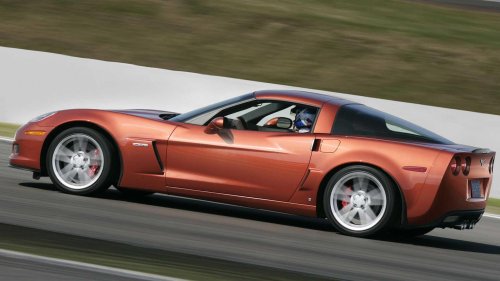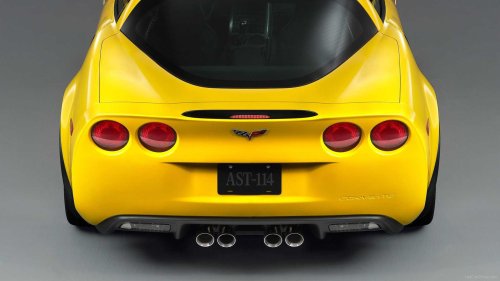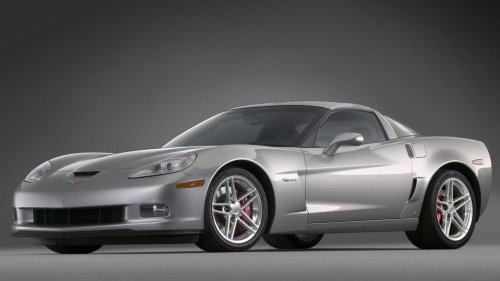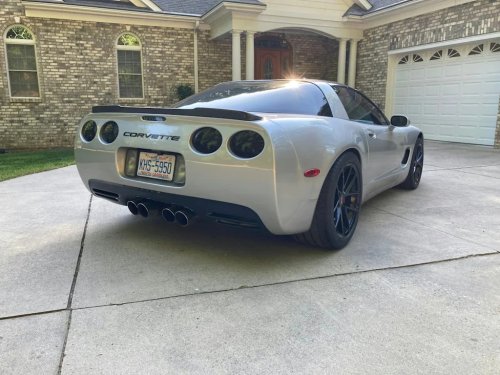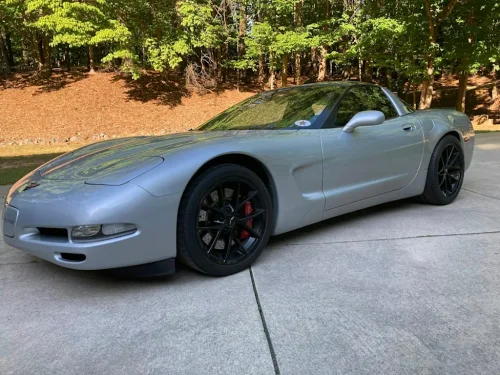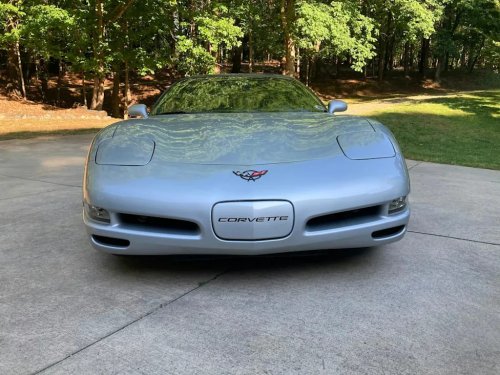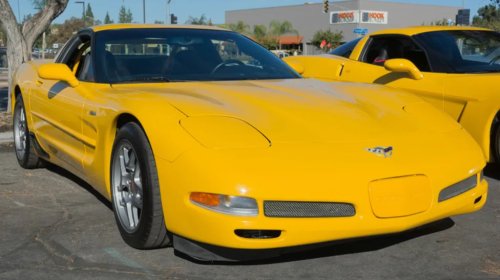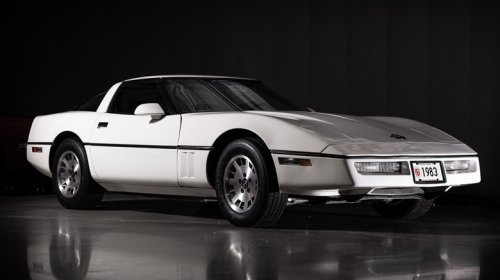
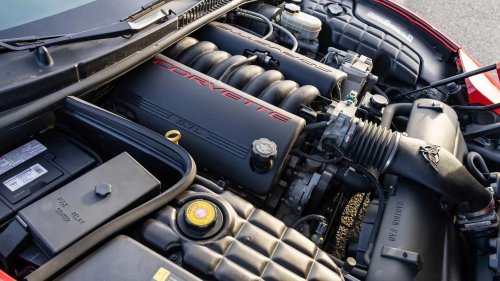
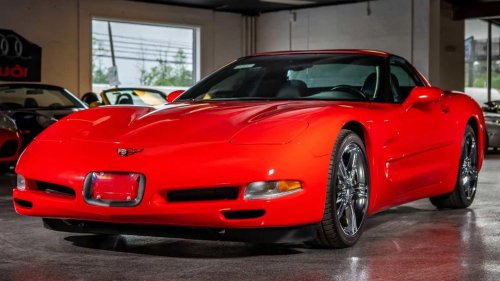
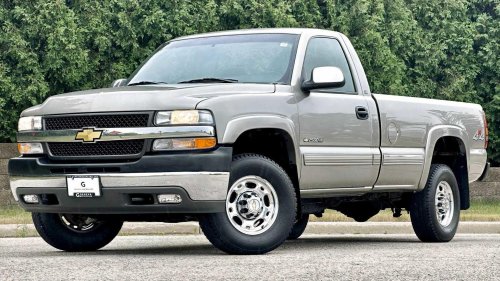
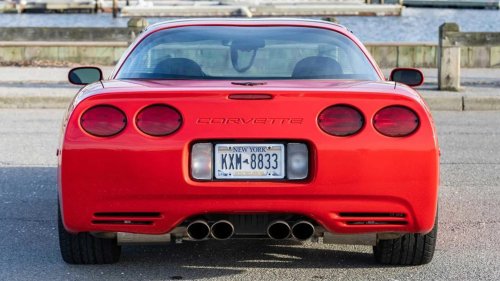



















“Truck reliability” usually means something that can log some real mileage without turning into a problem. It’s not about being perfect by any means, but more about consistency, manageable ownership costs, and the ability to keep going without constant attention, the kind of durability you expect from something like a Chevrolet Silverado 1500. Sports cars don’t usually live in that space. They’re built to be fast first, which often leads to tighter tolerances, more complex systems, and higher long-term costs as the miles add up. Even when they hold together, they rarely feel easy to own over time. There is one that doesn't follow that pattern, and the reason lies in how it was built from the start. Why Most Sports Cars Usually Don't Hold Up Like Trucks General Motors / YouTubeMany performance cars are engineered to extract as much power as possible, often from smaller or more complex engines. That approach works when everything is new, but it increases stress on internal components and reduces the margin for wear over time. That design also complicates ownership because tightly packed engine bays, advanced electronics, and multi-layered systems mean that even routine repairs can take longer and cost more. Once a car starts to age, those small differences begin to stack, and mileage tends to expose issues quickly. Cooling systems, sensors, and supporting components start to require attention, and the cost of keeping the car in good condition rises with them. Many sports cars can reach high mileage, but they don’t do it easily. Trucks are built with a different expectation because they are designed to handle mileage, daily use, and inconsistent maintenance without becoming unpredictable. In reality, that presents very different ownership experiences. This Sports Car Was Built With Truck DNA Bring a TrailerInstead of following the typical performance formula, General Motors built this platform around a simpler, more durable engine architecture. The LS small-block V8 uses a pushrod design, keeping the engine mechanically straightforward. Fewer moving parts reduce potential failure points, and the layout makes the engine easier to service than more complex overhead-cam setups.It also produces power in a way that reduces long-term stress. Torque comes in early, and the engine does not need to be pushed to high RPM to feel strong. That matters over time, especially when the car is driven regularly instead of occasionally. Most importantly, this engine was never exclusive to performance cars. It was used across GM’s trucks and SUVs, where durability and longevity were the priority. The foundation was already proven in vehicles expected to rack up serious mileage, and that carries over directly.Fun Fact: The LS1 V8 in the C5 was one of the first all-new small-block designs from GM in decades, replacing the older LT1 and setting the foundation for nearly every LS engine that followed. Without Further Ado, Meet The C5 Corvette Via: Bring a TrailerThe C5 Corvette brings all of that together in a way most performance cars don't, thanks to its 5.7-liter LS1 V8, producing 345 horsepower and 350 lb-ft of torque. It's still a quick car, capable of reaching 60 mph in under 5 seconds, but what stands out is how easily it delivers that performance. The power comes in smoothly and early, without needing to push the engine hard to access it.Long-term ownership is where the difference becomes clear. High-mileage examples are common, with many cars exceeding 150,000 miles and many more pushing well past 200,000 miles with basic maintenance. Major engine failures are not a defining issue for this platform, and most problems are smaller and manageable. That reputation is supported by broader Corvette reliability data, which shows a pattern unusual for a performance car. Corvette Reliability Data On paper, that Corvette reliability score looks average, but it doesn’t tell the full story. The frequency of major repairs is low, and most ownership costs remain predictable. J.D. Power scores consistently landing in the high 80s to low 90s reinforce that this is not a fragile platform. This stands out because it remains stable and usable, not because it's perfect. Reliability Comparison: Corvette Vs Full-Size Trucks Bring A TrailerIf this car is going to claim truck-like reliability, the comparison has to hold up when you put the numbers side by side. Full-size trucks like the Chevrolet Silverado 1500 set the benchmark for long-term durability. When you put the numbers side by side, the Corvette ends up much closer to that than most sports cars. Reliability Comparison The gap is smaller than most people expect. Corvette reliability scores align with those of full-size trucks in J.D. Power data, and average annual ownership costs are nearly identical. RepairPal ratings are slightly lower, but still within the same range, especially considering the difference in vehicle type. Most performance cars fall well behind trucks in long-term cost and dependability. This one doesn’t.MecumFun Fact: It was the first Corvette to use drive-by-wire throttle, which was a big shift at the time and helped improve throttle response and efficiency.The difference comes down to how the platform was engineered. It relies on a proven, low-stress setup that was already built for long-term use, which keeps failures down and ownership predictable as the miles add up. That’s the same pattern that defines truck reliability. What That Means In The Real World Owning a C5 Corvette does not feel like owning a typical performance car because the cost and effort of keeping it running stay consistent. Maintenance is straightforward, parts are widely available, and most repairs do not require specialized knowledge or excessive labor time. When something needs attention, it's usually manageable rather than disruptive. It can be driven regularly, taken on long trips, and pushed when needed without the sense that every mile adds risk. The ownership experience remains predictable rather than becoming more demanding over time.Fun Fact: Many C5 Corvettes are still running their original engines and transmissions well past 150,000 miles, which is part of why the car built its long-term reliability reputation.Most sports cars get more expensive and more complicated as they age. This one doesn’t follow that pattern. When you line it up against something like a Silverado, the gap in long-term reliability is much smaller than most people expect. That’s what makes it different.