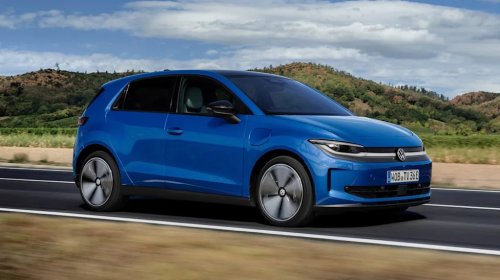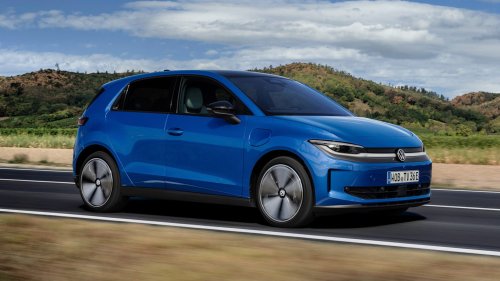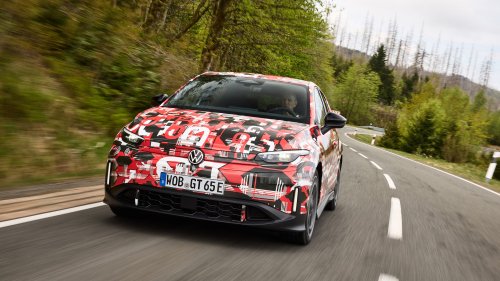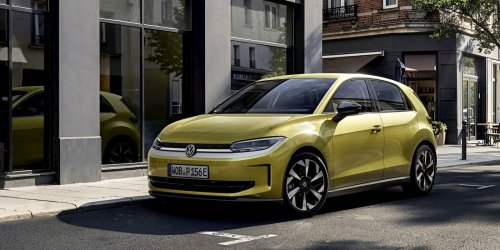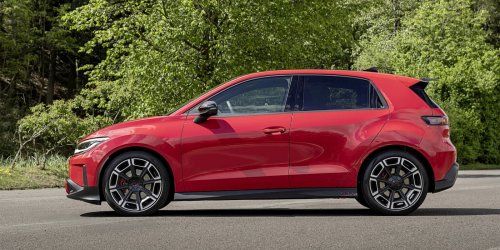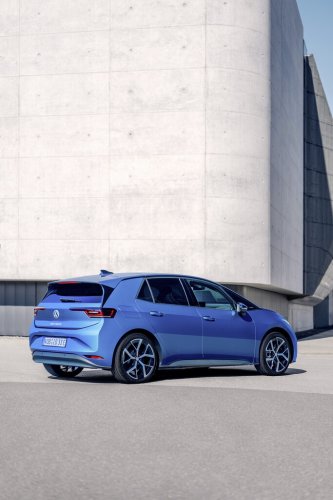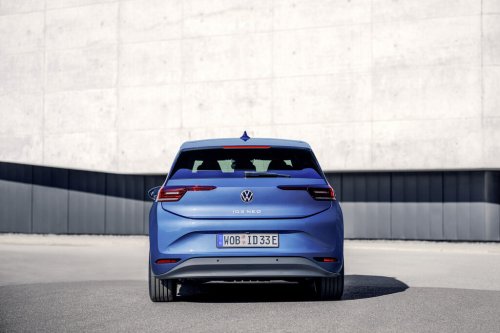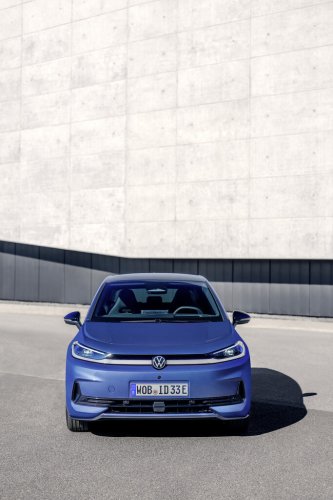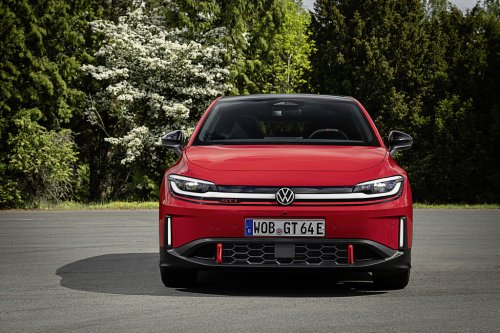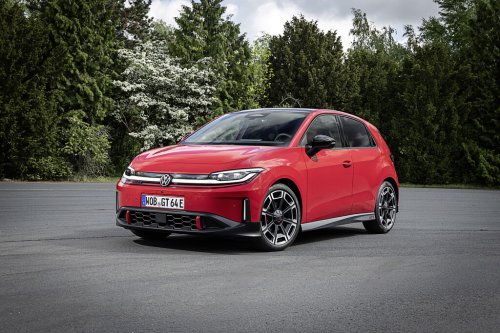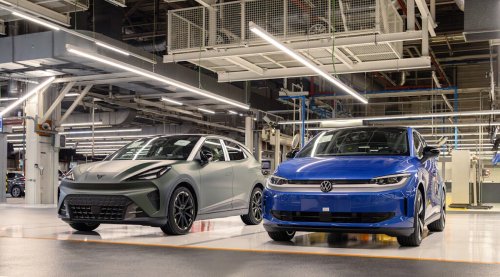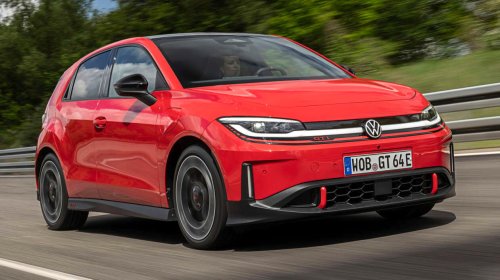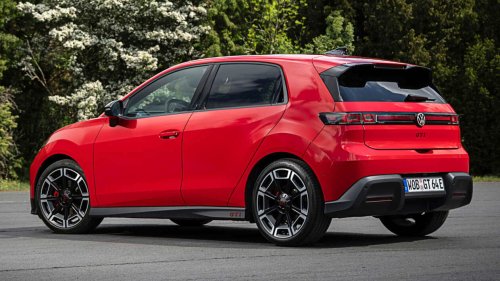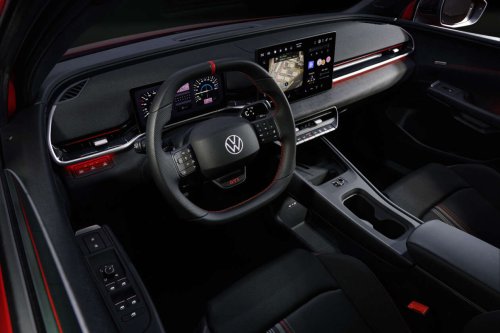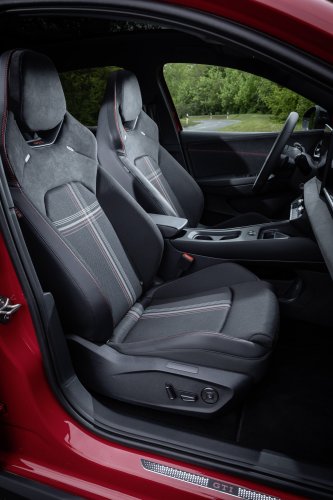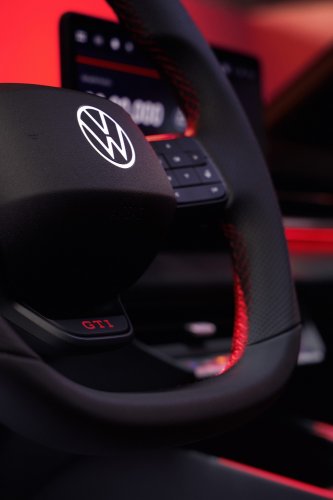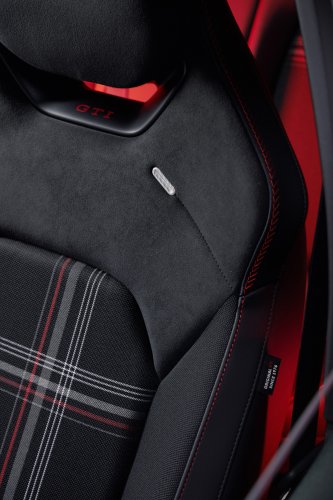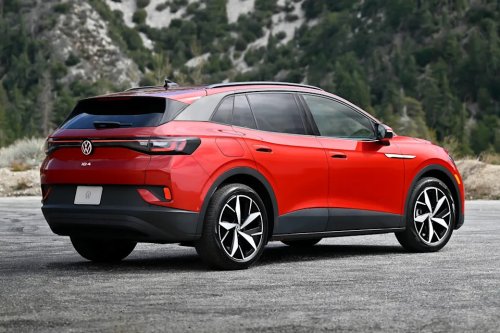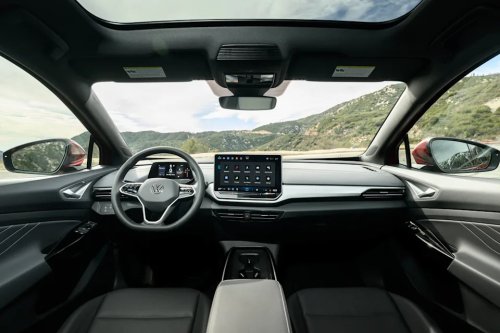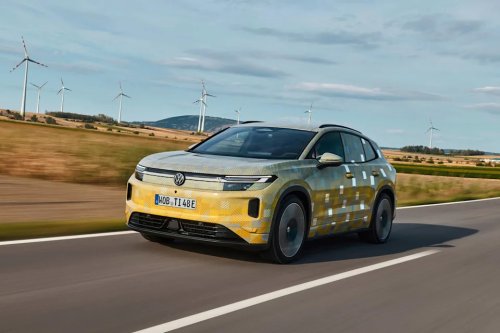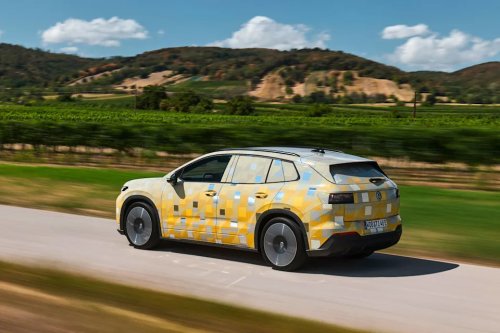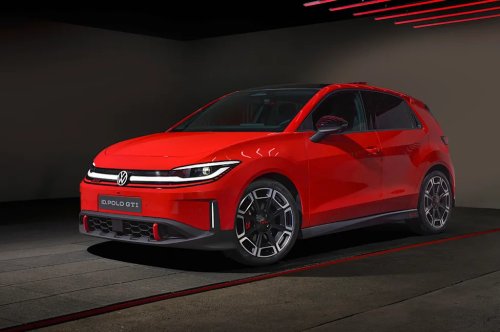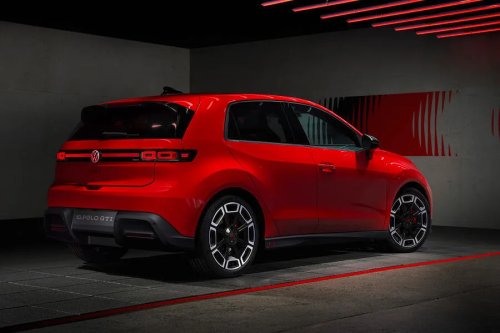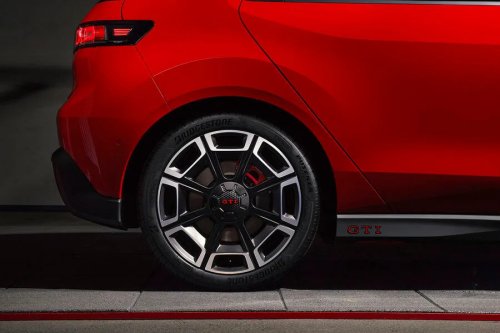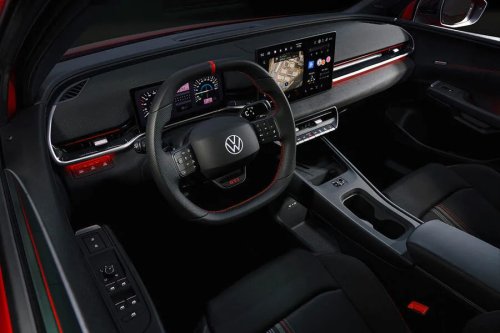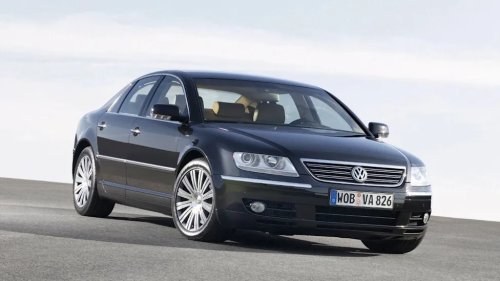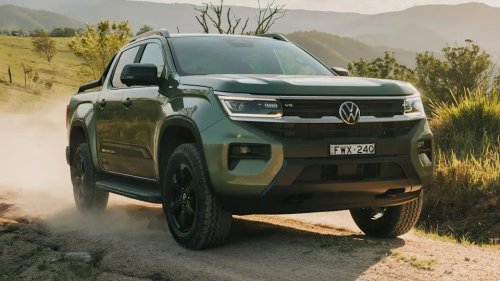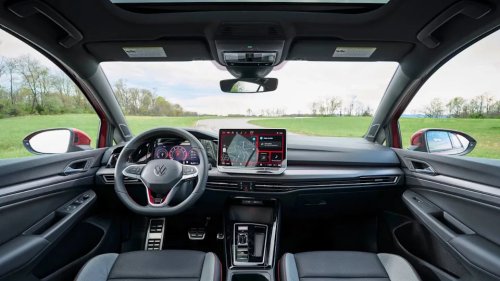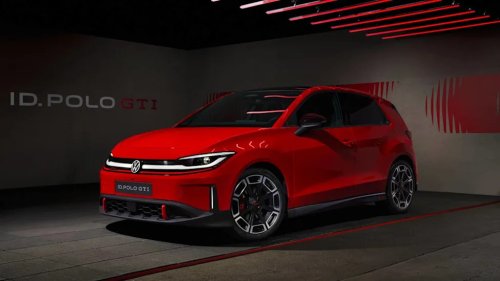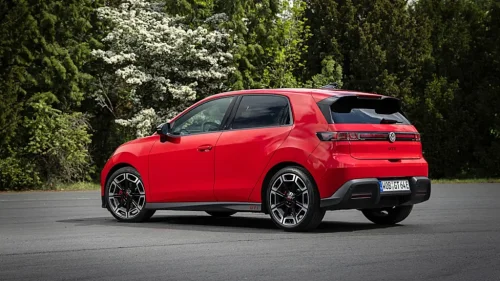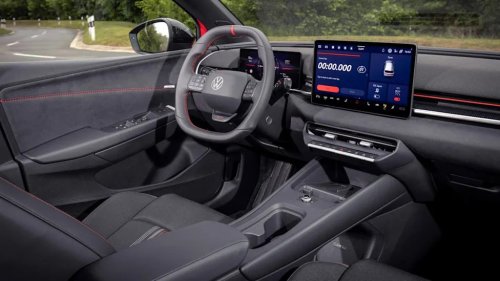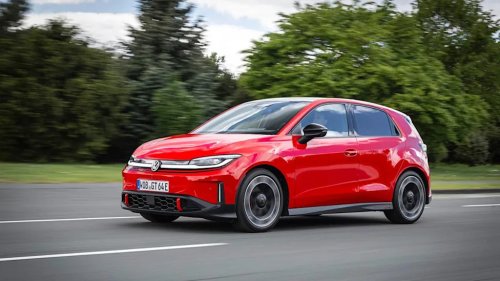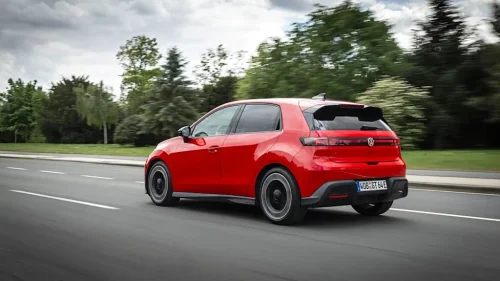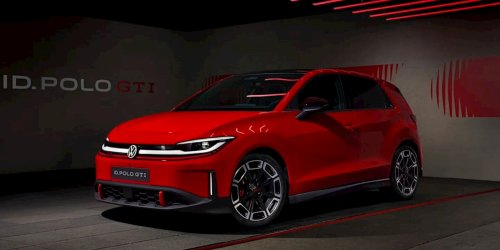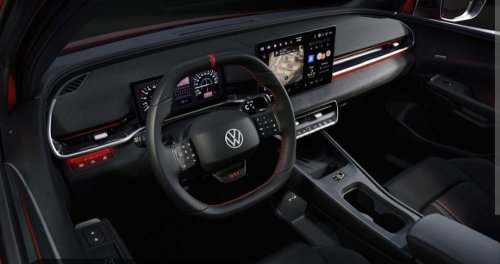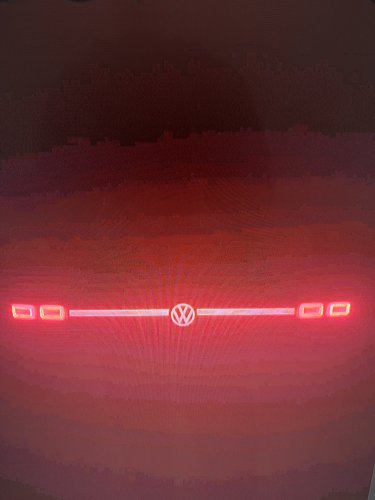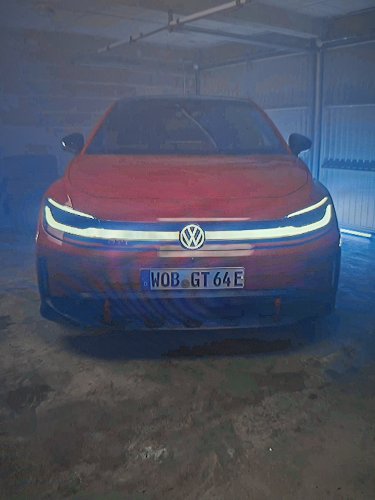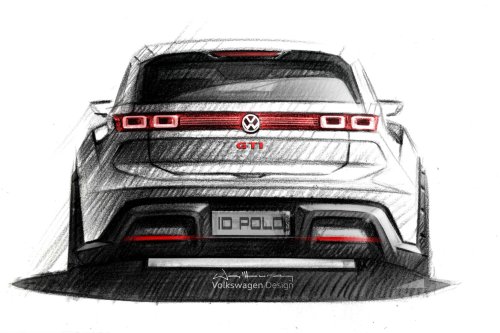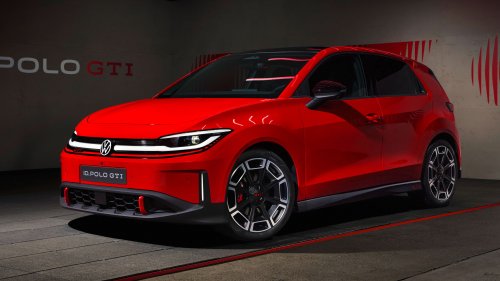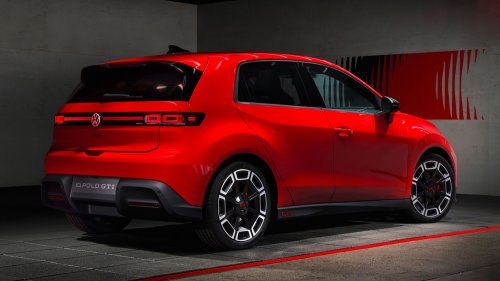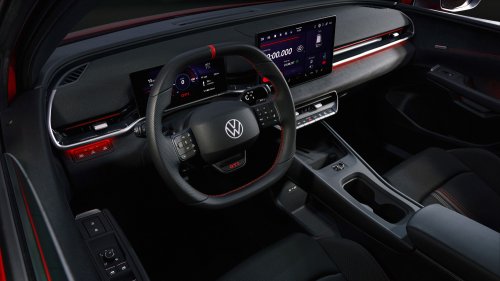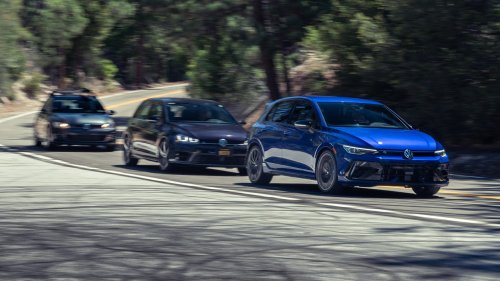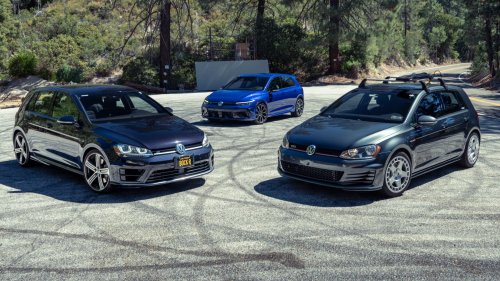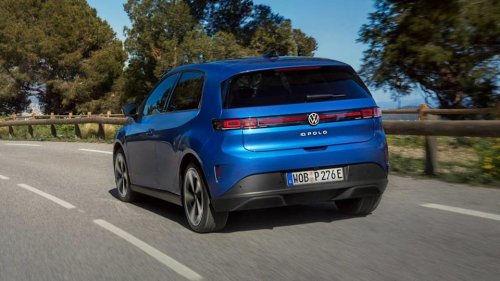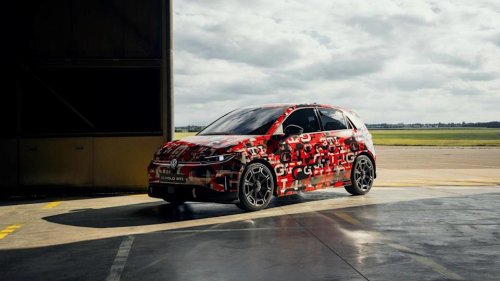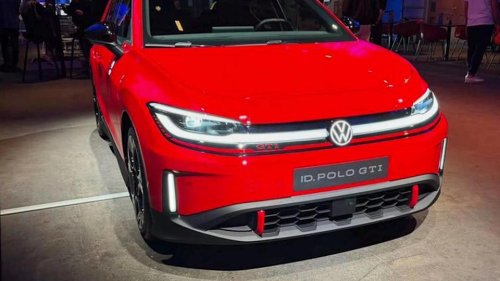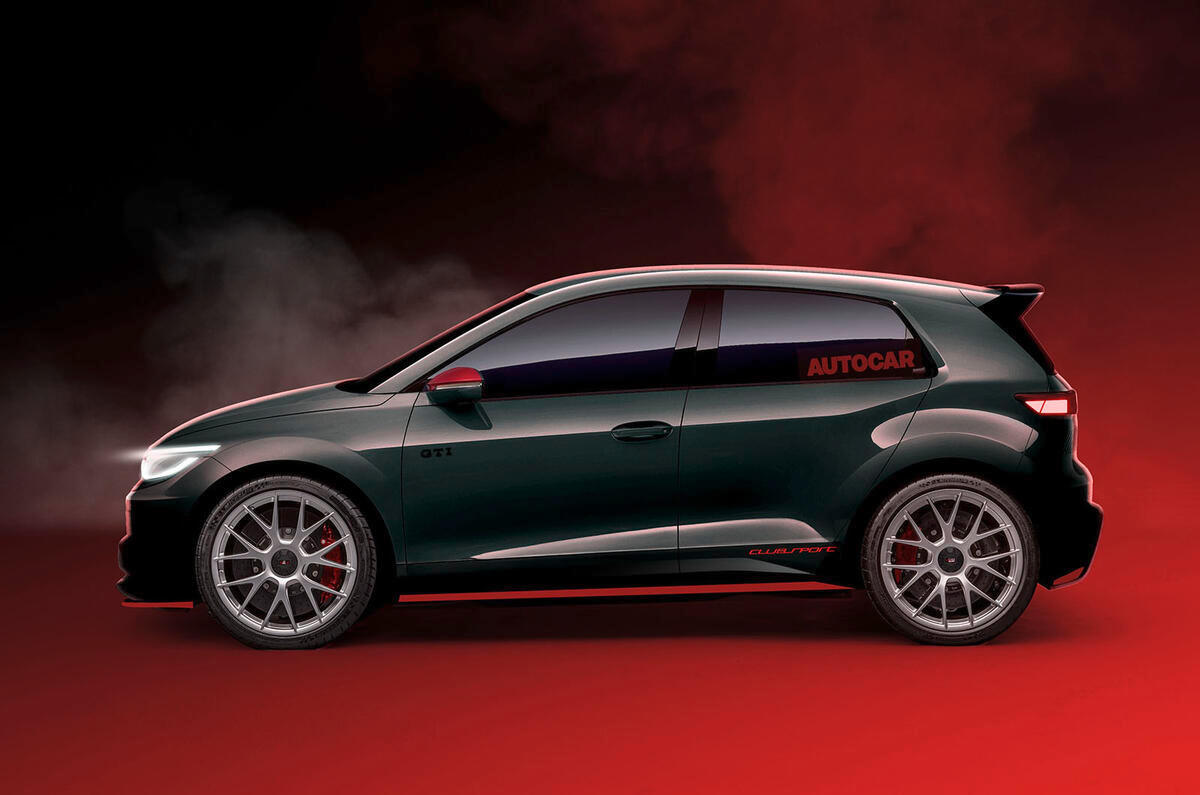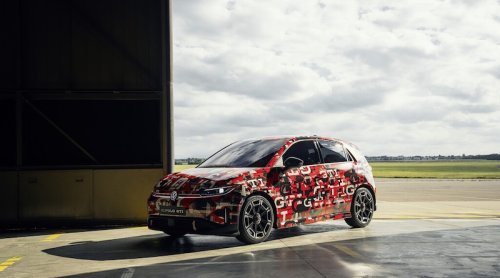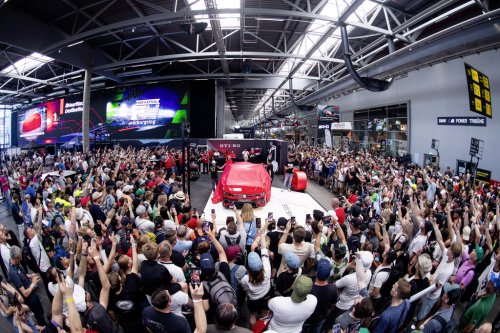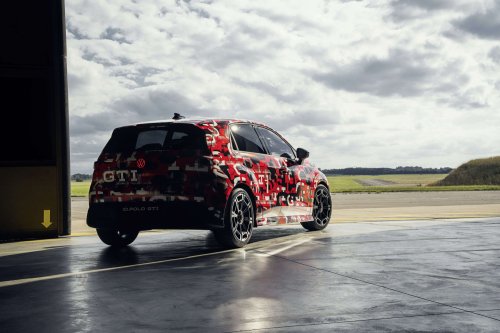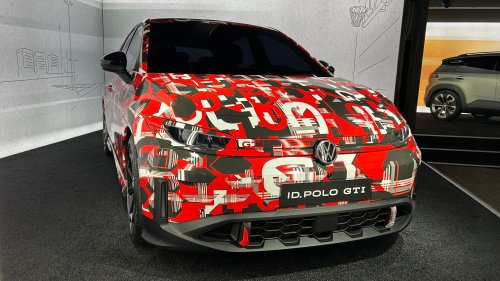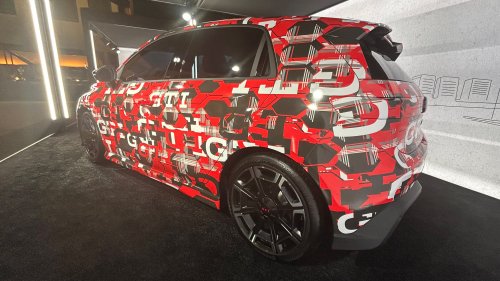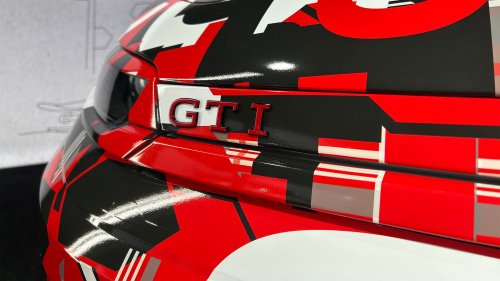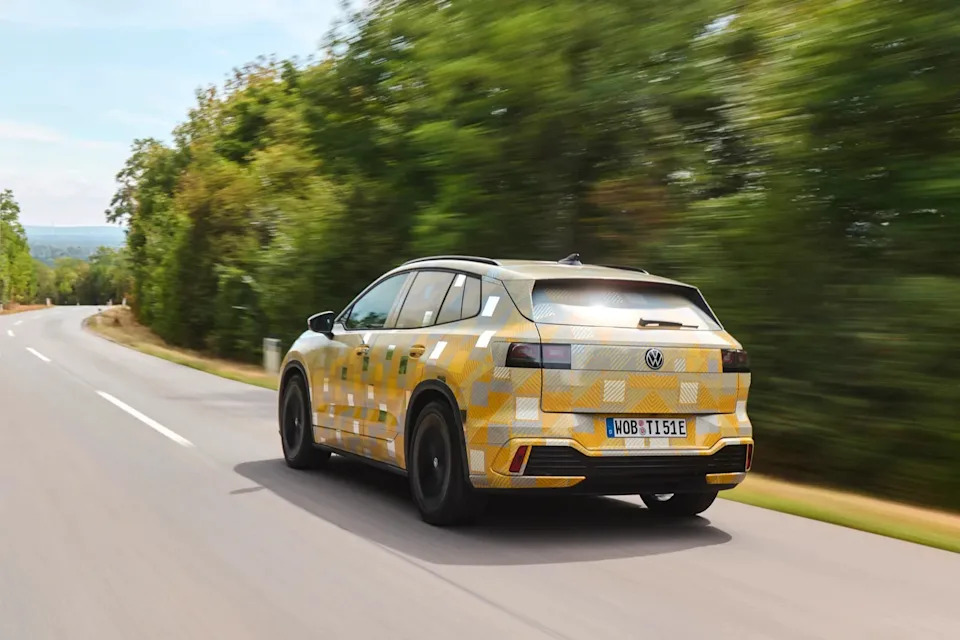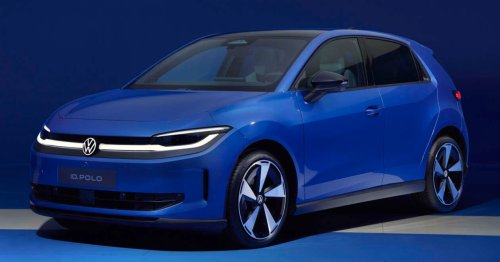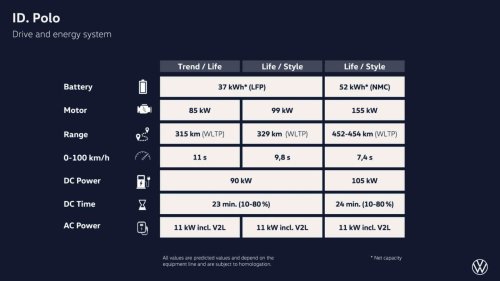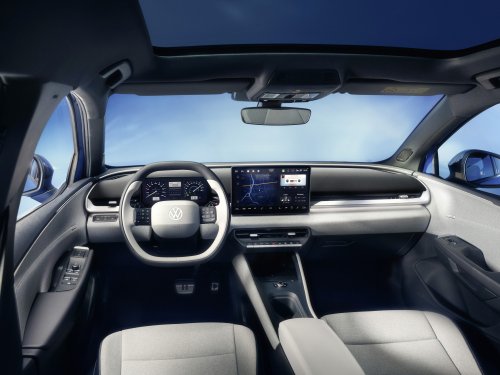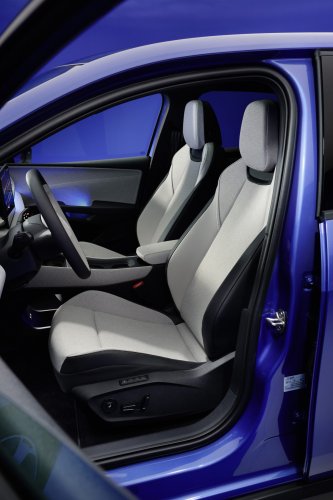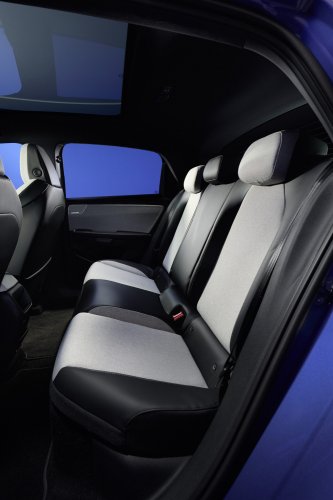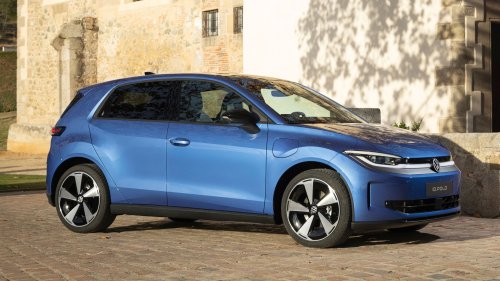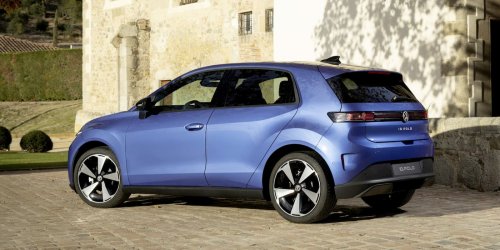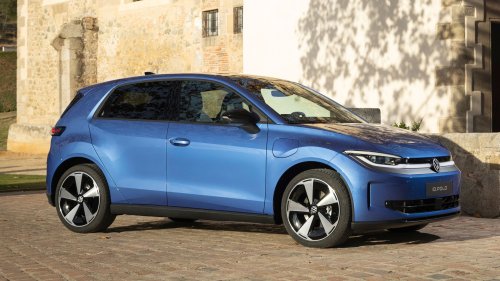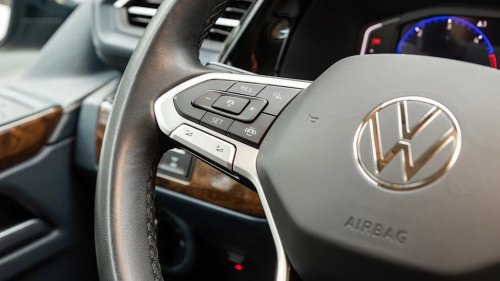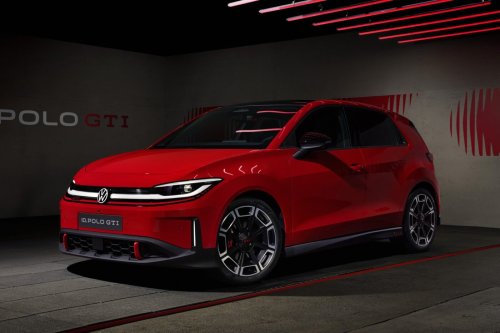
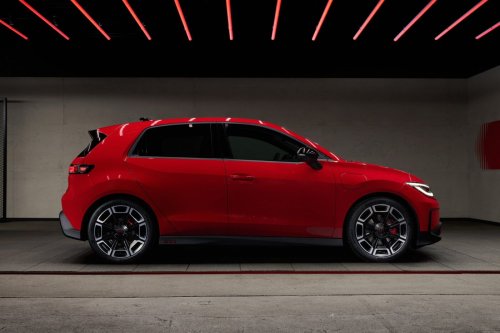
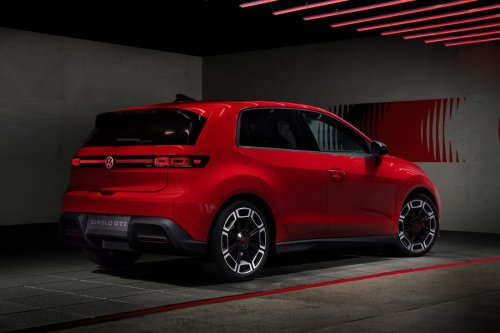
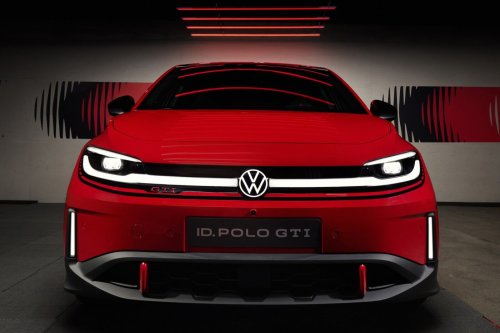
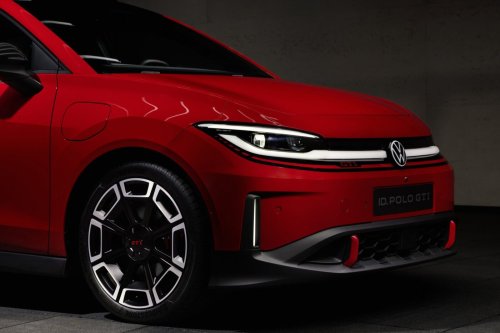
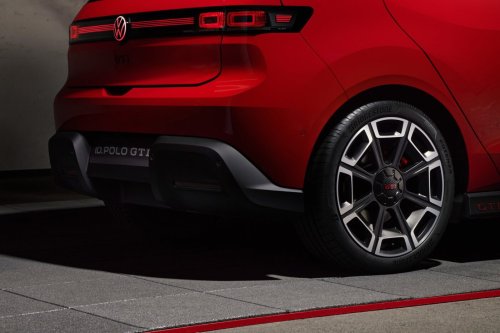
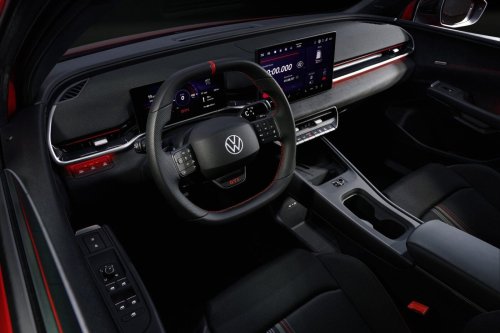
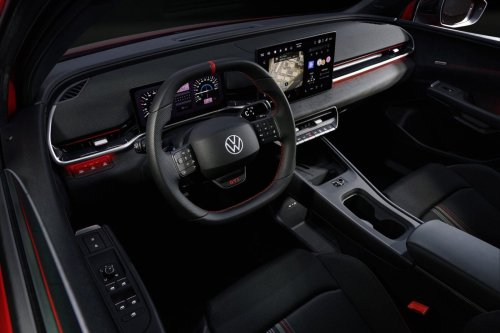
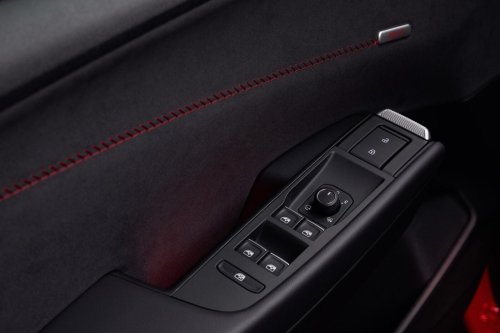
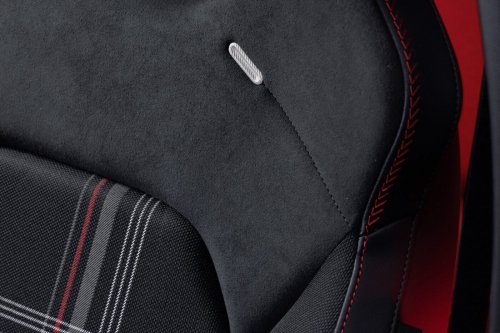
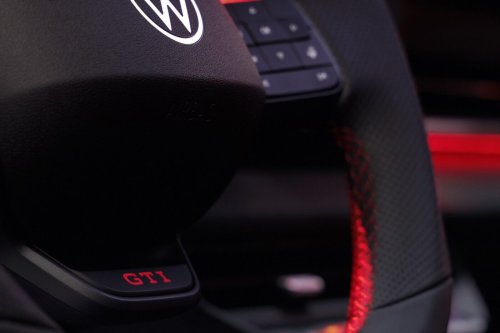
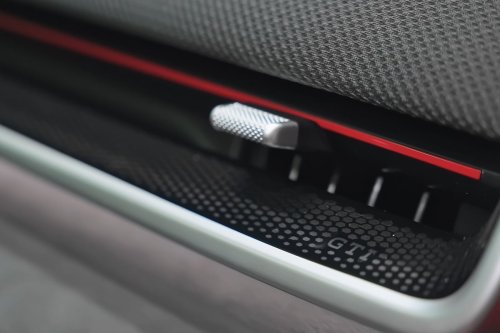
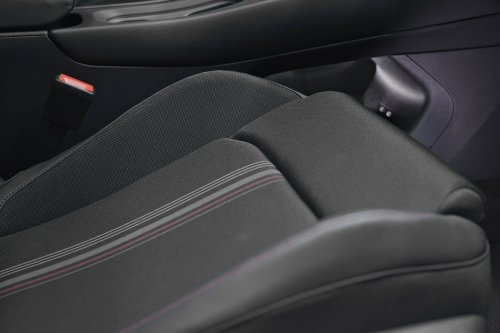



















The Volkswagen Polo GTI is one of those cars that has cultivated its own niche culture over decades. Its legacy is less about raw power and more about understatement: a relatively small car that was surprisingly fast, practical for everyday use, and tuning-friendly. On the motorway, it could even outpace larger cars. The 6R GTI, with its 1.4 TSI Twincharger, achieved cult status: a supercharger and turbocharger combined – almost exotic for a compact car.In its seventh generation, the Polo is now going fully electric. There is no more rev-matching or the distinctive DSG burbles during gear shifts. One might think this is a heavy legacy for an electric GTI to inherit.VW’s brand chief, Thomas Schäfer, emphasised last year that iconic VW names could not be arbitrarily transferred to an electric car. Following the motto: if it says Golf on the outside, it must deliver Golf on the inside. With the new electric compact car, Schäfer now evidently believes this condition has been met. Since September, it has been officially confirmed that the ID.2all study presented three years ago will go into series production as the ID. Polo – and that the new electric compact car will also be available as a GTI. This is the version we focus on here.GTI instead of GTXUntil now, VW has designated its sportiest electric models as GTX, as these – with the exception of the ID.3 GTX – feature electric all-wheel drive. With a second electric motor on the front axle, GTX models offer more power than MEB models with rear-wheel drive only. Visually, they already incorporate red trim elements, aligning with the familiar GTI design language. However, adjustments to the chassis and driving feel, compared to the base models, have so far been minimal – aside from the additional power.With the ID. GTI Concept, it became clear that Volkswagen intends to carry the GTI label into the electric era. The ‘I’ now stands for ‘Intelligence’ – in the classic GTI, it stood for ‘Injection,’ a reference to the fuel injection technology of the internal combustion engine. With the Polo, the next step follows: 50 years after the debut of the first GTI, Volkswagen is presenting its first fully battery-electric model bearing the world-famous acronym – the newly developed ID. Polo GTI.Instantly recognisable as a PoloEven at last year’s IAA, the ID. Polo made its appearance – albeit still under camouflage – and its future design language was already clearly visible. According to the manufacturer, Volkswagen’s chief designer, Andreas Mindt, and his team created a compact car that ‘fully embodies the new, crystal-clear design language Pure Positive.’ However, it was also clear: Volkswagen aimed to create a design that would make the electric compact car instantly recognisable as a Polo.Accordingly, the first appearance of the production model, which we were able to experience firsthand at a media event in Hamburg, feels familiar. The same applies to the ID. Polo GTI, whose production version Volkswagen also presented to media representatives on-site.GTI details at the front and rearCompared to the standard ID. Polo, the GTI variant is 4.3 centimetres longer, measuring just under 4.10 metres in total. The wheelbase has increased by seven centimetres to nearly 2.6 metres, while the GTI sits 1.7 cm lower. There are no differences in width, which remains at around 1.82 metres. Thus, the electric GTI is roughly on par with the 2026 discontinued Polo GTI with an internal combustion engine.The most recognisable GTI feature is the red stripe at the front. On the ID. Polo GTI, it stretches below the LED light bar across the entire width, incorporating the three-dimensionally designed GTI logo on the left. Above it are the standard LED light bar, the illuminated VW emblem, and the GTI’s standard IQ.LIGHT – LED Matrix Headlights. Below, the bumper in the revived GTI colour Tornado Red adds a striking accent. Image: Volkswagen Image: Volkswagen Image: Volkswagen Image: Volkswagen Image: Volkswagen Image: Volkswagen Image: Volkswagen Image: Volkswagen Image: Volkswagen Image: Volkswagen Image: Volkswagen Image: Volkswagen Image: VolkswagenThe rest of the front also follows familiar GTI motifs: at the bottom, a black honeycomb air intake serves both interior and battery system climate control. Two red vertical elements resemble tow hooks from motorsport, while the front spoiler is designed in the style of a motorsport splitter. Whether this visual proximity to motorsport will translate into driving dynamics remains to be seen during a test drive.In side profile, the GTI is harder to distinguish from the standard ID. Polo. The most obvious clue is the red GTI lettering integrated into the side skirts at the rear. Another visual anchor is the 19-inch alloy wheels of the ID. Polo GTI. Two designs are available: the standard Cape Town wheel and the optional Wörthersee wheel.The rear of the ID. Polo GTI is characterised by a roof-edge spoiler that is visually split in the middle. Below it, the rear window extends far into the C-pillars. The glass-covered LED light bar of the rear lights defines its appearance. Together with the horizontally structured and body-coloured area below, it is intended to enhance the sporty effect of the rear.The ID. Polo GTI comes as standard with the IQ.LIGHT version of the rear lights, whose two outer, nearly rectangular LED elements are designed in 3D. On the GTI, the crossbars in the rear light bar and the VW logo are also illuminated. The black rear diffuser extends beyond the bodywork and aligns laterally with the side skirts. Even without the GTI lettering at the rear, the sporty variant remains unmistakable.GTI genes in the interiorInside, Volkswagen also relies on familiar GTI genes. The interior of the ID. Polo GTI is dominated by the colours red and black. In the newly developed cockpit, the red accents stand out: the decorative stitching on the new GTI sports steering wheel is highlighted, and the 12 o’clock marker on the steering wheel rim is red, as is typical in motorsport. A narrow red stripe also extends across the entire width of the dashboard.Red decorative stitching is also found on the doors and the outer edges of the front and rear sports seats. On the inner surfaces, a large check pattern of white, grey, and red stripes reinterprets the tartan pattern of historic GTI models. The red GTI emblem is integrated into the headrests of the front seats. This logo also appears in the suggested 6 o’clock position on the multifunction sports steering wheel.Technically, the interior remains largely identical to the standard ID. Polo. Displays, infotainment, driver assistance systems and space do not fundamentally differ. Buyers looking for distinctive GTI touches in the cockpit will mainly find them in the colours, materials and display graphics rather than in the operating architecture.166 kW and a dedicated GTI chassisTechnically, the GTI uses the same basic architecture as the standard ID. Polo. Both models are based on the latest evolution of the Modular Electric Drive Matrix (MEB+). The key differences are the more powerful drivetrain, revised chassis tuning and GTI-specific driving programmes. Volkswagen uses the APP290 electric motor developed for front-wheel-drive models, which, according to the brand’s naming convention, delivers 290 Nm of torque. In the GTI, the drivetrain produces 166 kW. The compact sports car reaches a top speed of 175 kph, 15 kph higher than the standard ID. Polo.The newly developed chassis is also tailored to the higher performance and GTI aspirations. The basic layout of the GTI chassis consists of a MacPherson front axle and a compound-link rear axle. Both axles in the ID. Polo GTI are serially linked to the electronically controlled DCC system – an adaptive damper control. For additional traction on the front axle, a standard front-axle differential lock is included, as used in the Golf GTI models. New driving profile: ‘GTI’Pressing the GTI button on the multifunction sports steering wheel activates the GTI driving profile developed exclusively for this model. In the ID. Polo GTI, it joins the Eco, Comfort, Sport and Individual modes. Volkswagen says the GTI mode is designed to highlight the particularly dynamic facets of the electric Volkswagen.At the press of a button, the system switches all drivetrain and chassis settings to maximum sportiness. This affects the electric motor’s power delivery, the progressive steering and the adaptive DCC sports chassis with its GTI-specific tuning. Launch Control is also activated, while the seatbelt pretensioners engage. A light show is accompanied by the sound of an internal combustion engine – why Volkswagen opted for this remains one of the engineers’ secrets. At the same time, the GTI view appears in the Digital Cockpit.52 kWh for the electric GTIWhile Volkswagen is tuning the ID. Polo GTI for sportiness, range and charging performance remain key for everyday usability. The crucial factor is the battery fitted to the sporty electric compact car – and how quickly it can be recharged. The battery system sits in the vehicle floor between the front and rear axles and uses the company’s unified cell. As the name suggests, Volkswagen Group and its subsidiary PowerCo developed the system from scratch. It uses Cell-to-Pack technology, which integrates the cells directly into the battery pack without intermediate module housings.Volkswagen offers the ID. Polo GTI exclusively with the 52 kWh battery using NMC cell chemistry. The 37 kWh LFP battery available in the base version is not offered. According to WLTP, the GTI delivers a range of up to 424 kilometres. Using the three-phase 11 kW onboard charger, a full AC charge takes just over 5.5 hours. At DC fast chargers, the battery can charge from 10 to 80 per cent in around 24 minutes at up to 105 kW.ConclusionWhether the ID. Polo GTI will live up to its legendary name in terms of driving dynamics remains to be seen until the first test drive. On paper, however, Volkswagen is delivering more than just red trim and a familiar acronym: more power, an adaptive chassis, a front-axle differential lock, and a dedicated GTI driving profile. This is precisely what the first battery-electric GTI will be measured against. Until then, the static impression remains positive: the car is inviting to drive. Pre-orders are expected to start in autumn, for just under €39,000.