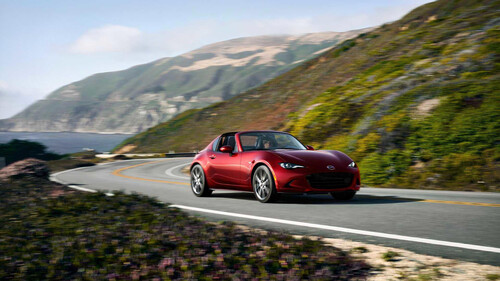
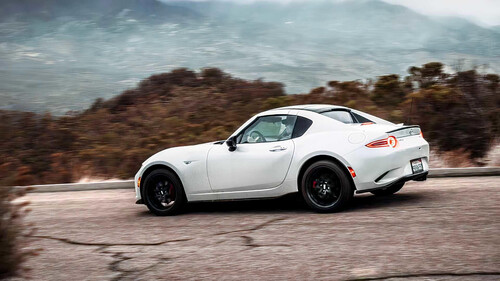
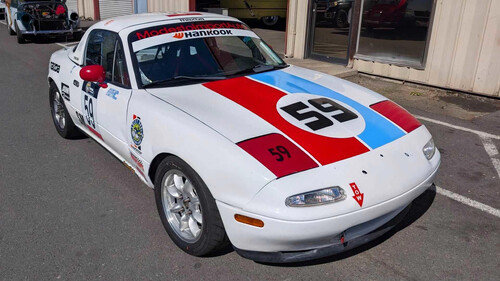
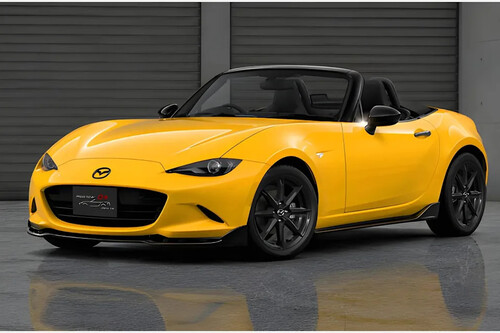
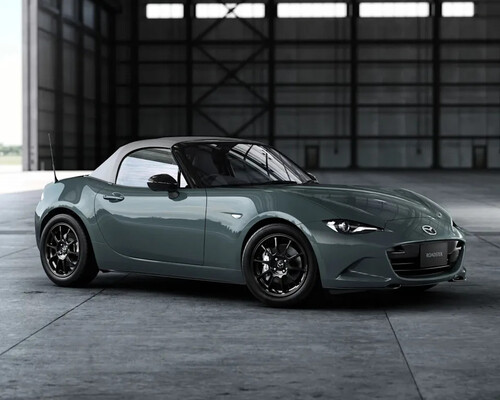
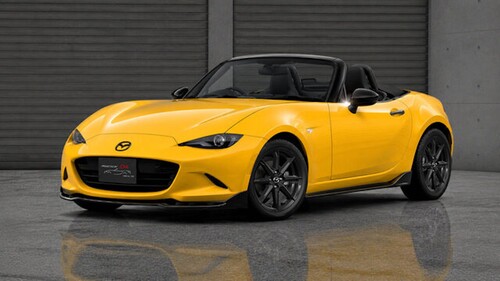
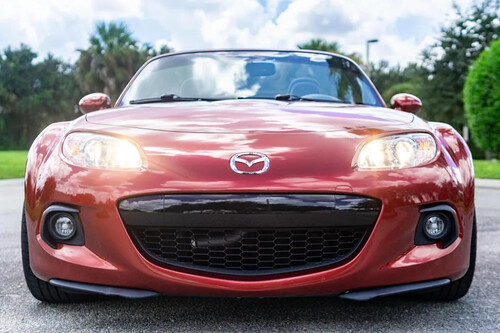
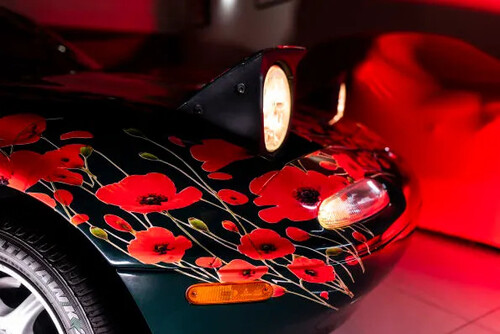
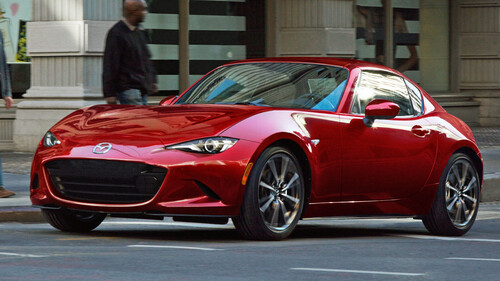
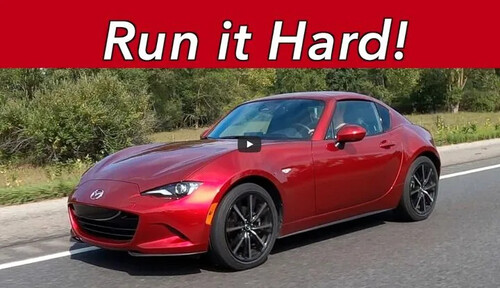
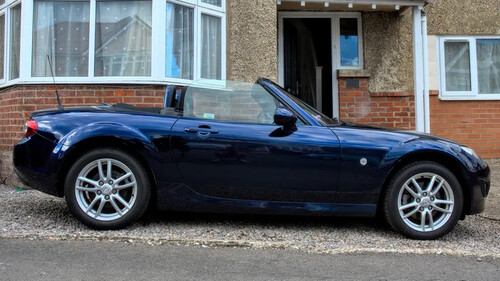
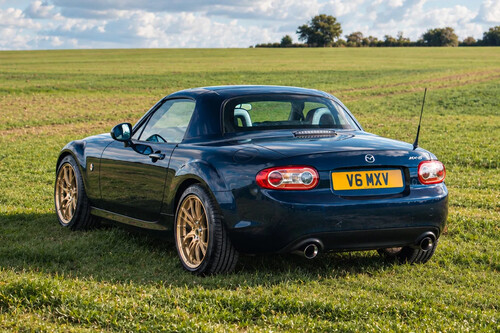
One Japanese sports car surprises with a sales boost in its tenth yearIn an automotive era defined by electrification, crossovers, and ever-tightening regulations, it’s rare for a traditional sports car to capture headlines—let alone for its sales success. Yet one Japanese icon has done exactly that. The Mazda MX-5 Miata ND, now in its tenth year on the market, is experiencing an unexpected surge in demand, defying both industry trends and the typical lifecycle of performance vehicles. A Rare Late-Cycle Upswing Most cars follow a predictable trajectory: strong initial interest, gradual decline, and eventual replacement. By the time a model reaches a decade in production, sales are usually tapering off significantly. But the Miata has flipped that script. Recent figures show that the roadster posted a notable sales increase in 2025, followed by an even sharper rise in early 2026. For a niche, two-seat convertible—especially one that hasn’t undergone a full redesign—this kind of late-cycle momentum is almost unheard of. This surge is even more remarkable when viewed against the broader market. Across the United States and other key regions, Japanese automakers have faced declining sales amid economic uncertainty and shifting consumer preferences. Buyers continue to gravitate toward SUVs, hybrids, and electric vehicles, leaving traditional sports cars fighting for relevance. Yet the Miata is not just surviving—it’s thriving. Standing Out in a Changing Market Part of the Miata’s success lies in how different it feels from the rest of today’s automotive landscape. While many modern performance cars have grown larger, heavier, and more technologically complex, the Miata has remained true to its original philosophy: lightweight design, balanced handling, and an emphasis on driver engagement over sheer horsepower. At a time when even entry-level performance cars are pushing higher price brackets, the Miata remains relatively accessible. That affordability, combined with its reputation for reliability, has made it an appealing option for both first-time sports car buyers and longtime enthusiasts. It also helps that the Miata delivers something increasingly rare: a pure, analog driving experience. In contrast to turbocharged engines, digital interfaces, and driver-assistance-heavy systems found in many modern vehicles, the Miata offers simplicity—manual transmission availability, responsive steering, and a direct connection between driver and road. The Power of Heritage Few cars can claim the cultural and historical weight of the Mazda MX-5 Miata. Since its debut in 1989, the model has built a global reputation as one of the most beloved sports cars ever produced. Its formula—affordable fun, reliability, and timeless design—has remained largely unchanged across generations. That consistency has paid off. The current ND generation benefits from decades of goodwill, with a loyal fanbase that spans multiple generations of drivers. Car clubs, enthusiast communities, and motorsport participation have all reinforced the Miata’s status as more than just a vehicle—it’s a lifestyle. For many buyers, purchasing a Miata isn’t just about performance; it’s about joining a legacy. Scarcity Driving Demand Another key factor behind the sales boost is scarcity. As automakers accelerate their transition toward electrification, investment in low-volume sports cars has dwindled. Several iconic models have already been discontinued, while others face uncertain futures. Even competitors like the Toyota GR Supra have seen fluctuating demand, highlighting the challenges of sustaining interest in this segment. Against this backdrop, the Miata stands out as one of the last widely available, affordable, gasoline-powered roadsters. For buyers who have long considered owning a traditional sports car, the shrinking pool of options is creating a sense of urgency. This “buy it while you still can” mentality appears to be fueling demand, particularly among enthusiasts who worry that vehicles like the Miata may not survive in their current form much longer. Global Appeal, Local Impact While the Miata’s strongest gains have been reported in the United States, its appeal remains global. Markets in Europe and Asia continue to show steady interest, supported by the car’s compact size and efficiency—qualities that make it well-suited for urban environments and winding roads alike. Mazda’s careful updates to the ND generation, including subtle design tweaks and incremental performance improvements, have also helped keep the model fresh without alienating purists. Special editions and limited-run variants have further boosted interest, creating periodic spikes in demand. A Statement About the Future The Miata’s unexpected success carries broader implications for the automotive industry. It challenges the assumption that traditional sports cars are obsolete in a world increasingly focused on sustainability and practicality. Instead, it suggests that there is still a meaningful audience for vehicles designed primarily around enjoyment. While that audience may be smaller than it once was, it is clearly passionate—and willing to act when the right product comes along. For Mazda, the lesson is clear: authenticity matters. By staying true to the Miata’s core identity rather than chasing trends, the company has managed to achieve something rare—renewed success for a decade-old model in a rapidly evolving market. What Comes Next? Looking ahead, questions remain about the Miata’s future. Mazda has hinted at electrification across its lineup, but how that will affect the beloved roadster is still uncertain. Enthusiasts have expressed both excitement and concern about the possibility of hybrid or fully electric versions. For now, however, the current generation continues to enjoy a surprising second wind. Whether driven by nostalgia, scarcity, or a renewed appreciation for simple driving pleasure, the Miata’s sales boost is a reminder that sometimes, the old formulas still work best. In an industry racing toward the future, one small roadster is proving that there’s still plenty of value in holding onto what made cars fun in the first place. More from Fast Lane OnlyUnboxing the WWII Jeep in a Crate15 rare Chevys collectors are quietly buying10 underrated V8s still worth hunting downPolice notice this before you even roll window down The post One Japanese sports car surprises with a sales boost in its tenth year appeared first on FAST LANE ONLY.