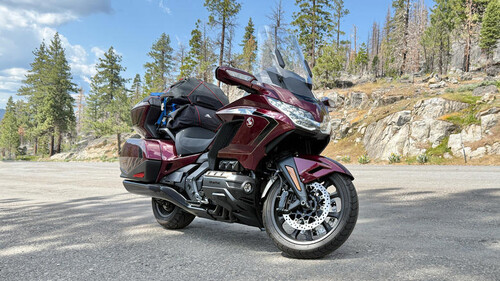
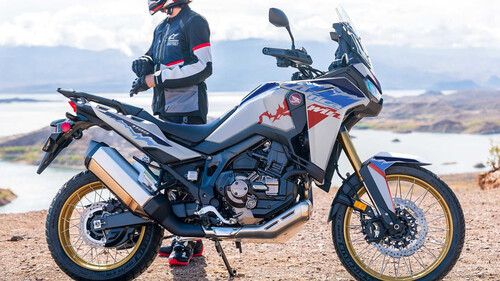
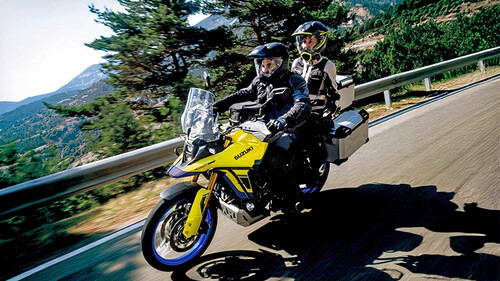
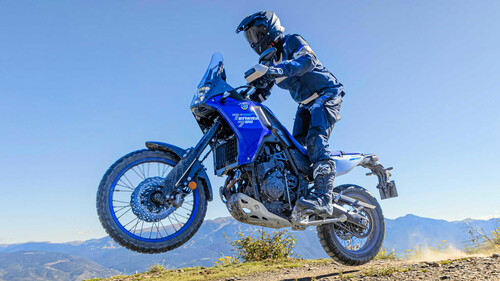
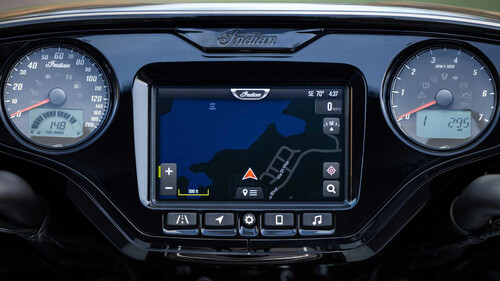
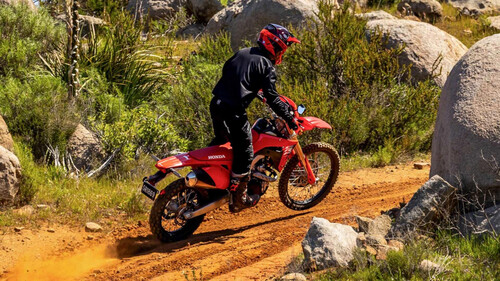
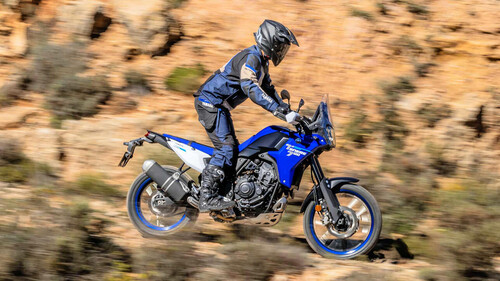
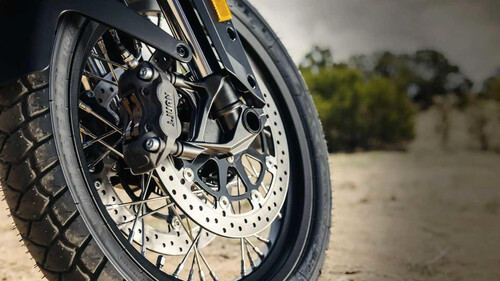
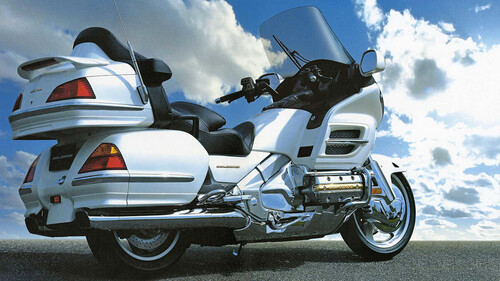
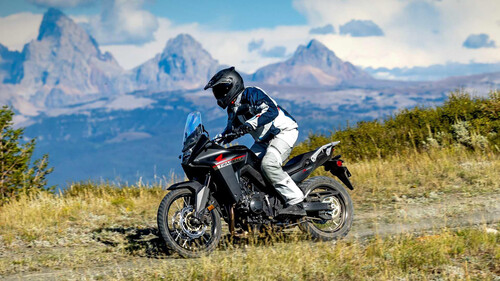
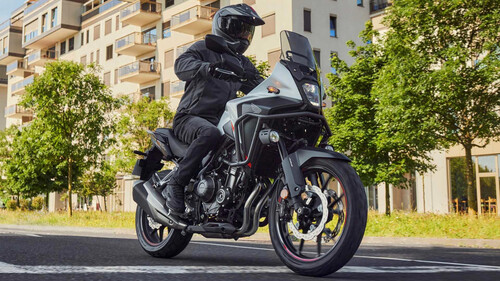
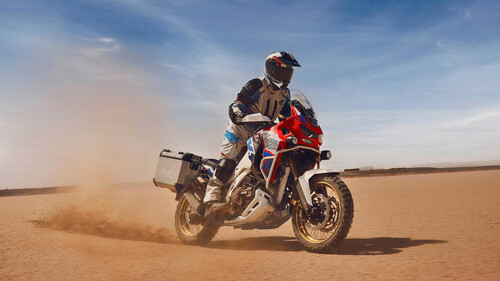
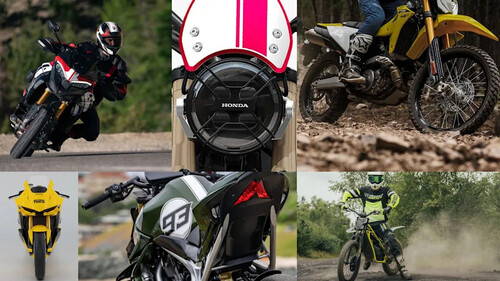
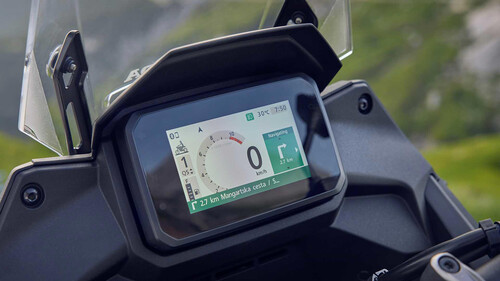
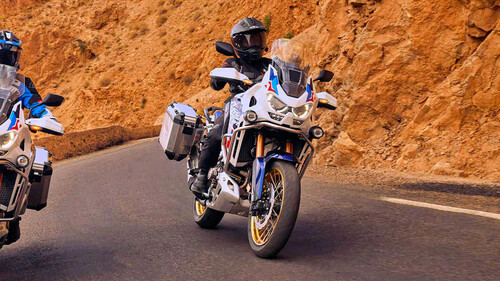
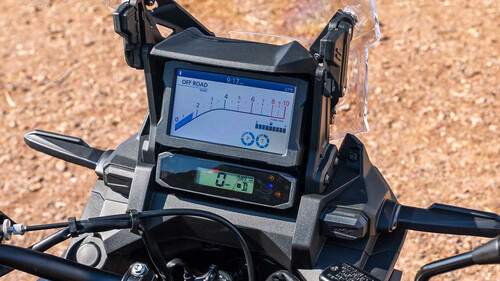
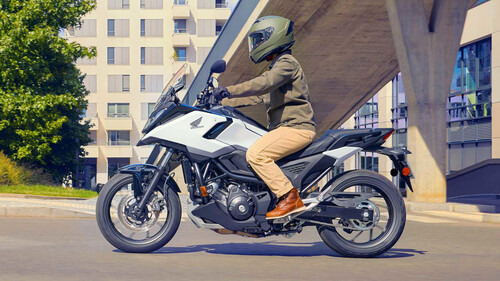
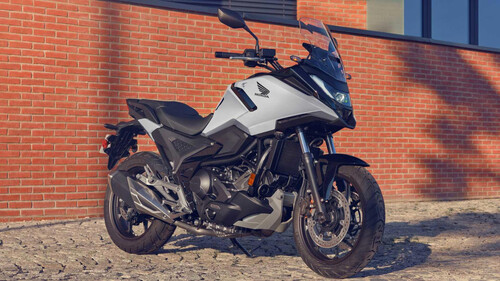
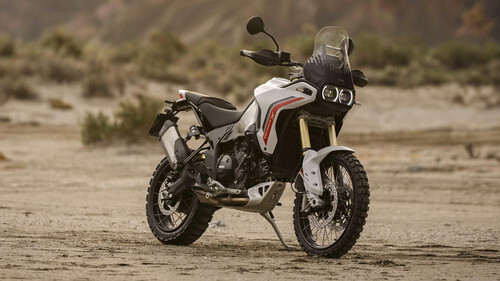
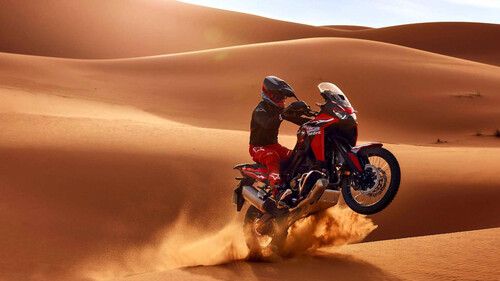
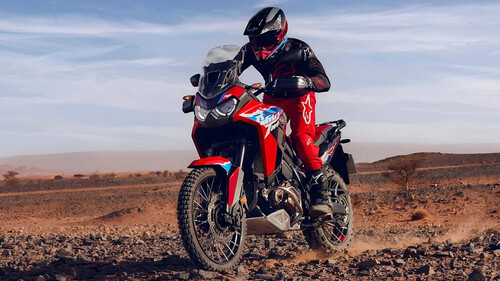
Honda builds motorcycles for almost every rider and every road. It sells cruisers that rumble, touring rigs that float, and dirt bikes that win races on Sundays. The brand fills the gaps in between with commuter twins, mini fun bikes, and a big flagship adventure machine everyone knows by name. In this sea of choice, one model keeps slipping under the radar. It checks all the boxes enthusiasts care about: modern engine, long-travel suspension, smart electronics, real-world comfort, and a price that makes sense. It also carries a name with decades of global cred. Yet it rarely headlines the conversation in America.That’s the mystery. How can a capable, well-priced, Japanese adventure bike from the world’s largest motorcycle maker fly this low? The answer says a lot about how riders shop, how specs get weighed, and how a badge from the late eighties can reappear ready for modern dirt and distance. This story looks at where it fits, what’s inside it, how its lineage shaped it, and how it stacks up against Honda’s most expensive hardware. The Transalp Is One Of The Coolest New Honda Bikes In America Honda The motorcycle in question is the 2025 Honda XL750 Transalp. It sits in the sweet spot of the adventure segment: a mid-weight machine with big-bike range and small-bike manageability. It uses a 755 cc parallel twin, a rugged steel frame, a 21-inch front wheel, and a fairing shaped for long days. At $9,999 before destination, it undercuts many competitors while offering serious travel and trail credentials. For riders who want one bike to do it all, this package hits a rare balance.Honda positions the Transalp below the Africa Twin and above the commuter-friendly NX500 and NC750X. That makes it the brand’s core adventure tool for riders who split time between pavement and dirt and who want a lighter feel than the liter-class flagship. It is also the step-up for anyone outgrowing smaller entry models but not ready for the size, cost, or complexity of the biggest ADV machines in the showroom.Look across the aisle and the rivals line up fast. Yamaha’s Ténéré 700 remains a proven benchmark with a 689 cc twin and a $10,999 MSRP for 2025. Suzuki’s V-Strom 800DE adds a 776 cc twin and long-travel suspension. KTM’s 890 Adventure R lands at the sharp end with premium hardware and a $15,799 sticker. Aprilia’s Tuareg 660 sits as a tech-forward alternative starting around $12,499. In this field, the Honda brings a strong spec sheet and the lowest base price among the Japanese brands in its class.The Transalp’s appeal starts with weight, seat height, and ergonomics that welcome a wide range of riders. Curb weight sits at 463 pounds with fluids and a full tank. The seat height is 33.7 inches, with a 32.6-inch accessory seat for those who need a shorter reach. Those numbers matter on loose surfaces and in city traffic, where balance and confidence save the day. Honda designed the cockpit with a tall stance, a narrow midsection, and a wind-tuned screen that deflects air without heavy buffeting.In short, the Transalp is not trying to be the flashiest mid-weight ADV. It aims to be the bike riders actually use, week after week, season after season. It is the kind of machine that makes friends on a long trip and fades into the background when life gets busy, then fires up at first push when the next dirt road appears. Parallel Twin Engine And A Six-Speed Transmission Honda The engine defines the Transalp’s character. Honda’s 755 cc parallel twin pairs an 87.0 mm bore with a 63.5 mm stroke and an 11.0:1 compression ratio. The company uses its Unicam single-overhead-cam layout – borrowed from models like the Africa Twin and CRF450R – to keep the cylinder head compact. This helps centralize mass and allows optimal engine placement in the frame. The result is a narrow feel between the knees and a willing spin up top. Programmable fuel injection feeds a 46 mm throttle body tuned for clean response on and off pavement. Globally, this engine produces about 90 horsepower and 55 lb-ft of torque, which keeps the bike strong on highway passes and spirited in the twisties. The six-speed gearbox and assist/slipper clutch add control under heavy engine braking on steep descents or quick downshiftsPower meets control through five ride modes: Sport, Standard, Rain, Gravel, and a User setting that lets riders tailor power, engine braking, and ABS behavior. Riders can toggle modes on a 5.0-inch full-color TFT display that also shows gear position, fuel level, and trip data. Honda Selectable Torque Control works in the background to keep rear wheel slip in check on loose surfaces. The safety net stays out of the way until needed and gives the Transalp a calm, modern demeanor when conditions change.Honda Suspension tuning balances comfort with feedback. The 43 mm Showa SFF-CA fork separates spring and damping functions between tubes, which simplifies fine-tuning and reduces weight. The fork’s 7.9 inches of travel helps soak up washboard and potholes, while the 7.5-inch rear stroke keeps the back end planted over ruts and square edges. Spoked rims and a 90/90-21 front tire help the bike track true in sand and gravel. A 150/70-18 rear puts a solid footprint down for both traction and tire life.Fuel capacity is 4.4 gallons, which, paired with the twin’s efficiency, gives a practical range for day trips and backcountry loops. On the scale, the 463-pound curb weight includes all fluids and a full tank, so riders can trust the number when comparing it to rivals.Honda Braking hardware is simple and effective. Dual 310 mm front discs and a 256 mm rear disc sit under two-channel ABS. On dirt, the Transalp’s Gravel mode relaxes intervention so riders can steer with the rear when needed. On pavement, the system adds a layer of safety on wet mornings and sudden stops. Honda’s decision to keep the electronics suite intuitive and not menu-heavy fits the bike’s tool-first attitude. Transalp Through The Years Honda The Transalp name dates back to the mid-1980s, when adventure touring was still taking shape. Honda built the first prototypes in 1985 and launched the production model for 1986 in Europe with a 583 cc V-twin. It reached American shores in limited numbers later, but its bigger fanbase grew overseas. Early Transalps blended comfort, weather protection, and light off-road ability – elements that would later define the ADV template.Through the late eighties and nineties, the Transalp evolved in measured steps. The XL600V gained power and better braking as the years went by, including a switch from a rear drum to a disc on later PD06 versions. The design language shifted from square lamps to a more rounded fairing in the mid-1990s, and instrumentation improved with it. What stayed constant was the all-roads personality: a bike that made distance easy and dirt approachable.The 650 era arrived around 2000. The XL650V kept the V-twin layout and refined the chassis for smoother touring. The 700 followed with fuel injection and further updates, steering the platform toward the modern adventure format. Throughout these generations, the Transalp earned a reputation as a reliable traveler that did not demand much of its owner. It was never the flashiest tool in the shed, but it often was the one that kept running when the itinerary changed.Honda By the 2010s, the ADV market split into big-bore flagships and a rising mid-weight class. The Transalp name went quiet, especially in the United States, as models like the Africa Twin took center stage. Then Honda revived the badge with a clean-sheet approach: a parallel twin for packaging, a 21/18 wheel set for true dirt intent, and electronics that matched the class without overcomplicating it. The new XL750 brought the spirit of the original into a lighter, sharper tool.This generational arc explains why the 2025 model feels so coherent. It pairs the old promise of go-anywhere comfort with current technology and a price that keeps it accessible. Riders who remember the early V-twin versions will find the same mellow, long-day attitude, now with crisper throttle response and a far more capable chassis on rough ground. The return to a more dirt-forward stance answers what many modern riders want from a mid-weight: control first, power second. Why Americans Still Sleep On The Transalp Bring a Trailer The Transalp’s relatively quiet presence in U.S. discourse also makes sense. The Africa Twin owns the spotlight in Honda’s ADV line, and the Ténéré 700 has a massive online following. The KTM and Aprilia draw attention with premium parts and sharp performance claims. In that noise, a balanced, affordable Honda can go underappreciated – until someone takes one on a long weekend and comes back impressed with how easy it was to live with. That is the Transalp’s classic trick.American ADV hype tends to swing toward extremes where either you have the “go anywhere, pack the house” flagships or “minimalist, rally-style” smaller bikes. The Transalp lives in the middle, and the middle rarely goes viral. It’s not the lightest, not the most powerful, and not the most premium. It’s the one that quietly does everything well.Honda’s own showroom doesn’t help. The Africa Twin has the Dakar halo and the bigger numbers, while the NC750X and NX500 have the practical commuter angle. The Transalp sits between those poles, so shoppers often walk past it on the way to a more defined identity. Add in dealer markups, limited floor stock in some regions, and an online scene that rewards bold personalities over balanced tools, and you get a bike that’s easy to overlook.But that’s exactly the Transalp’s advantage. It isn’t built for bragging rights. It’s built for riders who want to disappear for a weekend, hit pavement, hit dirt, and come home without feeling like they wrestled their motorcycle the whole way. Honda’s Most Expensive Bike For 2025 Honda Context matters, so it helps to see where the Transalp sits against the very top of Honda’s price ladder. For 2025 in the United States, the most expensive new Honda motorcycle is not a superbike or a dirt weapon. It is the Tour Airbag DCT 50th Anniversary model. This luxury tourer lists at $33,500 before destination and taxes, with the broader Gold Wing family starting at $28,700 for the base DCT 50th Anniversary and $30,200 for the Tour DCT 50th Anniversary without the airbag.The Gold Wing earns its price with an 1833 cc six-cylinder engine, a seven-speed Dual-Clutch Transmission, and a chassis built around a double-wishbone front end. It packs storage for real luggage, a 16.1-gallon trunk, and rider aids tuned for long-distance comfort. Wireless Apple CarPlay and Android Auto, adjustable preload at the touch of a button, and a walking mode for tight parking all join the feature list. It is a rolling masterclass in refinement.Honda It also helps to check the other big Honda adventure machine. The Africa Twin Adventure Sports ES sits well above the Transalp on price, from $17,599 for the manual to $18,399 with DCT. The standard Africa Twin starts at $14,799, with the DCT version at $15,599. Those numbers show how carefully Honda spaced its ADV ladder: Transalp at $9,999, Africa Twin mid-teens, and the Adventure Sports variants above that. Each step adds power, equipment, and long-range comfort.Compared with rivals, the Transalp’s pricing stands out even more. Yamaha’s Ténéré 700 lists at $10,999. Suzuki’s V-Strom 800DE varies by trim, but the base model often lists higher than the Honda at MSRP and sometimes sells near it with dealer discounts. KTM’s 890 Adventure R commands $15,799 before freight. Aprilia’s Tuareg 660 starts at $12,499, with a Rally trim around $14,499. Honda’s play is clear: deliver a full-size ADV experience at a compact price.The takeaway is simple. Honda’s 2025 lineup stretches from value commuters to luxury tourers, from mini fun bikes to Dakar-flavored adventure machines. In that crowd, the Transalp remains the best Japanese adventure bike that few people talk about. It is priced right, specced right, and shaped by a history that knew what adventure riding needed before the category had a name.Source: Honda