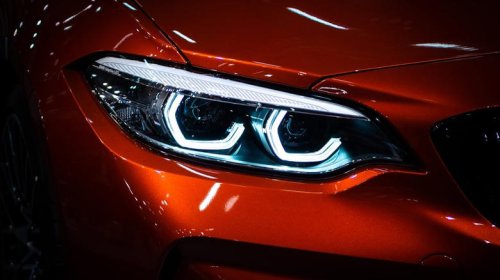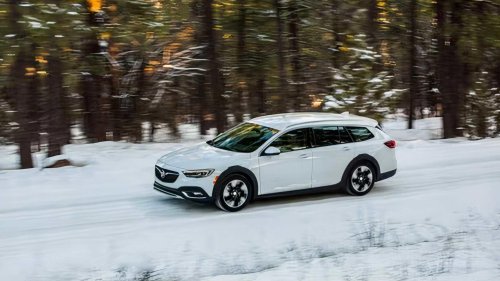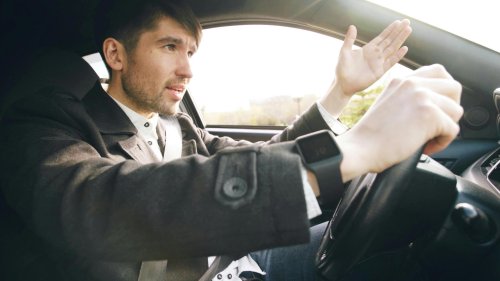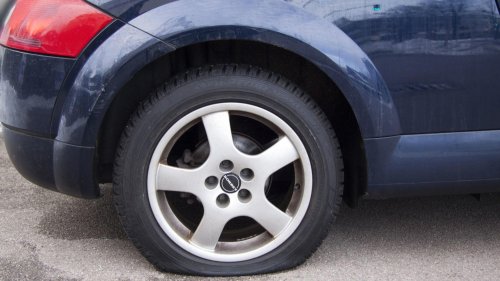




































1. Don’t Block The Box At IntersectionsSomeone rolls into a packed intersection with nowhere to go and turns green lights into a frustrating freeze. Blocking the box is illegal in cities such as New York and Austin, where fines can reach $500. These stalled intersections boost crash rates and delay emergency response.2. Use Turn Signals In RoundaboutsSometimes, you feel like you need psychic powers in a roundabout because someone didn’t signal. Poor signaling increases rear-end crashes. That’s why in countries like the UK, using indicators at roundabouts is legally enforced. Predictability keeps things rolling smoothly.3. Don’t Drive With Snow-Covered RoofsThere have been multiple accidents and injuries across the U.S. due to ice flying off a vehicle’s roof. Despite stiff New Jersey fines (reaching $1,000) for not clearing snow, drivers still gamble with this risk. 4. Don’t Honk In Non-EmergenciesSounding your horn out of frustration won’t clear traffic; it mostly just raises stress levels. Consequently, fines exist in various cities to discourage this behavior, and some locations have established quiet zones near areas like schools and hospitals.5. Don’t Tailgate In Stop-And-Go TrafficIn congested conditions, tailgating is a leading cause of rear-end collisions. NHTSA ranks it among the top reasons for such crashes. Germany takes the issue seriously enough to revoke licenses, reinforcing that the road isn’t a racetrack, especially when traffic hugs are involved.6. Don’t Drive With Interior Lights On At NightDriving with the inside lights on feels cozy, sure. However, it messes with your night vision. Your eyes adjust to the light inside the car, not what’s ahead. Suddenly, that dark route feels even darker. So, always flip the switch to focus on the road.7. Don’t Use High Beams In TrafficNHTSA states that high beams can temporarily blind oncoming drivers, which leaves them disoriented for up to five seconds. Many drivers still overuse high beams without realizing the deadly impact of their use. This has led countries like Japan to impose fines.8. Don’t Drive With Fog Lights In Clear WeatherThey are called ‘fog’ lights for a reason. Using them on bright, clear days endangers drivers behind you by reducing their visibility. Designed solely for severe mist, these lights should never be mistaken for a style statement.9. Don’t Drive With Headphones OnPlugging in while driving? It fades away essential sounds and delays your auditory response. This gap can be critical in emergencies, especially when you're driving. That's why many states, such as California, strictly prohibit headphone use behind the wheel.10. Don’t Accelerate Through Yellow LightsA yellow light means "prepare to stop," not "floor it before it turns red." The smart move is to slow down and get ready to brake. The only exception? When you're too close to stop safely without risking a rear-end collision from the car behind you.11. Don’t Park Too Close To DrivewaysParking near driveway edges seems harmless, right? However, it can block access and delay emergency vehicles. In many U.S. cities, local laws—often prompted by fire departments—prohibit this. Even parking in front of your own driveway can lead to fines or towing.12. Don’t Drive With Worn Wiper BladesScratched, skipping wipers jeopardize your ability to see during rain. AAA recommends replacing blades every 6 to 12 months to maintain clear visibility. Unfortunately, many drivers wait until conditions become dangerous. 13. Don’t Drive With Loose Items In The CarLoose things can become dangerous projectiles during sudden stops or crashes. Especially, everyday objects like water bottles, bags, or phones cause serious injuries. For this reason, safety experts recommend securing all items in your car’s compartments or the trunk.14. Don’t Ignore Tire PressureEven slight underinflation sabotages fuel efficiency and braking performance. As per the U.S. Department of Energy, tires with low pressure can reduce mileage by about 3%. More concerning are the risks of blowouts and longer stopping distances.15. Don’t Drive With Cracked WindshieldsEven a small windshield crack can make things worse. It compromises the structural integrity of the cabin during rollovers. Yet, some drivers delay repairs despite impaired visibility and potential failures in technologies like lane-keeping assist. 16. Don’t Ignore School Zone Speed LimitsKids don’t always look both ways—and speed makes all the difference. NHTSA found that children hit at 30 mph are eight times more likely to die than at 20 mph. Wherever you are, lifting your foot could save a life.17. Don’t Drive With Dirty License PlatesA plate obscured by dirt is hard to read. It is also illegal in places like California, where drivers face fines up to $197 for this offense. License plates must remain legible for toll systems and enforcement cameras.18. Don’t Drive With Fogged-Up WindowsDriving with fogged glass is like wearing dark-tinted sunglasses at night—you’re setting yourself up to miss something important because foggy windows tend to slow reaction time. Therefore, most cars have defoggers. Still, people skip them or don’t use them at the right time.19. Don’t Drive With Broken Brake LightsBrake lights are your way of saying “slow down” to the person behind you. When they don’t work, the risk of a rear-end crash jumps fast. On newer models, it can even mess with safety systems.20. Front Side Windows Must Not Be DarkTo comply with U.S. vehicle safety laws, front side windows must let in at least 70% of visible light. This ensures clear visibility for drivers and allows law enforcement to quickly spot anything suspicious inside. Darker tints can lead to fines and compromise safety during nighttime or poor weather conditions.