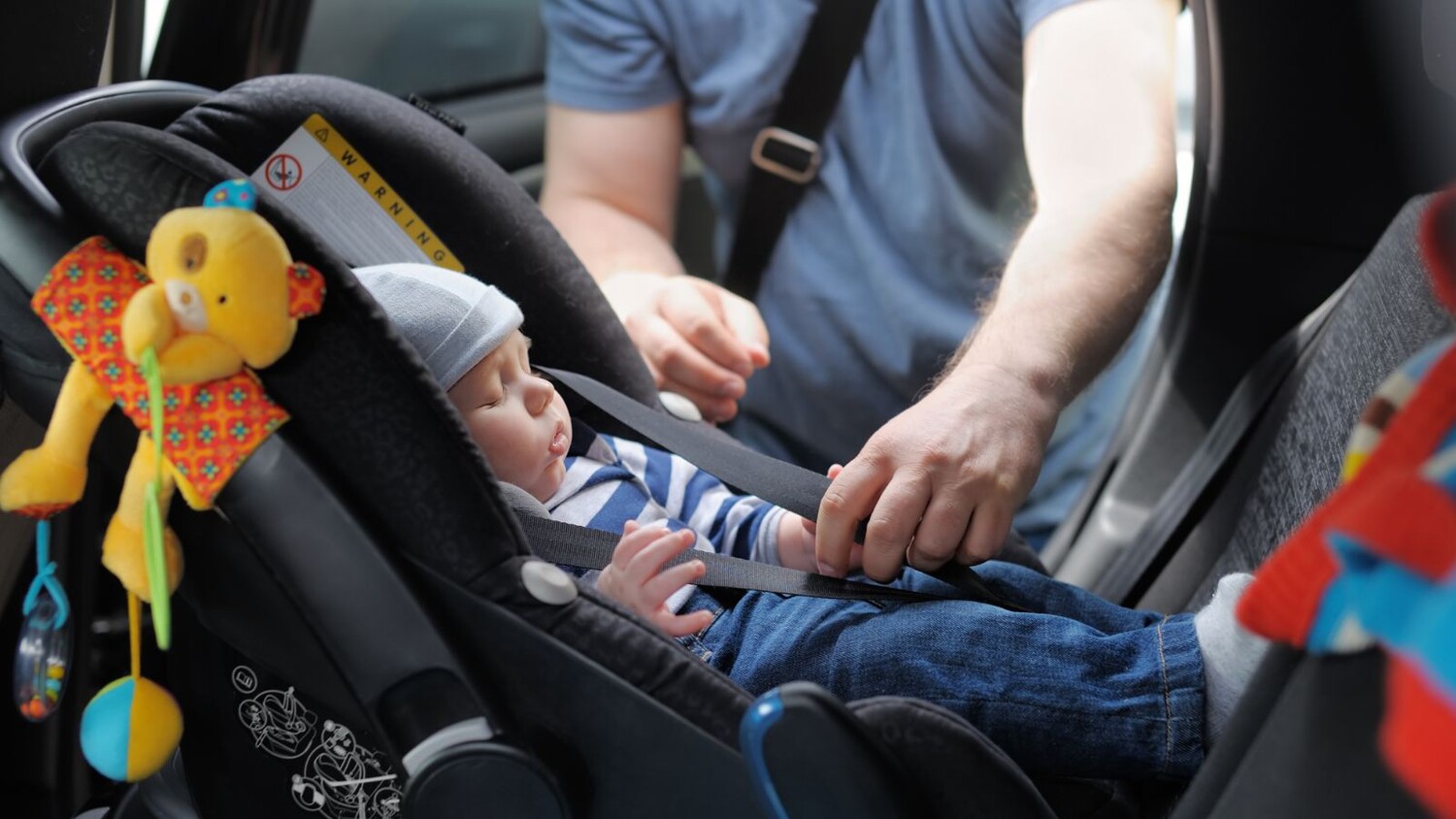
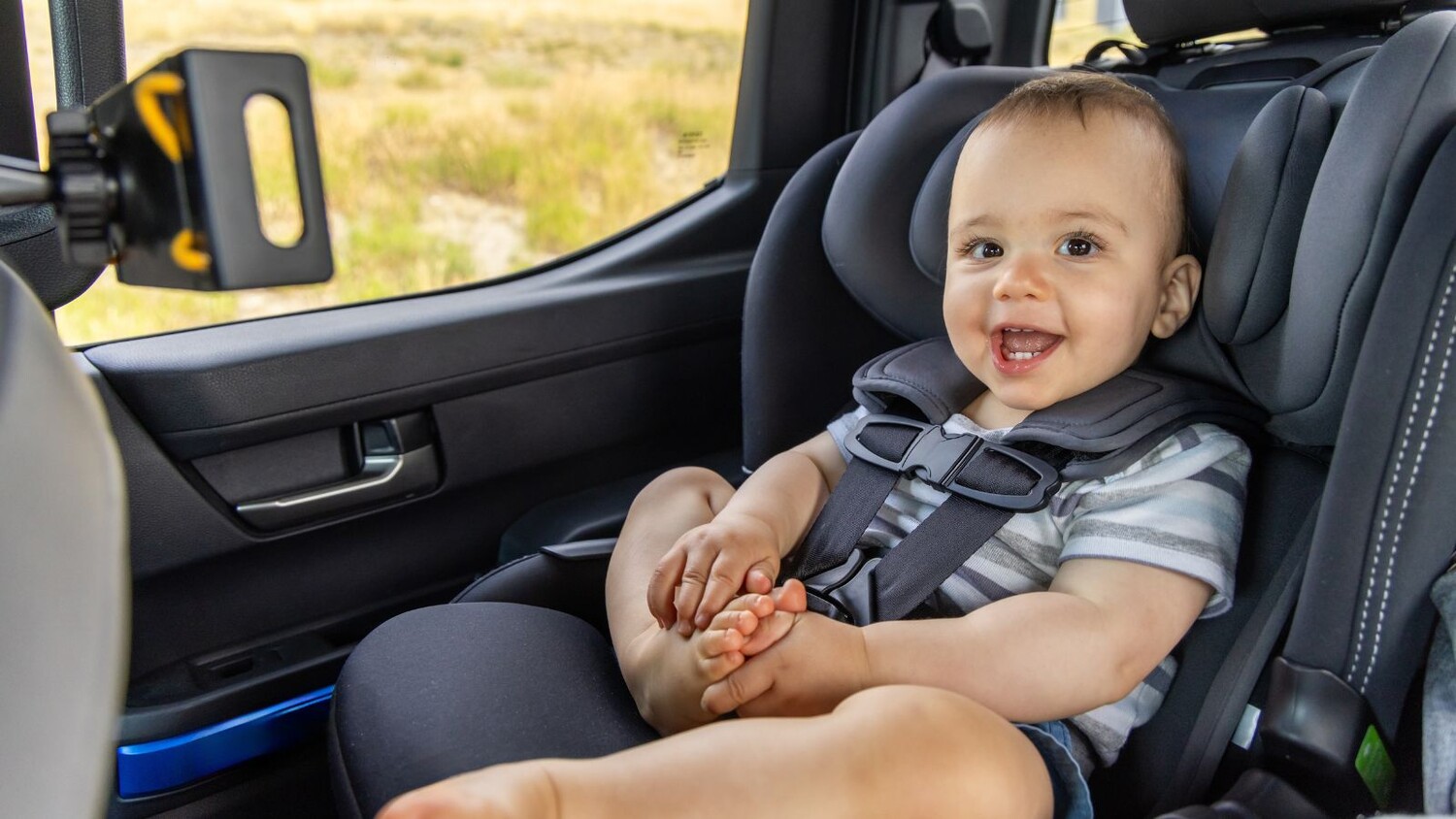
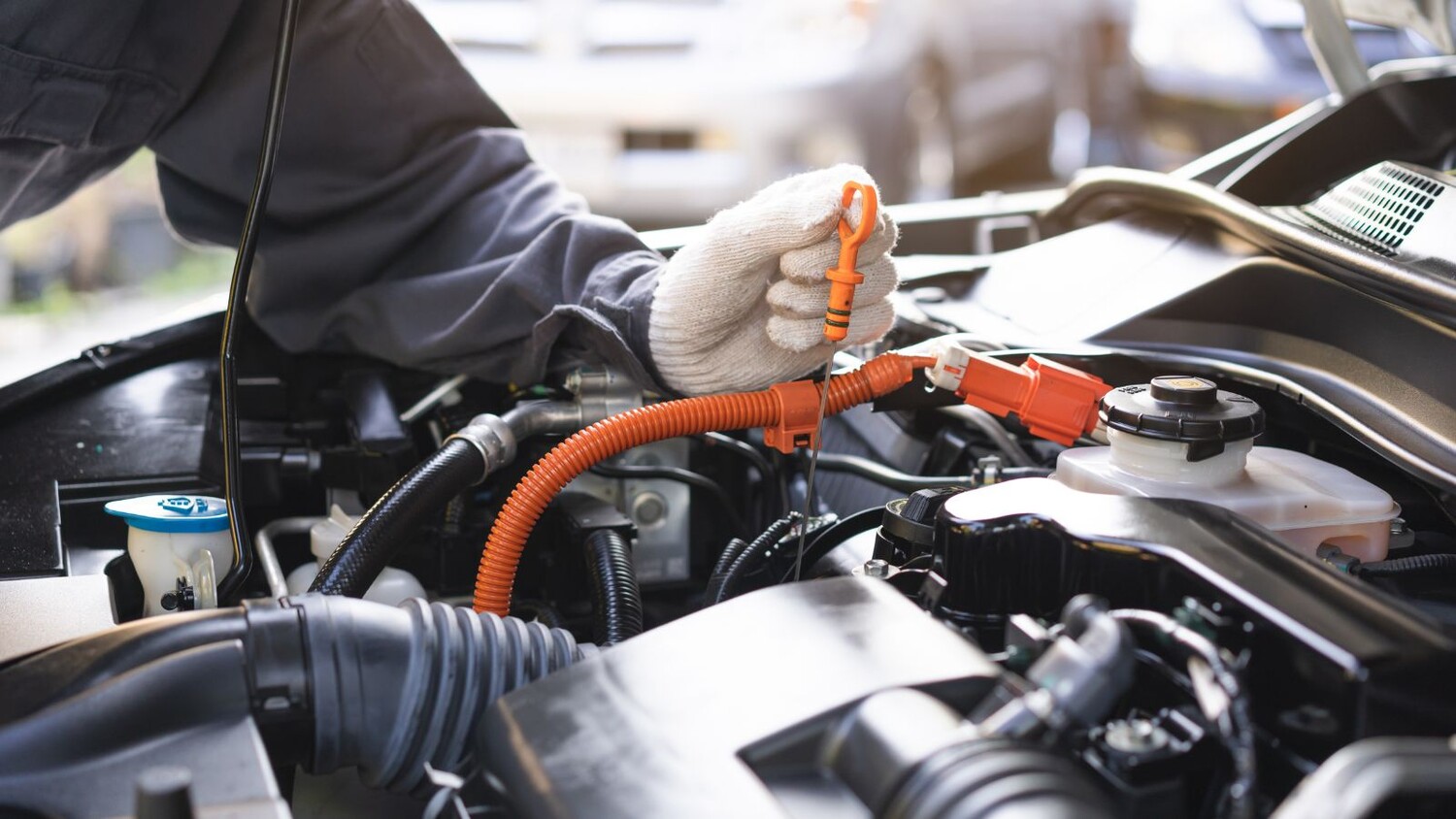
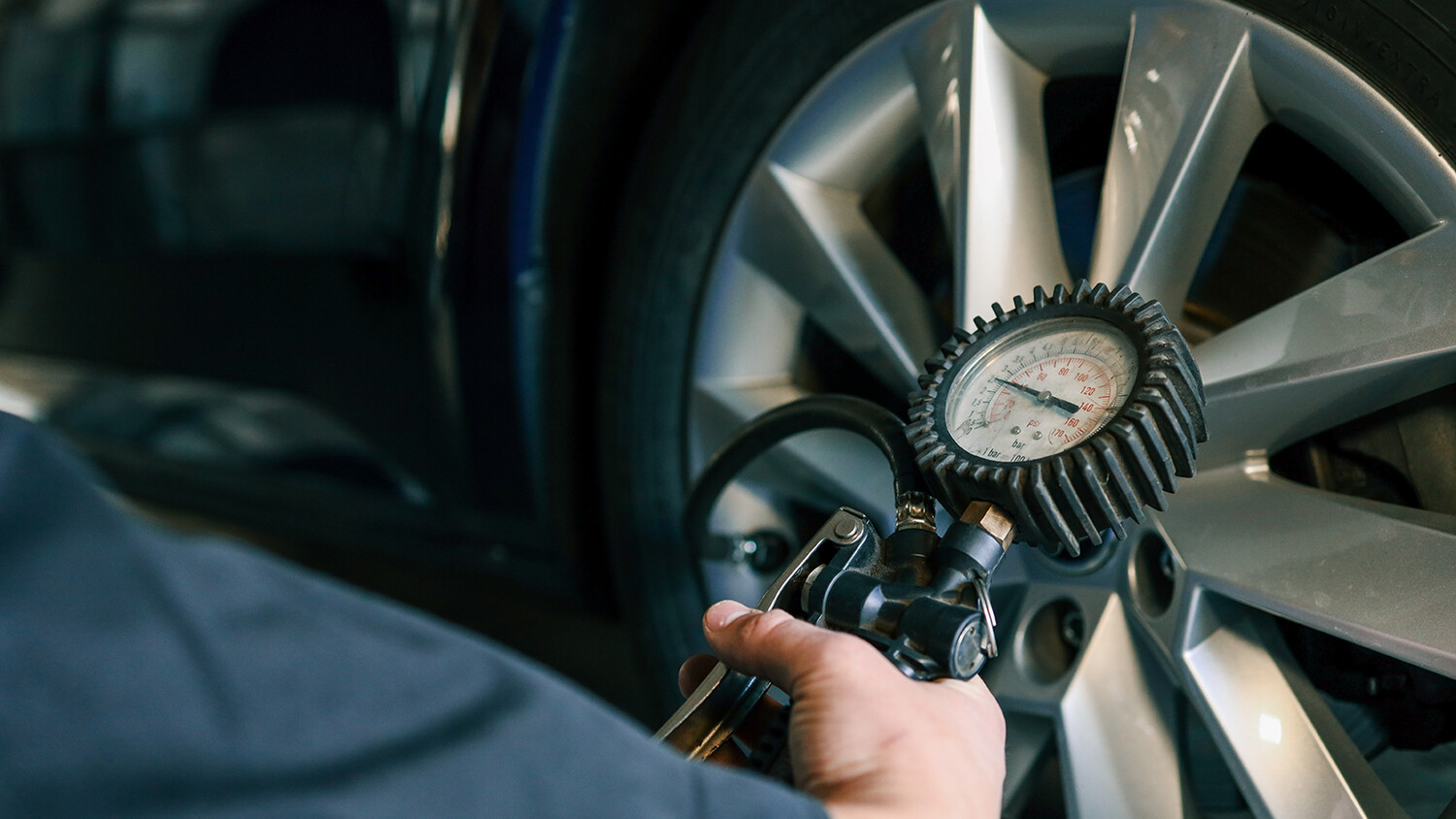
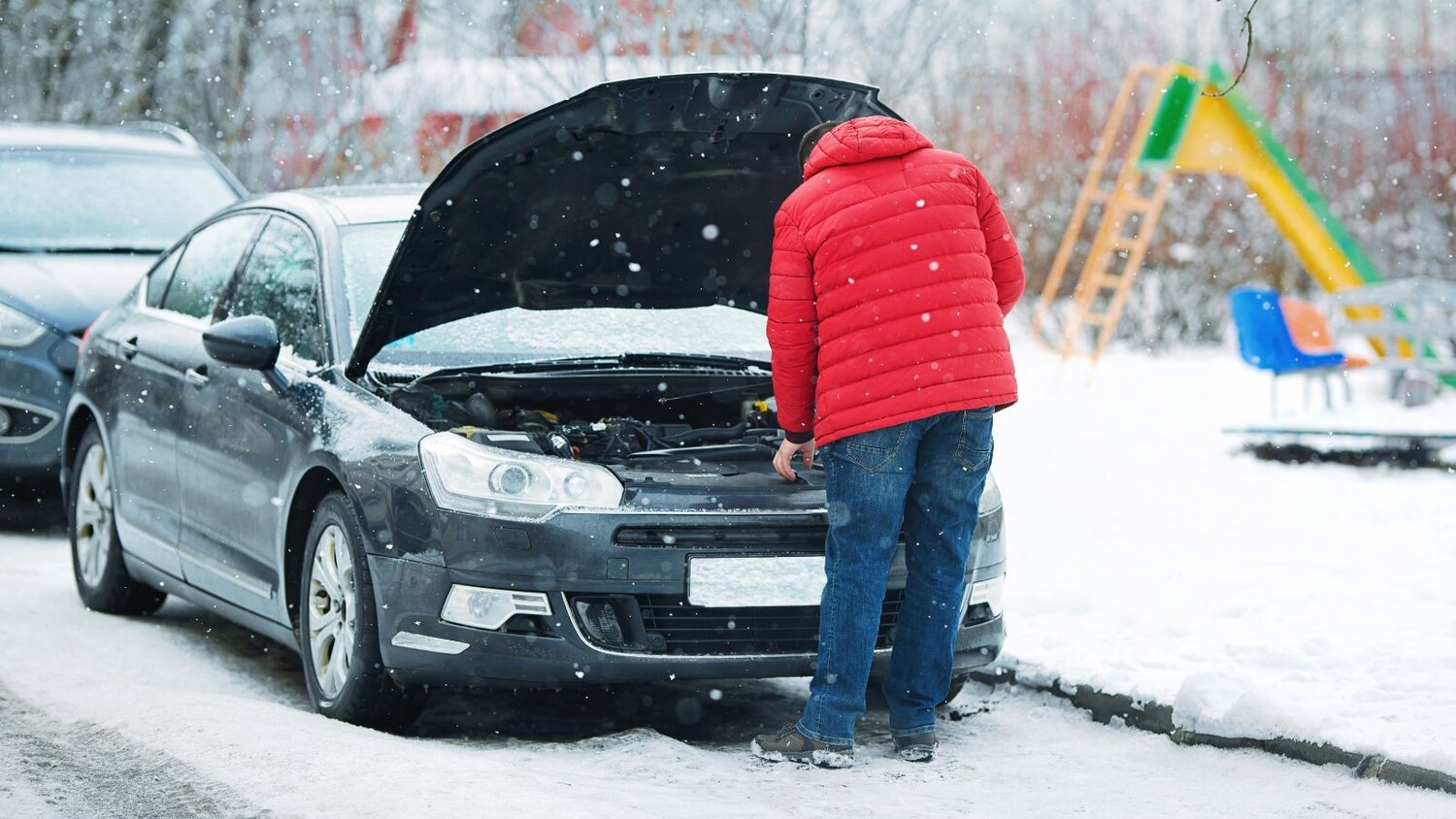
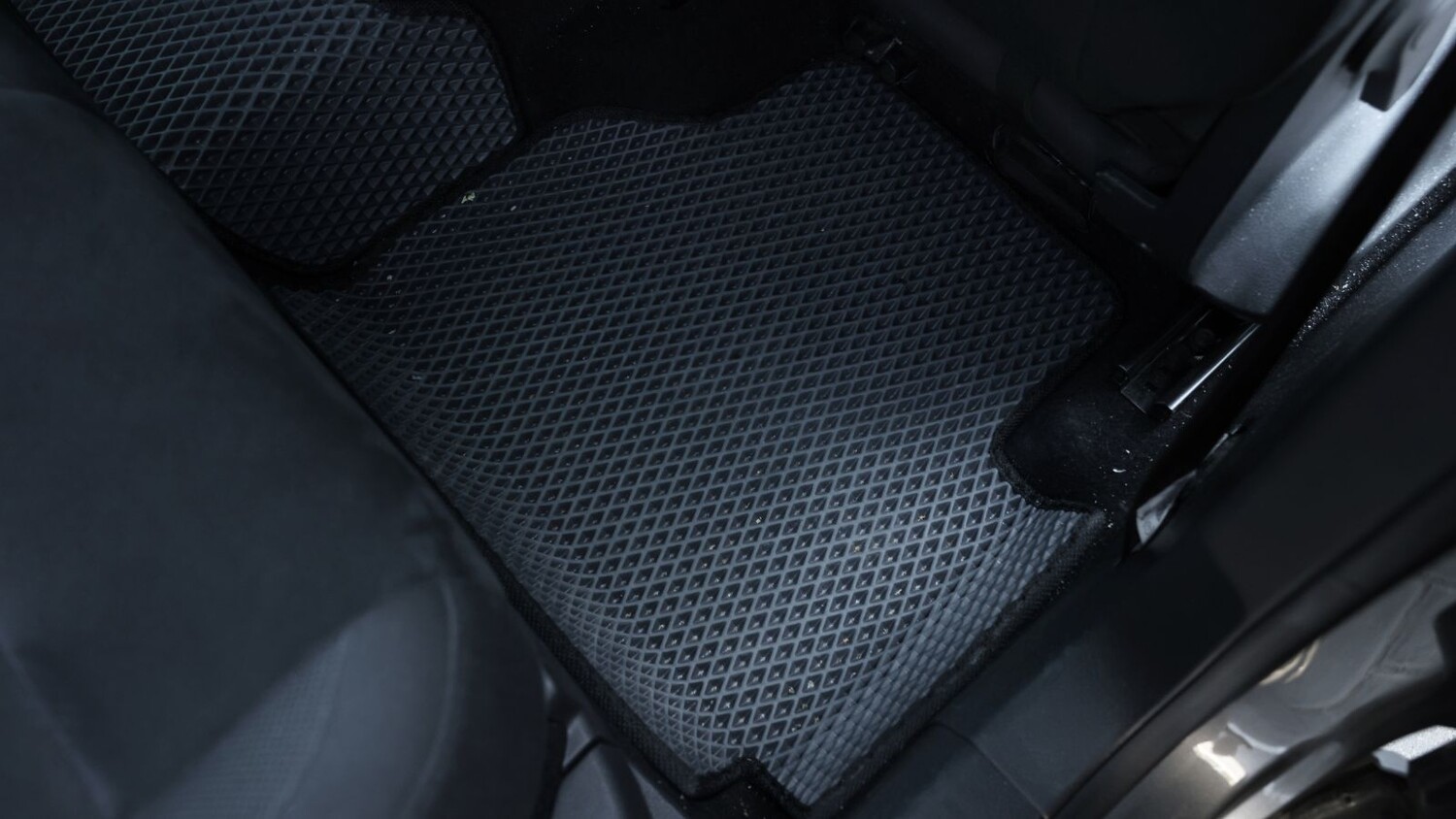
Fall can change the family driving routine surprisingly quickly. Morning school runs start in colder air, afternoon pickups creep closer to darkness, rain becomes more frequent, and the first frost can arrive before many vehicles feel “winter ready.” At the same time, children may have grown since spring, switched car-seat stages, started wearing thicker clothing or filled the back seat with backpacks and sports gear. A seasonal check does not need to turn into a major mechanical overhaul. Many of the most important precautions can be handled in a driveway, while others provide useful clues that a professional inspection is due. These 20 checks cover child restraints, tires, brakes, visibility, cold-weather reliability, emergency preparation and the small cabin details that can matter when families spend more time driving in changing fall conditions. Make Sure the Car Seat Is Still Installed Tight A child seat that seemed perfectly secure during the summer deserves another check once fall routines begin. Seats can be removed for vacations, shifted while cleaning the vehicle or reinstalled after carrying large cargo. Transport Canada advises checking a child restraint at the belt path—the point where the vehicle belt or lower-anchor strap passes through the seat. A properly installed rear- or forward-facing seat should not move more than 2.5 centimetres, or about one inch, from side to side or front to back at that location. Parents should also revisit both manuals: the one supplied with the child restraint and the vehicle owner’s manual. Forward-facing seats require particular attention to the top tether as well as the method used to secure the lower portion of the seat. A hurried school morning is not the ideal moment to discover that an anchor strap has loosened or the seat was routed incorrectly after being moved. A five-minute inspection on a quiet weekend can prevent that problem before the fall driving schedule becomes hectic. Confirm the Child Is in the Right Restraint Stage Children can change noticeably between the end of one school year and the beginning of another. That makes fall a sensible time to check the height and weight limits printed on every child restraint rather than assuming that last season’s setup is still appropriate. Transport Canada describes four stages: rear-facing seats, forward-facing seats, booster seats and adult seat belts. The recommendation is to keep a child in each stage for as long as the child remains within the restraint manufacturer’s specified limits. Moving ahead too early is not a reward for getting bigger. Rear-facing seats are designed to support the head, neck and back of infants and young children, while forward-facing seats use an integrated harness. Booster seats are intended for children who have outgrown a forward-facing restraint and are generally designed for children weighing at least 18 kilograms, or 40 pounds, subject to provincial or territorial requirements. The practical fall check is simple: record the child’s current height and weight, compare both with the labels and manual, and change stages because the limits require it—not because the calendar has changed. Recheck Booster and Seat-Belt Fit Older children can appear big enough for an adult seat belt long before the belt actually fits correctly. A booster has an important job: positioning the vehicle’s lap and shoulder belt over stronger parts of a child’s body. Transport Canada says the lap portion should sit snugly across the hips rather than the abdomen, while the shoulder belt should cross the middle of the shoulder. Children should also be able to sit back against the seat with their knees bending naturally over the edge before moving away from a booster. That fit should be checked in the actual vehicle used for school runs and activities. A booster that works well in one family vehicle may not position the belt equally well in another because seat cushions, belt anchors and head restraints differ. Parents should also make sure the child is using the correct buckle and has not developed habits such as placing the shoulder belt behind the back or under an arm. Transport Canada continues to recommend the rear seat for younger passengers, away from front airbags. A growth spurt is therefore a reason to reassess fit, not automatically retire the booster. Look at the Car Seat’s Expiry, Recall Status and History A car seat can look almost new while still requiring attention. Most child restraints and booster seats sold in Canada have a manufacturer-specified expiry or useful-life date, typically shown on a label, stamped into the shell or listed in the manual. Transport Canada recommends following that manufacturer’s date rather than judging a restraint solely by appearance. Fall is a convenient time to check it, especially when a younger sibling is about to inherit a seat that has spent months in storage. Recall status matters as well. Transport Canada maintains safety alerts for child restraints and allows families to search notices by manufacturer, model and date. Used seats require additional scrutiny: the history should be known, the National Safety Mark should be present, all required pieces and instructions should be available, and a restraint that has been involved in a collision should not simply be passed along. Buckles and harness adjusters should work properly, with no missing, torn or badly damaged components. Writing the model, manufacture date and expiry date in a family maintenance note can make these checks much easier later. Adjust Harnesses for Fall Jackets, Not Winter Bulk Cool mornings often bring the first fleece jackets and insulated coats into the school-run routine, which makes harness fit worth revisiting. Clothing that compresses under crash forces can create additional slack between a child and the restraint. The Canadian Paediatric Society advises against bulky clothing and snowsuits in a car seat because they can interfere with proper harness tightening and positioning. Transport Canada likewise warns that bulky winter clothing may not work properly with a child’s restraint and recommends following the seat manufacturer’s instructions. A snug harness should lie flat rather than twisted. For rear-facing children, the straps are generally positioned at or just below the shoulders; for forward-facing children, they are at or just above the shoulders, according to Transport Canada’s guidance. The familiar pinch check is also useful: when the harness is properly tightened, excess webbing should not be easily pinched at the shoulder. Parents can use thinner warm layers in the restraint and place a coat or blanket over the secured child when appropriate. Fall is the right time to establish that routine before genuinely cold mornings make bulky clothing an everyday temptation. Inspect Tire Tread and Plan the Winter-Tire Change Fall tire preparation should begin before the first morning when snow appears unexpectedly. Transport Canada notes that summer and all-season tire compounds begin losing elasticity as temperatures fall below roughly 7°C, while purpose-built winter tires retain flexibility at lower temperatures. The mountain-and-snowflake symbol identifies tires designed to meet specific snow-traction performance requirements. For Canadian families whose schedules continue regardless of light snow or a sudden cold snap, that makes the timing of a winter-tire appointment more important than waiting for the first major storm. Tread depth deserves equal attention. Transport Canada advises against using tires worn close to 4 millimetres of tread on snow-covered roads because traction declines as the tread wears. Parents can use an inexpensive tread-depth gauge and inspect several areas of each tire, looking not only for shallow tread but also cuts, cracks, bulges or uneven wear. All four winter tires should be compatible rather than mixing winter and non-winter tires. A school commute usually feels routine, but a wet intersection, slushy hill or emergency stop can expose worn tires far more quickly than an ordinary dry-road drive. Check Tire Pressure After the Temperature Drops A tire can look normal and still be significantly underinflated. Temperature changes make this particularly relevant in autumn. Transport Canada says tire pressure can fall by about 7 kilopascals, or 1 psi, for every 5°C decrease in air temperature. A vehicle that was correctly inflated during a warm September afternoon can therefore need adjustment after a stretch of cold October mornings. The pressure should be measured when the tires are cold rather than immediately after a drive. The correct target is the vehicle manufacturer’s recommended cold pressure, normally found on the tire-information label around the driver’s door area or in the owner’s manual. Parents should check all four tires and the spare, if the vehicle carries one. Transport Canada recommends checking pressure regularly and notes that a tire is considered cold after the vehicle has been stationary for at least three hours or has travelled no more than about two kilometres. Underinflation can affect handling, wear and efficiency, while excessive pressure can reduce the useful contact area with the road. A small pressure gauge in the glovebox makes this one of the easiest seasonal checks to repeat. Pay Attention to Any Change in Brake Feel or Sound Family vehicles spend plenty of time in stop-and-go conditions: school zones, daycare entrances, grocery-store parking lots and afternoon traffic. Those are precisely the places where predictable braking matters. Transport Canada recommends a thorough brake check as winter approaches and identifies pulling, changes in pedal feel, unusual squealing and grinding as warning signs that repairs may be required. None of those symptoms should be written off simply because the vehicle still stops. Fall road conditions can make a marginal braking system more noticeable. Rain, cold pavement and eventually frost or slush reduce the margin available when a driver suddenly encounters a stopped school bus, a child entering a crosswalk or traffic backing up around a pickup lane. A parent who notices the pedal feeling softer, harder or different from normal should arrange an inspection rather than waiting for a dashboard warning. The same applies to persistent noises or a vehicle that veers while braking. Modern stability and anti-lock systems can assist a driver, but they cannot compensate for worn or malfunctioning mechanical components that should have been serviced. Replace Streaking Wipers and Top Up Winter Washer Fluid September rain can expose windshield-wiper problems that were barely noticeable during summer. A blade that skips, chatters or leaves broad streaks becomes far more troublesome once darkness arrives earlier and headlights reflect through moisture on the glass. Transport Canada recommends replacing wiper blades that streak and suggests winter-oriented blades for harsher conditions. CAA similarly advises checking blades when visibility begins deteriorating rather than waiting for snow and road spray to overwhelm them. Washer fluid also deserves a seasonal change. Transport Canada’s winter-preparation guidance recommends fluid rated to approximately -40°C and carrying an extra container in the vehicle. That may seem premature on a mild fall afternoon, but leftover summer formula can become a problem when the first unexpectedly cold nights arrive. Parents making repeated school and activity runs can use washer fluid quickly once wet roads begin coating windshields with grime. Check the reservoir, spray pattern and rear washer if the vehicle has one. Clear glass is not just a convenience; it helps reveal pedestrians, cyclists, lane markings and other vehicles during the darker, wetter conditions that increasingly define late-fall driving. Test the Heater, Defroster and Window-Clearing System A heater that produces warm air is only part of the fall visibility check. The windshield defroster and side-window clearing functions should be tested before cold, damp mornings become routine. Transport Canada specifically recommends confirming that the heater and defroster work properly as part of pre-winter vehicle preparation. A system that struggles to clear interior fog may not seem urgent in September, yet it can quickly become a serious visibility problem when several damp jackets and breathing passengers add moisture to a closed cabin. Parents should try the windshield setting, rear-window defogger and the vents aimed toward the side glass rather than simply waiting for the first fogged-up school run. Airflow that seems unusually weak may warrant inspection, particularly if the vehicle’s heating or cooling system has other symptoms. Exterior frost and interior condensation can obscure pedestrians and vehicles around schools at exactly the time of day when traffic is busiest. Keeping a clean microfibre cloth in the vehicle can be useful for emergencies, but wiping the glass by hand should not become a substitute for a functioning defogging system. Fall offers a useful warning period before sub-zero weather removes that flexibility. Walk Around the Vehicle and Check Every Exterior Light Shorter days change the importance of a lighting check. A vehicle that rarely needed headlights during summer activities may now be leaving a sports practice, tutoring session or daycare pickup after sunset. Transport Canada recommends keeping lights clean, confirming that they work and making sure headlights are properly aimed. The agency also warns that a brightly illuminated dashboard does not necessarily mean the headlights and tail lamps are operating. Automatic lighting creates another potential trap. Automatic headlights only function as intended when the control is set correctly, while daytime running lights alone do not provide adequate lighting for darkness or poor weather and may not illuminate the rear of every older vehicle. Parents can perform a quick walk-around with another person operating the brakes, turn signals, low beams, high beams and hazard lights. Reverse lamps and licence-plate illumination can be checked at the same time. Dirt and road spray should be cleaned off lenses. When children are being driven around at dusk or in rain, seeing the road is only half the task; the family vehicle also needs to be clearly visible to everyone else. Test the Battery Before a Cold Morning Exposes It A weakening battery can remain unnoticed through warm weather and then fail on the first genuinely cold morning. Transport Canada recommends checking the battery, cleaning its connections, examining the charging system and replacing weak batteries before winter. CAA notes that batteries work harder as temperatures fall and says units in roughly the three-to-five-year range can be increasingly vulnerable to failure, although actual life varies with the battery, vehicle, climate and driving pattern. For a parent, the inconvenience of a weak battery is easy to picture: a vehicle that will not start in a daycare parking lot, outside a hockey arena or on a morning when several children need to reach school. Warning signs can include slower cranking, electrical oddities or a battery that has recently needed boosting. Corroded terminals or visible case damage also deserve attention. A load or battery-health test can provide better information than waiting for the vehicle to fail. Fall is particularly convenient for that check because replacement can be scheduled rather than handled during a freezing roadside breakdown with children in the back seat. Check Coolant, Hoses and Belts Before Freeze-Up The cooling system remains important even when summer heat disappears. Transport Canada recommends checking radiator hoses and drive belts for cracks or leaks, confirming that cooling-system components such as the thermostat and water pump are functioning correctly, and testing the strength and level of coolant or antifreeze. CAA similarly includes coolant and the heating-and-cooling system in its pre-winter maintenance recommendations. These components are easy to overlook because they usually work quietly until something fails. A slow coolant leak might first appear as a small spot where the vehicle is parked, an unexplained drop in the reservoir or a heater that no longer performs normally. A worn belt can also create reliability problems far from home. Parents do not need to diagnose every cooling-system issue themselves, but they can look for visible leaks, check maintenance records and ask a technician to inspect the system if service is overdue. The goal is not simply preventing an engine problem; a properly operating cooling system also supports cabin heating and windshield defrosting when temperatures fall. Don’t Ignore Exhaust Leaks or a Blocked Tailpipe Exhaust-system problems deserve special attention before a season when windows remain closed more often. Transport Canada includes checking for exhaust leaks in its winter-preparation guidance because a leak can allow dangerous carbon monoxide to enter the passenger compartment. Carbon monoxide cannot be reliably detected by smell, making prevention and proper maintenance especially important when children are riding in the vehicle. A professional inspection is appropriate if the exhaust suddenly becomes louder, damaged components are visible underneath the vehicle or there is any reason to suspect a leak. Families should also develop the habit of checking the tailpipe when snow eventually arrives. Transport Canada warns that a tailpipe blocked by snow can contribute to carbon monoxide entering a stranded or idling vehicle. That winter hazard can be anticipated during fall preparation rather than learned during an emergency. Parents routinely check whether coats, snacks and schoolbags made it into the car; adding a quick awareness of the exhaust system and tailpipe to the seasonal maintenance list addresses a risk that is less obvious but potentially far more serious. Make Sure Fall or Winter Floor Mats Cannot Reach the Pedals Rubber floor mats often return to Canadian vehicles once rain, mud and eventually slush become part of the school-day routine. They are useful, but installation matters. Transport Canada has investigated cases in which improperly secured or stacked mats interfered with accelerator or brake pedals. An aftermarket mat can slide forward, become lodged around a pedal or reduce pedal clearance when it is placed on top of an existing factory mat. The fall changeover is therefore a good time to inspect the driver’s footwell carefully. Use only one properly fitted layer of mats, attach available retaining clips or pins and physically press each pedal through its full normal range before driving. Mats should sit flat rather than curling upward at the edges. This check becomes particularly worthwhile in family vehicles because the driver’s area can accumulate leaves, gravel, dropped toys and other debris during busy weeks. A waterproof mat may protect carpeting from muddy shoes, but it should never compromise pedal movement. It is a small detail with a simple fix, which is exactly why it belongs on a pre-season family safety check. Secure Backpacks, Sports Gear and Empty Booster Seats The back of a family vehicle can fill quickly in the fall. Backpacks, water bottles, skates, sports equipment, grocery bags and school projects often remain loose between trips. Transport Canada specifically warns that an unoccupied booster seat should either be buckled in or removed because a loose booster—and other loose objects—can injure occupants during a sudden stop or crash. That principle is worth applying to the rest of the cabin. Heavy equipment belongs in the cargo area when possible, with available tie-down points used for objects that could shift. Hard drink bottles and other dense items should not be left on the rear shelf or balanced on top of luggage. Even everyday clutter can become troublesome during emergency braking. A useful family habit is a quick cabin reset every weekend: remove garbage, return sports equipment to its proper place, secure anything that needs to remain and buckle an empty booster according to its instructions. The result is a cleaner vehicle, but the bigger benefit is reducing the number of objects that can move unpredictably when the driver has to stop suddenly. Clean Cameras and Know the Limits of Driver-Assistance Systems Modern family vehicles increasingly use cameras, radar and other sensors for reversing aids, blind-spot alerts, lane assistance and automatic emergency braking. Those features can be helpful around busy parking lots, but Transport Canada stresses that they do not replace an attentive driver. The agency also notes that poor weather can reduce the performance of some driver-assistance technologies. Snow and ice are particular concerns in winter, while rain, darkness, glare and dirt on a camera can make rear- and surround-view images harder to interpret. Fall introduces plenty of material capable of obscuring those systems: mud, road spray and wet grime can coat a rear camera surprisingly quickly. Parents should learn where the vehicle’s cameras and sensors are located, keep exposed lenses clean and understand any warnings that appear when a system becomes unavailable. A backup camera should supplement mirrors and a shoulder check rather than replace them, particularly near schools where small children can move suddenly behind parked vehicles. Technology adds another layer of awareness, but its usefulness depends on clear sensors, suitable conditions and a driver who understands its limits. Rebuild the Family Emergency Kit for Colder Weather An emergency kit often disappears under summer luggage or slowly loses useful supplies as family members borrow flashlights, water or phone cables. Fall is a sensible time to empty the container and rebuild it. Transport Canada recommends carrying items such as a first-aid kit, flashlight, blankets, non-perishable food, water, booster cables, traction material, a small shovel, reflective warning equipment, an ice scraper and extra windshield washer fluid for winter travel. Families can adapt that list to the ages of the children and the distances normally travelled. Spare gloves, warm socks and an additional blanket take little space but become valuable if a breakdown leaves everyone sitting in a cooling vehicle. Check flashlight batteries, replace expired food and confirm that the first-aid kit is complete. A charging cable and portable power bank can also be useful, provided the power bank itself is periodically charged. The point is not to prepare for an expedition every time a child goes to practice. It is to ensure that an ordinary breakdown on a cold, dark evening remains an inconvenience rather than becoming a much more difficult situation. Check the Forecast, Route and Fuel or Charge Before Leaving Fall conditions can change significantly between morning drop-off and evening pickup. Transport Canada recommends checking weather forecasts and notes that provinces and territories provide traveller information services, including 511 systems in many areas, for road conditions and related updates. The agency also recommends allowing extra travel time when weather deteriorates rather than trying to maintain a normal schedule on a slippery or low-visibility route. Fuel or battery range belongs in that pre-trip check as colder weather approaches. Transport Canada recommends keeping a conventional vehicle’s fuel tank at least half full in winter planning and ensuring an electric vehicle has enough charge for unexpected delays because cold temperatures can reduce available driving range. A phone should also be charged, with a cable available in the vehicle. These precautions matter especially when several family commitments are chained together—school pickup, an appointment, dinner and an evening activity—because a delay can turn a comfortable range estimate into a tight one. A two-minute forecast and range check before departure can remove a surprising amount of uncertainty from the trip. Look Up Outstanding Vehicle Recalls Before the Busy Season Seasonal maintenance is a good opportunity to check something that cannot be seen during a driveway inspection: open safety recalls. Transport Canada maintains a national motor-vehicle safety recall database containing notices going back to 1970. Manufacturers may also provide vehicle-identification-number lookup tools that can confirm whether a specific vehicle has an outstanding recall rather than merely showing that the model was included in a campaign. This is particularly useful for used family vehicles. An earlier owner may have missed a notice, moved before receiving it or sold the vehicle before the repair was completed. Transport Canada recommends registering used vehicles with the manufacturer and having applicable safety recalls addressed as soon as possible. Recall repairs are almost always performed without charge to the owner. Checking takes only a few minutes and can identify issues involving components that may not show any obvious warning beforehand. Once the tires, car seats, lights and emergency kit have been inspected for fall, confirming recall status closes an important gap: making sure the vehicle has also received safety corrections identified by the people who built and regulate it. 19 Used Cars Canadians Should Avoid in 2026 (Based on Owner Complaints) Buying a used car in Canada can feel safe until repair bills start stacking up. Owner complaints tell a different story than glossy listings. Transmission failures, electrical problems, and weak winter reliability show up again and again in consumer reports. Many of these issues appear after warranties expire, when owners least expect them. Some vehicles look affordable upfront, but become expensive to keep on the road. Others struggle in cold weather, urban driving, or long highway commutes. Here are 19 used cars Canadians should avoid in 2026 (based on owner complaints).

 Liked by Henry Moreau, Caleb Roy















 Liked by Henry Moreau, Caleb Roy


