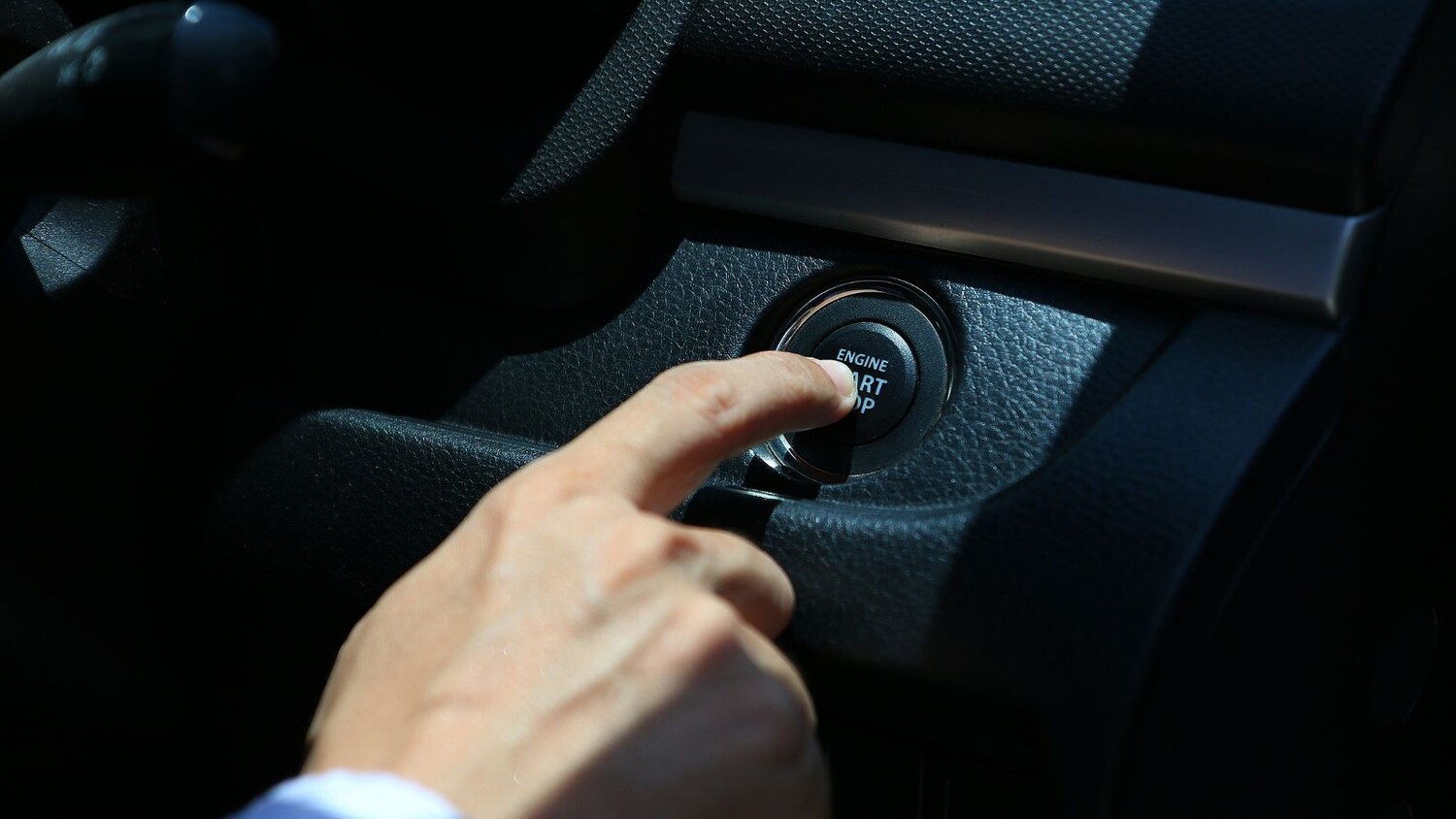
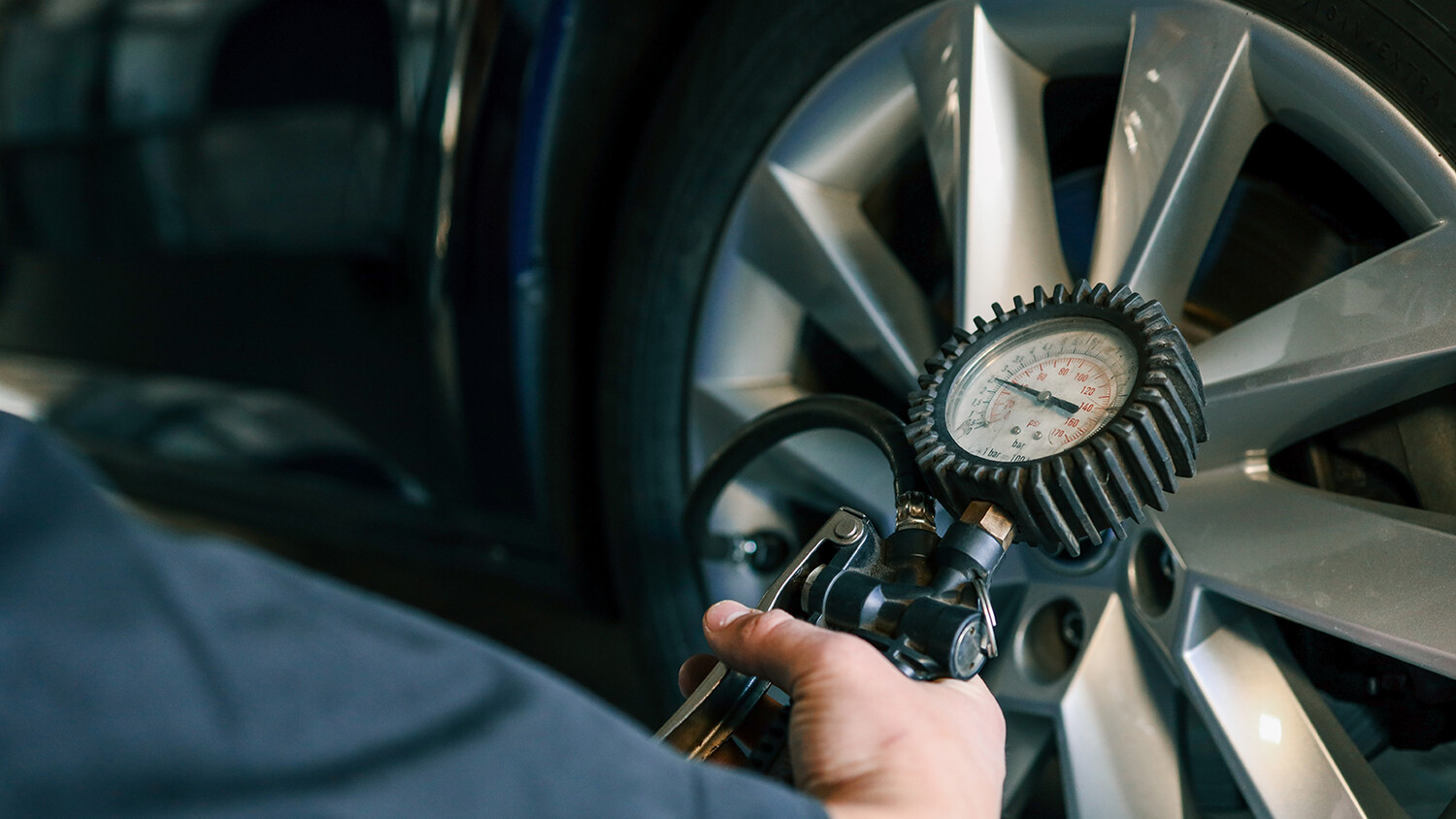
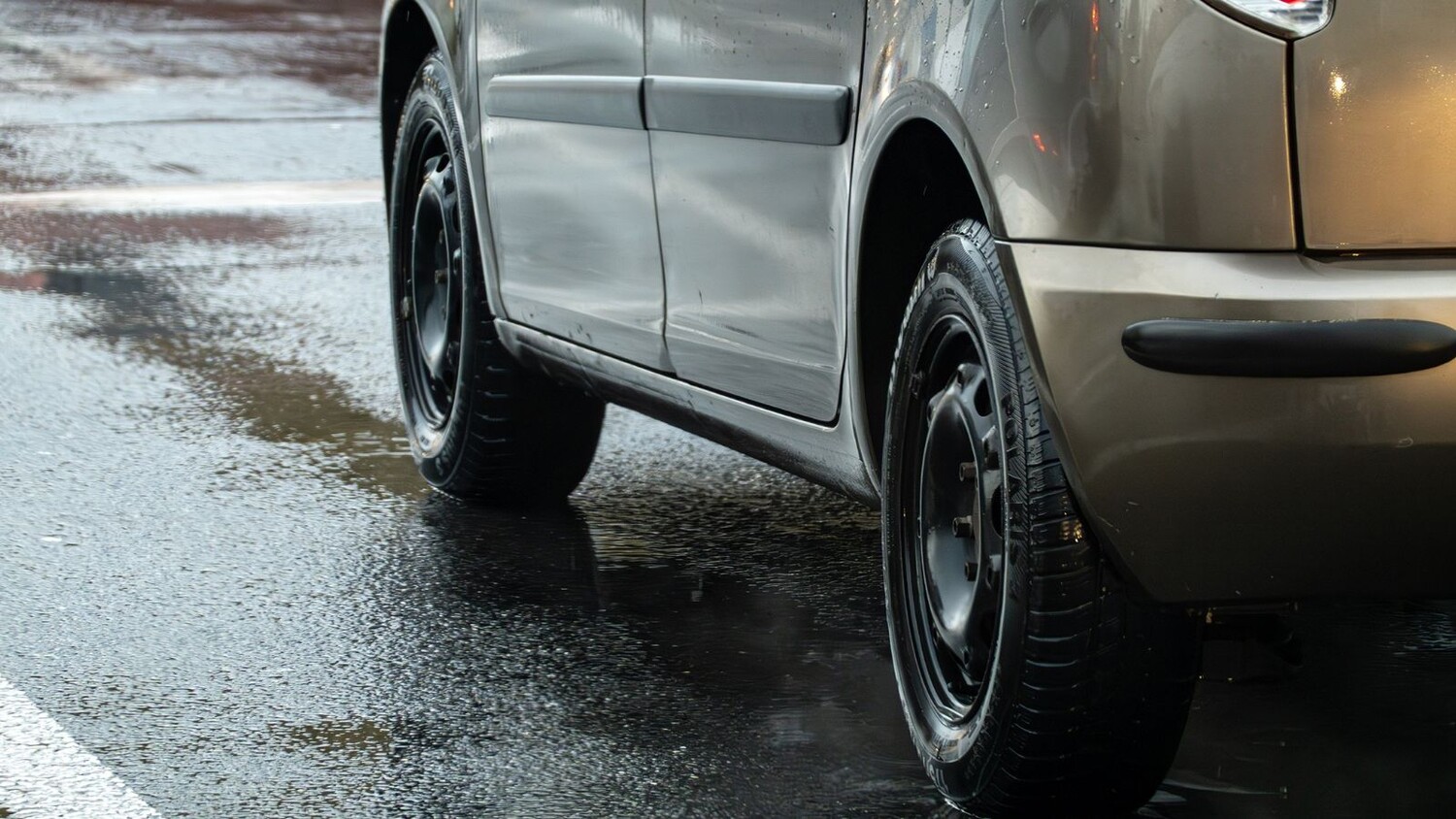
It often starts with a number on the dashboard that seems slightly wrong. A car that held a steady fuel-consumption average through summer suddenly begins using more gasoline in October, even though the commute, vehicle and driving habits seem unchanged. The first suspicion may be maintenance trouble, aging components or even questionable fuel, but autumn itself can be responsible for much of the shift. Fuel economy is sensitive to temperature, tire condition, road surfaces, fuel formulation and accessory use. Some effects begin long before snow arrives or temperatures fall below freezing. These 12 factors explain why fuel consumption can quietly rise during fall, why hybrids and EVs can react differently, and why a seasonal change does not automatically mean something is wrong with the vehicle. The Change Can Begin Well Before Winter Arrives Drivers often associate cold-weather fuel-economy losses with January mornings, deep snow and temperatures far below freezing. In reality, the change can become measurable much earlier. Natural Resources Canada cites an EPA estimate indicating that lowering ambient temperature from 24°C to 7°C can increase fuel consumption during urban commuting by roughly 12% to 28%, depending on the vehicle and conditions. Seven degrees Celsius is hardly extreme winter weather in much of Canada; it is a perfectly ordinary fall morning. That helps explain why the dashboard can start moving in October even when roads remain bare. Several efficiency penalties begin accumulating simultaneously. Fluids are cooler, tires take longer to warm, engine operating temperature takes longer to reach, and colder air produces more aerodynamic resistance. None of those factors necessarily produces a dramatic change by itself. Together, however, they can turn a familiar 7.5 L/100 km average into something noticeably higher. The seasonal decline is often gradual enough that drivers notice the number before understanding what has changed. Cold Starts Hurt Short Trips More Than Long Ones A gasoline engine is generally less efficient immediately after a cold start than after the engine and drivetrain have reached normal operating temperatures. Engine oil and other fluids are colder, mechanical friction is higher, and the engine must spend part of the trip warming itself and its emissions-control systems. The colder the morning becomes, the longer that warm-up process can matter. Short trips therefore suffer disproportionately. U.S. Department of Energy data has shown gasoline-car city fuel economy at about -7°C can be roughly 15% lower than at 25°C, with the penalty becoming larger on very short journeys. Research cited by U.S. government sources has put the reduction as high as roughly 24% on trips of only about five to six kilometres under cold conditions. A fifteen-minute commute can consequently look much worse in late fall than the same commute did in August. On a longer highway trip, the initial warm-up penalty becomes a smaller share of the total journey because the vehicle spends more time fully warmed. Falling Temperature Quietly Lowers Tire Pressure One of autumn’s simplest efficiency changes happens while the car is parked. Tire pressure falls as air temperature falls. A commonly used rule of thumb is approximately 1 psi for every 10°F, or roughly 5.6°C, decrease in temperature. That means tires adjusted correctly during a warm September afternoon can end up several psi lower after a sequence of cold October nights without developing a leak. Lower pressure increases tire deformation as the vehicle rolls, creating additional rolling resistance. The engine or electric motor must provide more energy to overcome that resistance. Natural Resources Canada says operating with tires underinflated by 56 kPa, or 8 psi, can increase fuel consumption by as much as 4%, while Transport Canada emphasizes that correct pressure improves both efficiency and tire performance. Pressure should be checked when the tires are cold against the vehicle manufacturer’s specification on the door-jamb label or owner’s information. Simply looking at a modern radial tire is not a reliable pressure check. A Cold Tire Can Create More Resistance Even at the Right Pressure Pressure is only part of the tire story. Rubber and other tire materials change behaviour as their temperature changes, meaning a properly inflated tire can still roll differently when it is cold. The tire flexes continuously as it rotates, and some of the vehicle’s energy is lost through that deformation. Until the tire warms through driving, those losses can be greater. A 2025 peer-reviewed study using real-world electric-vehicle driving data found that tire temperature had a particularly important effect on rolling resistance. In the researchers’ testing, cold tires produced 13.6% more rolling resistance than warmed tires under otherwise comparable ambient conditions. That figure should not be treated as a universal 13.6% fuel-economy penalty—the study involved specific vehicles and conditions, and rolling resistance is only one component of total energy use. It does illustrate why a vehicle may appear especially inefficient during the first part of a chilly morning drive. Autumn changes more than the pressure shown on a tire gauge; it changes how the tire behaves on the pavement. The Fuel in the Tank Changes With the Season The gasoline sold in colder months is not necessarily identical to the gasoline supplied during summer. Refineries and fuel suppliers alter gasoline characteristics seasonally so that fuel behaves properly at different temperatures. Winter gasoline is formulated to vaporize more readily in cold conditions, helping engines start and operate reliably as temperatures fall. That seasonal change can also affect energy content. Natural Resources Canada states that a litre of winter gasoline typically contains about 1.5% to 3% less energy than a litre of summer gasoline, with diesel affected in a similar way. Consequently, a vehicle can require slightly more winter-formulated fuel to produce the same amount of useful work. The transition is especially confusing because nothing visibly changes at the pump: the same grade is selected and the tank is filled normally. Yet part of an autumn fuel-economy decline may come from the fuel itself rather than the vehicle. Canadian regulations and guidance also recognize seasonal differences in gasoline volatility, including distinct warmer- and colder-season specifications. Colder Air Makes the Vehicle Work Harder at Speed The invisible wall of air in front of a moving vehicle becomes more important as speed rises. Aerodynamic drag increases rapidly with vehicle speed, which is why fuel economy is particularly sensitive to aerodynamic conditions during highway driving. Temperature also changes the density of the air the vehicle must push aside. Natural Resources Canada estimates that cold, dry winter air can be about 11% denser than warm, humid summer air. Its guidance estimates that this increase in aerodynamic resistance can raise highway fuel consumption by approximately 1.3%. That figure may sound modest, but it is another penalty stacking on top of colder tires, seasonal fuel and longer warm-up times. The effect can also become more noticeable when autumn brings stronger headwinds. This is why drivers who spend most of their time on highways can still notice seasonal deterioration even though their engines remain at operating temperature for most of the trip. At speed, the atmosphere itself becomes part of the fuel-economy equation. Wet Fall Pavement Adds Resistance of Its Own Autumn frequently replaces dry summer pavement with days of rain, standing water and persistently damp roads. Tires must move and displace that water as they travel, changing the interaction between the tire and pavement. The result can be increased rolling resistance and higher energy demand even when traffic continues moving at a steady speed. Recent research conducted at Chalmers University of Technology with a Volvo EX90 battery-electric vehicle provides a useful illustration. In most of its constant-speed wet-pavement tests, researchers measured power consumption at least 5% higher than on the reference surface, while coast-down testing generally found higher resistance on wet pavement. The size of the effect depended on factors including speed and water-film thickness, so those results should not be applied as a universal percentage to every vehicle or rainy commute. They do confirm the underlying point: rainfall can affect efficiency before snow or ice enters the picture. A week of cold rain can therefore make an autumn consumption average look worse than temperature alone would suggest. Defrosting Can Add Loads Drivers Rarely Think About A cool, damp morning often means the windshield defroster comes on before the car has moved. Heated mirrors, rear-window defoggers, heated seats, headlights, blower motors and windshield washers may join it. Each individual accessory may seem insignificant, but their combined energy demand is greater during darker, colder months than during mild daytime driving. There is another wrinkle. In many combustion-engine vehicles, cabin heat primarily makes use of heat already produced by the engine, but the windshield-defrost setting can automatically engage the air-conditioning system to remove moisture from cabin air. Natural Resources Canada notes this behaviour and also identifies higher electrical accessory demand as one contributor to colder-weather fuel use. The alternator ultimately receives its mechanical energy from the engine, so producing more electricity requires energy. Early fall can occasionally produce the opposite effect when drivers stop using heavy summer air conditioning, briefly improving economy. As temperatures continue downward and defrosting, lighting and heating demands rise, the seasonal balance often moves in the other direction. Hybrids Can Show a Bigger Seasonal Swing Hybrids are exceptionally efficient in the conditions that allow their electric systems to do the most work. Cold weather can interfere with several of those advantages. Battery performance changes at low temperatures, regenerative braking may be affected, and some hybrids need to operate their gasoline engines more frequently to warm components or provide cabin heat. A vehicle that regularly shuts its engine off at traffic lights in mild weather may therefore behave differently on a chilly morning. The effect can be large enough to surprise owners accustomed to excellent summer numbers. In laboratory testing published by AAA in 2026, hybrids tested at 20°F, approximately -7°C, averaged a 22.8% reduction in fuel economy compared with testing at 75°F, approximately 24°C. Earlier U.S. Department of Energy research has likewise found hybrids particularly sensitive to low temperatures. Those figures do not mean every hybrid will lose exactly that amount; vehicle design, trip length, climate-control settings and driving conditions matter substantially. They do explain why a hybrid’s autumn change can appear larger than expected even without a mechanical problem. EV Drivers See the Same Problem as Lost Range Electric vehicles do not measure efficiency in litres per 100 kilometres, but fall produces a closely related phenomenon: rising electricity consumption and falling displayed range. Lithium-ion batteries are temperature-sensitive, while cabin heating draws energy from the same battery that propels the vehicle. Cold tires, denser air and wet pavement still matter as well, so EVs face many of the same physical losses as combustion vehicles. AAA’s 2026 controlled testing found that at 20°F, EV efficiency measured in MPGe declined by 35.6% and calculated driving range fell 39% compared with results at 75°F under the test conditions. Natural Resources Canada has separately cited an average EV range reduction of around 29% at -18°C. Actual results vary widely with vehicle design, heat-pump availability, speed and heater use, making those numbers reference points rather than predictions for every EV. Preconditioning while plugged in can help because some of the energy required to warm the cabin and battery comes from the electrical grid instead of stored driving energy. Long Warm-Ups Can Make the Dashboard Look Even Worse Remote start becomes tempting as autumn mornings turn uncomfortable, but extended idling produces an unavoidable fuel-economy problem: fuel is being burned while the vehicle travels zero kilometres. That consumption is still included when drivers later calculate how far they travelled on a tank, and many onboard fuel-consumption displays also account for fuel used while stationary. Natural Resources Canada estimates that ten minutes of idling can consume roughly 0.25 to 0.50 litres of fuel, depending on the vehicle and conditions. Its winter-driving guidance recommends avoiding unnecessary warm-up idling and notes that moderate driving warms the engine, drivetrain and cabin more efficiently. Modern vehicles generally do not require the prolonged stationary warm-ups that were common with older automotive technology. A driver who begins adding ten minutes of remote-start time every morning can therefore create an apparent seasonal efficiency loss on top of the losses already caused by temperature. The effect becomes particularly noticeable when the actual drive afterward is short. The Dashboard Is Measuring Real Life, Not Laboratory Conditions Canadian fuel-consumption ratings are more sophisticated than a simple warm-weather highway test. Modern ratings use a five-cycle procedure that includes city and highway operation, air-conditioning use, higher-speed driving and a cold-temperature test conducted at -7°C. That makes today’s EnerGuide numbers considerably more representative of real-world driving than older two-cycle ratings. Even so, Natural Resources Canada stresses that no laboratory procedure can reproduce every combination of traffic, weather, road condition and driving behaviour. A vehicle can therefore meet its expected performance perfectly and still display a different average in October than it did in July. Fall introduces multiple changes at almost the same time: colder starts, cooler tires, lower tire pressure, seasonal gasoline, denser air, rain, heavier accessory use and—in some households—more idling. That is the part many drivers miss. The seasonal fuel-economy change is rarely caused by one dramatic problem. More often, the dashboard is simply adding up a dozen small pieces of autumn physics. 19 Used Cars Canadians Should Avoid in 2026 (Based on Owner Complaints) Buying a used car in Canada can feel safe until repair bills start stacking up. Owner complaints tell a different story than glossy listings. Transmission failures, electrical problems, and weak winter reliability show up again and again in consumer reports. Many of these issues appear after warranties expire, when owners least expect them. Some vehicles look affordable upfront, but become expensive to keep on the road. Others struggle in cold weather, urban driving, or long highway commutes. Here are 19 used cars Canadians should avoid in 2026 (based on owner complaints).

 Liked by Ryan Smith, Jenna Carter





 Liked by Ryan Smith, Jenna Carter