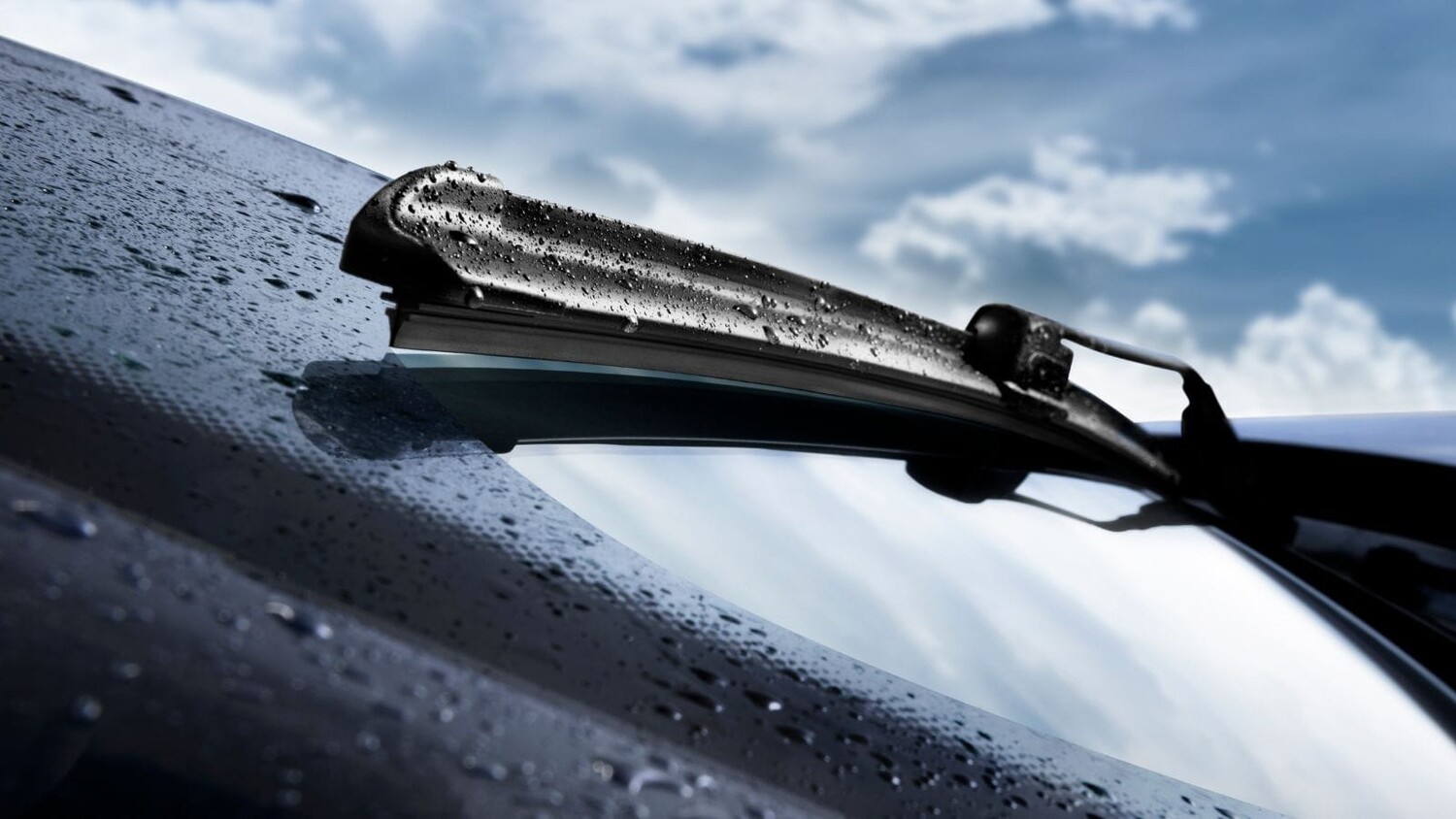
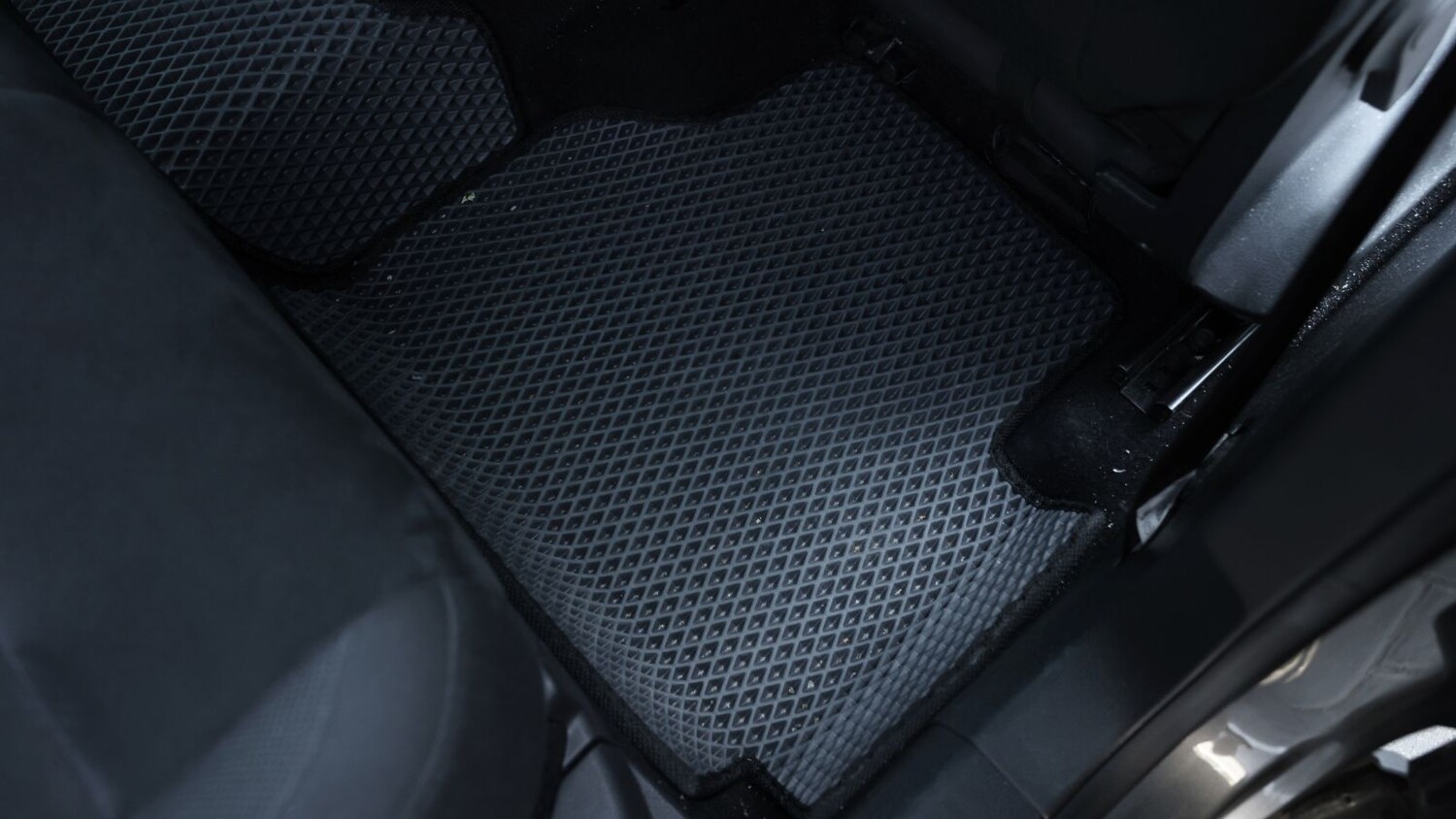
Canadian winter preparation often centres on the obvious jobs: installing winter tires, finding the snow brush and making sure the heater still works. Yet some of the biggest weaknesses develop through ordinary habits that barely register as mistakes. A tire that was properly inflated in September may be low by November. A battery that started flawlessly all summer may struggle during the first deep freeze. Even installing winter floor mats incorrectly can introduce a safety problem. These 17 ways Canadian drivers make their vehicles less winter-ready without realizing it show how small maintenance decisions, postponed inspections and seemingly harmless shortcuts can become much more important once temperatures fall, roads become slippery and visibility deteriorates. Waiting Until the First Snow to Install Winter Tires A surprisingly common mistake is treating winter tires as something needed only when snow appears. Temperature matters just as much as precipitation. Transport Canada says all-season and summer tires begin losing elasticity and traction below roughly 7°C, while winter tires are formulated to remain flexible at considerably lower temperatures. That means a dry November morning can already favour winter rubber even when the pavement looks perfectly clear. Frost, shaded bridges and sudden temperature drops can arrive well before a major snowfall. Waiting also creates a practical problem. Tire shops become extremely busy once the first significant storm appears in the forecast, potentially leaving drivers using less-suitable tires precisely when conditions deteriorate. Transport Canada recommends winter tires on all wheel positions for cold, snowy or icy conditions. Preparing according to sustained temperatures rather than the first visible snow gives the vehicle its winter traction before it is urgently needed. Letting Tire Pressure Drift Down With the Temperature A tire can look perfectly normal and still be several pounds below its recommended pressure. Transport Canada notes that tire pressure falls by approximately 1 psi for every 5°C decrease in temperature. A tire set correctly during a 15°C autumn afternoon could therefore be several psi lower after the weather settles well below freezing. The pressure drop happens even without a puncture, making seasonal underinflation particularly easy to overlook. The safest reference is the vehicle manufacturer’s cold-tire specification, generally displayed on the driver’s door or door frame—not the maximum pressure moulded onto the tire sidewall. Transport Canada recommends measuring tires while cold and checking the spare as well. Some tire-pressure monitoring systems also wait until a tire is significantly underinflated before warning the driver. Relying entirely on the dashboard light can therefore turn a basic monthly pressure check into something that happens only after the tire is already noticeably low. Assuming Worn Winter Tires Are Still Winter-Ready Having winter tires installed does not automatically mean a vehicle has useful winter traction. Tread depth matters because the grooves need sufficient depth to manage snow, slush and water. Transport Canada advises against using winter tires worn close to 4 millimetres, or 5/32 of an inch, on snow-covered roads. That recommendation is considerably more conservative than simply waiting until a tire reaches its absolute wear indicators. Uneven wear can quietly reduce the effectiveness of an otherwise good set. Transport Canada notes that alignment or balance problems can cause uneven tread wear, while mixing tires with different sizes, constructions or tread patterns can reduce vehicle stability. Winter tires should normally be installed as a set of four, with comparable characteristics on every wheel. A driver who stores tires each spring and reinstalls them every fall without measuring tread depth, looking for cracking or checking wear patterns may gradually turn a high-quality winter setup into a much weaker one. Leaving Warm-Weather Washer Fluid in the Reservoir Windshield washer fluid can seem like one of the least important parts of winter preparation—until salty slush coats the windshield faster than the wipers can remove it. Transport Canada recommends winter washer fluid rated in the -40°C range and suggests keeping an extra container in the vehicle. Cold-weather formulations are important because a fluid intended for milder temperatures may not provide the same protection once temperatures plunge. Another easy mistake is repeatedly topping up a reservoir containing warmer-weather fluid without considering how the mixture changes its cold-weather capability. The system may work perfectly throughout autumn, providing little warning that winter conditions will be different. A blocked or ineffective washer system becomes particularly troublesome on highways, where traffic can throw a constant mist of salt, dirt and slush onto the glass. Preparing the washer system before prolonged freezing weather—and testing the spray pattern—is a small job that can make a major difference to winter visibility. Pushing an Aging Battery Through One More Winter Batteries often fail at the least convenient moment because summer driving can disguise declining capacity. CAA notes that conventional automotive batteries commonly last around three to five years, although actual lifespan varies. Cold conditions place additional demands on the starting system, which means a battery that seemed adequate during warm weather can become unreliable once temperatures fall sharply. Corrosion, swelling, leakage or noticeably slower cranking are signs that deserve attention. A proper battery test before winter provides much more information than simply observing whether the engine starts. Transport Canada recommends checking battery condition, terminals, charging equipment and related belts as part of winter preparation and replacing weak batteries before they fail. The issue is not limited to gasoline vehicles, either. Electric vehicles also generally contain a low-voltage battery for accessories and vehicle systems. Ignoring the small battery because the main propulsion battery is enormous can still leave an EV unable to function normally. Keeping Wiper Blades Long After They Begin Streaking A streak across the windshield that seems mildly annoying during summer rain can become a serious visibility problem when darkness, salt spray, snow and freezing precipitation arrive together. Transport Canada recommends checking wipers before winter, replacing blades that streak and considering blades designed for winter conditions. CAA similarly points to streaking as a sign that replacement may be due. Wipers endure an unusually harsh workload during a Canadian winter. They must move water, dirty road spray and slush while dealing with ice accumulation and repeated freeze-thaw cycles. Trying to operate blades that are frozen to the windshield can also stress the rubber and wiper mechanism. A driver may assume that blades are acceptable because they still physically move across the glass, but effective winter preparation requires checking how cleanly they actually clear it. Pairing fresh blades with properly rated winter washer fluid addresses both sides of the visibility problem rather than waiting for the first messy highway drive. Ignoring the Coolant Because the Engine Has Never Overheated Engine coolant is often associated with hot summer traffic, but the same system is fundamental to cold-weather reliability. Transport Canada recommends checking radiator hoses and belts for cracks or leaks, confirming that components such as the water pump and thermostat operate correctly, and testing the strength and level of the coolant-antifreeze mixture. CCOHS similarly advises making sure the antifreeze is rated for the coldest conditions the vehicle is likely to face. Simply seeing liquid in the coolant reservoir does not confirm that the mixture has adequate freeze protection or that the system is healthy. Coolant specifications and service intervals vary significantly by vehicle, so the manufacturer’s schedule remains the appropriate reference. A small seep, tired hose or incorrect mixture may cause few obvious problems in mild weather. Once temperatures plunge and the heating system is being used continuously, weaknesses become much less forgiving. Winter preparation therefore involves checking the condition and specification of the coolant, not merely glancing at its level. Forgetting to Test the Heater and Defrosters Before They Are Needed Drivers commonly discover weak defrosters on the morning they need them most. The cabin heater may still produce some warmth while the windshield takes far too long to clear, or the rear defroster may have developed an unnoticed fault during summer. Transport Canada specifically recommends confirming that both the heating and defrosting systems work properly as part of winter vehicle preparation. This is more than a comfort issue. Winter visibility can deteriorate from both sides of the glass: snow and freezing precipitation accumulate outside while condensation and fog develop inside. Transport Canada advises clearing windows completely of frost and fog before driving, while Quebec’s SAAQ emphasizes maintaining effective winter visibility when temperatures fall below freezing. Testing the fan at different speeds, directing airflow toward the windshield and confirming the rear defroster works takes only a few minutes. Discovering a fault in a driveway during autumn is considerably easier than discovering it during freezing rain. Postponing Brake Problems Because the Vehicle Still Stops Brake wear often develops gradually, encouraging drivers to tolerate noises or subtle changes longer than they should. Transport Canada says pulling during braking, changes in pedal feel and unusual squealing or grinding can signal a need for repair. Its winter preparation guidance recommends a thorough brake inspection so the system is in top working condition before slippery conditions become routine. Winter does not make healthy brakes magically shorten the traction limits imposed by ice, but it makes predictable braking especially important. Transport Canada warns that stopping takes longer on slippery surfaces and advises drivers to leave more distance. A vehicle with questionable brakes adds another variable to an already difficult situation. A pedal that feels slightly different on dry October pavement can become much more concerning during a sudden stop on packed snow. Addressing warning signs before winter ensures that the mechanical braking system is not introducing avoidable uncertainty when available tire grip is already reduced. Treating Dim or Misaligned Lights as a Minor Annoyance Winter means more commuting in darkness, more spray on lamp housings and more periods of reduced visibility. Yet a weak bulb or poorly aimed headlamp often gets ignored because the vehicle still appears to have functioning lights. Transport Canada recommends confirming that all lights work and that headlights are correctly adjusted during winter preparation. It also reminds drivers that clean, correctly functioning lighting helps motorists both see and be seen. Modern automation can create another false sense of security. Transport Canada warns that illuminated dashboard instruments do not necessarily mean full exterior lighting is operating, particularly on older vehicles. Daytime running lights are also not a substitute for proper headlights and tail lights in darkness or poor weather. Checking low beams, high beams, brake lights, turn signals and tail lights before winter can expose failures that everyday driving has hidden. Once snow and road grime begin covering lenses, even properly functioning lamps need regular cleaning to remain effective. Overlooking Small Exhaust Problems Before Snow Season An exhaust leak may announce itself as little more than a new rattle or unusual sound, making it easy to postpone. Winter makes exhaust integrity more important because occupants spend longer periods inside closed vehicles and stalled motorists may depend on the vehicle for shelter. Transport Canada recommends checking for exhaust leaks that could allow deadly carbon monoxide into the passenger compartment. Snow introduces an additional risk that does not exist during most of the year. If a stranded or stuck vehicle has snow packed around its tailpipe, exhaust gases may be prevented from escaping normally. Transport Canada and CCOHS both advise keeping the tailpipe clear when trapped in snow, partly to reduce the risk of carbon monoxide entering the vehicle. That makes a pre-winter exhaust inspection especially sensible when there are unexplained noises, visible corrosion or suspected leaks. Winter readiness is not only about getting a vehicle moving; it also includes making sure it remains a safe shelter if movement becomes impossible. Letting Routine Maintenance Slide Because Nothing Is Broken A vehicle does not need an obvious fault to become less prepared for winter. Transport Canada advises keeping vehicles in top working condition by following the manufacturer’s maintenance schedule, which may cover engine oil, filters, fluids, belts and other components. CAA makes the same broader point: winter preparation works best when regular maintenance is already current rather than being treated as emergency repair after temperatures collapse. Oil deserves particular attention because the correct grade and change interval depend on the vehicle, engine and operating conditions. CAA has advised drivers to ensure the appropriate oil grade is being used for winter operation, while its maintenance guidance stresses following the owner’s manual rather than assuming one universal interval applies to every vehicle. Drivers who repeatedly postpone scheduled work may carry several small deficiencies into winter at once. None may seem urgent individually, but cold starts, short trips and heavier electrical demands can expose weaknesses that warmer weather concealed. Forgetting About the Block Heater Until the Deep Freeze In regions where temperatures regularly fall well below freezing, a block heater may sit unused for months before suddenly becoming important. CAA advises considering one when temperatures drop below approximately -15°C, particularly because preheating can reduce the strain associated with starting an extremely cold engine. CAA-Quebec notes that block heaters can make cold starts easier and help the engine and cabin warm more quickly. The equipment itself also needs attention. A driver may assume the heater works simply because a cord is visible through the grille, even though the cord, plug or heating element has developed a problem. Checking it during milder autumn weather is much easier than troubleshooting outdoors at -25°C. Natural Resources Canada also recommends using a timer rather than leaving a block heater connected indefinitely, noting that preheating for a limited period before departure can provide the desired benefit. The owner’s manual should always determine whether, when and how a particular vehicle’s heater should be used. Running the Fuel Tank—or EV Battery—Too Low Driving close to empty can be inconvenient in any season, but winter removes much of the margin for error. Transport Canada recommends keeping the fuel tank at least half full during winter travel. Delays caused by road closures, collisions or poor weather can stretch an ordinary drive far beyond expectations, and a stranded gasoline vehicle may need fuel available for limited engine operation while occupants wait for assistance. Electric vehicles require a similar change in thinking, although the issue is energy rather than gasoline. Transport Canada advises ensuring an EV has enough range for unexpected events because low temperatures can reduce range. CAA’s 2025 Canadian winter test found that 14 tested EVs travelled 14% to 39% less than their official ranges in temperatures between roughly -7°C and -15°C. Cold-weather performance differs greatly between models, so winter-ready EV driving means building extra range into the plan instead of assuming the dashboard estimate will behave exactly as it does during mild weather. Leaving the Emergency Kit Until the First Major Storm An emergency kit often becomes a shopping-list item only when a blizzard is already forecast. Transport Canada, Public Safety Canada and CAA all recommend keeping winter emergency equipment inside the vehicle before it is needed. Suggested supplies include a shovel, snow brush, ice scraper, booster cables, flashlight, warning equipment, extra clothing, blankets, first-aid supplies, traction material, food and winter washer fluid. The kit also needs periodic attention. Water, food, batteries and other supplies can expire, leak or disappear after being borrowed during the year. A flashlight that worked last February is not useful if its batteries are dead in December. Canada’s emergency-preparedness guidance recommends periodically reviewing supplies and replacing expired items. The best winter kit is therefore not one bought once and forgotten under the cargo floor. It is a small inventory that gets checked before winter, particularly before long rural drives where delays and roadside assistance response times may be greater. Assuming Driver-Assistance Systems Will See Through Snow and Ice Modern vehicles can create the impression that cameras, radar and automated braking provide an extra layer of protection regardless of conditions. Transport Canada explicitly warns that driver-assistance systems may not function properly in winter weather. Heavy snow, fog, obscured lane markings and contamination on sensors can reduce the performance of features such as forward-collision warning, lane assistance and automatic emergency braking. Canadian testing shows how significant that limitation can become. In Transport Canada winter research, snow and ice were placed on vehicle sensors while forward-collision warning systems were evaluated. Three of five test vehicles provided no forward-collision warning when the sensor was covered in ice, regardless of the tested speed. That finding makes cleaning the vehicle more than a windshield-and-headlights exercise. Cameras, radar covers and other exposed sensor areas should be kept clear according to manufacturer instructions. Technology can assist the driver, but winter readiness depends on understanding where that assistance may disappear. Stacking Winter Mats on Top of the Factory Mats Installing heavy rubber mats sounds like sensible Canadian winter preparation. The mistake comes when they are simply placed over the vehicle’s original carpet mats. Transport Canada has warned that multiple layers can reduce the clearance between the floor and the pedals, while unsecured aftermarket mats can slide into, over or underneath the accelerator and brake pedals. A modification intended to protect the interior can therefore interfere with driving controls. Transport Canada’s guidance is straightforward: when installing rubber mats for winter, remove the factory mats rather than stacking the new set on top. Only one set should be used, and the driver’s mat should be properly secured using the vehicle’s retaining system where provided. After installation, drivers should confirm that the accelerator and brake can travel through their full range without touching the mat. It is one of winter preparation’s most counterintuitive lessons—the safer setup sometimes involves removing something rather than adding another layer. 19 Used Cars Canadians Should Avoid in 2026 (Based on Owner Complaints) Buying a used car in Canada can feel safe until repair bills start stacking up. Owner complaints tell a different story than glossy listings. Transmission failures, electrical problems, and weak winter reliability show up again and again in consumer reports. Many of these issues appear after warranties expire, when owners least expect them. Some vehicles look affordable upfront, but become expensive to keep on the road. Others struggle in cold weather, urban driving, or long highway commutes. Here are 19 used cars Canadians should avoid in 2026 (based on owner complaints).

 Liked by Kaitlyn Smith, Annabelle Scott










 Liked by Kaitlyn Smith, Annabelle Scott

