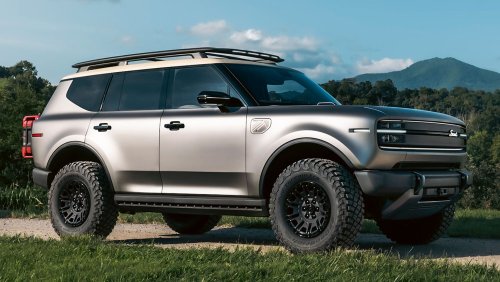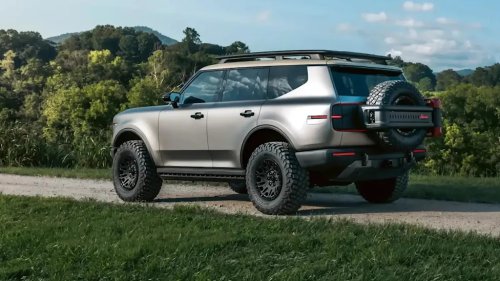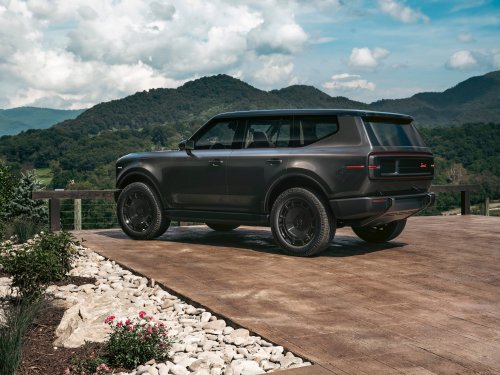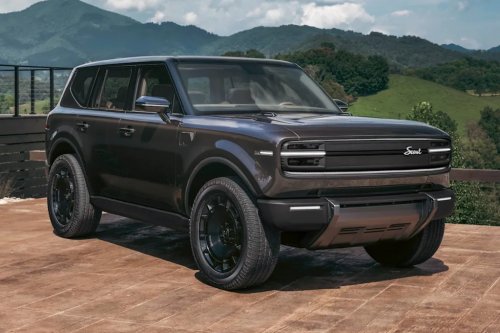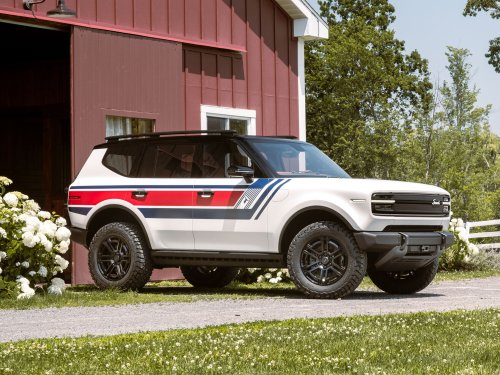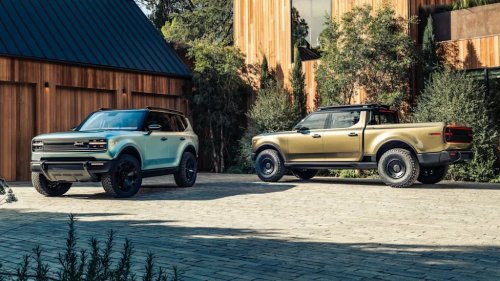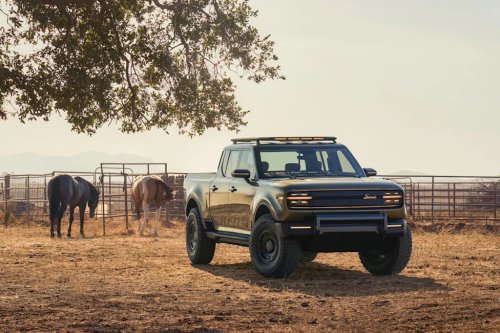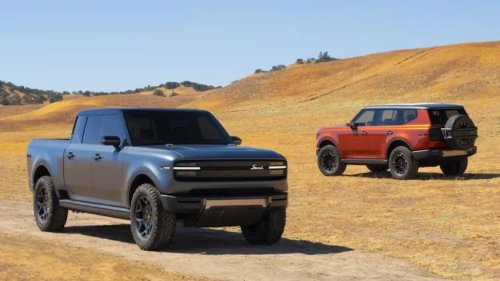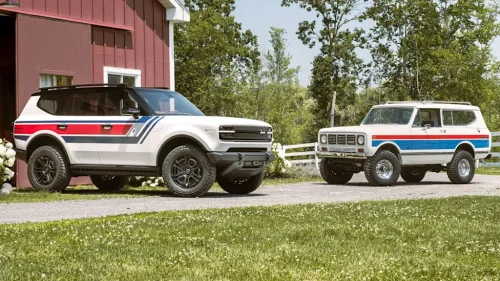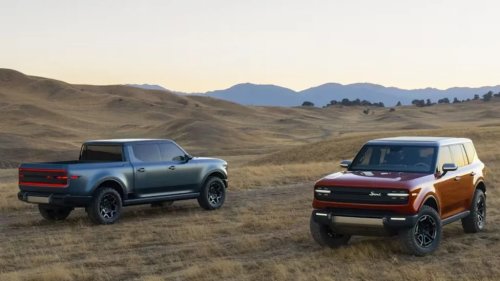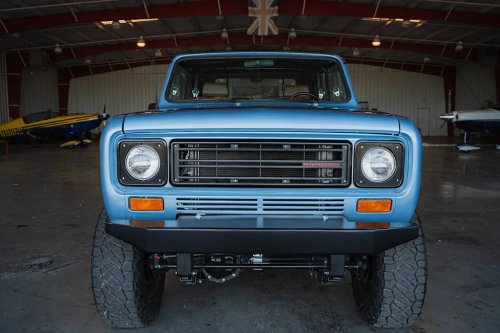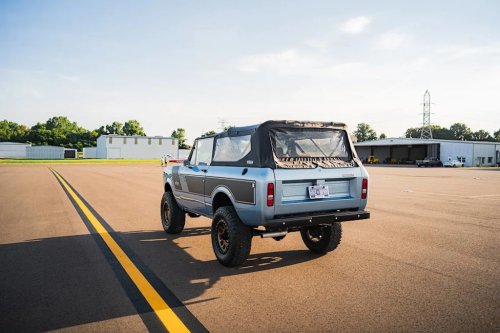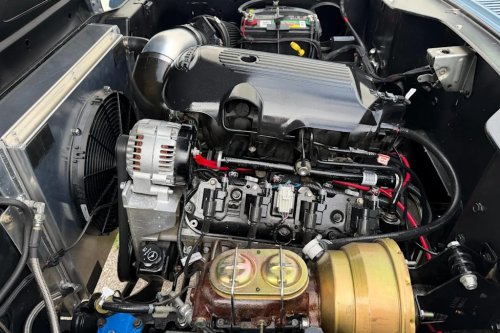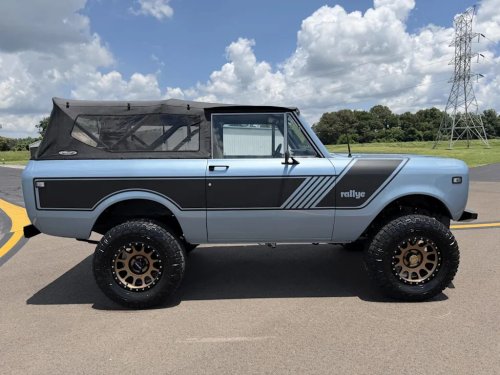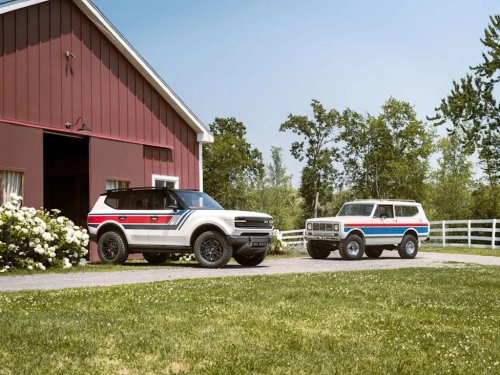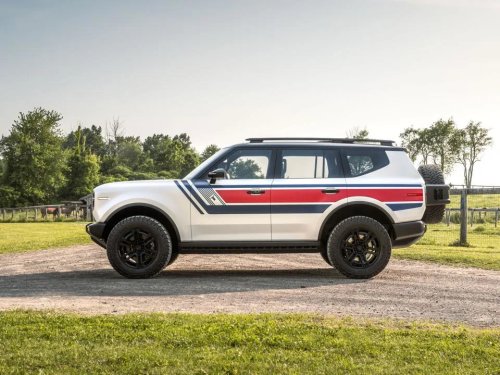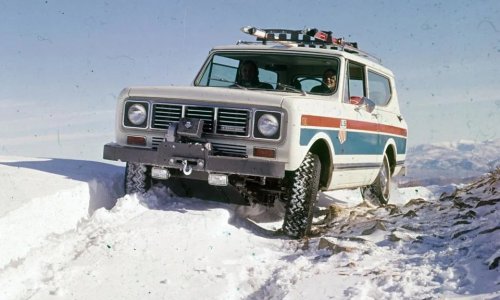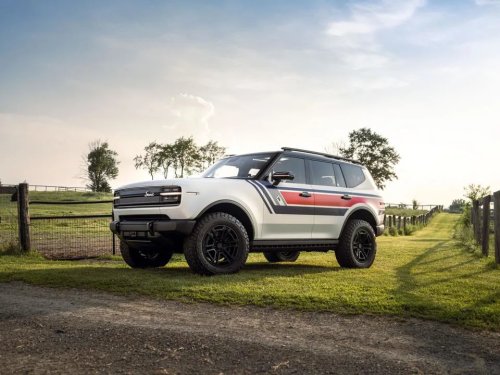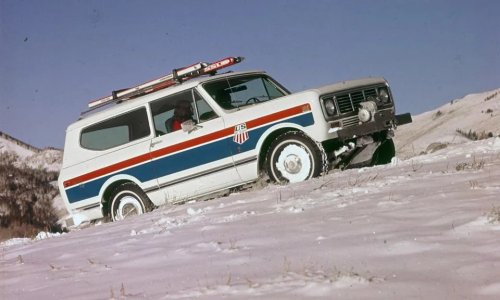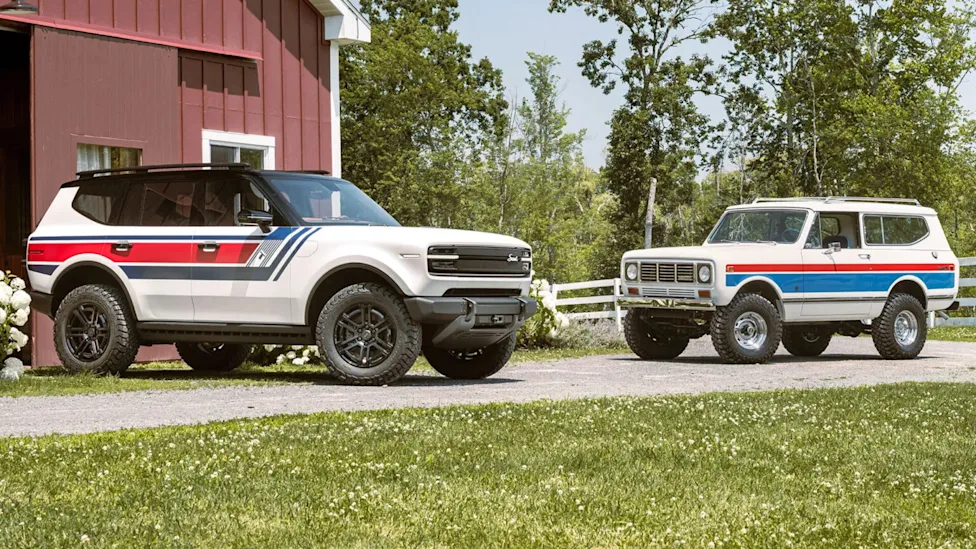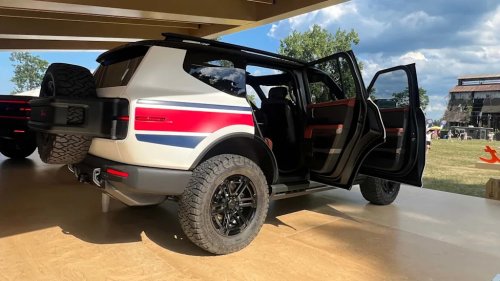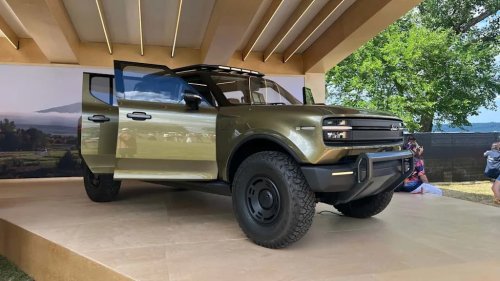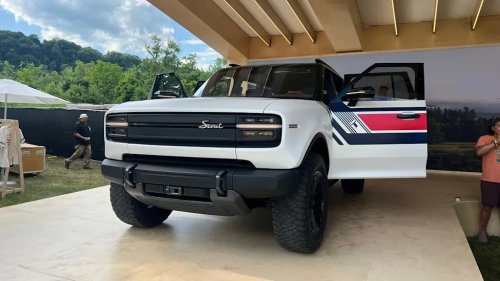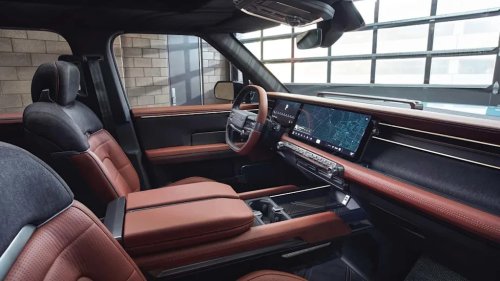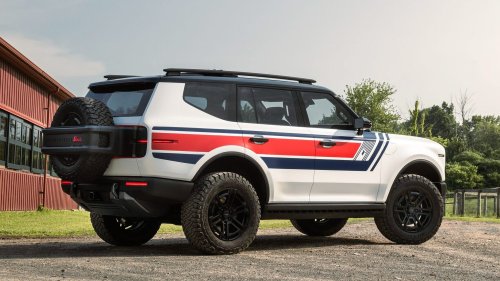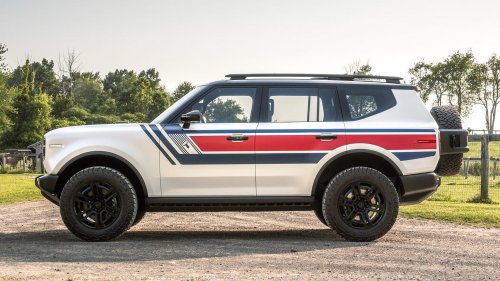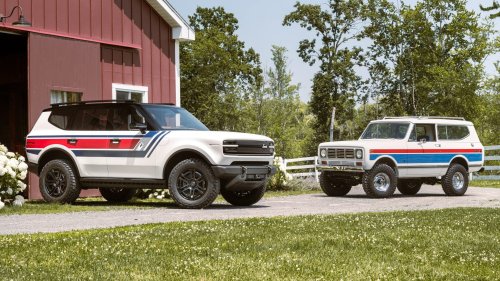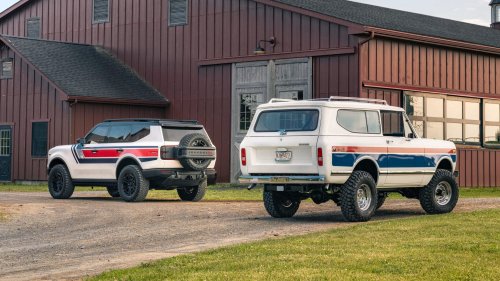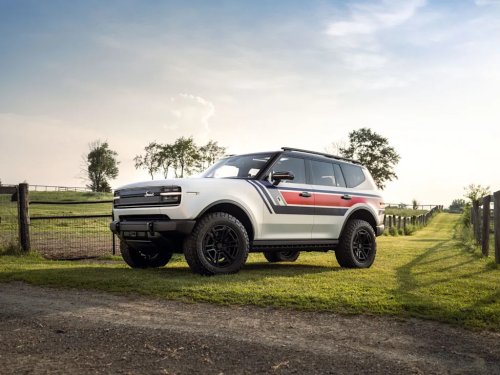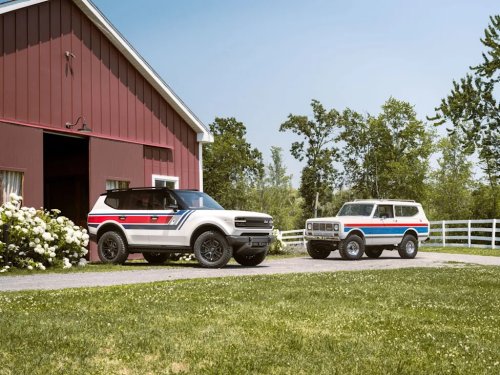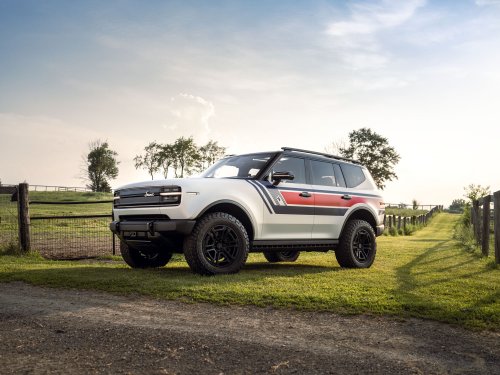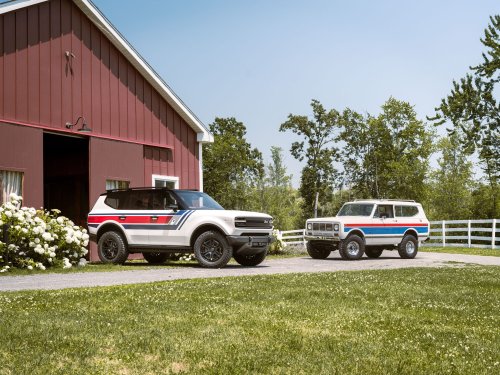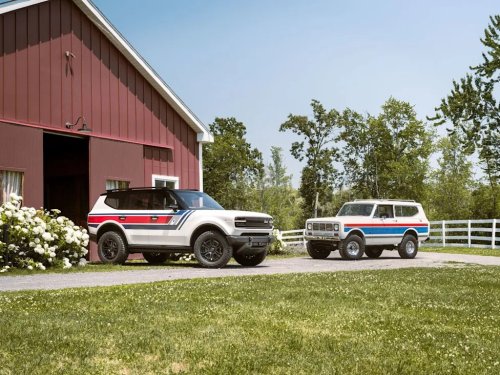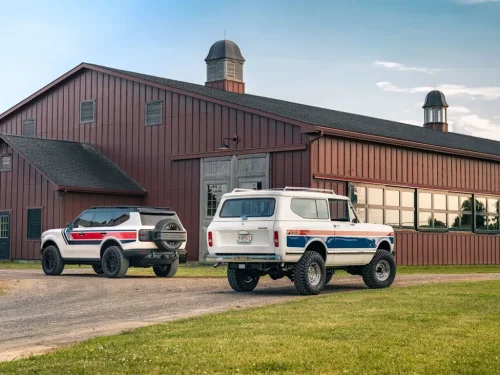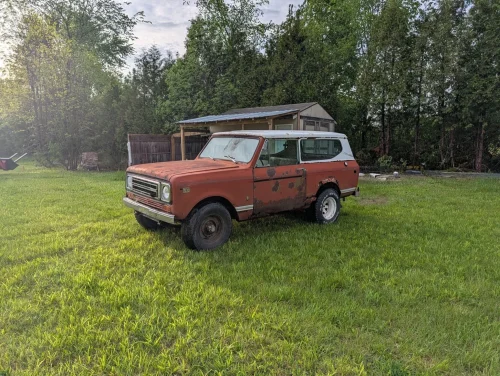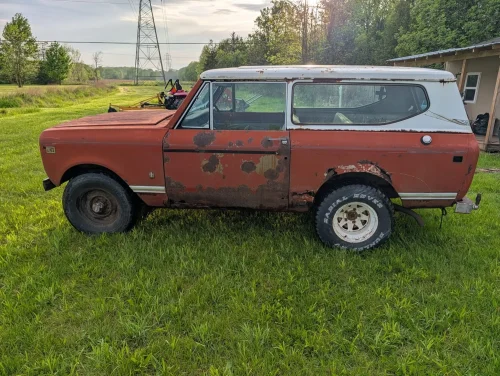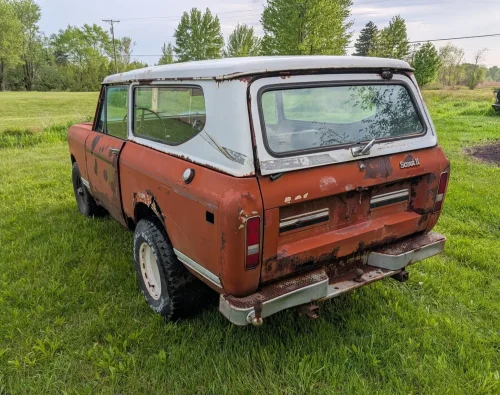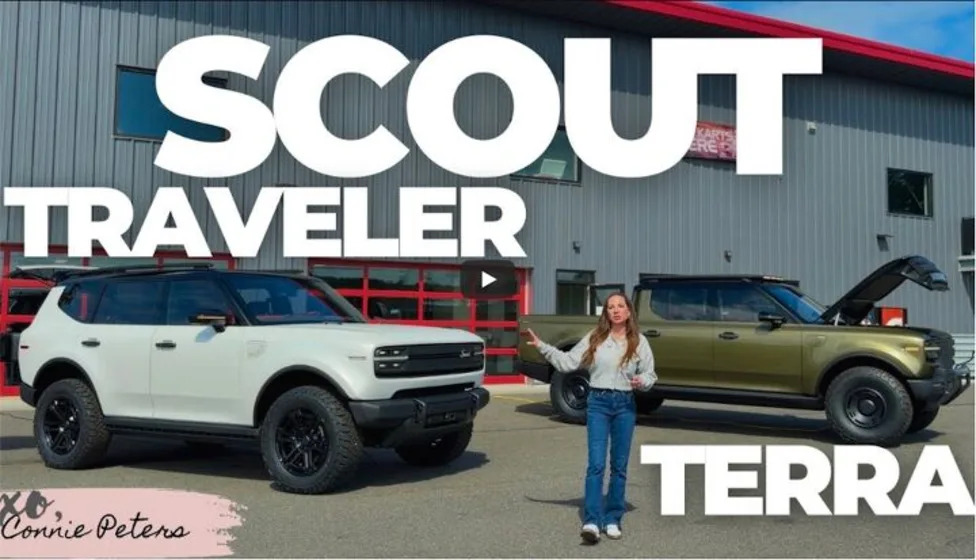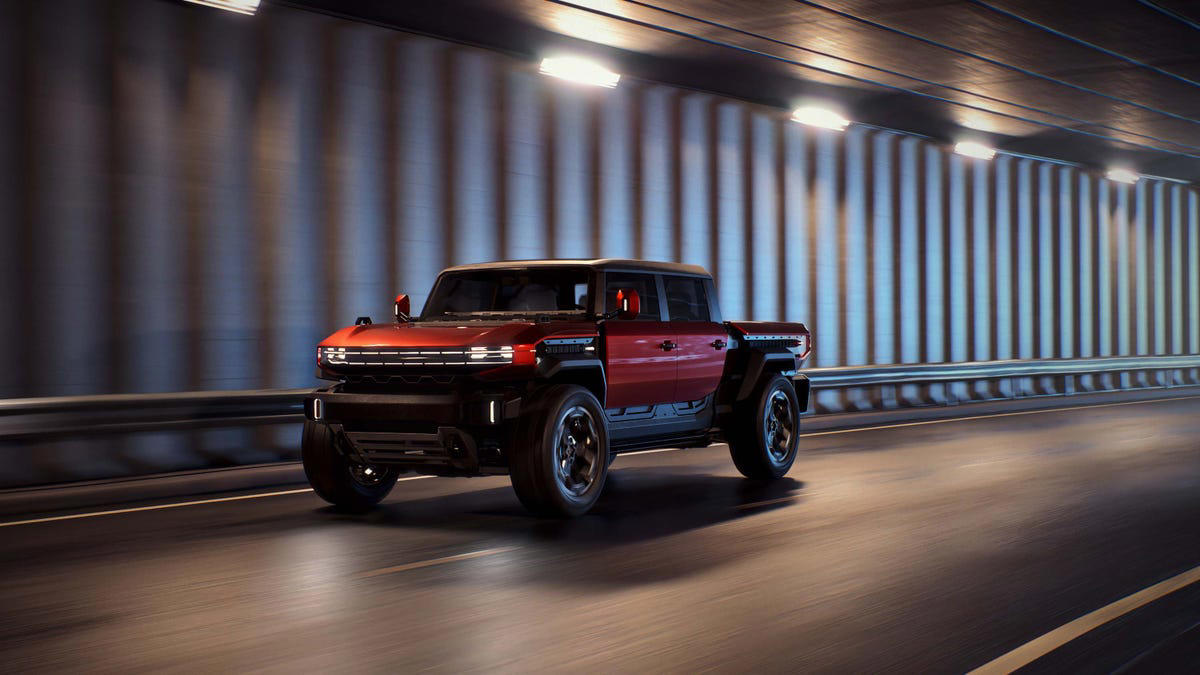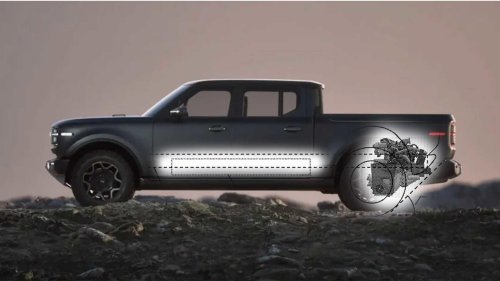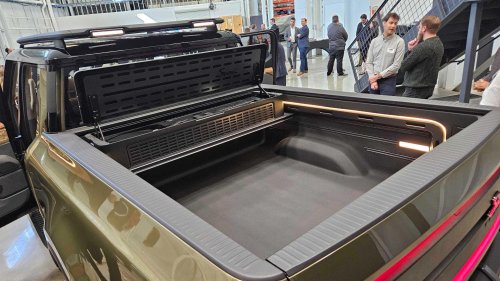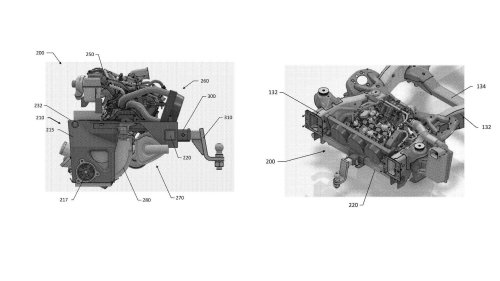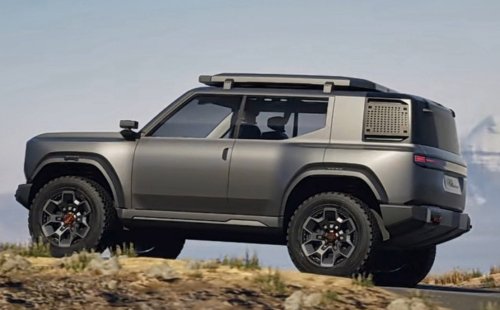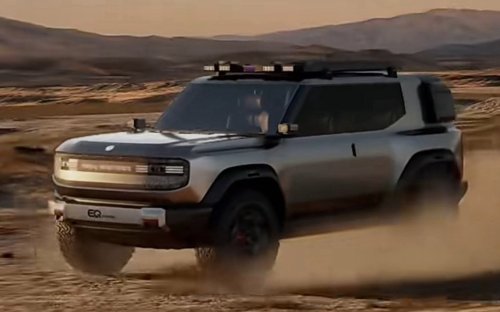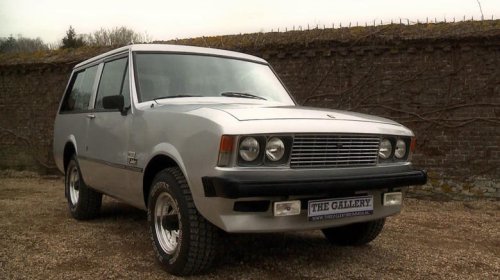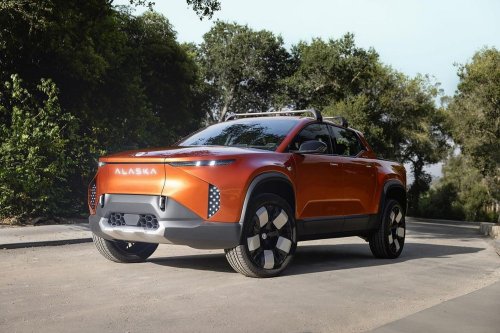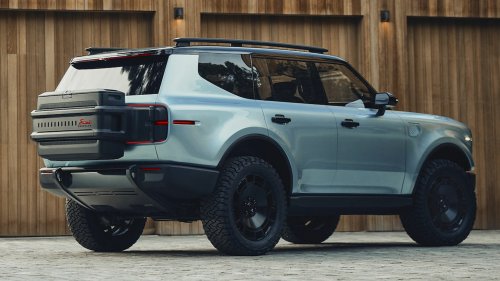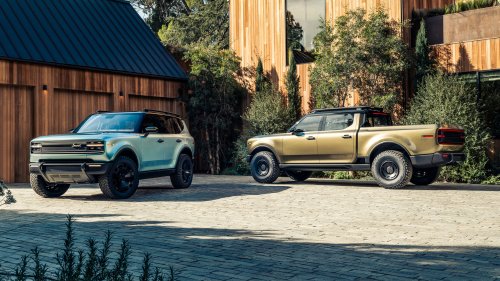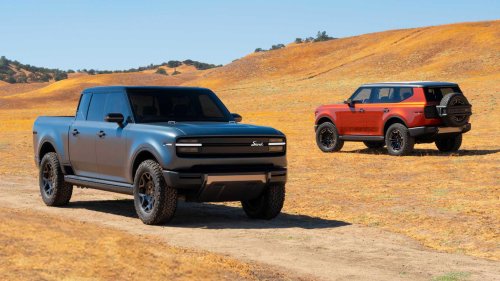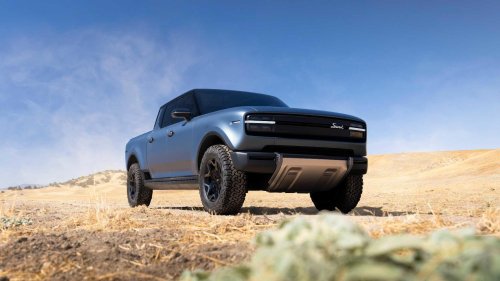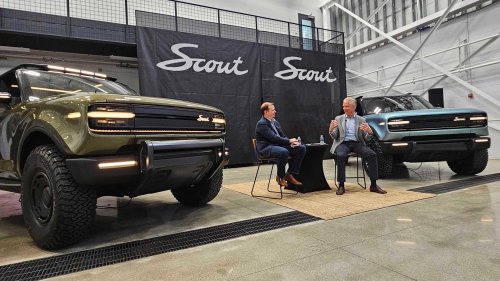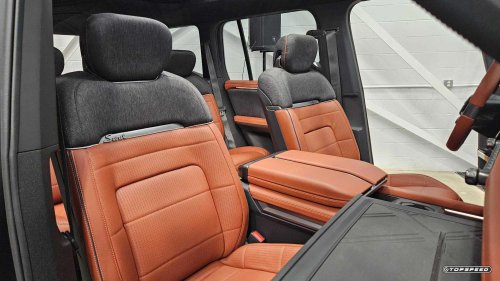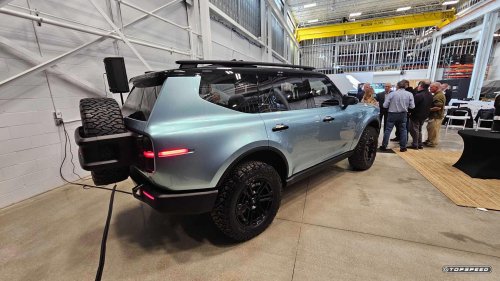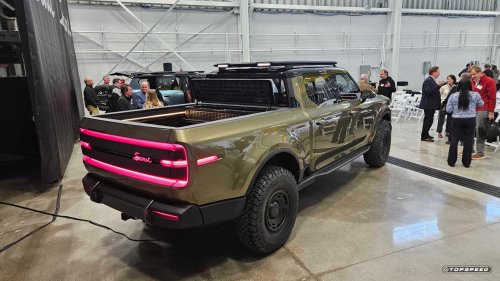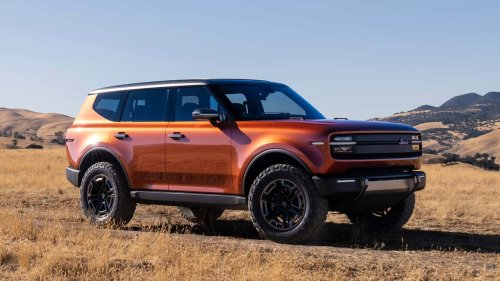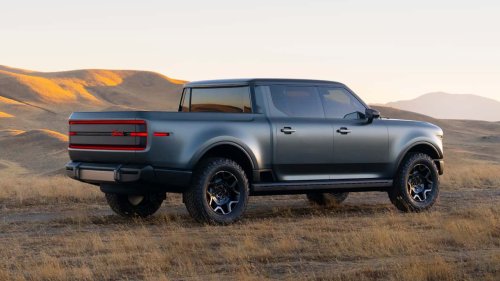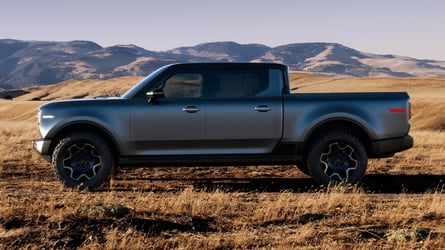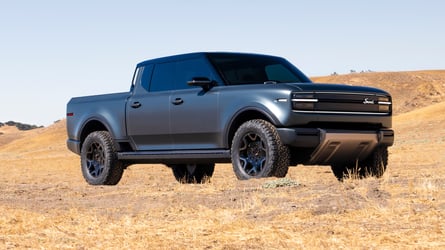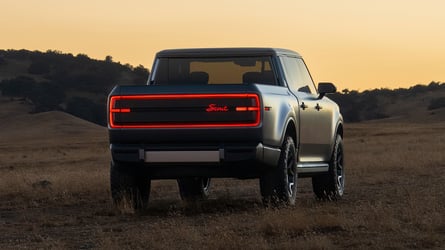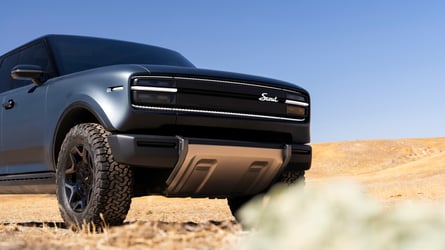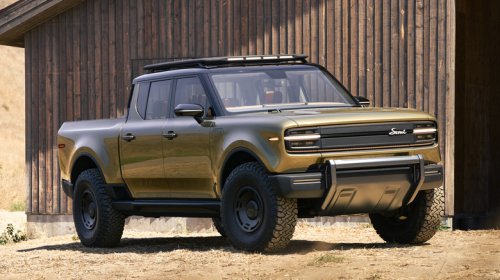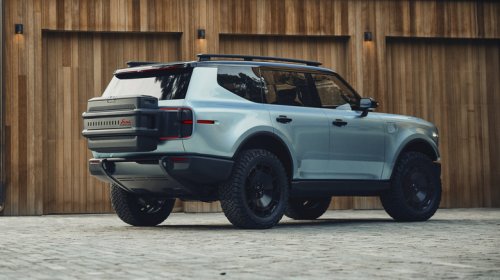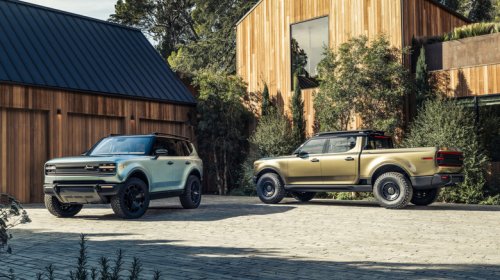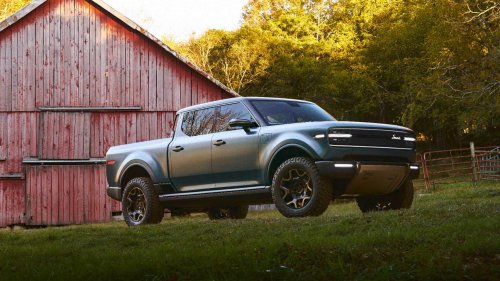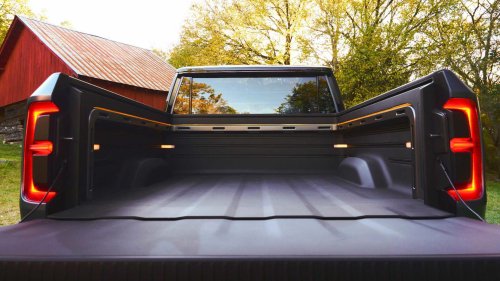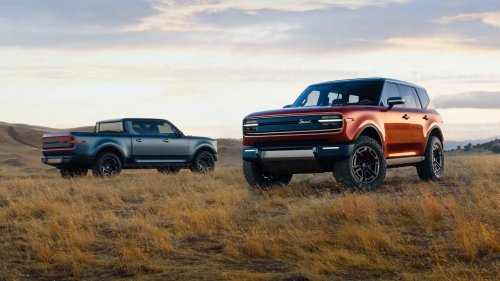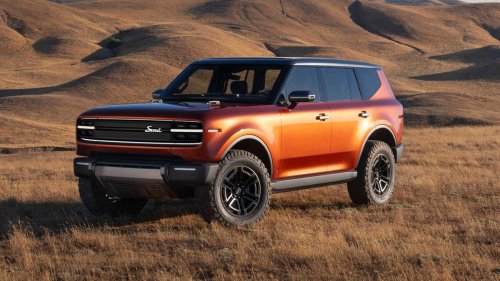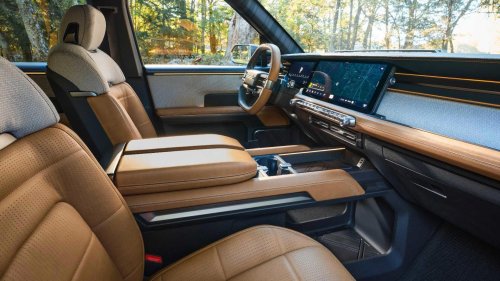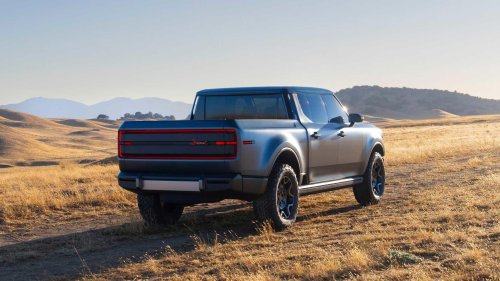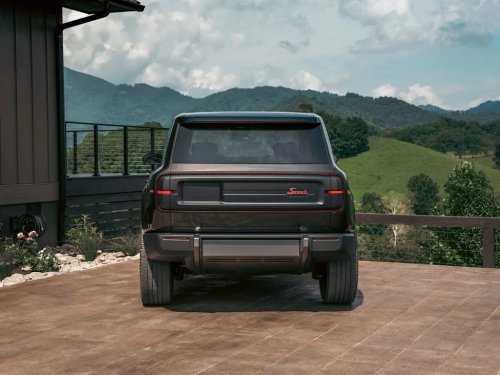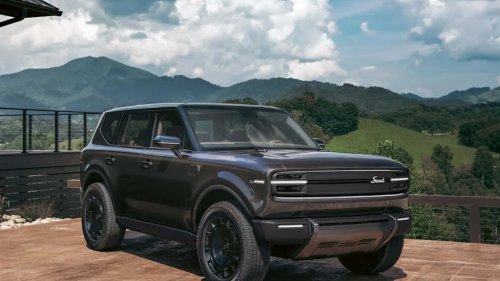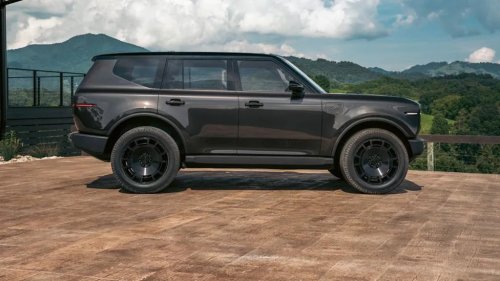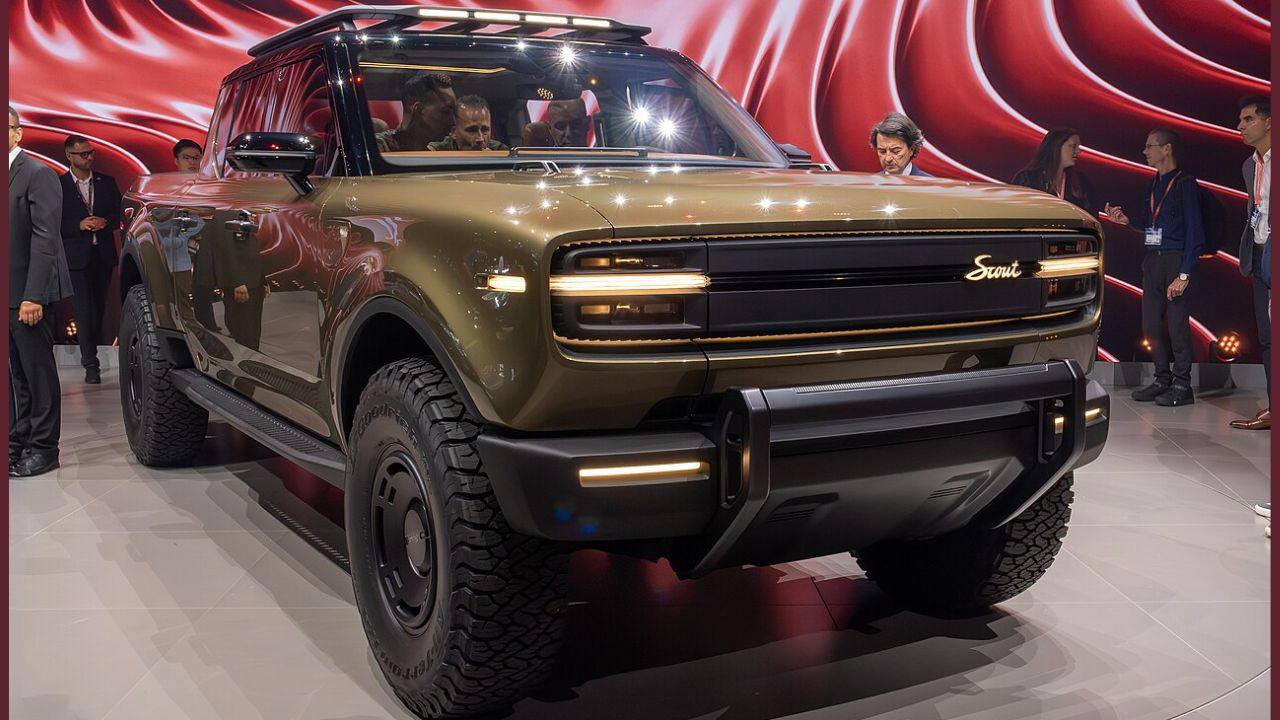



















Scout puts range‑extender engines in back to boost EV packagingScout Motors is betting that a rethought powertrain layout can solve some of the toughest packaging problems in electric trucks and SUVs. Instead of cramming a gasoline generator into the engine bay, the company plans to mount its Harvester range extender behind the rear axle so the Terra pickup and Traveler SUV can keep a flat floor, short overhangs, and serious off-road geometry. The approach aims to deliver more than 500 miles of capability without sacrificing the quiet, instant response drivers expect from a modern battery electric vehicle. The strategy also reflects a broader attempt to revive the Scout name with hardware that feels both familiar and forward looking. By pairing a relatively modest battery pack with a compact Volkswagen engine that acts purely as a generator, Scout Motors is trying to sidestep range anxiety while preserving the packaging freedom of a dedicated EV platform. In turn, the vehicles are positioned to serve work, towing, and adventure use cases that have been difficult for large, heavy long-range battery trucks to cover efficiently. Why Scout is betting on Harvester range extenders Scout Motors has framed Harvester as one of two distinct energy systems for its upcoming lineup, with buyers able to choose either a pure battery electric setup or a gas powered generator that charges the pack on the move. Company support material explains that the Harvester system is designed so that the wheels are driven only by electric motors, while the gasoline engine operates as a generator that maintains charge under heavy use or far from charging infrastructure, a concept laid out in Harvester documentation. That architecture lets Scout pitch the trucks as electric first products that still satisfy owners who regularly tow, haul, or travel long distances in remote areas. Early technical briefings indicate that the Harvester variants of the Terra and Traveler are expected to offer more than 500 miles of total driving capability, compared with up to 350 miles for the all electric versions that rely solely on battery capacity, a split described in coverage of Two different powertrains. That difference allows Scout Motors to keep the battery relatively modest in size, which can reduce cost and weight, while using fuel as a dense energy reserve for long days on the road or trail. For a brand that trades heavily on the image of go anywhere durability, the promise of Harvester is that drivers can treat the trucks like EVs during daily use yet still count on a familiar fuel pump when the route stretches far beyond fast charging networks. Packaging the engine like a Porsche 911 The distinctive twist in Scout’s approach is where the Harvester engine sits. Rather than occupying space under the hood, the company plans to mount the generator unit behind the rear axle, a layout explicitly compared to a Porsche 911 style position. Scout executives have argued that this distance from the cabin helps keep noise and vibration largely out of the driving experience, so occupants feel as if they are in a quiet, small electric vehicle even when the generator is running. Placing the engine low and at the rear also frees the front of the vehicle for crash structure, storage, and suspension geometry that suits off-road work. That rear mounting decision only works because the Terra and Traveler are being built on a dedicated body on frame electric platform, rather than an adapted combustion chassis. Engineering walkarounds have highlighted how the ladder frame encloses a battery pack between the rails while leaving space at the back for the generator module, a layout consistent with reports that Both of these prototypes show crossmembers spanning above the battery. By shifting the mass of the engine to the rear, Scout Motors can tune weight distribution and departure angles in ways that would be difficult if the generator had to share space with steering hardware and front crash beams. Volkswagen power, American truck mission Under the Harvester branding, the range extender itself is set to be a Volkswagen unit, with reporting describing a naturally aspirated four cylinder engine that runs solely as a generator rather than driving the wheels mechanically. Coverage of Scout Harvester range notes that this Volkswagen engine will be tuned to operate in a narrow, efficient band, which suits generator duty and reduces the need for complex transmissions. By leaning on an existing powerplant from within the Volkswagen Group, Scout Motors can draw on a large supply base and proven emissions hardware while focusing its own development resources on the electric platform and control software. At the same time, Scout Motors is positioning the Terra and Traveler as distinctly American style trucks, with upright proportions, short overhangs, and a focus on towing and off road performance that echo the original Scout II. A detailed product rundown describes how the Terra pickup and Traveler SUV are part of a Brand Revival Focused on the U.S. Market, more than four decades after the Scout II ended production under the Volkswagen Group umbrella. The Harvester range extender is therefore not just a technical feature but a bridge between a German engine supplier and a truck buyer base that expects long range, quick refueling, and the ability to tow or haul without watching the remaining battery percentage plummet. How Harvester reshapes interior space and use cases By moving the range extender out of the engine bay, Scout Motors can treat the front of the Terra and Traveler like a clean sheet EV space. Company support material for the Harvester range extender explains that the generator is packaged as a self contained module so that the cab can maintain a flat floor and generous storage, while the frame still carries a protected battery between the axles. That contrasts with EVs adapted from combustion platforms, such as examples where the battery must be squeezed under rear seats and the front structure cannot easily be opened up for additional cargo because it still houses legacy components. The Scout layout instead treats the engine as an auxiliary device that lives near the rear bumper, leaving the rest of the vehicle to follow EV packaging logic. More from Fast Lane Only Unboxing the WWII Jeep in a Crate 15 rare Chevys collectors are quietly buying 10 underrated V8s still worth hunting down Police notice this before you even roll window down