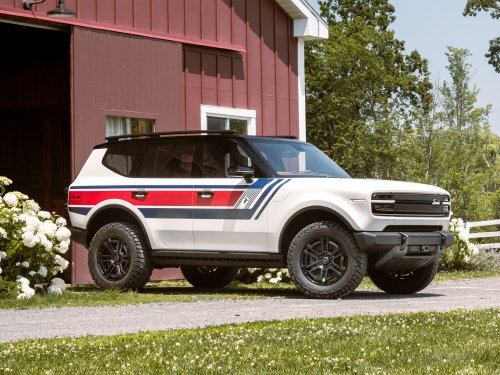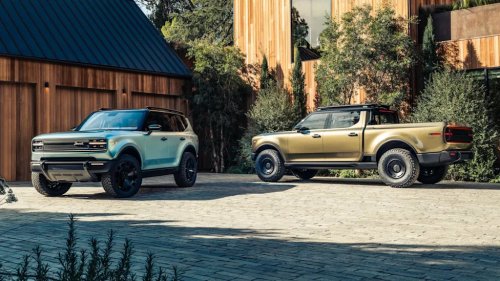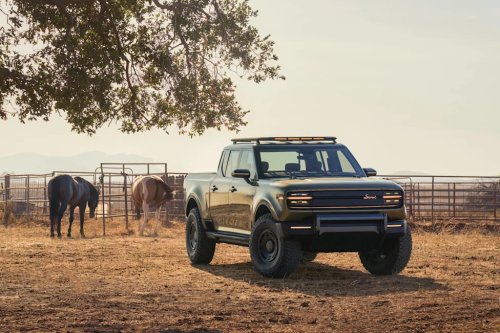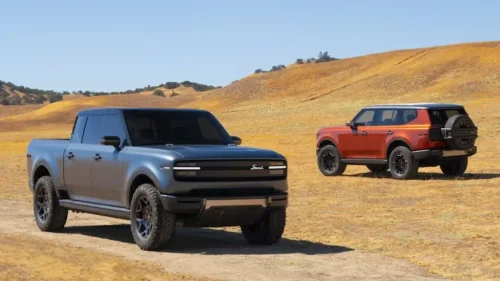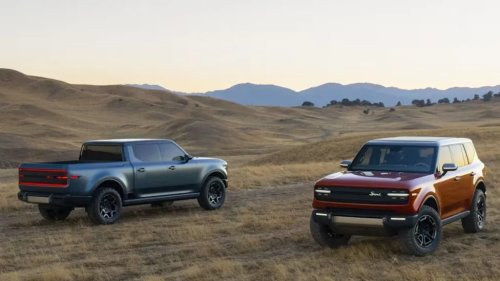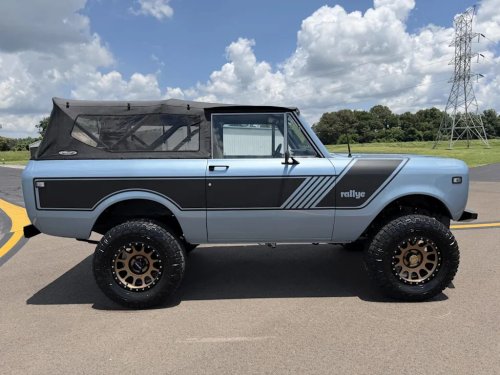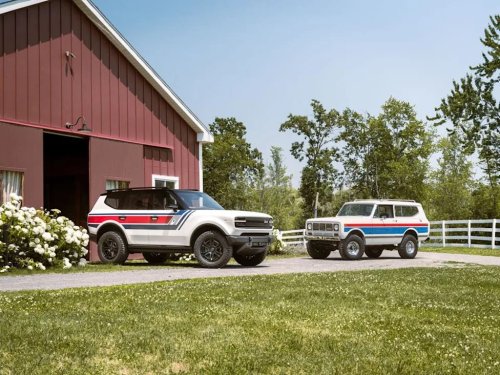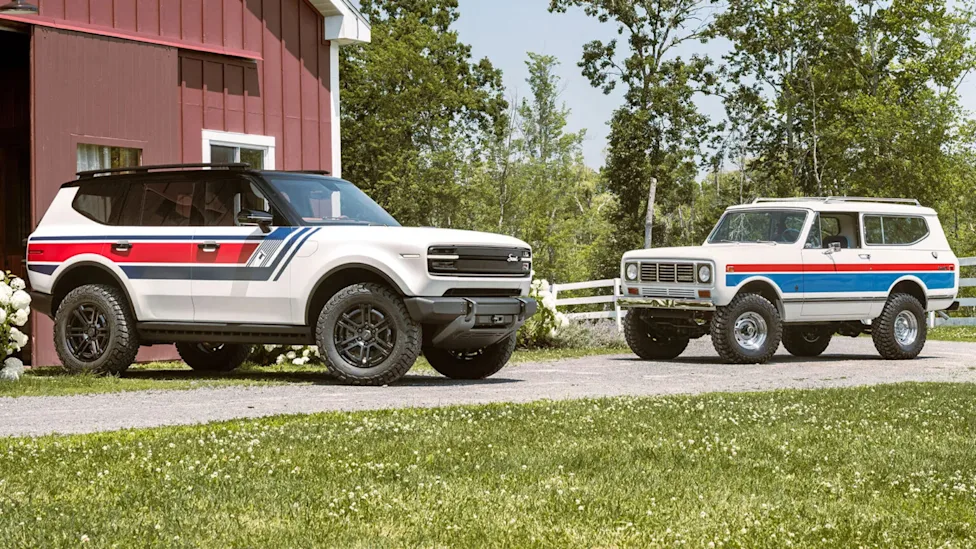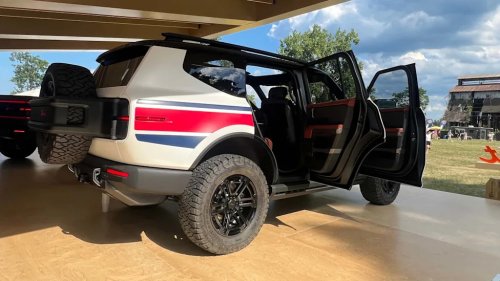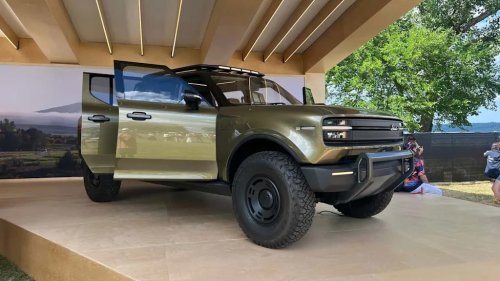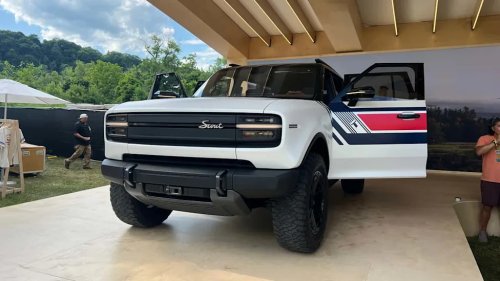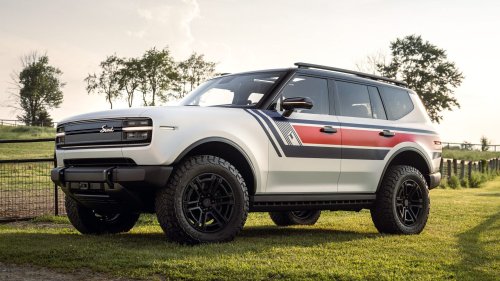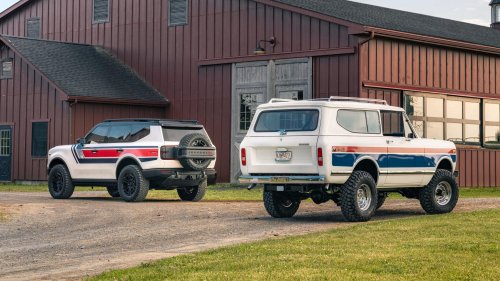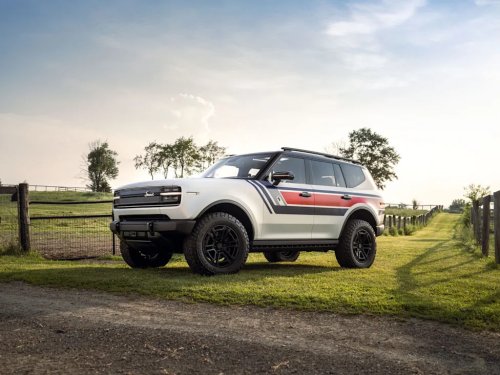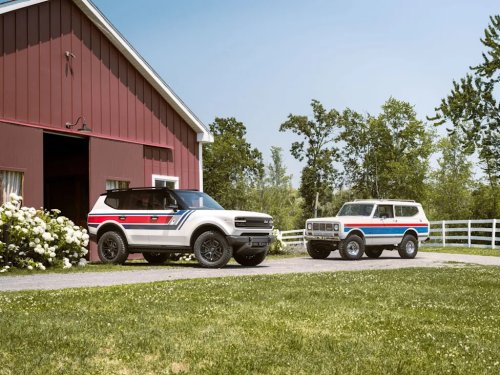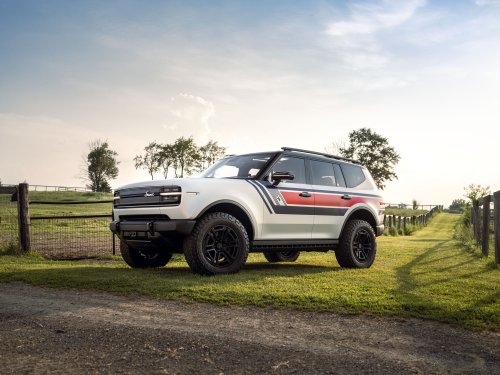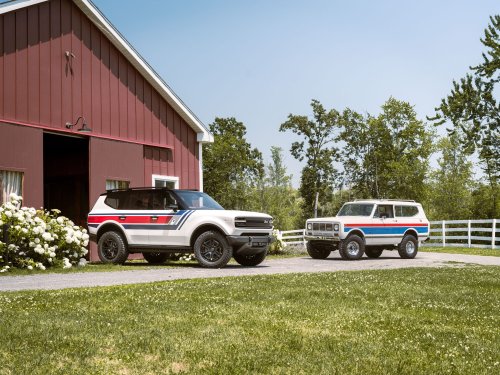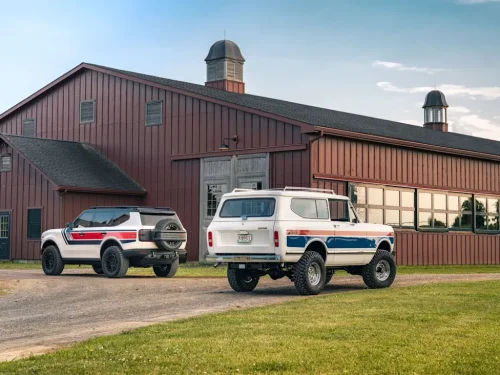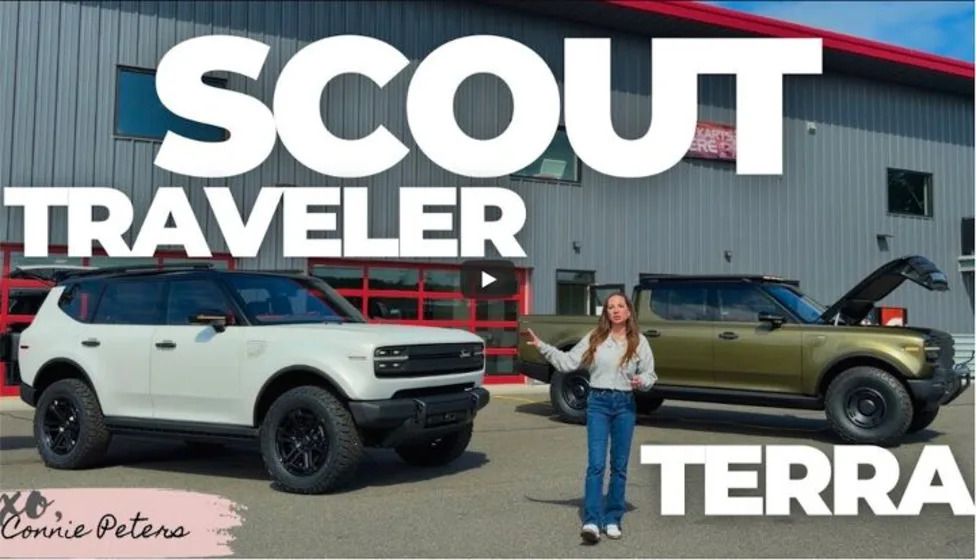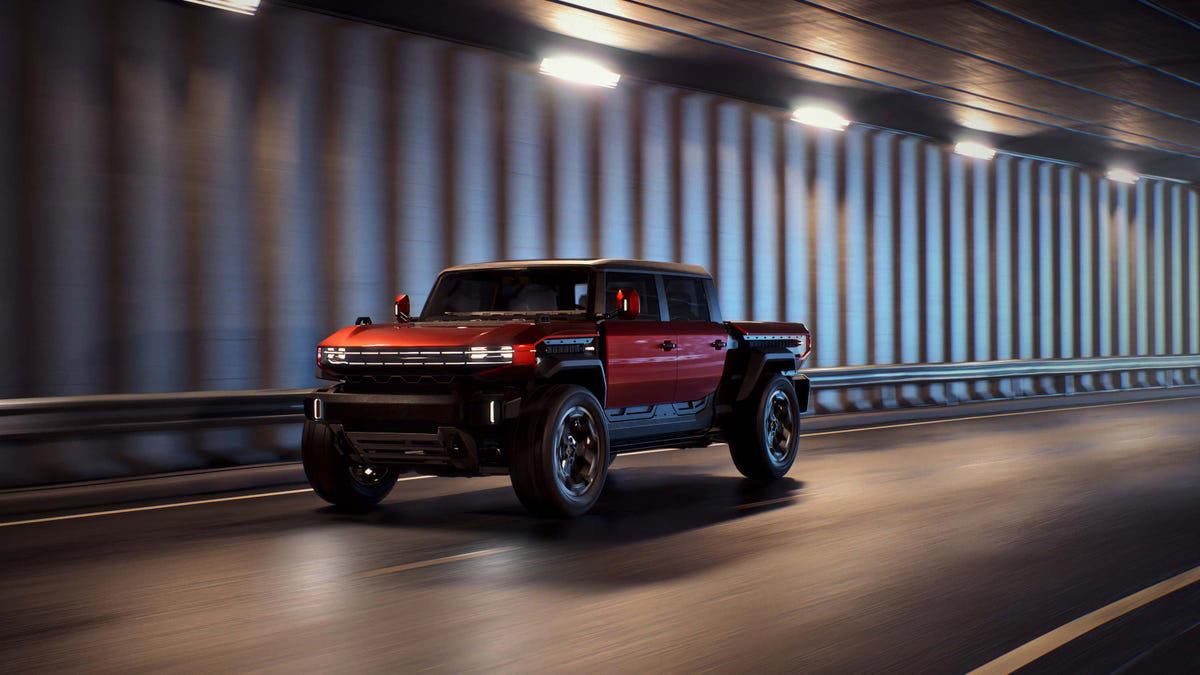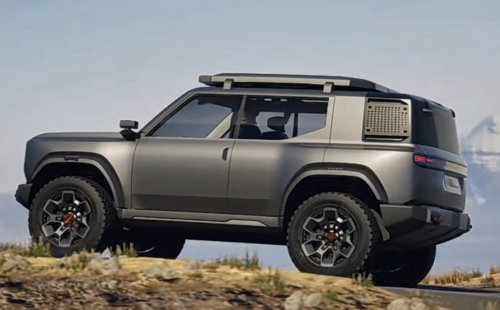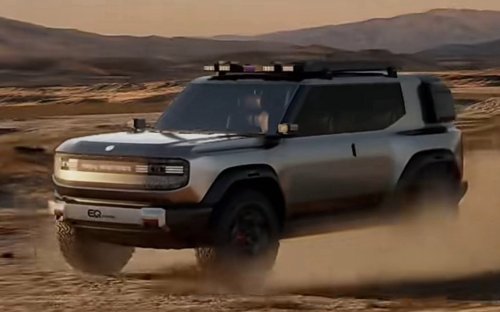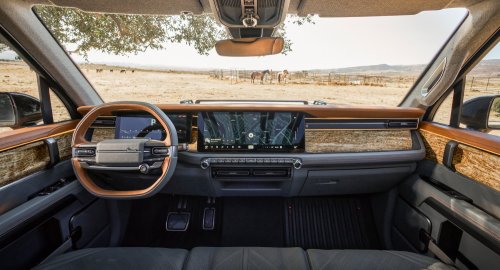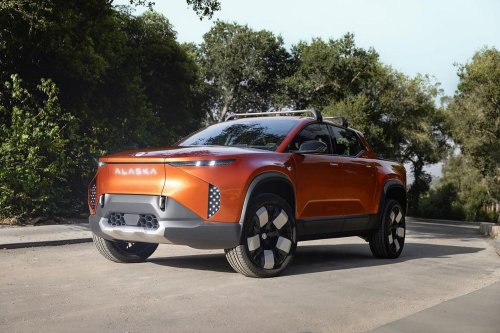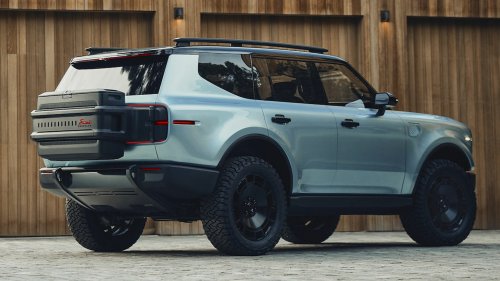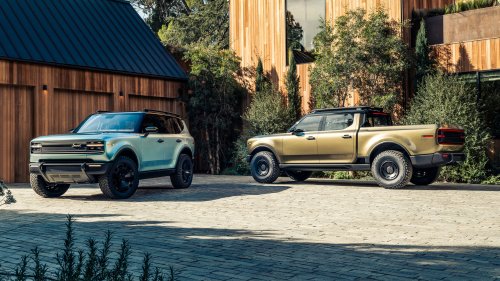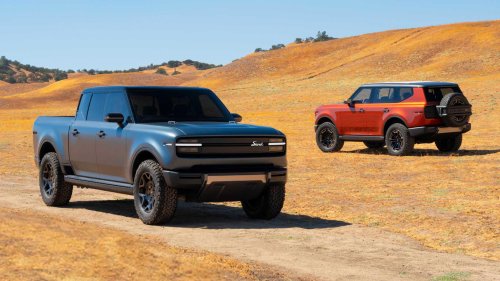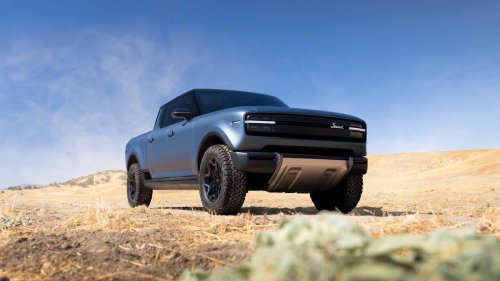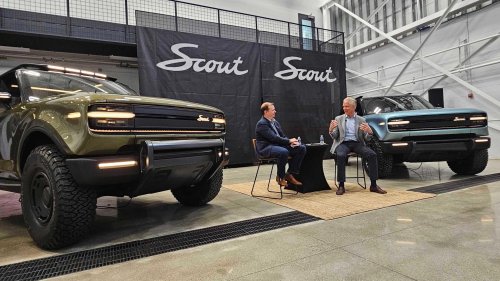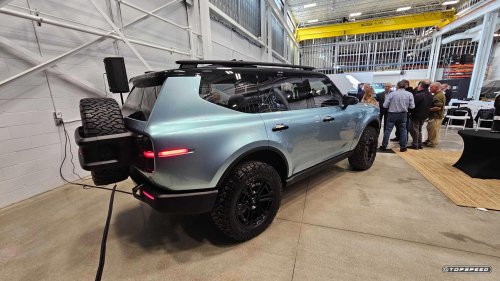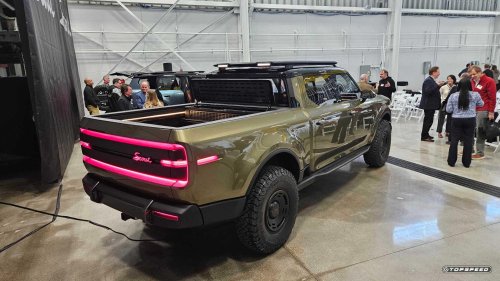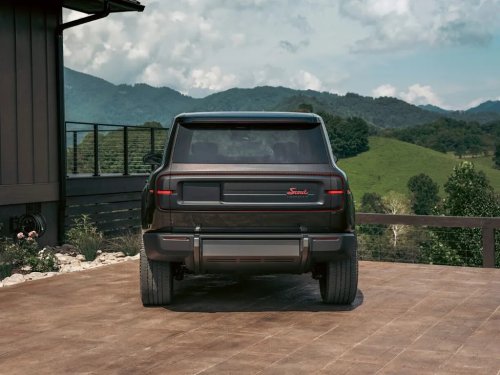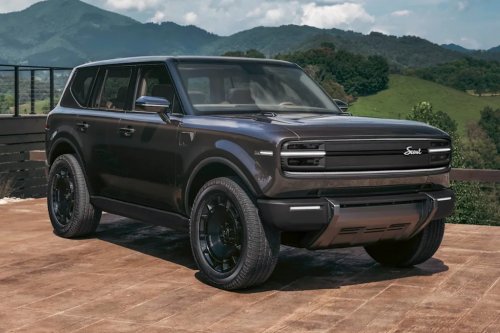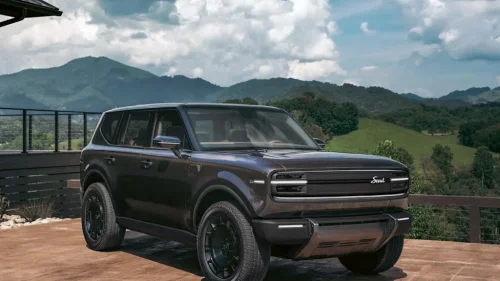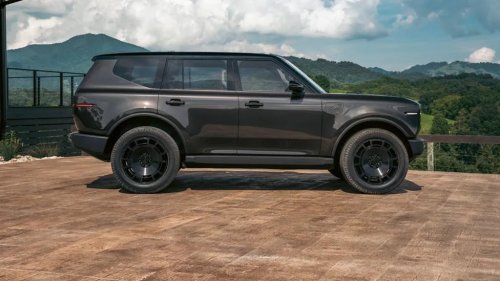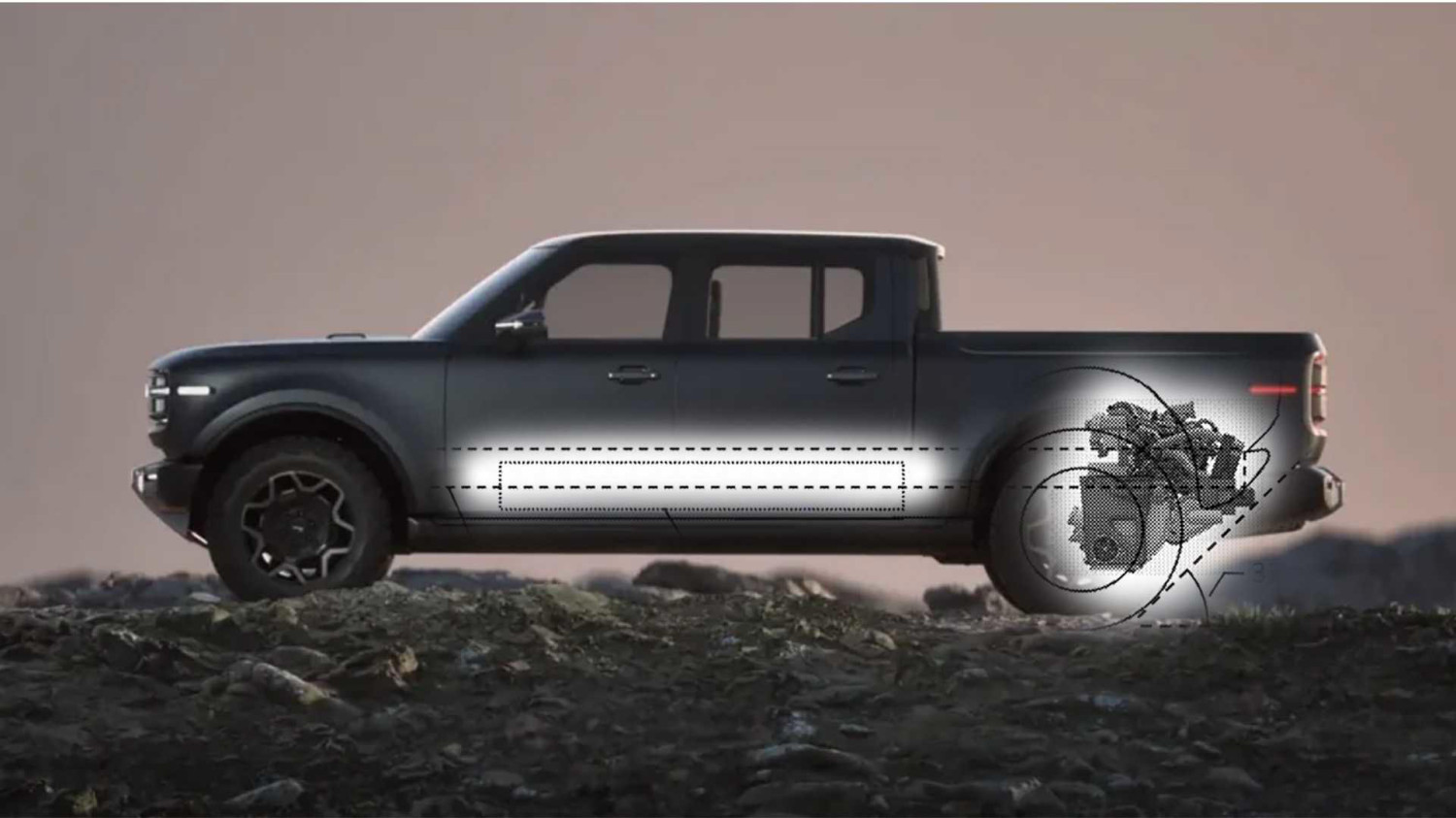
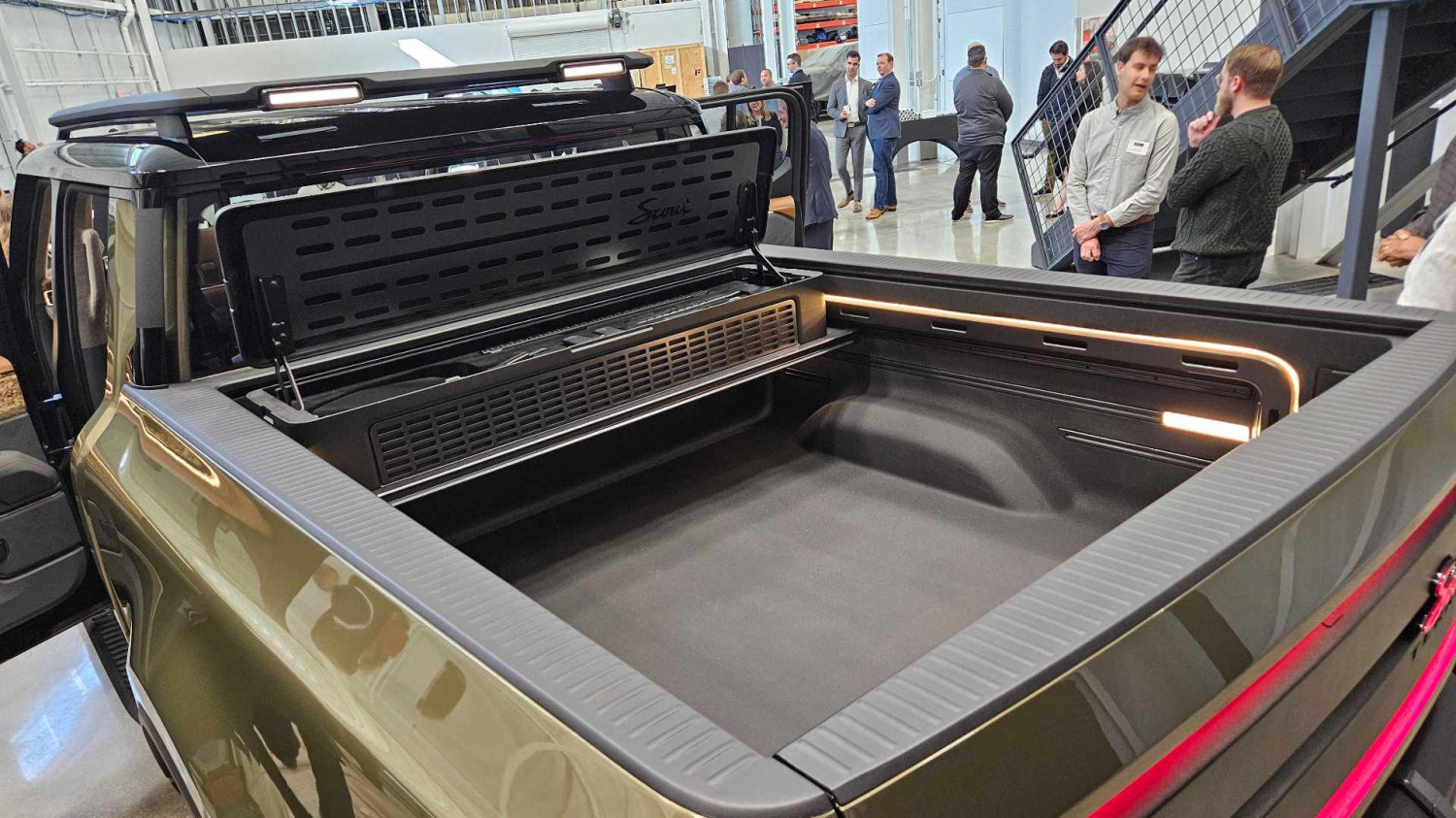
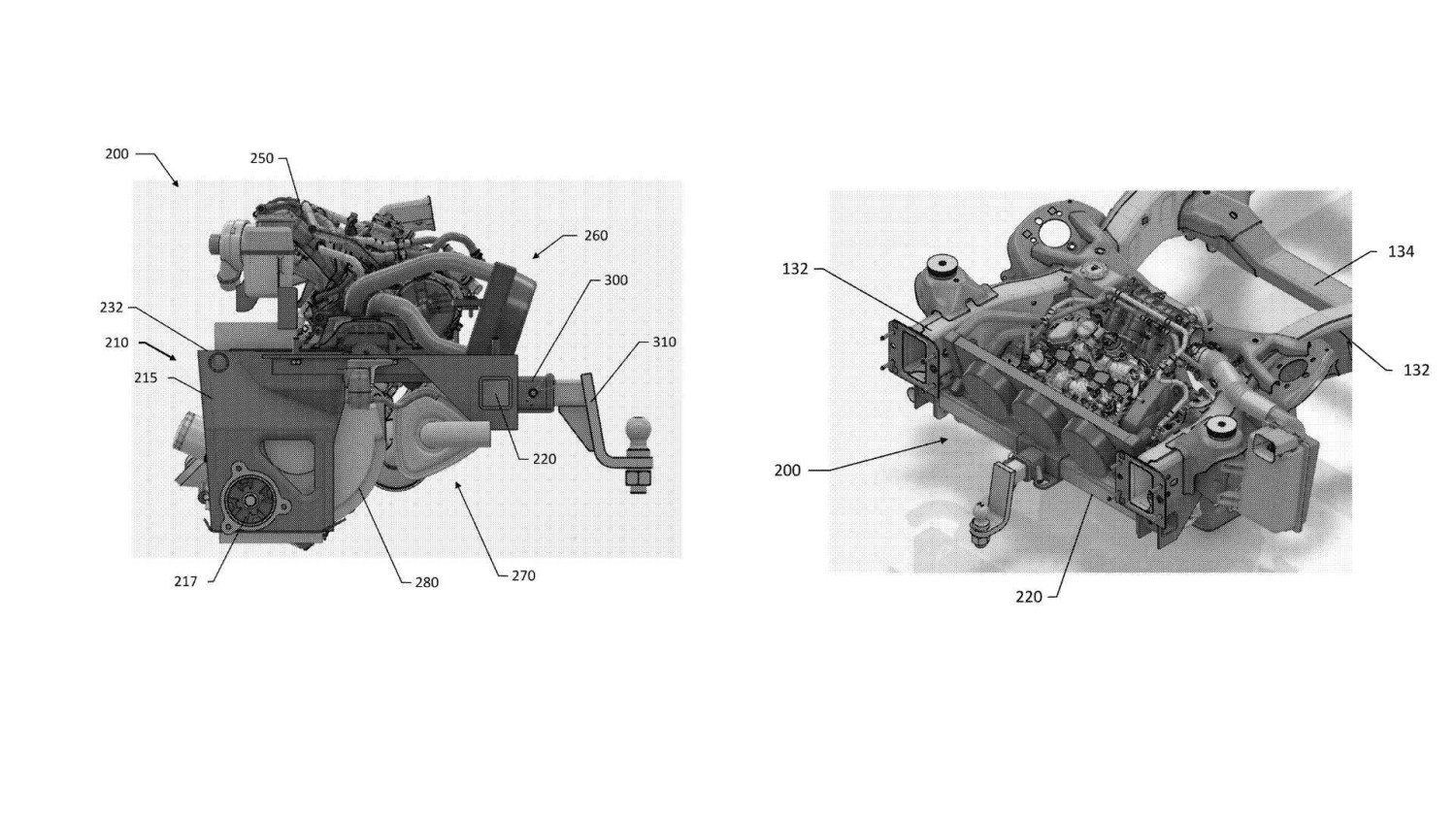


















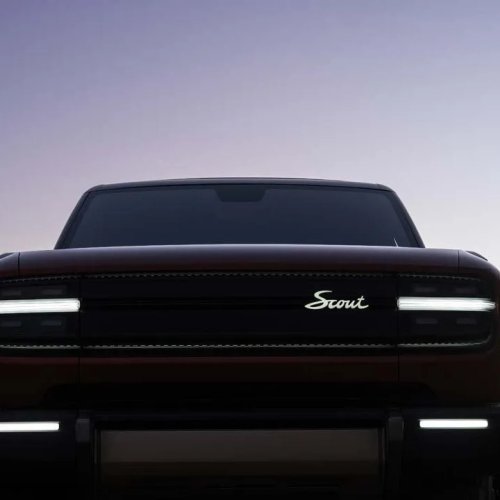
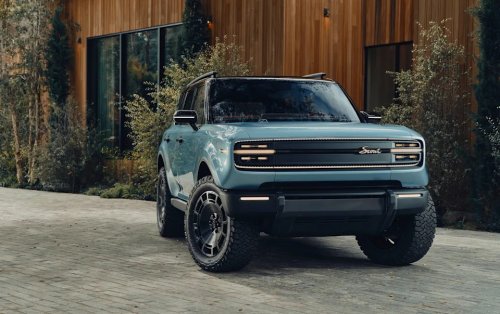
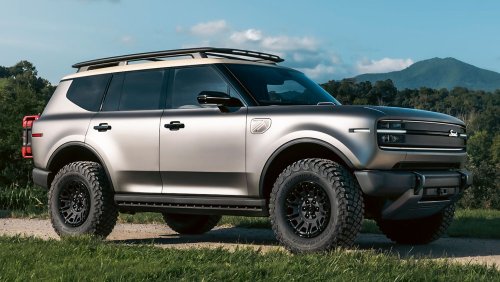
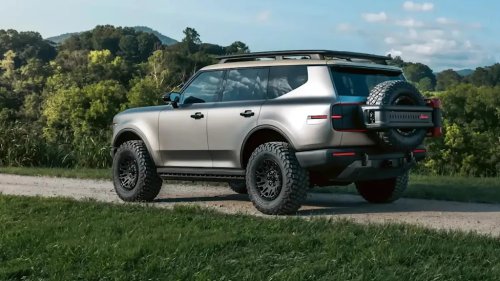
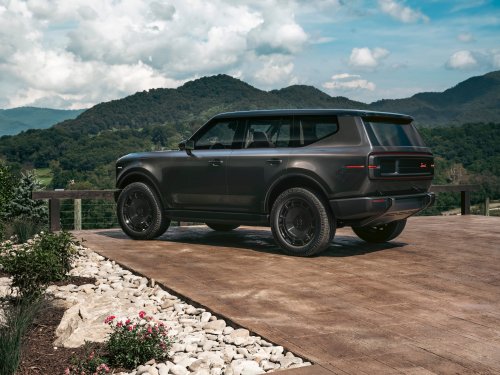
We're waiting anxiously for Scout to start production of its Traveler and Terra models in 2028, but new information keeps dribbling to help fill in more of the gaps. The latest comes from a patent which gives us our first look at the range-extended Scout's gasoline engine. And rather hilariously, it's a patent that shows just how strong the family connection between Scout and Volkswagen is right now. Scout, Porsche 911, Same Thing? Scout The Scout truck and SUV were originally launched as fully-electric models, but it didn't take long for Scout to add gas-powered extended-range versions to the waiting list. At this point, the new brand has said it expects 70% of sales to be the extended-range EV.Because it was designed first as an EV, Scout needed to find a place to put the engine, and it very strangely chose as far back as it could go. In this case, that means behind the rear axle, just like a VW Type 2 bus or a Porsche 911. Hearing it's back there is one thing, but seeing it, like in these patent drawings CarBuzz uncovered, is a very different story. Scout describes the engine as a modular power source, and one of the two patents describes how it would be installed.Tom Murphy | CarBuzz | ValnetThat installation is typical of how you would expect a gas engine to be installed in a vehicle. It's mounted to a subframe that attaches at the very back of the vehicle. It has isolating mounts to reduce sound and vibration transfer to the rest of the vehicle, and it will have a cooling system attached to it as well as a generator.The goal is an engine and generator that can be mounted in the vehicle with the least amount of changes versus an EV. Nestling it between the frame rails at the very back of the truck or SUV is one way to do it.Because nobody wants the truck bed to be four feet off of the ground, Scout imagines laying the engine over. The transverse-mount four-cylinder can fit inside the frame, and leaning it over up to 50 degrees will reduce its height.Fitting a fuel tank is another challenge. The patent drawings didn't show where Scout plans to put it, but the company did say that it would be separate from the engine and that it would go "in a safe location." Scout has shown it before in front of the rear axle and motor. CEO Calls Position 'Smart Packaging' Scout Scout CEO Scott Keogh said earlier this year that the rear-engine location was chosen because "it was very smart packaging." It lets the two vehicles have a very large frunk, even with a gas engine. He also said that it was good for vehicle dynamics to put it back there. It might be a very interesting experience for anyone planning hard-core off-roading or serious towing and hauling in their Scout. Especially with the Terra pickup.The engine is a VW four-cylinder. The drawings show that it is not turbocharged, but combined with the generator, this will be a lot of weight. A massive battery and another electric motor in the front will make sure this pickup isn't doing wheelies, but two large weights ahead of and behind the rear axle will put a lot of force on the frame.Having the engine back there will also work like a lever as the rear moves up and down. Combine that with the tongue weight of a trailer, and Scout's engineers and dynamics development drivers have their work cut out for them. Plus there are the off-road risks that come with an engine mounted lower than normal and hanging off the back. Like the low air intake sucking up water or the engine slamming down on a rock.Patent filings do not guarantee the use of such technology in future vehicles and are often used exclusively as a means of protecting intellectual property. Such a filing cannot be construed as confirmation of production intent.Source: US Patent and Trademark Office