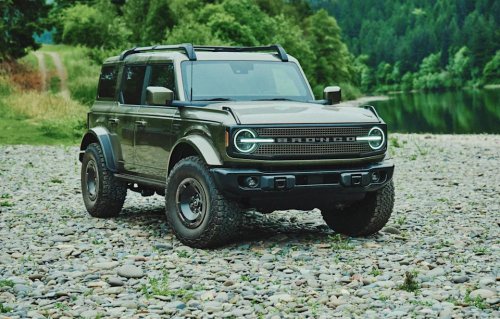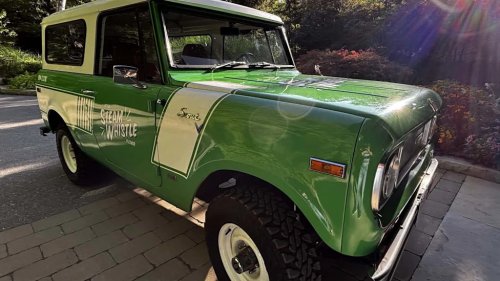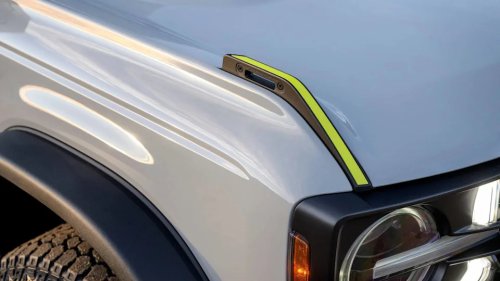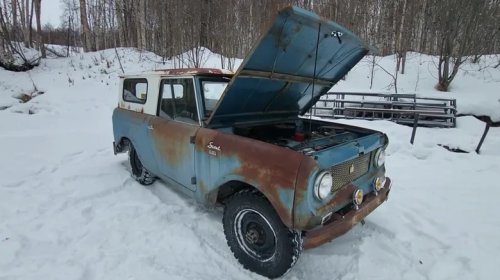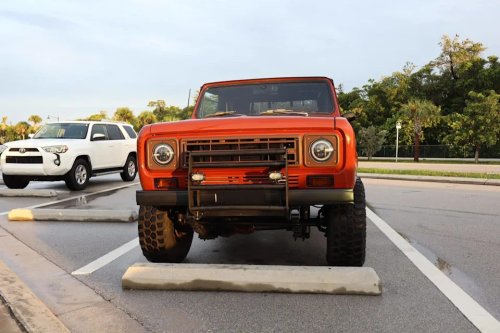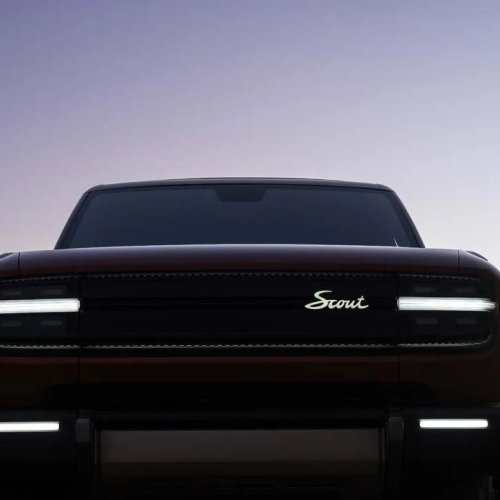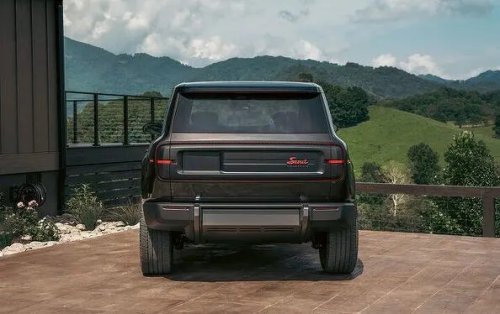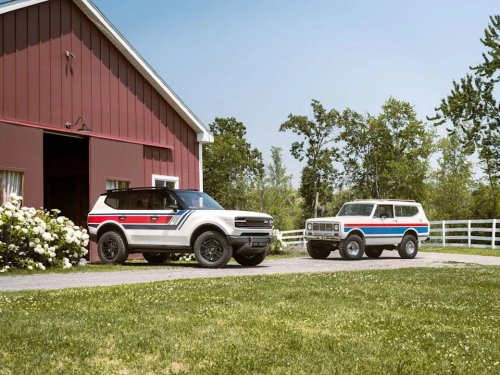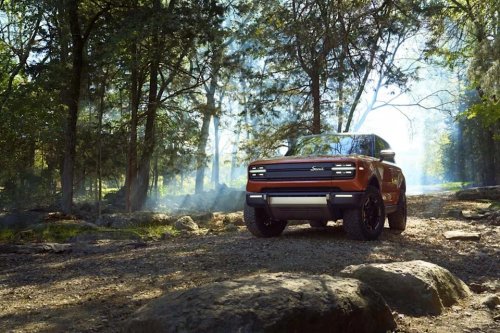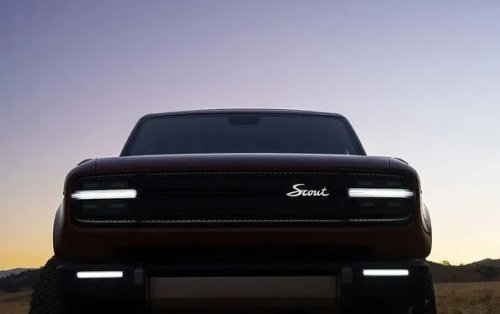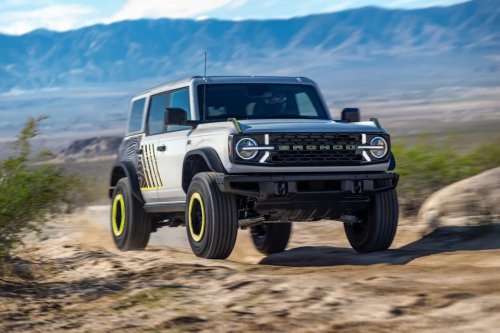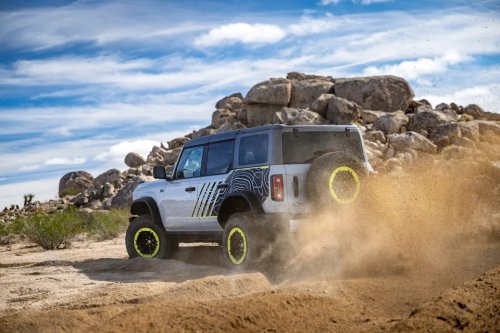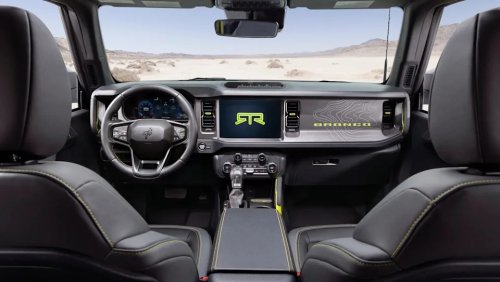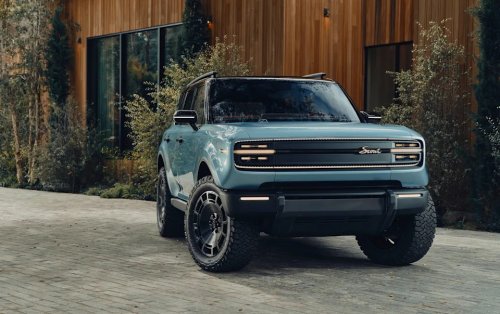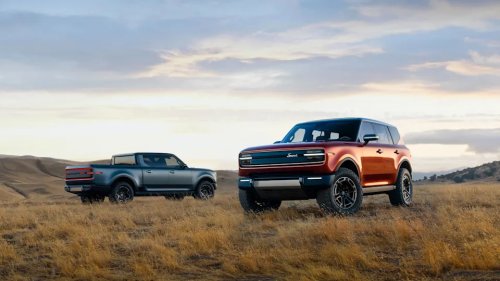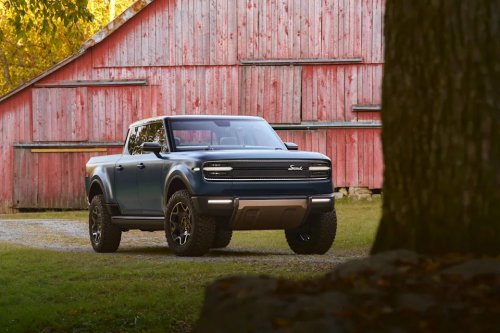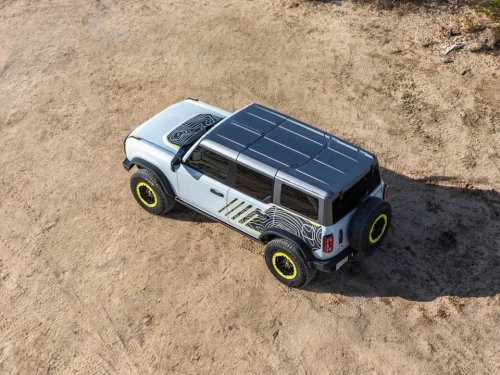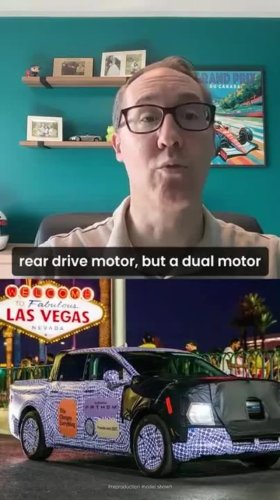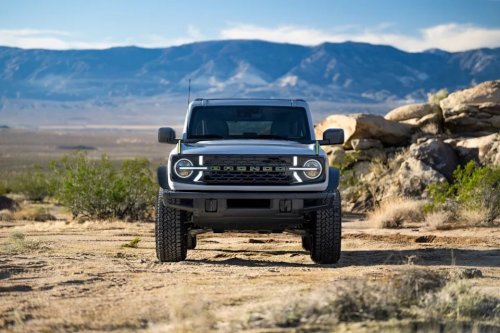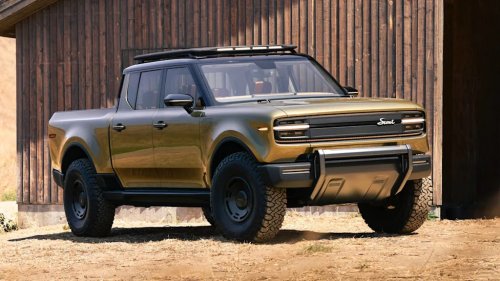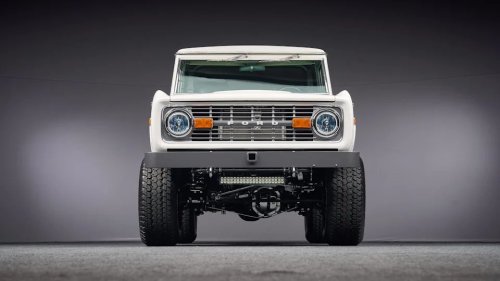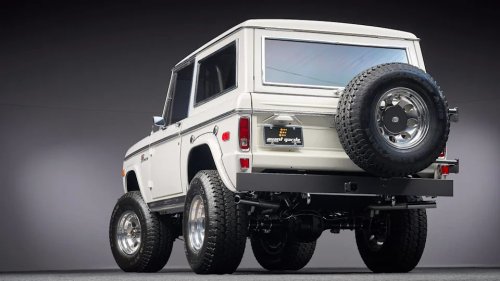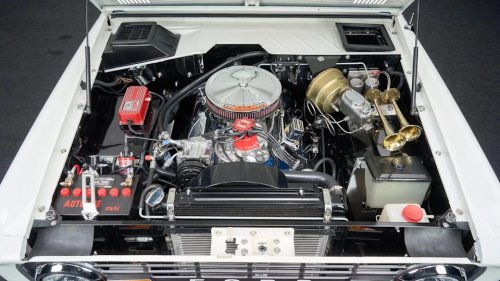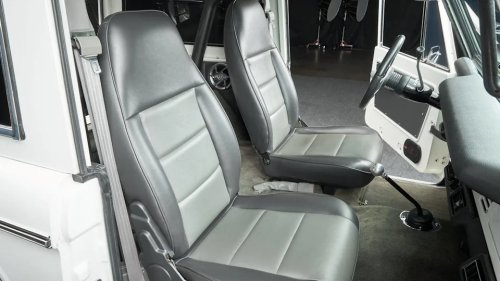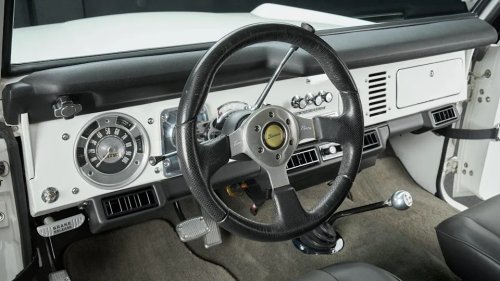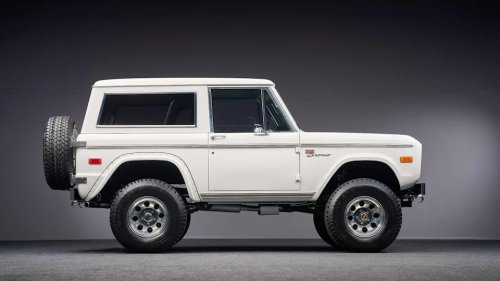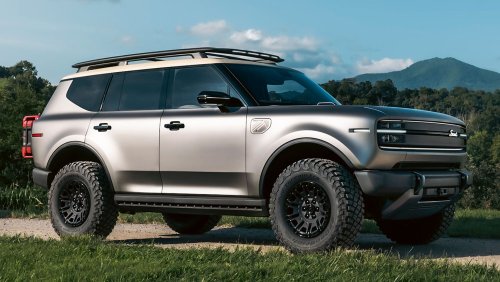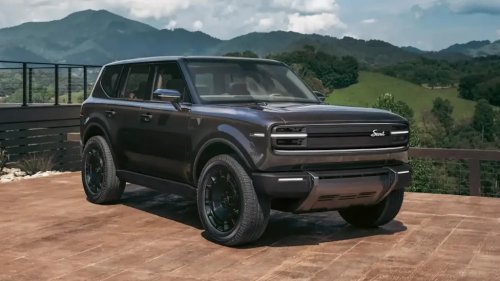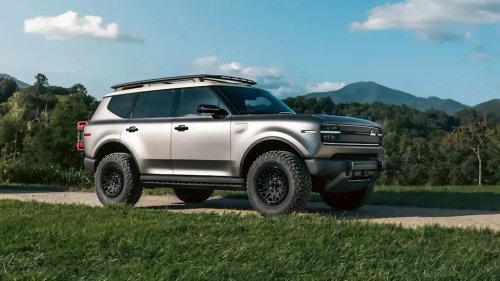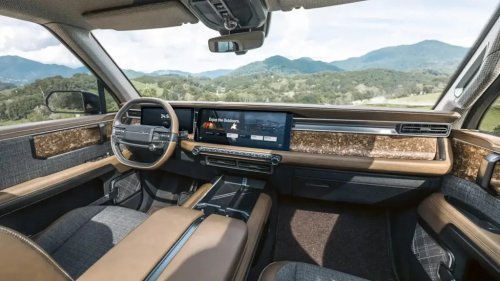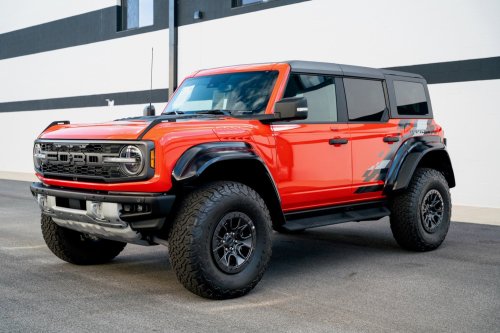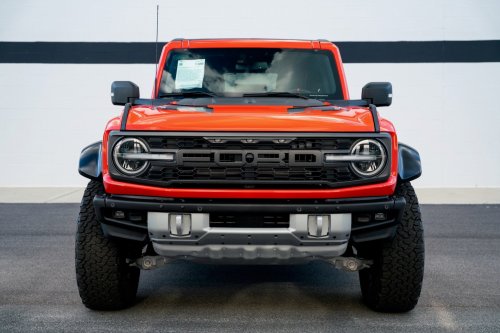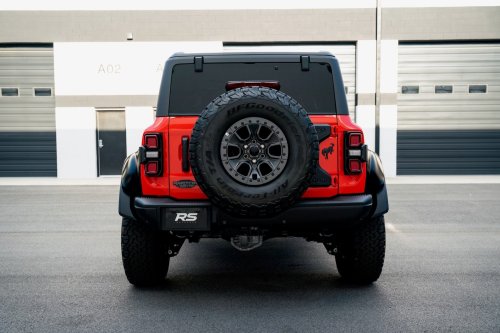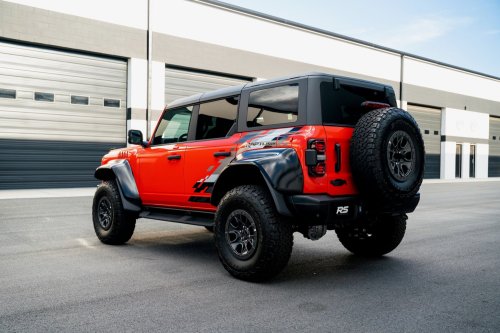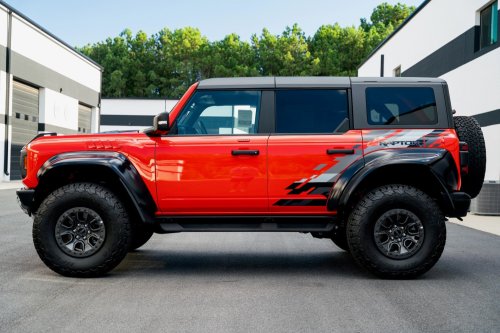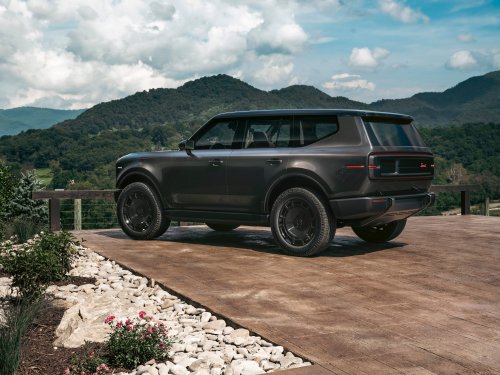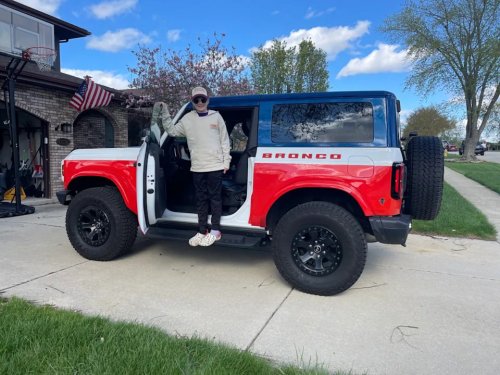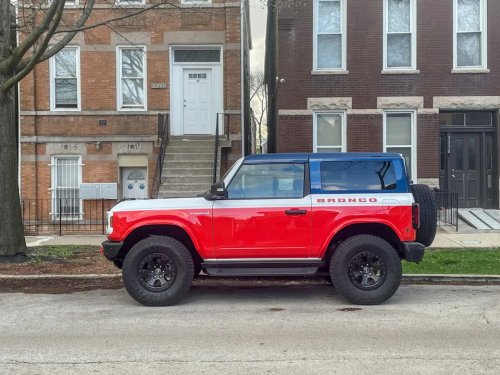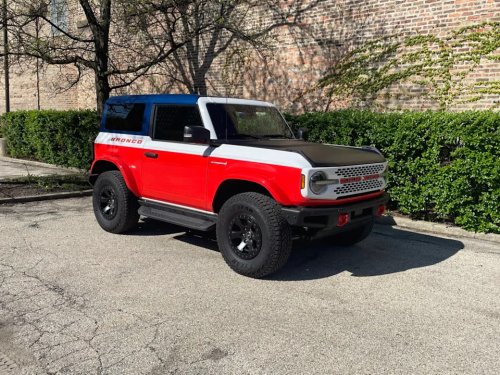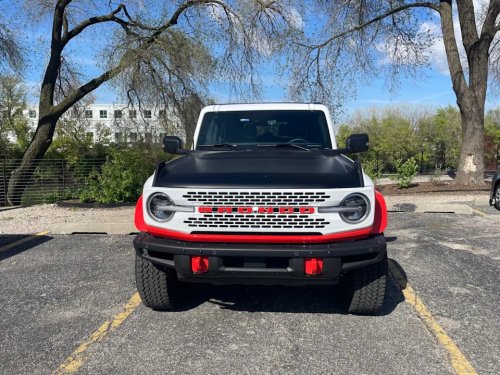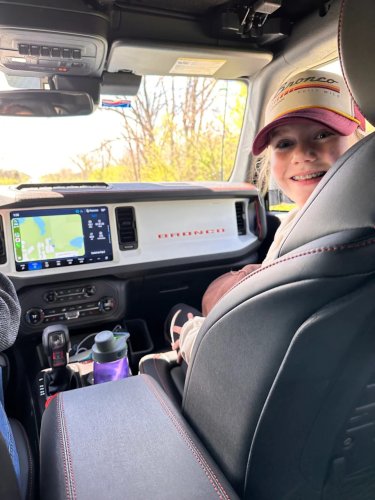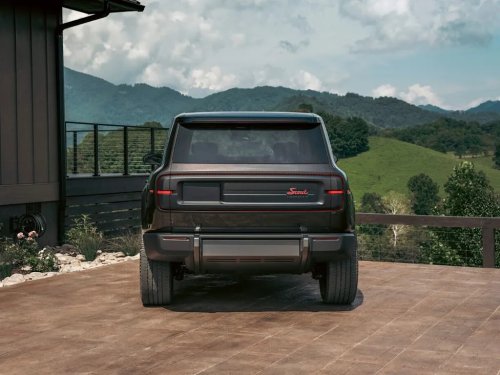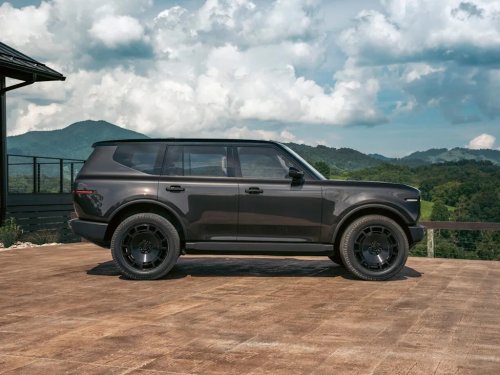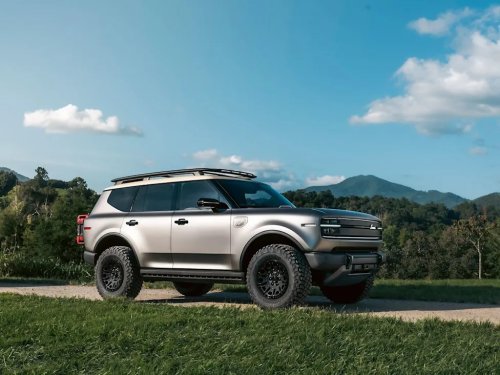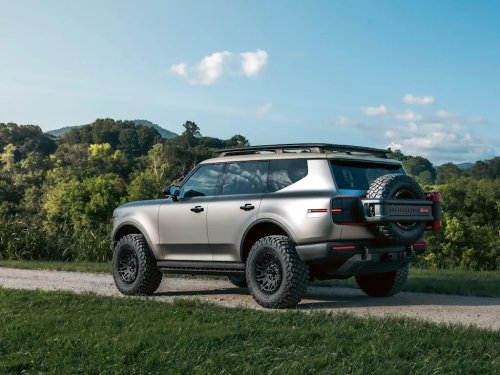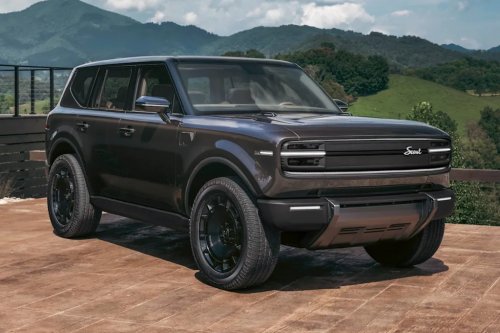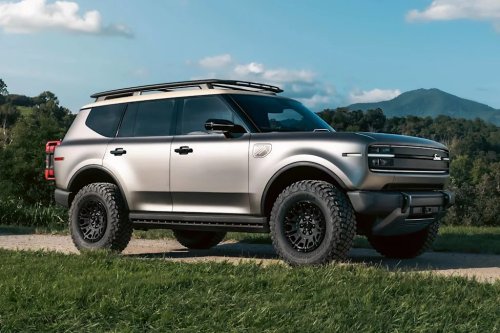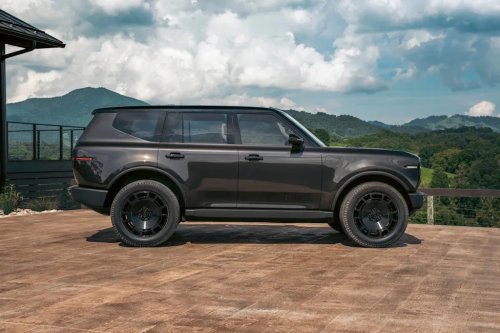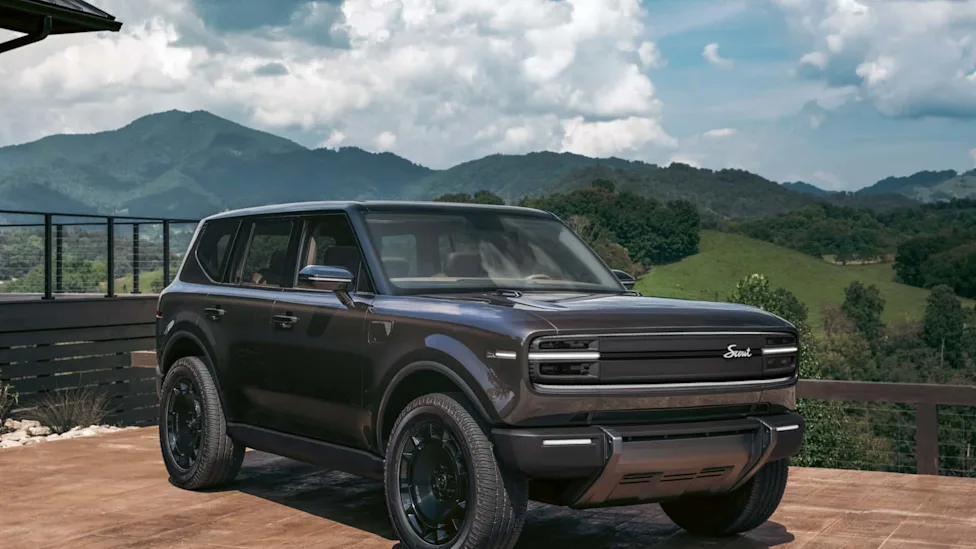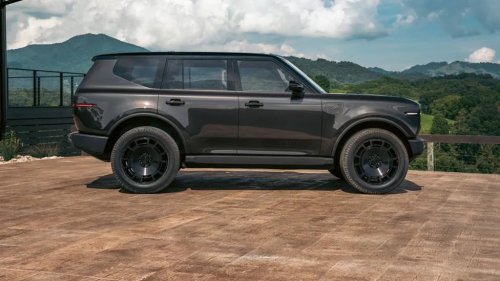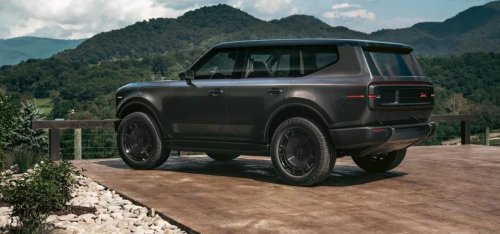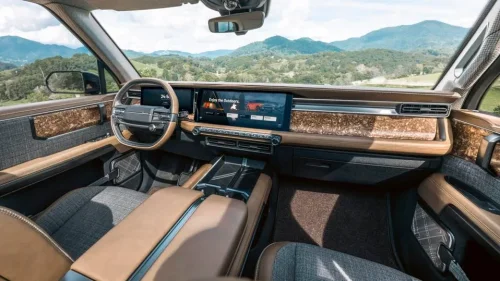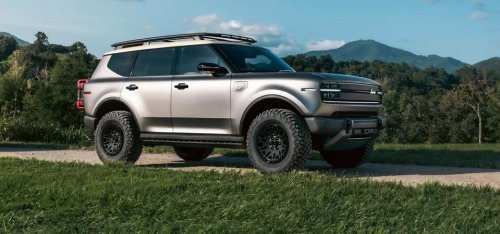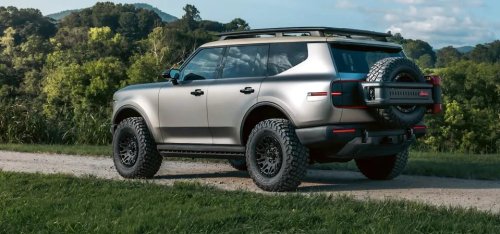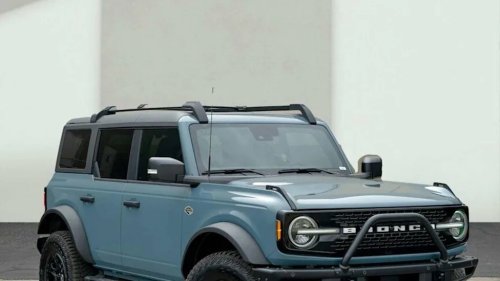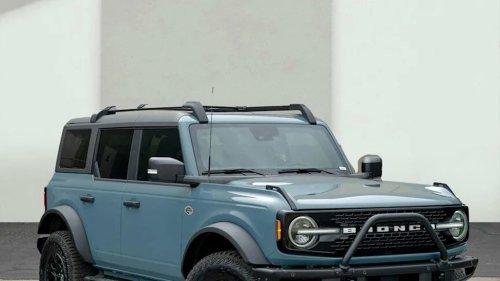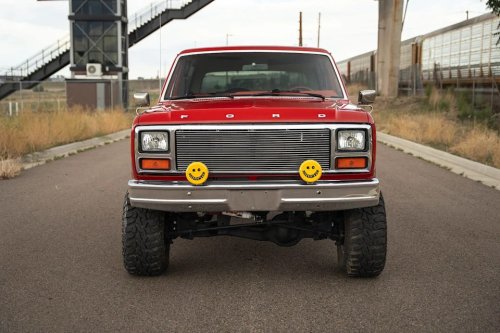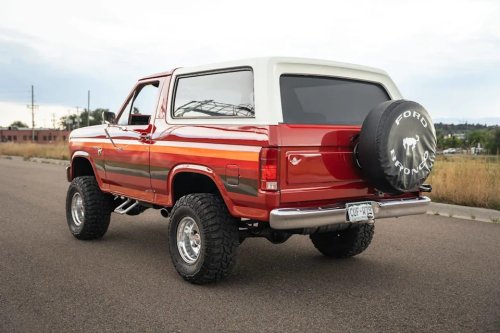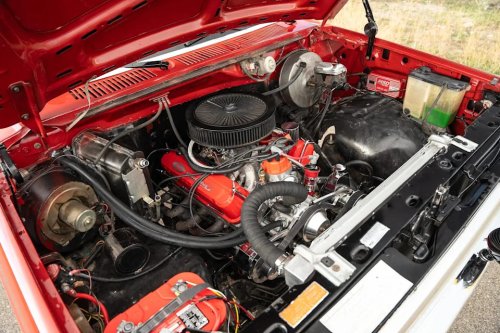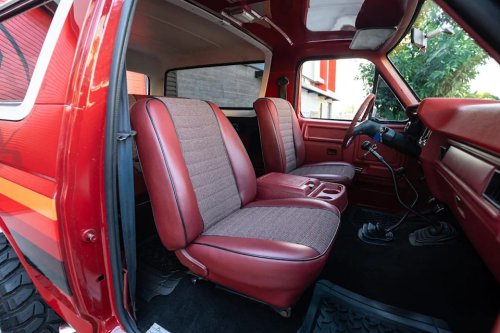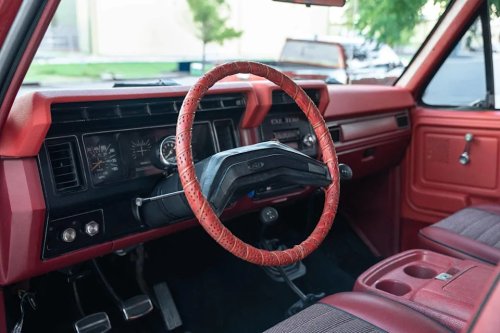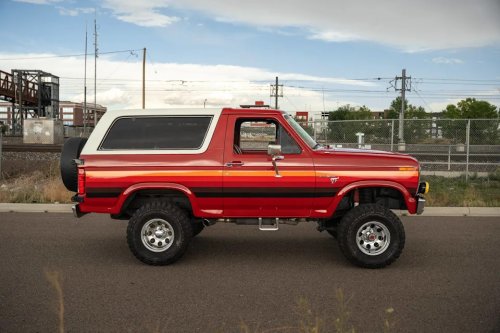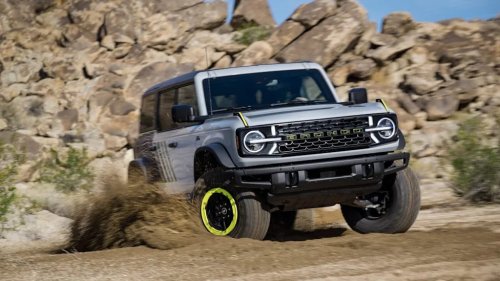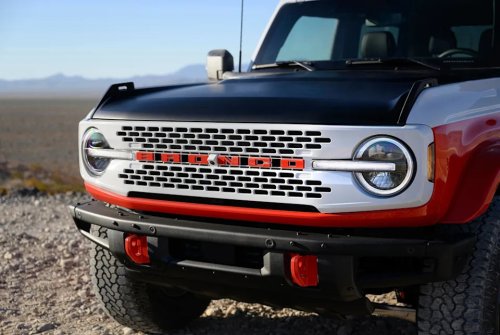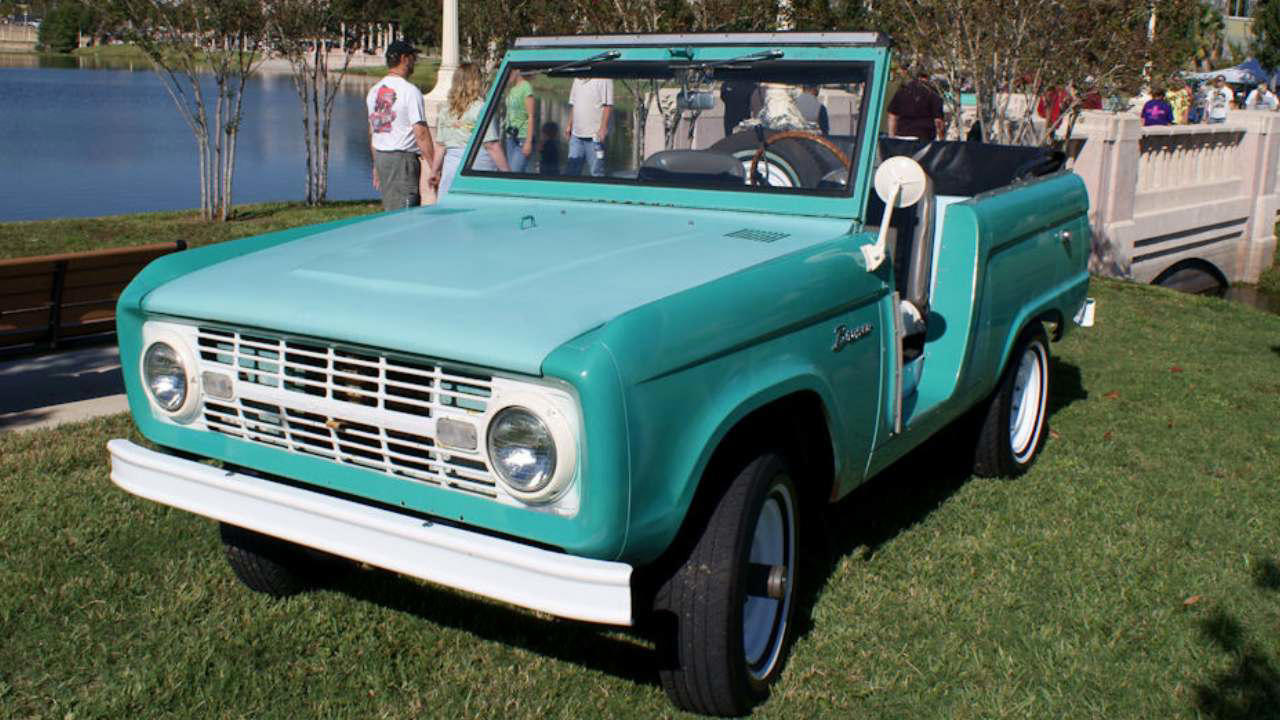



















1966 Ford Bronco and 1966 International Scout were built tough but only one kept its momentumThe 1966 Ford Bronco and the 1966 International Harvester Scout 800 emerged from the same off-road boom, both engineered with a work-first toughness that modern SUVs often only imitate. Yet only one nameplate carried that momentum straight into the present while the other faded, surviving mainly in memory, specialist clubs, and a new badge revival. The story of why the Bronco kept rolling while the Scout stalled says as much about corporate strategy as it does about leaf springs and transfer cases. Two boxy answers to the same off-road question By the mid-1960s, American drivers were beginning to want a vehicle that could tow, haul, and still serve as daily transport. International Harvester had already sensed that shift earlier in the decade, creating the original International Harvester Scout as a compact, nimble and versatile utility 4×4 built to work hard on farms, job sites, and rough trails. That first Scout set the template for a small, upright off-roader with removable tops and simple mechanicals, and the company refined the formula into the Scout 800 that was on sale in 1966. The Scout 800 kept the basic proportions but sharpened the details. Period walkarounds describe how, as 66 rolled along, International Harvester envisioned this Scout 800 as virtually identical in appearance to the casual observer yet improved under the skin, with incremental upgrades to comfort and capability. Inside, the 1966 International Harvester pickups and related models shared a simple, utilitarian cabin, with a dashboard designed for work rather than style, a trait that carried into the Scout line and appealed to buyers who valued durability over ornamentation. Ford arrived slightly later to this compact 4×4 party but brought a very different playbook. The first-generation Ford Bronco was designed explicitly as Ford’s answer to the Jeep CJ and International Scout, with a tight wheelbase, simple body-on-frame construction, and a focus on off-road agility. Early examples were powered by a modest 170 cubic inch inline-six, but the Bronco was packaged and marketed with a broader audience in mind, from ranchers to suburban families who wanted something more comfortable than a bare-bones Jeep CJ yet more adventurous than a station wagon. How International Harvester built the Scout, and boxed itself in International Harvester did not stumble into the Scout by accident. Internal histories describe how the company studied the Jeep market in the late 1950s and early 1960s, then set out to create a more refined yet still hard-working competitor. Designers such as Ted Ornas were tasked with turning that idea into sheet metal, and the result was a compact 4×4 that combined agricultural toughness with just enough creature comforts to lure everyday drivers. The Scout name quickly became associated with honest, go-anywhere capability. That early success led International Harvester to keep investing in the line. Enthusiast histories of the Scout explain that as the 1960s progressed, the company evolved the original model into the Scout 800, then into later variants with more powerful engines and improved interiors. The Scout remained fundamentally a tool first, with removable tops, hose-out floors, and a focus on utility. A quick history of the model describes how the 66 Scout 800 looked nearly unchanged on the outside but reflected a steady march of incremental improvements that kept it competitive through the early 1970s. Meanwhile, International Harvester was expanding its manufacturing footprint. Reports on the rivalry with the Bronco note that International Harvester updated its operations in Springfield, Ohio, with the opening of a new factory that offered more production capacity for Scout and related models. That investment signaled confidence in the Scout as a long-term player in the growing 4×4 segment, even as the company remained deeply tied to agricultural and commercial equipment. Yet the very structure that made International Harvester so good at building tough machines limited its ability to keep the Scout on an upward trajectory. Analyses of the later Scout II era point out that the Scout itself was not the core problem. Instead, International Harvester’s broader business plan faltered, with financial strain and strategic missteps in its truck and equipment divisions ultimately overwhelming the company. The Scout line became collateral damage when the parent firm could no longer justify the investment required to modernize the platform and marketing for a changing consumer market. Ford Bronco: from farm roads to pop culture icon Ford came into the segment with a different set of advantages. The company could spread development and tooling costs across a vast passenger car and truck portfolio, and it understood how to build a brand around a single model. Commentators who compare the two vehicles often stress that the Ford Bronco quickly became one of the most recognizable off-road vehicles in the world. Unlike the utilitarian Scout, which remained closely associated with farms and work fleets, the Bronco was positioned as both a serious trail machine and an aspirational lifestyle product. That positioning mattered. Ford wrapped the Bronco in advertising that highlighted beach runs, ski trips, and family adventures as much as ranch work. Over time, the Bronco benefited from Ford’s ability to refresh styling, add creature comforts, and introduce higher-performance variants while keeping prices within reach of mainstream buyers. The model’s design also lent itself to customization, from lift kits to V8 swaps, which helped it become a staple of off-road culture and the aftermarket. Later retrospectives on the Bronco and Scout rivalry emphasize that Ford leveraged its scale in a way International Harvester never could. Where International Harvester had to balance the Scout against tractors, heavy trucks, and industrial equipment, Ford could treat the Bronco as part of a broader family of trucks and SUVs, sharing parts and engineering resources. That approach kept the Bronco evolving even as emissions rules, safety standards, and consumer expectations changed through the 1970s and beyond. The Bronco’s cultural footprint only grew with time. From desert racing to television appearances, the nameplate accumulated a mythology that extended far beyond its original 1966 roots. When Ford eventually paused Bronco production decades later, the pent-up nostalgia was strong enough that a modern reboot became almost inevitable. The current generation leans heavily on the squared-off styling and trail-focused character of the original, proof that the first Bronco’s formula still resonates with buyers who want a factory-built way to reach the same back roads the 170-powered trucks once explored. Why the Scout lost momentum even as its fans stayed loyal If the Bronco rode a wave of corporate backing and cultural cachet, the Scout’s trajectory was more fragile. Detailed features on the International Harvester Scout describe how the model was built to be compact, nimble and versatile, with a design that prioritized hard work and durability. Owners valued the Scout for its ability to haul, tow, and climb in conditions that would stop many passenger cars cold. That reputation earned the Scout a devoted following that persists in clubs, forums, and restoration shops. Still, the Scout never fully escaped its work-truck image. The interior of period International Harvester pickups and related vehicles, including the Scout, stayed simple and utilitarian, with a dashboard designed for work rather than leisure. That approach appealed to ranchers, contractors, and rural drivers, but it left the Scout somewhat out of step with suburban buyers who were beginning to expect more comfort and polish from their family vehicles. Ford, by contrast, steadily added amenities to the Bronco while still promoting its off-road credentials. Business decisions compounded the challenge. Analysts who look back on the Scout II era argue that International Harvester’s larger financial troubles, not the product itself, sealed the model’s fate. The company struggled to invest in the kind of full redesign that might have kept the Scout competitive against an expanding field of SUVs. As emissions and safety regulations tightened, the cost of keeping an aging platform compliant grew heavier, and International Harvester had fewer resources to spread those costs across multiple consumer models. By the time International Harvester exited the light truck market, the Scout name was left in limbo. The model did not receive the kind of immediate successor or revival that the Bronco eventually enjoyed. Instead, the Scout lived on through the dedication of enthusiasts, parts suppliers, and small restoration businesses that kept existing trucks on the road. The secondary market today reflects that loyalty, with specialized valuation tools tracking 1966 International Harvester Scout 800 prices and online marketplaces listing surviving examples for collectors who appreciate their agricultural toughness and boxy charm. That grassroots support shows up in unexpected places. Video tours of junkyards and barn finds feature hosts such as Stephen Yani, who walks through rows of decaying trucks with help from friends at High Octane Classics in Auburn, Mass., and pauses reverently when a Scout appears among the scrap. In those moments, the Scout feels less like a forgotten model and more like a cult favorite that never quite got its due from the corporate parent that created it. Legacy, revival and what “momentum” really means The contrast between the Bronco and Scout is not just about which badge stayed on showroom floors longer. It is about how each brand has been carried forward into the present. The Bronco benefited from Ford’s decision to resurrect the nameplate as a modern SUV, one that borrows heavily from the original’s squared-off styling and trail-first engineering while layering in contemporary safety and technology. That move turned decades of nostalgia into fresh sales and cemented the Bronco as a continuous thread in the story of American off-road vehicles. The Scout, by contrast, is undergoing a different kind of rebirth. Recent coverage of Scout’s rise and fall explains how the Scout name, first used by International Harvester in the early 1960s, is now being revived by a new corporate owner as a brand for electric off-roaders. Plans for future Scout-branded models, including concepts such as an electric Scout Traveler, aim to translate the original formula of rugged versatility into a battery-powered era. Promotional material for those upcoming vehicles describes two different options for the electric powertrain, both fully electric, a far cry from the carbureted four-cylinders and sixes that powered the 1966 trucks. That revival underscores how strong the Scout’s identity remains, even after decades without a new model. Features that walk through International Harvester Scout history emphasize how the original trucks were built to be compact and durable, values that still resonate with modern buyers who want electric vehicles that can leave the pavement. At the same time, deep dives into the International Harvester Scout II era remind readers that the Scout’s earlier downfall had more to do with corporate missteps than with any lack of enthusiasm from drivers. Enthusiast content continues to feed that enthusiasm. Short video retrospectives on the Bronco vs. Scout rivalry highlight how International Harvester invested in facilities such as the Springfield, Ohio, factory to keep pace with demand, while also noting how Ford’s Bronco capitalized on broader brand momentum. Longer history videos break the story into chapters, from the 1950s concept sketches up through the 66 Scout 800 and beyond, giving new fans a way to understand why these boxy trucks still matter. More from Fast Lane Only Unboxing the WWII Jeep in a Crate 15 rare Chevys collectors are quietly buying 10 underrated V8s still worth hunting down Police notice this before you even roll window down The post 1966 Ford Bronco and 1966 International Scout were built tough but only one kept its momentum appeared first on FAST LANE ONLY.