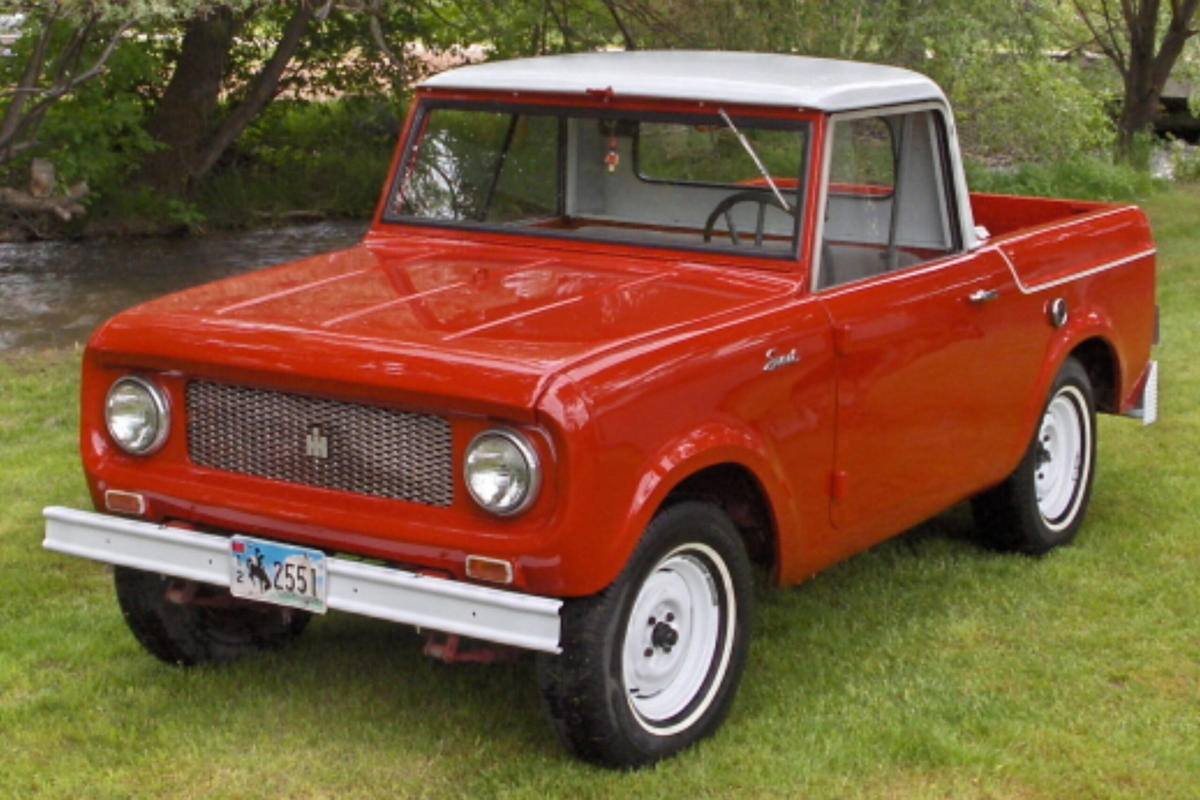
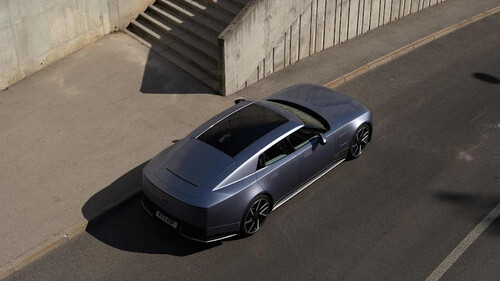
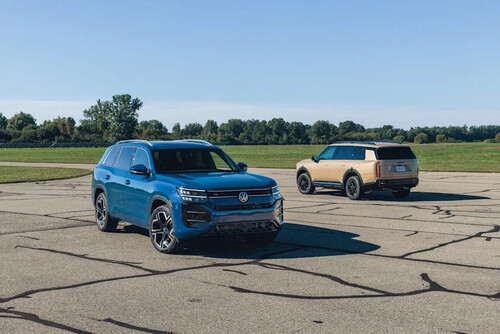
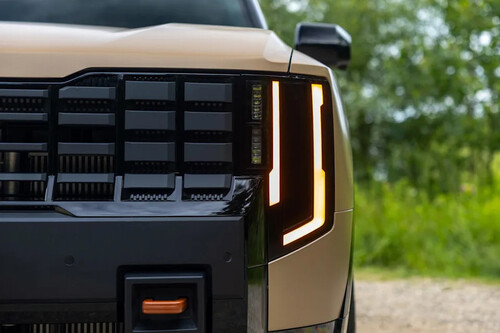
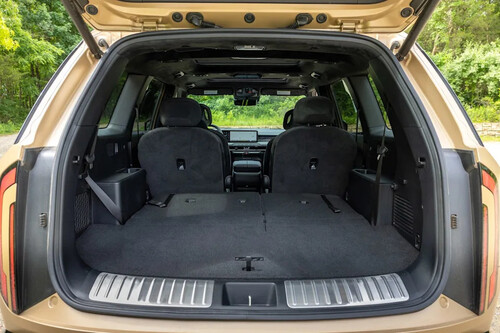
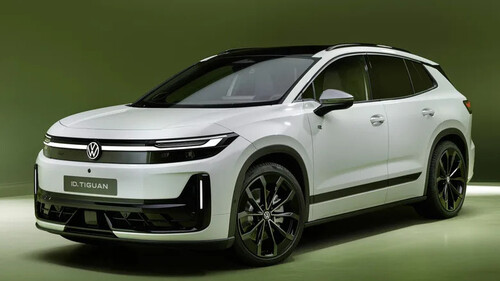
The 1961 International Harvester Scout helped define early utility vehiclesThe 1961 International Harvester Scout was a trailblazer in the automotive industry, setting the stage for the modern SUV. Renowned for its rugged design and versatility, the Scout became a symbol of utility and innovation. As an early pioneer in the utility vehicle market, it left a lasting impact on automotive design and continues to inspire vehicle manufacturers today. The Birth of the International Harvester Scout The development of the International Harvester Scout began in response to a growing demand for a compact, multipurpose vehicle that could handle both on-road and off-road conditions. In the late 1950s, the U.S. agricultural equipment manufacturer International Harvester recognized the potential in a market that was just beginning to evolve. The company aimed to create a vehicle that could serve as a robust alternative to the popular Jeep CJ, appealing to farmers, ranchers, and outdoor enthusiasts alike. After a rigorous design process, the Scout was introduced in 1961. Its initial reception was positive, with consumers and critics appreciating its practicality and rugged appeal. The Scout’s boxy, minimalist design was a departure from the curvier automobiles of the era, giving it a distinctive look that resonated with its target audience. Unlike many of its contemporaries, the Scout was built with a focus on utility and durability, which quickly earned it a loyal following. In its early days, the Scout stood out among other vehicles in the nascent utility vehicle segment. While competitors like the Jeep CJ and Land Rover Series I were already well-established, the Scout offered a more refined driving experience without compromising off-road capabilities. This unique combination allowed it to carve out its own niche in the market, paving the way for future iterations of utility vehicles. Defining Features of the Scout The International Harvester Scout was characterized by several innovative design elements that set it apart from its contemporaries. Its distinctive boxy shape was not only aesthetically appealing but also practical, as it maximized interior space and visibility. The Scout also offered a range of customizable options, including removable hardtops and convertible versions, which provided flexibility for different weather conditions and personal preferences. Under the hood, the Scout was equipped with a range of engine options that catered to varying power needs. The first model, the Scout 80, came with a 152 cubic inch four-cylinder engine that delivered reliable performance for both on-road and off-road driving. This engine was later upgraded in subsequent models to include a V8 option, enhancing the vehicle’s power and versatility. The combination of a sturdy chassis and efficient powertrain contributed to its reputation as a dependable workhorse. The versatility and adaptability of the Scout were among its most praised attributes. Its robust construction and four-wheel-drive capability made it suitable for a variety of terrains, from rugged mountain trails to muddy fields. This made it an ideal choice for consumers seeking a vehicle that could transition seamlessly between work and recreational use. Impact on the Utility Vehicle Market The introduction of the Scout had a profound impact on the utility vehicle market, influencing competitors and shaping the evolution of the SUV segment. Its success prompted other manufacturers to explore the potential of utility vehicles, leading to an increase in competition and innovation within the industry. The Scout’s ability to bridge the gap between passenger cars and off-road vehicles inspired companies like Ford and Chevrolet to develop their own models, such as the Bronco and Blazer. The Scout’s influence extended beyond just its competitors. It played a crucial role in the transition of utility vehicles into the modern SUV segment. As consumer preferences shifted towards vehicles that combined comfort with off-road capabilities, the Scout’s design philosophy of versatility and durability became a blueprint for future SUVs. This transition marked the beginning of a new era in the automotive industry, where the lines between utility and passenger vehicles began to blur. Today, the legacy of the Scout is evident in the design and concept of contemporary vehicles. Its emphasis on utility and adaptability resonates with modern manufacturers who continue to prioritize these features in their designs. The Scout’s pioneering spirit and innovative approach have left an indelible mark on the automotive world, influencing the development of vehicles that are both practical and versatile. The Scout’s Cultural and Historical Significance Beyond its impact on the automotive industry, the Scout holds a significant place in American culture as a symbol of adventure and freedom. Its rugged design and off-road capabilities made it a favorite among outdoor enthusiasts, contributing to its iconic status. The Scout became synonymous with exploration and the great outdoors, embodying a spirit of independence and resilience. Over the years, the Scout has gained a cult following among collectors and vintage vehicle enthusiasts. Its nostalgic appeal is rooted in its association with a bygone era of American automotive history. Enthusiasts appreciate its classic design and functionality, often restoring and preserving these vehicles as prized collectibles. The demand for vintage Scouts has increased, with restored models fetching high prices at auctions and car shows across the country. The Scout’s cultural significance is further highlighted by its representation in media and pop culture. It has made appearances in numerous films and TV shows, often portrayed as the quintessential adventure vehicle. This visibility has helped cement its status as a cultural icon, ensuring that its legacy endures even as the automotive landscape continues to evolve. The Resurrection of the Scout Brand In a move that has excited automotive enthusiasts and industry watchers alike, Volkswagen has announced plans to revive the Scout brand with a modern twist. The German automaker aims to reintroduce the Scout as an electric SUV, combining its storied past with cutting-edge technology. This revival reflects a growing trend in the industry towards electrification and sustainability, as manufacturers seek to balance tradition with innovation. Volkswagen’s strategy involves leveraging the Scout’s legacy while incorporating modern advancements to appeal to a new generation of consumers. The challenge lies in maintaining the essence of the Scout—its ruggedness and versatility—while integrating features that align with contemporary automotive trends. This balance between tradition and innovation is crucial for the success of the revived brand, as it seeks to capture the hearts of both loyalists and newcomers. The future outlook for the Scout brand is promising, with potential success hinging on its ability to resonate with modern consumers. As the automotive industry continues to evolve, the Scout’s return presents an opportunity to redefine the SUV segment once again. Its iconic status and historical significance offer a strong foundation for Volkswagen’s ambitious plans, positioning the Scout as a key player in the next chapter of automotive history. More from Fast Lane Only Unboxing the WWII Jeep in a Crate 15 rare Chevys collectors are quietly buying 10 underrated V8s still worth hunting down Police notice this before you even roll window down