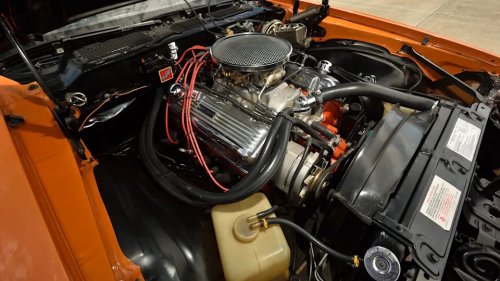
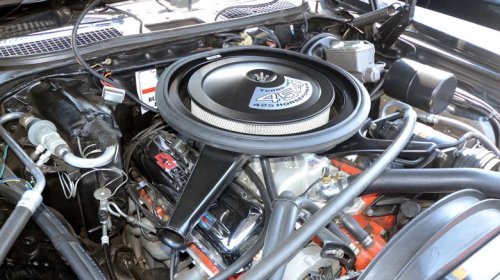
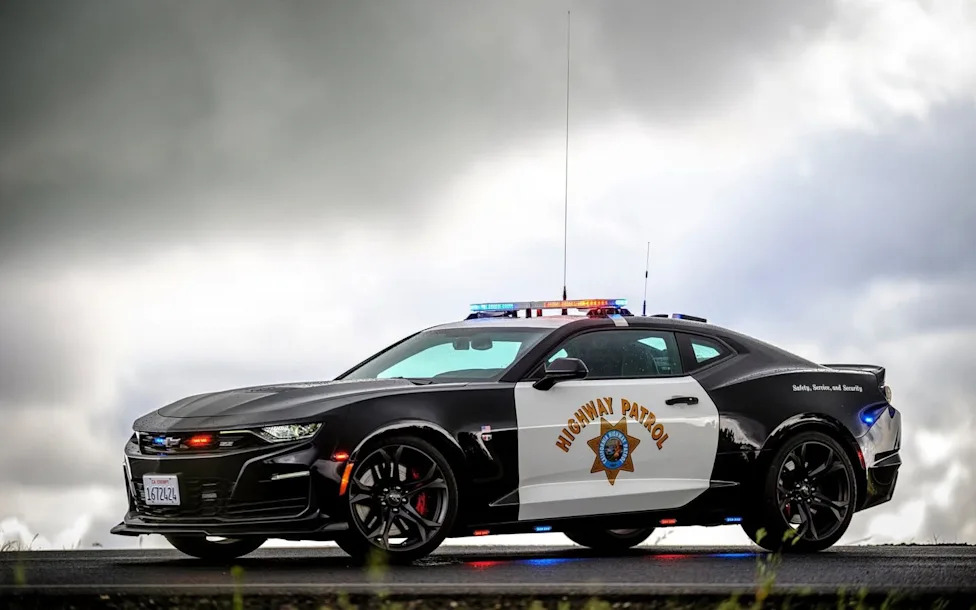
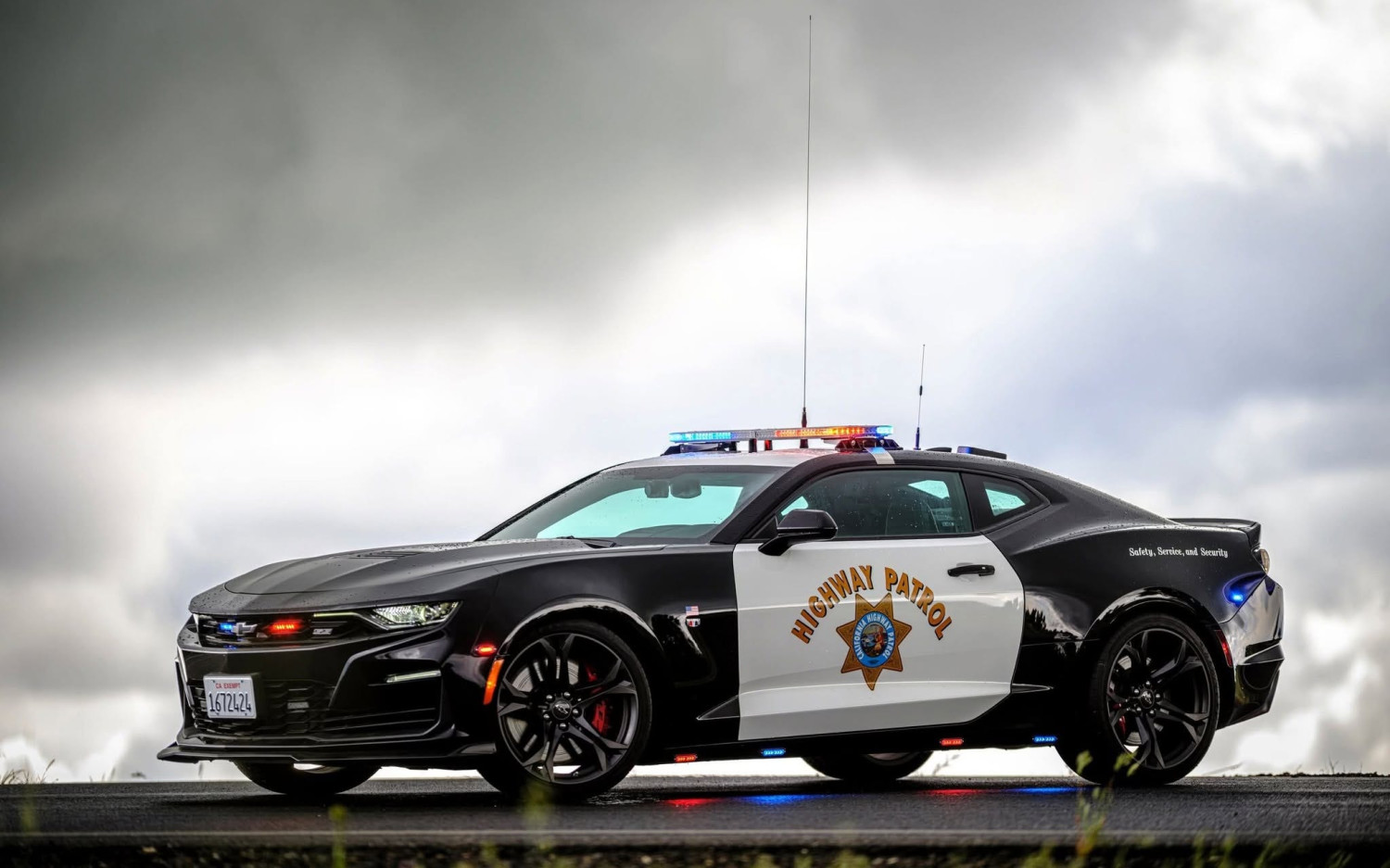
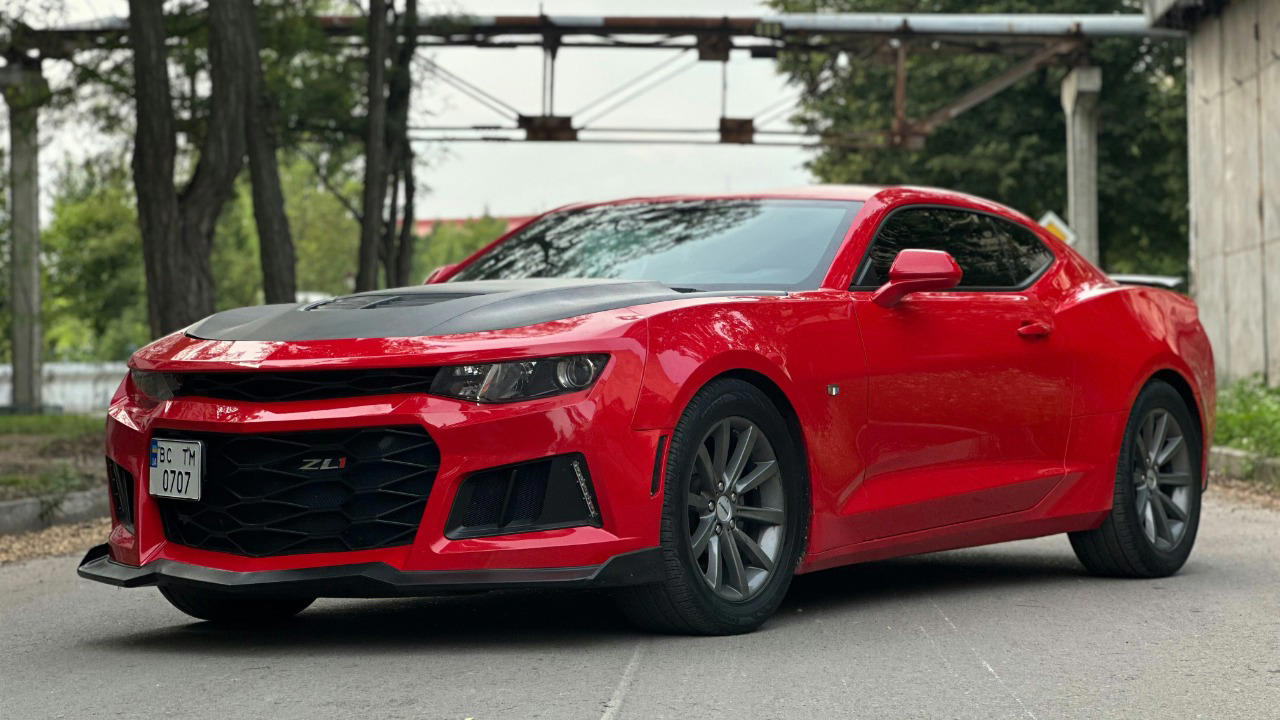
How the ZL1 badge came to define Chevy’s top muscle machinesThe ZL1 badge has become shorthand for the wildest muscle machines Chevrolet is willing to sell with a warranty, yet it began as a quiet internal code rather than a marketing slogan. Over five decades, that three-character label has migrated from a secret racing engine program to the defining emblem of the most extreme Camaro variants. Tracing how ZL1 evolved from engineering shorthand to halo badge helps explain why it now signals the top of Chevrolet’s performance hierarchy. What started as a skunkworks aluminum big block for Can-Am competition gradually reshaped how Chevrolet approaches street performance. The story runs from the Central Office Production Order era to modern supercharged coupes that can lap road courses as confidently as they light up drag strips. Along the way, ZL1 earned a reputation that now places it alongside storied codes like Z06 and Z28 in the brand’s performance vocabulary. From internal code to racing weapon The origin of the ZL1 name lies not in a showroom brochure but in the parts catalog used by Chevrolet engineers and racers. The code identified a special all-aluminum V8 developed by Chevrolet for Can-Am competition, a lightweight derivative of the racing-oriented Mark IV big block that prioritized power and reduced mass over cost or comfort. Later reporting describes how this engine program, created by Chevrolet for Can-Am, produced an aluminum 427 cubic inch block that was never intended as a volume street offering, yet it laid the groundwork for every ZL1 badge that followed. That racing engine carried a displacement of 427 cubic inches, or 7.0 liters, and combined aluminum construction with big block torque, an unusual pairing at the time. Later accounts of the program emphasize how this powerplant became one of the most legendary engines Chevrolet ever created, precisely because it blurred the line between race hardware and street legality. When enthusiasts today reference the ZL1 name, they are indirectly invoking that original decision to push an exotic competition design into the fringes of production. COPO, Central Office Production Order, and the 1969 Camaro ZL1 The leap from race shop to dealership floor came through Chevrolet’s COPO, the Central Office Production Order system that allowed savvy dealers to request combinations not listed on standard order sheets. Within that framework, a small group of performance-focused dealers used COPO to specify the aluminum 427 in a limited run of Camaro models. Later historical summaries describe how this use of the Central Office Production Order process produced the legendary Camaro ZL1 and turned an internal engine designation into a de facto model identity. Accounts of the 1969 program highlight how the COPO Camaro ZL1 effectively became a factory-built drag racer, sold in tiny numbers and marketed quietly to those who knew what the code meant. Auction records for specific cars, including detailed listings for a 1969 Chevrolet Camaro and a separate 1969 Chevrolet Berger, show how these machines paired the aluminum big block with heavy-duty driveline parts and minimal luxury equipment. Contemporary coverage often refers to the 1969 Camaro RS ZL1 as The Holy Grail of Muscle Cars The American market ever saw, a reflection of how the COPO experiment cemented ZL1 as a symbol of maximum-effort engineering inside a familiar F-body shell. From forgotten code to modern halo badge For decades after the original COPO run, the ZL1 label remained more lore than living product, known mainly to historians and drag racers. As Chevrolet revived interest in heritage performance, that dormant code offered a ready-made link between modern engineering and the brand’s most extreme past projects. Later features on Chevy ZL1 Camaro History explain how Chevrolet eventually repositioned ZL1 as a full trim level rather than a hidden RPO, turning what had once been an internal designation into a showroom headline. Modern retrospectives describe how few automotive legends live up to their reputation, yet ZL1 now sits in the same internal pantheon as Z06, Z28, and related performance codes. One detailed history of Chevy ZL1 Camaro traces that evolution, noting how the badge shifted from a pure drag racing focus to a more rounded track package. Another analysis of the real meaning behind the ZL1 badge recounts how it first appeared on the Camaro in 1969 as an RPO code for an aluminum engine, rather than as a marketing name, underscoring how far the label has traveled from its bureaucratic origins to its current halo status. The sixth generation Camaro and ZL1 as Chevy’s performance summit The modern sixth generation Camaro ZL1 completed the transformation of ZL1 into Chevrolet’s top muscle car identity. Built on a lighter platform and engineered as a complete performance package, the latest iteration combined a supercharged V8 with advanced aerodynamics, magnetic ride control, and track-tuned electronics. Reporting on the sixth gen Camaro ZL1 notes that it arrived with a choice of a six-speed manual transmission or an advanced automatic, a pairing that reflected Chevrolet’s intent to satisfy both traditionalists and those chasing lap times. Later coverage of sixth gen Camaro places it firmly at the top of Chevy’s muscle car world, describing it as a blend of raw power and modern refinement. Enthusiast-oriented histories of the Camaro ZL1’s roaring recent years emphasize how this generation carried forward the spirit of the original aluminum big block program while updating every component around it. Together with broader retrospectives on real meaning behind, the broader Chevy ZL1 Camaro, and the COPO-focused 1969 COPO Camaro program, they show how a once obscure internal code grew into the defining badge for Chevrolet’s most extreme muscle machines. More from Fast Lane Only Unboxing the WWII Jeep in a Crate 15 rare Chevys collectors are quietly buying 10 underrated V8s still worth hunting down Police notice this before you even roll window down



















 +70 others