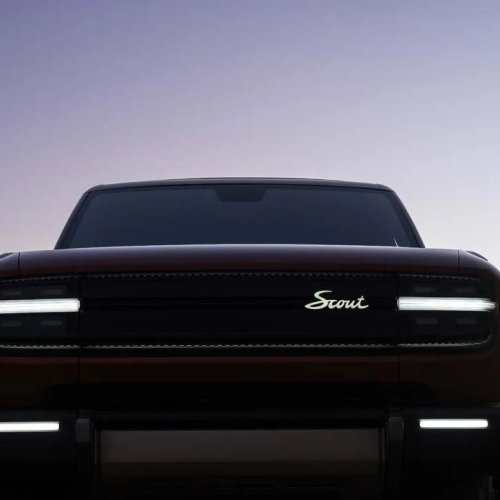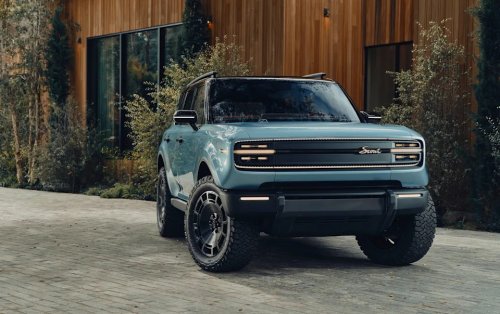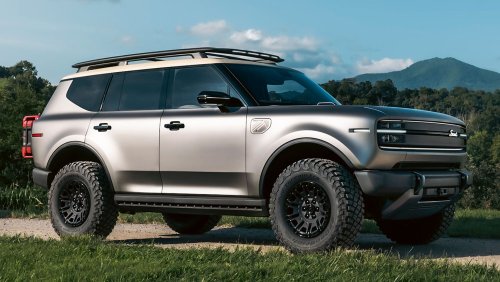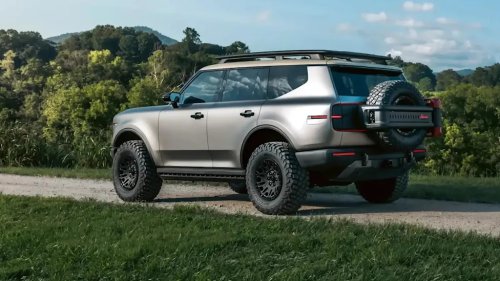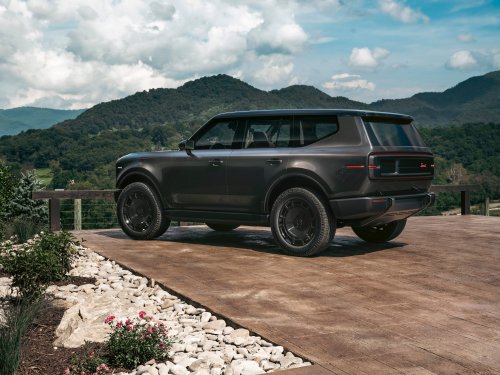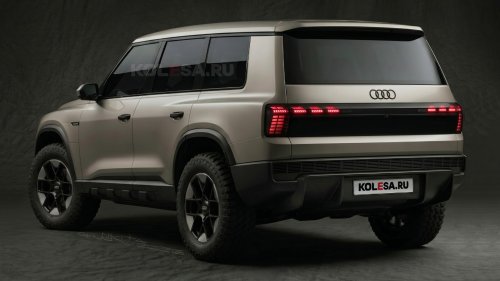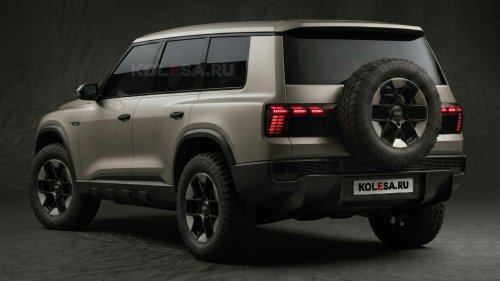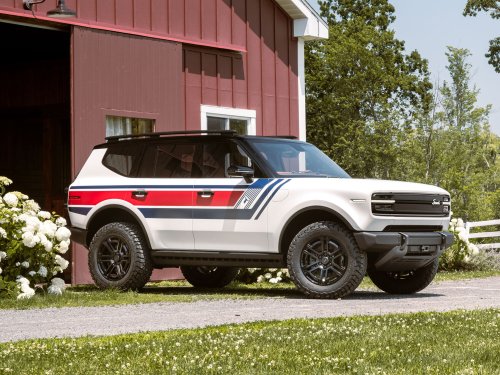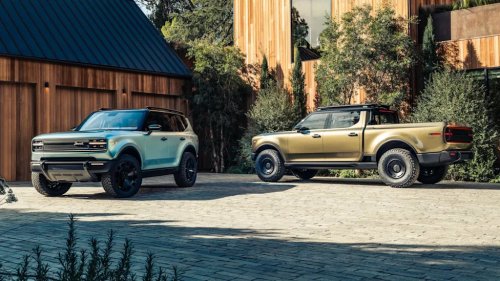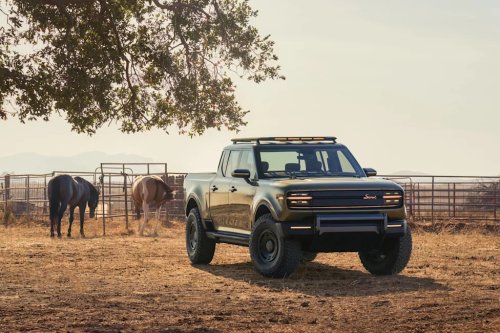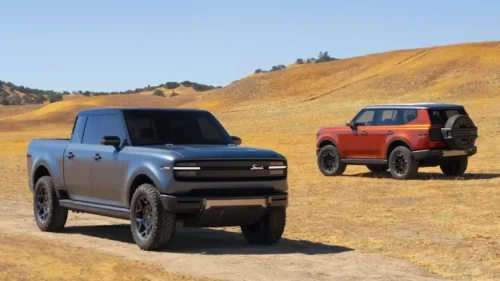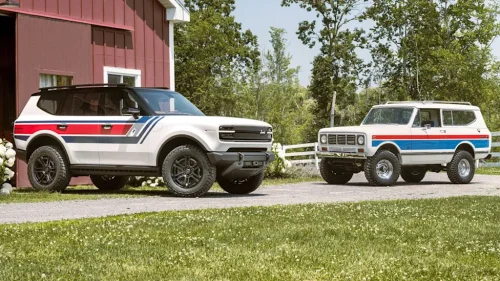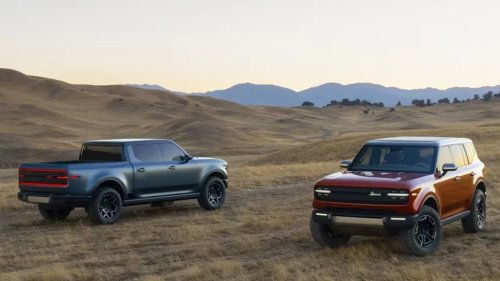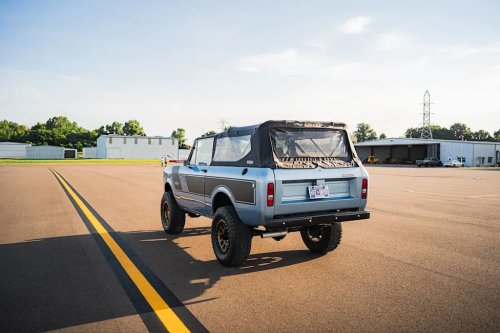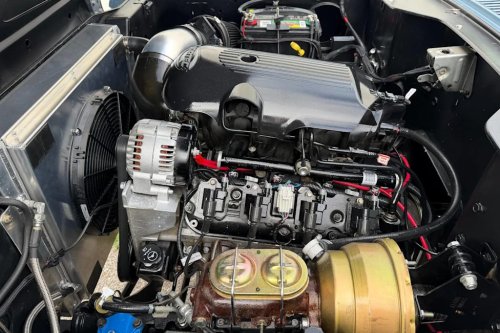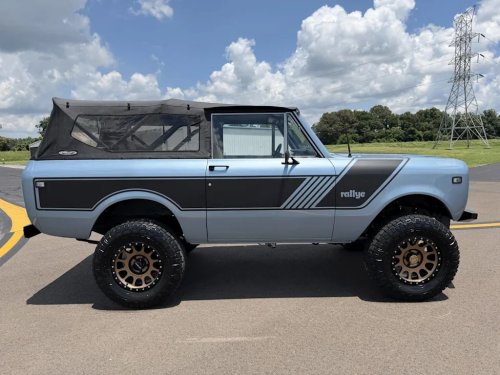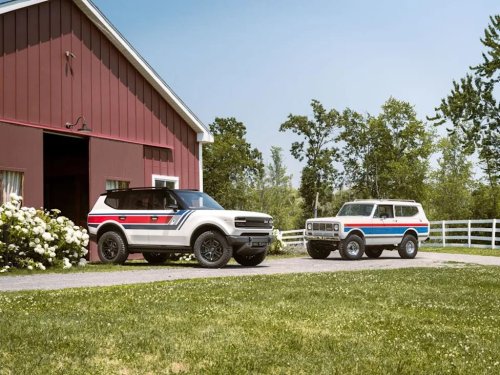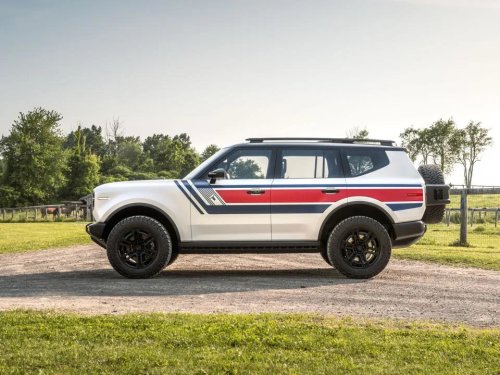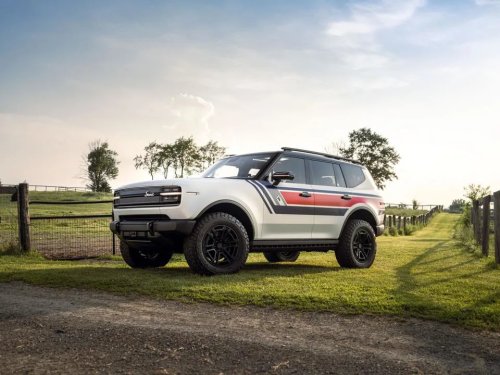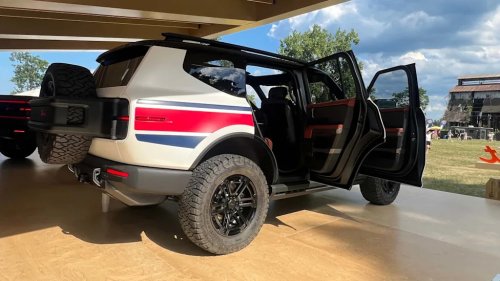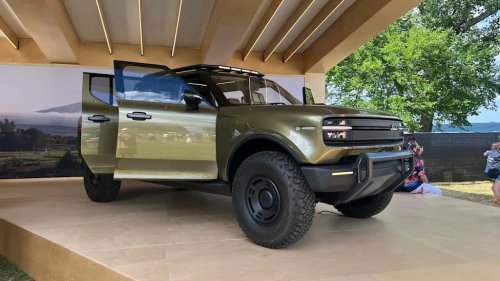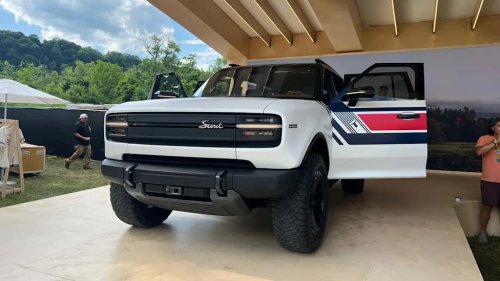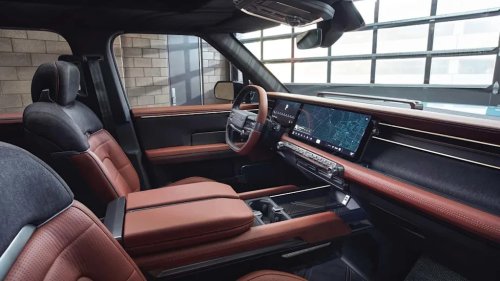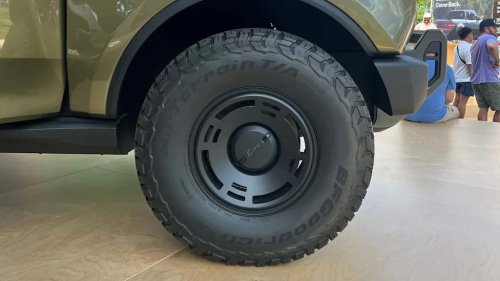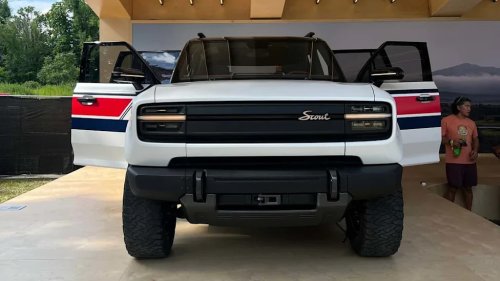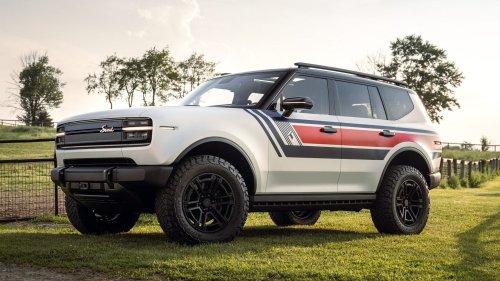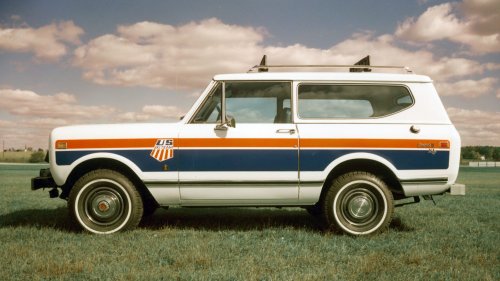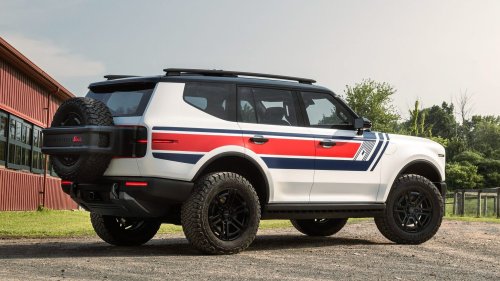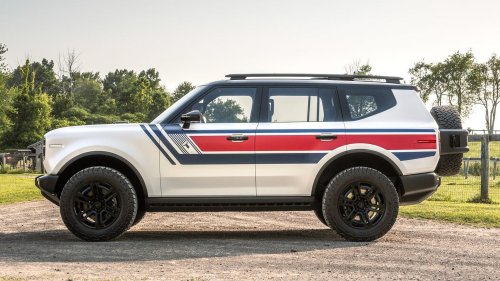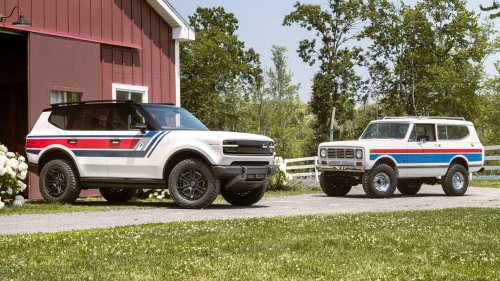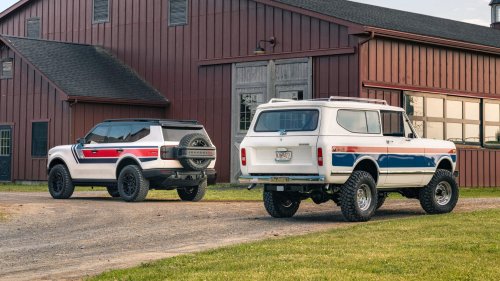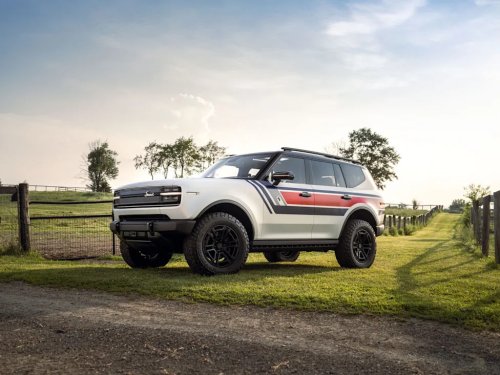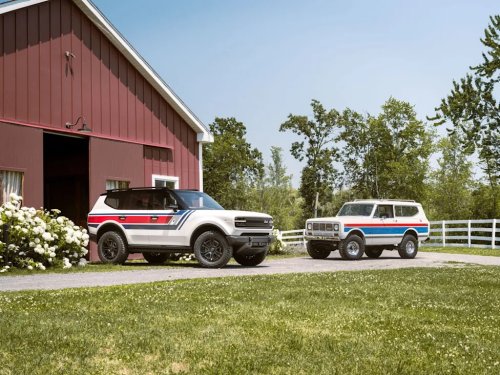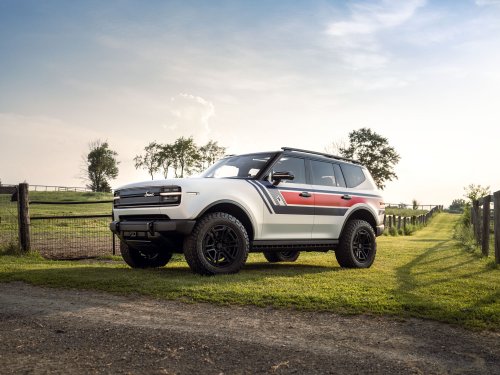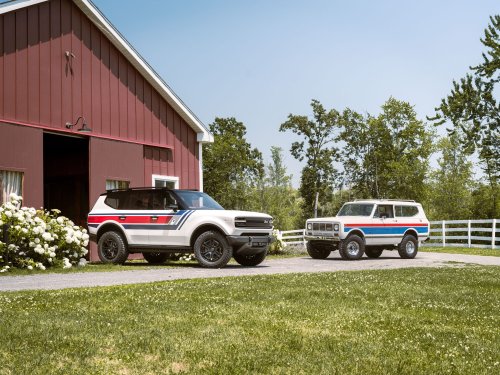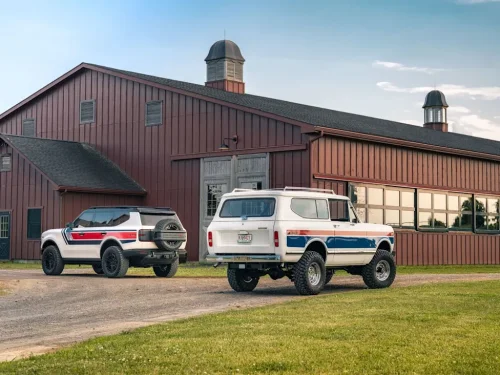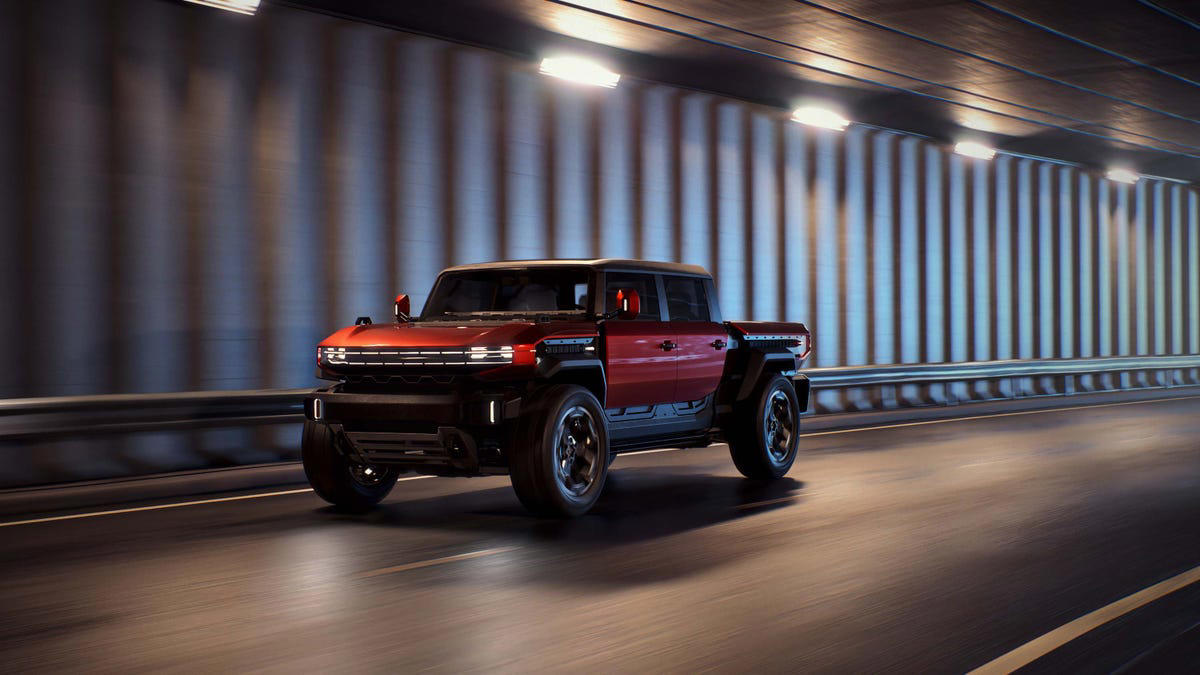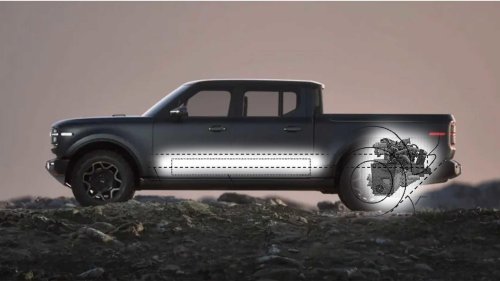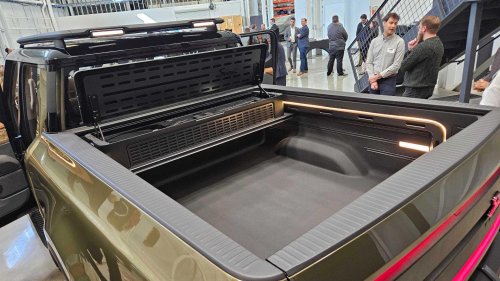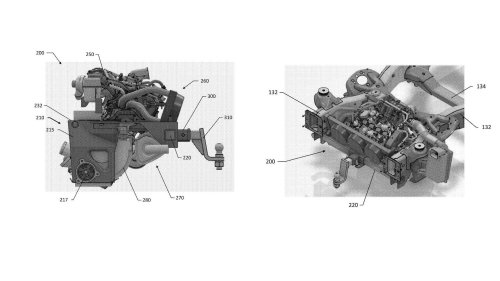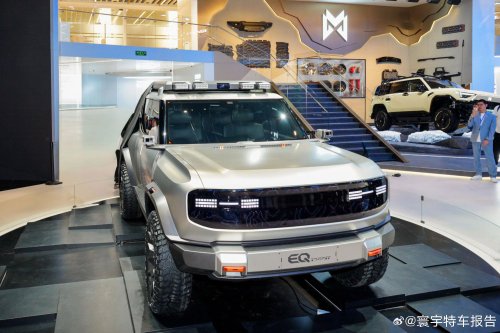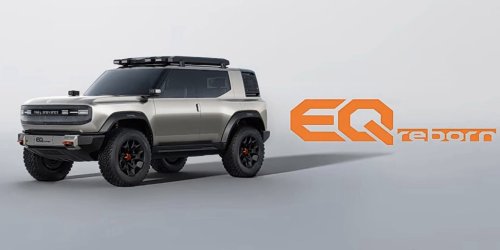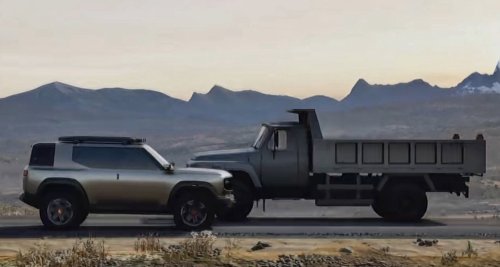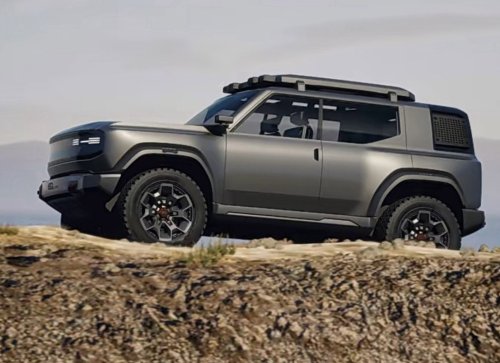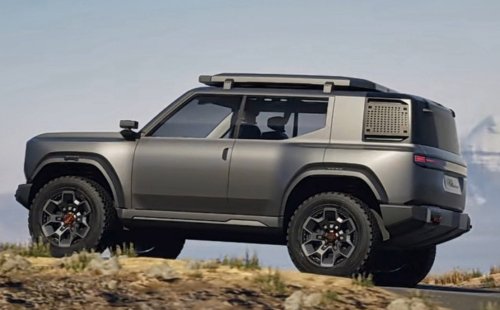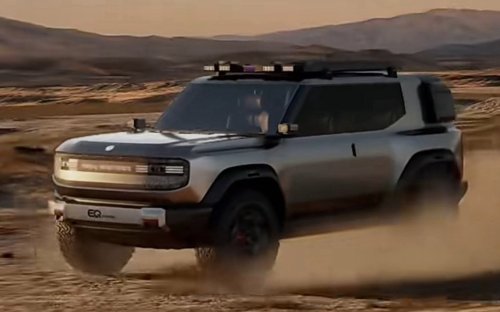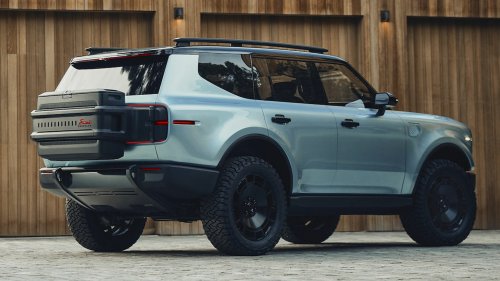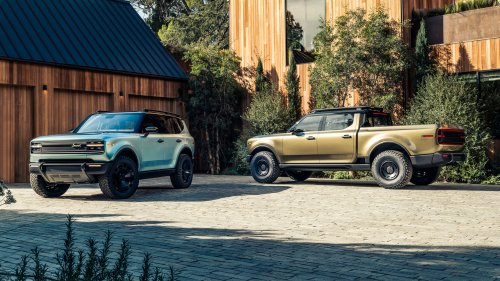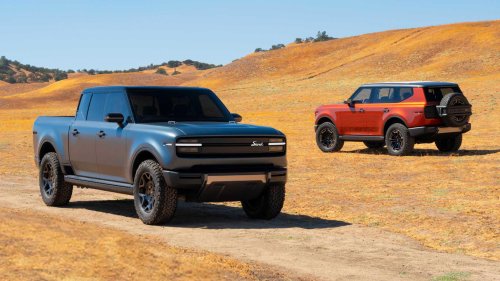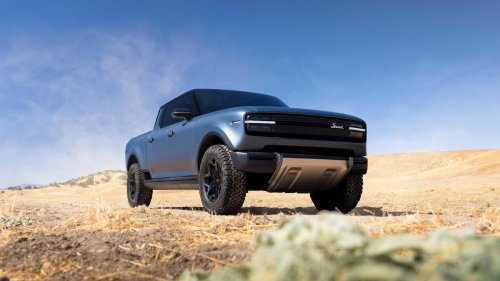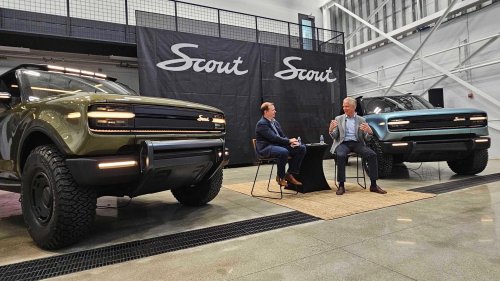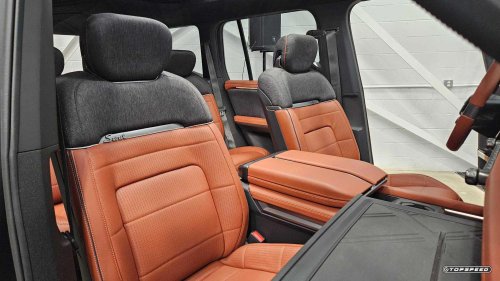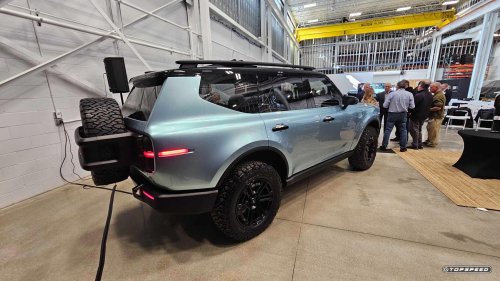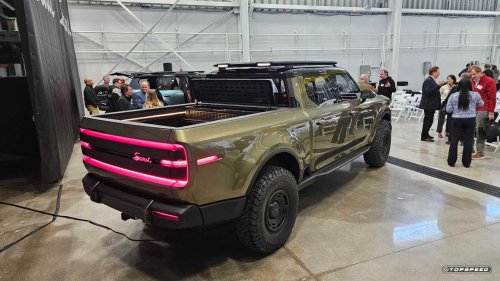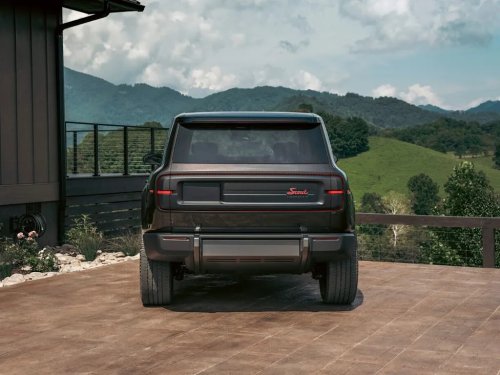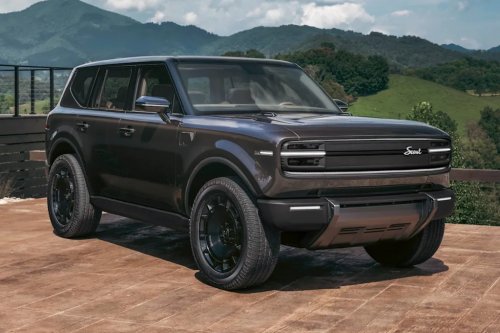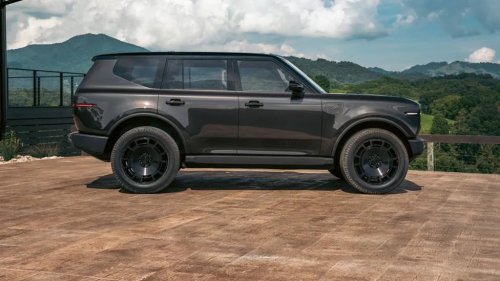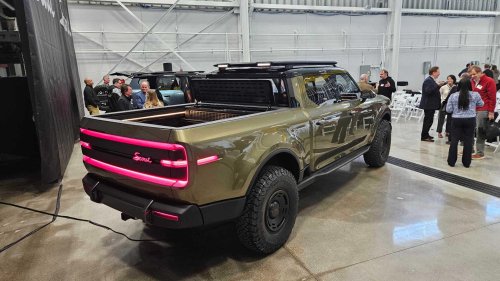
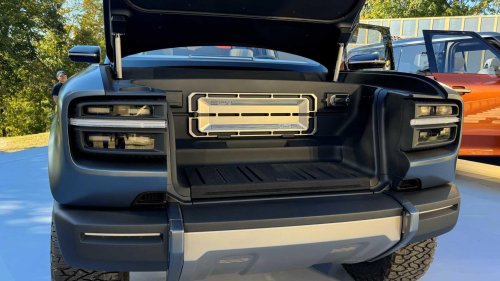
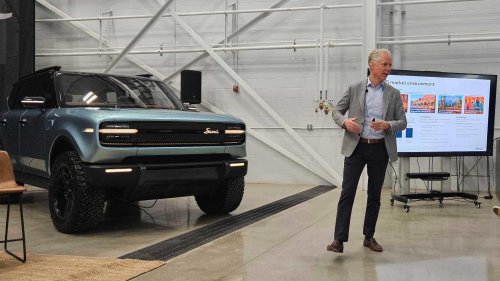
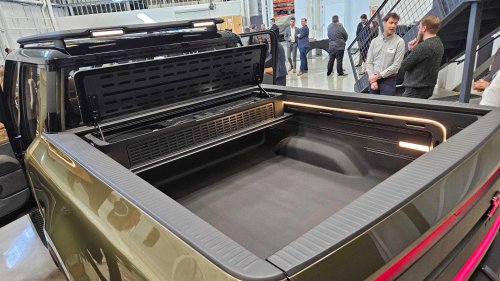
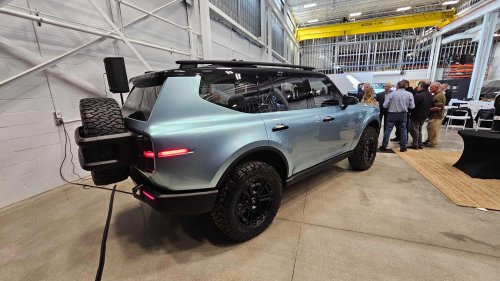
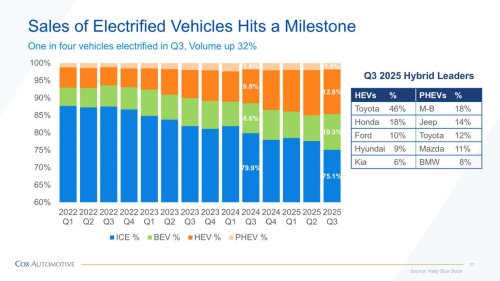



















No one should be surprised that Scout Motors is packaging both the Terra pickup and Traveler SUV as extended-range electric vehicles, and that 87% of the 160,000 potential customers who put down $100 deposits want the extended-range version with an onboard gasoline-powered generator. When salable units are available by 2028, the startup automaker says you can buy a battery-electric Scout with up to 350 miles of range, or get the EREV with combustion backup and a 500-mile range.Tom Murphy | CarBuzz | ValnetBuyers who opt for the EREV won't have an engine under the hood, however. It's nestled neatly in the back, but not in a way to kill the truck's cargo capacity. Recently, CarBuzz gained some insight into that decision. 'Very Smart Packaging' Jared Rosenholtz/CarBuzz/ValnetScout CEO Scott Keogh, speaking yesterday at an Automotive Press Association event hosted at the Scout Motors Innovation Center in Michigan, said he was expecting a 70% take rate for the EREV, but that the assembly line as it's being installed now at a new plant in Blythewood, South Carolina, is flexible enough to adapt to any mix. "The platform can handle both from the engineering side – piece of cake," Keogh says. "We'll meet the market."But how did the product development team decide the back end was the best place for the Volkswagen four-cylinder engine, acting as a generator? "I think it was very smart packaging" that contributes to drivability, Keogh said. Plus, the Traveler and Terra are generously proportioned, so the frunk is actually quite functional and spacious, using the space where the generator was placed, for instance, in the Chevrolet Volt. The extended-range BMW i3 hatchback, on the other hand, placed the generator in back. Who Needs A Long Exhaust System? Tom Murphy | CarBuzz | Valnet Keogh says ease of manufacturing was an important consideration when deciding on the packaging and the modular powertrain approach. "It's super easy to switch, let's say, from the EREV to the BEV. You go back and forth," he said, noting the cost and weight savings associated with avoiding a heavy exhaust system running the full length of the vehicle, if the engine was up front.Scout isn't sharing vehicle specs or technical images, but a powerpoint slide yesterday showed the high-voltage battery pack as a structural member in the floor, with a front electric drive unit placed between the strut towers, behind the frunk. At the back of the vehicle, placed perhaps under the second-row seats and in front of the rear axle, is the fuel tank for the gasoline engine.Tom Murphy | CarBuzz | Valnet Rear Engined Scout Behind the tank is the rear electric drive unit, integrated into the solid rear axle. The engine itself sits behind and above the rear axle, according to the schematic. "When you put it there, it offers a lot of benefits," Keogh said, referring to improved vehicle dynamics as well. A '50-State Car' Tom Murphy | CarBuzz | Valnet "The range extender gives us a chance to have what we would call a 50-state car, and I think this is super important in these times," he said, noting that BEVs sell better in populated coastal regions of the US. But in the Midwest and the Heartland, people drive longer distances, which poses a hurdle for BEV adoption, especially in areas without adequate charging infrastructure. The range extender could be the ideal solution for people who want a BEV in less populated areas but need the comfort of knowing a gas pump isn't far away.Cox Automotive tracks long-term powertrain trends and considers extended-range EVs in the same vein as plug-in hybrids. This slide from a Cox research report shows PHEVs and EREVs together made up 1.8 percent of powertrains sold in U.S. light vehicles through the third quarter of 2025.cox-automotive-powertrain-trendsOne clear takeaway: internal-combustion engines, whether flying solo or configured in hybrids, plug-in hybrids or extended-range EVs, have a long runway ahead.