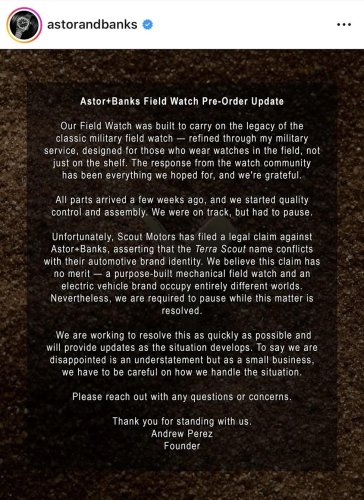
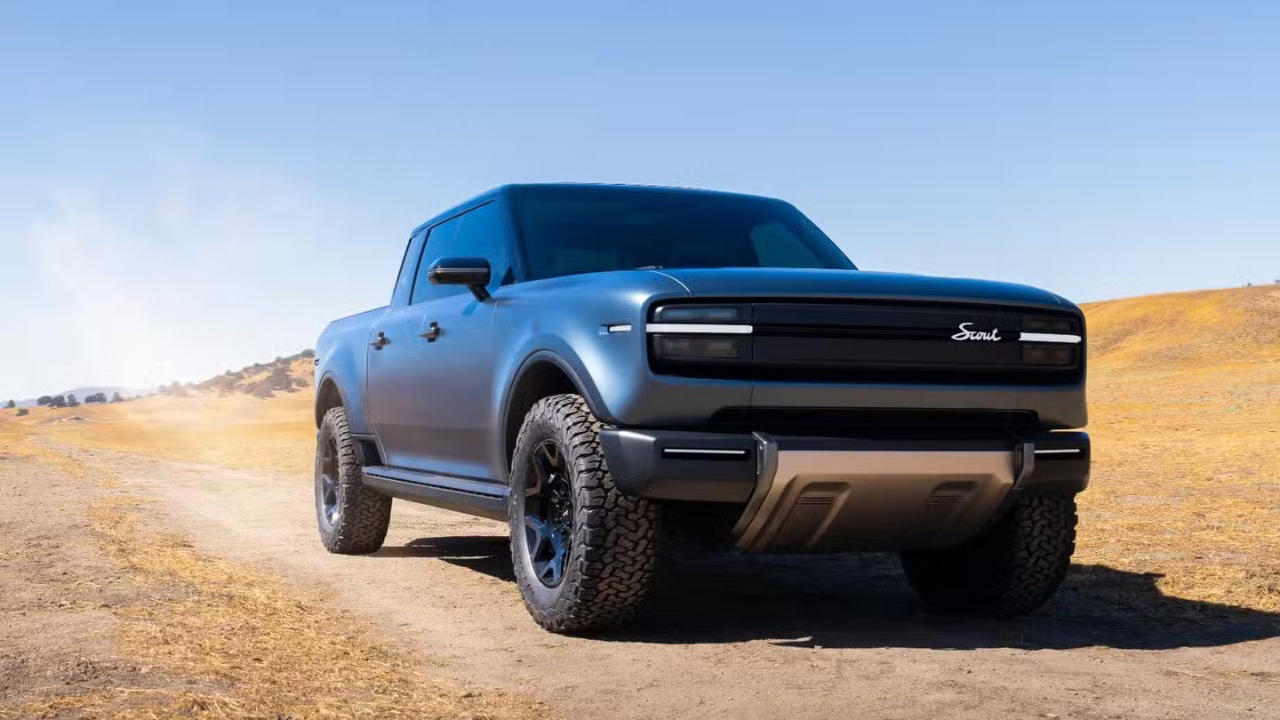
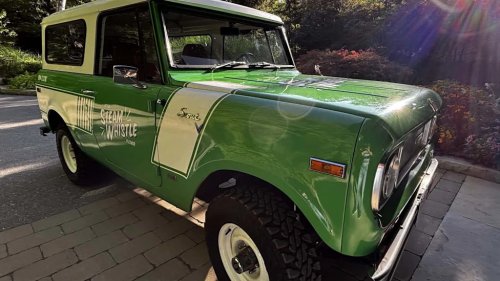
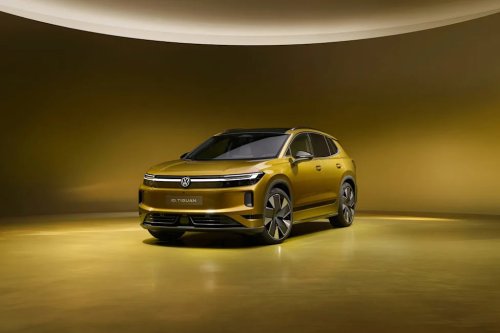
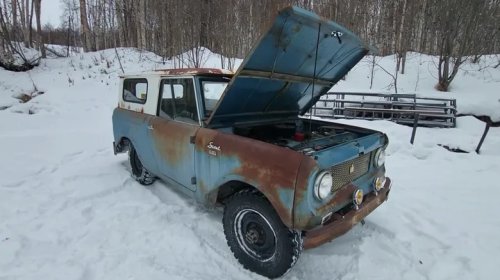
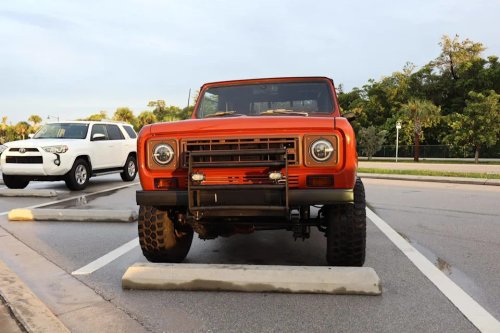
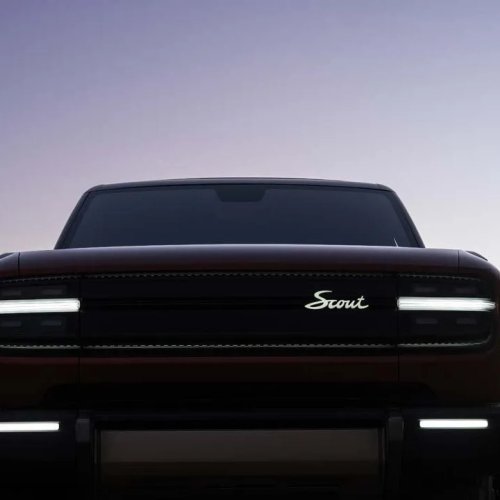
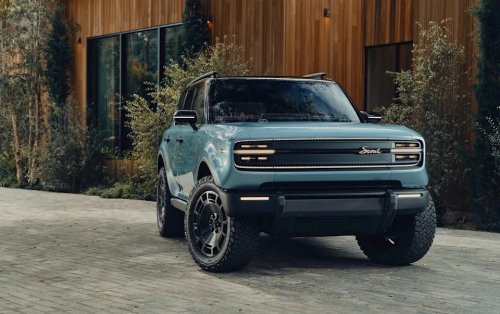
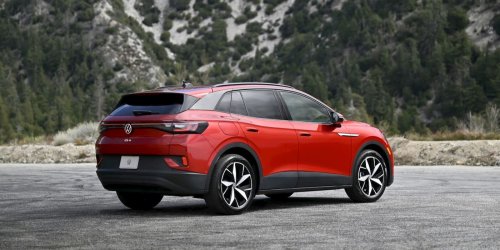
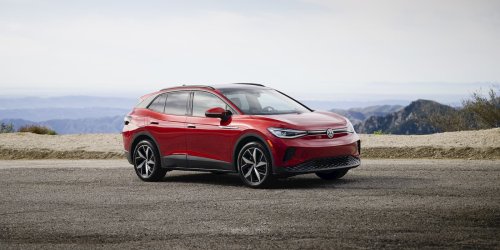
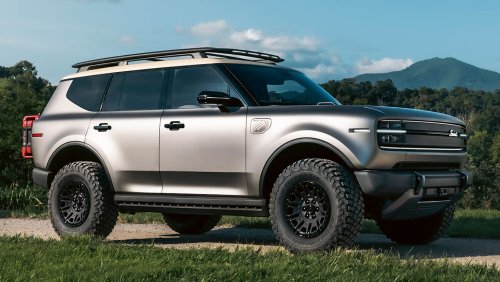
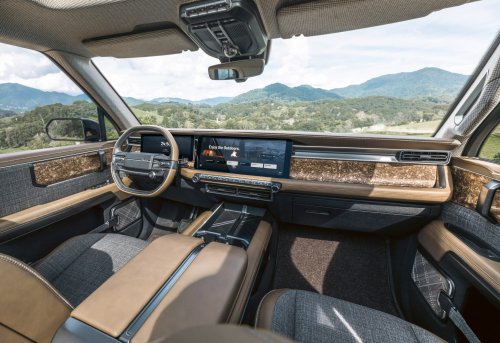
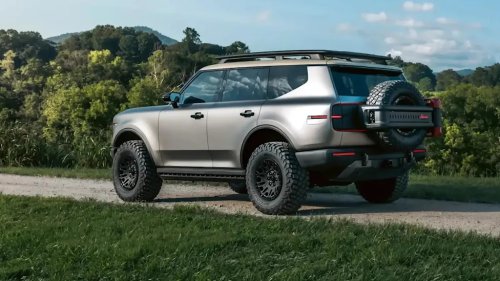
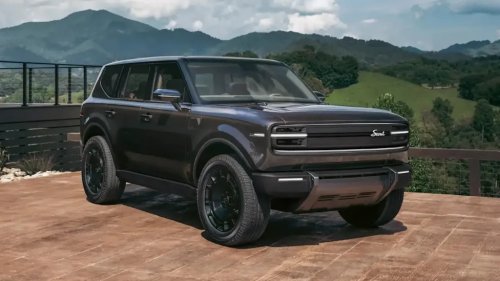
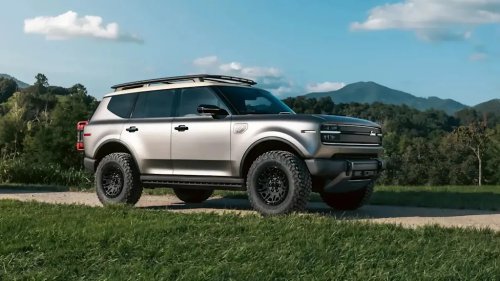
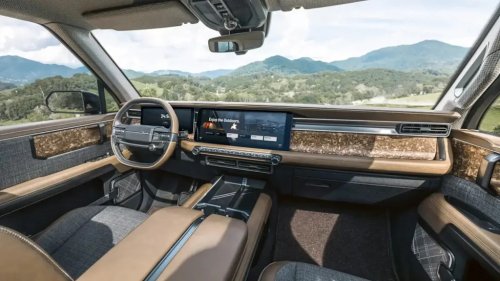
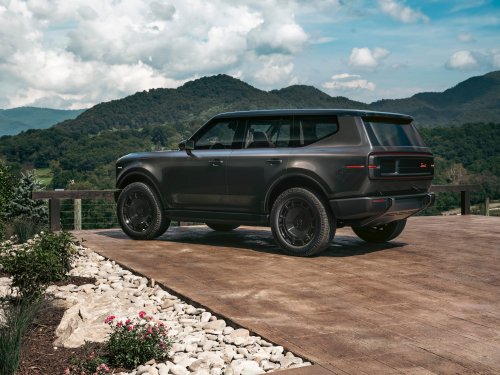
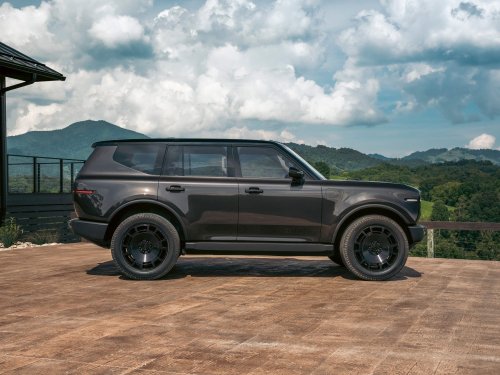
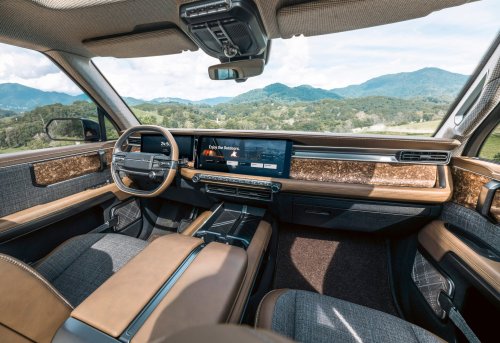
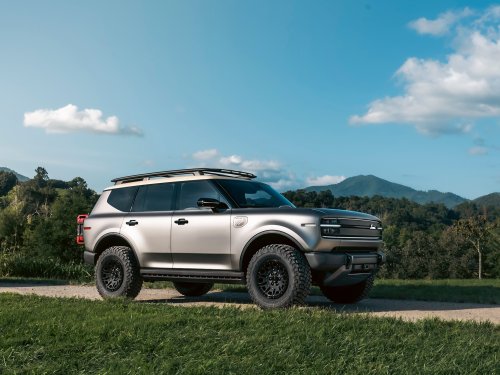
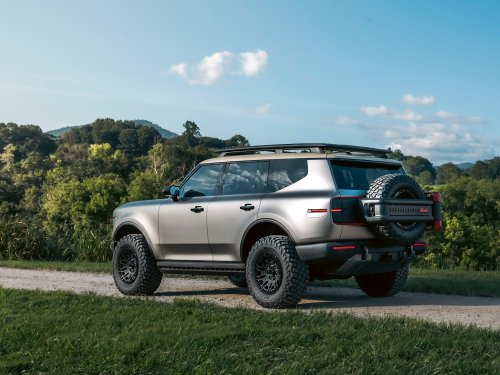
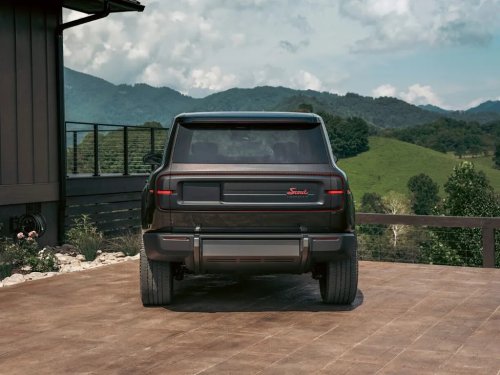
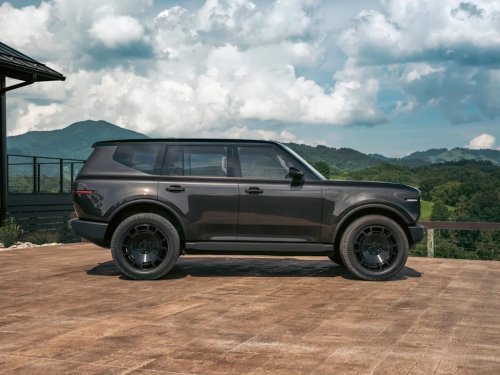
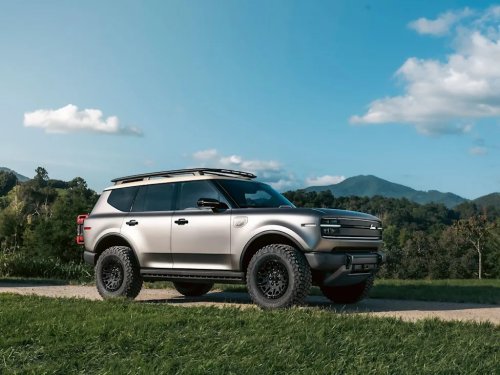
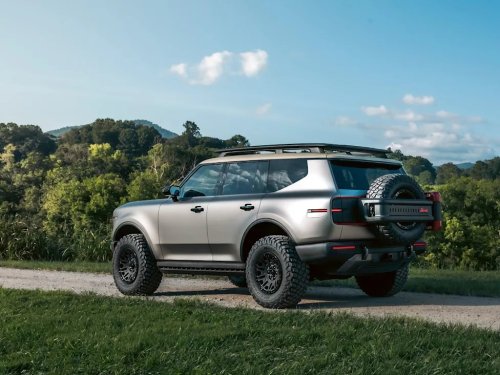
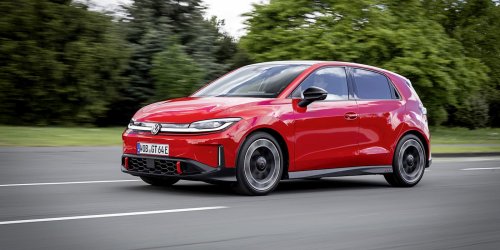
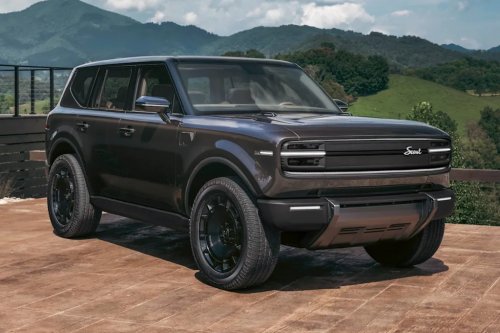
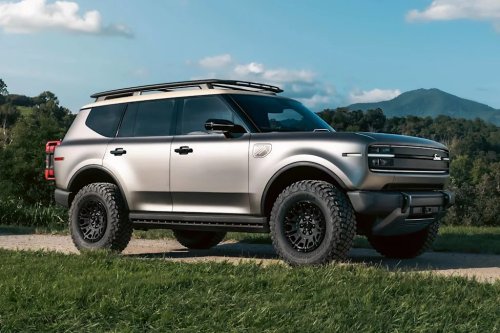
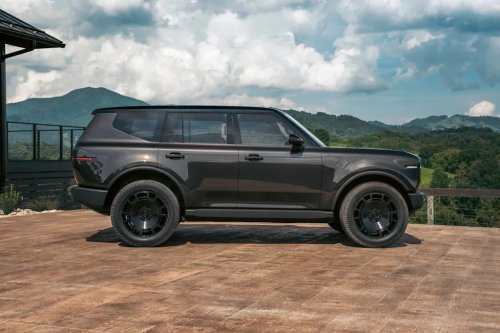
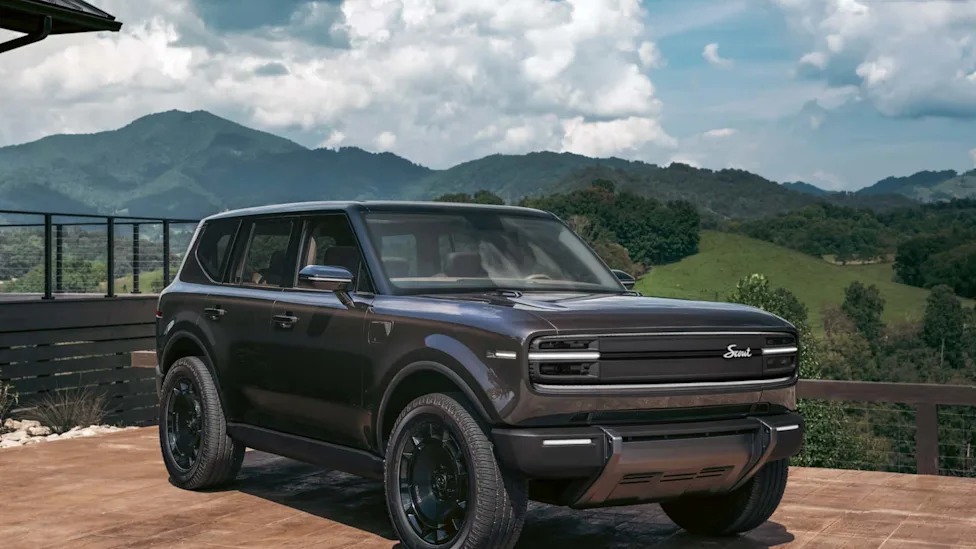
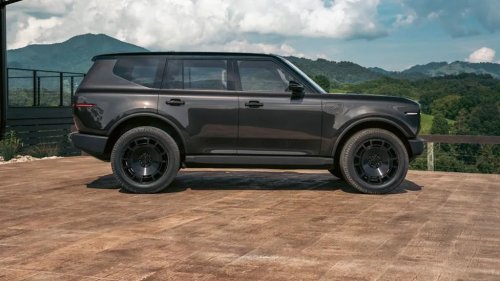
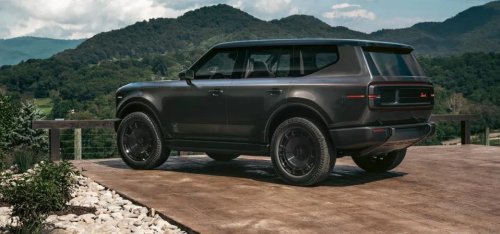
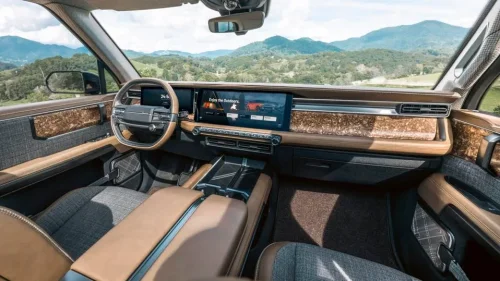
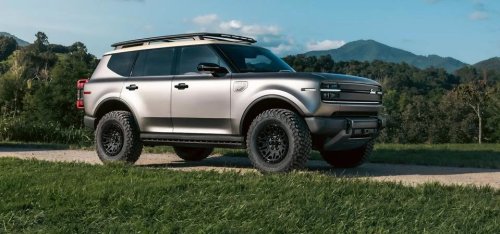
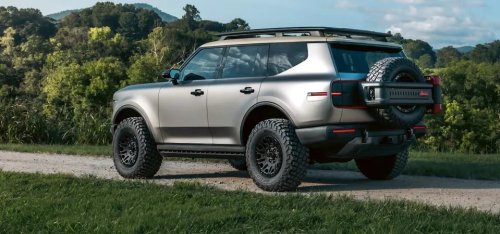
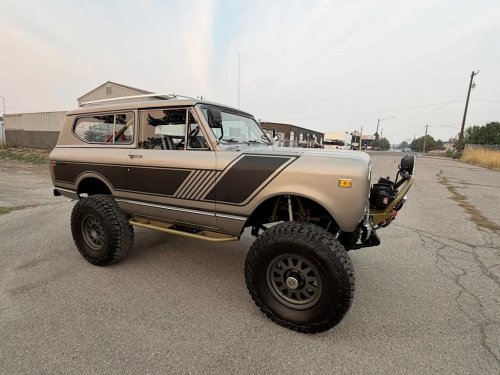
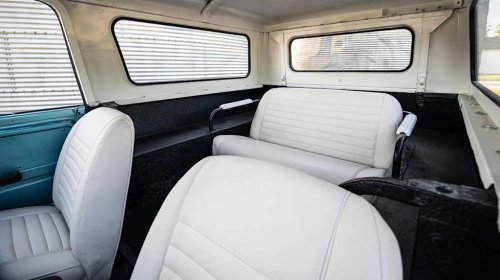
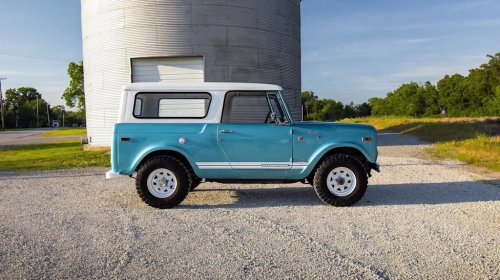
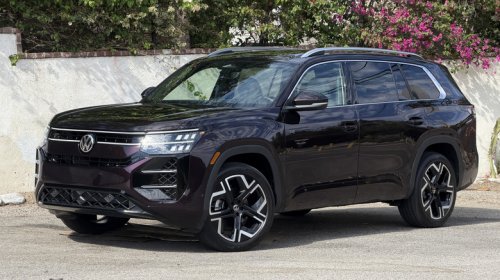
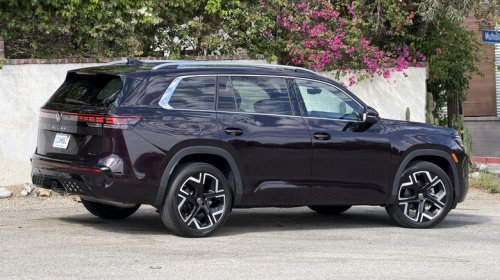
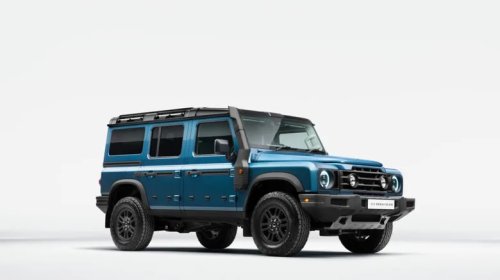
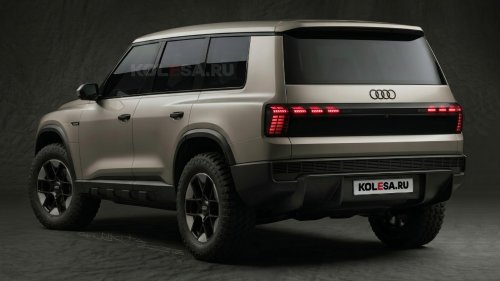
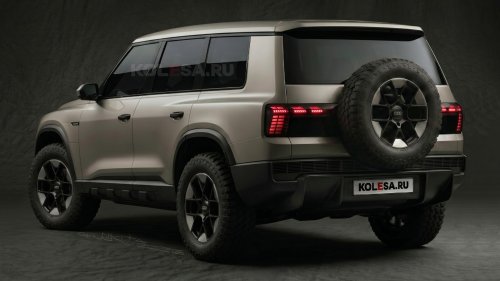
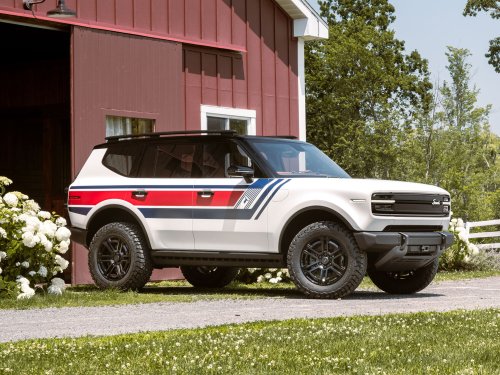
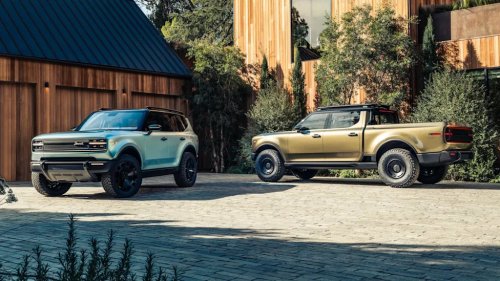
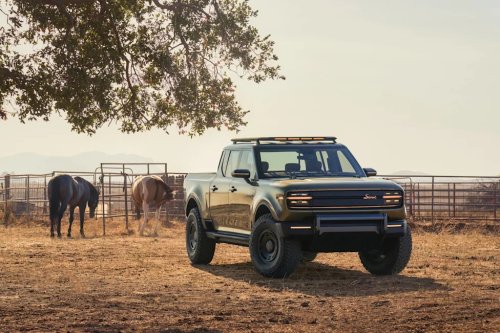
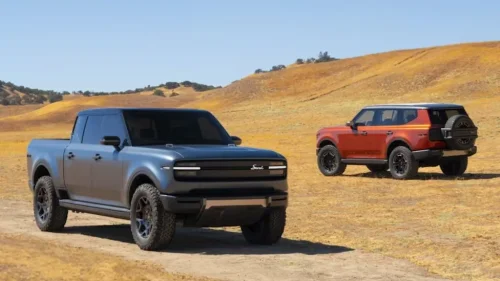
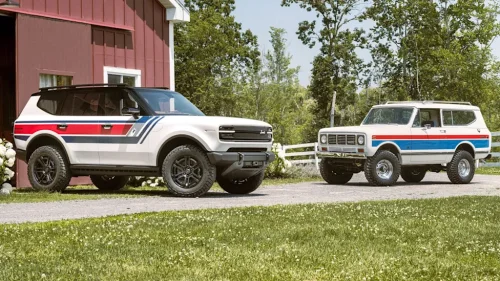
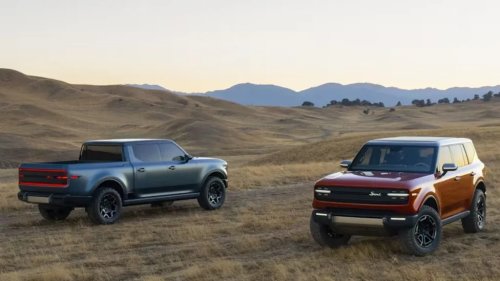
VW dealers escalate lawsuits to stop Scout Motors’ direct sales planVolkswagen dealers in the United States are mounting an aggressive legal campaign to stop Scout Motors from selling its upcoming electric trucks and SUVs directly to consumers. What began as a dispute over a single brand strategy has escalated into a broader test of how far legacy automakers can go in copying the direct sales playbook popularized by Tesla, Rivian, and Lucid while still bound to franchise networks. The clash now spans class-action litigation against Volkswagen AG and Scout Motors, regulatory fights in individual states, and a coordinated push from national dealer groups. At stake is not only who gets to sell the future Scout Motors Terra pickup and related models, but also whether long standing franchise protections can restrain an automaker that wants to run a parallel factory store system beside its own dealers. How Scout Motors became Volkswagen’s flashpoint Volkswagen AG created Scout Motors as a new electric brand under the Volkswagen Group, positioning it to build rugged battery powered pickups and SUVs for the United States market. According to reporting on the project, VW acquired Scout Motors as part of a strategy to revive the historic Scout name and use it as a clean sheet platform for off road focused EVs, even as the parent company continues to struggle with an around 4 percent share in the United States and seeks fresh growth in the world’s second biggest car market through this dedicated division of Scout Motors. The Scout Motors Terra pickup truck has been highlighted as a halo product in that strategy, intended to compete directly with electric offerings from Tesla, Rivian, and legacy brands that are electrifying full size trucks. What has alarmed dealers is not the product itself but the distribution model that comes with it. Scout Motors has signaled that it intends to sell directly to U.S. consumers, bypassing the existing network of Volkswagen dealership owners who invested heavily in facilities and EV infrastructure for models like the ID.4 and ID.7. Dealers argue that VW is using Scout as a separate corporate wrapper to sidestep franchise contracts that would otherwise require those new electric vehicles to be offered through established showrooms, a concern that sets the stage for the current wave of litigation. Class-action suits claim a “shell company” end run The most aggressive front so far is a proposed class-action lawsuit brought by two VW dealers that targets both Volkswagen and Scout Motors. Two Volkswagen dealerships, identified in coverage as franchise stores in New York and Connecticut, filed the complaint and argue that Scout is essentially a shell company workaround created so that VW can sell EVs directly, while its existing dealers are locked into agreements that prevent them from competing with factory stores on equal terms, a charge detailed in reporting that describes how Two VW dealers escalated the dispute. The plaintiffs frame this as an illegal conspiracy to offer direct to consumer EVs under the Scout brand in violation of state franchise laws that require manufacturers to work through independent retailers. Law firm Hagens Berman has confirmed that it represents a proposed class of Volkswagen dealership owners in this matter and describes the core allegation as an unlawful plan by Volkswagen to compete against its own franchisees through Scout. In its case description, the firm states that it is pursuing claims on behalf of dealers who say they will be harmed by a dual channel strategy that reserves potentially high demand electric trucks and SUVs for direct sales, while leaving franchise stores to compete with older or less differentiated products, a posture that echoes earlier litigation where Hagens Berman represented FCA dealership owners against that automaker for practices that allegedly harmed dealers, as summarized in Hagens Berman materials. Dealer narratives: conspiracy, efficiency, and exclusion Dealer oriented coverage of the lawsuit has amplified the sense of betrayal among franchise owners who feel shut out of Scout. One detailed account explains how dealers are bringing a class-action lawsuit against VW and Scout Motors, with two dealers stepping forward as lead plaintiffs and arguing that Scout is being used to strip profitable future EV sales away from the existing network, a storyline laid out in a report that names Dealers file class-action claims. Those same dealers accuse Volkswagen of orchestrating a long term plan to channel the most desirable electric models through a separate entity that is not bound by franchise protections, which they say turns their prior investments in EV tooling and training into sunk costs with limited upside. Volkswagen and Scout Motors, by contrast, have framed the direct sales plan as a way to increase efficiency and improve the customer experience for a new type of product. Reporting on the dispute notes that Scout’s leadership has spoken about using a more streamlined model to reduce complexity and deliver a modern buying journey, a point referenced in coverage that quotes Scout executives talking about efficiency and digital centric sales. That contrast between dealers’ portrayal of a conspiracy and Scout’s emphasis on operational gains captures the core tension in how each side wants regulators and judges to view the same set of facts. Statehouse battles from California to Colorado Even before the latest class actions, state dealer associations had already started challenging Scout’s direct sales ambitions at the regulatory level. The California New Car Dealers Association sent a letter that claimed Scout is an affiliate of Volkswagen and therefore subject to the same franchise restrictions that bind the parent company, arguing that the automaker could not lawfully operate factory stores in California while also maintaining contracts with its own vehicle franchisees, a position described in coverage of how the California New Car Dealers Association pressed its case against Scout. Scout refuted those claims in public statements, insisting that it is structured to comply with state law and that it is not improperly competing with Volkswagen dealers under existing contracts. In Colorado, the fight has shifted into court over how the state interprets its own EV sales rules. VW dealerships sued Colorado to stop Scout Motors from selling direct, arguing that the company is not entitled to operate as a direct seller under state law and that allowing it to do so would create unfair competition for franchisees who must comply with different regulatory requirements, a conflict described in reporting that recounts how VW dealerships took Colorado to court over Scout Motors sales. State officials have pushed back, with one statement criticizing repeated attempts by dealer lobbyists to restrict how Colorado consumers can choose to buy cars, which underscores how the legal dispute is also a political contest over consumer choice narratives. National dealer groups and the franchise system at risk National organizations have now joined the fray, arguing that the Scout Motors plan is not just a bilateral contract issue but a threat to the franchise system that underpins new vehicle retail in the United States. The National Automobile Dealers Association, led by CEO Mike Stanton, has publicly criticized VW’s decision to attempt to sell Scout vehicles directly to U.S. consumers and warned that such a move would undermine laws that were designed to keep manufacturers from competing head to head with their own retailers, a position set out in an alert where NADA CEO Mike addressed the Scout decision. That same communication referenced expectations that Scout production could ramp from initial volumes in 2027 eventually rising to 100, a projection that feeds dealer concerns about being sidelined from a meaningful share of future EV sales. Regional groups have echoed those warnings with more pointed language. The California New Car Dealers Association, in its December letter, urged Volkswagen to cease what it called unlawful competition through the Scout brand and argued that VW’s illegal direct sales plans would erode the protections that dealers rely on when they commit capital to showrooms, service bays, and local employment, a stance detailed in a statement where the association told Volkswagen to stop. Together, those national and state level interventions show that the Scout dispute has become a rallying point for dealer advocates who see it as a test case for how aggressively automakers can segment new EV brands outside of traditional contracts. What the Scout fight signals for EV retail’s future Behind the lawsuits and letters lies a strategic debate about how EVs should be sold in the next decade. Advocates of direct sales point to companies like Tesla, Rivian, and Lucid, which have built their businesses around factory stores, online ordering, and centralized pricing, a model that some analysts say enables faster software updates, clearer branding, and more consistent customer experiences, a comparison drawn in coverage that notes how Scout’s strategy is often mentioned alongside Tesla, Rivian, and Volkswagen appears to be testing whether it can capture some of those perceived advantages through Scout without formally abandoning its dealer based model for core VW branded vehicles, which would be both contractually and politically difficult. More from Fast Lane Only Unboxing the WWII Jeep in a Crate 15 rare Chevys collectors are quietly buying 10 underrated V8s still worth hunting down Police notice this before you even roll window down














![Volkswagen's best-seller goes EV to replace the ID.4 [Images]](https://cdn.topcarnews.net/thumb/id/aHR0cHM6Ly9pMC53cC5jb20vZWxlY3Ry-ZWsuY28vd3AtY29udGVudC91cGxvYWRz-L3NpdGVzLzMvMjAyNi8xMC9Wb2xrc3dh-Z2VuLUlELVRpZ3Vhbi1JRC00LWltYWdl-cy5qcGVnP3c9MTUwMCZhbXA7cXVhbGl0-eT04MiZhbXA7c3RyaXA9YWxsJmFtcDtz-c2w9MQ/0ccd3b3b36acc251cd0f5ee652e9aa5a.jpeg?t=20261009&post_id=69282)