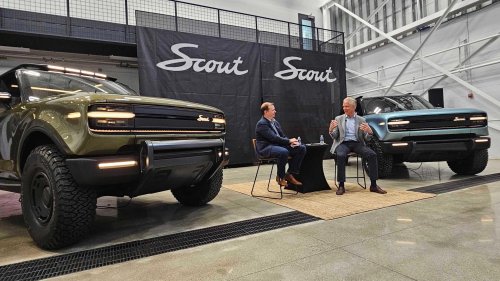
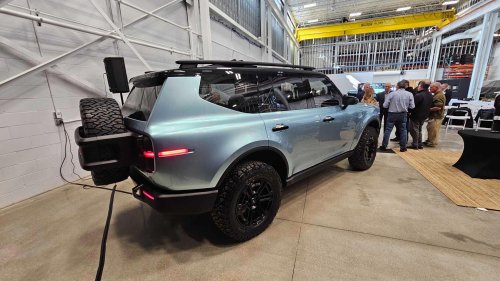
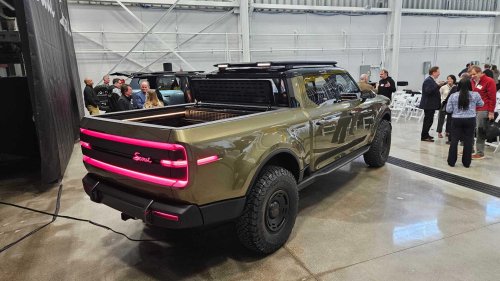
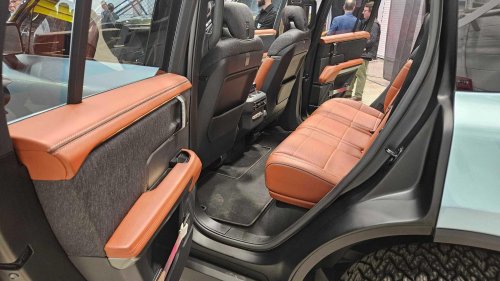
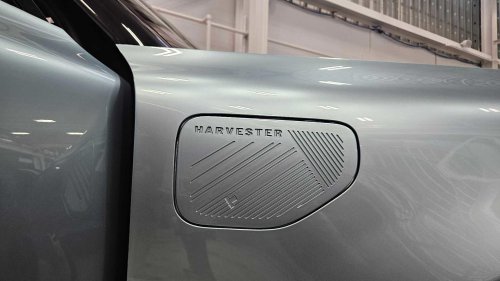
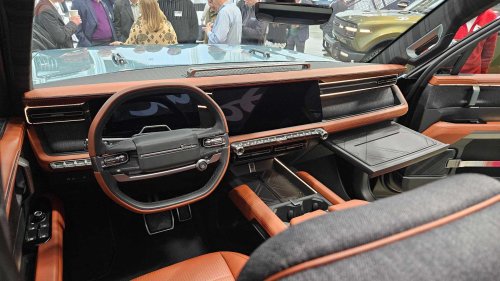
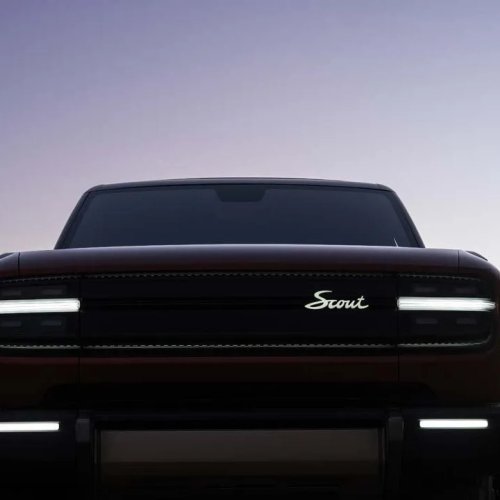
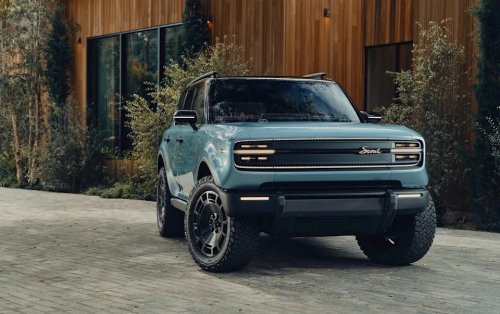
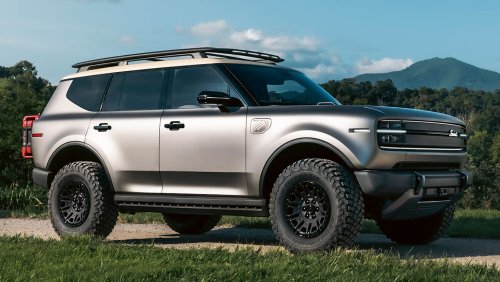
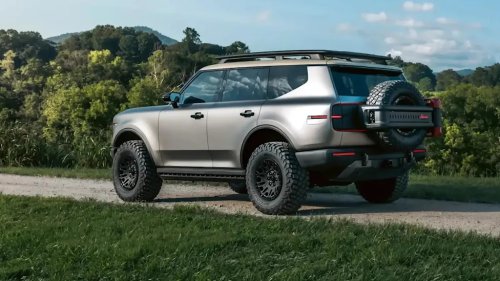
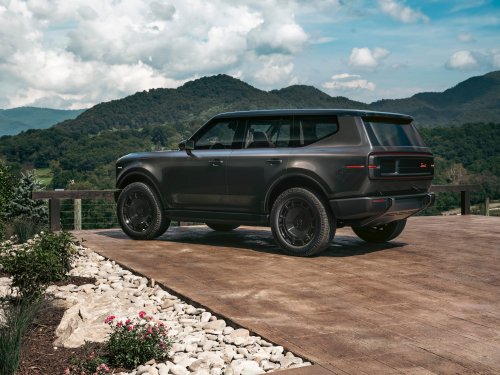
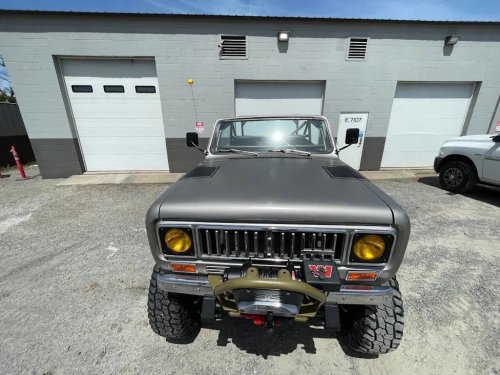
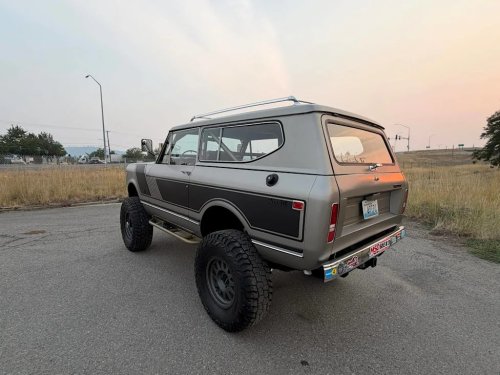
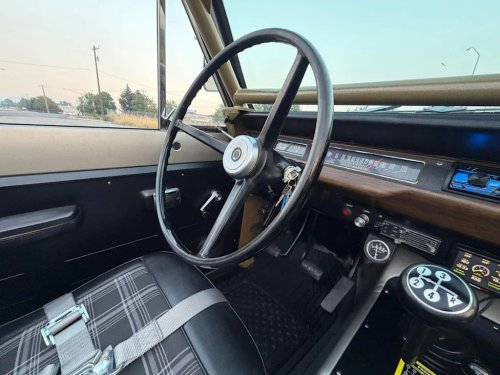
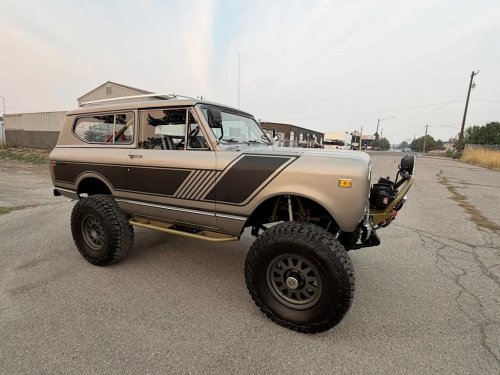
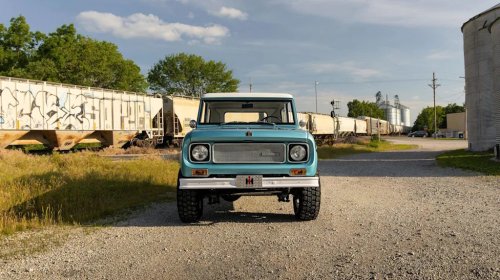
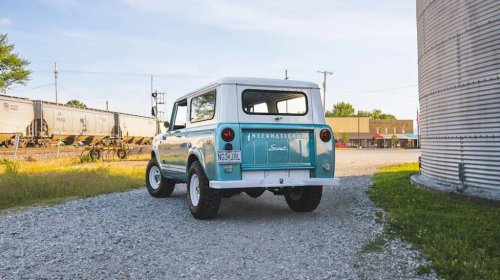
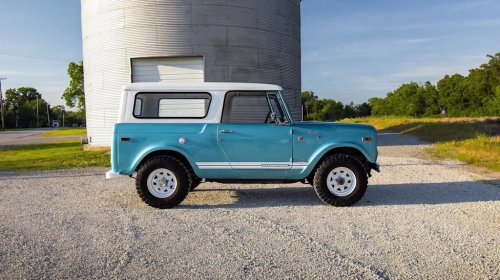
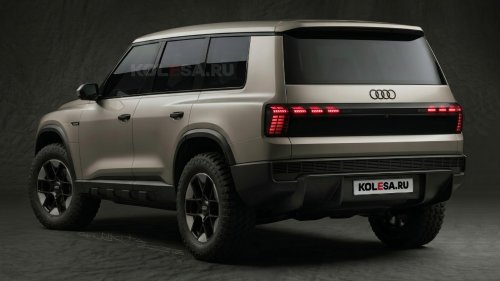
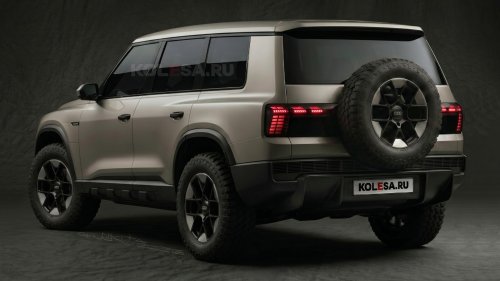
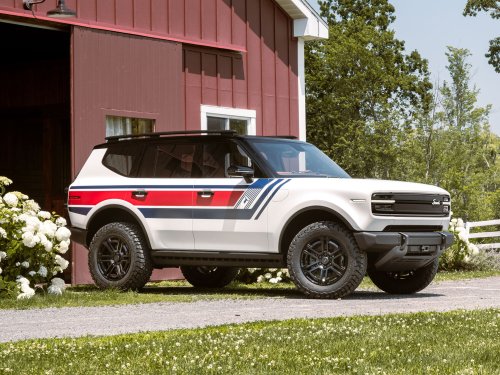
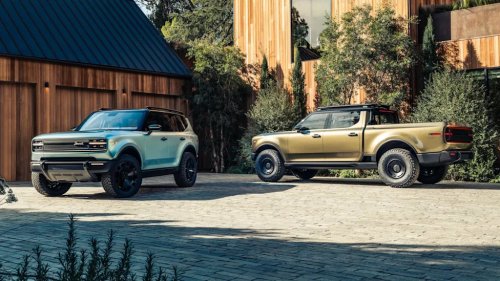
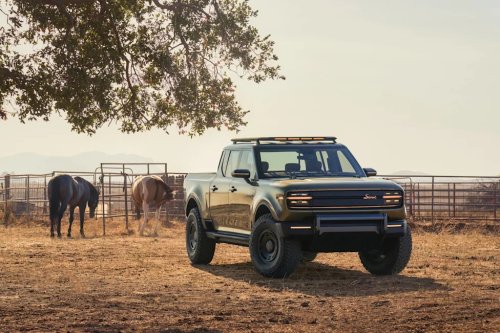
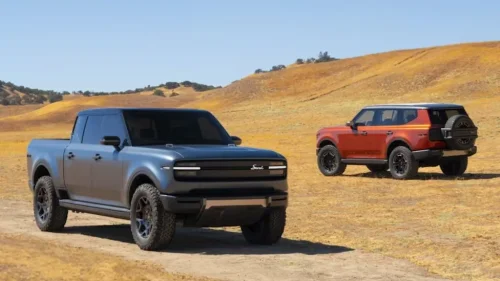
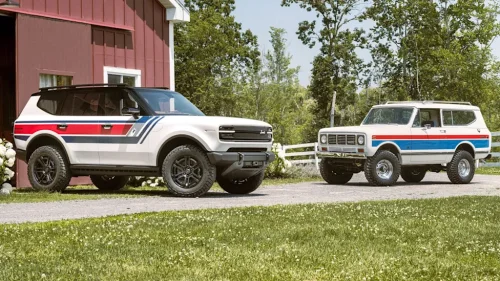
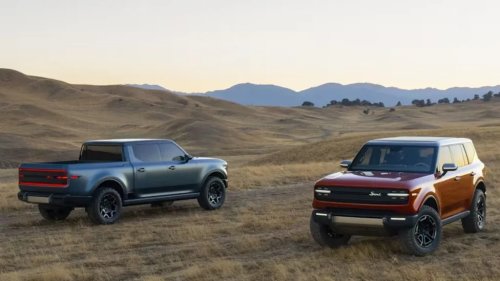
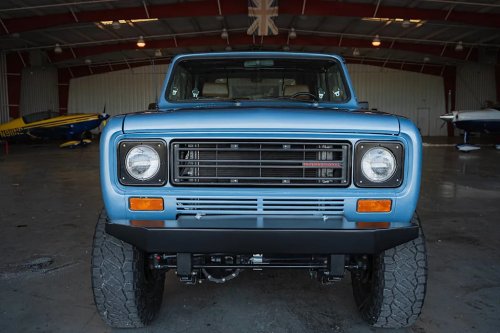
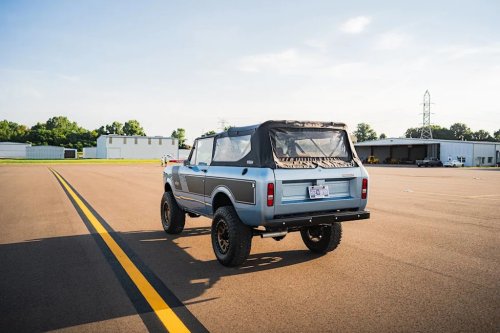
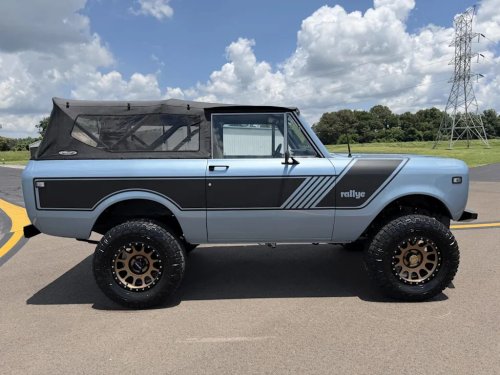
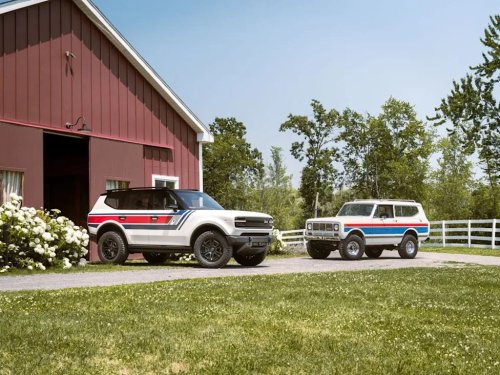
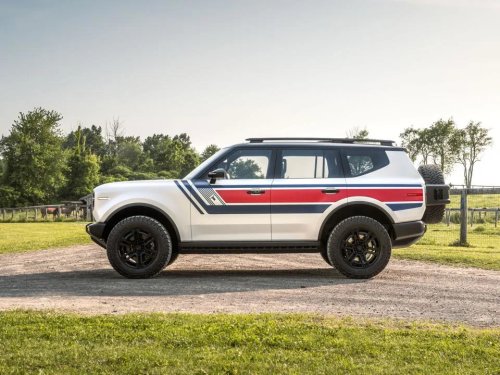
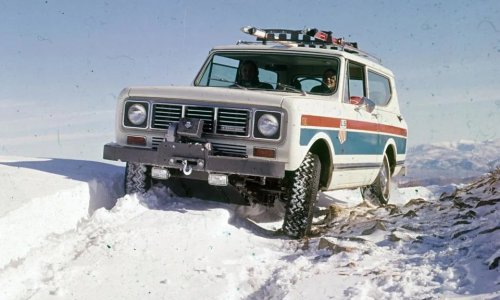
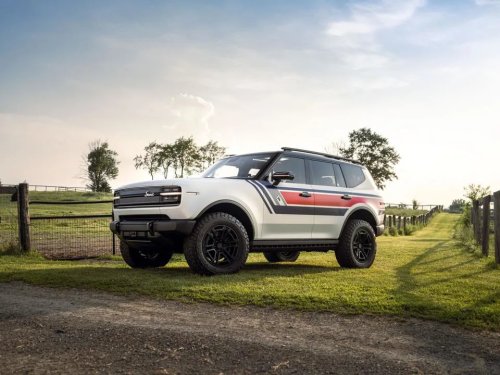
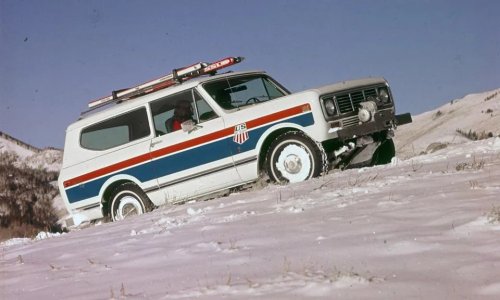
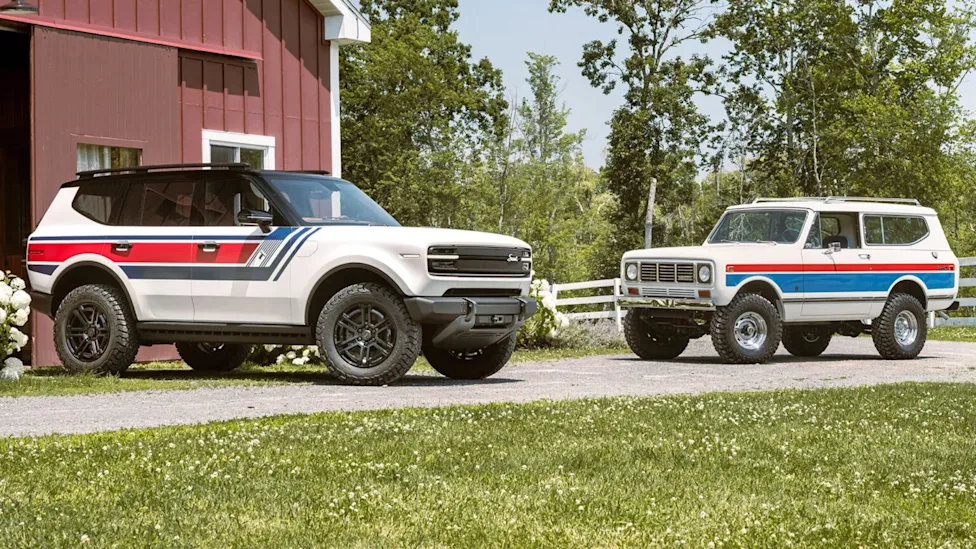
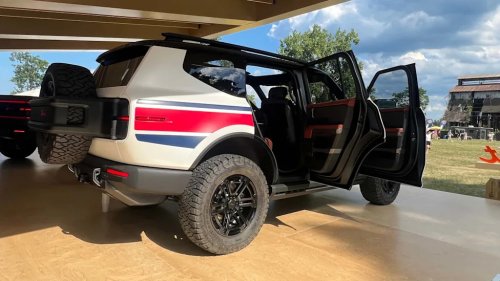
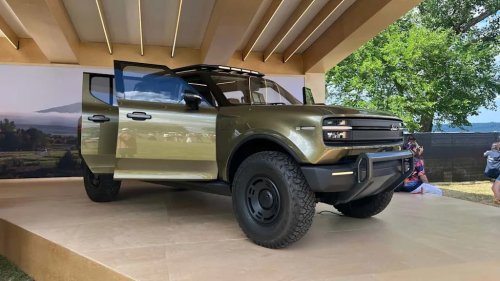
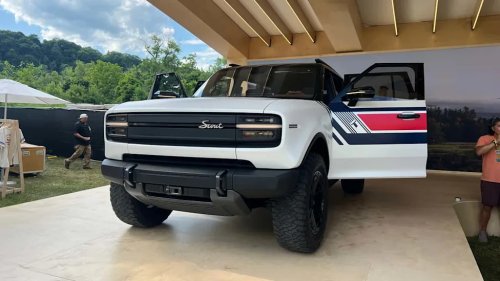
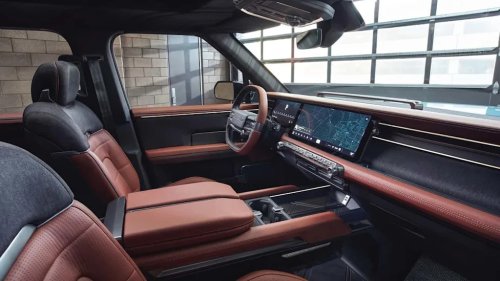
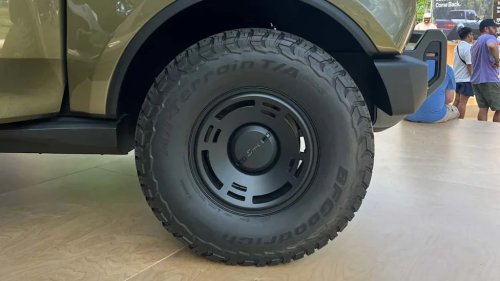
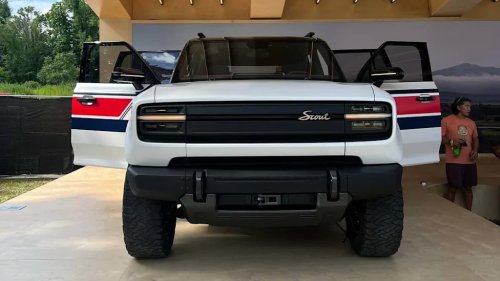
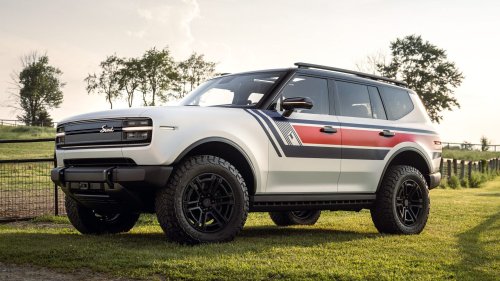
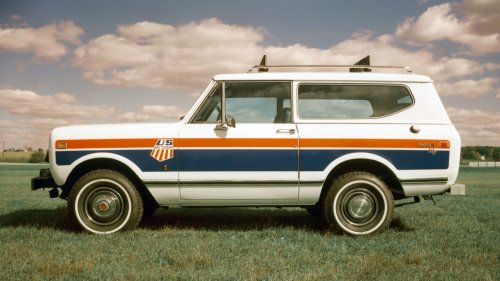
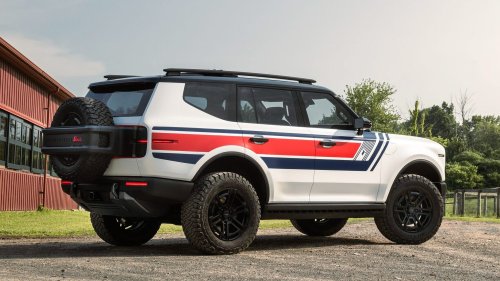
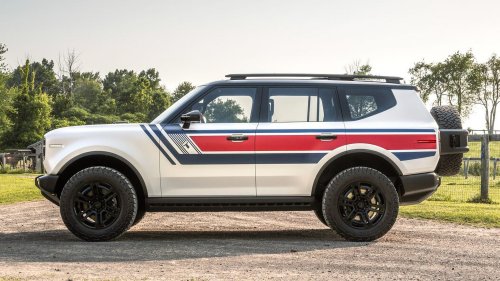
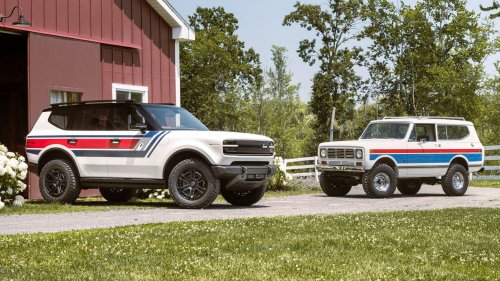
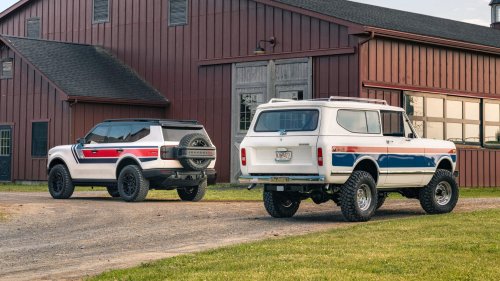
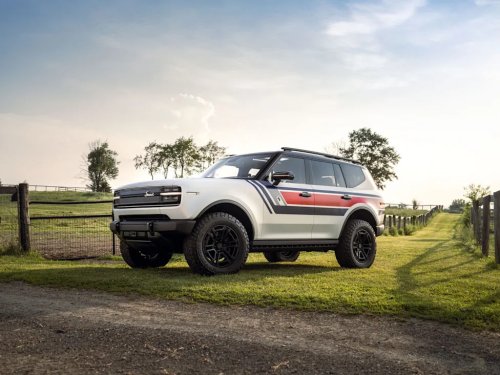
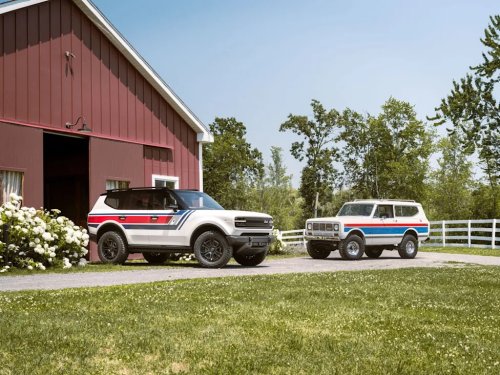
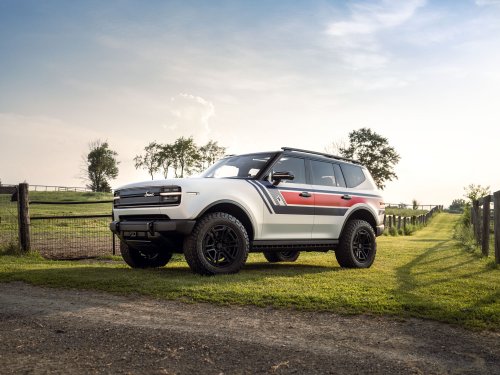
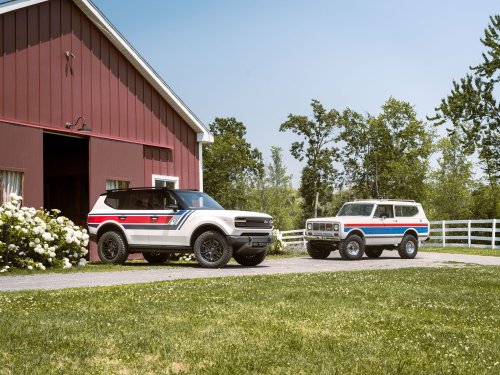
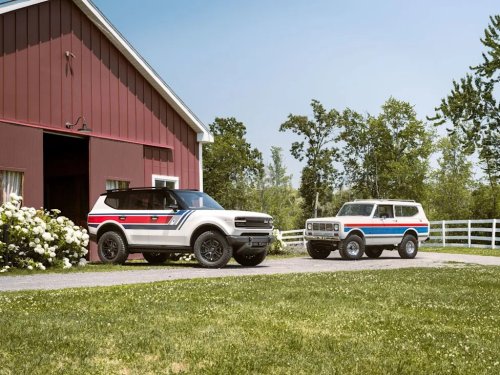
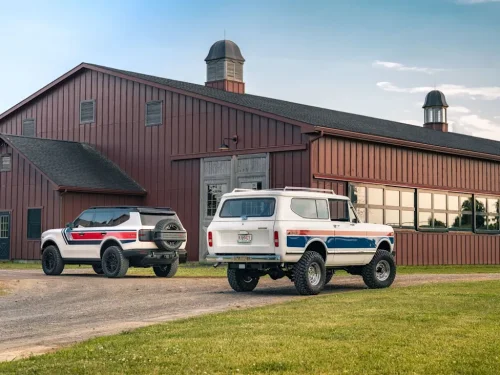
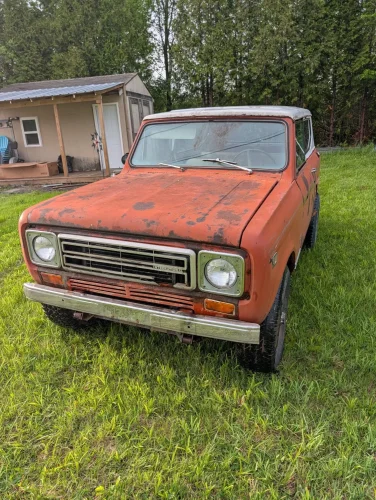
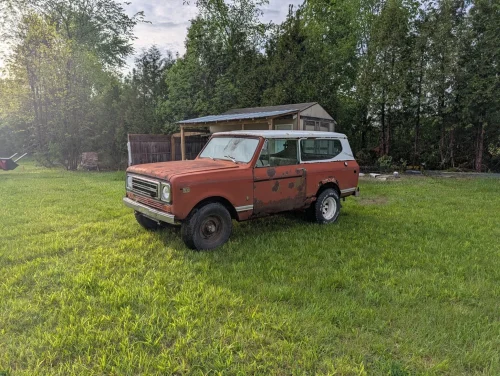
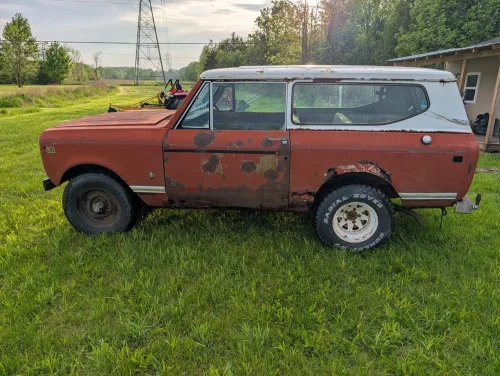
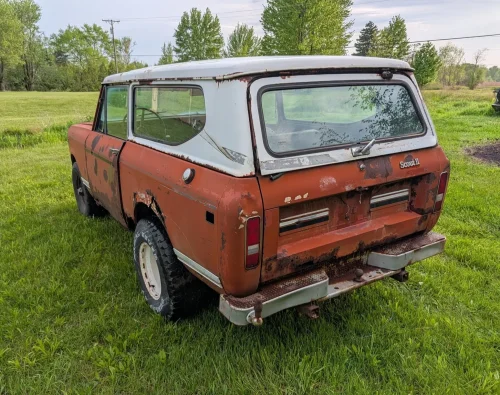
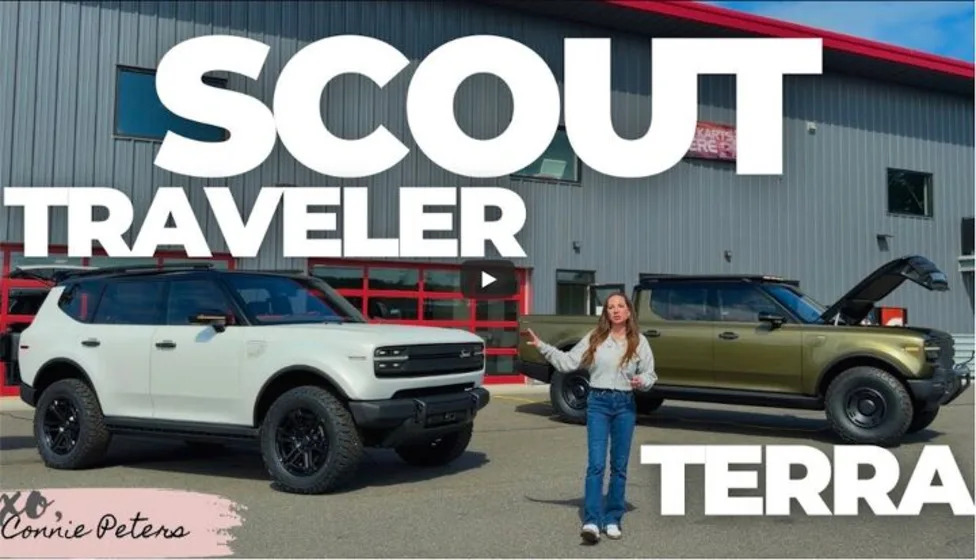
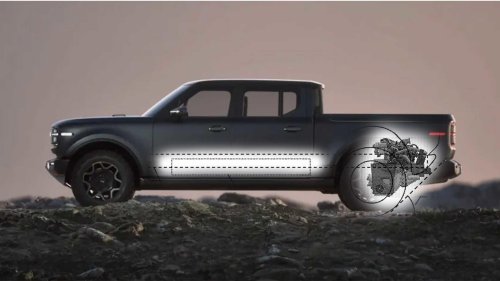
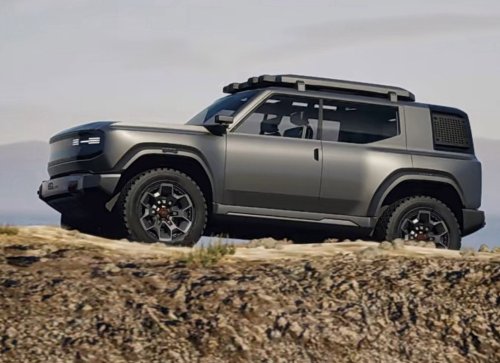
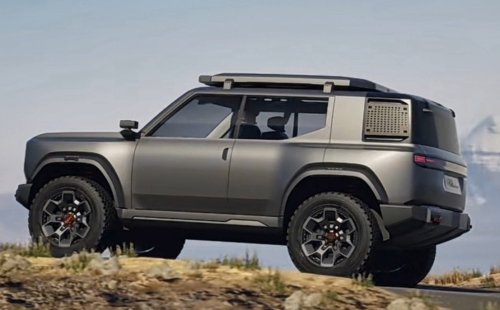
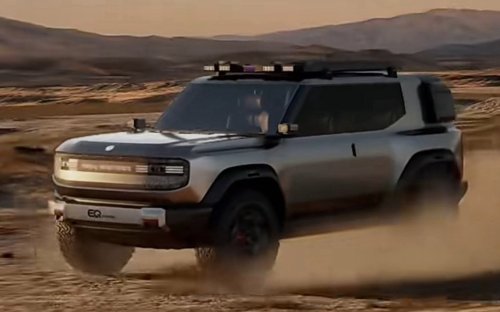
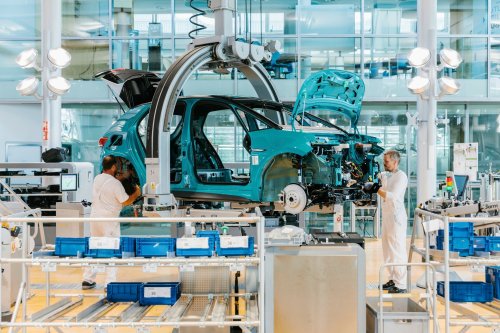
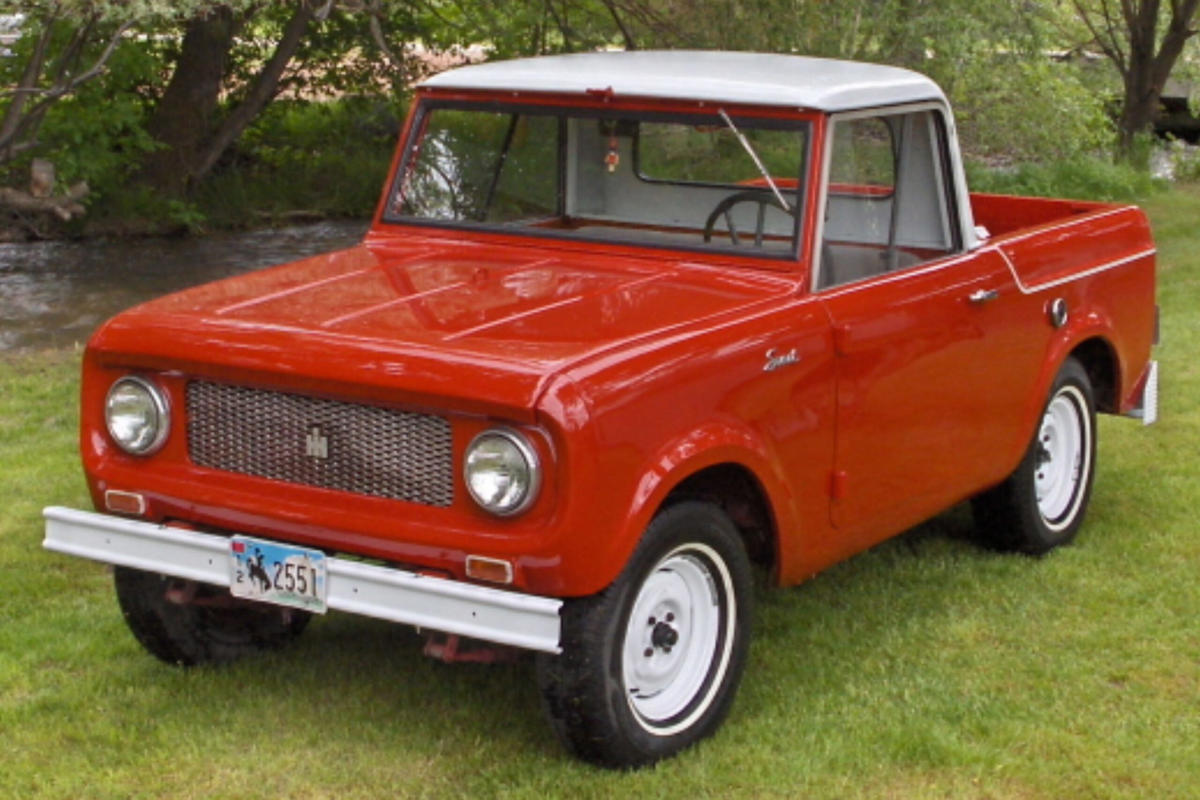
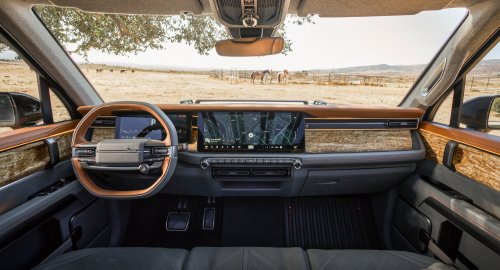
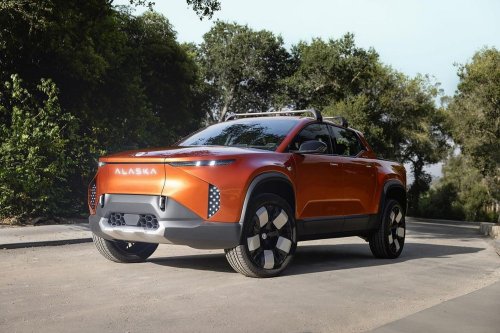
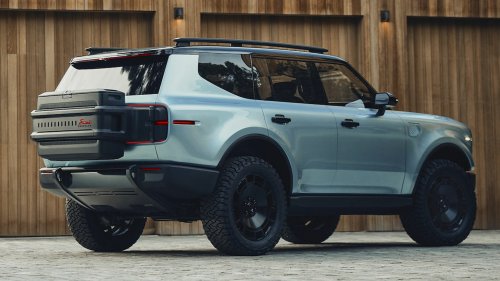
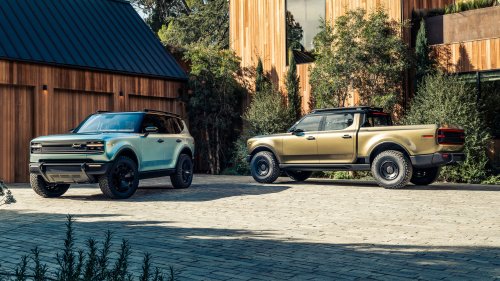
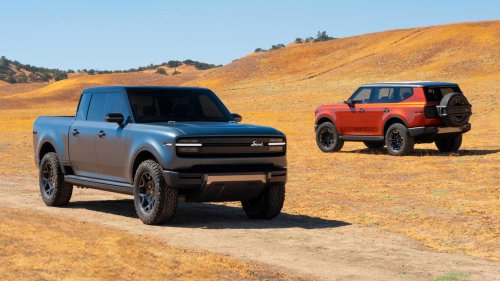
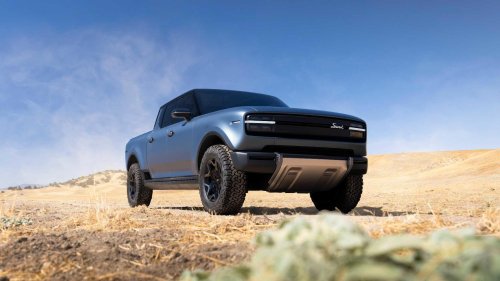
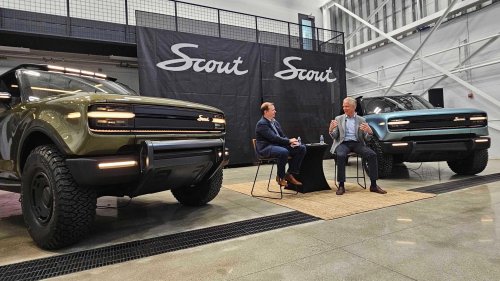
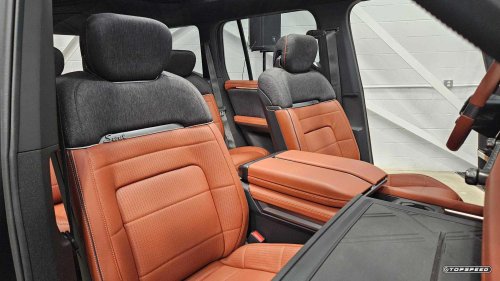
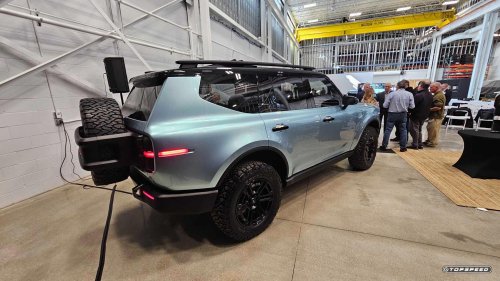
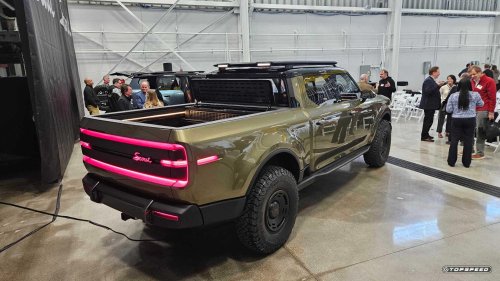
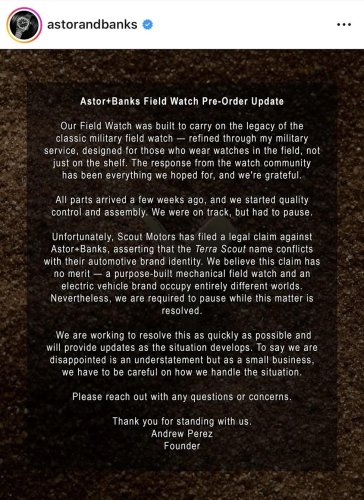
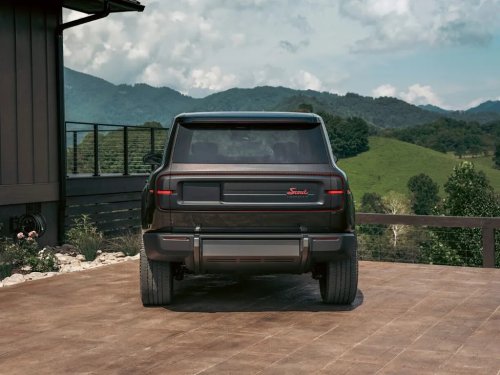
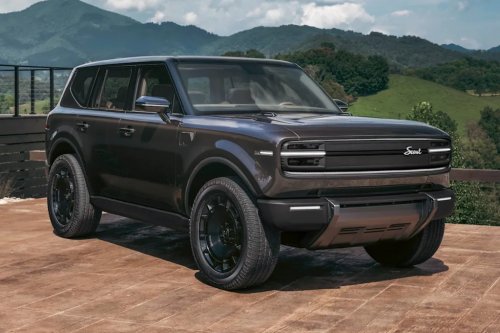
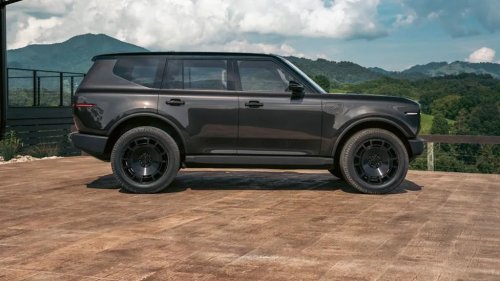
It'll still be two years before Scout Motors customers take delivery of their Traveler SUVs or Terra pickup trucks. But CEO Scott Keogh understands the urgency required to resurrect the iconic and all-American International Harvester Scout, manufactured at a new plant now under construction in Blythewood, South Carolina, with a $3 billion investment from parent company Volkswagen.Early prototypes of the all-electric or extended-range battery-electric vehicles will start running down the line this year. Most of those will be extended-range versions, at least to start, and there are 160,000 customers who have placed $100 refundable deposits for a vehicle. Pesky Franchise Laws Tom Murphy | CarBuzz | ValnetBut before customers take delivery of salable units, likely in 2028, Scout has much to sort out on the business side, particularly on the retail front. EV startups Tesla, Lucid, and Rivian got off the ground with a direct-to-consumer retail model that bypasses traditional dealerships, and Scout is trying to do the same. But the electric truckmaker is facing myriad legal challenges as a result, the latest being a newly launched class-action lawsuit from dealers targeting Scout's parent company, Volkswagen Group.The aforementioned EV startups were able to execute a direct sales model in most jurisdictions because they didn't already have existing dealer networks. But since Volkswagen Group and its various brands have nearly 1,000 showrooms in the US, circumventing them violates state franchise laws – at least that's what the dealer groups say. But Keogh says Scout Motors is not deterred in pursuing direct sales. 'Better Customer Experience' Tom Murphy | CarBuzz | Valnet "That's the plan we're executing," Keogh said today at a fireside chat hosted by the Automotive Press Association at the design- and development-focused Scout Motors Innovation Center in Novi, Michigan. But given the legal challenges, why is Scout going down that controversial road?"It's to offer a great experience to the customer. We would only do something if it would make something better. We want to offer a different and better customer experience."- Scott Keogh Controlling The Cash Register Tom Murphy | CarBuzz | Valnet Keogh says the conventional auto industry model is inefficient because the factory and the automaker are separated from the actual customer transaction, which is controlled by dealerships. "We want to have profound control over what I call the cash register," he says, adding that it's also about controlling customer data."I think one of the profound challenges of any legacy OEM is you actually don't have control of the data. From the supplier and the supply chain to your very own customers, you don't have it. Therefore, you're unable to take advantage of it ... That's why the clean sheet is important." Controlling The Data Tom Murphy | CarBuzz | ValnetArtificial intelligence offers a new opportunity for controlling that data. "Now that you have AI, and now that you have these modeling tools, you can be dramatically more efficient with every single car that you make and exactly where that car goes," Keogh says. "And yes, we want to squeeze out every last bit of opportunity. I think there's no debate that the system now is inefficient."Controlling the data also allows the manufacturer to get better insights on the vehicle itself. By using the car's over-the-air diagnostics data, Keogh says that Scout will be able to tell exactly what could be suboptimal with the car. Then, the automaker can get insights from the technicians. And with all of that information, the CEO says that it can alter production operations in real time, delivered right to the factory for improved quality. Waiting How Long? Tom Murphy | CarBuzz | Valnet When the Traveler and Terra prototypes were revealed in October 2024 in Nashville, impatient shoppers may have been disappointed to hear they would have to wait until at least 2027 to take delivery. But Keogh stands by that timeline as initially laid out in 2024."When we showed you the concept cars, we told the market, cars will come down the line in '27. We'll get them in the hands of customers thereafter. That's exactly what we communicated – appropriately ambitious, appropriately vague," he says. "And if you look at what we are doing, we are basically doing exactly that." That cadence means three iterations of prototypes before salable units are ready, Keogh says.Perhaps diffusing some of these legal battles will be locating 100 Scout stores for sales and service in North America, including seven in Canada, but that's by 2032, according to the automaker – four full years after Scout vehicles will be on the road. Asked about those stores, Keogh says he knows where they will likely be located, but it's too early to identify them. 'Bring It Back!' Tom Murphy | CarBuzz | ValnetInternational Harvester manufactured the original Scout at its plant in Fort Wayne, Indiana, from 1960 to 1980. "We have found nothing but love for this brand, and our point of view is it invented and founded the (SUV) segment for the most part. It's a segment at the time that was 1 percent of the US market. Now it's basically 70 percent of the US market. And America screamed, 'Bring it back!' Obviously we're in the process of bringing it back."Of course, it's not coming back as a pure combustion vehicle, but the vast majority of new Scouts will have an engine. Some 87% of Scout intenders say they want the range-extended powertrain, which delivers 150 miles of all-electric range and 500 miles overall with the help of a gasoline-fueled generator packaged near the rear axle. Keogh says 70 percent of customers want the Traveler SUV. When asked which models follow the Traveler and Terra, Keogh says to expect derivatives, and that the brand "could go lower" with a smaller model. Coming Soon, One Way Or Another Tom Murphy | CarBuzz | ValnetWhen vehicles do finally reach customers, will they indeed come direct from Scout or through dealerships? As legal battles rage on, it's clear what Keogh wants."A lot of companies want to control their retail experience, whether it's Apple and what they've done, whether it's Amazon, bringing cars right to your driveway," Keogh says. "The American consumer will decide. If we do a good job, we should be proud of ourselves. If we don't do a good job, then another model was better, and that model beat us – full stop, period, they did a better thing. So I think competition is a good thing. I think innovation is a good thing."