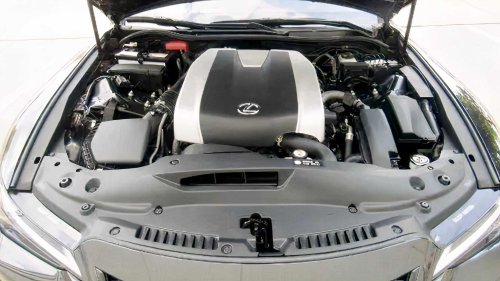
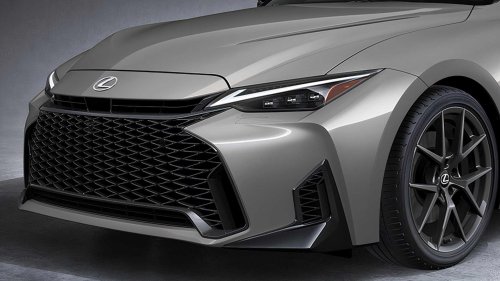
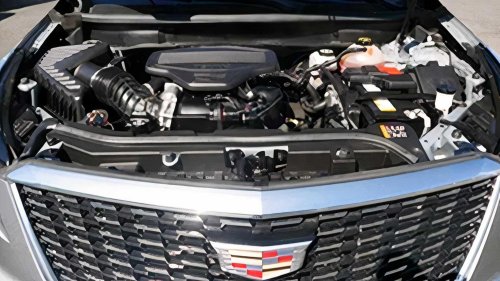
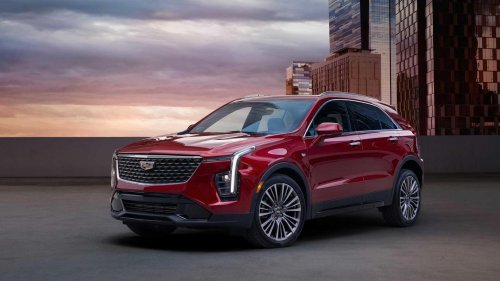
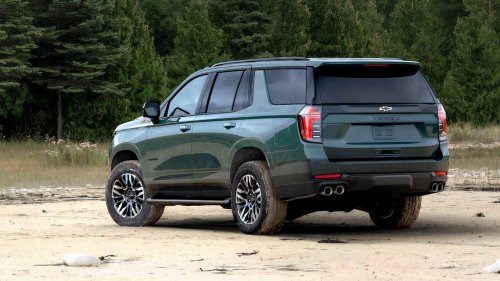
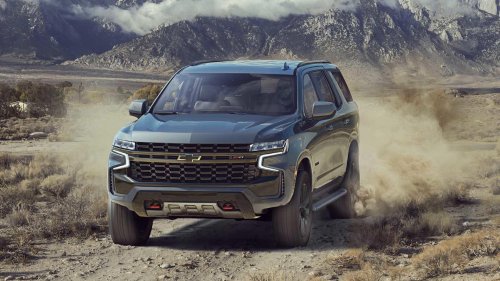
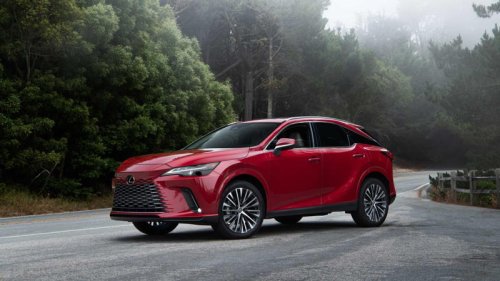
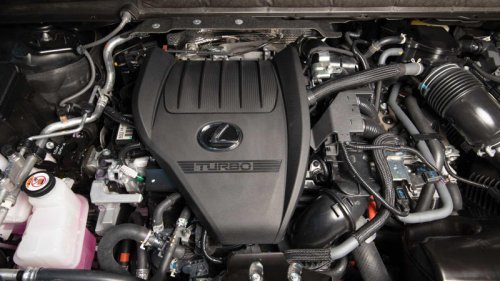
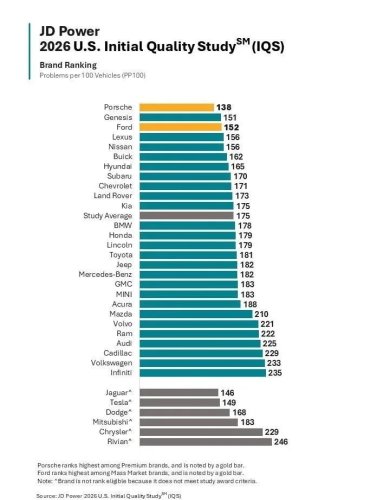
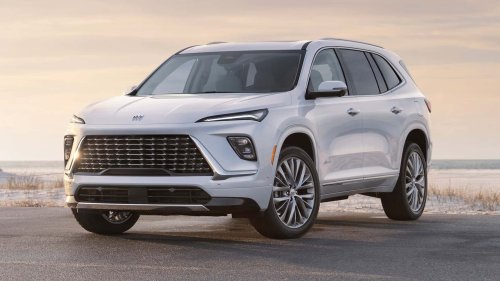
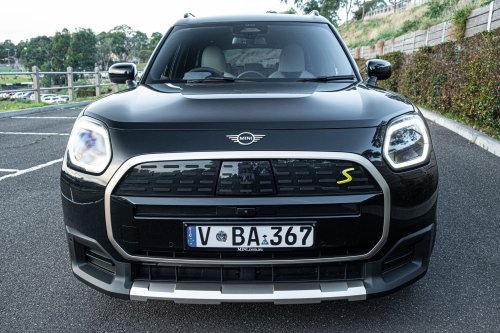
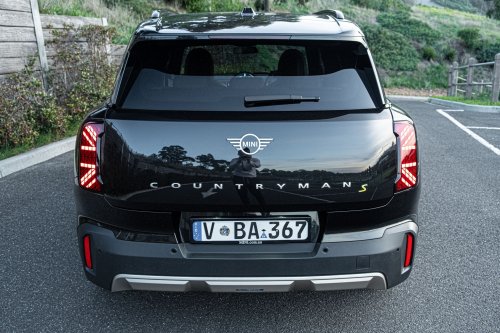
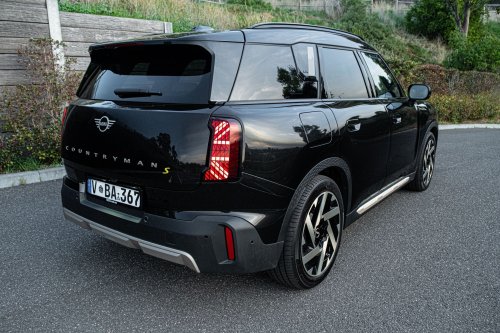
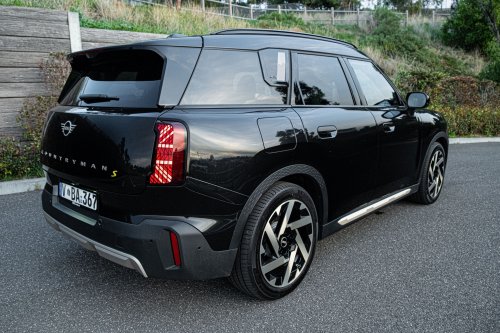
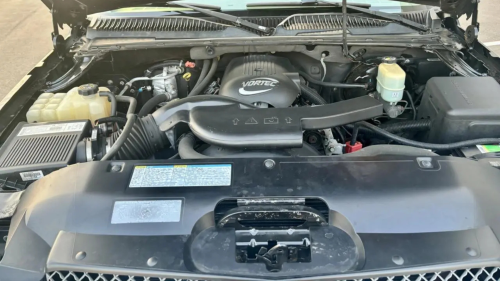
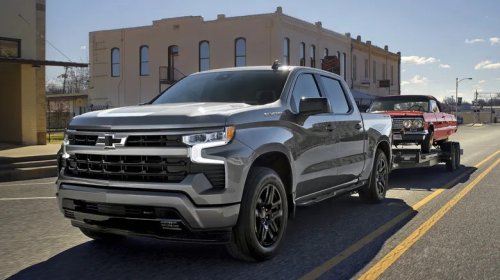
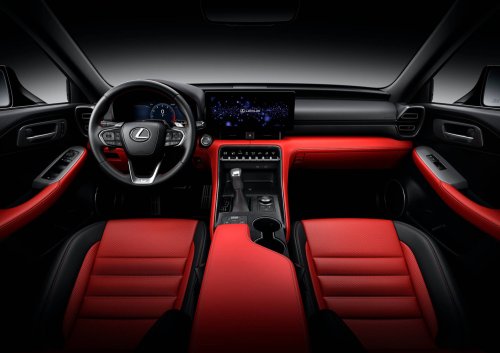
It looks like a great year to buy a Chevrolet Tahoe, Mini Cooper or maybe especially a Lexus IS350, according to data from the latest JD Power and Associates Vehicle Dependability Study (VDS). The annual study ranks vehicle dependability based on input from owners of brand-new models, surveyed at three years of ownership. This year, the brands making the most dependable vehicles on the road are Lexus, Buick, Mini, Cadillac, and Chevrolet, in that order.Below, we're having a look at what's under the hood of some of the most dependable models on the road today, revealing an interesting commonality between them that seems to prove an age-old adage, yet again. Legendary V6 Families Made A Strong Showing Cars.comThe Lexus 2GR V6 engine is a benchmark that soldiers on into 2026 as one of the last remaining naturally aspirated V6 engines in the luxury scene. The Lexus IS 350 is the last remaining application of this engine, and also the study's most dependable car. Get it while you can.Lexus Specifically, the latest version of the Lexus V6 is a finely tuned take on one of the most proven and mass-produced V6 engines on the scene. Key attributes are an all-aluminum construction, natural aspiration, and an engineering emphasis on thermal stability and longevity.Many turbocharged competitors deliver better throttle response, torque, and efficiency figures, but there's something in the Lexus V6's shapely power curve and smooth, building output that's hard to resist. Today, this engine is a Lexus‑only offering, as Toyota's lineup has mostly transitioned to four‑cylinder hybrids.The GM LGX V6 engine is the latest take on the brand's long-running 3.6-liter unit, another highly proven mass market favorite that's served various brands well.After some tumultuous early years in the early 2000s, this engine progressed through various generations and revisions, as well as a clean-sheet redesign for 2016 that dialed in the original architecture with improved strength, emissions, durability, and power. It powers a wide range of vehicles across Cadillac, Chevrolet, and GMC, and remains one of the last high‑volume, non‑turbo V6 engines still offered.Cars.comLook for it under the hood of the Cadillac XT5, one of the study's highest-ranked luxury SUVs. Available alongside a newer turbocharged four-cylinder offering, the proven V6 gives some shoppers the more proven and familiar alternative they're after. With 310 horsepower, it's one of the most powerful free-breathing V6 engines out there. These Heroes Have 2 Liters Or Less MiniThe Mini Countryman is one of the highest-performing small SUVs in the study, and what's under the hood is a familiar offering all around the world. The BMW‑developed B48 engine can trace its roots back to 2014, when it initially arrived to replace a selection of older engines with something smaller and more efficient.Several technical evolutions later, and the B48 is a common sight under the hoods of models from the Mini Cooper S to the BMW 3-Series and X1. After years of production experience and improvements, this is another modern turbo-four that's ready for work in both the mainstream and luxury segments.CadillacThe GM alternative is the LSY 2.0‑liter turbocharged four‑cylinder, part of the automaker's latest generation of small-displacement engines. Designed for broad applications across various model lineups, you'll find it powering various models from the most award-winning brands in this year's VDS, including the Cadillac XT4 and Chevrolet Equinox.Decades of lessons learned from turbocharged four-cylinder engines are baked in, combined with the latest turbocharger and fuel delivery technologies for maximum response and efficiency. Engineers worked overtime to squeeze out maximum torque output from minimum revs, keeping response up and fuel consumption down.With the smallest displacement and cylinder count on your page, it's the GM L3T three-cylinder engine. You'll find it in models like the Buick Encore GX, boasting an advanced turbocharger system designed specifically to take advantage of the three-cylinder engine's unique characteristics to deliver smooth, quiet and consistent pulling power across the rev range.On the road, it's punchier than the numbers let on, with solid low-end torque output. Power delivery is smooth and quiet, and from the driver's seat, little separates this engine from a larger refined four-cylinder offering. The latest revisions applied for 2023 and 2024 give the updated engine improved response and refinement, thanks to updated hardware, calibration, and tuning. It's No Surprise This V8 Is Here ChevroletThe Chevrolet Tahoe is the highest-ranked large SUV in the latest VDS, and its powertrain lineup helps explain why. First, half the engine lineup consists of proven stalwart powerplants, specifically the legendary small-block 5.3-liter V8, and the more recent 3-liter Duramax straight-six turbodiesel. We left out the 6.2-liter version of the small-block V8 engine because it's been problematic of late. ChevroletThe 5.3-liter V8's dependability is hard to dispute, thanks to simple, proven and highly effective design principles that have been locked in place since 1954. The dependability of the Duramax straight-six diesel engine is hard to dispute as well, and this engine is currently well into its second major update. Both powerplants are only intended for use solely in hard-working truck and SUV models, meaning toughness comes built right in. These engines help the Tahoe score consistently well when it comes to dependability, and shoppers seem to be loving the option to choose, especially if they've got heavy stuff to tow. An Interesting Common Tie BuickAt least one attribute ties these top-ranked brands and their most popular engine ranges together: experience. Every powertrain on your page has been around long enough to experience plenty of debugging and maturity, with the nearly 20-year-old Lexus 2GR V6 engine leading the way. GM’s High Feature V6 family isn’t far behind. Across the rest of the list, the story is the same: the engines powering the bulk of the top-rated models have simply been around long enough to get just about everything right. Here's When These Dependable Engines First Arrived 2019 — GM L3T (1.3‑liter Turbo I3): GM’s newest mass‑market engine was a three-cylinder unit that first bowed under the hood of the Buick Encore GX and Chevrolet Trailblazer. This forward-thinking engine is small, efficient, and globally scaled. It represents the latest evolution of GM's downsized turbo strategy. 2018 — GM LSY (2.0‑liter Turbo I4): With roots tracing back to the original Cadillac XT4, the LSY replaced the earlier LTG 2-liter four-cylinder with smoother operation and improved thermal efficiency. Today, it's one of GM's most widely used engines. 2016 — GM LGX (3.6‑liter V6): The high-feature V6 family can trace its roots back to some tumultuous early years in the mid-2000s, but evolved through several generations and a complete clean-sheet redesign. Today, its one of a few naturally aspirated V6 engines left on the road, and remains one of the most powerful. 2014 — BMW/Mini B48 (2.0‑liter Turbo I4): Part of BMW’s modular B‑series, the B48 replaced the N20 and quickly spread across BMW and Mini lineups more than a decade ago. Since then, numerous updates and enhancements have made it an efficient and durable turbo-four staple of the premium scene. 2013 — GM Small‑Block Gen V (5.3‑liter V8): The original small-block V8 dates back to the 50s, and the latest sixth-generation small-block is incoming. The fifth and current generation small-block introduced direct injection and modern combustion design to the legendary V8 family that serves as the backbone of GM's hardest-working models. 2005 — Lexus 2GR (3.5‑liter V6): One of the most celebrated V6 engines on the road today, the Lexus 3.5-liter V6 is another rare, naturally aspirated offering that's been nearly 20 years in the making. A vehicle's engine is one of a multitude of factors that affect its dependability score, and these days, let's face it – dependability related issues are more likely to be caused by your infotainment system. Still, an interesting common tie can help prove an age-old point: when it comes to dependability, there's no substitute for an engine that's had time to grow, evolve, and prove itself through millions of units of production. In a market gushing with fresh technology and rapid powertrain turnover, this kind of long-running mechanical continuity is becoming rarer and more valuable than ever.Sources: JD Power, Chevrolet, BMW, Buick, Lexus, Mini, Cadillac