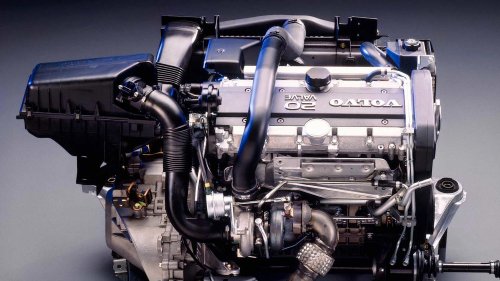
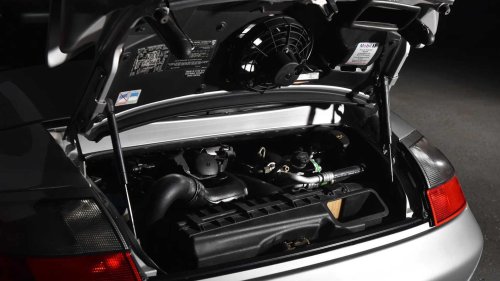
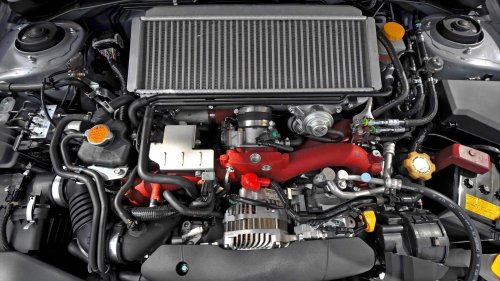
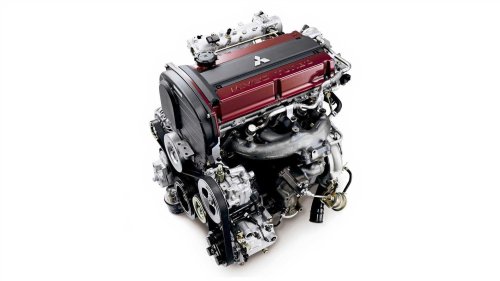
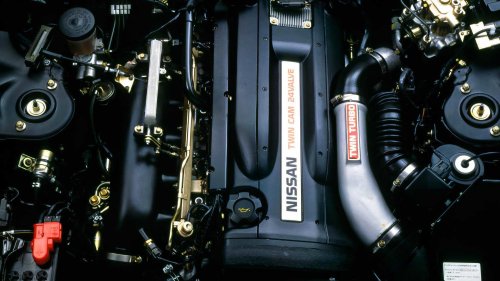
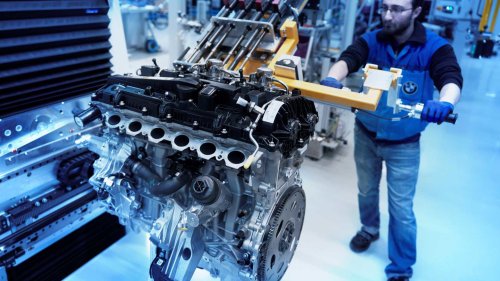
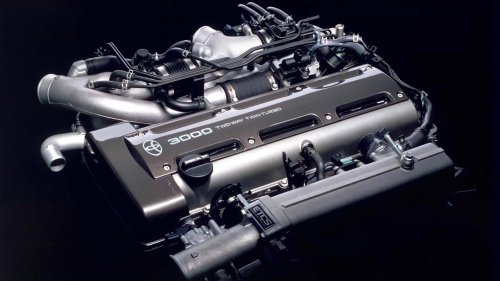
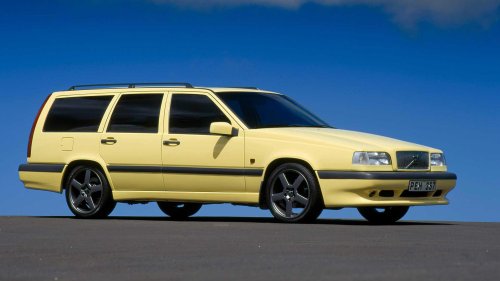
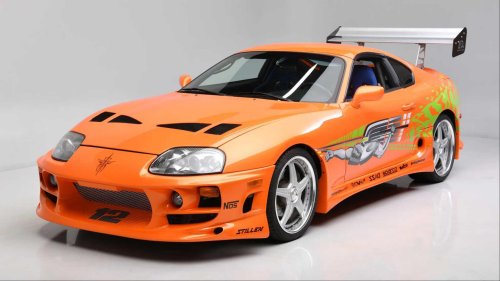
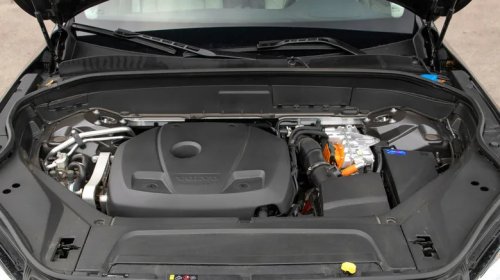
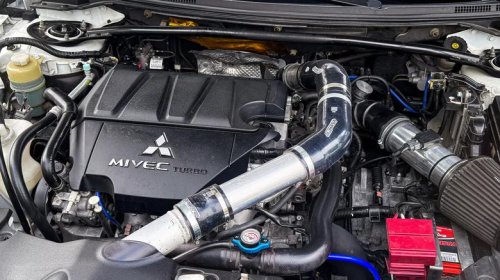
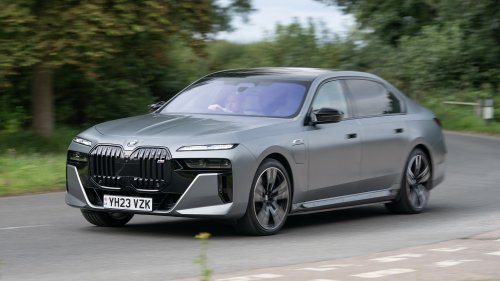
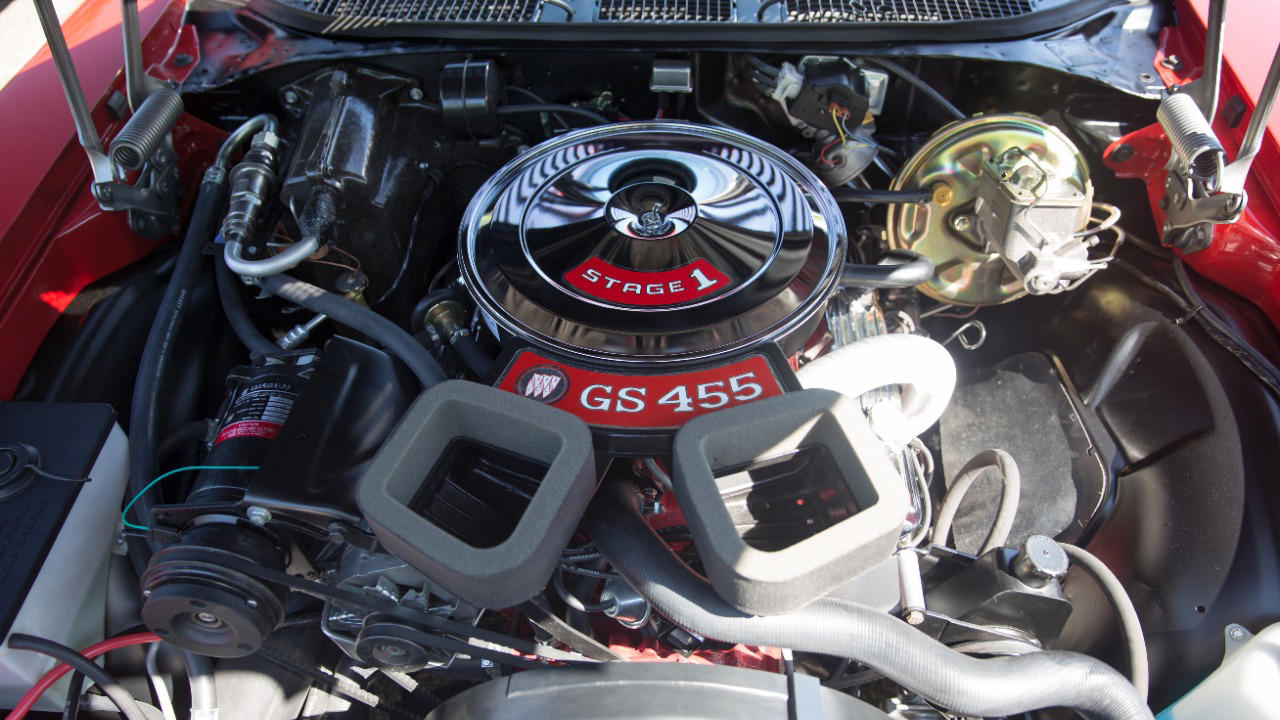
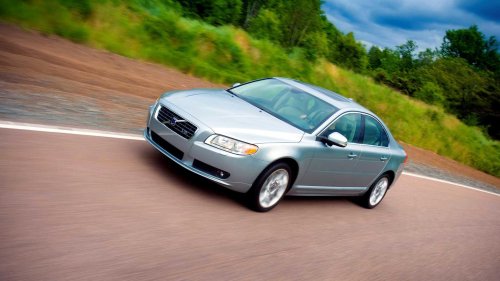
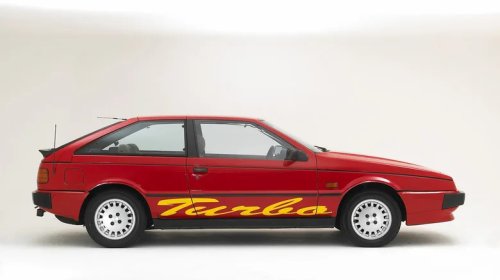
Turbocharged engines have come a long way since the fragile days of early forced induction, when the American-made Oldsmobile F-85 Jetfire became the first to add this form of forced induction onto the production line for the 1962 model year. Once seen as ticking time bombs, research and testing have brought out the best of the technology, and today’s best turbo motors can handle immense stress, survive decades of abuse, and even laugh off double their factory boost.But while many automakers have mastered the art of turbocharging, only a handful have built engines so durable that they’ve become legends for enthusiasts and tuners courtesy of their ability to survive track abuse, tinkering potential, and mile after mile of high-pressure performance. Here are our rankings of 7 car brands that have earned a place in the all-time greats list. Volvo Volvo Volvo's B230FT And 5-Cylinder Fly Under The Radar As A Potent Forced Induction Masterpieces Volvo might not be the first name that springs to mind when thinking of the turbocharged hall of fame, but the Swedish automaker has a long history of overbuilt, understressed turbo engines. The redblock-era B230FT inline-four, used in 740 and 940 Turbos of the late 1980s and early 1990s, earned a cult following for its brick-like reliability. Its cast crankshaft, thick iron block, and low-strung turbo setup meant these engines could take massive abuse and keep running. In the name of Scandinavian reliability, owners often surpassed 400,000 miles without breaking a sweat.Later, the B5234T4 and B5244T3, better known as the T5 five-cylinder engines, carried on that same ethos. Found in everything from the 850R to the C30 and early Polestar models, these smooth but tough motors were built to last. Tuners could regularly double their factory power output with minimal internal upgrades, and forum engagement shows that the cars they power are still running strong decades later. Porsche Via: Bring a Trailer Porsche Knows A Thing or two About Turbos With The Mezger Flat-Six and 9A1/9A2 Turbo Reliability might not be the first word that comes to mind when thinking “supercar,” but Porsche’s turbocharged engines are a genuine exception.The famed Mezger flat-six, used in the 911 Turbo (996 and 997 generations) and GT2, is one of the toughest performance engines ever built. Derived from Porsche’s Le Mans racing program, the Mezger is air-cooled at heart but re-engineered for turbocharged, water-cooled endurance. Even at 500+ horsepower in factory trim, it’s known to handle a dollop more of it with minimal involvement.In more modern times, the 9A2 Evo engines found in the 992 911 Turbo and Turbo S continue Porsche’s legacy of reliability under pressure. Continuing the story from above, these were an object lesson in precision German engineering and an integrated dry sump system. Additional thermal management made these flat-sixes as quick as they were dependable, and they were quick! Modified examples of this motor have been known to dominate on the drag strip and hit 60 mph in under 3 seconds. Subaru Subaru Subaru's Motorsport Endeavors Birthed Some Famed Turbocharged Engines Like the EJ20 and EJ25 All head-gasket jokes aside, Subaru has been the underdog champion of turbocharged reliability for some decades now. The EJ20 and EJ25 boxer engines, dating back more than three decades, found their way into generations of WRX and WRX STI models that are known and loved today. Since then, they have powered everything from rally stages to mountain passes without complaint, and when paired with the Japanese firm's famed symmetrical all-wheel drive and balanced weight distribution in mind, Subaru’s turbo boxers deliver immense traction and long-lasting durability when properly maintained.Despite their reputation for head gasket issues, the core design of Subaru’s EJ engines is remarkably stout, and their motorsport pedigree proves it. If the fear of coolant mixing with oil is too great, the later FA24DIT brought modern refinement to the formula, improving thermal efficiency and internal strength. It powers the latest WRX and Ascent models with more reliability than ever, showing Subaru’s mastery of practical turbocharging. Mitsubishi Mitsubishi A Rally Rivalry Made the 4G63T and 4B11T Great The Mitsubishi name may have, very disappointingly, faded from performance glory in recent years, but few turbo engines have earned the level of respect commanded by the 4G63T. Born in the late ‘80s and perfected through years of rally competition in the Lancer Evolution, this iron-block turbo four-cylinder became a tuning icon and a rival to fellow Japanese counterpart Subaru. With a forged crank, stout internals, and a head design that begged for boost, the 4G63T could handle over 500 horsepower without breaking.Its successor, the 4B11T, carried the Evo legacy into the modern era with an aluminum block and advanced turbocharging. While lighter, it didn’t forego the renowned toughness garnered by the 4G63T, and tuners have proven it’s just as capable of withstanding serious power. Throughout the nearly four decades of existence, both of these performance-derived engines will have Mitsubishi comfortably earning a place in the list of best-turbocharged engine manufacturers of all time.The next few choices will stir some debate, and much of it will come down to opinion, but each of the final three manufacturers has earned its keep in the world of turbocharging and garnered adoration with owners and tuners. Think the rankings should be in a different order? Tell us in the comment section below. Nissan Nissan Nissan Has Too Many Turbocharged Masterpieces To Mention Japanese Gentleman's agreement, but big horsepower potential. One of the greatest turbocharged motors to ever be built is the legendary RB26DETT. Fitted to the iconic Skyline GT-R, it hailed from an endurance racing heritage, which is where it earned an impressive reputation. With an overbuilt iron block, twin turbos, and precision-balanced internals, it became famous for handling extreme boost levels without issue. Many RB26 engines are still running today, decades later, making over 800 horsepower on mostly stock components.That's not where Nissan's story ends with forced induction. From the 1980s to now, the Japanese giant has a lengthy list of turbo engines that also includes the VR38DETT, found in the R35 GT-R. Unlike its predecessor mentioned above, this was hand assembled, featured plasma-coated cylinder bores, and had massive cooling capacity. It’s proven itself capable of 1,000+ horsepower builds while maintaining OEM reliability and these credentials give it the ability to hunt down far more pricey supercars. On the more affordable side, Nissan also has the more humble SR20DET four-cylinder which is light, tunable, and incredibly robust and found service in everything from the 180SX to the Silvia. BMW BMW BMW Pioneered The First Turbocharged Production Car in Europe, And The Rest is History In 1973, BMW unveiled the 2002 with forced induction, which signalled the first mass-produced vehicle sold on its home continent with the technology. Since then, BMW’s turbocharged engines have evolved from fragile experiments to near-indestructible marvels. The N54, BMW’s first twin-turbo inline-six, was infamous for early reliability hiccups, but its underlying strength turned it into a tuner favorite. The closed-deck block, forged internals, and advanced direct injection allowed it to take huge power increases. Enthusiasts regularly push 600+ horsepower on stock bottom ends, and the engine’s durability has earned it cult status.Then came the B58, the spiritual successor that solved nearly all the N54’s quirks; IE, it was more reliable. Used in everything from the (new) Toyota Supra to the M340i, the B58 combines metallic strength with modern efficiency. It’s smooth, dependable, and one of the most mod-friendly turbo engines of the 21st century. Meanwhile, the high-performance S55 can crush giants. Found in the M3 and M4, it proved that BMW could make a track-ready twin-turbo motor that can be abused to beat bigger-displacement motors, and still do it (relatively) reliably. Toyota Toyota Toyota Has Mastered Every Kind Of Turbocharging Out There No discussion of bulletproof turbocharged engines can exist without Toyota sitting at the top. The 2JZ-GTE from the Supra MK4 has become a legend for its ability to handle power levels that defy logic. With a cast-iron block, overengineered internals, and a head design that flows like a race motor, the 2JZ can take triple its stock (gentleman's agreement) power with minimal modification. Tuners have pushed them past 1,000 horsepower for decades, often without ever opening the engine.Its smaller sibling, the 1JZ-GTE, shares much of that DNA and is equally known for toughness in drift and street builds. But beyond these petrol-fuelled marvels is the 1KD-FTV diesel turbo engine, found in Hilux and Land Cruiser models. It remains another marvel of longevity and bulletproof reliability. Not tuned for outright speed, these workhorses have been built to endure the worst of the worst. Across the deserts of Africa and the Jungles of the Amazon, these can survive insurmountable heat, heavy towing, and years of neglect without complaint. When it comes to turbocharged strength, Toyota remains the undisputed benchmark for bulletproof reliability.