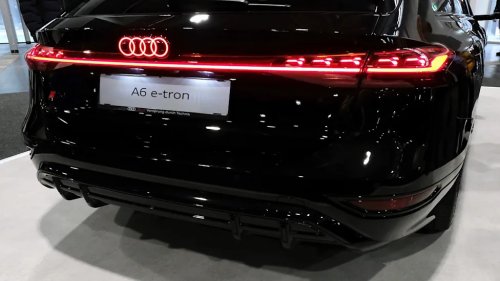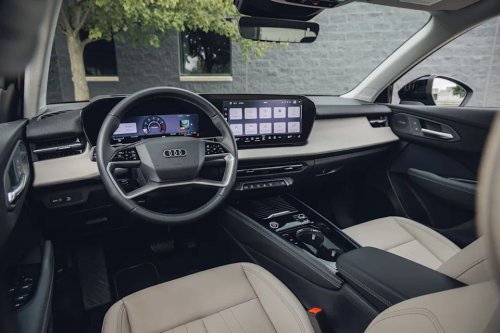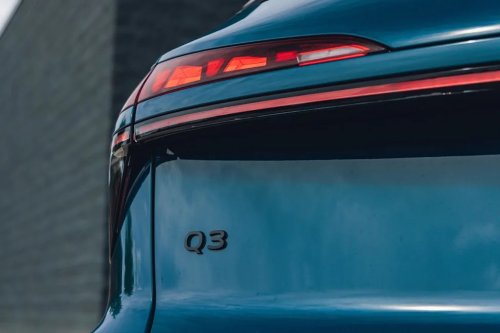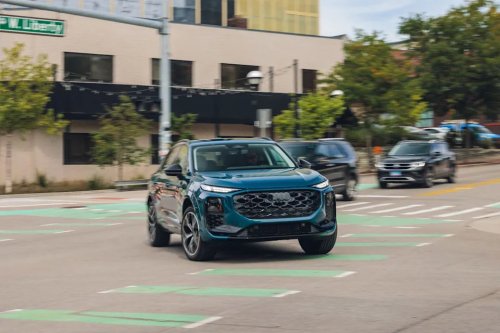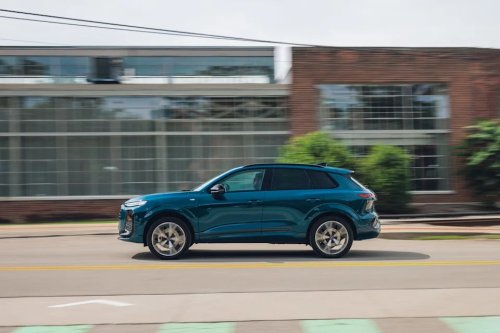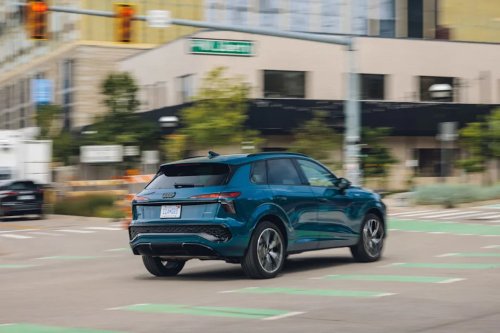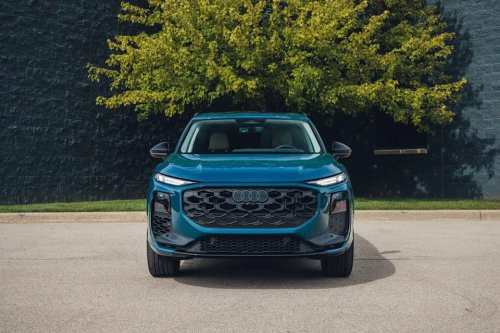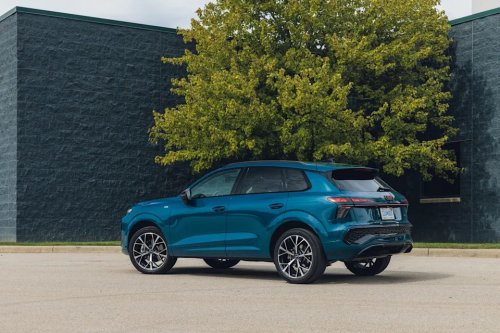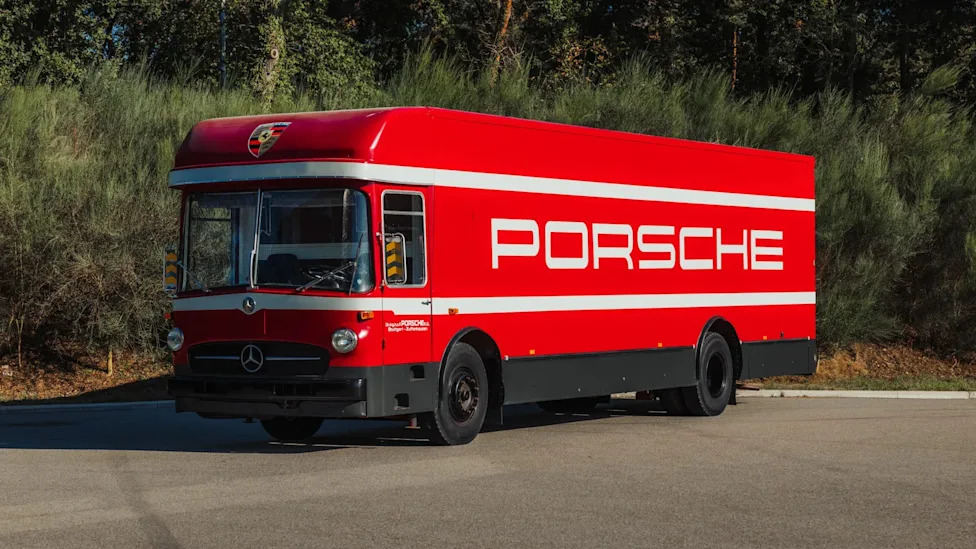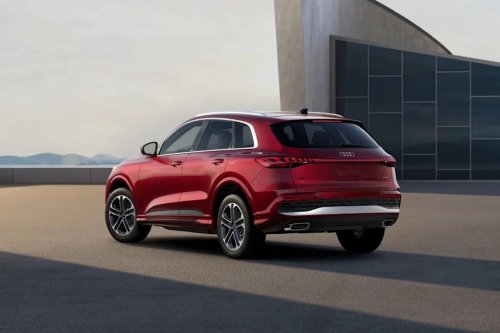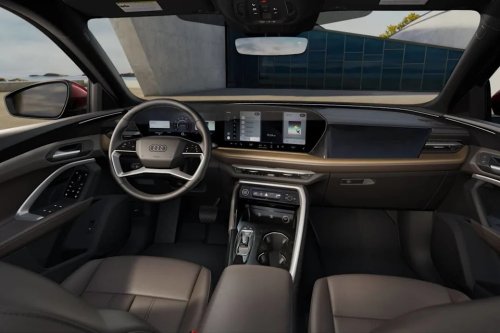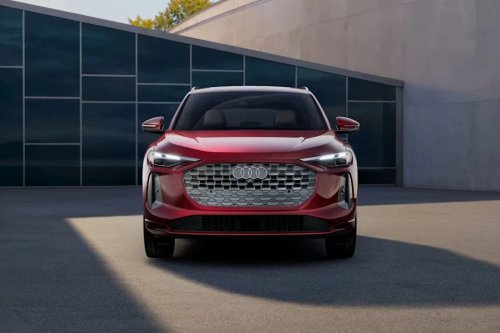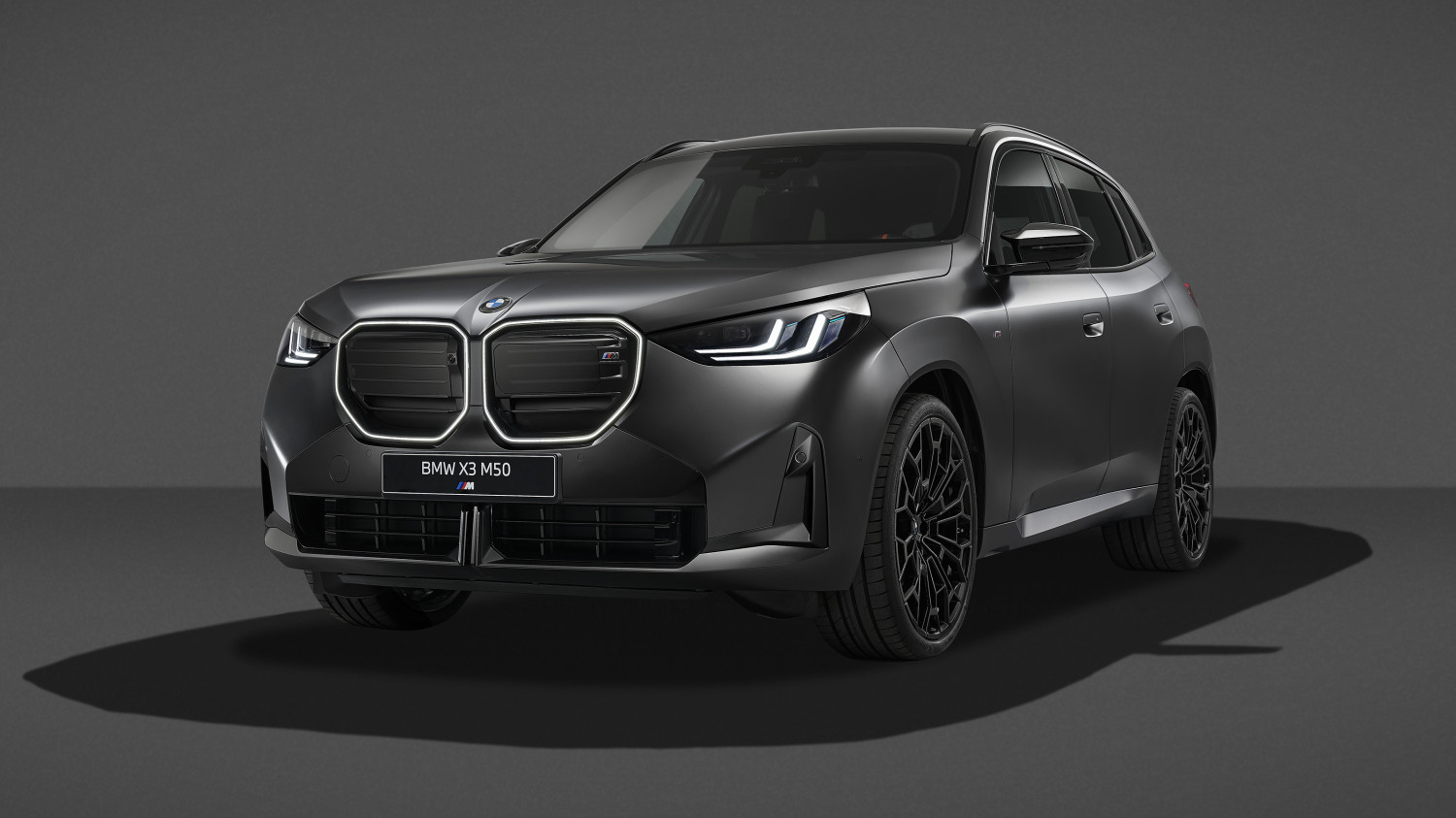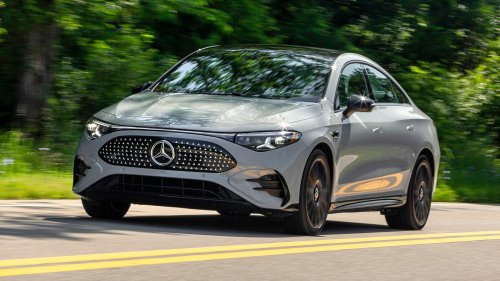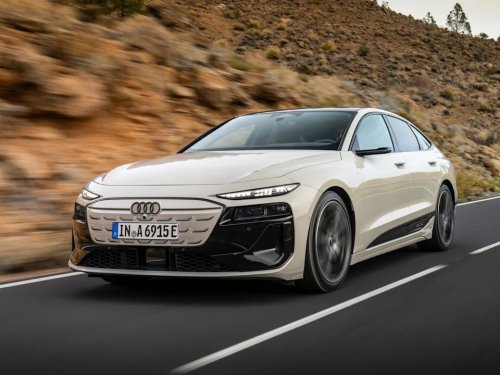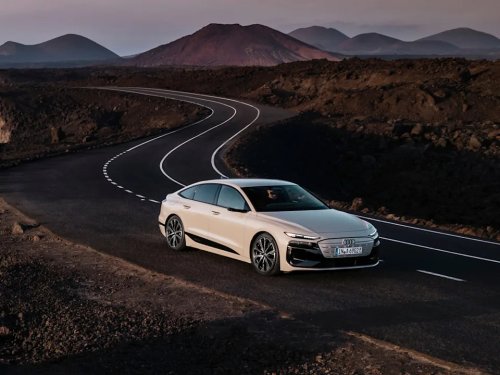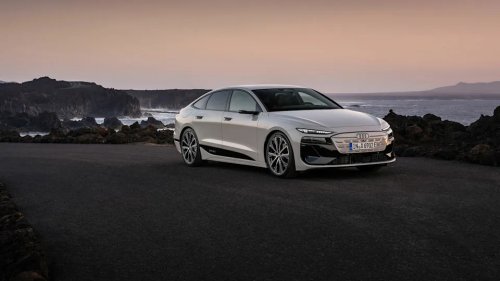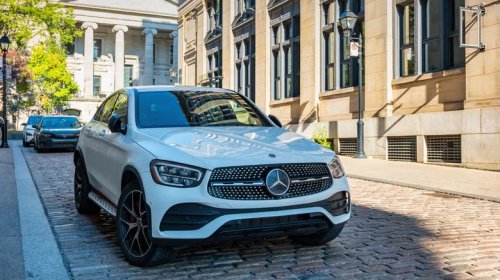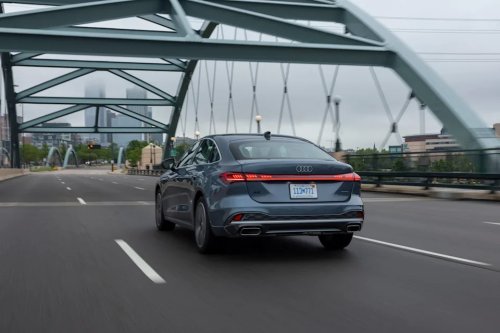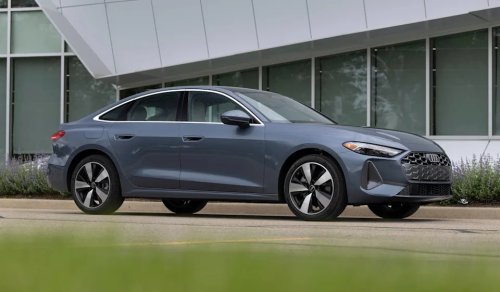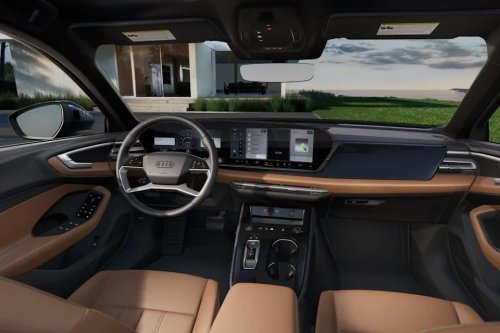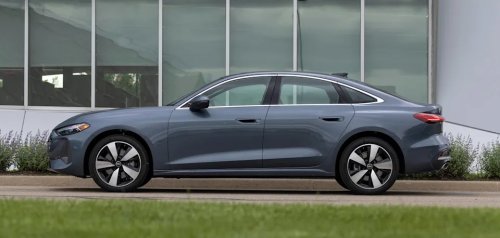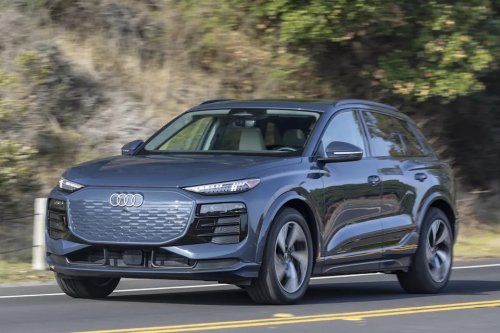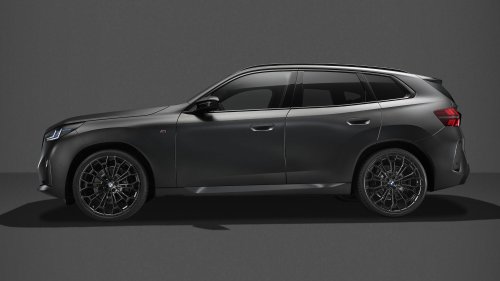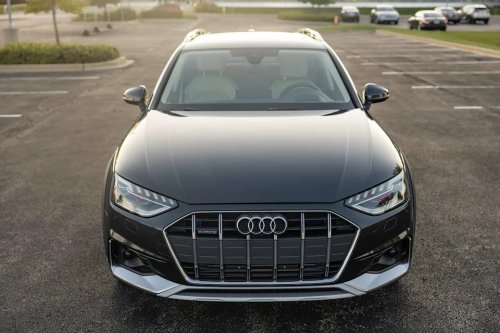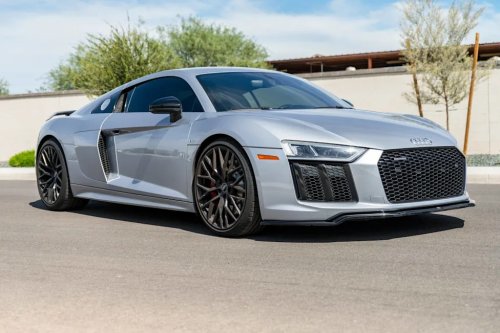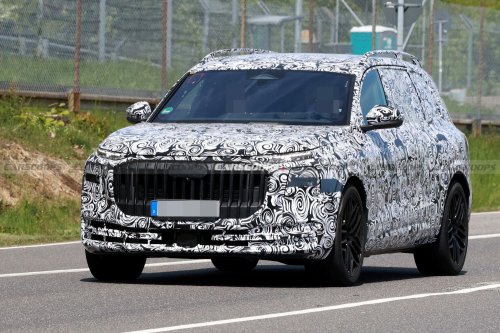
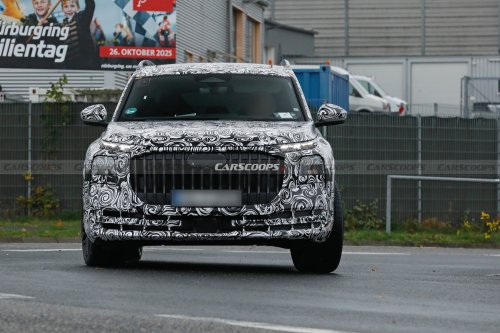
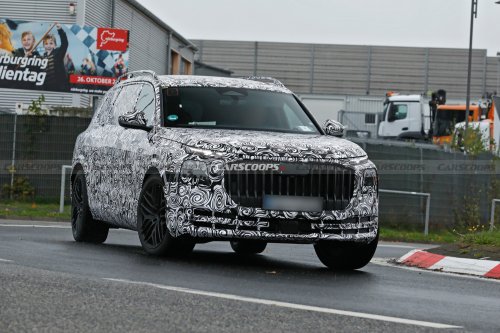
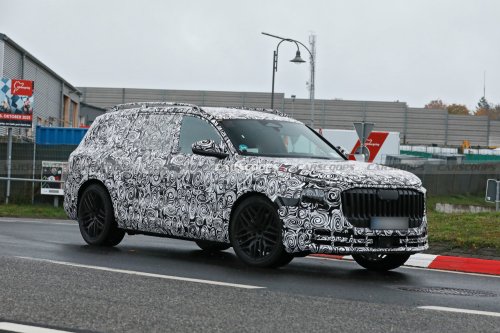
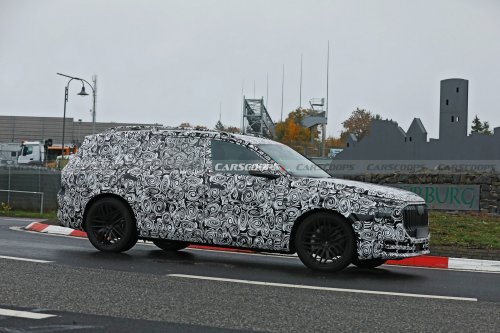
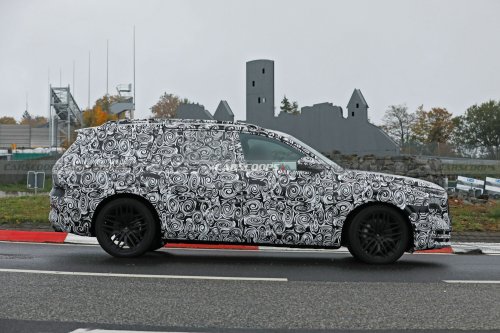
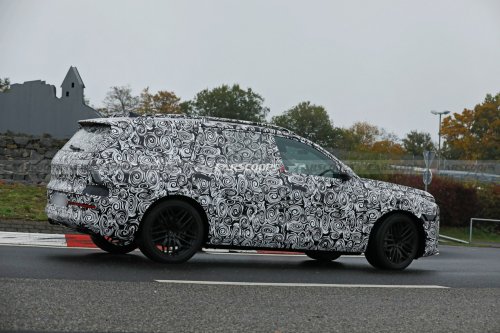
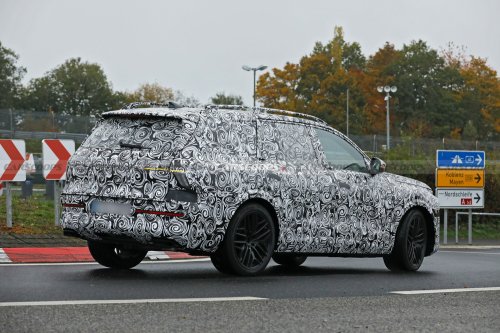
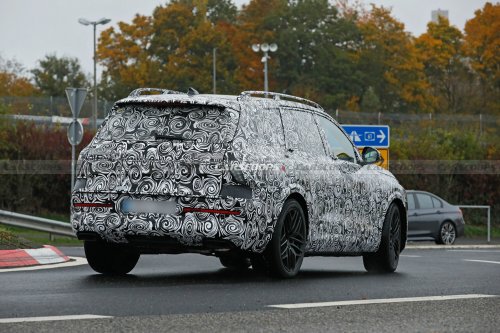
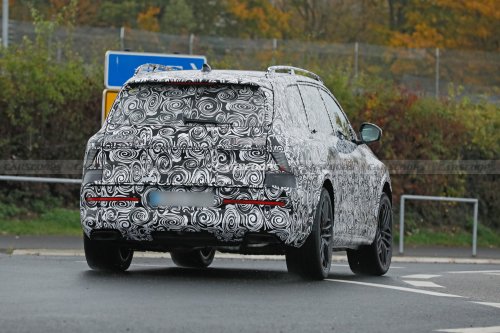



















Audi is stressing out over President Trump’s plans for a 25% tariff on imports. Audi lacks US production, making it highly exposed to tariff increases. New Q9 flagship SUV launch could be hit before it even reaches showrooms. Audi has a problem, and it’s not a small one. A proposed jump in US import tariffs could hit the brand harder than most of its German rivals, and the timing couldn’t be worse. President Donald Trump is pushing to raise tariffs on European cars from 15 percent to 25 percent. If that happens, Audi will feel it immediately because it doesn’t build any vehicles in the United States. Unlike BMW and Mercedes, both of whom have plants inside America’s borders, it relies entirely on imports for American customers. Related: Audi Lost Nearly A Third Of Its Sales In America That exposure is exactly what has executives like Audi‘s finance chief Jürgen Rittersberger worried. “We are still evaluating a potential impact but it’s clear it would be a significant burden on our performance,” he said in comments reported by Bloomberg. The issue becomes even more pressing when you look at Audi’s product plans. The brand is preparing to launch its biggest, most luxurious utility yet, the Q9 SUV, aimed squarely at wealthy American buyers. The catch is that it’s built in Slovakia, meaning it would be directly affected by any tariff hike. Audi has talked for years about setting up production in the US, but nothing has materialized. Now that hesitation is coming back to bite. Rittersberger admitted the company is exploring options with sister company Volkswagen, which does have a US facility, but added that without government incentives or tariff relief, building locally would be difficult. Sales Down, Workers Let Go The backdrop isn’t exactly reassuring either. Audi is already cutting costs and plans to reduce its German workforce by 7,500 over the next three years. And even before this latest tariff announcement, it was dealing with softer demand in key markets like China and North America, which has put pressure on margins. US sales dropped by a third in the first quarter of this year. Trump has a habit of making big threats, then backtracking, so it’s possible that the 25 percent tariffs might not be enacted at all. But Audi faces a stressful wait to find out, and if tariffs do rise, the company may have to rethink its entire US strategy much faster than planned.And it’s not the only VW Group luxury brand that could be badly affected by tariff increases. Sister company Porsche doesn’t have a US production base either, and could also be badly hit by extra tariff costs.