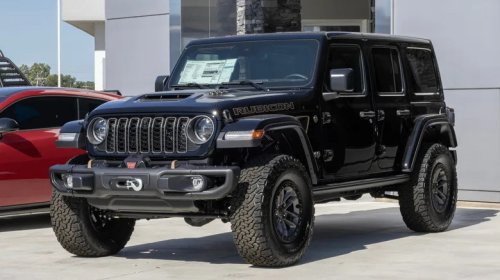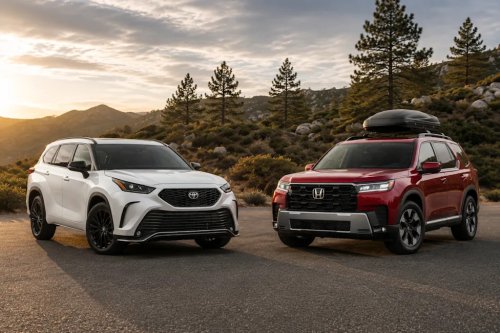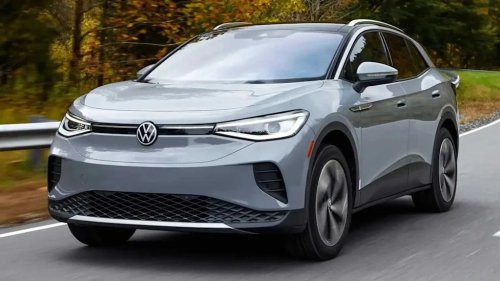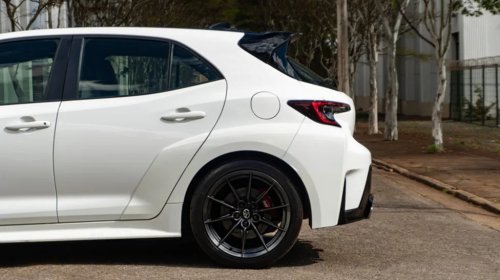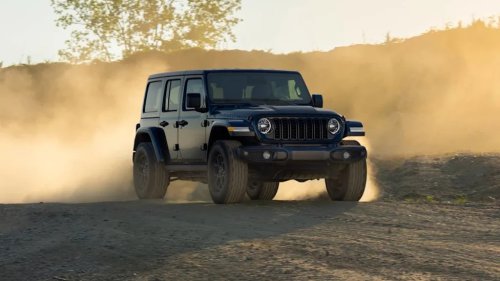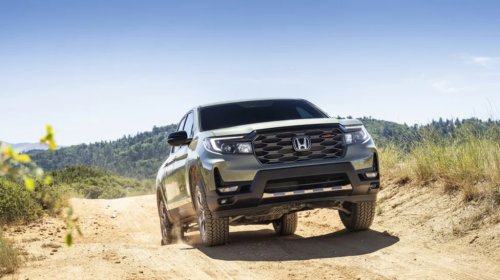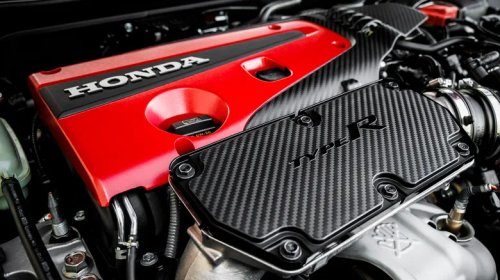



















these 7 car brands are still experiencing engine failures in 2026 Looking at 7 automakers with vehicles that are experiencing engine failures in 2026. These include major engine recalls from Toyota, GM 6.2L V8 engine failures, Hyundai/Kia engine failures, Honda 1.5L turbo head gasket failure, Volkswagen 2.0L turbo engine failure, and Nissan VC turbo engine problems. There's also a look at why these problematic engines are being recalled. Why are modern cars so unreliable and experiencing engine failures and major recalls? Watch the video to find out: 2027 Nissan Z: All the Details The AutoGuide Creators Series tells stories and amplifies creators from the car world, including family life, car buying advice, commuting tips and car culture. New Vehicles Still at Risk of Complete Engine Failure Which new vehicles are still suffering complete engine failures? More than you might expect. Despite constant advances in powertrain design, there are still several brand-new vehicles on sale today that carry a significant risk of catastrophic engine failure. In some cases, the problems are tied to turbocharged downsized engines operating under extreme stress. In others, the issue is poor design, flawed components, or unresolved manufacturing defects. Here are seven of the biggest offenders. GM's 1.2-Liter Turbo Three-Cylinder The first engine on the list is General Motors' 1.2-liter turbocharged three-cylinder, found in vehicles such as the Chevrolet Trax, Chevrolet Trailblazer, Buick Envista, and Buick Encore GX. Because of its small displacement and the added stress of turbocharging, this engine operates under high heat and pressure. That strain now appears to be catching up with it. Owners have filed class-action lawsuits against GM alleging premature internal engine failures, including bearing damage, connecting rod failures, oil leaks, and loss of propulsion. In the worst cases, the result is total engine failure. To make matters worse, replacement engines have reportedly been backordered, leaving some owners waiting weeks or even months for repairs. There has not yet been an official recall, but given the pattern of failures, it would not be surprising to see one. Nissan Rogue 1.5 VC-Turbo The Nissan Rogue's 1.5-liter turbocharged three-cylinder is another major problem area. Nissan first recalled roughly half a million Rogues in mid-2025 over engine failure concerns. Then, in February 2026, it issued another recall covering more than 650,000 vehicles for the same issue. The engine's complicated variable-compression design appears to be especially vulnerable to high oil temperatures, which can cause the oil to break down and the bearings to seize. The result is catastrophic failure, and some estimates have suggested the problem is affecting a significant percentage of Rogues. Nissan has at least responded by extending the powertrain warranty in the U.S. to 10 years or 120,000 miles for affected vehicles. That is a step in the right direction, though buyers in other markets are still waiting for similar protection. Volkswagen's 2.0-Liter EA888 Turbo Four Volkswagen's EA888 2.0-liter turbocharged four-cylinder has been around for years in various Audi and VW models, but its history remains troubled. Volkswagen settled a major class-action lawsuit tied to turbocharger failures affecting vehicles from 2008 through 2024, and newer models still appear to be struggling. The 2026 Tiguan, for example, continues to raise concerns. Another long-running issue is excessive oil consumption caused by faulty piston rings, a problem that can become so severe the only fix is a full engine replacement. Other common trouble spots include bad PCV valves, timing cover leaks, and failing water pumps. This is one of those engines that remains risky even after years of revisions. Honda's 1.5-Liter Turbo Four Honda's 1.5-liter turbocharged four-cylinder also makes the list. When it first arrived, the big issue was oil dilution, where fuel contaminated the oil. More recently, however, the bigger concern has become head gasket failure. When the gasket goes, coolant can leak into the combustion chamber and cause severe engine damage. Failures have been reported at relatively modest mileage, and repair bills can climb into the thousands. Honda is already facing legal pressure over the issue, but it has not rolled out the kind of broad warranty response many owners were hoping for. The good news is that Honda has gradually been phasing this engine out of much of its lineup, especially as hybrids take over, but it still appears in certain Accord, CR-V, and Acura models. Jeep's 2.0-Liter Turbo Four Jeep's 2.0-liter turbocharged four-cylinder, used in the Wrangler and Grand Cherokee, has also experienced serious problems. A major recall in late 2025 covered around 100,000 vehicles because of defects that could lead to catastrophic engine failure or even engine fires. Beyond that recall, owners have reported head gasket failures, cracked cylinder liners, damaged pistons, oil and coolant leaks, and turbocharger failures. Jeep has started introducing a revised 2.0-liter turbo for the 2026 Grand Cherokee, but until that engine proves itself, this remains a powertrain worth avoiding. Hyundai and Kia's 2.0-Liter Theta II Four-Cylinder Few engines have built a worse reputation over the last decade than Hyundai and Kia's 2.0-liter Theta II four-cylinder. This engine has been linked to rod-bearing failures, piston ring problems, seizures, fires, and extreme oil consumption across millions of vehicles. It has led to class-action lawsuits, regulatory investigations, recalls, and major financial penalties. Hyundai and Kia have moved much of their lineup on to newer Smartstream engines, but the Kia Seltos still uses this 2.0-liter in certain versions. Until that changes, it remains one of the easiest engines to avoid. Toyota Tundra 3.4-Liter Twin-Turbo V6 Toyota's 3.4-liter twin-turbo V6, introduced in the redesigned Tundra, has been one of the company's biggest modern setbacks. What was supposed to usher in a new era of performance and efficiency instead turned into a serious durability problem. Defects tied to rod-bearing failure have forced Toyota to issue massive recalls covering 2022 through 2024 Tundras, and owners of 2025 models have continued reporting failures. That suggests the problem may not yet be fully solved. The same engine also appears in the Sequoia, Lexus GX, and Lexus LX, though failures in those models seem less common. Even so, the damage to Toyota's reputation has been significant, especially for buyers who once considered the Tundra among the safest full-size trucks to own long-term. GM's 5.3-Liter and 6.2-Liter V8 Trucks If there is a worst offender on this list, it is probably GM's 5.3-liter and 6.2-liter V8s used in full-size pickups and SUVs. These engines have suffered repeated failures tied to cylinder deactivation hardware, especially collapsed lifters that wipe out camshafts and destroy engines. The 6.2-liter has also seen rod-bearing failures. What makes the situation particularly frustrating is that failures can happen at virtually any mileage, including very early in a vehicle's life. Demand for replacement engines has been so high that GM has reportedly struggled to supply them fast enough, leaving some owners without vehicles for extended periods. And while GM is preparing a new generation of V8s for the 2027 model year, that does little to reassure current buyers. For now, these are among the riskiest full-size truck engines on the market. Final Thoughts None of this means every example of these engines will fail. But if you are shopping for a new vehicle and long-term reliability matters, these are among the powertrains that deserve the most caution. The common theme is hard to miss: small turbocharged engines pushed too far, older engines with unresolved design flaws, and manufacturers that were slow to respond once problems surfaced. For buyers, the safest move is often the simplest one: choose a proven naturally aspirated engine or a well-established hybrid system instead of the newest complicated turbo setup. If you have owned one of these vehicles or experienced an engine failure yourself, your story is probably worth hearing. 2026 Kia EV9 GT: All the Details