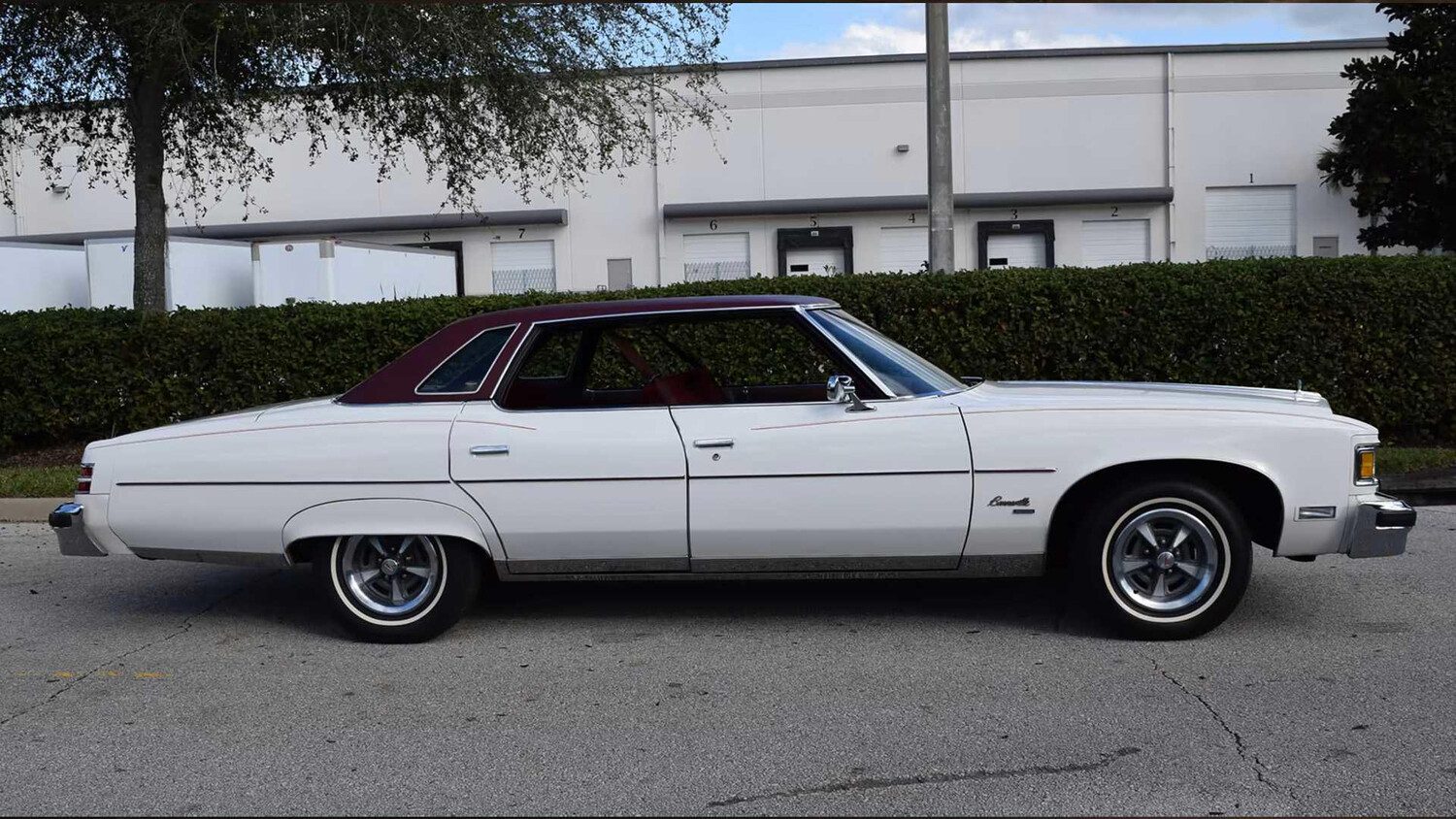
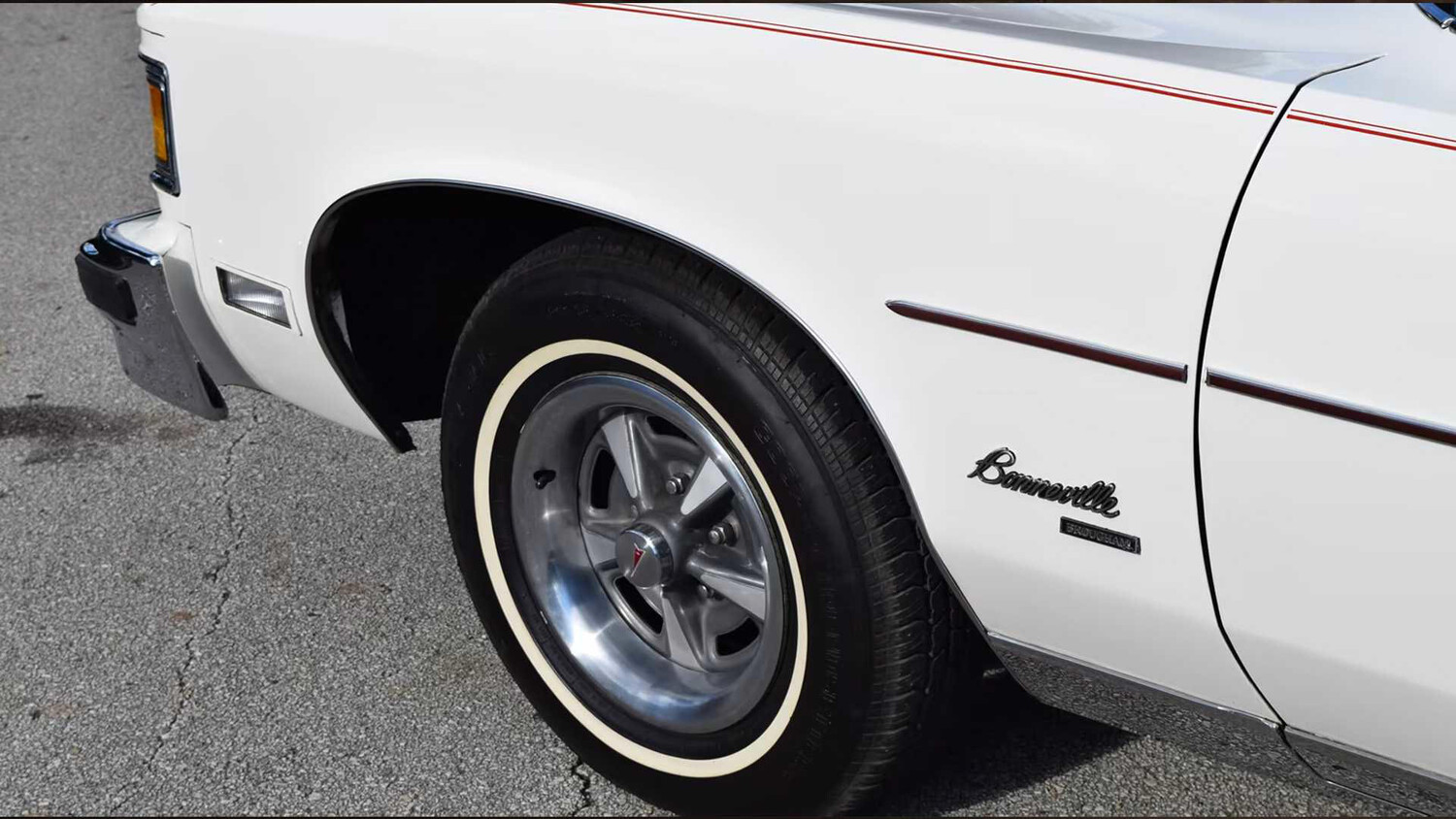
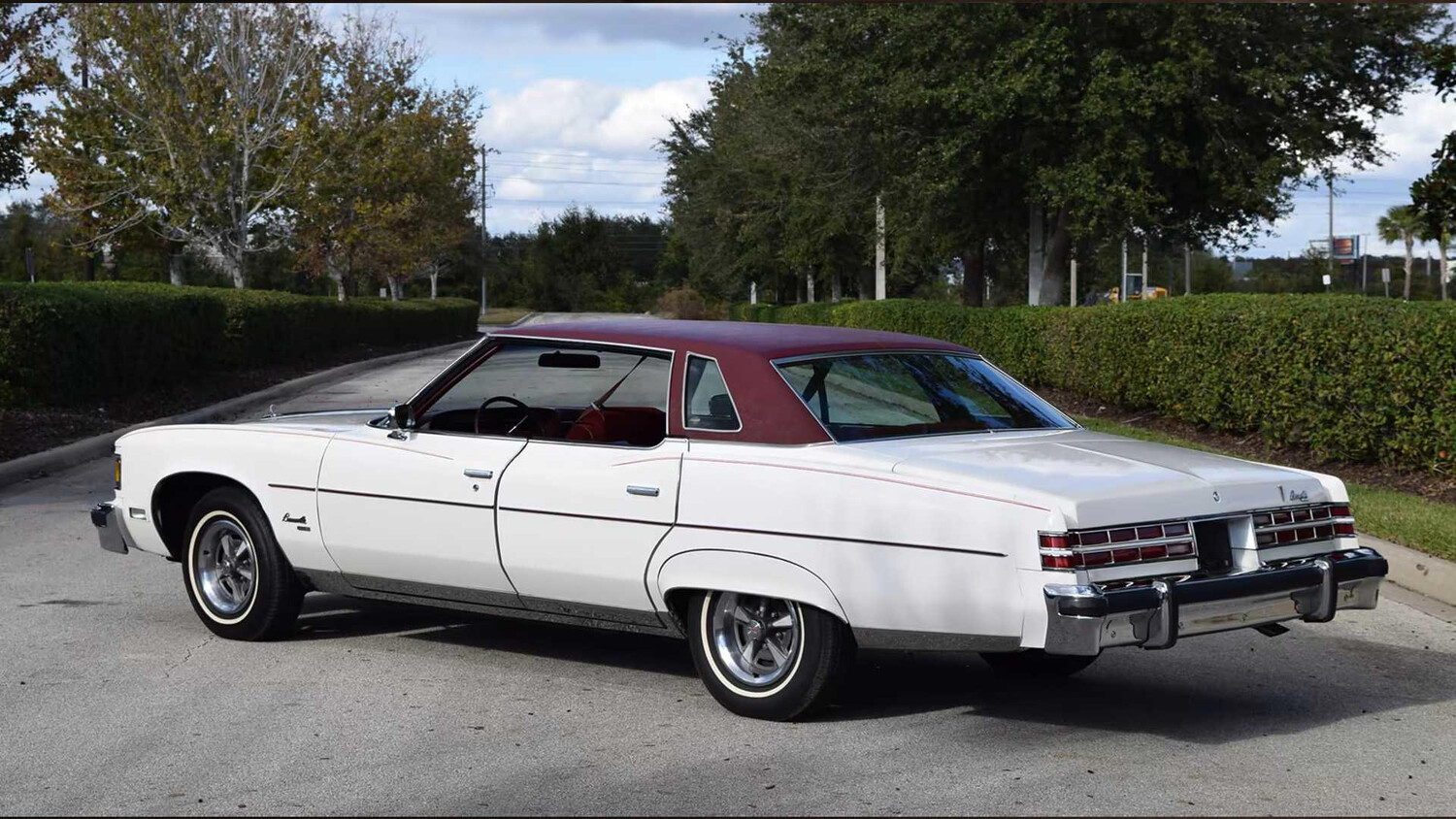
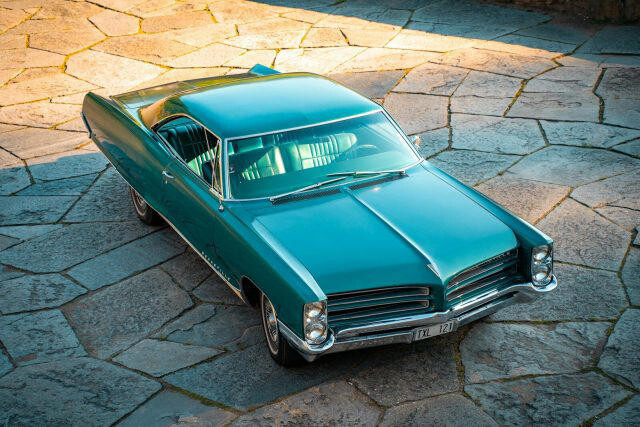
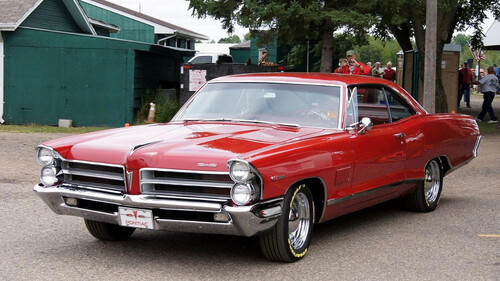
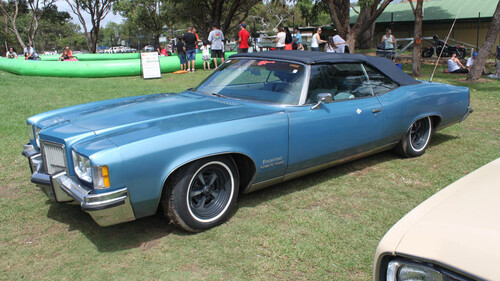
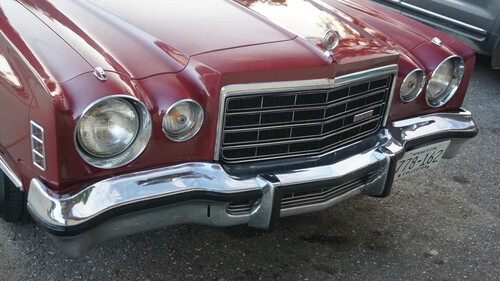
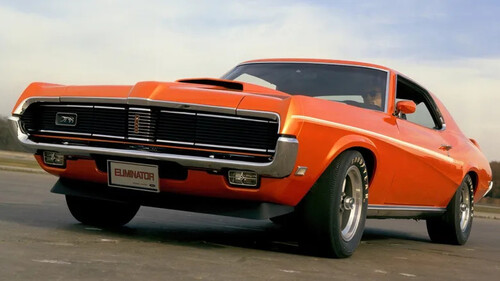
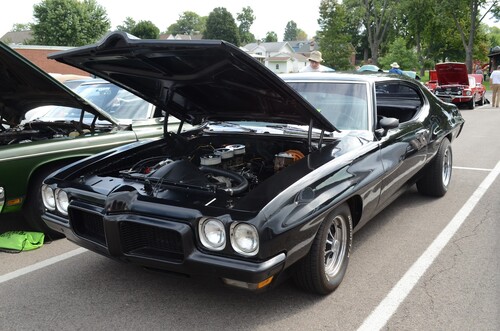
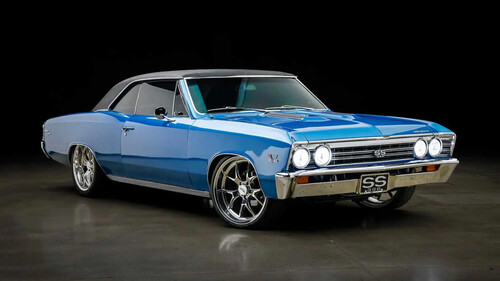
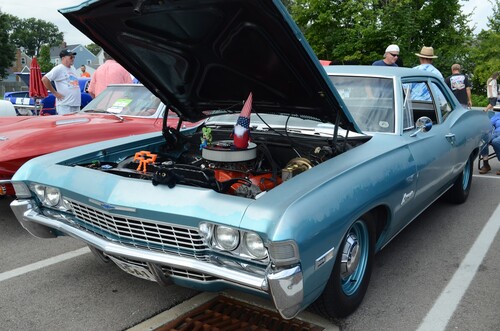
The idea of a family car has transformed dramatically over time, and the automobile has catered to the changing demands of customers every time. A modern compact three-row vehicle with a small footprint can squeeze up to six to seven people in moderate comfort. But once upon a not-so-distant time, vehicle size, passenger comfort, and effortless cruising mattered above all else.Technology has undeniably made cars safer and smarter, but it has also narrowed what’s possible. Some types of classic cars faded away not because they were bad ideas, but because the world around them changed. That same evolution reshaped both performance cars and everyday family transportation, quietly closing the door on designs that once defined excess as a virtue.There was a time when full-size American sedans were the undisputed kings of comfort and competence. They were unapologetically large, powerful, and overbuilt that recreating them today would be unthinkable. And no car better represents that era of automotive excess than the Pontiac Bonneville 455. The 1971-76 Pontiac Bonneville 455 Is Too Much, Even by American Standards Via: Mecum Auctions The 1971-76 Pontiac Bonneville 455 was a full-size American family sedan built around comfort, size, and torque rather than efficiency. A family car that wouldn't fly in the modern automotive landscape.It used a naturally aspirated 455-cubic-inch (7.5-liter) pushrod V8 designed for low-rpm torque to move a vehicle that weighed roughly 4,300-4,800 lbs, depending on year and body style. In the early years, the 455 was standard equipment; later it became optional as emissions regulations tightened.Via: Mecum Auctions The car rode on a long wheelbase, used a body-on-frame style platform typical of the era, and prioritized ride quality with soft suspension tuning, tall sidewall tires, and minimal emphasis on handling. Interior space, bench seating, and highway comfort were central to its design brief, making it a genuine family car rather than a performance derivative.This combination would be impossible to replicate today for several reasons. Current crash regulations would require fundamental modifications. Insurance risk models penalize large, rear-wheel-drive vehicles with high torque output, especially when marketed for family use. Modern automakers also rely on shared modular platforms, and a big-block rear-drive sedan platform focused purely on comfort would not be financially viable.Via: Mecum Auctions With SUVs and crossovers accounting for the majority of global sales and large sedans declining sharply, there is no market incentive to build a car that prioritizes size, torque, and ride isolation the way the Bonneville 455 did. Finally, a thirsty 7.5-liter V8, making 350 hp (later detuned to 250 hp) in a luxury-oriented sedan, wouldn't meet modern performance, efficiency, or emission standards. There are four-cylinder engines that make as much power as the 455 V8 today. Modern Regulations Would Tear This Car Apart Via: Mecum Auctions In the modern landscape of tight emissions, safety, and fuel economy standards, the Bonneville 455 would be impossible to build. And even if you did, it is unlikely there would be much demand for it. There are three big reasons for this. Built For Infinite Fuel Fuel economy and emissions simply weren’t part of the Bonneville 455 conversation. In real-world driving, the car often delivered single-digit to low-teens MPG, a figure that raised no eyebrows in an era when fuel was cheap and power was expected to be effortless. Early versions arrived before modern catalytic converters became standard, and even later models were built to satisfy only the loosest emissions requirements of the time. There was no thought given to CO2 output, efficiency targets, or long-term sustainability. The Bonneville 455 seems to have been built for a world where fuel is near infinite.Modern manufacturers are regulated by fleet-wide CO2 and fuel-consumption targets. A heavy, rear-wheel-drive sedan with a large-displacement V8 would drag those averages down hard. Even if technically compliant, it would force the brand to offset it with multiple hybrids or EVs, making no financial sense. Emission Regulations The 7.5-liter naturally aspirated pushrod V8 was designed around carburetion, low exhaust after-treatment, and relaxed combustion control. Modern standards like Euro 6d and EPA Tier 3 demand ultra-low NOx, particulate control, real-world compliance, and onboard diagnostics across the engine’s life. Meeting those limits with that displacement would require direct injection, complex exhaust treatment, and aggressive calibration that would erase the engine’s original character while still struggling on fleet averages. Safety Regulations Current crash standards require tall front structures, thick pillars, reinforced doors, complex airbag systems, along with several passive safety features that would fundamentally change the Bonneville itself. The long, low hood, thin pillars, and airy cabin that defined cars like this are no longer compatible with modern crash geometry. The lack of a B-pillar alone would render the sixth-gen Bonneville unviable as a four-door sedan for the family. Via: Mecum Auctions Even if it somehow passed emissions, fuel economy, and safety tests, it would still fail commercially. Buyers today expect advanced driver assistance systems, infotainment, efficiency, and measurable performance. A large, soft, torque-first sedan appeals to a niche that no longer sustains mass production. Finally, platform economics kill it outright. Automakers rely on modular platforms shared across sedans, crossovers, and SUVs. A dedicated, comfort-first, large V8-specific platform cannot be amortized at modern volumes. A True Big Block Bargain Today Via: Mecum Auctions The fact that this car would be impossible to build today makes it that much more unique and valuable in the eyes of anyone who wants to relive the best age of American cars. Luckily, that dream is still not beyond reach, because the Bonneville remains fairly affordable (for now).Family-oriented body-styles like four-door sedans are generally valued far less compared to a coupe or convertible. Today, values of used Bonneville 455s of that generation trading for less than $15,000 confirm that even nostalgic demand can't support it. A convertible or two-door coupe may cost slightly more at about $20,000, but most of them feature the smaller 400 ci engine. But either way, while the '60s were the golden era of the American automobile, the demand for family cars from the '70s with massive engines and low power outputs isn't what collectors are seemingly looking for today. They Don't Make Them Like They Used To, For Good Reason Via: Mecum Auctions Cars like the Pontiac Bonneville 455 existed because the industry once prioritized size, torque, and simplicity over efficiency and emissions. That same logic applied to several other family-oriented or everyday cars that quietly carried extreme mechanical hardware. The Chevrolet Biscayne L72 paired a stripped-down full-size sedan with a race-bred 427 V8.The Dodge Coronet R/T 440 offered massive displacement in a practical body meant to carry passengers. Even the Chevrolet Chevelle Concours 454 wagon combined family-hauling practicality with big-block power that today would seem absurd.Bring A Trailer These cars were logical outcomes of their era. At the time, fuel was cheap, emissions rules were minimal, and safety standards were basic, not a priority. Manufacturers could build dedicated platforms and sell them without worrying about fleet averages or global compliance.That world no longer exists. Modern cars must meet strict emissions targets, deliver predictable fuel economy, pass complex crash tests, and fit into modular platforms to be financially viable for the manufacturer. Buyers now expect technology, efficiency, and safety as baseline requirements. They don’t make them like they used to. Not because they forgot how, but because the rules, the risks, and the expectations fundamentally changed.Sources: General Motors, Mecum Auctions, Classic