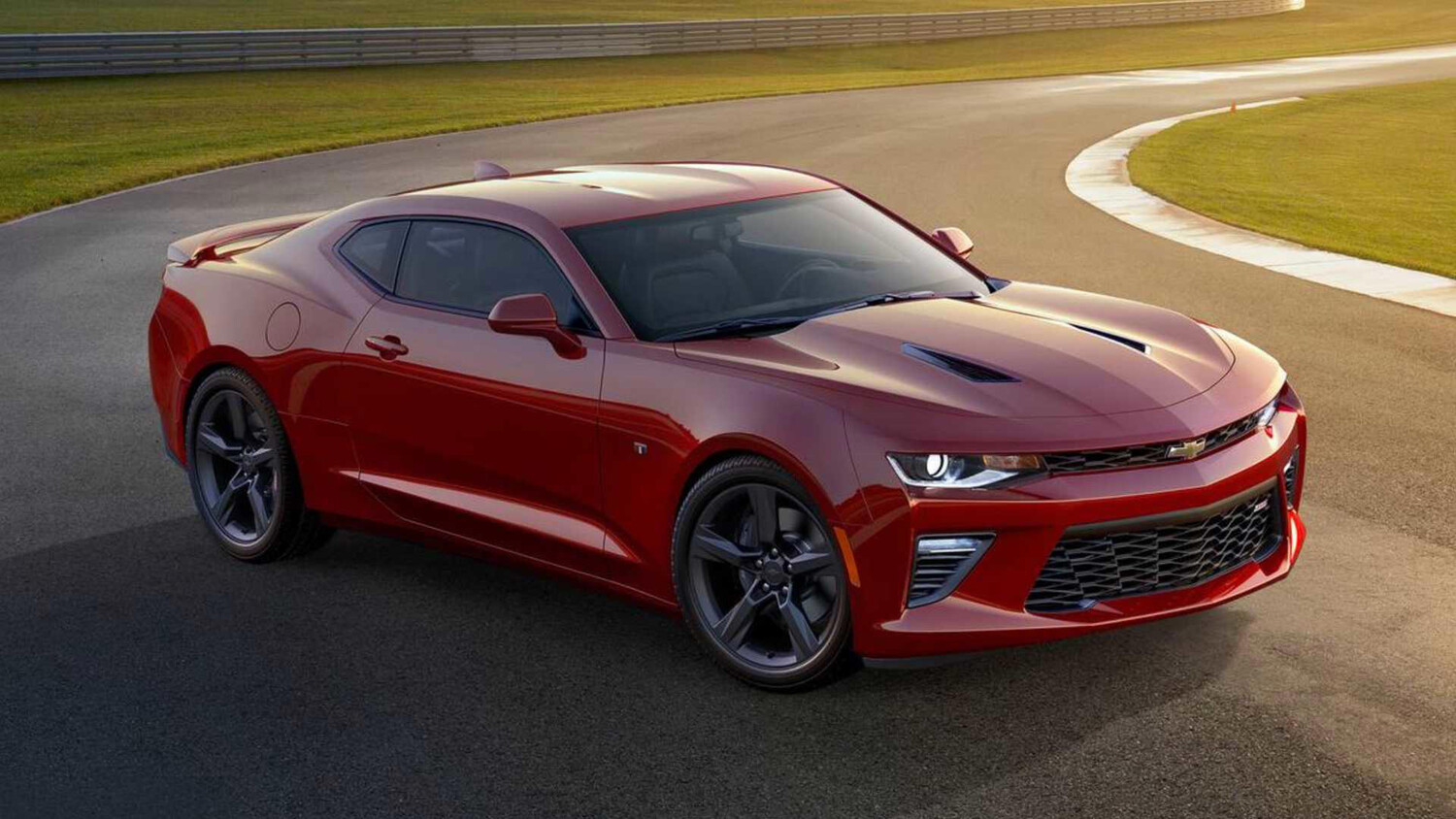
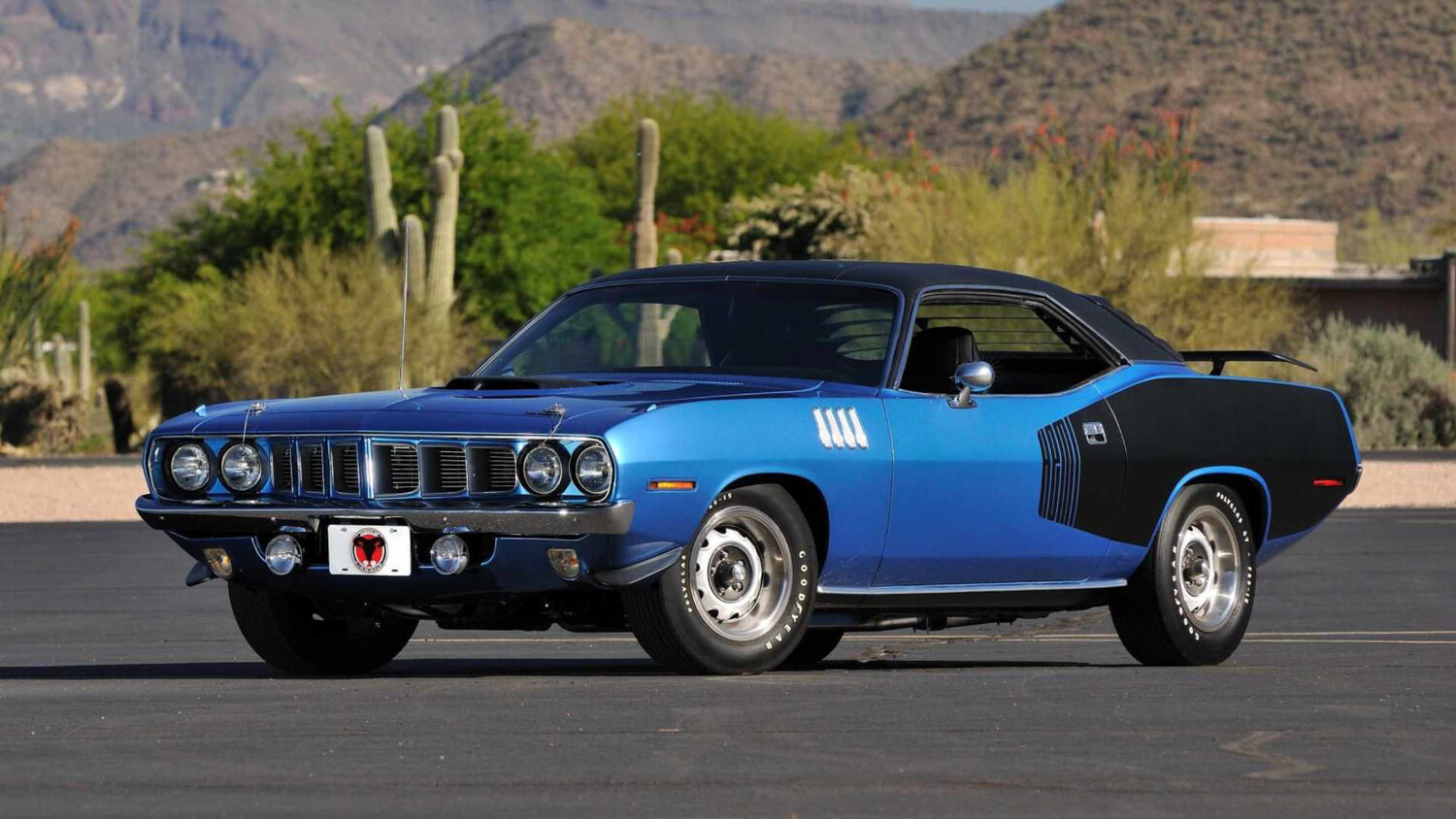
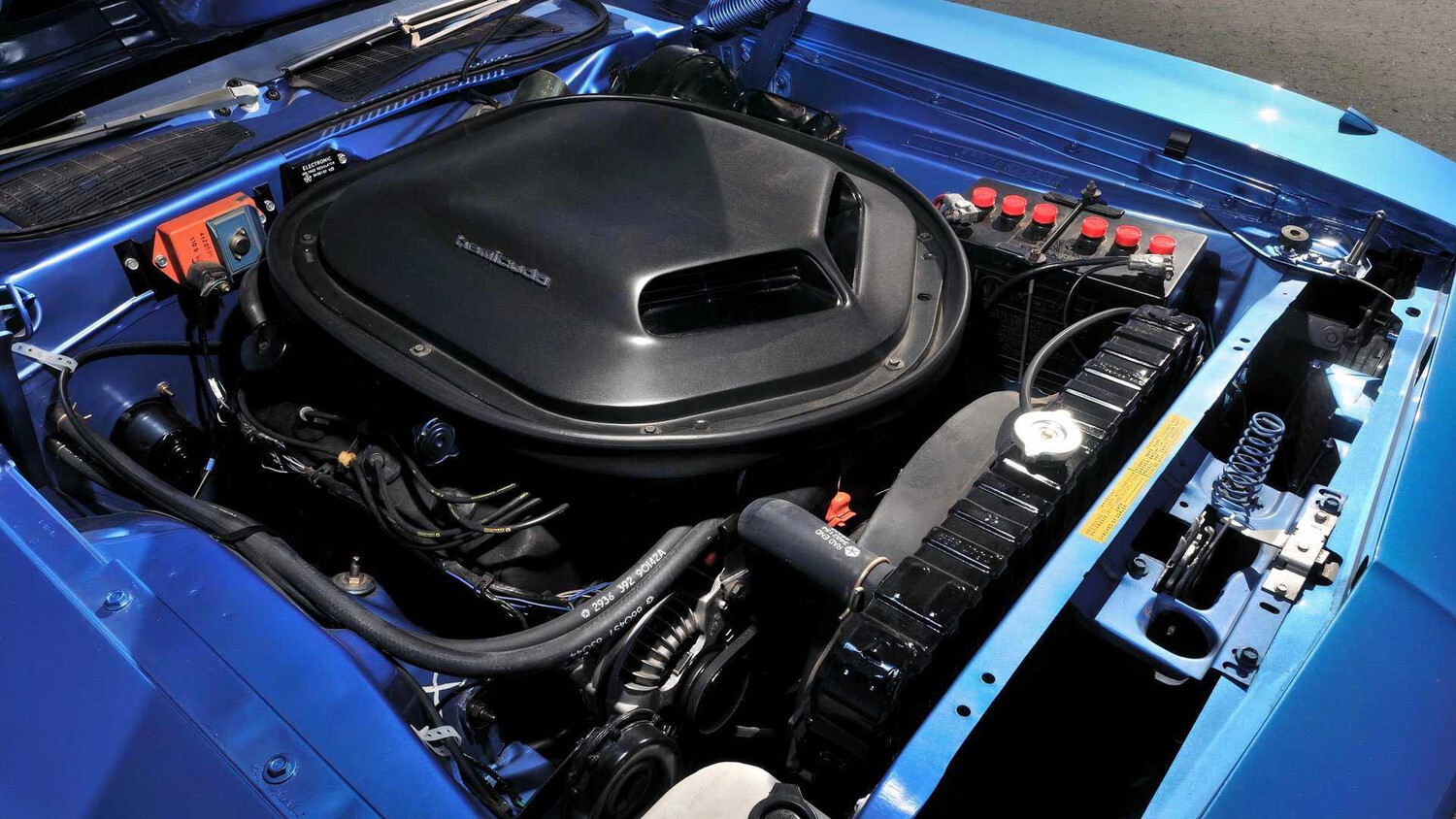
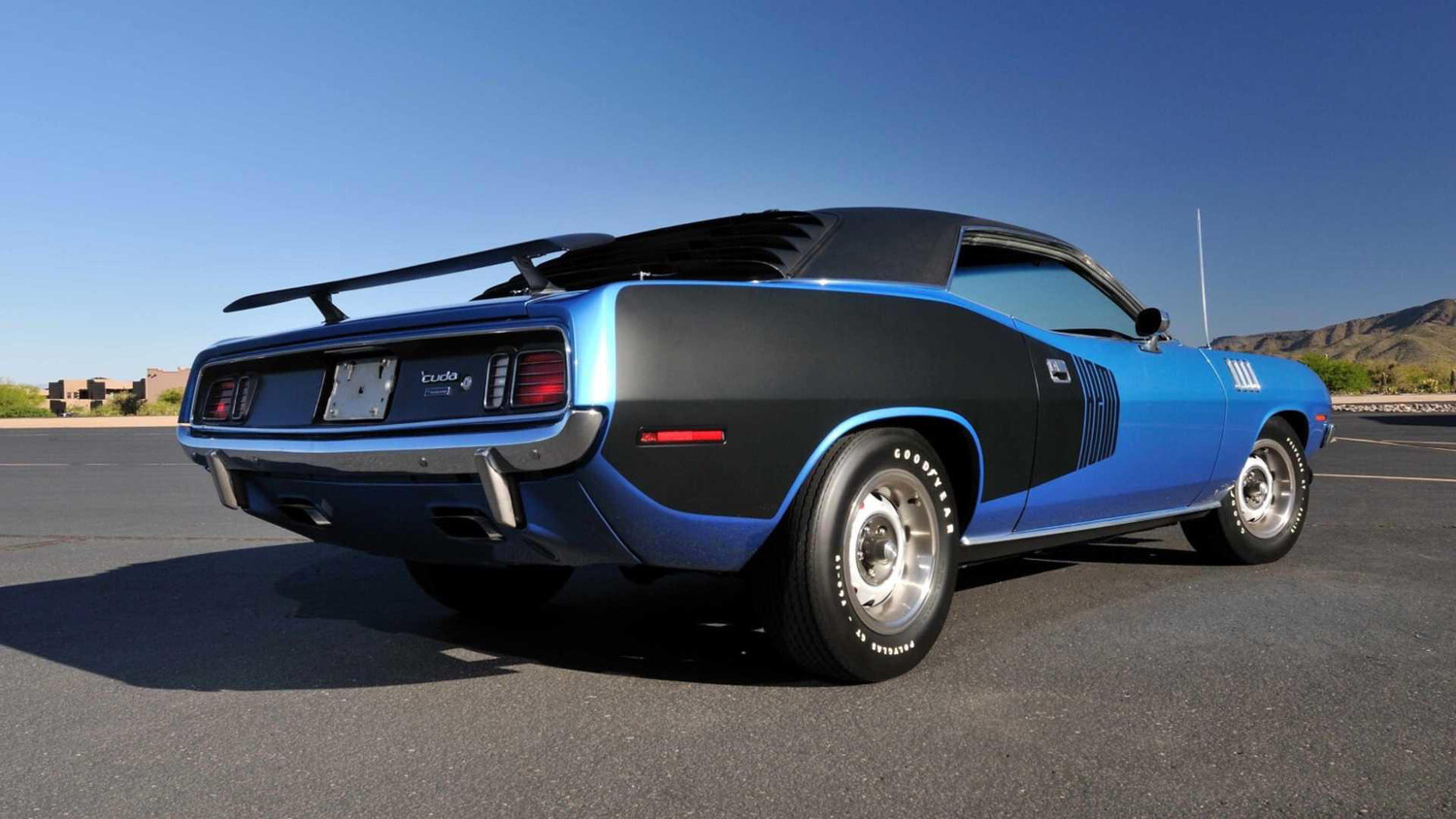
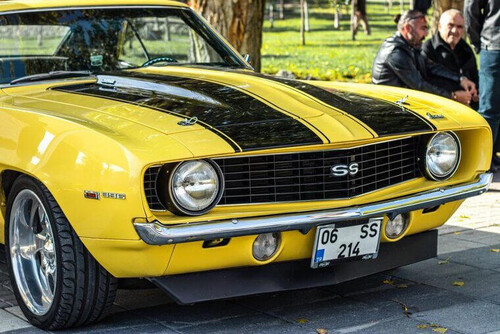
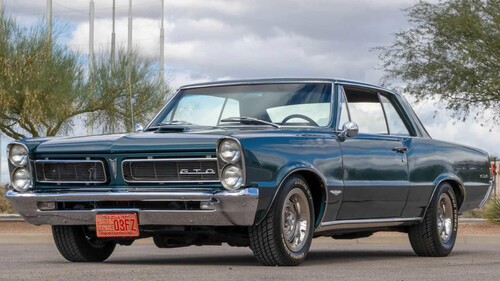
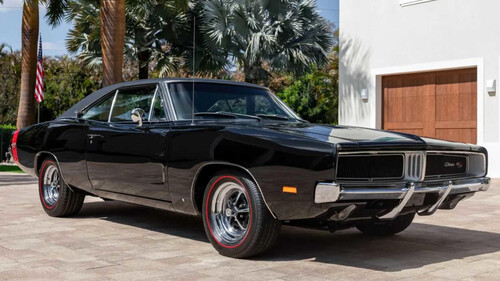
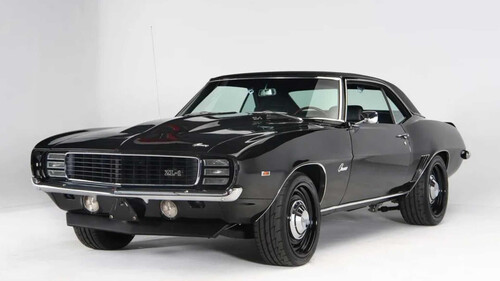
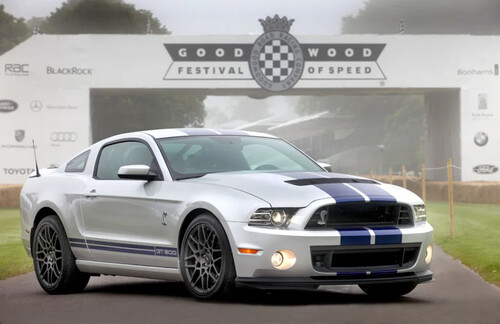
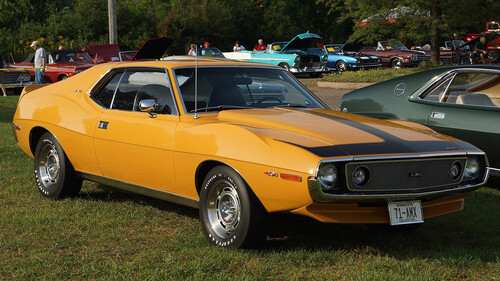
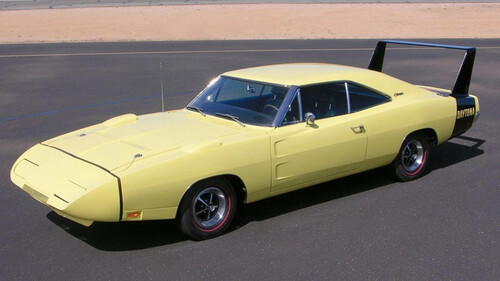
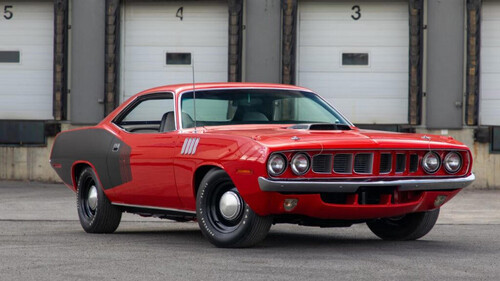
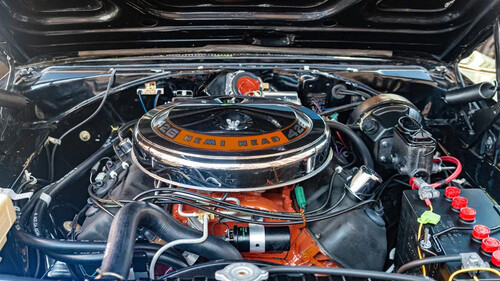
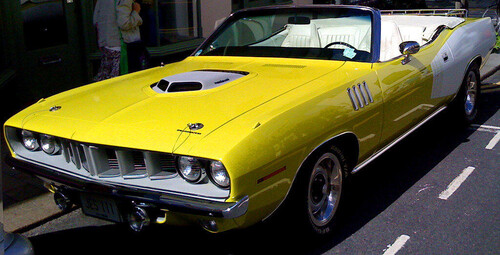
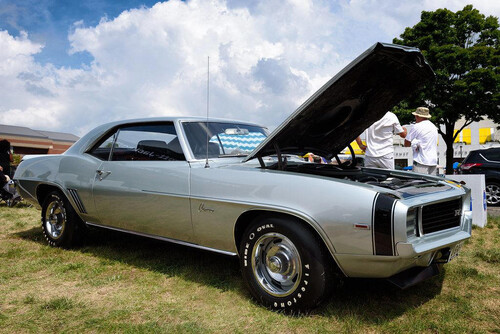
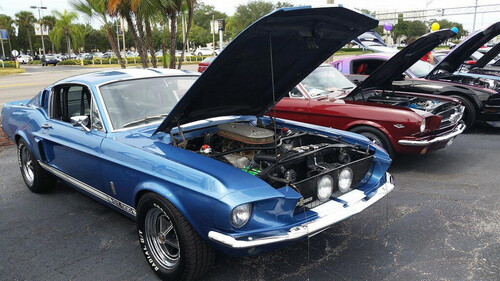
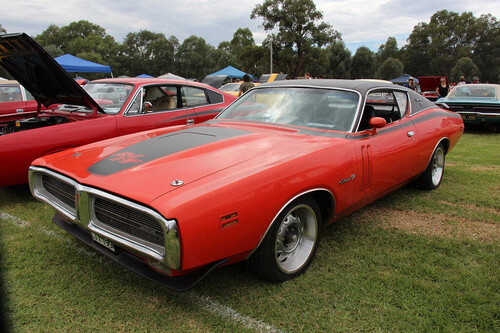
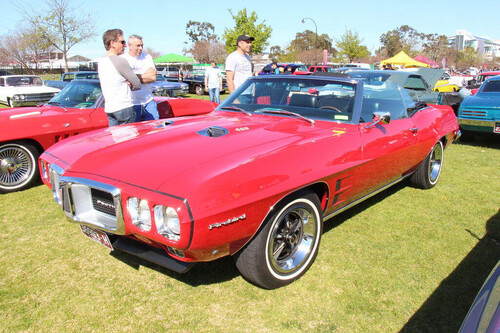
The Evil Dead, released in 1981, is a low-budget horror masterpiece filled with equal parts gore and humor. When it was rebooted in 2013, all the laughs and charm were gone, making for a real stinker. On the flip side of that, the original 1978 Dawn of the Dead was brain-eating brilliance, while the 2004 remake added some serious terror and in a lot of ways was even better. Car reboots are just as hit or miss, with rides like the 2002 Ford T-Bird and 2004 Pontiac GTO being major let-downs, while the 2006 Dodge Charger and 2010 Chevy Camaro absolutely nailed it.The auto industry is in kind of a blah zone right now with EVs nobody wants struggling for relevancy and about a hundred soul-crushing conformist crossover SUVs that all look the same. The car-buying public wants something exciting, so now would be a good time to reboot some classic muscle cars. The problem is, something that looked cool in 1970, like a Chevelle SS or Road Runner would be way too dated for modern consumption. There is, however, one Golden Age ride with slick styling that would fit right in with today's tastes that wouldn't need much redesigning, only some modern performance. Retro Styling Of Modern Mopar Muscle Stellantis When Dodge relaunched the Charger in 2006, it did it with a four-door that bore little resemblance to the classic second-gen R/T that made it famous. While many purists were put off by the extra doors, it sure looked cool, and it came with an optional Hemi V8, which no Mopar could claim since 1971. For the seventh-generation in 2011, the Charger actually did get some retro styling cues including a quasi-Coke bottle body as well as the side C-channel and tail lights of a '70 R/T plus some hellacious power that cemented it as a neo-classic.The 2008 Challenger reboot, on the other hand, captured the essence of its classic ancestor from the get-go. Sporting a look eerily reminiscent of a '70 R/T, but with some modern updates, the third-gen Challenger was almost a restomod rather than a new model. This rebooted Mopar proved that the traditional pony car styling of a long hood and short decklid never really goes out of style. It also picked up the Challenger legacy of street dominance as the most ass-kicking modern muscle car. Mock Mustang Mach 1 Ford After debuting in 1964½ with one of the hottest bodies in automotive history, the Ford Mustang went on a very weird styling journey. The late-'60s fastbacks were among the coolest cars ever, but in gen-two, the Mustang became a compact Pinto clone. There was a slight rebound with the Fox Bodies in the '80s, but then the butt-ugly fourth-gen rolled in, and it seemed like the iconic pony car was doomed. Luckily, for the fifth-gen, Ford used the '68 GT as a guiding point and with the subsequent generations, the Mustang has taken styling cues from its beginnings to reestablish it as the sexiest set of wheels on the road. Camaro Got Back To BasicSS Chevrolet Almost every version of the Camaro has been nothing short of awesome-looking, including the tragically underappreciated third-gen, but when Chevy phoned in the fourth-generation in 1993, it was an eyesore. They were going for a '90s sports car look, but ended up with a long, thin, and wimpy ride, that lacked the Camaro's aggression. This is the model that actually killed off the Camaro, so when Chevy decided to resurrect it in 2010, the designers knew they had to get back to what made it the most popular muscle car since it's 1967 debut. The rebooted Camaro came out screaming with styling cues from a first-gen SS, and it was not just a relief but also a celebration for the Bowtie faithful. Why A Next-Gen ‘Cuda Makes Sense Mecum We've already established that the Challenger was able to come back from the dead without any major redesigning and fit right in with the modern muscle car era rides. The same would be true for the third-gen Plymouth Barracuda, which was actually a much cooler car. Introduced in 1970, alongside its E-Body Mopar cousin the Challenger, the 'Cuda was a similar vehicle, but had its own sheet metal, badder body accents, and a bolder stance. Translating that into a modern car is a no-brainer, as people who went nuts for the new Challenger would experience exploding heads over a 'Cuda reboot.Another reason why a next-gen 'Cuda is a must is because of how popular the nameplate is more than 50 years after its discontinuation. Realistically, the 'Cuda only had two great years in 1970 and 1971. So, it should be a pretty obscure piece of muscle car history, but enthusiasts still go gaga over it, with even the normies recognizing and appreciating it. Nobody is clamoring for another awkward generation of the GTO, but relaunching the 'Cuda would be epic, in terms of joy and sales. The Hemi ‘Cuda We Shoulda Had Mecum Had the Barracuda been revived in 2008 alongside the Challenger, it would have been a serendipitous moment in time. That's when the 6.1-liter Hemi V8 was available and there is no more perfect engine to compliment a modern 'Cuda. Back in the day, the Hemi 'Cuda ruled the streets with a 425-horsepower, 490 pound-feet of torque, pulling off ETs in the low 13s. The Hemi engine was sidelined in 1971, but got back in the game in the early 2000s, with the 5.7-liter V8. While competent with an eventual output of 375 ponies, it wasn't really 'Cuda-worthy. The 6.1-liter Hemi got back to 425 hp and there isn't a more perfect engine for a Hemi 'Cuda relaunch. No Need to Resurrect Plymouth Mecum One of the biggest things preventing a modern Plymouth Barracuda is the complete absence of Plymouth. The Chrysler division was mothballed in 2001, but realistically, that shouldn't be a barrier to a mighty 'Cuda return. It's all Mopar, so there could be a Dodge Hemi 'Cuda, or Chrysler Hemi 'Cuda, or even give Ram, which literally had a Plymouth GTX 1500 special edition, a shot at a sizzling muscle car.Actually, there's no reason why they couldn't just brand it as the Plymouth Barracuda and sell it through Dodge Dealers. For registration purposes, the make would probably have to be Dodge, with the model being Plymouth Barracuda, but that's not a problem anyone would have with such a sweet ride. The ‘Cuda Reboot That Almost Happened (And Why We're Glad It Didn't) Stellantis Around 2007, there were serious rumors that the Barracuda was making a comeback and would be reintroduced with the Challenger. This car, presumably similar to the Challenger, was going to be badged as a Chrysler, but it never happened. In 2012, the gossip mill was spinning again about a 'Cuda reboot that would replace the Challenger and be under the SRT banner, but it again didn't materialize. Then, in 2014, whispers of a 'Cuda came up again, with hints that it wouldn't be a retro-styled muscle car, but rather a rebadged Alfa Romeo Giulia turbo V6. As much as we all want the 'Cuda back, it's actually a relief that it didn't return as a Euro sport sedan, which is everything a Plymouth muscle car should never be. Dodge Could Still Make It Happen Stellantis To say that Dodge's roll-out for the eighth-gen Charger was clumsy is an understatement. First, they discontinued the gas-powered Charger and Challenger in 2023, cars that moved 120,880 units in their final year. Then, they announced they were replacing these popular models with the Charger Daytona EV, which wasn't even ready to go for 2024 and in 2025 only sold 7,421 cars. Feeling like it made a mistake, Dodge announced an ICE (internal combustion engine) version of the new Charger, known as the SIXPACK. But it wouldn't have a Hemi V8, opting instead for a 3.0-liter twin-turbo I-6. Judging from the complete lack of street presence for either of these cars, it's safe to call this a debacle.Here's what Dodge should have done: Release both the EV and gas Charger at the same time, while also keeping the Hemi 392 as an option. Call the EV the Daytona, while dubbing the four-door gas-burner the Charger R/T. Then, and this is the most important part, name the two-door ICE vehicle the Barracuda, with a Hemi 'Cuda trim level. Dodge can't undo the next-gen Charger SNAFU, but it's not too late to right the ship. The eighth-gen Charger is actually a really cool-looking ride, and if there were a Hemi-powered 'Cuda variant, those sales numbers would almost certainly get back to what they were doing before they bought into the electric vehicle scam. The Story Of Mopar’s Mightiest Ride Needs Another Chapter Mecum The Plymouth Barracuda was introduced mid-model year in 1964, and actually beat the Mustang to market by a couple of weeks, becoming the first pony car for sale in the world. Of course, it was an ugly, underpowered car that didn't have nearly the impact that Ford did. Things turned around for the second-gen with cooler styling and better power options, but it was still a compact ride that didn't have access to the awesome Mopar big-blocks so it wasn't a true muscle car. Finally, in 1970, the Barracuda became an intermediate ass-kicker with 426 Hemi and 440 Six-Barrel engine options, and proceeded to smoke everything else on the streets, including Dodge and Plymouth offerings.The story of the third-gen Barracuda is kind of sad, however, because it had the misfortune of being introduced late in the classic era. 1971 was the last good year for all muscle cars as detuning to meet emissions standards took over, and they became parodies of their former selves. The Barracuda limped along for a couple more years as a still cool-looking but underperforming car before getting discontinued in 1974. Considering how truly amazing the 'Cuda was, and how popular it still is today, there is no other car that deserves another shot at glory, and we've provided the outline for how that can happen. Rumor has it, Dodge just might be considering it once again, too.Sources: Chrysler, Dodge, Plymouth