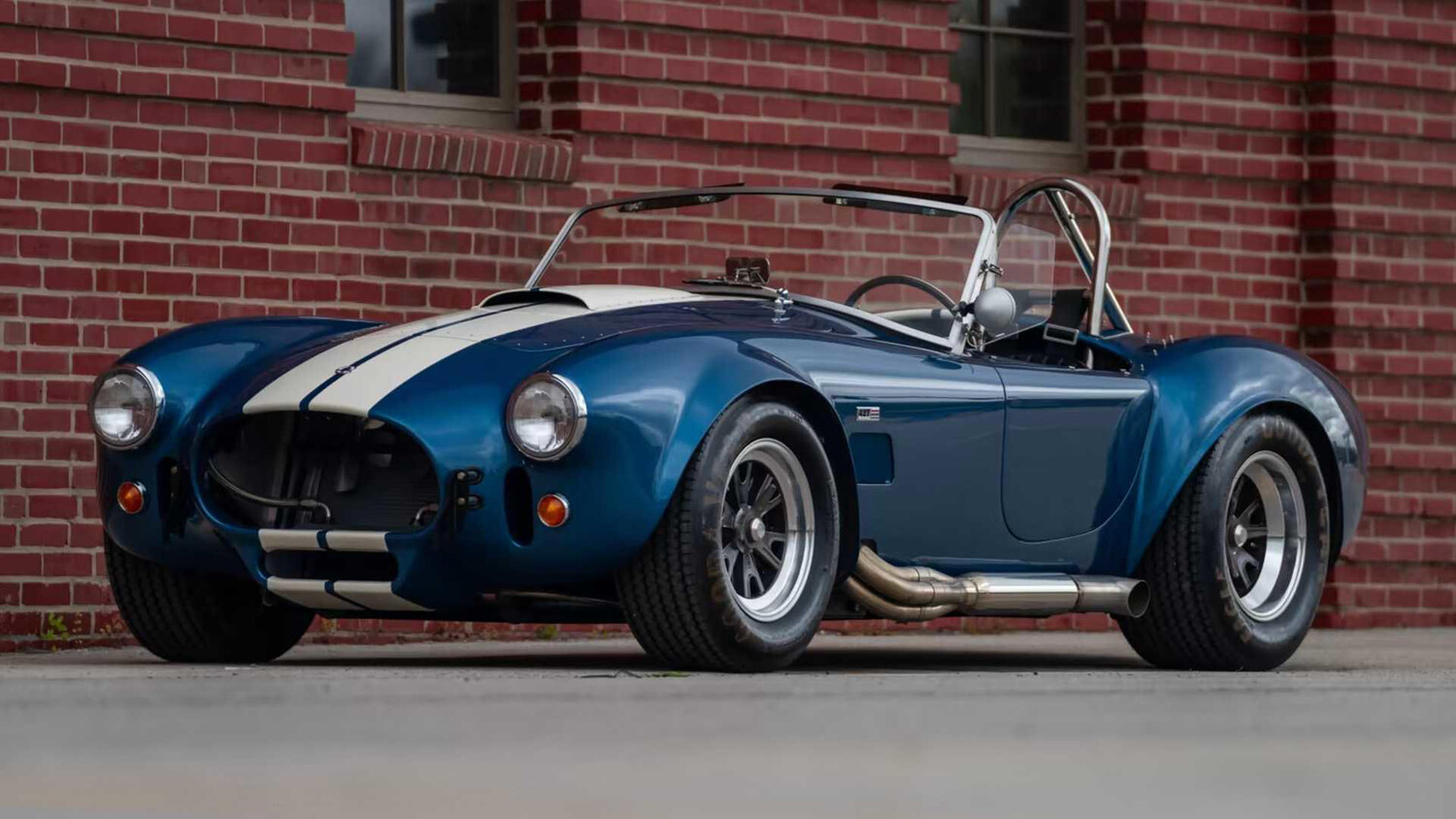
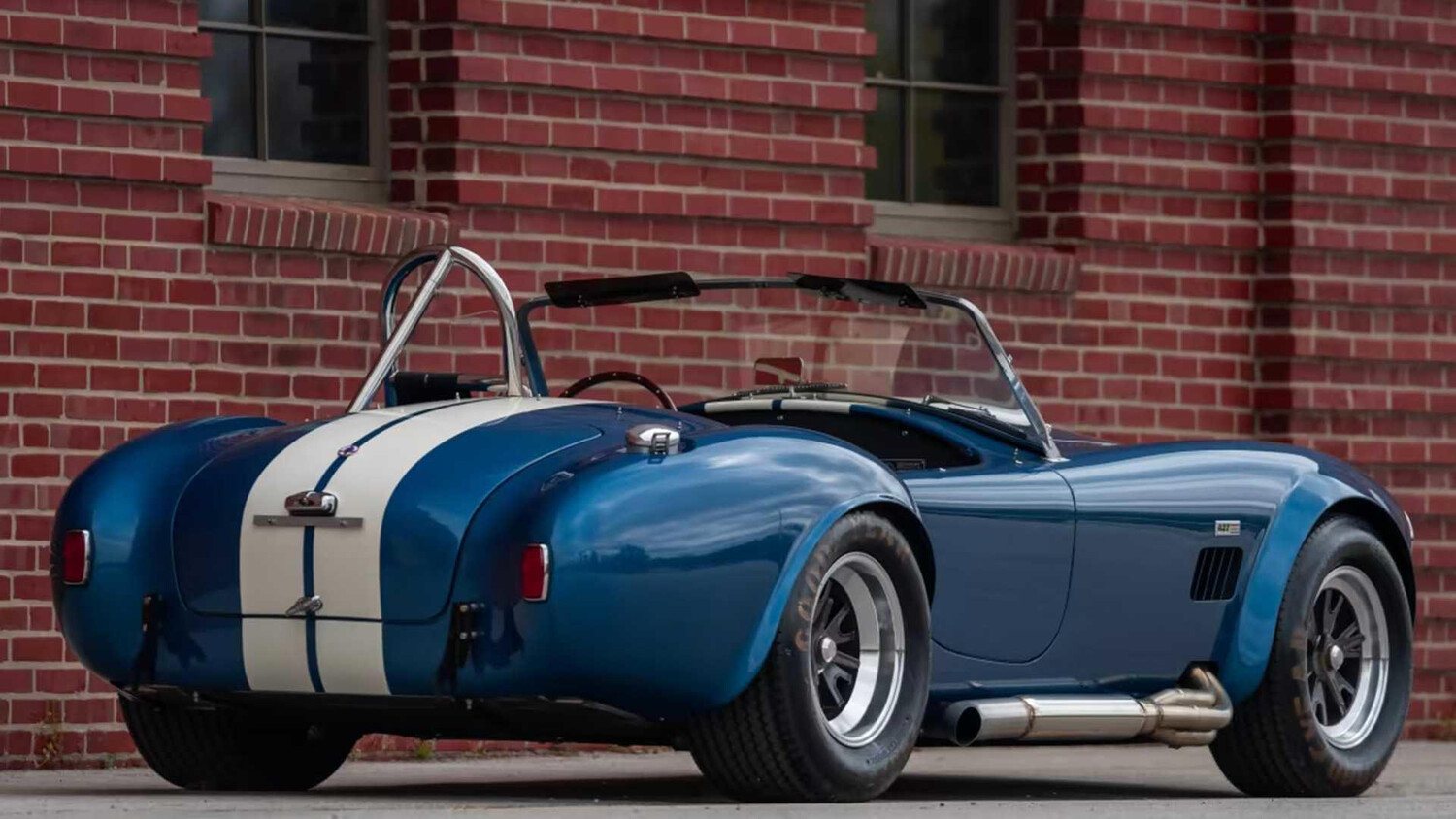
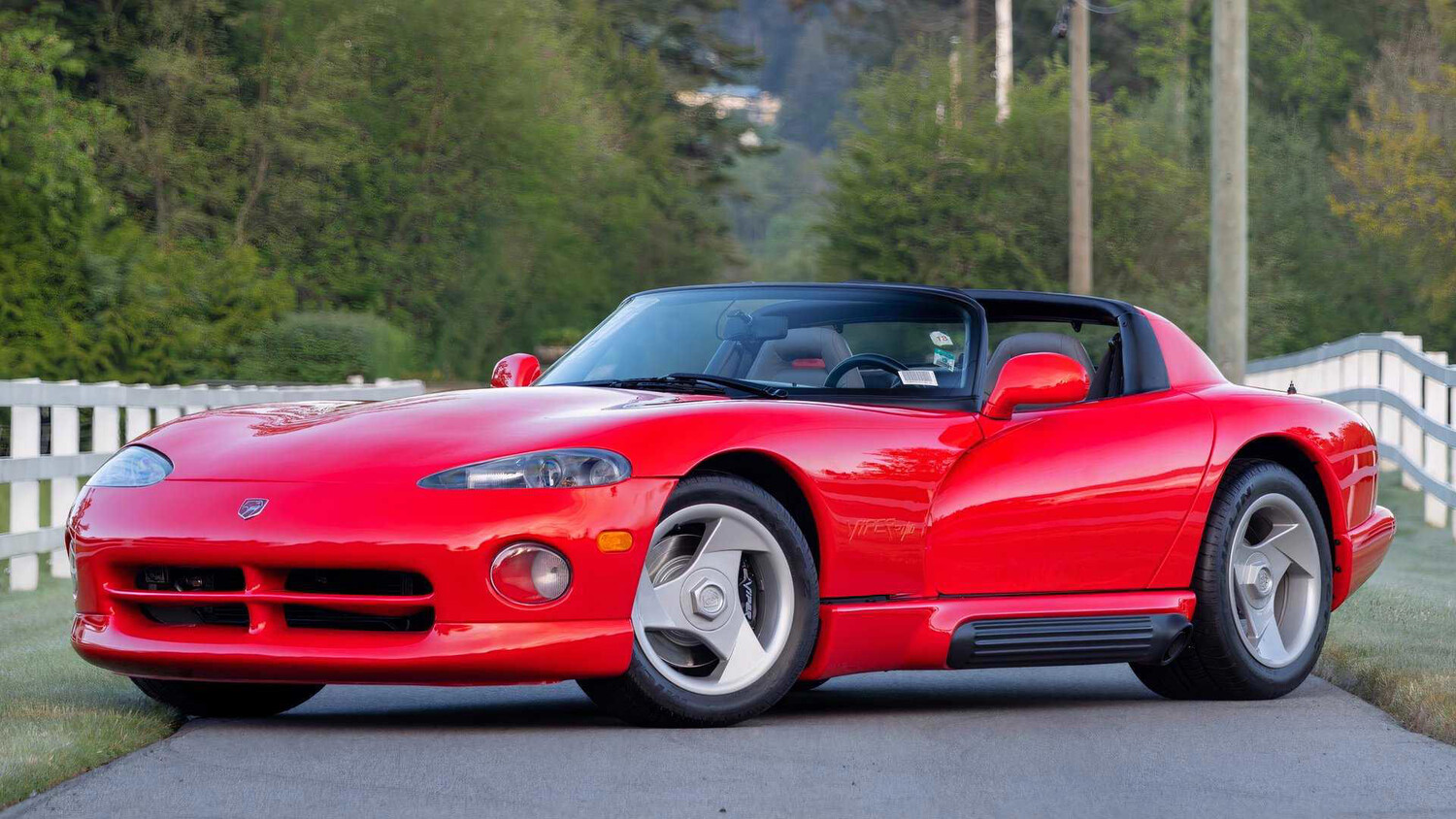
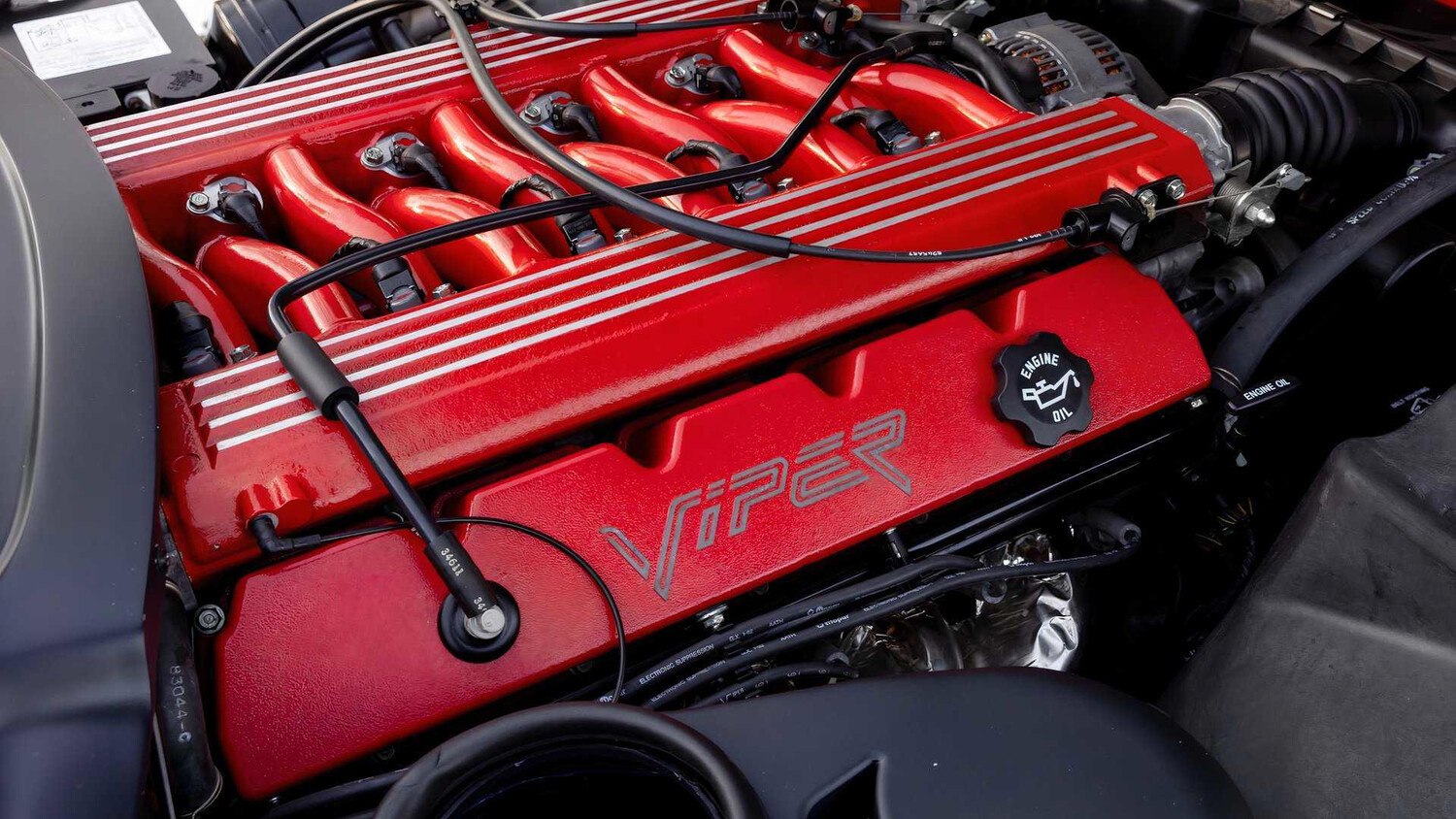
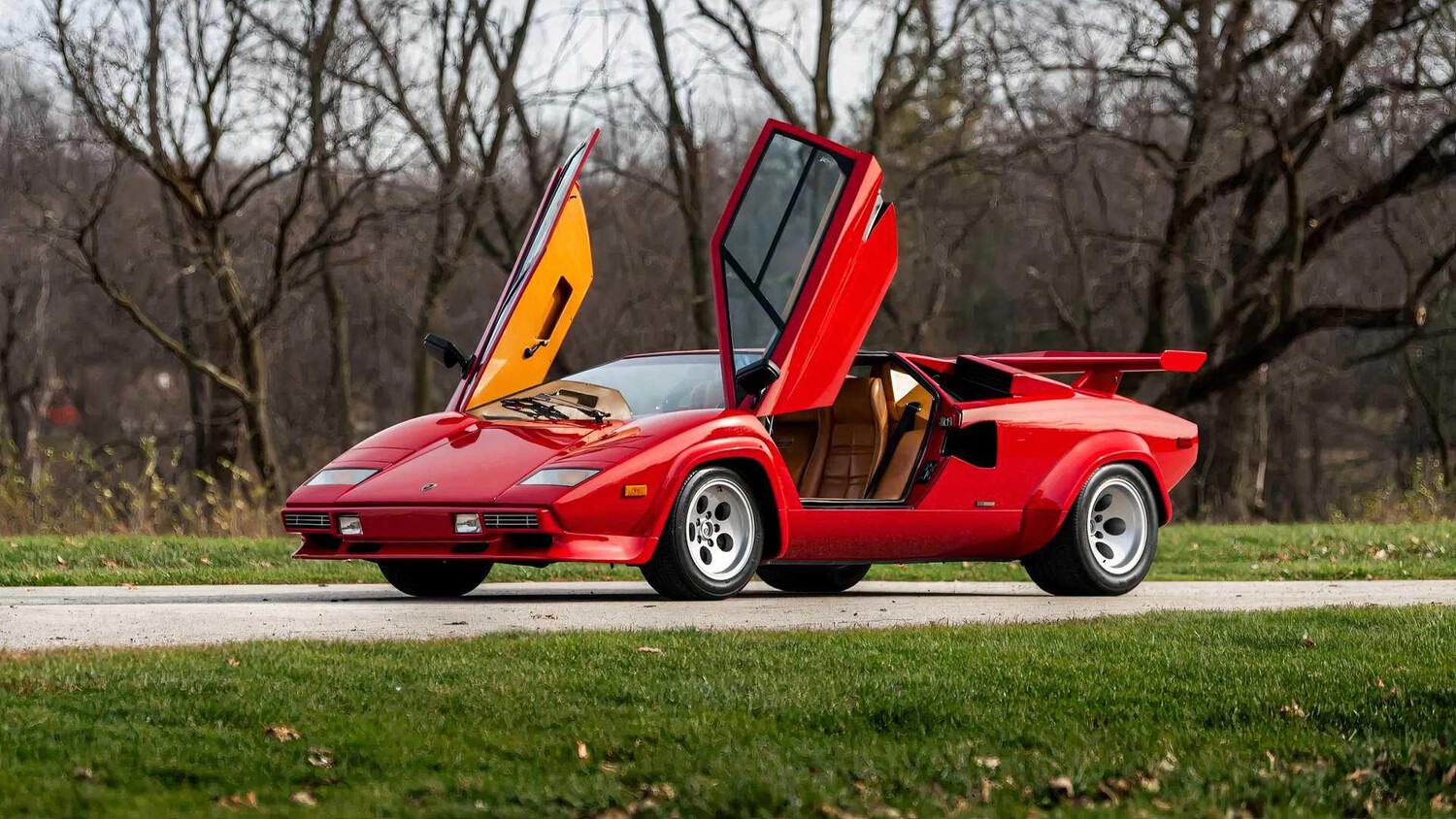
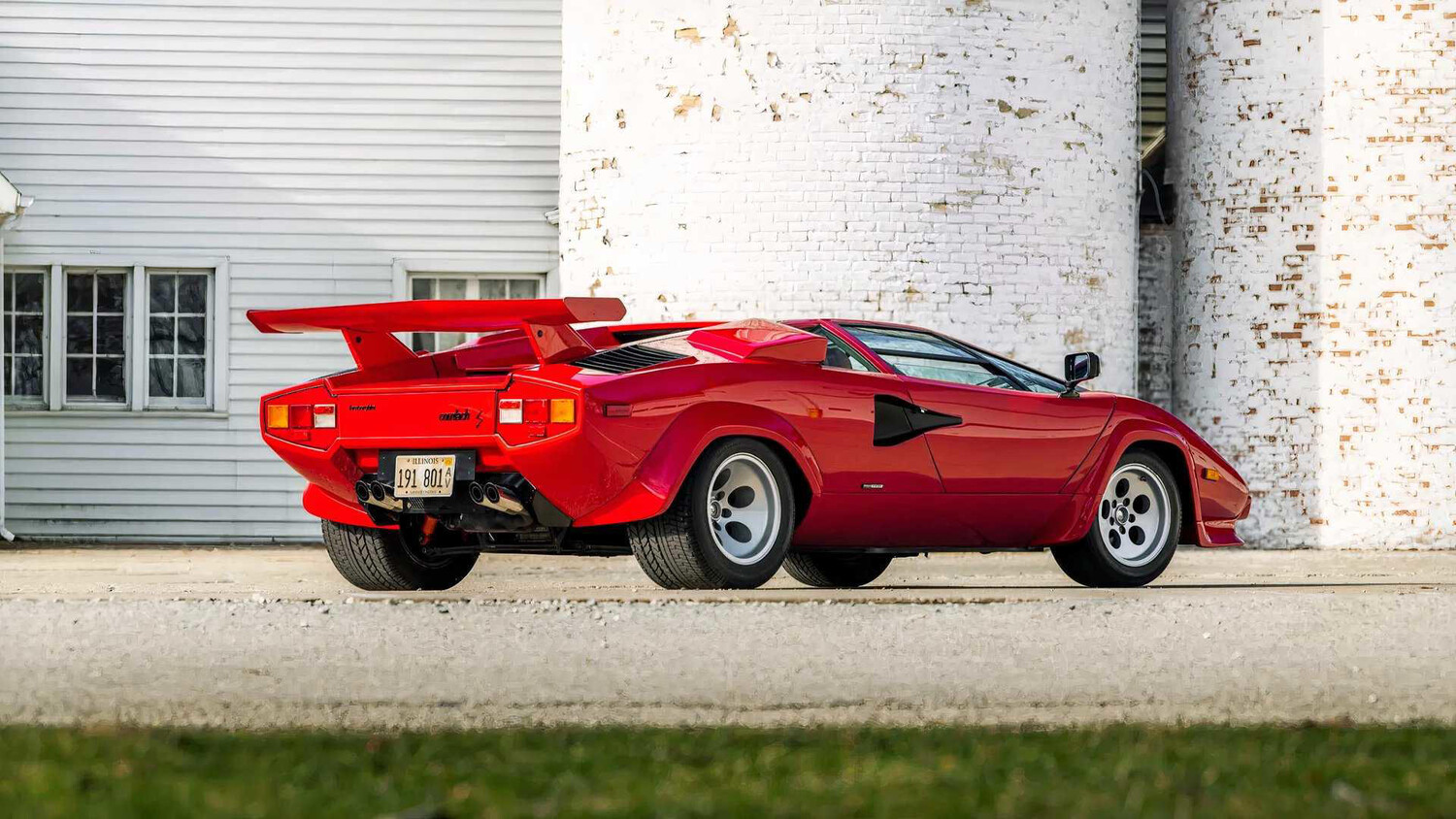
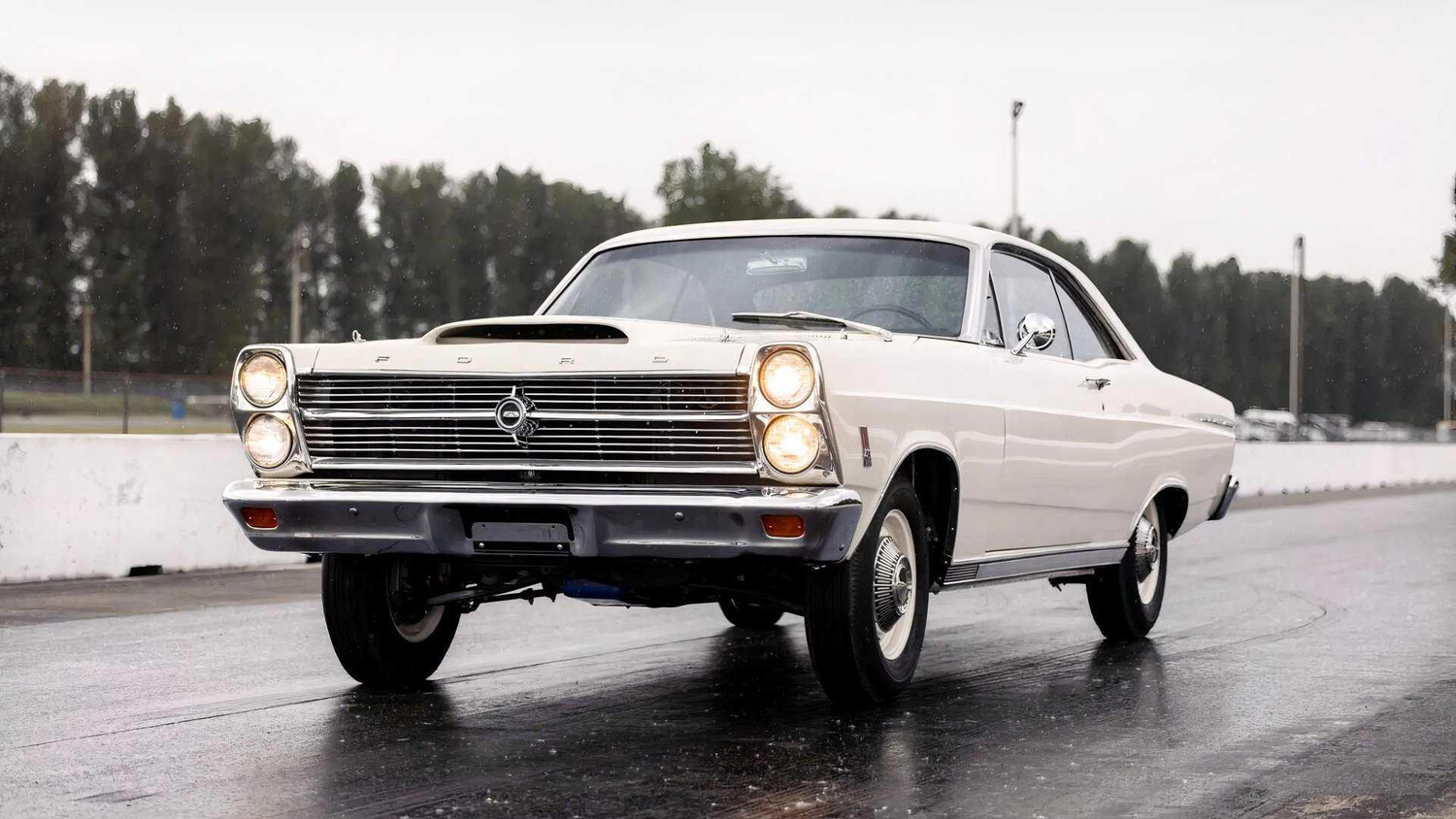
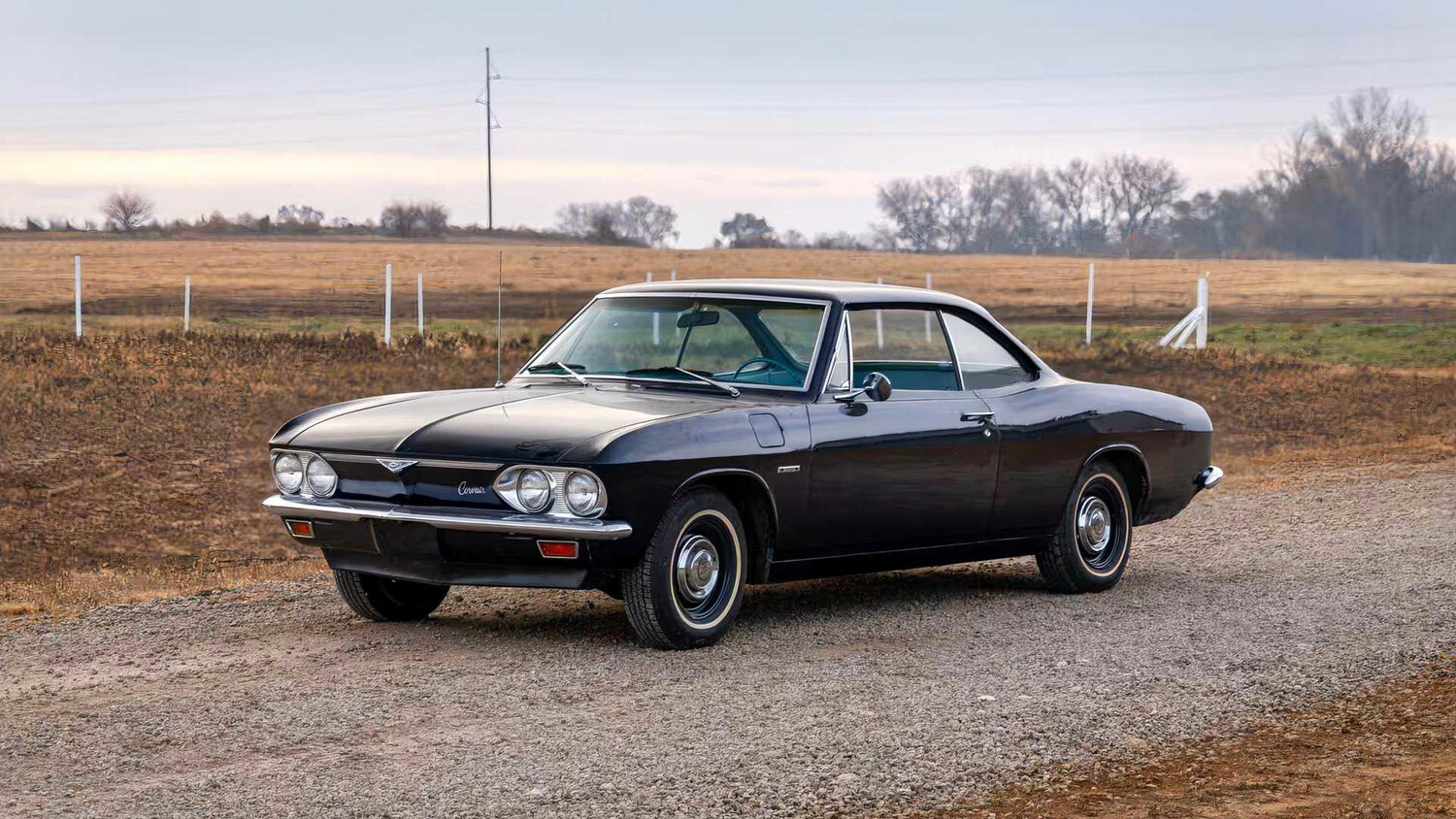
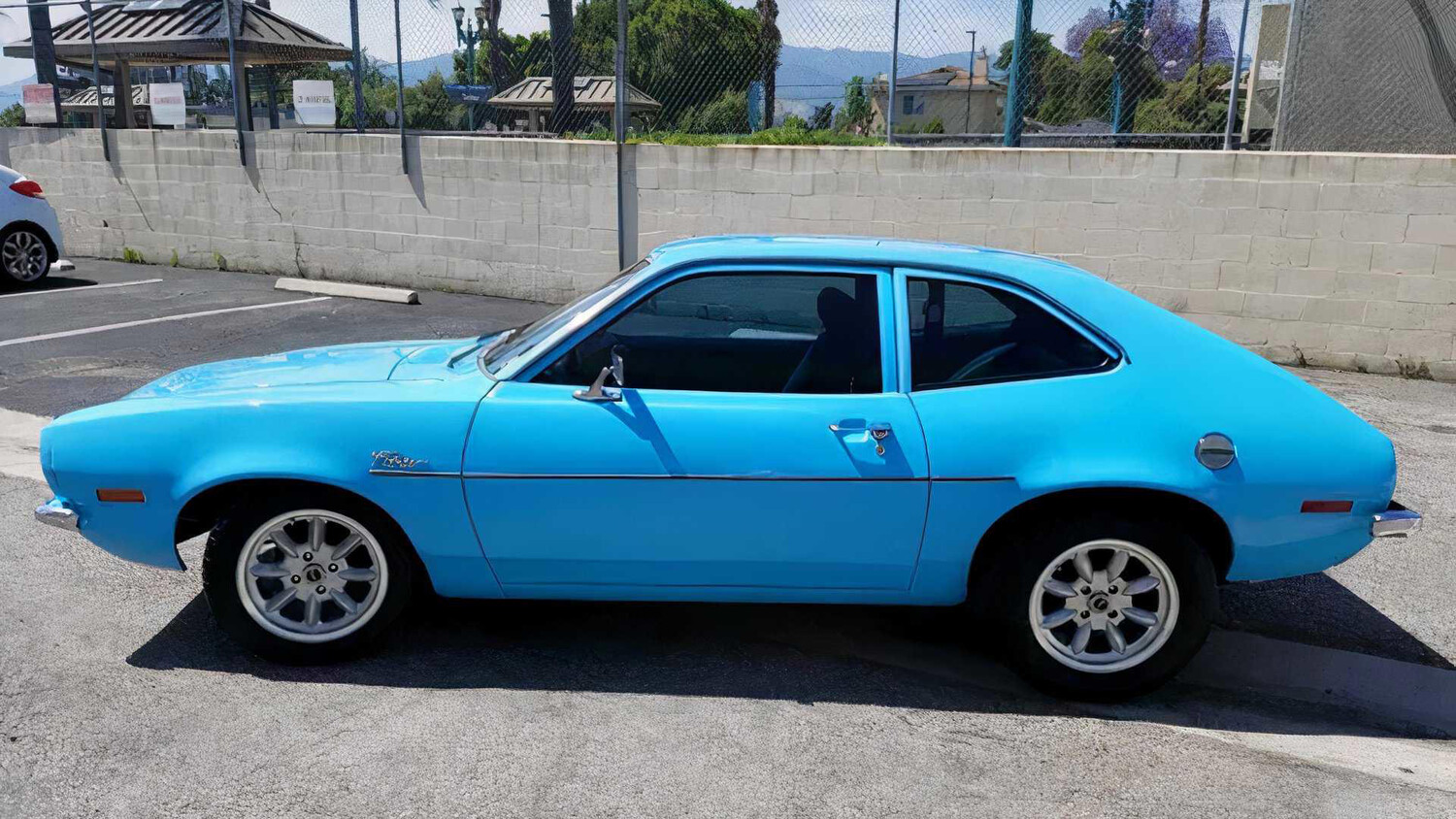
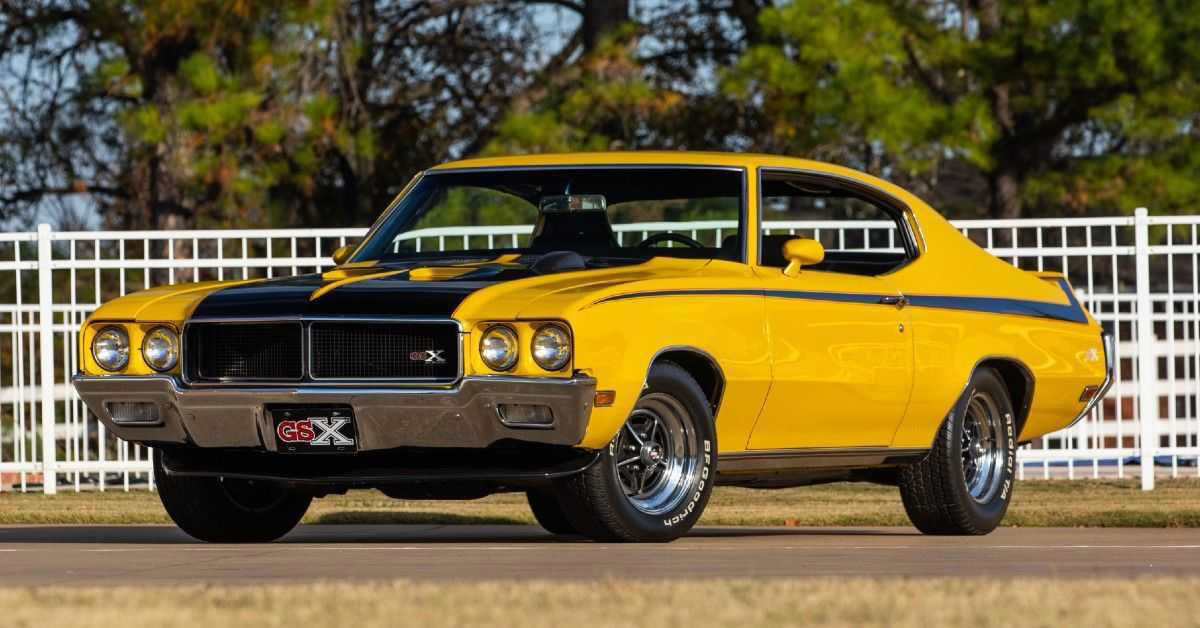
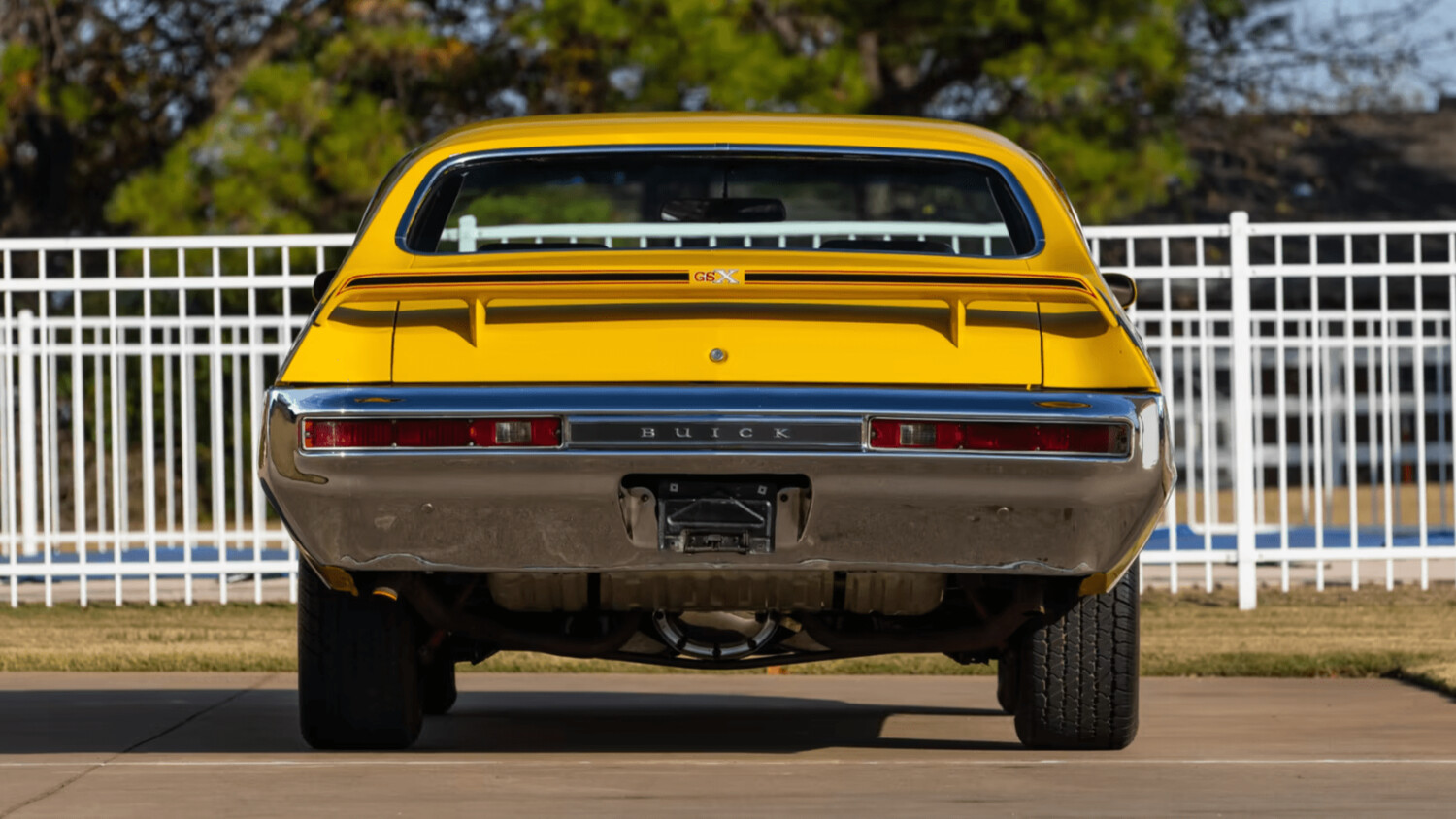
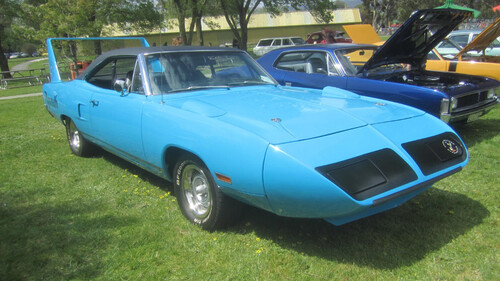
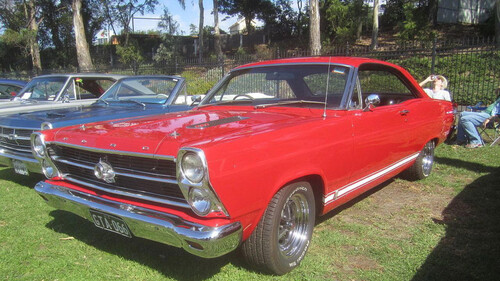
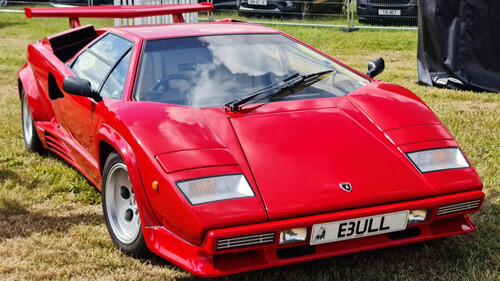
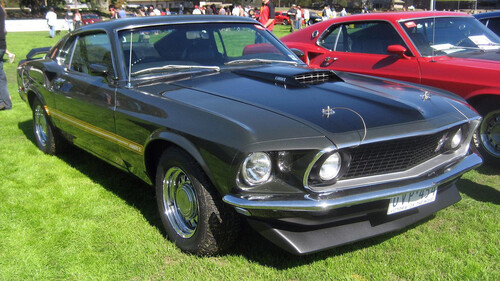
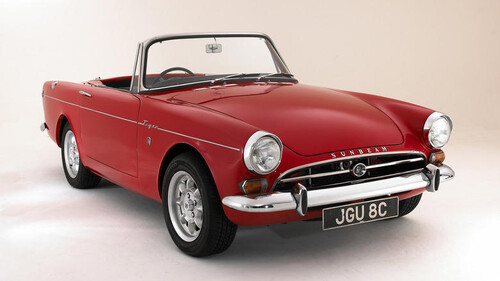
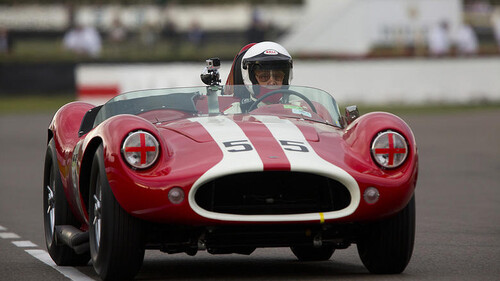
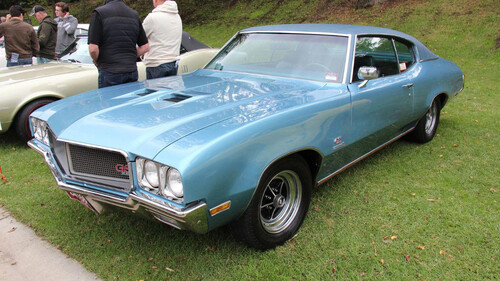
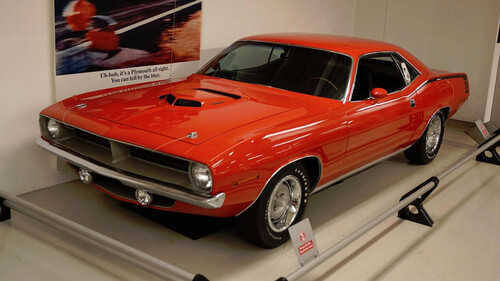
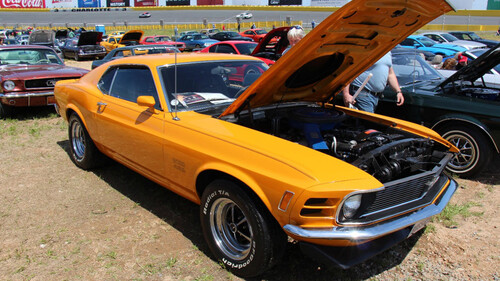
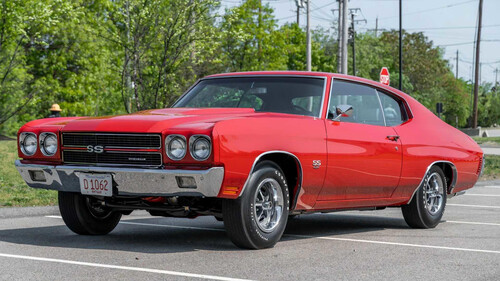
Have you ever wondered why you no longer see any new cars coming out with those cute little pop-up headlights that dominated the automotive scene from the 1980s to the '90s? Well, while there's no law that specifically outlaws them, tightening pedestrian-protection standards in Europe in the 2000s effectively killed them, and despite their widespread popularity among enthusiasts, engineers had to abandon them to comply. Such is the case with many other cool features that defined some of the most beloved classic cars.As cars have become more and more advanced, regulatory bodies have had to respond with increasingly stricter policies to save lives, protect public health, and combat climate change. As important as these rules are, many enthusiasts feel like modern cars have lost some of the soul and character their ancestors had, and it's hard to argue against that when you look at the current state of the industry, where EV silence has replaced V8 thunder. Thankfully, we still have many iconic classic cars that remind us of a time when engineers and designers were allowed to run wild without worrying about safety and emission standards. The cars on this list all seem absolutely crazy today, but they are just some of the many insane creations automotive history has brought to the mass market that would be completely illegal to build new in 2026. Shelby Cobra 427 Via: Mecum AuctionsThe Shelby Cobra 427 is a rolling reminder of the great things that can happen when automakers combine European design with American V8 power. It was the brainchild of the legendary Carroll Shelby, who wanted to create a sports car that fused the sophisticated chassis and balance of European sports cars with reliable and powerful American V8 power. His goal? To dominate the Chevy Corvette in the domestic sports car market and give Ferrari a run for its money for a fraction of the price. Via: Mecum Auctions The result of Shelby's ambitions was the Shelby Cobra 427, which was based on a British-made AC Ace chassis and body and equipped with a massive Ford 427 FE V8 cranking out 425 hp. The Cobra 427 could cover 0–60 in just over 4 seconds, which is fast even by modern standards. While its insane power is a key reason why collectors pay millions to get an authentic Shelby Cobra 427, it's a big part of why it wouldn't fly today. Its original fuel delivery system and carburetors fail to meet modern emissions standards, meaning the car would never pass EPA or CARB inspections for street use in the U.S. Further violations include a hand-formed aluminum body without crumple zones, the lack of key driving aids like traction control and electronic stability control, and side-exit exhausts. Gen 1 Dodge Viper Bring a Trailer In the early '90s, Chrysler chair Bob Lutz hatched a plan to build a raw, analog supercar that would restore the American auto industry's performance image. The result was the first iteration of the Dodge Viper, and, considering it is often nicknamed the "widowmaker", it's one of those ideas that should have never made it past the focus group stage by modern standards. Bring a TrailerThe Viper's party trick was the gargantuan 8.0-liter V10 that lived under its long hood, which likely wouldn't pass modern emission standards unless significant changes were made. The Gen 1 Vipers also famously lacked anti-lock brakes, traction control, and even airbags, hence the nickname. Additionally, with zero airbags (yes, really), traction control, and minimal crash protection, and an engine way too big to pass modern emissions standards, the Viper is a car that could simply not exist today, but we're glad Dodge made it anyway. Lamborghini Countach Bring a Trailer The ultimate poster car of the '70s and '80s, the Countach is a radical supercar that looked more like a spaceship than a car. Designed by Marcello Gandini, the Countach had a wedge-shaped design featuring eternally cool scissor doors that made for some eye candy and established the Raging Bull's modern design philosophy. It also had a monstrous V12 under the hood that made it one of the fastest cars of the '70s, and that's the first reason why it likely wouldn't be allowed to exist today. Bring a TrailerAnother big issue is safety. While the crazy design turned heads everywhere, the thick C-pillar, tiny rear window, and engine placement directly behind the driver caused rear visibility issues, and drivers reportedly had to sit on the door sills just to reverse. It also has no airbags, and there's barely any crash protection. 1966 Ford Fairlane 500 R-Code Via Bring A Trailer In the '60s, the "Win on Sunday, Sell on Monday" mantra was in full swing in Detroit as manufacturers faced off in the drag racing world to prove their performance credentials and attract more buyers. This stiff competition in the racing world resulted in crazy road-legal factory drag racers built for homologation purposes, and the 1966 Ford Fairlane 500 R-Code is one of the wildest ones. Under the hood lurked Ford’s legendary 427 ‘side-oiler’ V8, a purpose-built race engine with cross-bolted mains, dual four-barrel carburetors, and enough torque to make even modern muscle cars feel underpowered.Via Bring A Trailer Built to homologate the Ford 427 'R-Code' engine for NHRA racing, the rare 1966 Fairlane 500 R-Code had enough grunt to cover the quarter-mile in the low 11-second range in some period tests, but seat belts weren't even federally required in this car yet. Even if we set aside the massive 427 side-oiler V8 and the fact that it has way more power than it can safely handle, the car's chassis and body would require many modifications to meet modern safety standards for cars with powerful race-sourced engines. Chevrolet CorvairVia Mecum Auctions The Corvair is one of the biggest stains on Chevy's legacy and a mistake many gearheads are yet to forgive today. The Corvair was actually a great idea at first – a compact car with a rear-mounted, air-cooled engine that rivaled European imports like the Volkswagen Beetle. And the market responded well at first, with over 1 million sold in the early model years. Via Mecum Auctions Unfortunately, the Corvair's story changed in 1965 after Ralph Nader's notorious book, Unsafe at Any Speed, was published. According to Nader, the Corvair's swing-axle rear suspension would cause the outer rear wheel to tuck under the body under extreme cornering, causing sudden oversteer and rollovers in rare cases. While the Corvair was eventually vindicated, its highly publicized case helped spur the 1966 federal safety acts and the agencies that later became NHTSA. 1969 Chevy Yenko Nova S/C Via Mecum Auctions During the late '60s, when GM had an engine displacement ban, there was no way to get an engine larger than 400 cubic inches in compact cars like . In 1969, the concept of a 427 L72-powered Nova intrigued Chevy dealer Don Yenko, but since Chevy refused to install one, he ordered base Nova SS 396 models through the COPO program and did the 427 L72 engine swaps himself, creating the 1969 Chevrolet Yenko Nova S/C (Super Car). Via Mecum AuctionsThe Yenko Nova S/C was factory-rated at 425 hp (often said to be closer to 450 hp in the real world) and 460 lb-ft of torque, which was too much power for the lightweight, economy car chassis. It ran the 1/4 mile in 11 seconds. Even Don Yenko reportedly admitted that the car should never have been produced due to liability risks, and when some insurance companies refused to cover it, Yenko switched to a more street-friendly engine in the 1970 models. If a car was admittedly too nuts to produce in the '60s, there's no way it would ever leave the factory in 2026. 1969 Chevrolet Kingswood Estate 427 via Bring A Trailer One of the key reasons why the 1960s are considered to be the "Golden Age" of the American auto industry is that car companies were allowed to run wild. Engine sharing culture was more prevalent than it is today, and since order sheets gave buyers the freedom to equip cars with the most powerful engines the automakers had, this led to the creation of the muscle wagon segment, where 9-seater behemoths were given more power than they needed, quite frankly. Bring a TrailerThe 1969 Chevy Kingswood Estate 427 is one of those crazy wagons, and it was equipped with a 390-hp V8 that gave it incredible pulling power. Two special units were allegedly equipped with a 425-hp V8 through Chevrolet's COPO program, taking things up a notch. There's a long list of reasons why the Kingswood Estate would be illegal, but the massive engine and safety issues are the main ones, especially considering that it had a rear-facing third row with no headrests. Plymouth Superbird/Dodge Charger Daytona Mecum In a bid to dominate NASCAR in 1969 and 1970, Mopar built the famous "Winged Warriors", the Dodge Charger Daytona and Plymouth Superbird, turning the NASCAR world on its head. These cars not only had the fabled Hemi V8 under their hoods, but they also had massive nose cones and towering rear wings that gave them the aerodynamic efficiency to become the first 200-mph cars in NASCAR history. Mecum However, while their power and unique aerodynamic features were the main reasons they dominated, they'd also be the reasons the road-legal homologation units wouldn't be legal today, as they'd be against emission and safety regulations. Beyond emissions, their outrageous wings and nose cones would fail modern crash and pedestrian-safety rules, the chassis lacked airbags or crumple zones, and those massive 426 Hemis would never pass today’s noise and fuel-economy standards either. Ford Pinto Via Bring A Trailer Built to compete with affordable Japanese imports, the Ford Pinto debuted in 1971 and was a huge hit, selling over 350,000 units in its first year. However, a rushed developmental process and cost-cutting measures resulted in a dangerous design flaw where the fuel tank was positioned behind the rear axle. In rear-end collisions, the Pinto was susceptible to dangerous post-crash fires, which made it a deathtrap by modern standards. Via Bring A Trailer The Pinto's issues got even worse when it was later revealed that Ford knew about the issues but decided that paying for potential legal damages resulting from Pinto-related deaths and injuries would be cheaper than the massive recalls that would be required to fix the issue. Ford wouldn't be able to pull that stunt with the rigorous crash tests conducted today. 1970 Buick GSX Stage 1 Link Image Buick isn't the first name that comes to mind when you think of powerful golden era muscle cars, but it did build one model that proved it had the know-how – the 1970 GSX Stage 1. This muscle car looked the part, but even more impressive was the fact that it was equipped with the largest Buick engine ever – a 455 cubic-inch V8 making 360 hp and 510 lb-ft of torque in Stage 1 guise. For many years, the GSX held the title of the "Torque King."Mecum Auctions Unfortunately, the 455 V8 engine is the primary reason why the GSX would never be allowed to exist today. In fact, Buick had to detune it from the 1971 model year onwards because it couldn't meet new emission standards at the time. There's zero chance this monstrosity could be made today.