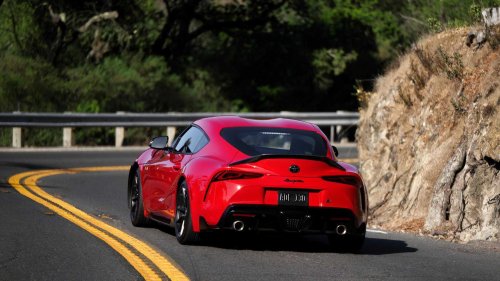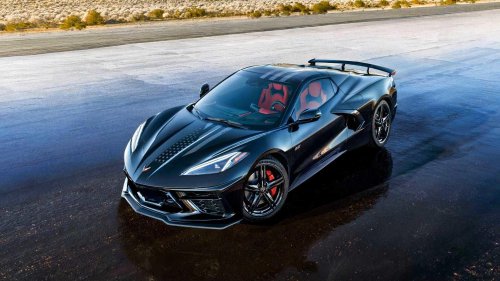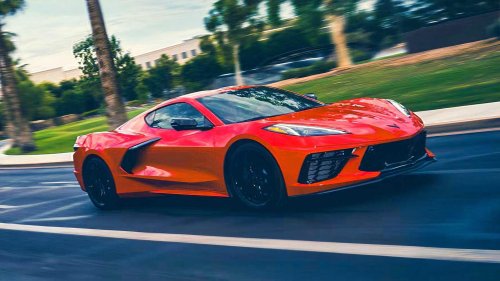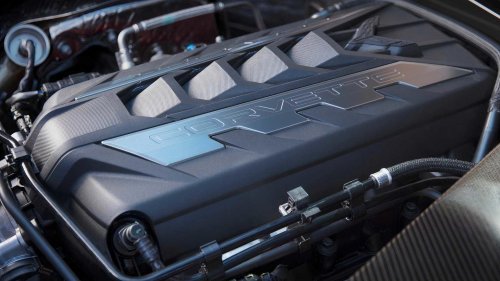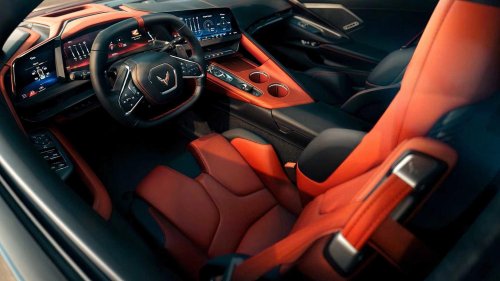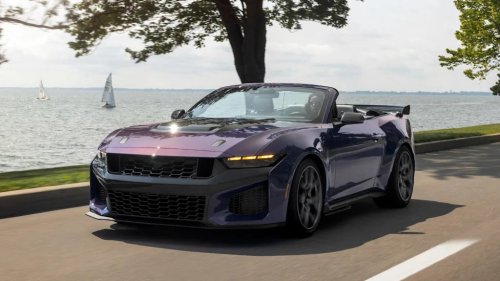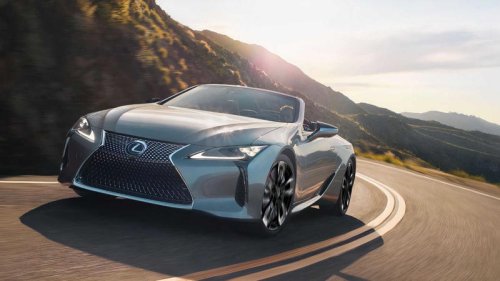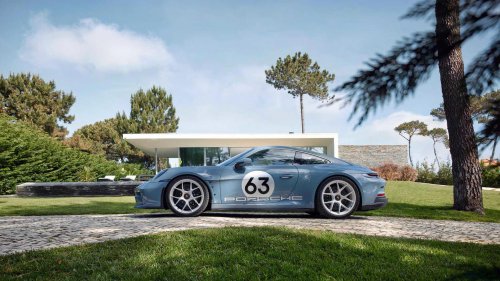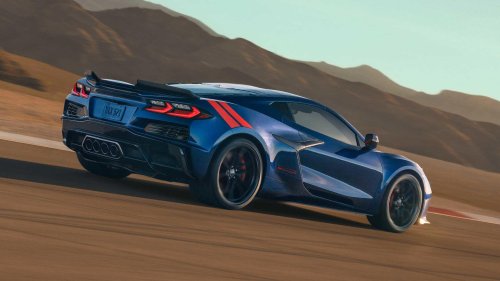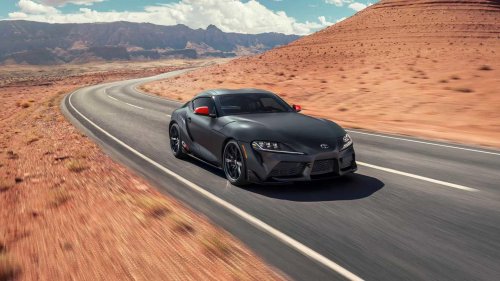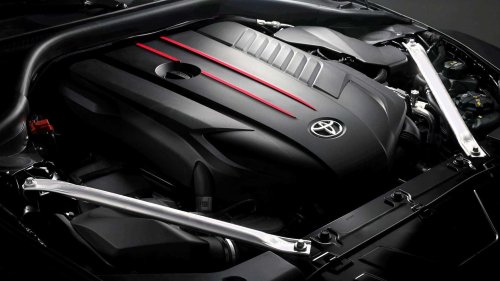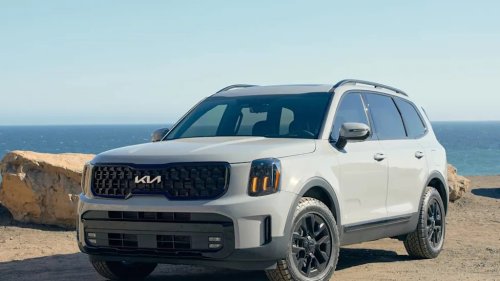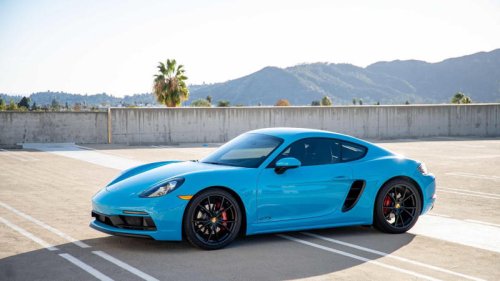
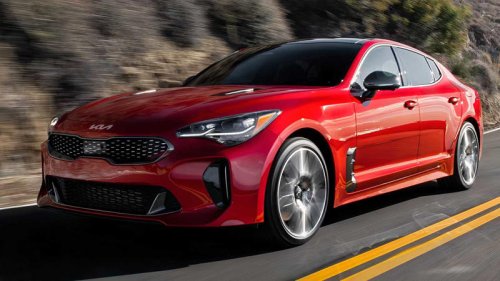
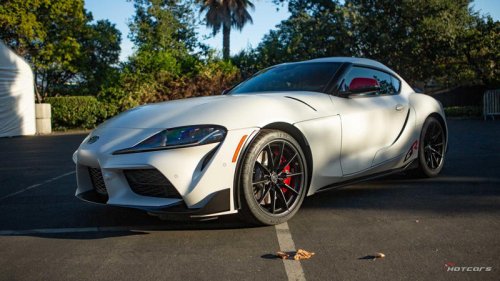
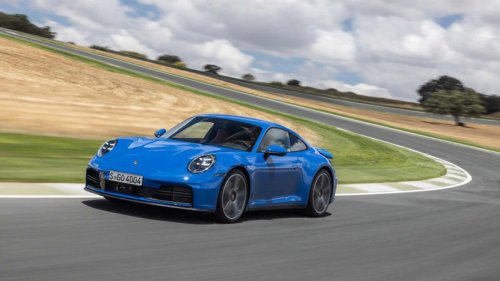
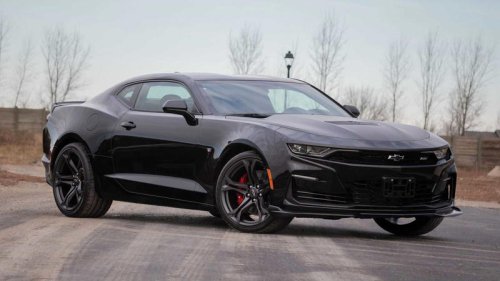
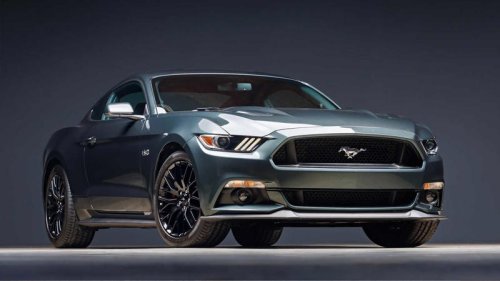
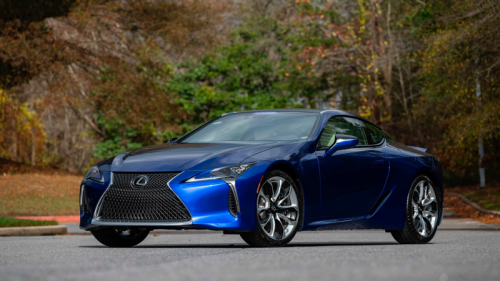
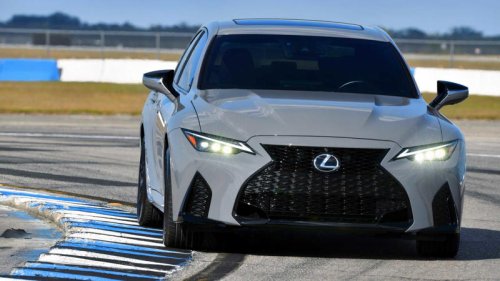
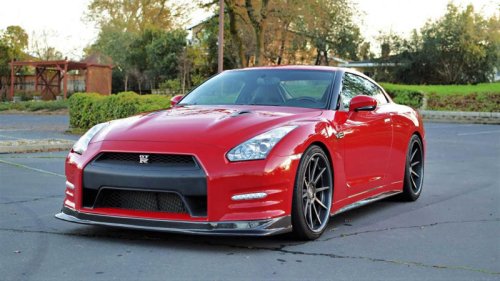
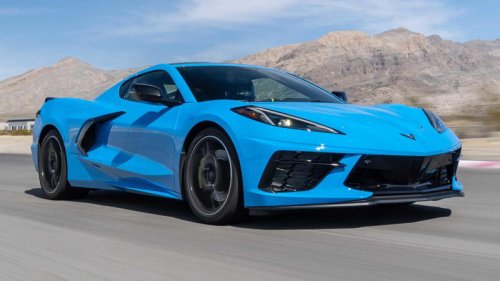



















There's a good reason why the world's most reliable cars are very rarely exciting to drive. In the car world, with great power usually comes not-so-great reliability. High compression, forced induction, and track-ready components usually mean expensive maintenance and engines that live fast but not very long. And yet, a handful of cars have quietly cracked the code. Instead of chasing outrageous horsepower numbers, their engineers focused on proven engine architectures, understressed tuning, and years of gradual refinement.The cars we've selected for this list all strike the absolute perfect balance of performance and reliability. They manage to cater to proper car enthusiasts by using the perfect engines for their segment, price point, and weight, without pushing maintenance and repair costs to stratospheric levels. The proof lies in countless happy buyers, impressive reliability ratings, and countless high-mileage examples on the roads today. Porsche 718 Cayman/Boxster Power: 300 HP Cars & Bids You may be thinking, "300 horses is not all that much," and you'd be right. But the least powerful car on this list doesn't really need more than that when it weighs under 3000 lbs with a torquey turbo flat-four sitting above the rear axle and a lightning-quick PDK shifting the gears. Whether you opt for the Cayman or the convertible Boxster variant, the Porsche 718 moves effortlessly, reaching 60 mph in 3.9 seconds in real-world tests and handles like a charm due to its low center of mass and mid-engined layout.The best part is, this baby 911 shares its bigger sibling's reputation for reliability. It may no longer have a flat-six, but with the latest 718 generation, the days of troublesome IMS bearings, oil leaks, and water pump failures associated with older Caymans are over. All modern 718s have insanely high J.D. Power reliability ratings, and owners rarely report any issues or expensive repairs. Kia Stinger GT Power: 368 HP KiaFor gearheads who want a one-car garage that does it all, the Kia Stinger GT is hard to beat. It ticks all the right performance boxes courtesy of a twin-turbo 3.3-liter V6 pushing power to the rear wheels (but with optional AWD for extra all-weather performance), rear seats, and a practical trunk. Despite the ample power and a 0-60 in as little as 4.7 seconds, Stingers have always been underdogs in the sports sedan segment and easily slot in the sleeper car category.They are reliable, too. The twin-turbo V6 is relatively understressed and has proven a safe choice in several other models, such as the Kia K900 and Genesis G70, and is mated to a sturdy in-house-developed 8-speed automatic. Stingers have been out of production since 2023, but they have had stellar reliability ratings, and plenty of used examples with over 150,000 miles are still going strong today. Toyota GR Supra 3.0 Power: 382 HP David Alpert / HotCars Toyota knew exactly what they were doing when they chose BMW's B58 turbocharged inline-six as the engine for the new Supra. The decision had everything to do with saving money on developing a new engine and utilizing what has already proven to work. See, the B58 relies on a closed-deck aluminum block with a forged crank and rods. Not only does it not break, but it's become a notorious engine of choice for tuners in the last decade.In post-2021 Supras, the engine makes a whopping 382 horsepower, but you'll see virtually every reviewer and owner claiming it pushes much more than that in reality. As a result, 0-60 comes in 3.9 seconds with the 8-speed ZF transmission and a bit over 4 seconds with the optional 6-speed manual. With engines and transmissions further tuned by Toyota and covered by the brand's generous warranty, maintaining a Supra is a breeze and will set you back roughly $5,289 over 10 years of ownership ($529 per year), says CarEdge. Porsche 911 Carrera (992.2) Power: 388 HP PorschePorsche offers a range of options for their quintessential everyday sports car, but let's face it: the best 911 for the average buyer has always been the base Carrera. It offers everything a great sports car needs to have without forcing you to overpay for extra features or performance. The twin-turbo flat-six comes in its most natural and understressed form, sending 388 hp and 332 lb-ft of torque to the rear wheels in the 992.2 generation models.That flat-six is new, but its architecture is the result of more than six decades of continuous refinement since the original 1963 911, giving Porsche one of the longest-running and most thoroughly engineered powertrain lineages in the sports car world. You can even choose between a 7-speed manual or an 8-speed PDK automatic, but keep in mind that the latter will get you to 60 mph slightly quicker, in 3.9 seconds. Unsurprisingly, the 2026 Porsche 911 is the most expensive new car on this list ($127,700), but it's also one of the most reliable. J.D. Power rates it at 91/100 in reliability. 6th-Gen Chevrolet Camaro SS Power: 455 HP Via: Mecum Auctions With the Mustang being the last traditional V8 muscle car in production today, the sixth-generation Chevrolet Camaro SS remains an incredibly overlooked and reliable used performance car option in 2026. Its biggest advantage is still the 6.2-liter LT1 V8, which relies on the same small block architecture used in the new Corvette and refined through decades of application and development for GM's cars. It uses a pushrod valvetrain, forged steel crank, aluminum block, and lots of cooling for sustained track use and abuse.Power sits at a comfortable 455 hp and 455 lb-ft of torque – all going to the rear wheels and good for a tire-shredding 4.1-second 0-60 mph launch with the 10-speed. It's not as powerful as a new Mustang or a Dark Horse, but it's close, and it's pretty much just as fast. It's also cheaper by comparison. Used examples go for around $47,500 on average, but earlier 6th-gen models can be found in the low to mid 30s in great condition. 6th-gen Camaros boast stellar J.D. Power reliability ratings in the high 80s and low 90s, and maintaining them is a breeze at $7,600 over ten years ($760 per year). 6th/7th-Gen Ford Mustang GT Power: 460-480 HP Via: Bring a Trailer The biggest reason to buy a newer Mustang GT isn't its looks or even its performance; It's easily the 5.0-liter Coyote V8 under the hood. Powering Mustangs since 2011, this engine has proven to handle everything the average Mustang owner could throw at it with grace – we're talking no major issues and affordable maintenance. Ford also gave the Coyote continuous updates and refinements over the last 15 years. Newer 2021 Coyotes all have forged steel crankshafts, robust connecting rods, and a rigid aluminum block. Today, the engine pushes 480 hp in the 6th-gen Mustang GT and 500 hp in the Dark Horse thanks to a revised intake. That's enough power for a 0-60 mph run in the low 4-seconds and a mid-12-second 1/4 mile time.Owners claim to have driven these cars to over 200,000 miles, and J.D. Power gave the 2026 model an 85/100 reliability rating, but look at pretty much any sixth-gen Mustang GT and you're in for a very easy ownership experience. Lexus LC500 Power: 471 HP Mecum Auctions Unlike most other brands, Lexus doesn't approach their sports cars with the aim of maximizing power and thrills. The brand aims for top-notch refinement, balance, and sophistication instead. Their flagship LC500 grand tourer could easily shed some weight or use turbos to keep up with something like an Aston Martin Vantage or Mercedes-AMG GT-R. But that's not the point. All effort goes into pure build quality, driving experience, and attention to detail. As a result, it gets a segment-leading 92/100 reliability score from J.D. Power. In addition, maintaining the LC500 costs just $7,334 over 10 years ($733 per year). That's cheaper than your average Ford Mustang or Ranger, despite the six-figure starting price.The notoriously reliable 5.0-liter 2UR-GSE V8 under the LC's hood was developed alongside Yamaha and is hand-assembled in Lexus’s Tahara plant in Japan, where Takumi master craftsmen have refined it since its debut in the 2008 Lexus IS F. In the LC500, it produces 471 hp and 398 lb-ft of torque, comfortably launching the Japanese luxury grand tourer to 60 in 4.4 seconds and onto a top speed of 168 mph. Not too fast, but definitely not slow. Lexus IS 500 F Sport Power: 472 HPLexus It's hard to imagine that a Japanese sleeper sedan with a muscle car engine would become one of the most reliable performance cars in the world, but that's exactly what the IS 500 is. It uses the same engine as the LC500, which produces 472 hp and 395 lb-ft of torque in the IS 500 – enough to slingshot the midsize luxury sedan to 60 mph in just 4.3 seconds. And like with its 2-door cousin, J.D. Power gives the IS 500 a steep reliability score: 91/100. Owners pay an average of $6,479 over the first 10 years of ownership (about $648 per year), putting this V8 sports sedan in economy car territory in terms of upkeep. Nissan GT‑R R35 Power: 480-565 HP Via: Bring a Trailer It’s hard to believe a 3,800-pound all-wheel-drive supercar could also earn a reputation for durability, but that’s exactly what the Nissan GT-R has done since the R35 debuted in 2007. Its twin-turbo 3.8-liter VR38DETT V6 produces up to 565 horsepower in standard form (since 2015) and launches the coupe to 60 mph in about 2.8 seconds with ruthless consistency. Each engine is hand-assembled by a single Takumi master technician in a climate-controlled clean room in Yokohama, Japan, and each builder puts their name on a plaque on the engine. As a result, GT-Rs are known to reach serious mileage when properly maintained. We found a 250,000-mile example on Facebook to prove it, but that's not even what makes them so desirable.Today, these cars are beloved among tuners for their ability to handle four-figure horsepower outputs on mostly stock internals and outrunning hypercars in a straight line. GT-Rs exist on the extreme end of things when it comes to sensible performance cars, but no one can deny their everyday reliability. Chevrolet Corvette C8 Stingray Power: 490-495 HP Chevrolet Chevy's bold decision to make a mid-engined Corvette for the C8 generation has paid off immensely. The new car grips better thanks to more weight over the rear axle, looks like an exotic, and makes the base Stingray model the quickest it's ever been. The new Corvette Stingray will launch to 60 mph in 2.9 seconds and reach a top speed of 194 mph. With the must-have Z51 performance package, which bumps power up to 495 hp and 470 lb-ft of torque, it will do so a tenth of a second quicker and cover the 1/4 mile in 11.2 seconds.Despite looking like it rolled out of a factory in Maranello, the C8 'Vette still starts at just $70,000 and will cost you only about $8,292 to maintain over 10 years (about $829 per year). That's cheaper than keeping a Tesla Model S or a BMW 3 Series on the road. No, seriously. And with reliability scores in the low 90s and journalists raving about how well it drives and handles, including HotCars' own Michael Van Runkle, the Corvette remains a safe used choice, too. Consequently, it boasts the best resale value among any sports car in the world – great if you're a seller, and not so great if you're a buyer.Source: CarEdge, J.D. Power, The Classic Valuer, Car and Driver, Motor Trend.