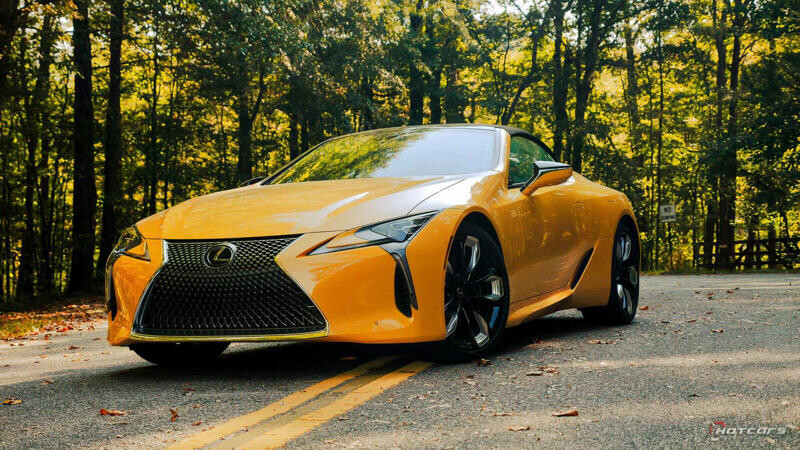
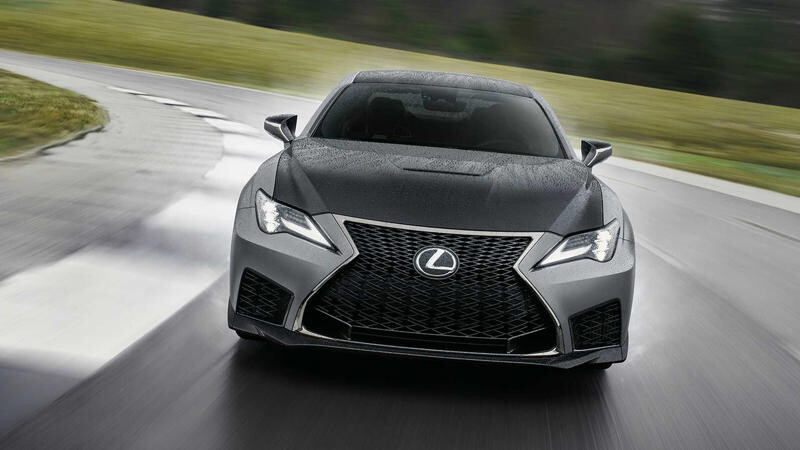
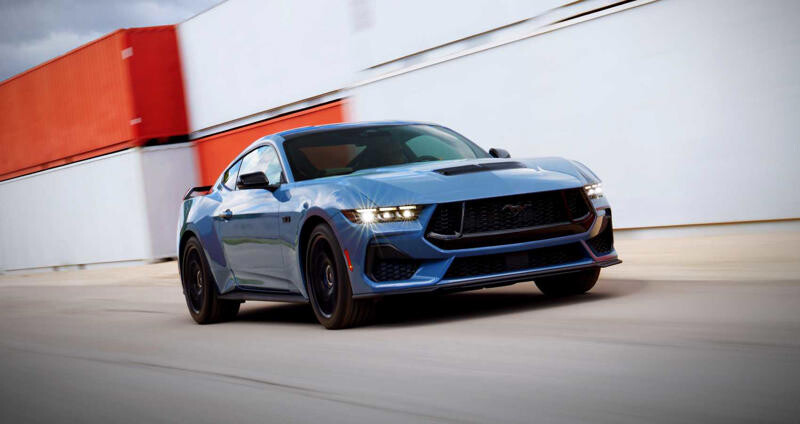
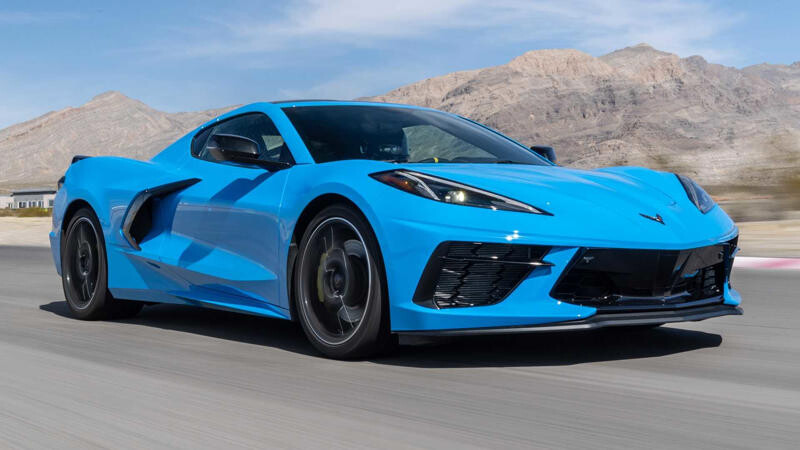
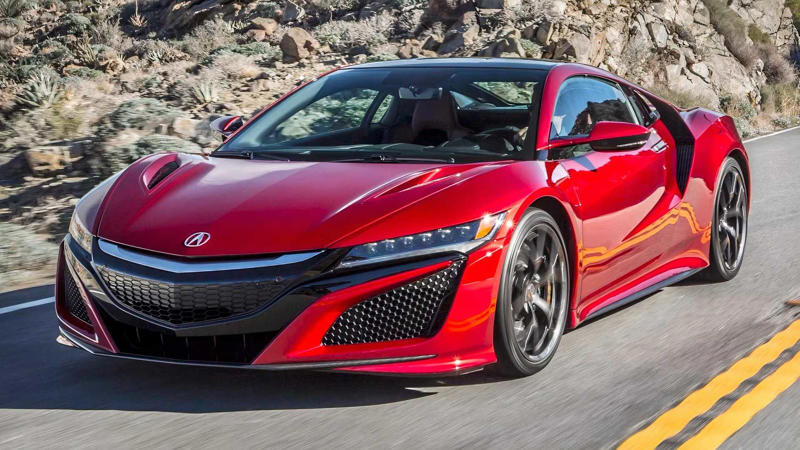
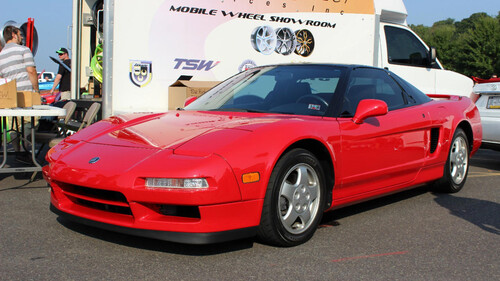
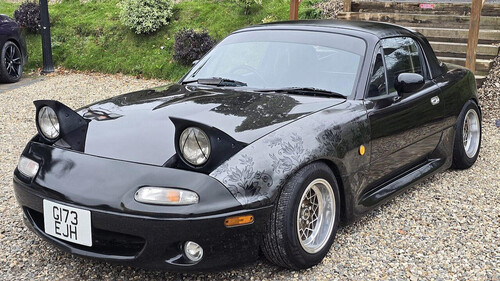
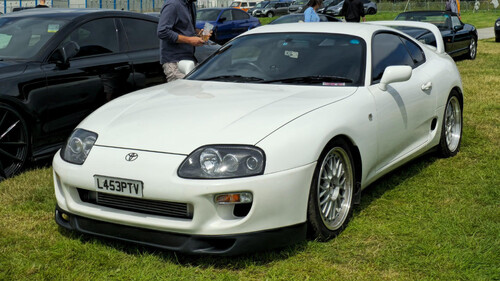
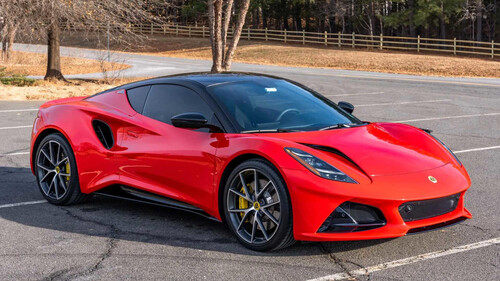
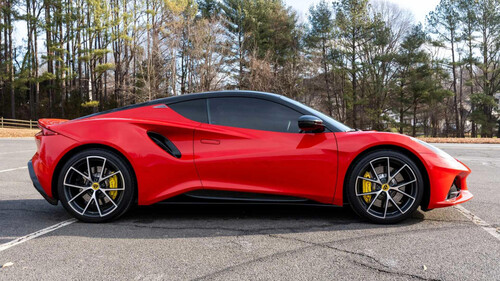
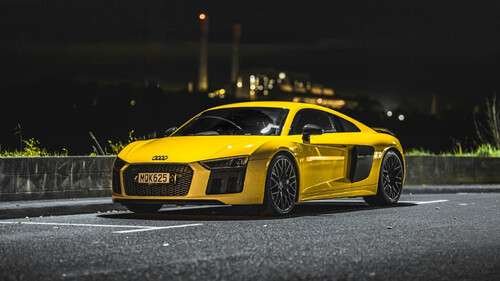
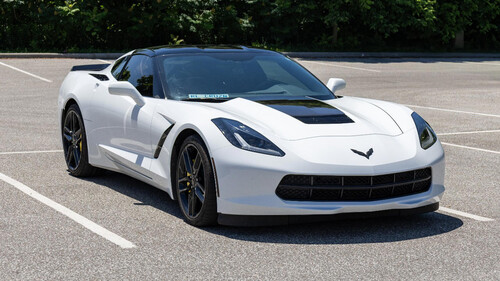
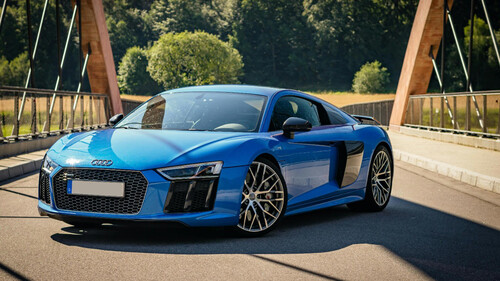
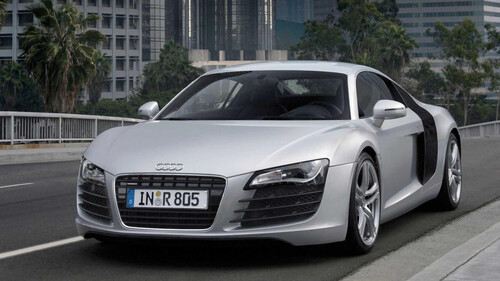
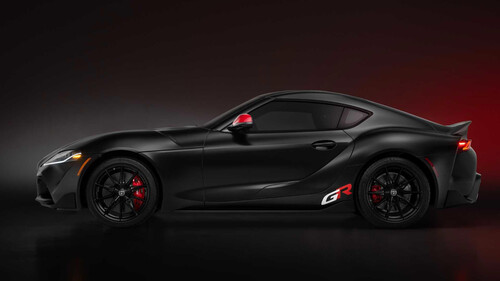
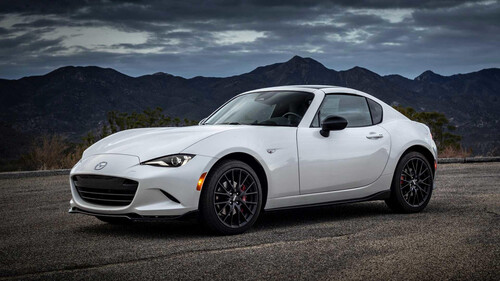
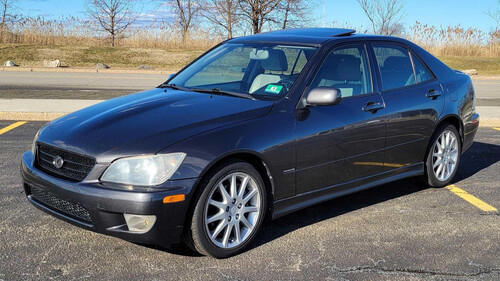
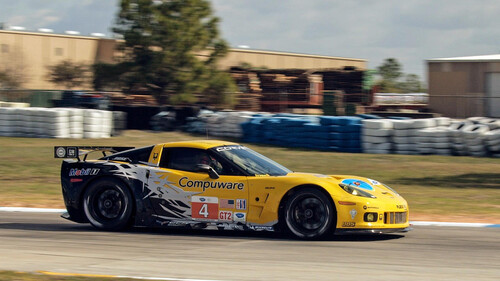
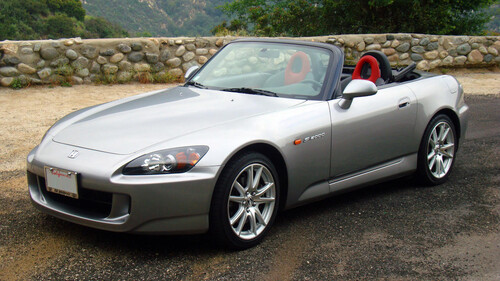
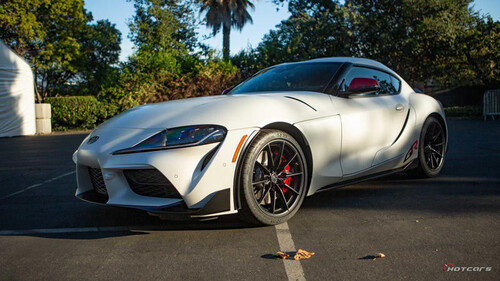
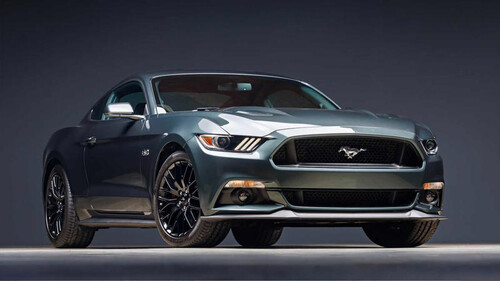
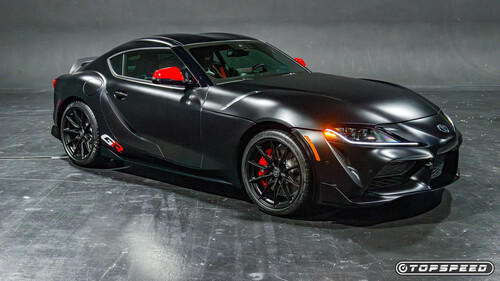
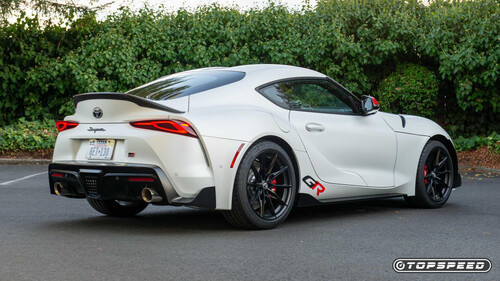
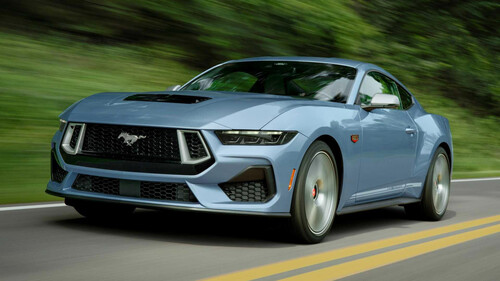
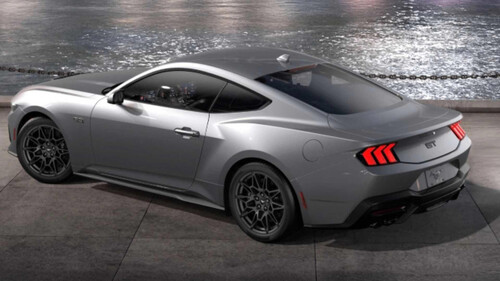
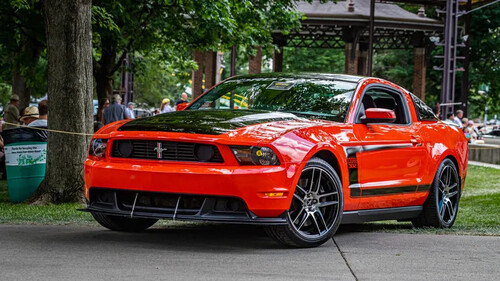
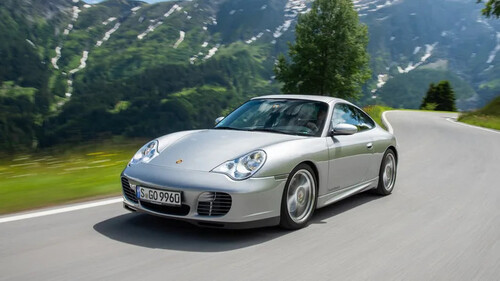
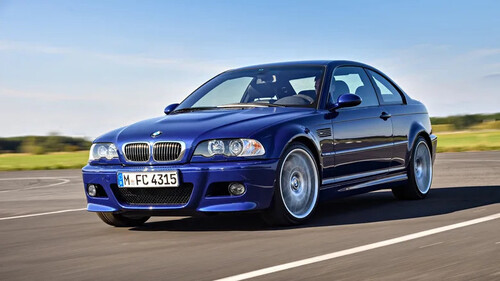
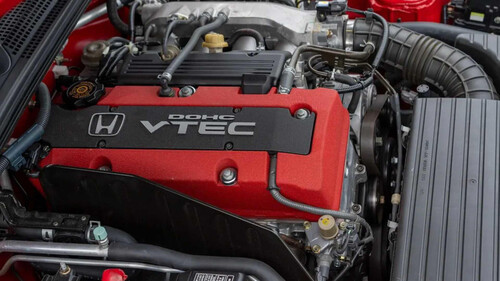
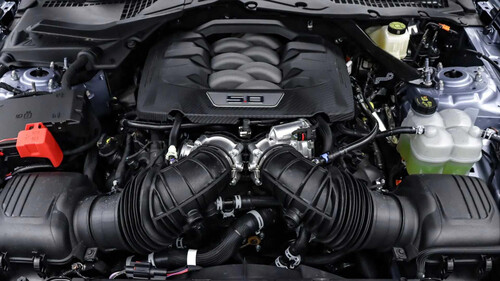
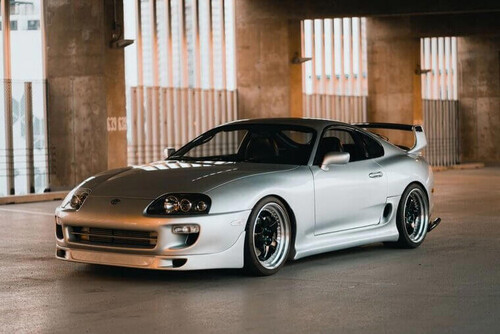
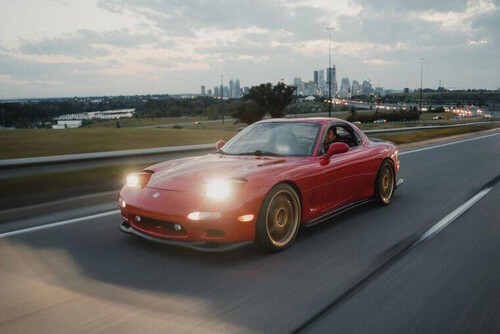
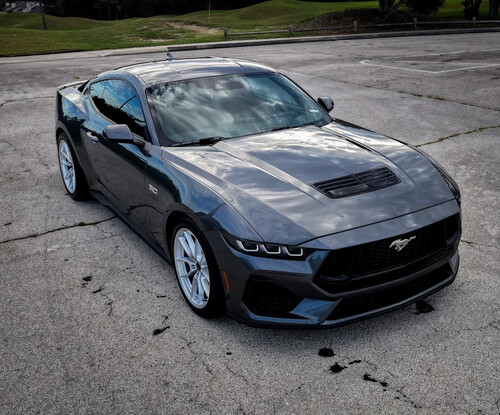
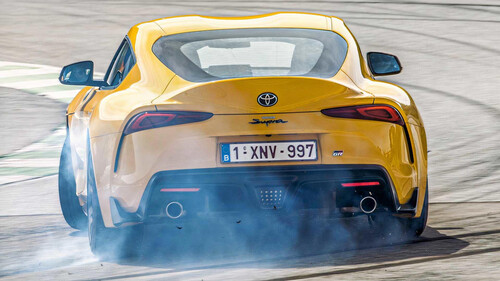
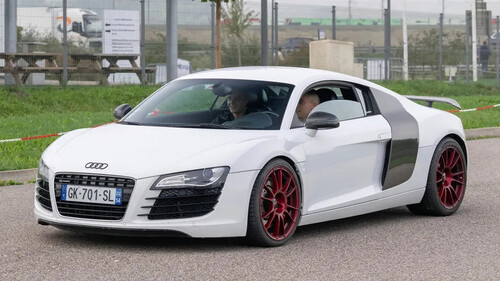
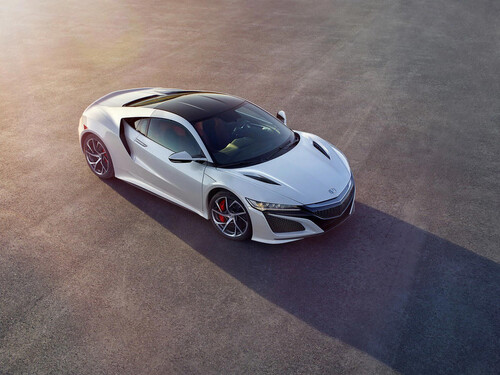
Japanese cars are famous for their reliability and affordability, but in the world of sports cars, that doesn't mean much unless performance is also a part of that recipe. As a result, most of them are overshadowed by German and American competition with flashy spec sheets and more daunting maintenance.That being said, there's also a middle ground on the market: proper exotic-looking two-door sports cars that combine the best of both worlds. These sports cars are rare, and many of them are notoriously overlooked. Others hold their value ridiculously well but are still attainable on the used market if you know where to look. To find the most reliable sports cars that combine German performance and Japanese reliability, we looked at modern cars produced after the year 2000 with proven reliability track records, robust powerplants, and affordable annual maintenance costs. Here are our top ten choices. Honda S2000 Power: 240 HP Bring A TrailerIn the late '90s, Honda decided to build a convertible that would go toe to toe with the likes of the Mazda Miata and Porsche Boxster and leave them in the rearview. The S2000 that arrived at the turn of the century was a quiet revolution, combining what has proven to be a ridiculously reliable K-series inline-4 with a genuinely fun rear-wheel drive platform and a perfectly calibrated six-speed manual transmission. It may be the least powerful car on our list, but it's no slouch.The first generation (AP1) models revved to 9000 rpm and made 240 hp and 153 lb-ft of torque. Meanwhile, the second generation (AP2) models received more displacement courtesy of longer strokes for more low-end torque (162 lb-ft) in exchange for a slightly lower redline. Don't listen to the naysayers — both are great, both will reach 60 in under 7 seconds, and put a smile on your face in the process. That's probably why S2000s have skyrocketed in value. An AP2 S2000 trades hands for $34,000 on average, but more special models like CRs can fetch six figures today. Yes, really — a 2008 S2000 CR recently sold for $132,000 on Mecum — a car that had a $37,300 MSRP in 2008. Lotus Evora (2009-2015) Power: 280 HP CarPixelThe Lotus Evora V6 is the giant killer of the sports car world—one that relies on clever engineering rather than sheer power. Not only does it shed weight rather than increasing power and using expensive components, but it also relies on an engine that's just as at home in a Camry as it is mid-mounted in the Evora. That Toyota 2GR-FE heart is the secret weapon. It’s genuinely robust, with owners typically reporting $2,000–$2,500 per year in maintenance and few serious issues — routine servicing is far more common than horror stories.In base trim, the Evora makes about 280 hp and sounds underwhelming on paper, but in reality, it's a seriously thrilling mid-engined sports car. Opt for a supercharged Evora S option, and you get 350 hp and a top speed of 178 mph—enough to rival Corvettes and Porsche 718s in a straight line and on the track. Toyota GR Supra 3.0 (2019-Present) Power: 340-382 HP David Alpert / HotCarsDespite mixed reviews when it hit the market in 2019, the new GR Supra has proven to be a highly reliable and capable sports car. It may just be a Toyota-fied BMW Z4 coupe, but it's also the perfect combination of German performance and Japanese reliability on the new-car market. It's built in Austria in the same factory as the BMW Z4. But while the initial, 2019-2020 Supras were rated at 340 hp, the Z4 pushed 382 hp. It wasn't until 2021 that Supra owners received the B58's full power, thanks to a new six-port exhaust manifold installed on the engine. In terms of performance, all Supras are electronically limited to 155 mph, but ZF8 automatic Supras will shave about half a second off the 0-60 mph time compared to the 6MT and rocket to 60 mph in 3.9 seconds. The manual-transmission version, on the other hand, has proven to hold its value better.Purists can scoff at Toyota's decision to base the Supra on a BMW all they want, but there's no denying the formula works. According to some reports, if Toyota had developed its own turbocharged inline-six for the car, the new Supra would cost nearly six figures. And despite its performance and refinement, the Supra has kept its starting price under $60k and its maintenance costs at economy-car levels—just $561 per year. Audi R8 4.2 V8 Power: 420 HP Audi When Tony Stark rolled onto the screen behind the wheel of an Audi R8 in Iron Man (2008), the world immediately fell in love with it. Today, the car is a true unicorn: a mid-engined, gated, naturally aspirated supercar lite that doesn't cost an arm and a leg to maintain and won't leave you stranded. Audi also built a V10 version a year after the car debuted, but it's the 4.2-liter V8s that enjoy the reputation as more affordable, owner-friendly supercars. The V8 makes a solid 420 horsepower (exactly 100 hp per liter) and takes 4.4 seconds to reach 60 with a six-speed manual. Opting for the not-so-loved R-tronic shaved off 0.2 seconds, but automatics are in much lower demand on the used market today for obvious reasons.That 4.2-liter FSI V8 shares its basic architecture with the engine used in the early Lamborghini Gallardo, developed under the Audi umbrella. So, when you drive a manual V8 R8, you're effectively shifting a junior Lamborghini… but with Audi build quality and everyday usability. Audi didn't even market the R8 as a supercar, and people drove them daily for hundreds of thousands of miles. As a result, they're everywhere on the used market and have a reputation as genuinely reliable sports cars. Lexus LC 500 Power: 471 HP Source: Bradley Hasemeyer / Hot Cars / ValnetThe LC500 is more of a grand tourer than an all-out sports car — one meant to go against cars like the Aston Martin Vantage, BMW M850i, and Mercedes-Benz SL. However, instead of a massive V12 or a turbocharged V8, under this Japanese land yacht's hood sits a near-bulletproof 5.0-liter naturally aspirated V8 that sings all the way to 7,300 rpm and sends 471 hp to the rear wheels. That's a lot of power, but its massive 4340-lb weight (4,540 for the convertible) stretches the 0-60 mph acceleration to an underwhelming 4.7 seconds.Despite that, the LC500's combination of great looks, reliability, and performance has kept it in demand even after 8 years on the market with almost no major changes. In fact, J.D. Power gave the 2024 LC500 a ridiculously impressive 92/100 reliability rating, while an average 10-year maintenance cost estimate of just $7,334 further supports the reliability argument. The LC500 is $5,082 cheaper to keep running than an average luxury coupe of the first 10 years of ownership, and nearly as cheap as the Subaru BRZ ($6,838 over 10 years), despite costing almost four times as much. Lexus RC-F Power: 472 HP Lexus The Lexus RC-F may look like a luxury coupe with an oversized grille, but it's in fact the fastest and most aggressive track-bred Lexus you can still buy new. But hurry because production ended in December 2025. It's quicker and more track-focused than an LC500, weighs a staggering 559 lbs less, and hits 60 mph in 4.2 seconds. Opt for the limited production RC F Track Edition, which gets carbon-ceramic brakes, aero, and weight savings, and that 0-60 time drops to 4 seconds, flat.It's a pretty compelling naturally aspirated alternative to something like the Ford Mustang Dark Horse or a BMW M4. Reliability is a non-issue, as it uses the same bulletproof 2UR-GSE fitted in the LC500, and owners will pay just $7,101 for maintenance over 10 years of owning an RC F—a full $5,315 less than for an average luxury coupe—which comes out to just about $710 per year. 7th Gen Ford Mustang GT/Dark Horse Power: 480/500 HP FordThe Coyote V8 has proven itself as one of the most durable and versatile modern performance engines. It's one of the last ways to get serious, naturally aspirated V8 power in a new performance car with a serious reliability track record and virtually no major issues. Under the hood of the seventh-gen Mustang GT, it makes 480 hp, and it's tuned to exactly 500 hp in the Dark Horse. We decided to include them both in this entry as buyers can't go wrong with either one.Opt for the Mustang GT to get the best bang for your buck or the Dark Horse if you can't do without the power bump, higher redline, Brembo brakes, and improved cooling for track use. The GT will take you to 60 in the low 4-second range, depending on your transmission of choice, while the Dark Horse will do it in 3.7 seconds with the automatic and 4.1 seconds with a manual and cover the 1/4 mile in 12.5 seconds with the stick. Both of these modern muscle cars boast stellar reliability ratings and can keep up with German performance cars like the BMW M340i and M440i without any need for forced induction. Nissan GT-R R35 (Standard Variants) Power: 480-565 HP Ayesh Seneviratne Arguably the greatest tuner car of the 21st century, the Godzilla needs no introduction. The interesting part is that, when the R35 GT-R hit the streets, rumors suggested the R35 was untunable because of an uncrackable ECU that left curious tuners frustrated (albeit fascinated) with its factory power plant that was clearly built for more. Once the formula was cracked, there was no going back. Today, used GT-Rs are still a hot item among casual collectors and tuners alike. This goes for both the early 480-hp versions and the later models, which saw incremental power increases through factory updates all the way up to 565 hp for the 2017 model year.With power sent to all four wheels via Nissan's ATTESA E-TS AWD system (the same one that helped the brand secure title and the Godzilla nickname in the '90s), newer GT-Rs take just 2.9 seconds to reach 60 mph in the base version and 2.5 seconds in the race-bred 600-hp NISMO version. Even a stock R-35 will outrun almost everything from a base Corvette to a Hellcat, both in a straight line and on the track. Tuned, these things can handle up to four-digit power figures with stock engine blocks. Chevy Corvette C8 Stingray Power: 490-495 HP Chevrolet America's favorite sports car has always been an icon, but the new C8 Chevrolet Corvette completely flipped the script. You probably already know that it's fast and has its engine behind the driver like a Ferrari, but these are also ridiculously reliable sports cars. Each C8 model year since the generation debuted for 2020 boasts segment-leading J.D. Power reliability scores in the high 80s or even low 90s. Average yearly maintenance is cheaper than most full-size sedans at $773, and owners and reviewers, including HotCars' own Michael Van Runkle, can't stop raving about how easy they are to live with.The Stingray gets a 6.2-liter LT2 V8 good for 490 hp (495 hp when equipped with the Performance Exhaust with the Z51 Performance Package) and launches to 60 mph in just 2.9 seconds. It will outrun any BMW or Porsche 911 this side of the Turbo S for a fraction of the price. No wonder the C8 Corvette is barely losing value on the used market. Acura NSX (2017-2022) Power: 573 HP Acura Enthusiasts love to knock the new NSX for its hybrid powertrain and questionable looks. We get it, but what most people don't know is that the NSX is the most reliable proper supercar money can buy, just like its predecessor. Each Acura NSX is hand-assembled at Honda’s Performance Manufacturing Center in Ohio. For power, the NSX relies on an in-house-developed, mid-mounted 3.5-liter twin-turbo V6 good for 500 hp on its own and working together with three electric motors to send 573 hp to all four wheels. Acura claims 0-60 in less than 3 seconds and an official top speed of 191 mph for the standard NSX.These can now be found right around $100k, and they are still a great deal for anyone looking to beat a German sports car in both performance and reliability. To top things off, RepairPal claims average maintenance costs for an NSX will set you back just $354 per year. If that figure is accurate, this 573-hp supercar is cheaper to keep on the road than a Camry.Sources: J.D. Power, CarEdge, RepairPal, Classic.com.