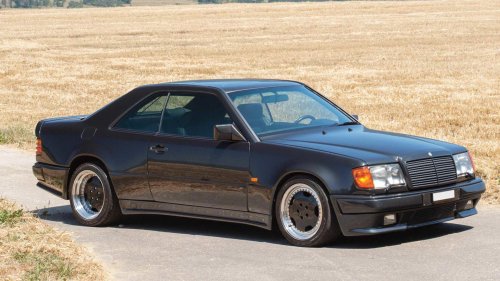
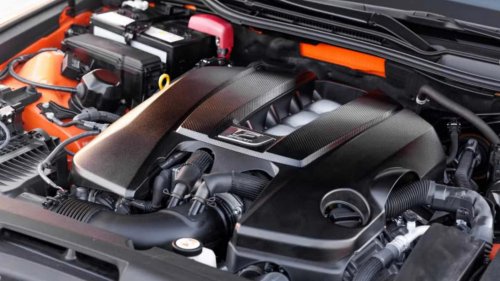
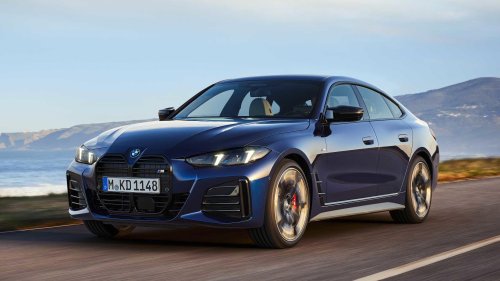
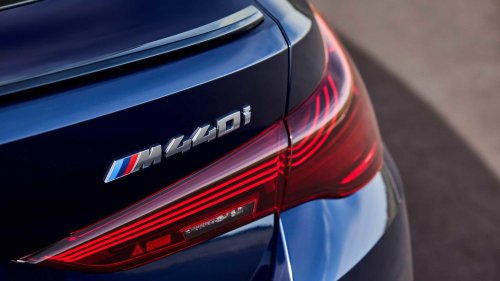
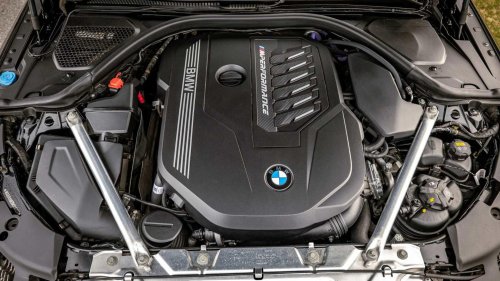
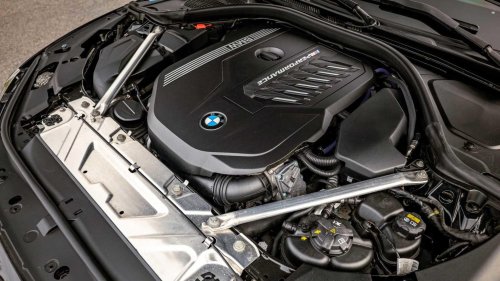
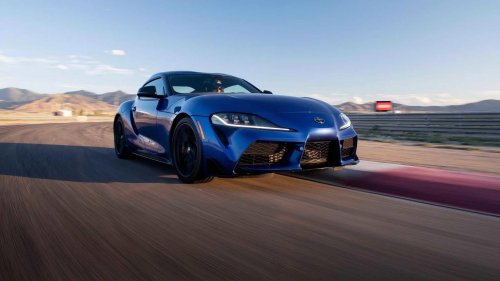
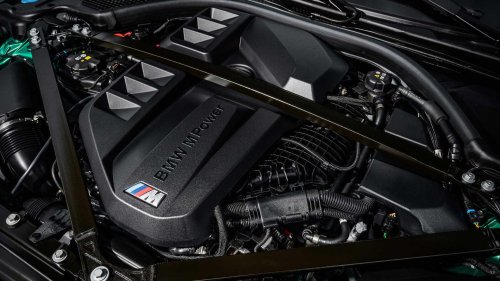
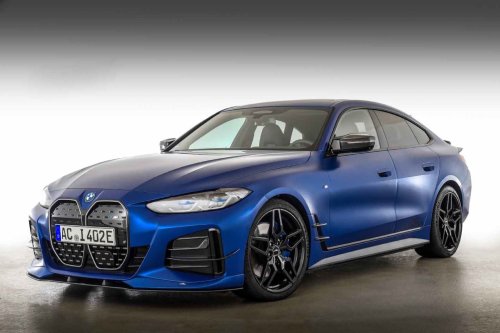
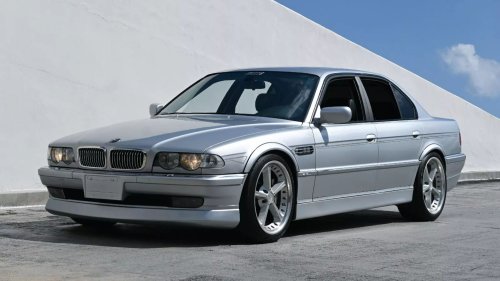
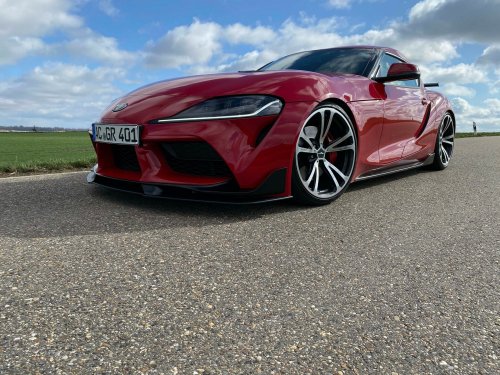
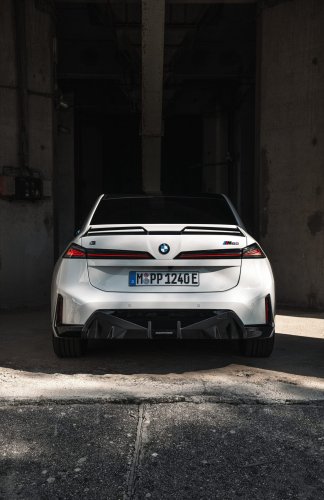
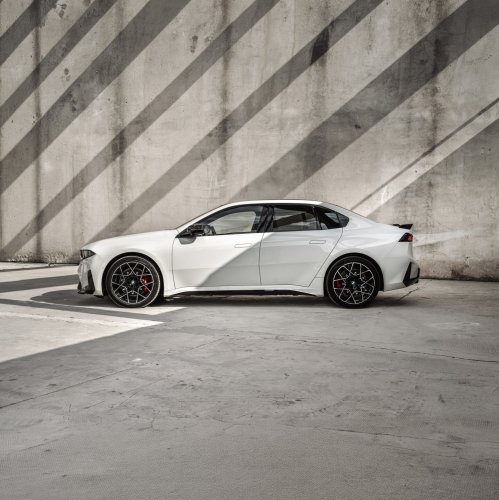
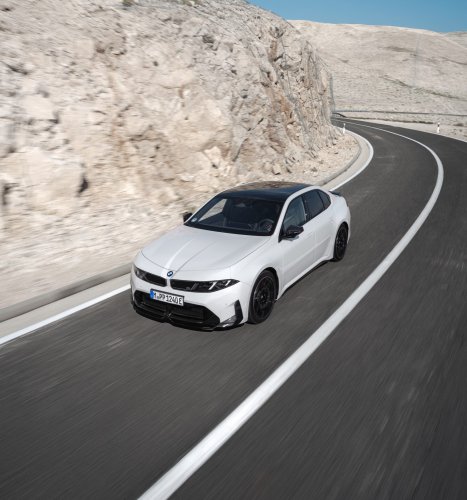
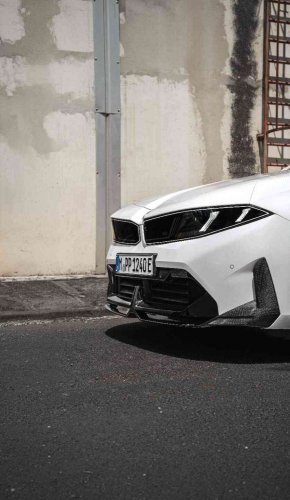
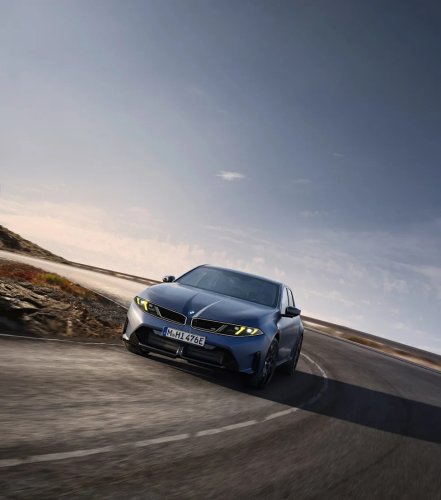
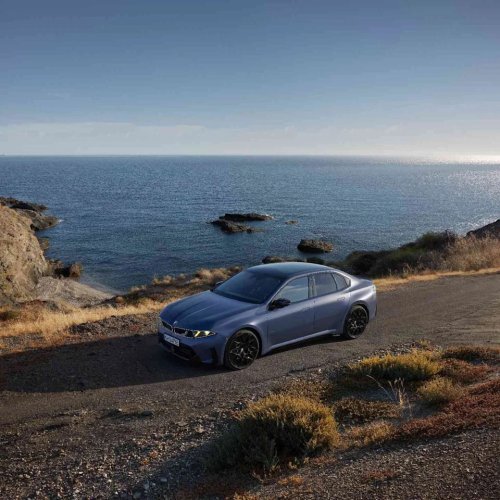
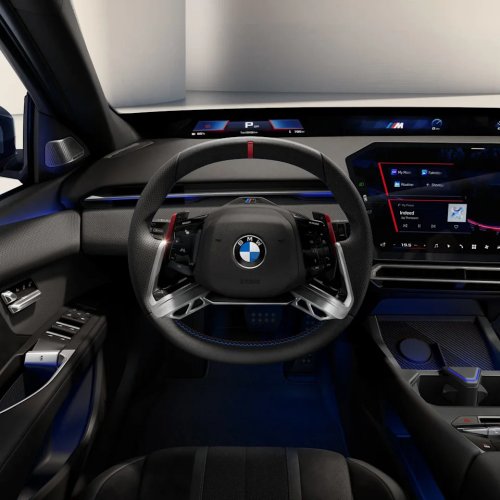
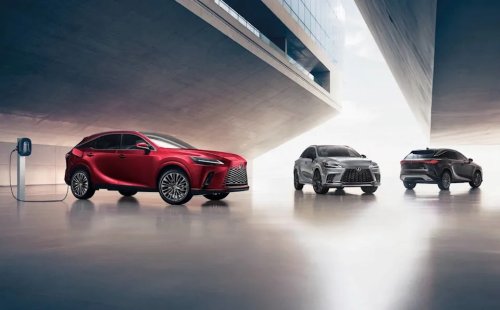
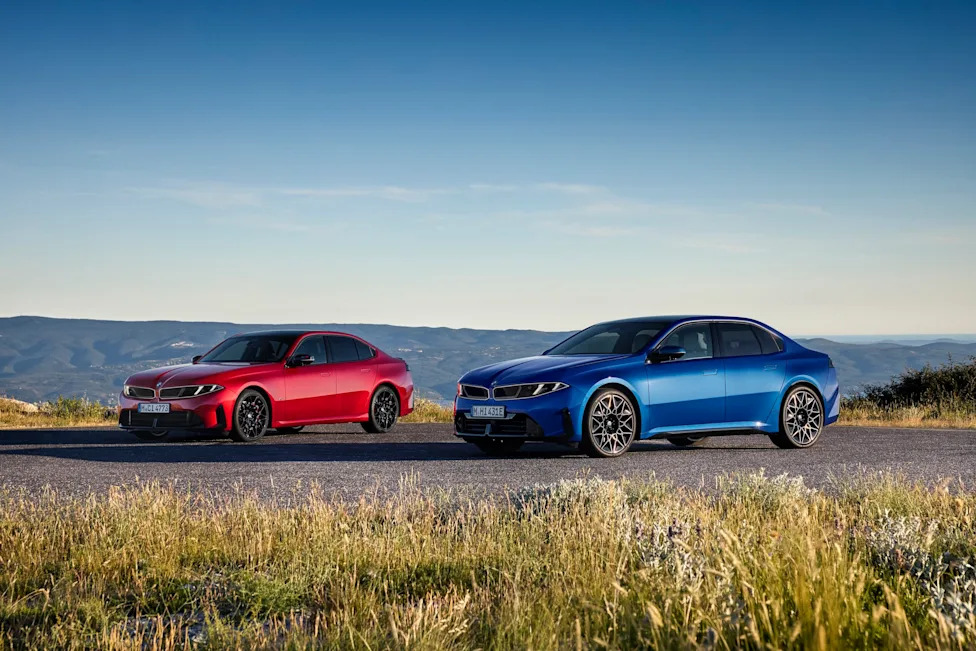
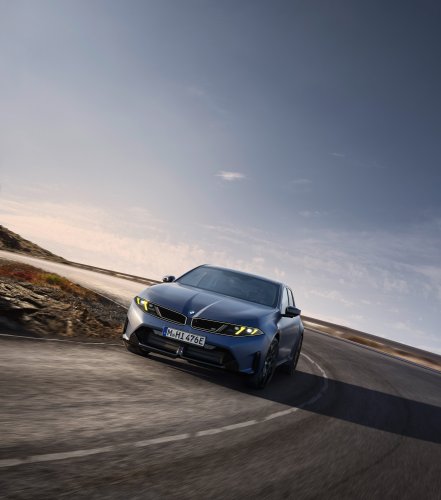
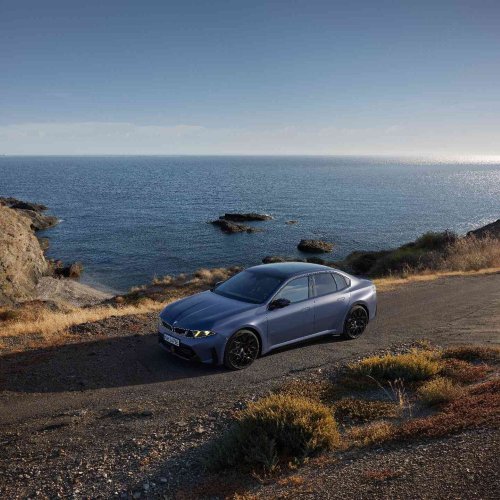
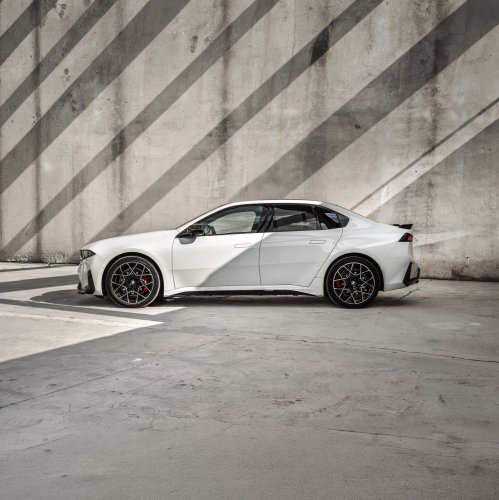
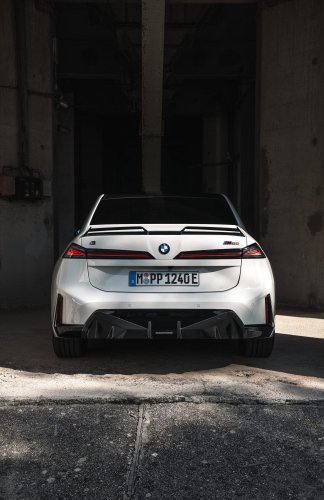
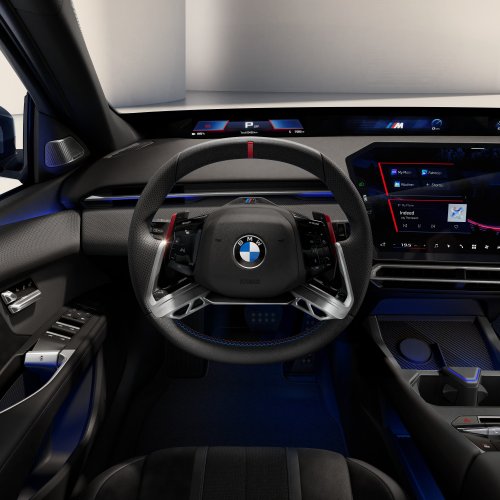
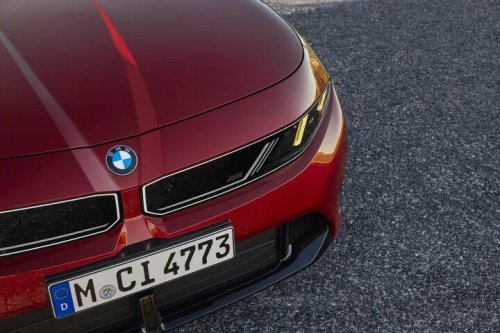
Choosing between heart-pounding performance and long-term reliability is a common struggle for car enthusiasts. Mercedes-AMG defines the high-stakes world of performance with its brute-force engineering. These performance cars are famous for aggressive exhaust notes, massive power, and high-tech complexity that makes every drive feel like a theatrical event.However, that excitement often comes with expensive maintenance. On the other side sits Lexus, the gold standard for over-engineering. Lexus performance models are legendary for their bulletproof reliability, frequently crossing the 200,000-mile mark without breaking a sweat. Finding a vehicle that captures the raw German soul of an AMG while offering the legendary durability of a Lexus seems impossible, but one specific powertrain finally bridges that gap. The Soul Of AMG vs. The Longevity Of Lexus: A Performance Tug-of-War Classic & Sports Car From the legendary 1980s Hammer sedan to modern icons like the C63, Mercedes-AMG has perfected the art of the German muscle car in a tailored suit. The character of an AMG is defined by high-strung performance. Modern versions often utilize complex Hot-V turbocharger setups, where the turbos are tucked deep inside the engine block.This creates incredible throttle response and a signature aggressive growl, but it also generates extreme heat. While these cars are exhilarating to drive, that high-tech complexity acts as a ticking clock. As these cars age, owners often face a performance tax in the form of expensive cooling system repairs and specialized maintenance that can drain a bank account quickly.Ian Wright/CarBuzz/Valnet On the opposite end of the spectrum is the Lexus and its reputation of being the most reliable luxury carmaker. While Lexus is known for luxury, cars like the RC F and the IS 500 F Sport Performance prove that the brand knows how to party. These cars use the 5.0-liter 2UR-GSE V8, a naturally aspirated masterpiece. Unlike its European rivals, this engine avoids fragile electronics and complicated turbo plumbing in favor of pure, over-engineered mechanical strength. It is an engine designed to provide high-output thrills while comfortably crossing the 200,000-mile mark without breaking a sweat. Lexus owners enjoy a peace of mind that AMG owners rarely experience.For most enthusiasts, the holy grail is a car that offers both. We want the aggressive power delivery and handling of a German sport sedan, but we also want the confidence that our car will start every morning for the next decade. Finding a middle ground between the theatrical soul of an AMG and the bulletproof reputation of a Lexus used to be a dream, but one specific German engine has turned that dream into a reality. The BMW M440i: Why The B58 Is The Lexus Of German Performance BMWThe 2026 BMW M440i packs a legendary heart: the B58 3.0-liter inline-six. In its latest technical update, this engine produces a stout 386 horsepower and 398 pound-feet of torque. When paired with the xDrive all-wheel-drive system, the M440i can rocket from 0 to 60 mph in as little as 4.3 seconds. Even the rear-wheel-drive version stays at 4.6 seconds. It is a car that feels every bit as fast as a dedicated sports car, yet it maintains the manners of a smooth executive coupe.BMWIts primary rival is the Mercedes-AMG CLE 53, which uses the M256 straight-six engine. On paper, the AMG looks like the winner with 443 horsepower and a 0 to 60 time of 3.6 seconds. However, the spec sheet does not tell the whole story. The AMG relies on a complicated hybrid setup and an auxiliary electric compressor to build power. In contrast, the BMW M440i offers mechanical purity. Its power delivery is more linear and predictable, providing a relentless surge of torque without the digital interference found in the Mercedes. The BMW engine is more thermally efficient, meaning it can handle back-to-back runs without the heat soak issues that often plague more complex engines.Bring A TrailerThe real secret weapon, however, is the reputation of the B58. The engine is so robust and dependable that Toyota chose it to power its flagship sports car; the GR Supra. For a company like Toyota, which built its entire brand on durability and quality control, there is no higher praise. By passing Toyota’s rigorous internal testing, the B58 proved it could meet Lexus-like standards for longevity. When you buy an M440i, you are getting an engine that has earned the respect of the most demanding engineers in Japan. The Modern 2JZ: Why Toyota, Ineos, And Morgan Trust The B58 Bring A Trailer The connection between BMW and the Toyota GR Supra is the ultimate testament to the B58’s engineering. When Toyota decided to bring back the Supra nameplate, they knew they needed an engine that could live up to the legendary 2JZ. They did not just take the B58 off the shelf; they tore it down and subjected it to Lexus-style durability tests. The B58 passed with flying colors because it is fundamentally over-built. It features a closed-deck block design, which provides extreme rigidity, and forged internals like the crankshaft and connecting rods. These components allow the engine to handle massive stress over many years.Toyota Furthermore, BMW simplified the cooling and oiling paths in the B58 compared to its older engines. This reduction in complexity is exactly why it is becoming known as the modern 2JZ. It is a tuner’s dream that stays reliable even when pushed beyond factory limits. This reputation for being an indestructible powerhouse has made the B58 a favorite for specialty manufacturers who need a powertrain that will not fail their customers in extreme conditions.Ineos You can now find the B58 in the Ineos Grenadier, a rugged off-roader designed to tackle the most remote parts of the world. Ineos needed an engine with low-end torque that could survive dust, mud, and miles of abuse, and the B58 was the clear winner. Even the bespoke British carmaker Morgan uses the B58 in the Plus Six to provide a lightweight, high-output experience with modern reliability.The B58 has become a universal donor engine. It is the go-to choice for any brand that wants high-performance thrills but cannot afford the mechanical failures traditionally associated with European luxury cars. The S58 Evolution: When "Bulletproof" Meets M-Division Extremes BMWWhile the B58 is the king of daily-driver reliability, BMW also offers a more aggressive sibling: the S58. This engine is a high-performance evolution developed specifically by the M division. You will find the S58 under the hood of the current M2, M3, and M4. It takes the solid foundation of the B58 and dials everything up to eleven. With twin turbochargers and a high-revving nature, the S58 produces a staggering 523 horsepower in the 2026 M4 Competition. This allows these cars to achieve 0 to 60 mph sprints in a blistering 3.4 to 3.7 seconds.The performance stats of the S58 are undeniable, putting it squarely in supercar territory.BMW To achieve those extreme numbers, however, the S58 introduces more complexity. It features a more elaborate twin-turbo setup, a specialized oiling system for track use, and much more aggressive cooling requirements. While it is still a very strong engine, it trades away some of that Lexus-like simplicity found in the B58. The S58 is a high-maintenance athlete that requires more frequent attention and specialized care to stay in peak condition.In the end, the choice depends on your mission. If you want a dedicated track toy or a weekend warrior, the S58 is a mechanical masterpiece. But if you are looking for the perfect sports car to live with every single day, the B58-powered M440i is the clear winner. It delivers the aggressive performance and premium experience of an AMG, but it is built with the mechanical integrity and long-term durability of a Lexus. It is truly the best of both worlds, offering a thrilling drive that you can rely on for years to come.Sources: BMW, Carbuzz