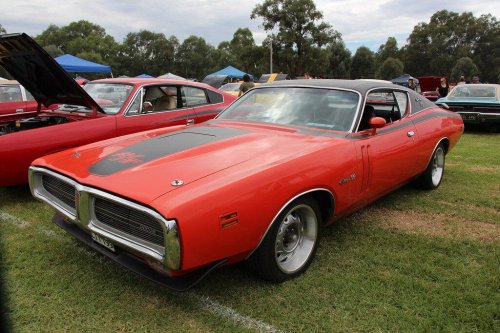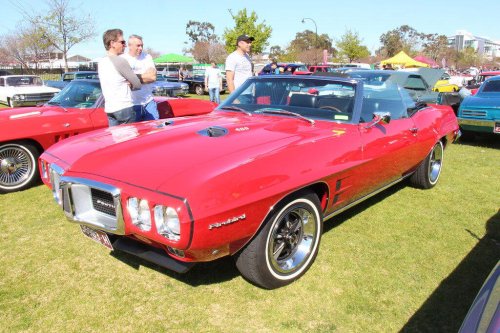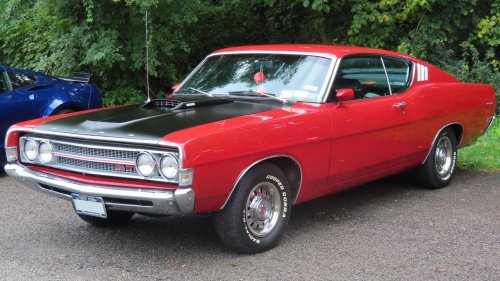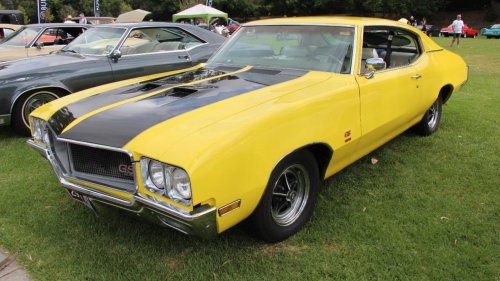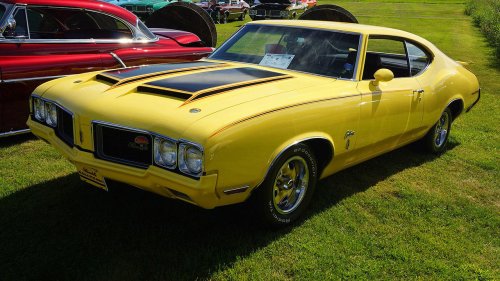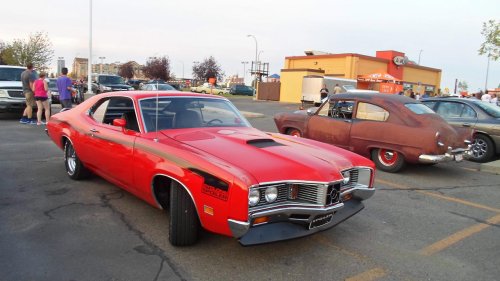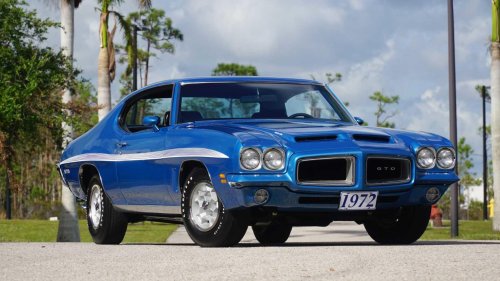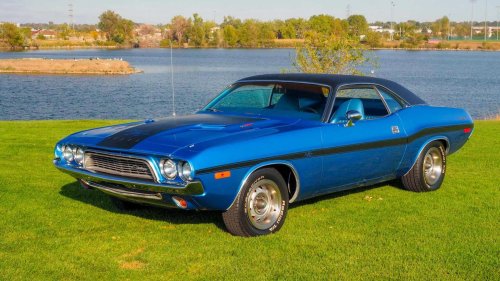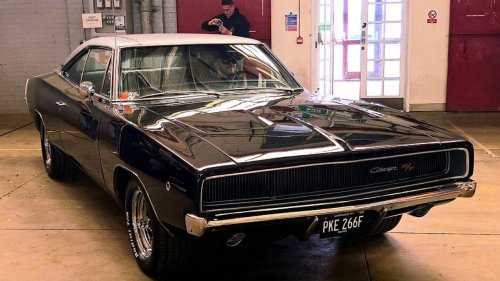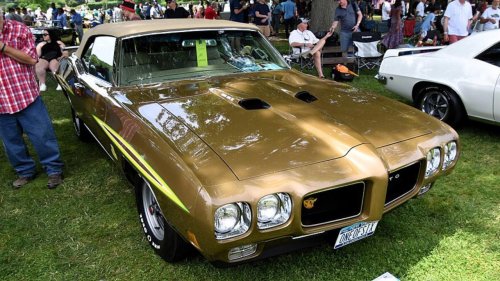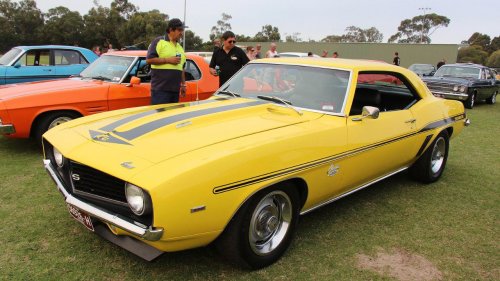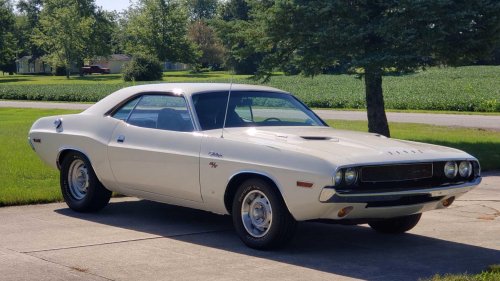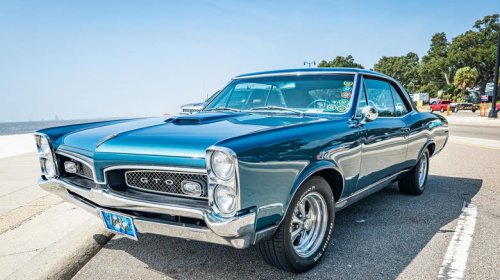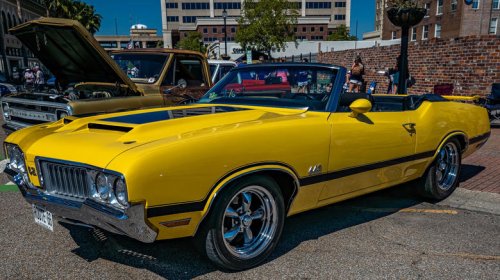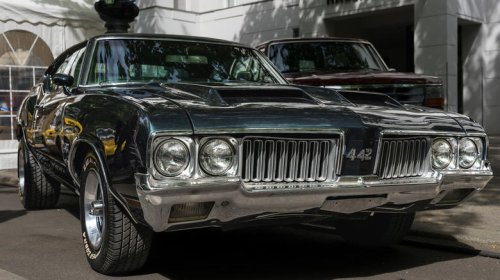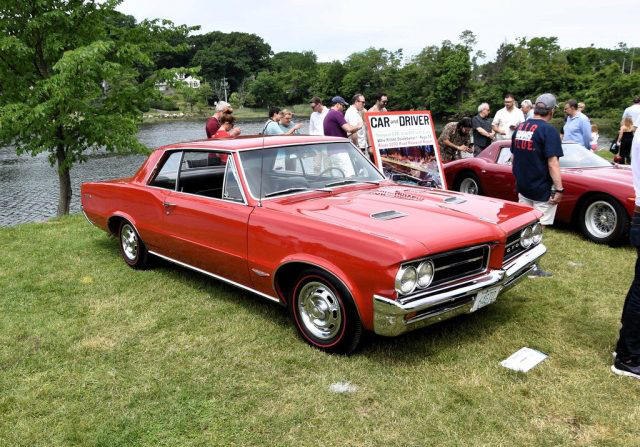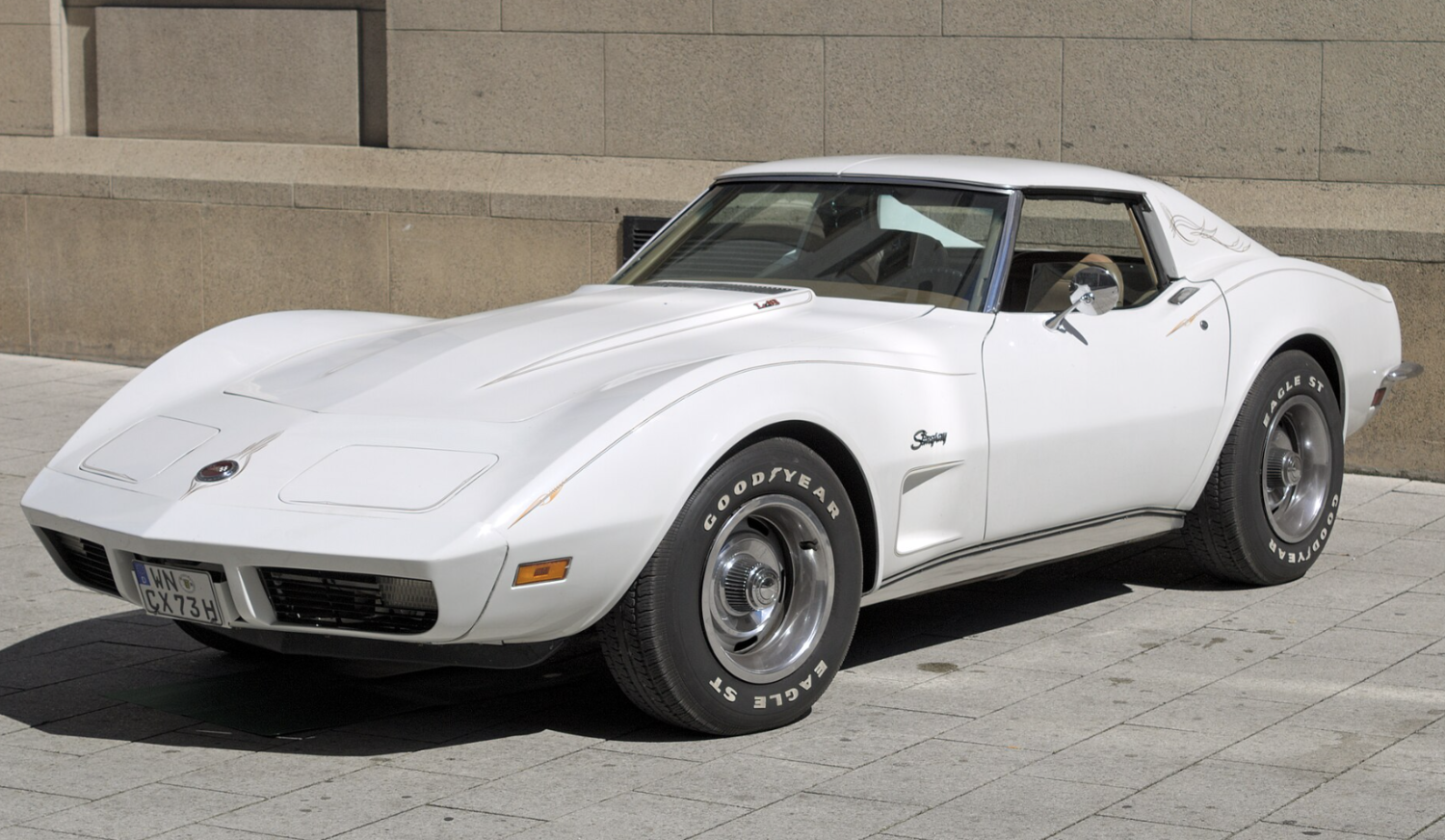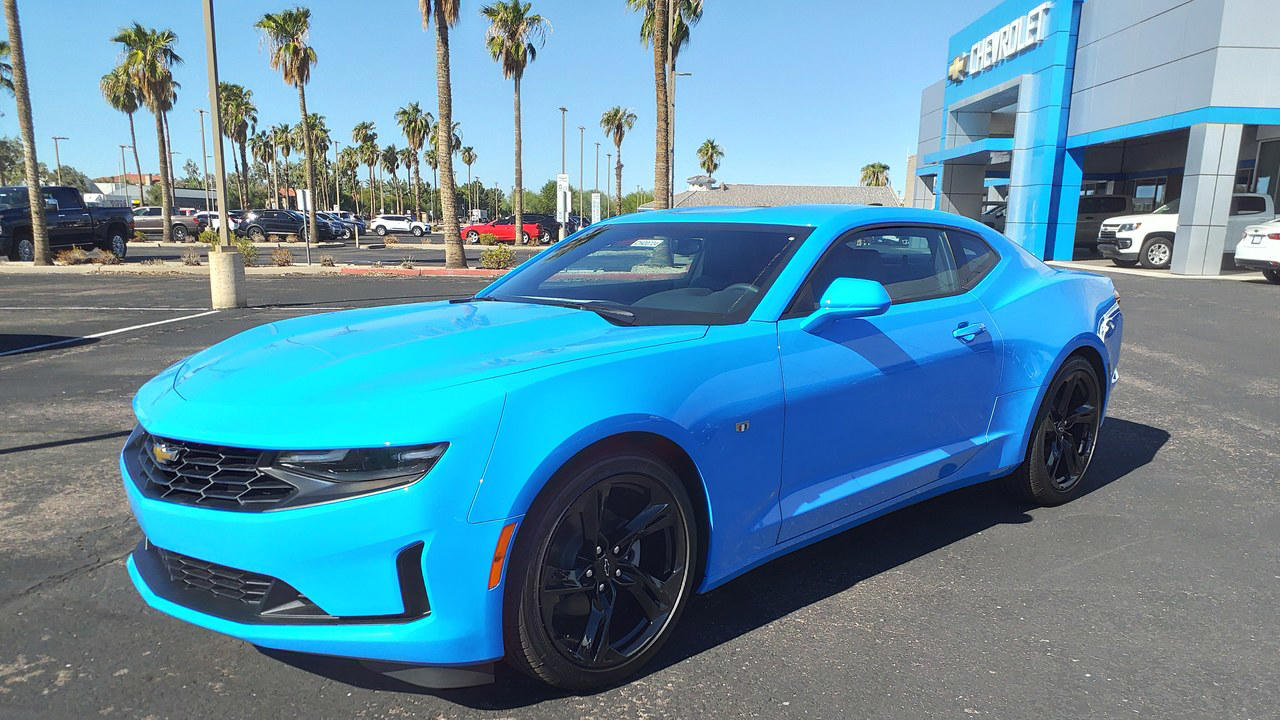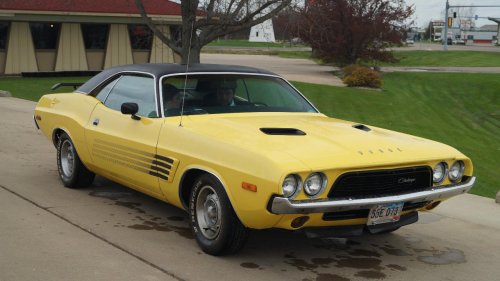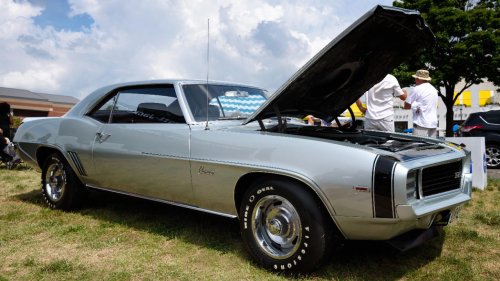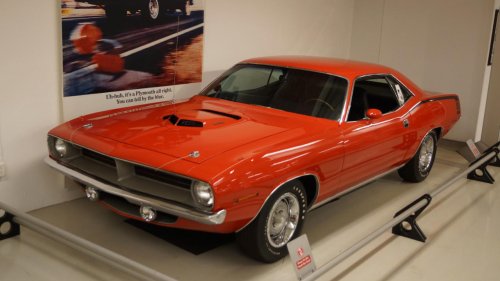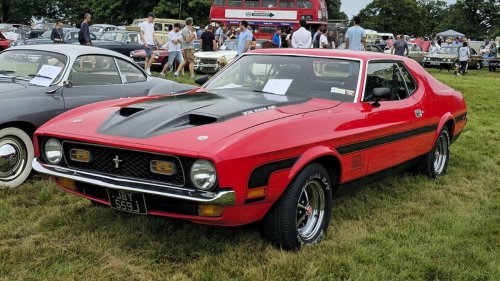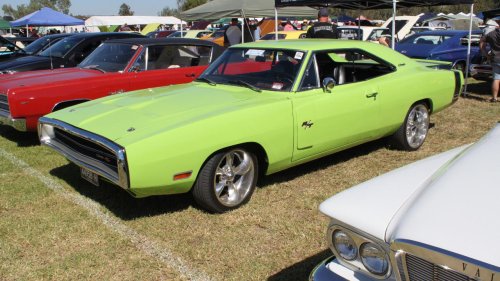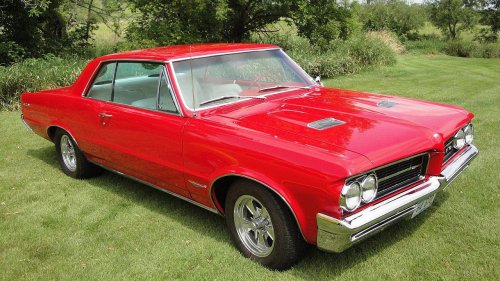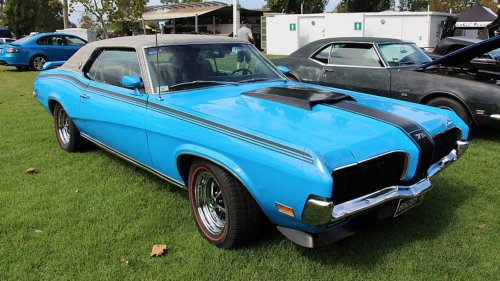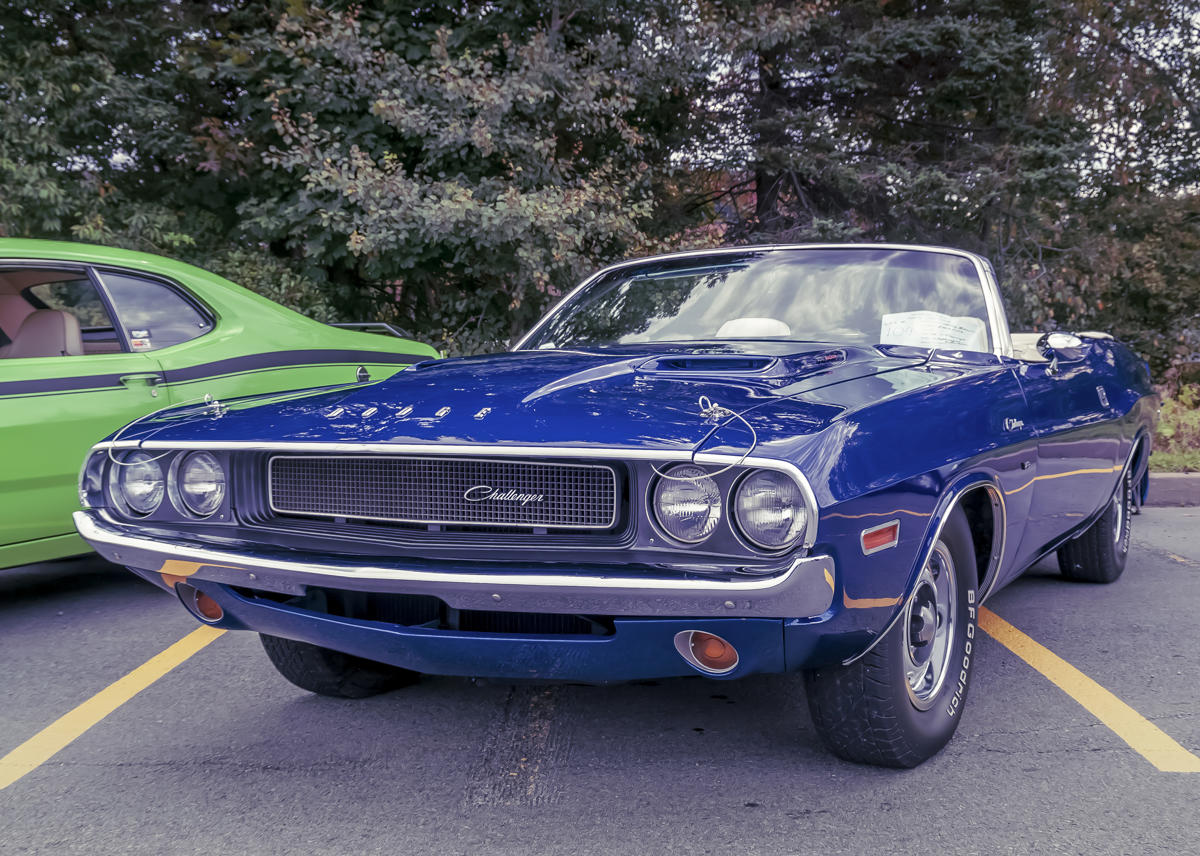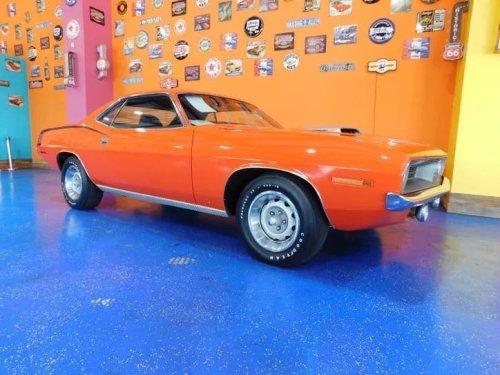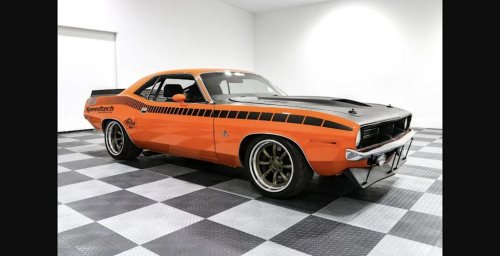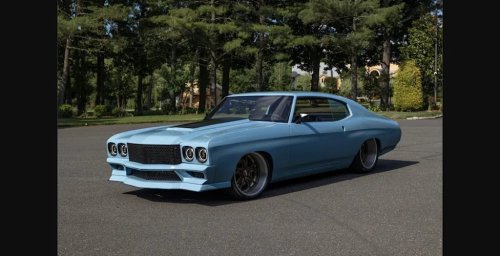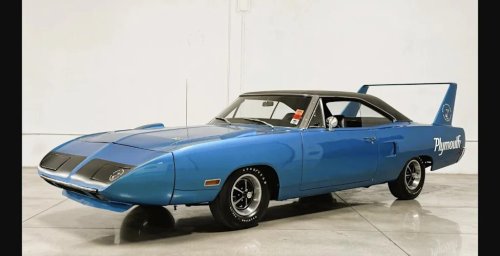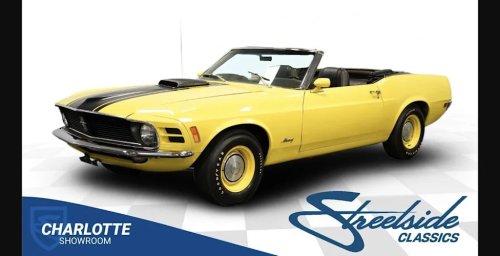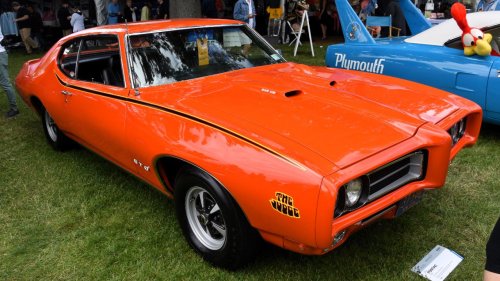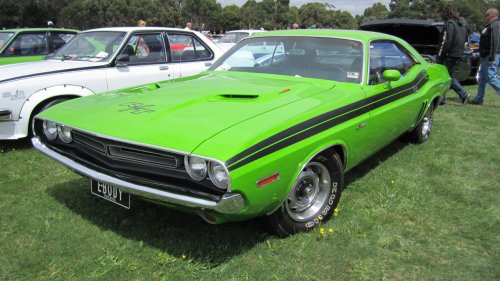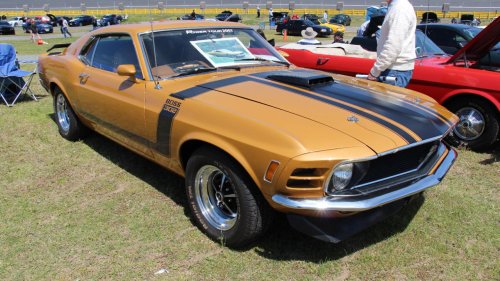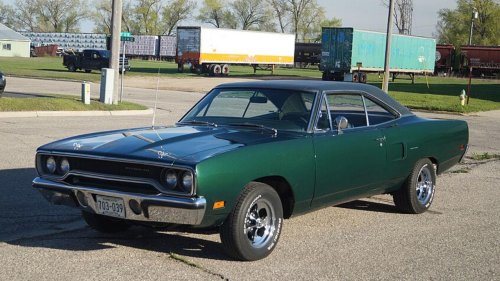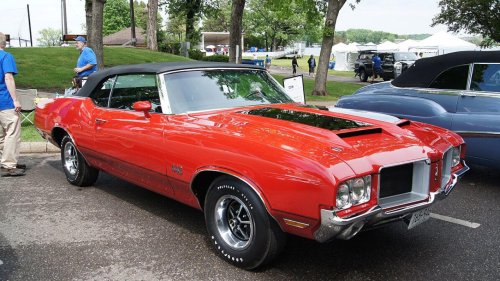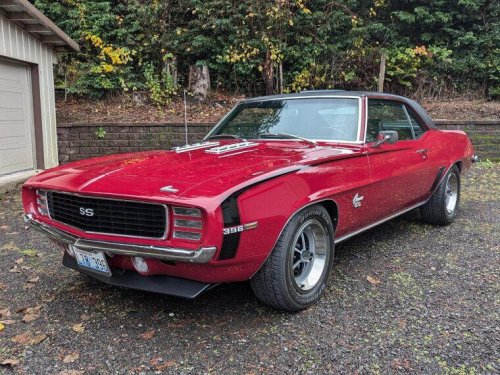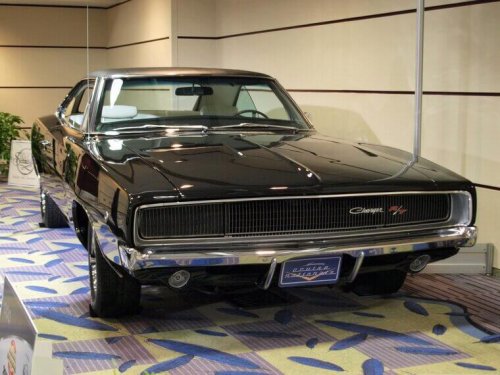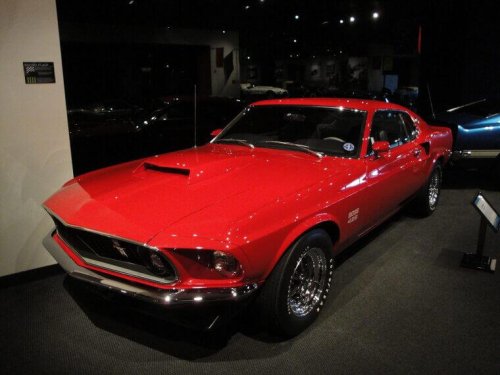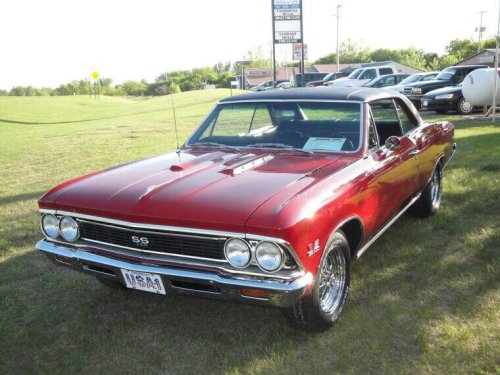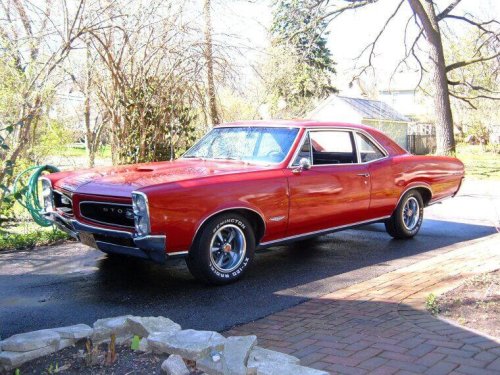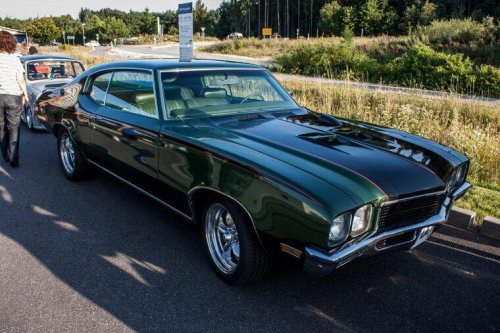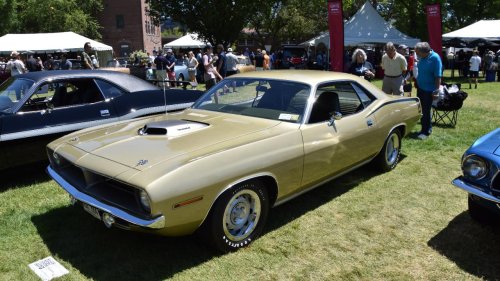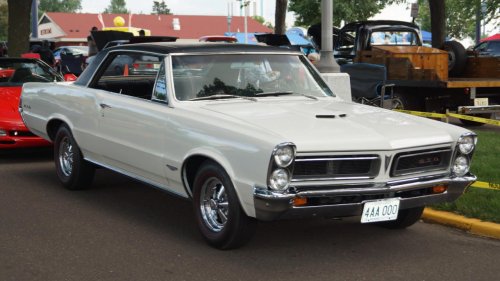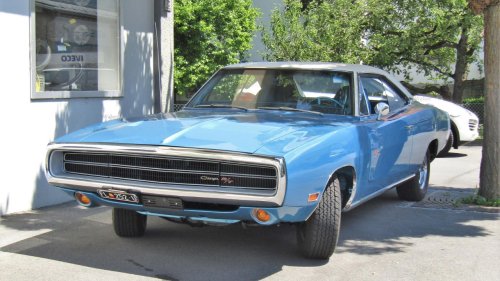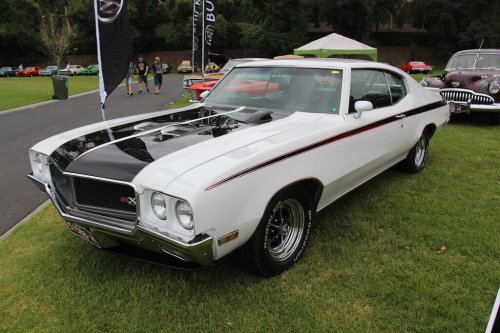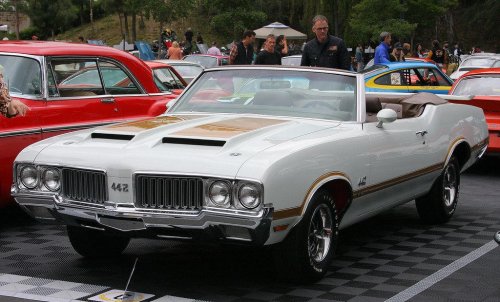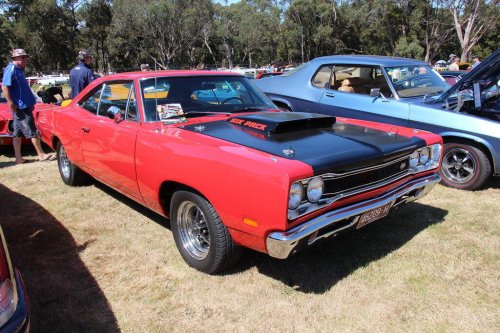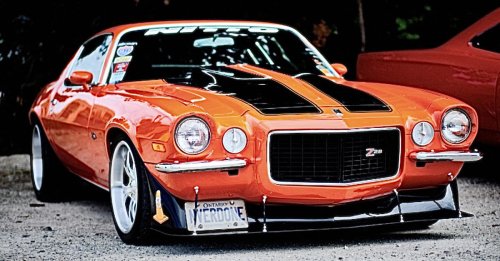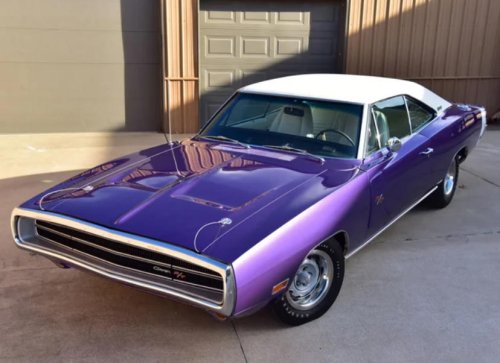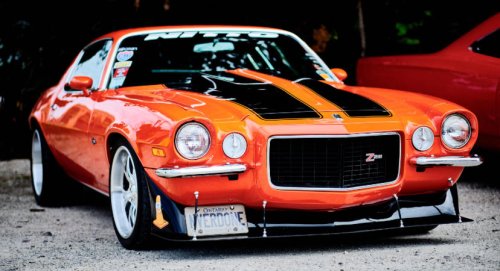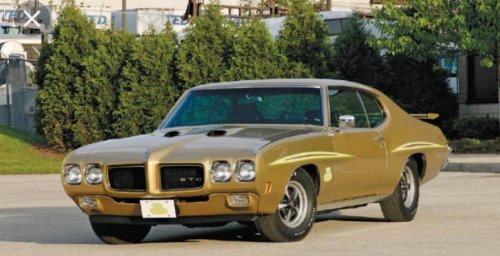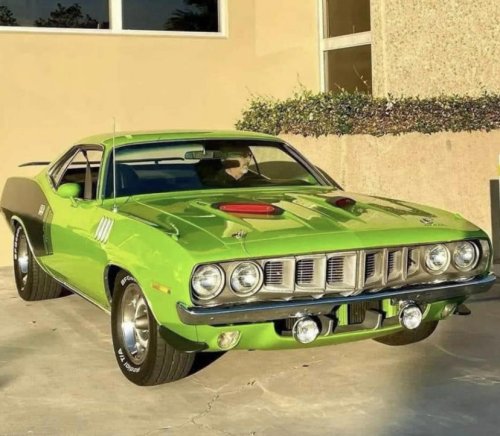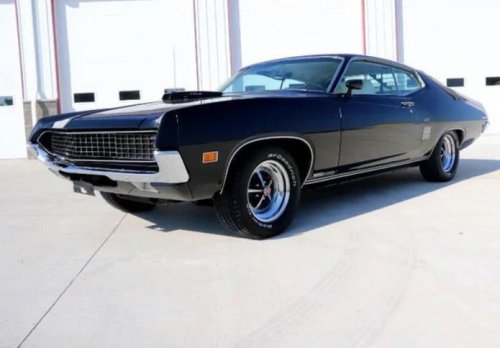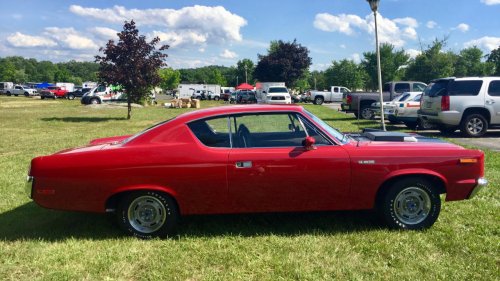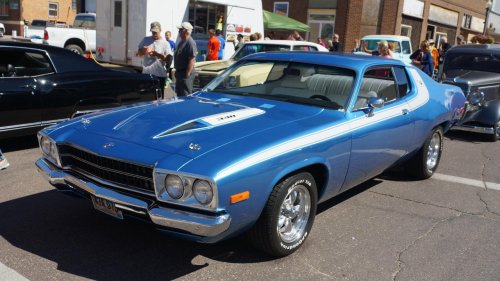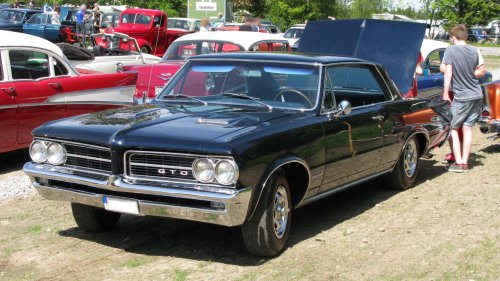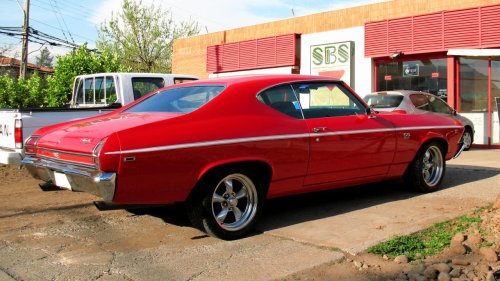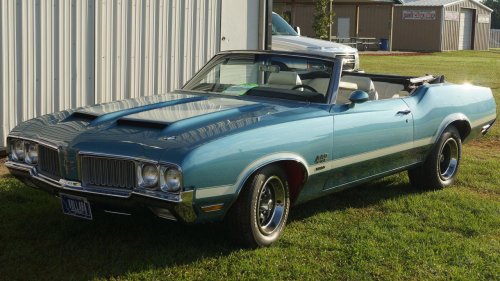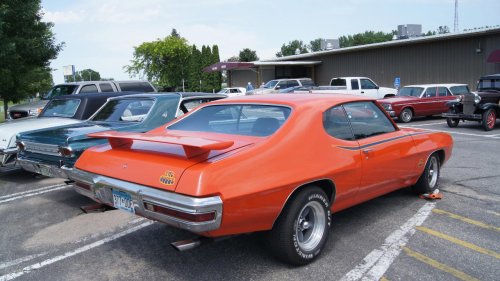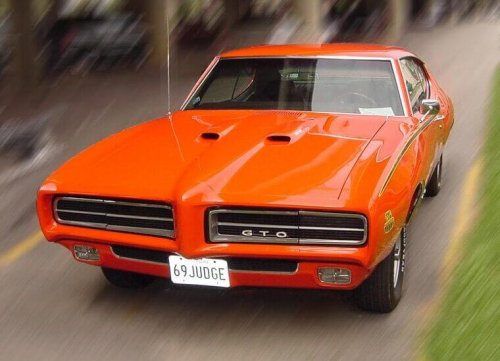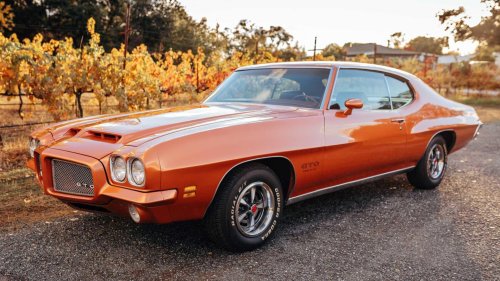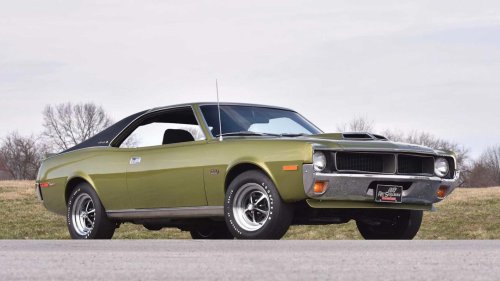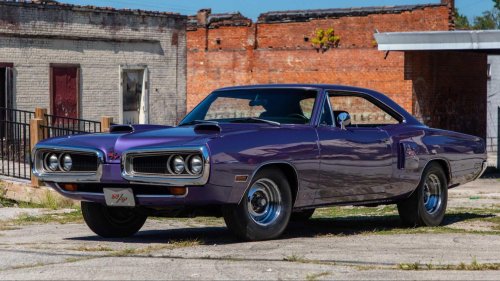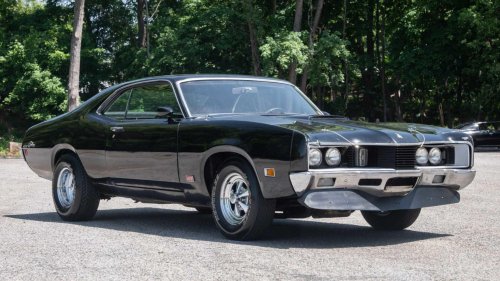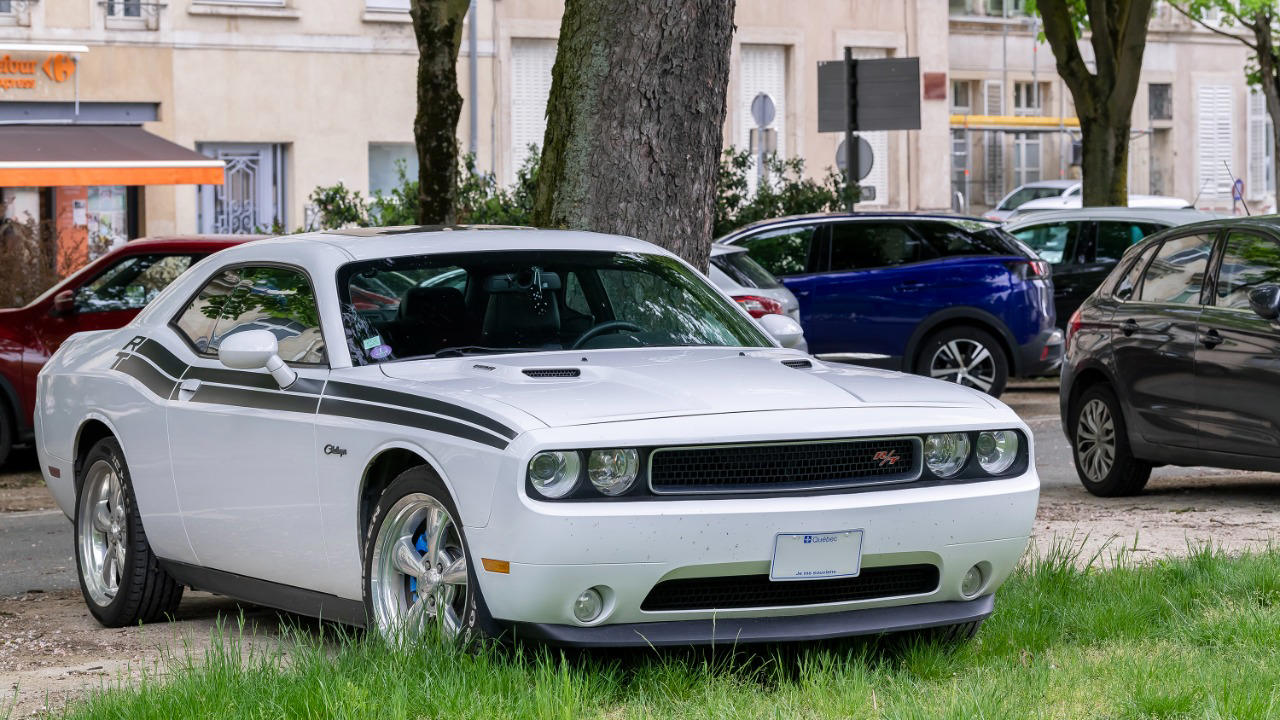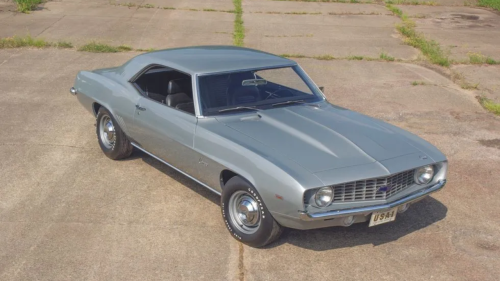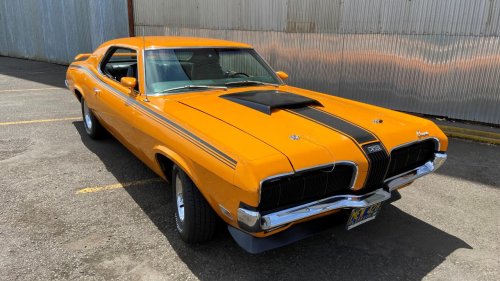
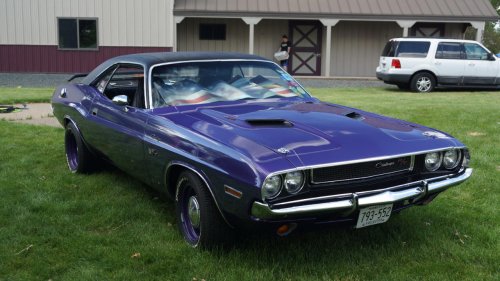
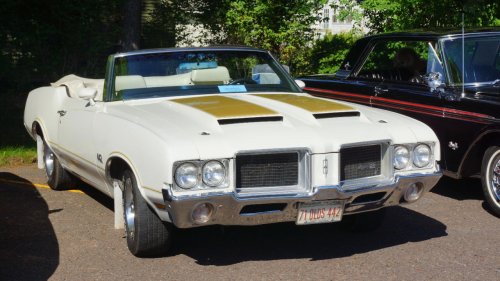
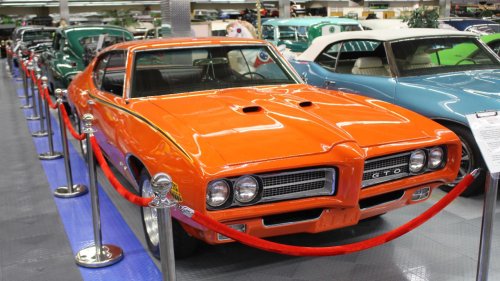
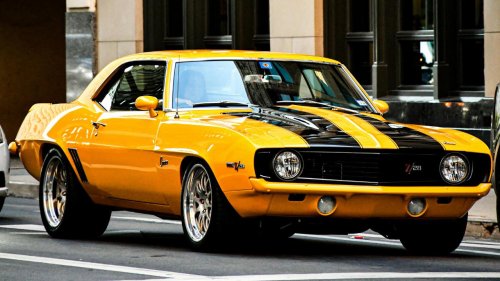
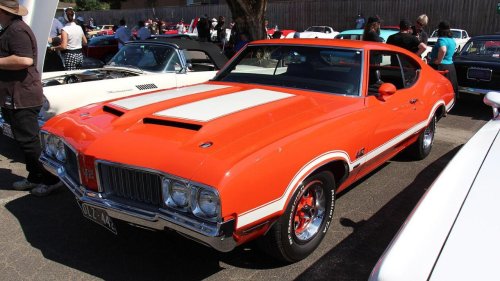
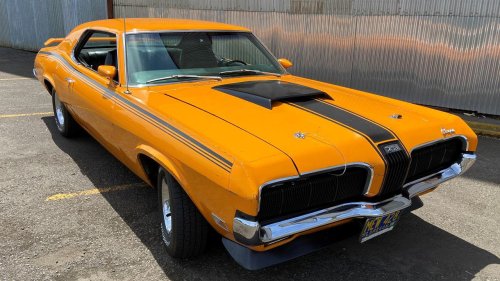
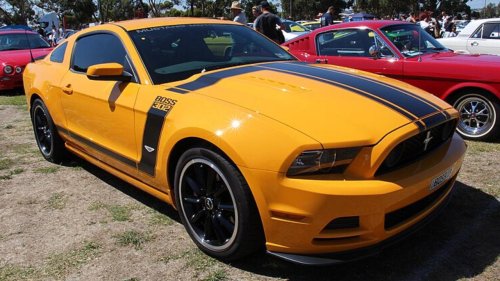



















For many enthusiasts, the greatest muscle cars are remembered less for lap times than for the way they sounded at idle and wide open throttle. Older V8s relied on big displacement, simple exhaust routing, and relatively light regulation, which created a raw soundtrack that modern, more refined performance cars rarely match. The following ten machines show why those classic exhaust notes still define what a muscle car should sound like.1970 Dodge Challenger R/T 426 HemiThe 1970 Dodge Challenger R/T paired the legendary 426 Hemi with one of the most aggressive shapes of the era. Contemporary coverage notes that few engines inspired more awe than this Hemi, and that reputation rests heavily on its sound. The big solid-lifter V8 idled with a hard, uneven lope that settled into a deep roar as revs climbed, amplified by relatively unrestrictive exhaust pipes. That voice matters for more than nostalgia. Modern V8s often use lighter materials and complex mufflers that smooth out harsh edges, while period engines relied on mass and simple plumbing to create a heavy, percussive beat. Enthusiasts still benchmark new performance cars against the Challenger R/T’s Hemi thunder, which keeps demand high for original examples and sustains a cottage industry of restorers chasing that exact tone.Oldsmobile 442 W-30The Oldsmobile 442 W-30 delivered one of the most distinctive exhaust notes of the classic era. Coverage of the car points out that nothing can sneak up on anyone at a stoplight like an Olds 442, capturing how unmistakable its idle really was. The combination of a high-compression big block, hot camshaft, and W-30 breathing upgrades gave the car a choppy, almost menacing cadence. Owners and collectors prize that sound because it represents a different tuning philosophy from modern muscle. Instead of active valves and synthesized cabin audio, the Oldsmobile relied on displacement and relatively simple exhaust routing to project its character to everyone nearby. That audible personality helps explain why the 442 W-30 remains a sought-after centerpiece at auctions and why replicas often focus first on exhaust authenticity.1969 Pontiac GTO Judge Ram Air IIIThe Pontiac GTO Judge equipped with the 400 cubic inch Ram Air III V8 is remembered as much for its voice as for its performance. Period specifications describe the engine as producing 366 horsepower and emphasize that the Pontiac GTO Judge with Ram Air III was known for a bold, aggressive exhaust note. The functional hood scoops and freer-flowing manifolds helped the engine breathe and added a sharp edge to the sound. That note carried real cultural weight. The Judge’s bark signaled Pontiac’s performance ambitions and reinforced the idea that a muscle car should announce itself long before it arrived. Collectors who chase correct Ram Air III components are often as concerned with recreating the original sound as with matching power figures, which shows how central exhaust character is to the car’s enduring appeal.1969 Chevrolet Camaro Z28The 1969 Camaro Z28 has been singled out as one of the best sounding muscle cars ever produced. Contemporary analysis notes that the 69 Camaro Z28 sounds excellent in stock form and that While most owners are tempted to modify it, the factory exhaust already delivers a sharp, mechanical bark. Its high-revving small block V8 created a different character from the deeper big blocks, with a crisp crackle on overrun. That balance of refinement and aggression explains why the Z28 soundtrack is often used as a reference when tuning modern performance exhausts. Engineers and aftermarket builders try to capture the same mix of induction noise and tailpipe thunder, yet stricter noise and emissions rules limit how close they can get. The Z28’s sound has therefore become a kind of unattainable benchmark that keeps values strong.1970 Oldsmobile 442 with 455The 1970 Oldsmobile 442 fitted with the 455 cubic inch V8 delivered one of the deepest rumbles of the period. Footage and commentary describe how putting 455 cubic inches of rumble under dual fiberglass scoops created a factory 13 second car whose exhaust note fully backed up its performance claims, with 455 cubic inches cited explicitly. That combination produced a low frequency growl that built into a thunderous bellow under load. For many enthusiasts, that sound encapsulates the peak of big block excess. Modern engines often rely on turbocharging and smaller displacement, which changes the acoustic signature entirely. The 442’s naturally aspirated surge and unfiltered exhaust pulses continue to influence how restorers and custom builders tune large displacement V8s, especially when they want a car that sounds intimidating even at idle.1970 Cougar EliminatorThe 1970 Cougar Eliminator carried the formula forward with subtle styling and mechanical updates, while retaining the same muscular voice. Enthusiast accounts describe the 1970 Cougar Eliminator as a prized classic that blends style, power, and attitude, with the name Cougar Eliminator associated directly with that late 1960s and early 1970s muscle character. Its exhaust note remained a key part of that identity. The continuity between the 1969 and 1970 cars highlights how small engineering changes could subtly reshape a car’s voice. Collectors often debate which model year sounds better, yet both represent a style of unfiltered V8 audio that modern regulations rarely allow. Their continued popularity shows how much value enthusiasts place on the aural experience, not just on horsepower or styling.2013 Ford Shelby Mustang GT500The 2013 Ford Shelby Mustang GT500 proves that modern muscle can still sound spectacular, even if it faces tighter rules. Coverage of muscle car exhausts highlights the 2013 Ford Shelby Mustang GT500, often illustrated by a Purple Shelby parked on track, as one of the most impressive examples, with muscle cars with explicitly citing the Ford Shelby Mustang. Its supercharged V8 combines a deep bass note with a high pitched whine. That dual character shows how modern engineering can create complex soundscapes even with catalytic converters and noise limits. Yet many enthusiasts still argue that, compared with classic big blocks, the GT500’s soundtrack feels more engineered than organic. The comparison underscores how subjective sound quality is and why older cars continue to set the emotional standard.