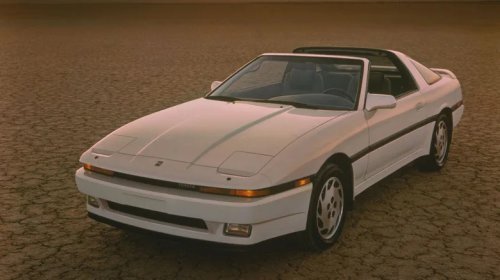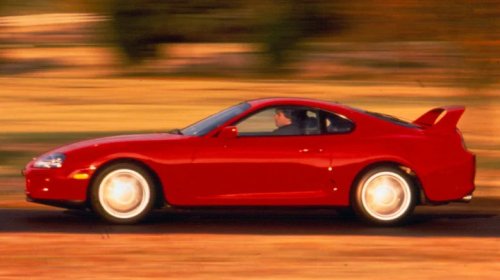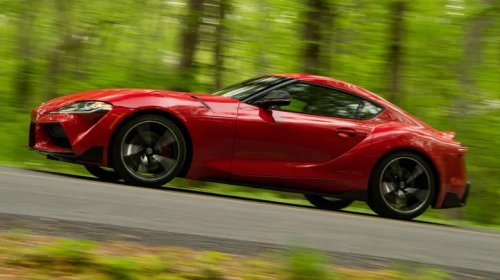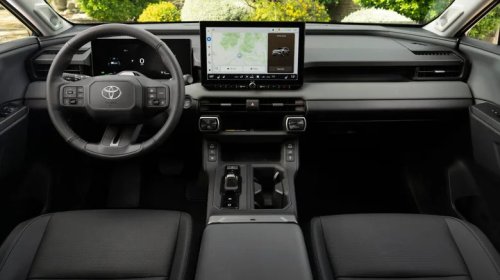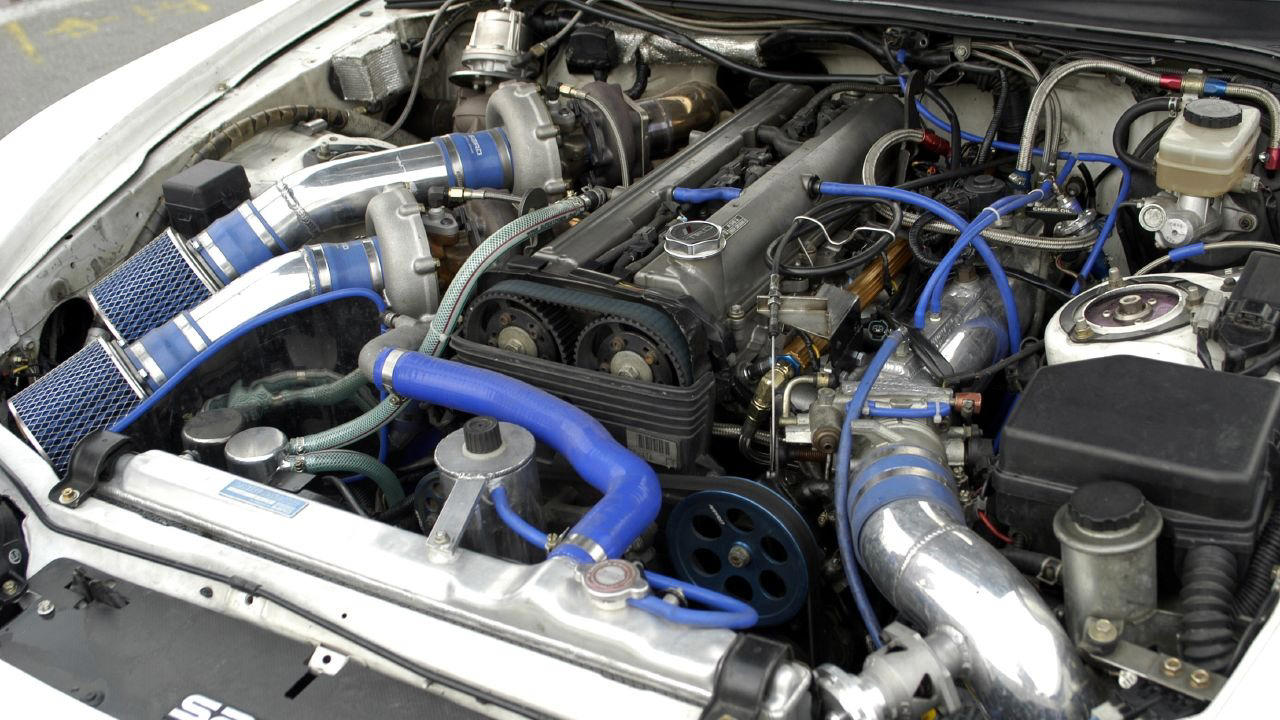



















The Toyota engine that proved reliability and performance could coexistThe Toyota engine has long been celebrated for its unparalleled reliability, but it also boasts impressive performance capabilities. Through innovative engineering, Toyota has successfully combined these two essential qualities, demonstrating that reliability and performance can indeed coexist. The Evolution of Toyota’s Engineering Philosophy In the early days of automotive manufacturing, Toyota focused primarily on creating vehicles that were dependable and cost-effective. This emphasis on reliability was deeply rooted in the company’s philosophy and was a response to the post-war market’s need for affordable transportation. Models like the Toyota Corona and the early Land Cruiser exemplified this commitment, showcasing durability and low maintenance costs. As the brand grew, so did its understanding of consumer needs, which pushed the company to refine its engineering approach. By the late 20th century, Toyota recognized that the automotive landscape was shifting towards performance-oriented vehicles. This was a pivotal moment marked by the introduction of models such as the Toyota Celica and the Supra, which combined sporty aesthetics with robust engineering. The development of high-performance engines like the 2JZ-GTE represented a significant milestone in Toyota’s engineering evolution. This shift allowed Toyota to cater to a broader audience, successfully marrying the principles of reliability with performance-oriented design. Highlighting the Engine: The 2JZ-GTE Among Toyota’s engineering triumphs, the 2JZ-GTE engine stands out remarkably. Launched in the 1990s, this inline-six engine features a 3.0-liter displacement and a twin-turbocharger system, generating impressive power levels. With stock configurations pushing around 276 horsepower and 318 lb-ft of torque, the 2JZ-GTE quickly became synonymous with performance. Its robust construction includes features like forged steel connecting rods and a cast iron block, enhancing its durability and allowing it to withstand the rigors of high-performance applications. The 2JZ-GTE found its home in the fourth-generation Toyota Supra (produced from 1993 to 2002), a model that not only captured the hearts of car enthusiasts but also made waves in motorsport. The Supra’s racing pedigree, bolstered by the 2JZ-GTE, allowed it to dominate in various competitions, further solidifying Toyota’s reputation for producing reliable yet high-performing engines. In comparison to contemporary engines from brands like Nissan and Honda, the 2JZ-GTE stood out for its ability to maintain reliability while delivering exhilarating performance—a testament to Toyota’s engineering prowess. Reliability: The Foundation of Toyota’s Reputation The durability of the 2JZ-GTE is one of its hallmark features, contributing significantly to Toyota’s overall reputation for reliability. Several factors play a role in the engine’s long-lasting performance, including its strong internal components, efficient cooling systems, and a well-engineered turbocharging setup. Many owners have reported that with regular maintenance, the 2JZ-GTE can easily surpass 300,000 miles without major issues, marking it as one of the most reliable engines in automotive history. Case studies and testimonials from 2JZ-GTE owners further emphasize its durability. For instance, one enthusiast recounted how their 1997 Toyota Supra, equipped with the 2JZ-GTE, had been driven hard on both the street and the track for over two decades without any major engine rebuilds. Such stories are commonplace among the 2JZ community and highlight the engine’s resilience. Additionally, maintenance practices such as regular oil changes, proper tuning, and using high-quality fuel can drastically enhance the lifespan of the 2JZ-GTE engine. For those interested in maintaining their Toyota’s performance, resources like Toyota’s official parts blog provide valuable insights. Performance: The True Power of the 2JZ-GTE When it comes to performance, the 2JZ-GTE shines brilliantly. With its turbocharged setup, the engine can produce up to 400 horsepower and over 400 lb-ft of torque with minimal modifications. This power allows the Supra to achieve impressive acceleration, often clocking in at 0-60 mph in just under five seconds. The engine’s unique design also provides a smooth power delivery, making it an excellent choice for both daily drivers and track enthusiasts alike. The tuning potential of the 2JZ-GTE has attracted a dedicated following among automotive enthusiasts. Many owners explore modifications such as upgraded turbos, standalone engine management systems, and high-performance exhaust systems to push the engine’s capabilities even further. This community of tuners has contributed to the engine’s legacy, often participating in motorsport events like drag racing and drifting, where the engine’s balance of power and reliability shines. Notably, the 2JZ-GTE has gained recognition in the drifting scene, thanks to its predictable power delivery and ample torque, making it a favorite among professional and amateur drivers alike. For those interested in learning more about sports cars that combine performance with reliability, HotCars provides an insightful overview. Engineering Innovations Behind the 2JZ-GTE The engineering behind the 2JZ-GTE is a testament to Toyota’s commitment to innovation. The use of high-quality materials such as aluminum for the cylinder head and iron for the block ensures that the engine can endure high levels of stress while maintaining structural integrity. Moreover, the incorporation of advanced technologies like turbocharging and intercooling significantly enhances performance. The turbocharger allows for greater air intake, which, combined with an efficient intercooler, helps maintain optimal temperatures and increases power output. Manufacturing processes also play a crucial role in the 2JZ-GTE’s reliability. Toyota employs stringent quality control measures to ensure precision in every engine component. This attention to detail not only enhances the performance of the engine but also contributes to its longevity. The 2JZ-GTE is a prime example of how thoughtful engineering can result in an engine that meets the high demands of both performance enthusiasts and everyday drivers alike. Consumer Perception and Market Impact The influence of the 2JZ-GTE extends beyond its mechanical capabilities; it has significantly shaped consumer trust in Toyota vehicles. The engine’s reputation for reliability and performance has fostered a loyal customer base, particularly among enthusiasts who appreciate its tuning potential and robustness. The introduction of the fourth-generation Supra, equipped with the 2JZ-GTE, marked a turning point in the sports car market, establishing Toyota as a serious contender in the performance sector. The cult following of the 2JZ-GTE has also had a noticeable impact on the used car market. Prices for well-maintained Supras have skyrocketed in recent years, reflective of their desirability among collectors and enthusiasts. Market trends indicate that vehicles featuring the 2JZ-GTE engine often appreciate in value, further solidifying Toyota’s reputation for producing timeless classics. By combining performance with reliability, the 2JZ-GTE has played a crucial role in enhancing Toyota’s brand image in the automotive landscape. Lessons for Modern Automotive Engineering The principles behind the 2JZ-GTE serve as a valuable blueprint for today’s automotive engineers. As the industry shifts towards hybrid and electric technologies, the need for engines that balance performance with reliability has never been more critical. Manufacturers can draw lessons from the 2JZ-GTE’s design and engineering to create powertrains that deliver both thrilling performance and long-lasting reliability. For example, the emergence of turbocharged four-cylinder engines in modern vehicles reflects a growing trend towards optimizing power output while maintaining efficiency. Many contemporary engines echo the design philosophies of the 2JZ-GTE, incorporating technologies that enhance performance without sacrificing reliability. The evolution of engines, such as those found in the Toyota GR Supra, showcases how the legacy of the 2JZ-GTE continues to influence modern engineering practices. The Future of Toyota Engines Looking ahead, Toyota is actively exploring new technologies to maintain its legacy of reliability while enhancing performance. With the rise of hybrid and electric vehicles, the company aims to integrate advanced systems that offer both efficiency and power. Innovations in battery technology and electric motors are set to revolutionize the automotive landscape, and Toyota is determined to remain at the forefront of these developments. As the automotive industry evolves, Toyota’s commitment to reliability will remain a central tenet of its engineering philosophy. The company is working on merging traditional internal combustion engines with hybrid technology, ensuring that future generations of engines will not only deliver power but also uphold the reliability standards that consumers expect. This dual focus on performance and dependability is essential as Toyota navigates the future of automotive engineering, ensuring that the legacy of the 2JZ-GTE influences the next wave of innovative engines. The 2JZ-GTE represents a pivotal moment in automotive history, showcasing how reliability and performance can coexist without compromise. Its influence continues to resonate within car culture and engineering practices, reminding us that the pursuit of excellence in automotive engineering is a journey worth undertaking. More from Fast Lane OnlyUnboxing the WWII Jeep in a Crate15 rare Chevys collectors are quietly buying10 underrated V8s still worth hunting downPolice notice this before you even roll window down