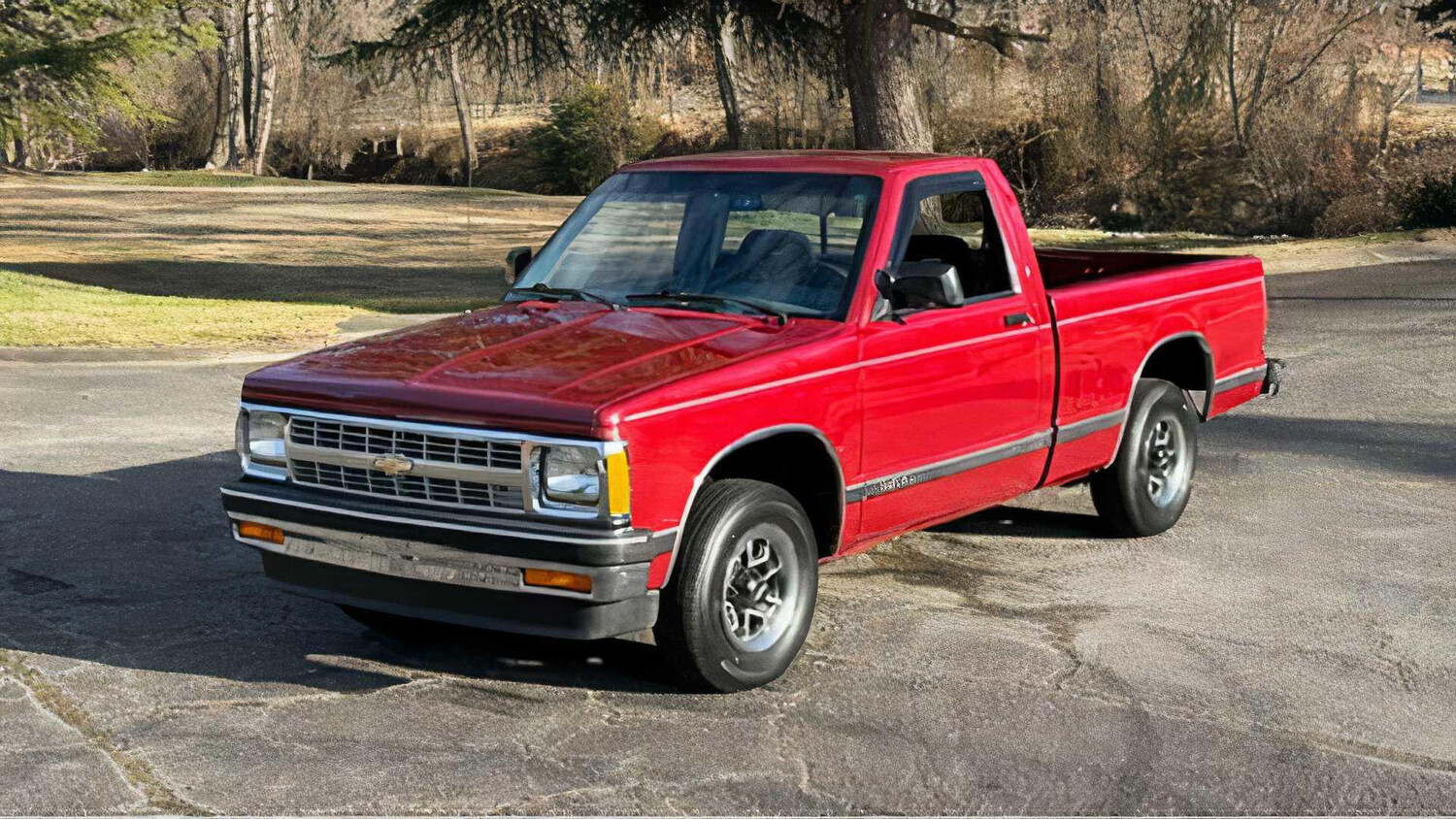
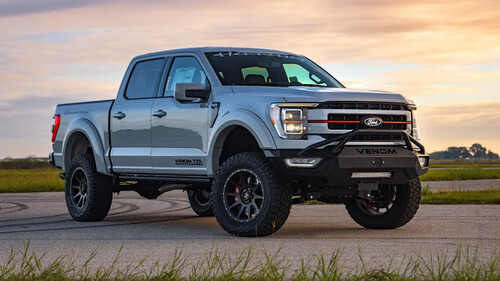
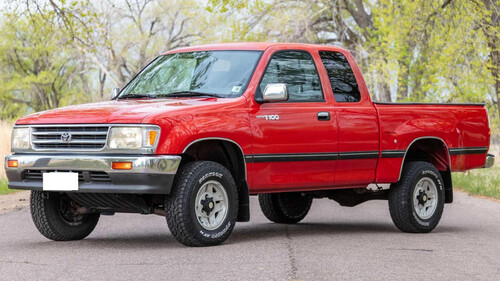
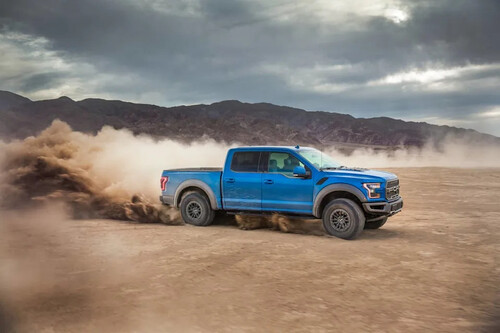
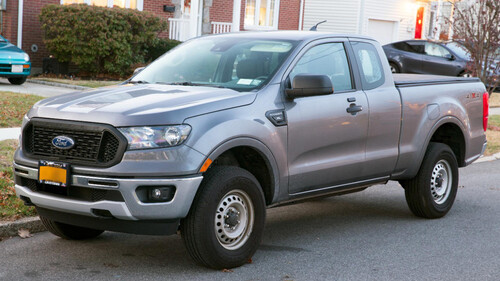
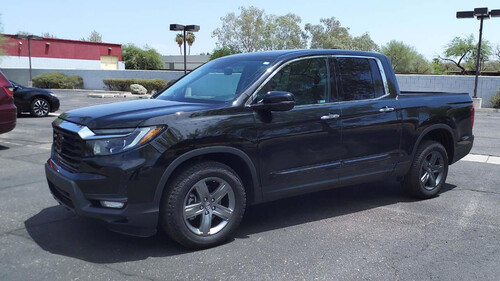
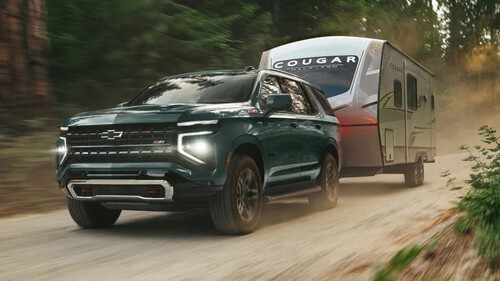
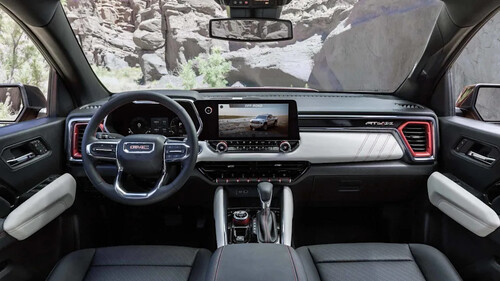
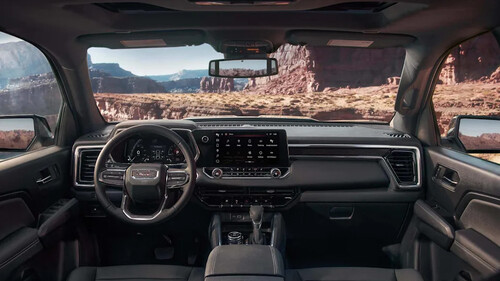
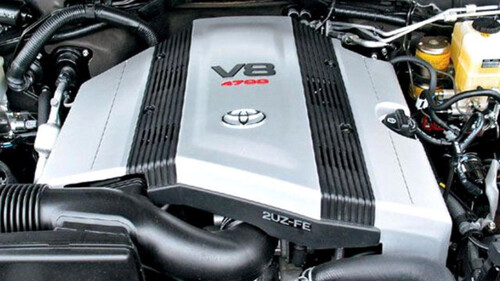
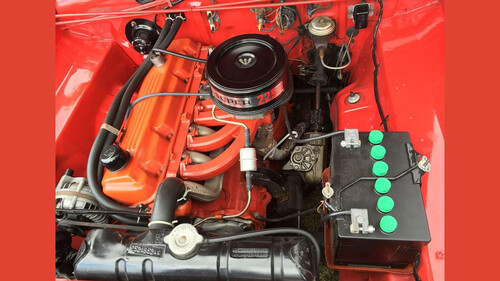
Back in the day, whenever you saw pickup it only meant one thing: work was about to happen. They were originally made to serve a single purpose and was to work on a job site that had varying degrees of difficulty and make the job easier. These trucks could withstand almost any type of abuse without an issue. You know these machines by name. Like the Toyota Hilux, Ford F-150 and Chevy Silverado, which are considered some of the toughest trucks of all time.Those rigs are so unbreakable that they have become automotive legends that are still beating modern trucks in terms of durability and reliability. But there is a certain Japanese workhorse that has spent decades in the shadows of its famous rivals. This truck has contributed immensely to the solid reputation of old trucks but without being recognized for it. New Trucks Have Lost The Point FordToday, a modern truck isn't just a work tool, it is also expected to be a family car, a comfortable cruiser and a mobile office all at once. They're also meant to have great gas mileage without polluting the environment, which is a big ask. To meet these demands, manufacturers have packed these trucks with sophisticated and sometimes smaller turbocharged engines, intricate sensors, clever suspension and driver-aid systems.They add all these features and in some cases don't have to sacrifice the capability of these trucks. If anything, they're way more capable than ever, but there's always a trade-off. First off, they're way too big, making them impractical for many drivers. With the addition of so many electronic features, there are too many things that can go wrong, and you can't even fix the problem with a simple wrench anymore. All of these have also changed the way we use trucks.Some trucks are now seen as status symbols. Models from Ford and Chevrolet have high-end trims equipped quilted leather seats, panoramic sunroofs and price tags thateasily exceed $100,000. Mind you, the base models start around $40,000 and will do 90% of the work while their luxurious counterparts won’t even get the bed dirty. Old Trucks Were Simple And Dependable Toyota There is a reason the secondary market for vintage pickups is exploding. People miss the era of a simple "work truck". These vehicles were built for work, and you could repair them easily with a set of tools. By giving these trucks only the essentials, you're left with a machine that is bulletproof. These are the type of machines that collectors and DIY mechanics choose today. They had almost no comfort features, no sensors, no added weight, just a solid frame and a body on top that could go on for years. This is what most truck enthusiasts want; a simple, rugged machine.The legendary reliability of the1980s Japanese truckwasn’t a result of hype or marketing; these trucks expected to be used in the harshest ways possible. Manufacturers knew these trucks would be overloaded, driven through mud, salt and swamps while being maintained with basic tools by the owners. Some of these trucks can work for multiple days without breaks. The components were over-built to handle the stress of daily work. This ensured that even when the body panels started to give way due to rust, the main supporting structure and engine would keep moving. The Isuzu P’UP Is a Forgotten Workhorse Mecum Isuzu isn't a name most people would remember today even though they still exist, but they built one of the most "unbreakable" trucks in the industry known as the Isuzu P'up. It went on sale in 1982 and the name was a short form of the word "Pickup". The "P'up" name was actually a clever nod to its compact size but don't let the cute name fool you. This was a serious machine designed for long hauls, which is no surprise as it was built by a company that specializes in heavy-duty commercial diesel engines for big rigs. This was the only generation where the P'up name was used, as the next generation was introduced in 1988 and started adopting the multipurpose use case. There was a truck and SUV version and the name was now the Isuzu Rodeo. It Had a Simple Powertrain MecumUnder the hood of a P’up, you will find a simple engine, no fancy engine covers or complex wiring. Most models were powered by either a 1.8-liter gasoline engine or the legendary 2.2-liter naturally aspirated diesel. These mills were nothing special, but were good enough to do the job. The one people want is the 2.2 diesel. It only has about 58 horsepower and 93 lb-ft of torque, but could achieve up to 44 mpg on the highway. This was big because gas prices were still high and a diesel alternative like this was a game changer. This truck was never fast, but with this engine, it was relentless. There were rear-wheel drive and four-wheel drive variants with a five-speed manual. It later had two engine upgrades with a 2.3-liter gas engine and a turbo diesel engine, but power still wasn't the claim to fame. Why the Isuzu P’UP Simply Would Not Die Mecum The P'up’s longevity boils down to a few key factors: strong mechanicals and ease of repair. Because the engines were low-stress (low horsepower relative to their size), they rarely worked hard enough to cause engine damage. With almost no electronics, there were few things that could go wrong. If a P'up stopped running, it was usually because it ran out of fuel or a simple part finally gave up after 300,000 miles. People never sold them, only used them until they eventually died or just got tired of using them. It was a tool designed to be repaired, not replaced. It Has Inspired Some of Your Favorite Classic Trucks Mecum The P'up didn't just exist on its own. It fundamentally influenced the American truck market, especially Chevy trucks. Before Isuzu sold the P’up under its own brand name, they partnered with General Motors to create the Chevrolet LUV (Light Utility Vehicle) which went on sale in 1972. The LUV was literally a rebadged Isuzu P’up. It was GM’s first real entry into the compact truck market.A few manufacturers partnered with Japanese brands and rebadged some vehicles for the American market. The second generation began in 1980, but Chevy stopped sales of the Luv in favor of its S10 pickup truck. Without the P’up’s initial success as the LUV, the Chevy S10 would not exist, and it even used the diesel engine from P'up. It Still Remains A Workhorse Mecum Today, the Isuzu P'up remains one of the last true "bargain" classic trucks. While the prices for vintage Toyota and Chevy pickups have gone crazy into the tens of thousands, the P'up is still affordable. Because they haven't become "investment pieces," you can still find them doing exactly what they were built for: hauling wood, moving furniture, and serving as a reliable work machine. Best of all, they're still cheap, with prices typically sitting below $15,000.The P'up shows that a vehicle doesn't need to be complicated to be great. It doesn't need to be a status symbol or a rolling office. Sometimes, you just need a truck that shows up to work every day, no matter the condition.