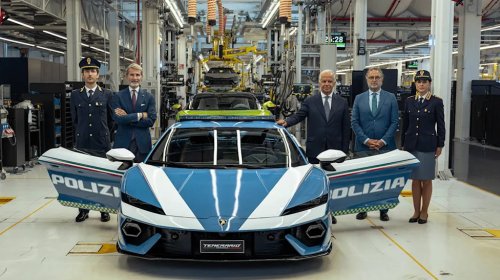
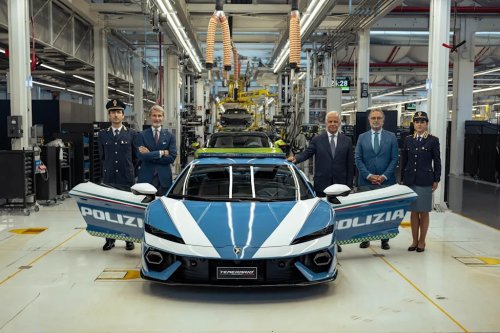
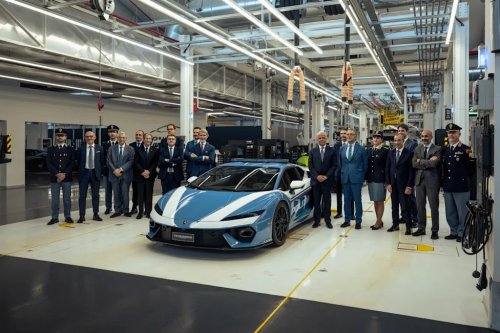
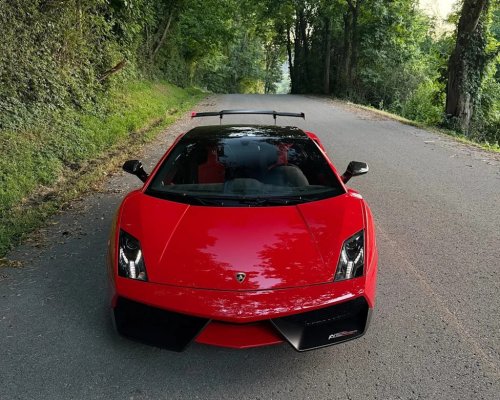
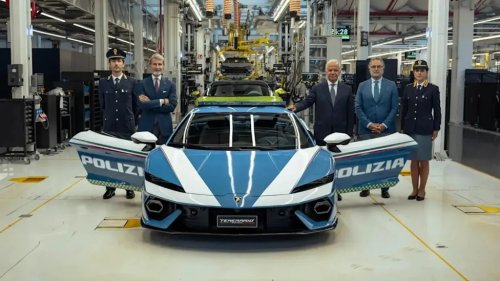
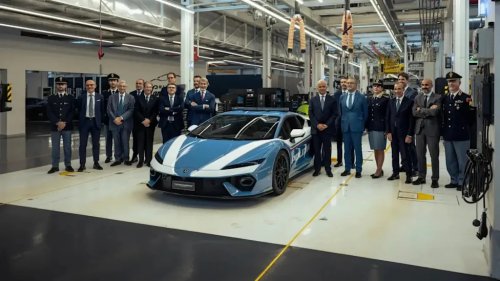
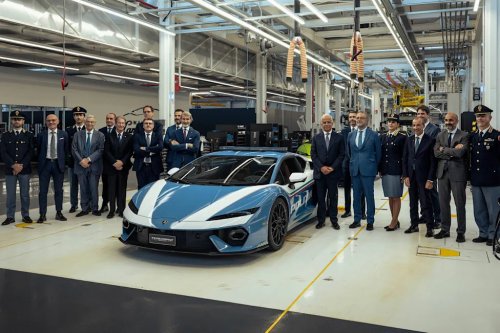
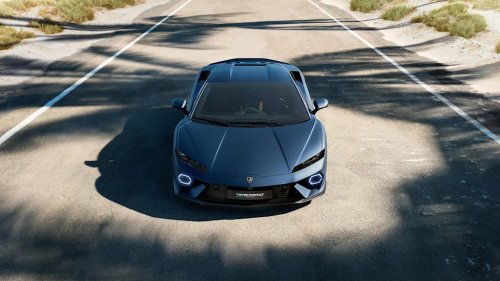
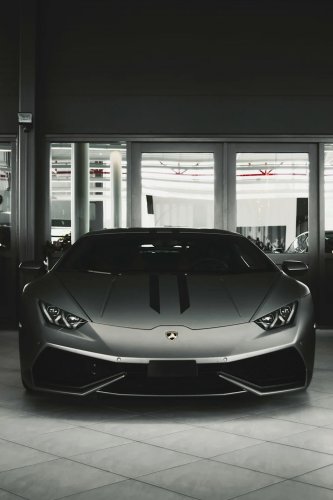
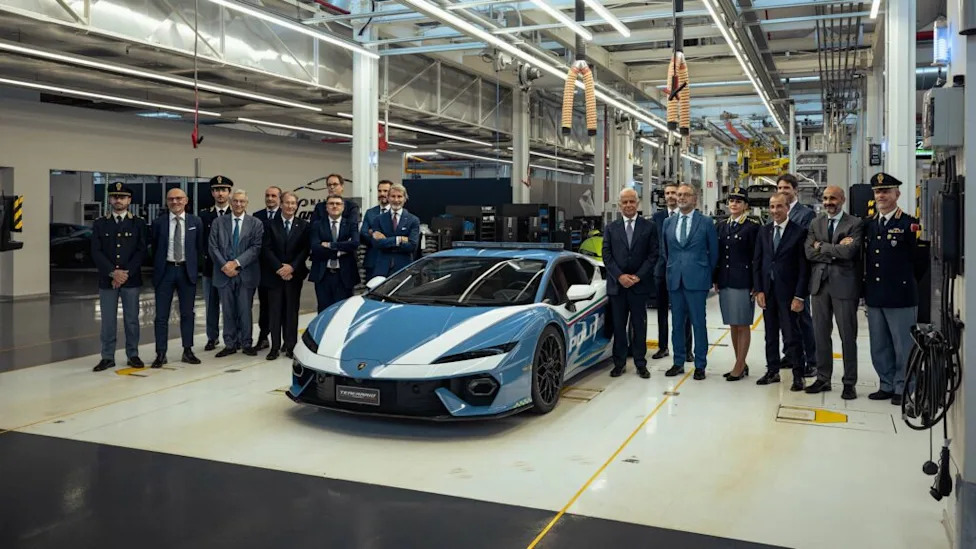
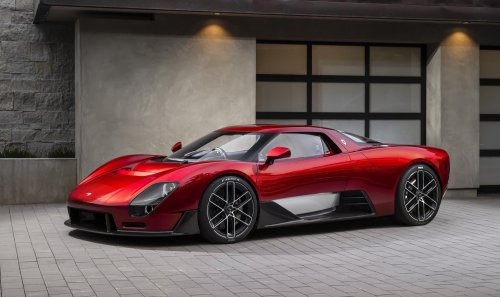
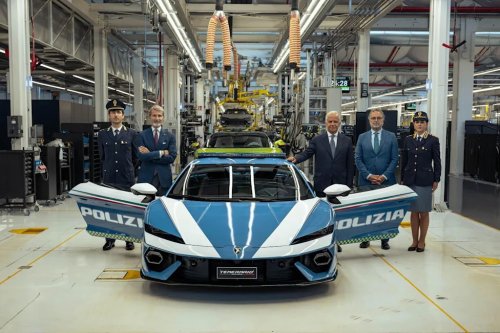
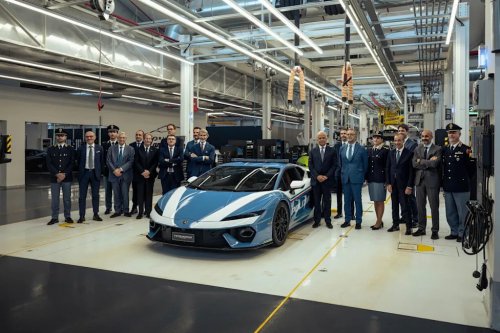
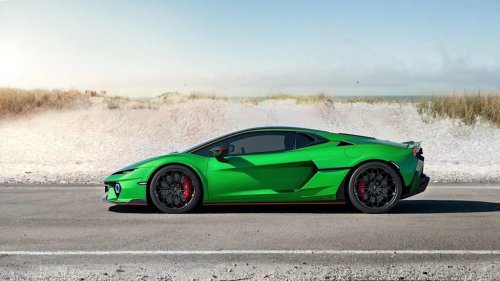
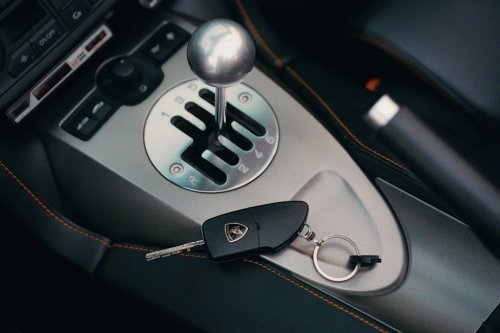
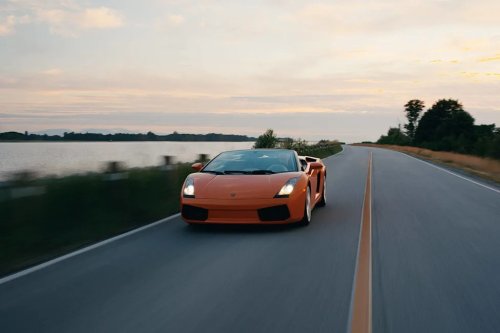
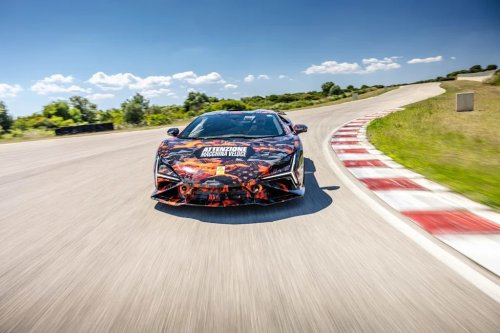
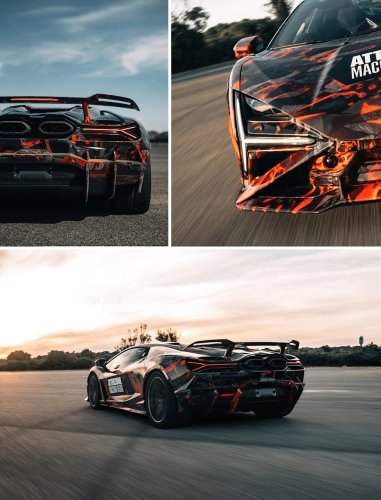
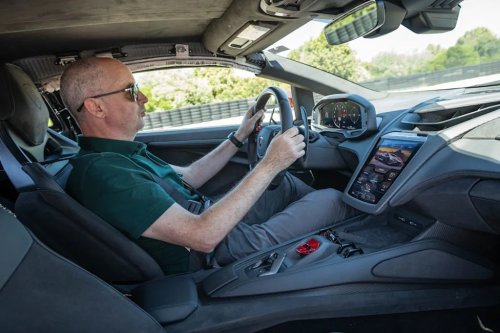
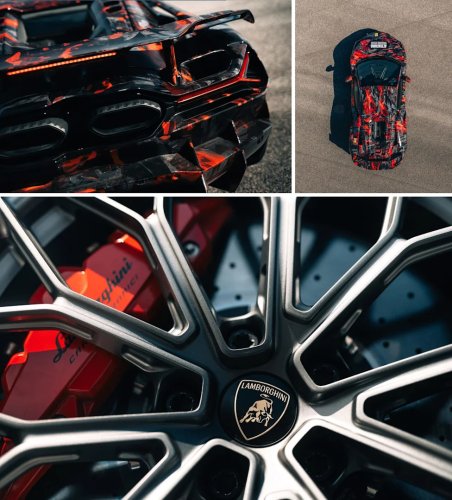
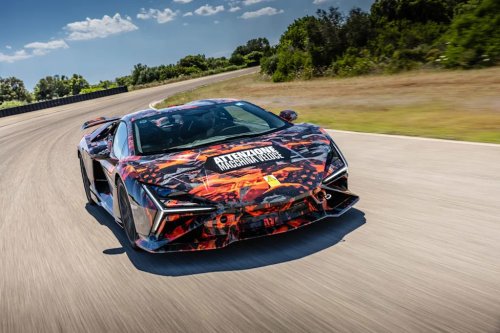
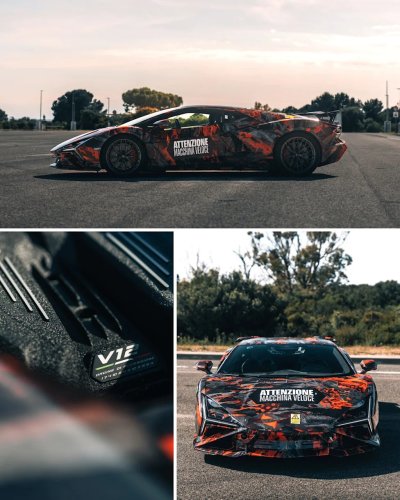
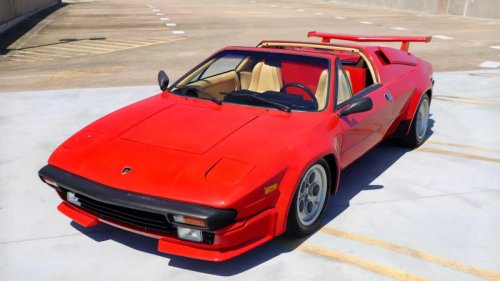
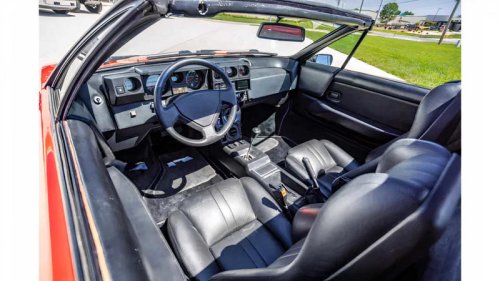
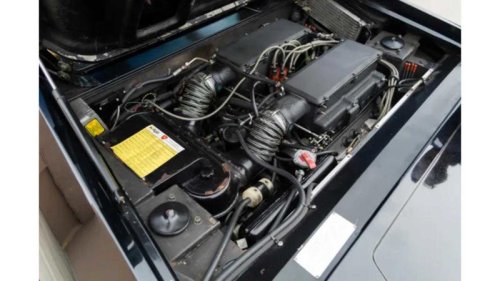
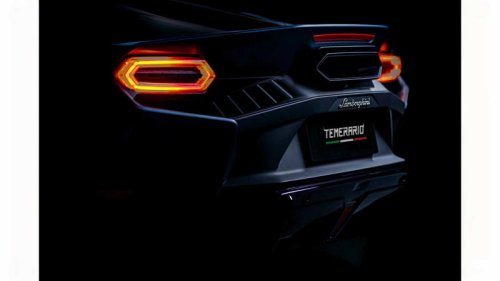
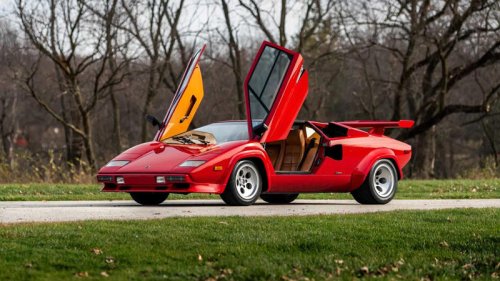
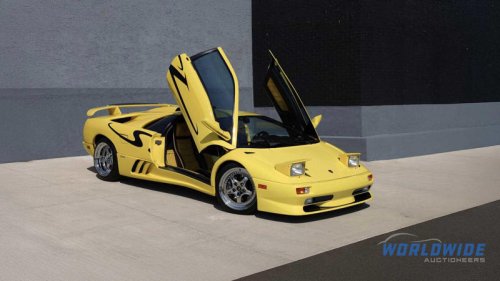
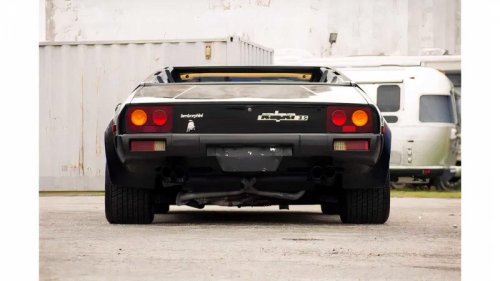
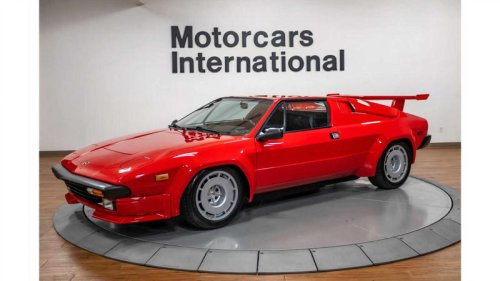
It would be uncontroversial to say that the 1980s are responsible for the creation of some of the most iconic supercars in automotive history. The Ferrari F40, Porsche 959, and the Lamborghini Countach are as legendary as it gets and are even more beloved today than ever. The 80s supercar lineup doesn’t stop there, however. This era also blessed us with the Ferrari 288 GTO, the Ruf CTR Yellowbird, the Lotus Esprit Turbo, and even the McLaren F1 at 240.1 MPH. It took almost 20 years, a Bugatti Veyron, and twice the cylinders to outpace that thing. And though I wouldn’t call it a supercar, this decade also bestowed upon us the DeLorean DMC-12. Given the proliferation of special cars during this era, it comes as no surprise that it also spawned some now-forgotten, unloved gems that have faded from cultural consciousness. The “Baby” Lambo of the 80s: The Lamborghini Jalpa Mecum Do you remember Rocky IV? You’d be forgiven if you don’t, but the thing most enthusiasts tend to remember from that movie is the car Rocky drives during a driving montage scene. Not the red Countach LP500 S also in Rocky’s driveway; we want to focus on another wedge-shaped car—the Lamborghini Jalpa. The Jalpa was produced between 1981 and 1988 as a cheaper, easier-to-drive alternative to the V-12-powered Countach. You may be under the impression that the Gallardo was Lamborghini's first foray into the entry-level supercar market. Now, it may be true that it was their first successful attempt. However, if you’ve seen Top Gear’s “Cheap Supercar Challenge”, you’d be familiar with the original “Baby Lambo”, the Lamborghini Urraco.Bring a Trailer The Urracco, which sold 791 units, was introduced in 1972 and sold through 1979. Between 1976 and 1979, the Silhouette was offered as a reworked targa variant of the Uracco, and only 54 units were sold. Given such small production numbers, Lamborghini's 410 units sold for the Jalpa were considered a relative success at the time, but they could never compete with the more successful models—the Countach and Espada. The Last V8 Until The Temerario Bring a Trailer Since the Gallardo’s introduction in 2004, entry-level Lamborghinis have come equipped with naturally aspirated V-10s. Sure, once the odd-firing 5.2L V-10 replaced the screaming, even-firing 5.0L in 2009, it became a smidge less exotic, but with the roar of 10 cylinders behind your head, who could complain? Unfortunately, regulations have eaten away at our cylinder counts and necessitated forced induction. The Gallardo’s immediate successor, the Huracán, will have the honor of being the last 10-cylinder car ever to grace the lineup. As with the Ferrari F8 marking the end of the run for entry-level mid-engine Ferrari V8s in 2023, Lamborghini decided it was finally time to downsize their entry-level model as the Huracán's time was coming to an end in 2024. The new Temerario comes with a V-8, while the Ferrari 296 comes with a V-6. However, unlike Ferrari, whose only history with V-6 production cars was the Dino, Lamborghini has quite the history with V-8 road cars, which should take some of the sting out of downsizing.Lamborghini Media If you don’t count the Urus, which is essentially an Audi RSQ8 anyway, the Temerario is the first Lamborghini since the Jalpa to shout with only 8 cylinders. Admittedly, it shouts quite a bit louder than the Jalpa. The Temerario is fitted with a twin-turbocharged 4.0-liter flat-plane crank V8 that, on its own, produces 789 HP and 538 lb-ft of torque, but with the help of three electric motors, it produces 907 HP. Somehow, despite the turbocharging, the redline is 10,000 rpm! Back in the '80s, the Jalpa had to make do with only 3.5 liters of displacement, 255 HP, 235 lb-ft of torque, and a 0-60 time of around 5.8 seconds, or about 2.5 times longer than the Temerario.Overshadowed By Its Older Brother Bring a Trailer Though the Jalpa arguably had the performance, the looks, and the rarity, it never seemed to find its place in the zeitgeist. Even today, though values have risen slightly, it remains incredibly niche. Other competitors from its era, such as the Ferrari 308/328, Porsche 930 Turbo, DeTomaso Pantera, and Lotus Espirit Turbo, have either achieved legacy status or loyal, significant cult followings. The Jalpa, though, has been lost to time. It's worth noting that its original MSRP of around $65,000 (between $5,000 and $15,000 more than its competitors) and low production numbers may have been factors in determining its place in automotive history. However, the mere existence of the Countach is to blame for such limited production.The Countach became a cultural touchstone and the template for future supercars. Even your friend’s Mom, who can’t remember the make and model of her own car, would recognize a Countach. Its Gandini design was bold and resulted in the car looking just as exciting while parked as it would at over 100 MPH. Ferrari may have sold nearly 5x as many Testarossa models as Lamborghini sold of the Countach, but despite the Testarossa being a cultural icon in its own right, it never seemed to overshadow the 308/328. In the 1980s, Lamborghini was the Countach, which left little room for the Jalpa. Unlike Lamborghini, Ferrari didn't market the 308 or 328 as a "baby Ferrari." Mid-engine V8 Ferraris were considered core to the brand and went on to define Ferrari even more than V12 models in subsequent decades. The 308 and 328 also looked more like their big brother than the Jalpa looked like the Countach. It’s a shame, really, because though it may have been less refined, the Jalpa actually represented some serious competition to its Ferrari counterparts in its day. Sadly, it remains to this day an afterthought to the Countach. Death By Chrysler Stellantis It’s possible that, with the benefit of more time, the Jalpa could’ve found its place in the market alongside the successor to the Countach, the Diablo. With a few more years to develop, the Jalpa likely would’ve found a few more horses and perhaps a few more buyers as well. Unfortunately, the Jalpa story comes to a rather abrupt end in 1988. Having only sold 410 units in its eight-year run, it’s certainly possible that Lamborghini would’ve axed its third attempt at a V-8 supercar regardless. That said, if you’re looking for an entity to blame, blame Chrysler. Despite relative success, Chrysler felt it was best to discontinue the Jalpa so that the company could focus on the Countach and its eventual successor. With the Diablo continuing the success of the Countach with its release in 1990, the Jalpa wouldn’t see a successor until the Gallardo was introduced for 2004 under the eventual ownership of Volkswagen AG.Worldwide Auctioneers Collector's Diamond In The Rough Bring a Trailer Despite the rise in value of cars like the aforementioned Countach, 930 Turbo, and, apparently, every air-cooled Porsche ever made, the Jalpa market has remained stagnant for the last 10 years. According to Classic.com, a Porsche 930 Turbo Slant Nose has an average sale price of $210k over the last five years. With production numbers coming in at just under 1,000 units, the Slant Nose may be rare, but it’s still twice as common as a Jalpa. Over the same five-year period, the Jalpa has hovered around $100k on average. What is particularly interesting are the outer edges of the market. The lowest and highest sales for a Jalpa in the last five years are $61,000 and $174,500, respectively. For the 930 Slant Nose, $72,497 and $500,000. The Slant Nose also regularly sells in the high $200k to low $300k range. Which ultimately indicates that even a super pristine Jalpa doesn’t command the same premium as other cars from its era. Perhaps it never will, but that means you can have V-8, manual, analog-era fun for only $100k.Bring a Trailer Ferrari produced only 399 examples of the Enzo (or between 400 and 450, depending on who you ask), which makes the Jalpa nearly as rare. You might think this would work in its favor in the current automotive market, but rarity alone isn't enough. That said, it’s also got a naturally aspirated V-8, a gated manual transmission, rear-wheel drive, and is incredibly rare. As the era of analog cars has been inching further back in the rear-view mirror, the market has exploded with demand for many of the more raw sports cars and supercars of yesteryear, but not the “baby Lambo” of the 80s.Sources: Hagerty.com, LamborghiniRegistry.com, Ferrari.com, CarandDriver.com, Lamborghini.com, SBREngineering.com



















 +31 others