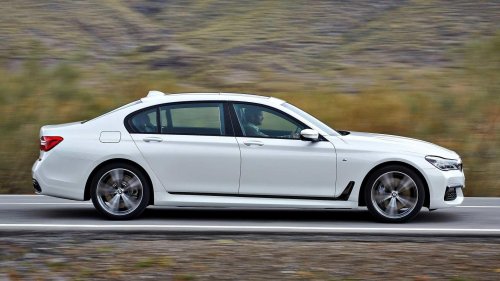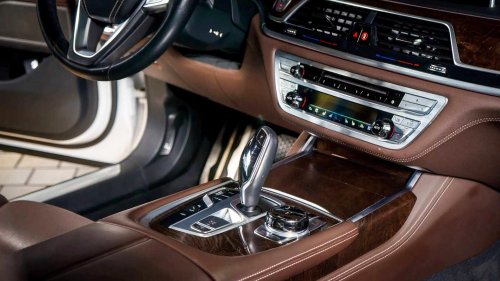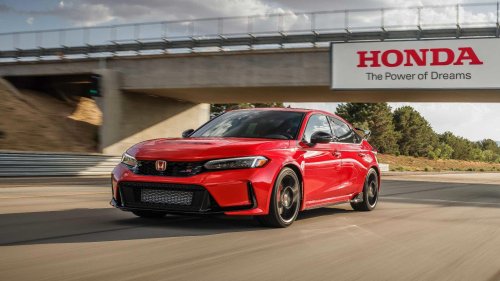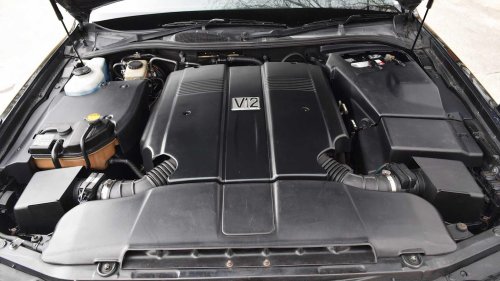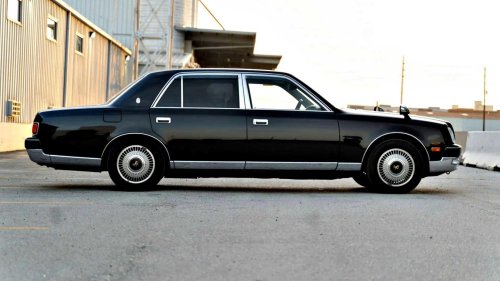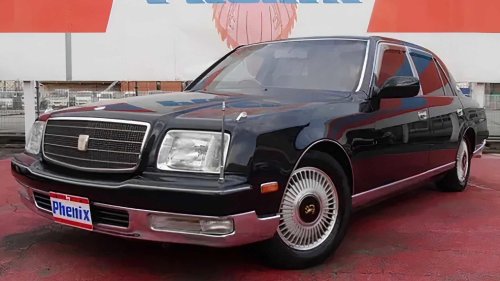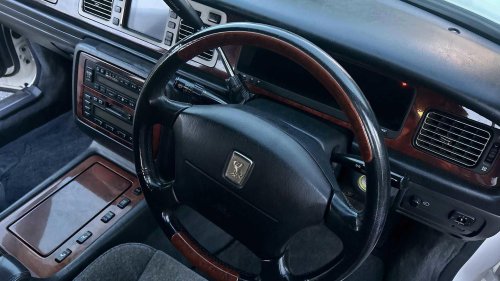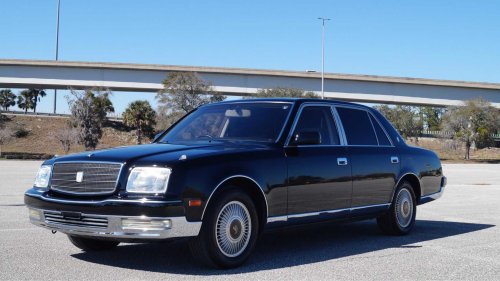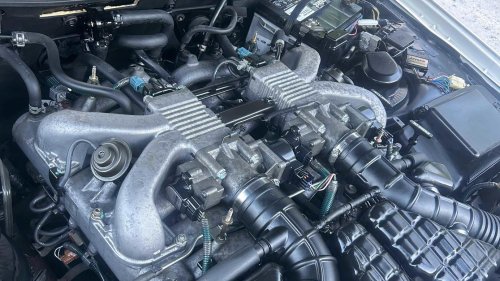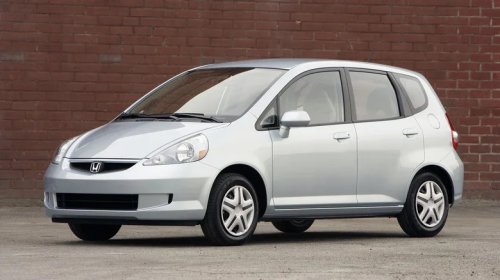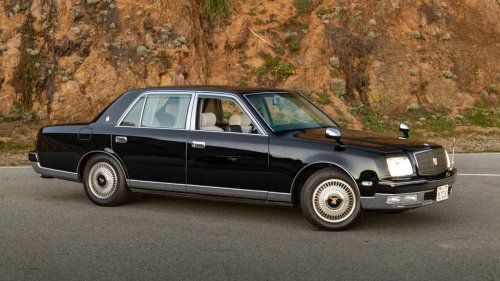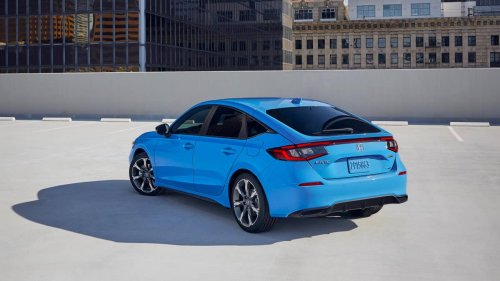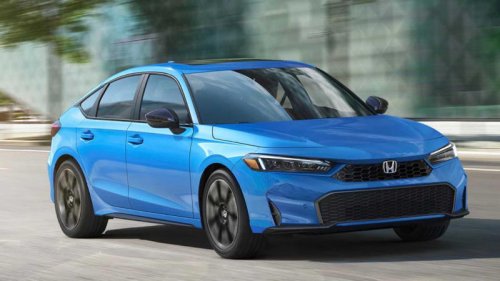
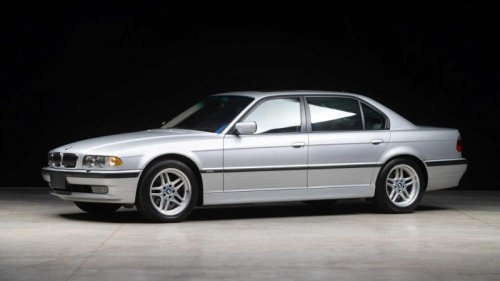
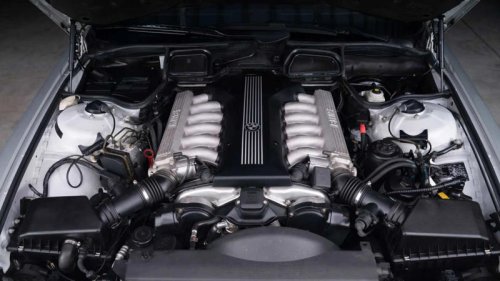
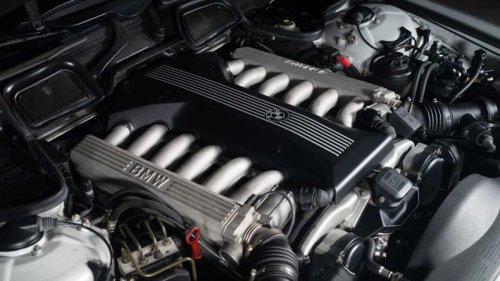
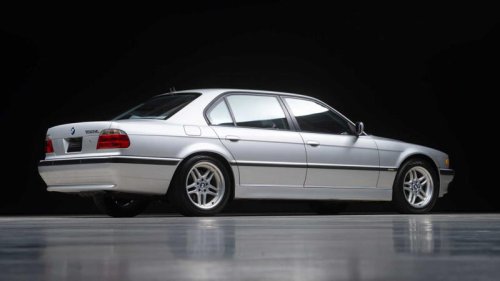
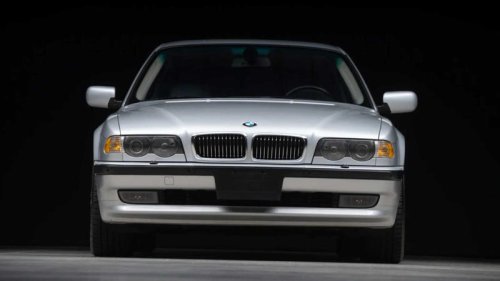
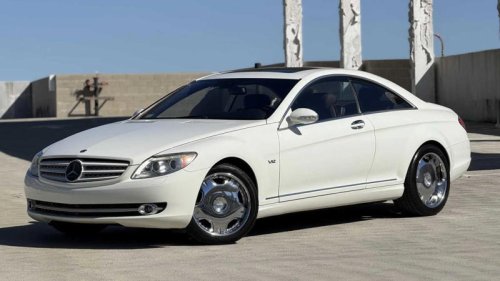
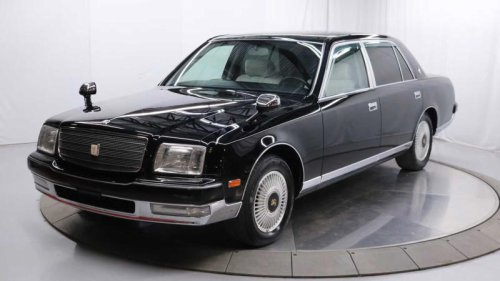



















Imagine walking into a dealership and spending your hard-earned money on a sensible, pre-owned compact car. For that exact same price, you could own the ultimate symbol of 1990s excess. We're talking about a time when ultra-luxury engineering meant overbuilding every single component to satisfy the world's most demanding CEOs and heads of state.At the heart of this prestige luxury car sits the V12 engine, a masterpiece of smoothness and power that was once reserved for the global elite. Today, this era of understated excellence is shockingly affordable for the average enthusiast. One specific German flagship has tumbled in value, offering a royal driving experience for the price of an economy hatchback. The $20,000 Dilemma: A Used Economy Icon Or A V12 Legend? Honda The Honda Civic is the gold standard for sensible transportation. Currently in its 11th generation, Honda's compact icon has built a legendary reputation for bulletproof reliability and impressive efficiency. Most owners expect to see 35 MPG or better on the highway, making it the go-to choice for anyone prioritizing their monthly budget over raw performance. It's a car that starts every single morning without fail, offering a modern suite of safety tech and a comfortable, if somewhat predictable, driving experience. For millions of drivers, the Civic represents the peak of sensible logic when buying an automobile.However, if you are looking for a clean 10th-generation model from 2016 to 2021, or perhaps an early 11th-generation 2022 model, you are going to pay a premium. These cars with moderate mileage currently command between $16,000 and $19,500 on the used market. Specifically, at the $18,720 price point, you are likely looking at a 2018 or 2019 Civic LX or Sport. While that money buys you peace of mind and a factory-fresh feel, it also buys you a modest four-cylinder engine and a lot of gray plastic.This is where the pivot toward luxury becomes so tempting. Imagine taking that same $18,000 and trading a buzzing four-cylinder for the silk-smooth delivery of twelve cylinders. Instead of a basic commuter, you could be sitting in a flagship sedan that once shuttled royalty, with an expensive caveat, of course. The BMW 750iL's M73 Engine: Perfection Meets The V12 Tax Via: Bring a Trailer Stepping into a 1995 to 2001 BMW 750iL is like entering a different dimension of engineering. This long-wheelbase flagship was the pinnacle of BMW luxury, powered by the 5.4-liter M73 V12 engine. On paper, the specs remain impressive even by today's standards. This massive powerplant produces 322 hp and 361 lb-ft of torque. It can propel a 4,600 lbs limousine from 0 to 60 mph in roughly 6.6 seconds. The power delivery is an effortless, surging wave of momentum that a Honda Civic could never replicate.Via: Bring a Trailer However, that performance comes with complexity. The M73 engine follows a dual-bank philosophy, meaning it essentially operates as two separate six-cylinder engines joined at a single crankshaft. This setup necessitates two of almost every critical component. You have two MAF sensors, two fuel pumps, and two distributors. If one side fails, the car struggles to run. This redundancy is a major factor in what enthusiasts call the "V12 tax," which means maintaining these systems requires deep pockets and a lot of patience.Via: Bring a Trailer The ridiculous maintenance costs are real and often very steep. Owners frequently deal with brittle plastic cooling systems that can fail without warning, leading to catastrophic overheating. The sophisticated Electronic Damper Control struts are known to leak, and replacing them can cost thousands of dollars. Furthermore, notorious vacuum leaks often trigger a frustrating limp mode. Even if you're a skilled mechanic, the specialized legacy equipment required to sync the dual ECUs makes DIY repairs a nightmare. This technical overhead is exactly why these cars have depreciated so heavily, making them a high-stakes gamble for any buyer. A Masterpiece In Depreciation: The $100,000 Discount Via: Bring a Trailer The financial trajectory of the BMW 750iL is nothing short of a mathematical marvel. Currently, the market average for a well-maintained example sits at approximately $18,462 according to data from Classic.com. While that number seems perfectly reasonable for a weekend toy, it becomes staggering when you look at what this car represented when it was brand new. Back in 2001, the original MSRP for a 750iL was roughly $92,100. When you adjust that figure for inflation into 2026 money, you're looking at an original value of approximately $162,000.This means the car has experienced a massive 88% drop from its inflation-adjusted value. Despite being one of the most technologically advanced vehicles of its decade, it now costs less than a used economy hatchback. This depreciation cliff is exactly why the E38 has become such a legend among bargain hunters. You're essentially getting a six-figure driving experience for a fraction of the cost. For the price of a mid-trim Civic, you inherit the famous No Bangle design, which many enthusiasts believe is the most beautiful sedan BMW ever produced.Via: Bring a Trailer The list of bargain features is extensive and puts modern entry-level cars to shame. You get thick, double-paned acoustic glass that creates a vault-like silence inside the cabin. Because it is the iL model, you benefit from an extended wheelbase that offers massive rear legroom fit for a diplomat. The interior is a masterclass in craftsmanship, draped in rich burl walnut wood trim and incredibly soft Nappa leather. It's a level of tactile quality that simply doesn't exist in the sub-$20,000 modern market, making the 750iL a tempting, if risky, masterpiece of automotive history. Three V12 Alternatives For Ballers On A Budget Via: Bring a Trailer If the BMW does not quite fit your style, there are several other twelve-cylinder cruisers that have fallen into the same affordable price bracket. One of the most powerful options is the Mercedes-Benz CL600 from the C215 generation. This bi-turbo beast is significantly faster than the 750iL and offers a level of pillarless coupe styling that is hard to ignore. However, it is plagued by the catastrophic failure of the Active Body Control suspension system. A single leak in this high-pressure hydraulic setup can result in a repair bill that exceeds the $16,000 purchase price of the car itself.For those who prefer a more vintage aesthetic, the Jaguar XJS V12 remains a stunning grand tourer. These cars offer a classic British silhouette and a smooth 5.3-liter or 6.0-liter engine that feels like a turbine. While they are beautiful to look at, they require a dedicated specialist to manage the complex Lucas ignition systems and cooling requirements. Most enthusiasts agree that owning an XJS is a labor of love that involves as much time in the garage as it does on the open road. It's a rewarding experience, but certainly not for the faint of heart.Via: Mecum Auctions Finally, there is the Toyota Century G50, often called the reliable alternative. This Japanese flagship was built with a level of over-engineering that puts European rivals to shame. Its 5.0-liter V12 features dual-independent fuel systems and ECUs, meaning one half of the engine can keep running even if the other half fails. It's easily the most dependable option on this list, offering a quiet, dignified ride that rivals a Rolls-Royce. While you may need to navigate the world of importing to find one, the Century proves that twelve cylinders do not always have to mean financial ruin.Sources: Honda, BMW, CarGurus, Classic, Bimmer Fest, eEuroparts,