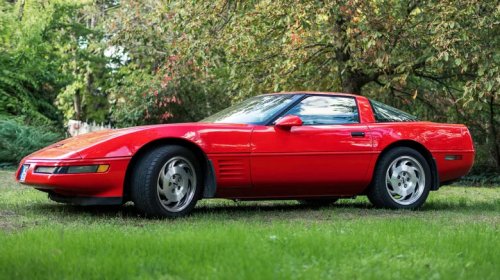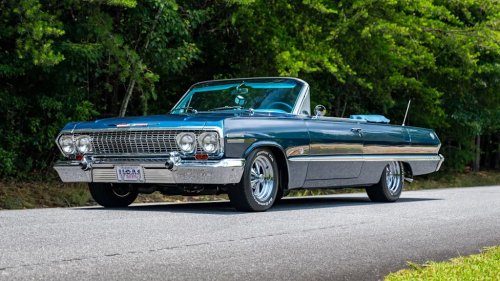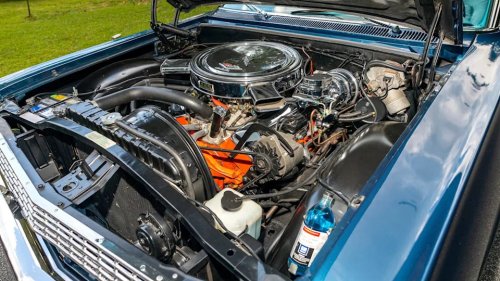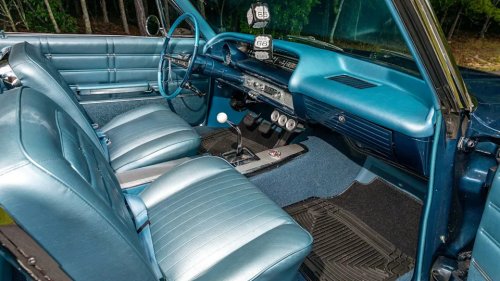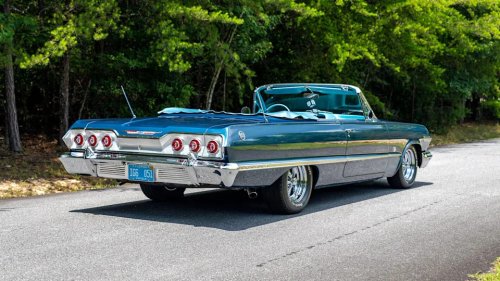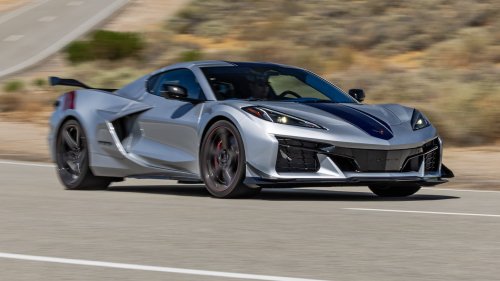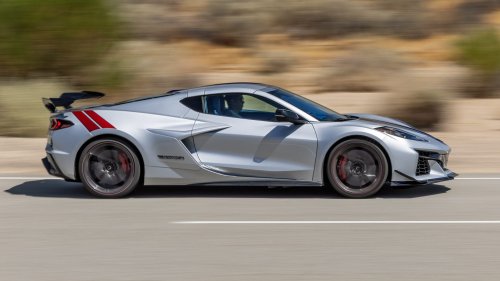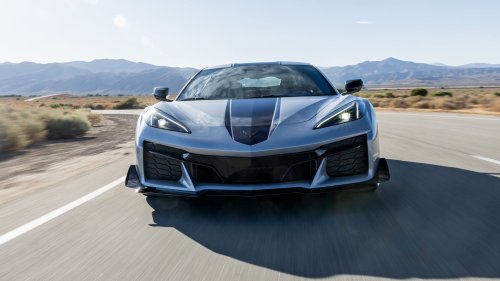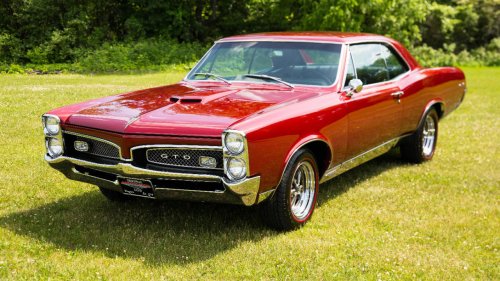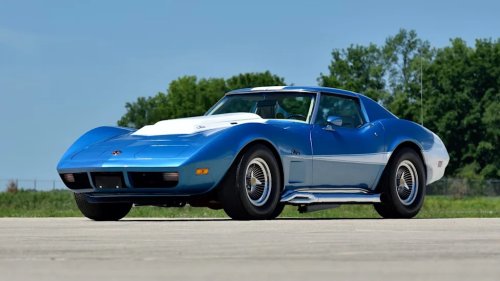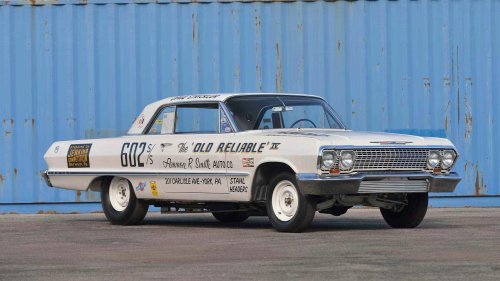
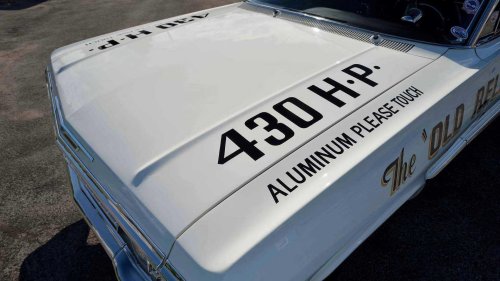
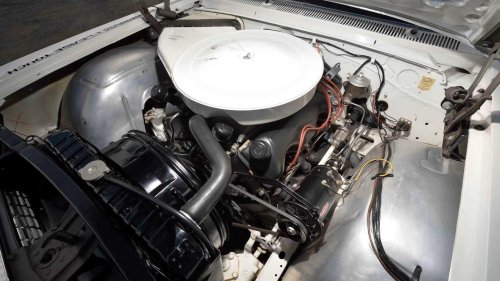
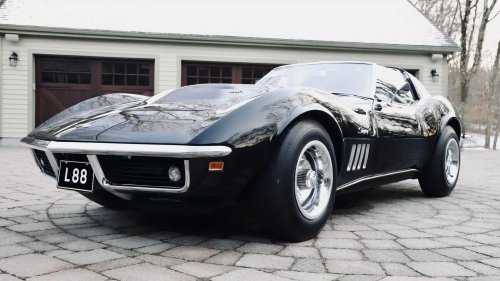
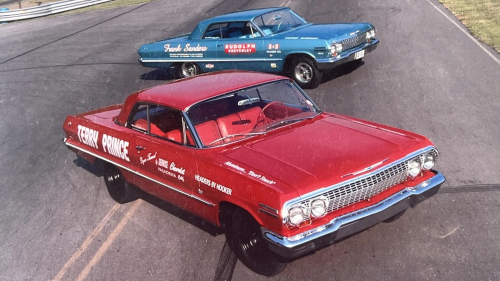
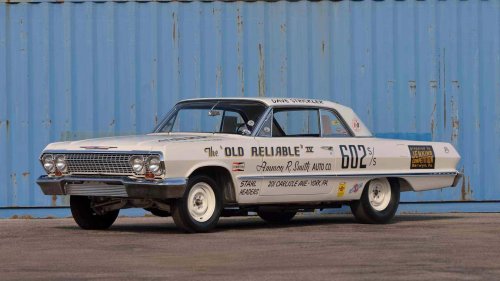
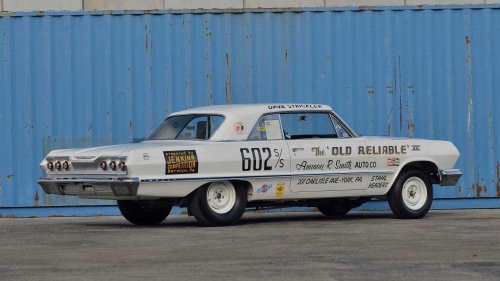



















The Corvette name is synonymous with performance supremacy. It’s Chevrolet’s coveted sports car turned supercar that was always intended to maintain the leading pole position of GM’s performance portfolio, with some concepts being snubbed because they would outrun it. John DeLorean’s Pontiac Banshee project was scrapped because executives didn’t want it to cannibalize Corvette sales on account of it being a superior machine. GM also hid the actual performance numbers of the Grand National GNX because they didn’t want it to outshine the coveted ‘Vette. As frustrating as that is to know, egos didn’t keep all the best GM monsters from slipping through the cracks. In fact, a Chevrolet muscle car was built in the early 1960s, which was so fast that the Corvette didn’t catch up to it for 56 years. UPDATE: 2026/04/07 05:54 EST BY JARED SOLOMON This article has been updated with additional context and new information to reflect current insights and comparisons. The 1963 Z11 Impala Left Every Golden Era Corvette In Its Dust Mecum The car in question was born under wraps. In 1957, the Automobile Manufacturers Association (AMA) banned carmakers from participating in racing. While this worked to a small degree, it really didn’t keep Ford, GM, and Dodge from working on secret projects. The wheels were ready to come off by the early 1960s, with each of the big three tearing through the red tape to battle it out on the track. Right as the ban was lifted, Chevrolet came out swinging with the legendary Z11 Impala for the 1963 model year following a handful of 1962 lightweight experimental 409 development cars.The Z11 nomenclature denotes a special, limited-run combination of equipment that Chevrolet set a handful of Impalas with. This was one of the legendary factory lightweight packages that turned flagship muscle cars into quarter-mile monsters. It put an ordinary Chevrolet Impala in league with other insanely fast cars like the Ford Fairlane Thunderbolt, Mopar’s Max Wedge beasts, and the Pontiac SD-421 cars.A lot of parts were used in the Z11 package to vastly separate these cars from even the hardiest Impala SS models of the time. They were equipped with lightweight aluminum front clips. The interiors were stripped of anything that didn’t help it hurl itself down the track as quickly as possible. A heavy-duty suspension system and bias ply tires offered the best bite for the time. Finally, a beefy Borg-Werner T-10 4-speed manual transmission and 4.11 posi rear backed a worked-over 427 cubic-inch W-series V8 engine equipped with dual Carter carburetors that put the rest of the Z11 package to work, decimating the competition for the 1963 model year. This was the version Chevrolet always wanted to build; however, a very small number of "Z11" cars were allegedly released in 1962 with a 409 cubic-inch V8 under the hood. The 427 Z11 V8 Turned A Family Hauler Into A Monster MecumThe Z11 package flat-out worked. Even to this day, more than 60 years later, it’s recognized as one of the meanest drag cars of all time. Not only that, but it touted quarter-mile times that many of today’s cars fail to match, including the C8 Stingray Corvette. With Chevrolet producing only a limited number of these cars, official documents verifying their capabilities are hard to come by today. That doesn't mean they don't exist, though.Starting with horsepower, the official ratings attached to the Z11’s 427 cubic-inch mill were 430 horsepower and 575 lb-ft of torque. That horsepower rating was more than Chrysler said the later 426 Hemi could belt out, and the torque numbers vastly surpass even the mighty LS6 Chevelle. Still, some folks believe this is a case where and this engine could make much, much more. The Fastest Quarter Mile Time Of The '60s And '70s So, what does that translate to in the quarter-mile? Surely, that level of grunt is enough to get a 3,400-pound machine moving in a hurry. In 2024, Hemmings sat down with renowned drag racer Don Fezell who’s collected numerous horsepower icons, including a 1963 Z11 Impala. According to him, the car could consistently run a 10.9-second quarter-mile, which pretty much made it faster than any other street-legal production car of the era. In fact, this is faster than the 2025 Corvette Stingray, which clears the quarter in 11.1 seconds. Not bad for a 63-year-old behemoth. No, Not That 427 Mecum Muscle car nuts know Chevrolet’s 427 cubic-inch monsters all too well. It’s an engine size that the Bowtie routinely returned to when building performance tyrants during the horsepower wars. That said, this isn’t the 427 you’re thinking of.The 427 cubic-inch weapon used for the Z11 Impala predates the mighty Big Block Chevrolet platform. Rather, it’s a member of the earlier W-series engine family that debuted in 1957—the same year the AMA banned factory racing programs. In other words, it’s based on the same 409 cubic-inch V8 that was used for the earlier 1962 models, which was already creeping up in terms of power output, with the peak variant of the street-going V8 cranking out 409 horsepower.As good as the 409 was already, a lot was done to make the Z11 427 a downright demon. Displacement was increased with a longer stroke. Cast iron heads and a two-piece intake manifold were bolted to the top end. It was outfitted with the aforementioned carburetors and headers, along with an aggressive cam grind. All of that, paired with an absurd 13.5:1 compression ratio, took the W-series to a whole new level of performance capabilities. What About The Legendary L88 Corvette? Bring A Trailer But what about the 1969 L88 Corvette ZL1? This legendary muscle car is often touted as being a prime example of a car whose power rating was actually much higher than the manufacturer claimed. This model had the later, more well-known 427 big block that, according to Chevrolet, produced 430 horsepower, but this forum visits a classic Hemmings article where a test engine made north of 500 horsepower. This is undoubtedly impressive, but enough to take down the Z11? Not quite.The L88 Corvette was capable of accelerating down the quarter-mile in 13.6 seconds. This isn’t nearly enough to even make the Z11 car consider it a threat. There was a quicker Corvette, though, the coveted 1969 ZL1. With the same 427, this Corvette could dart through the quarter in 12.1 seconds. While a vast improvement, it’s still not catching the Z11 Impala.That’s not to say the Corvettes of the 1960s aren’t ridiculously impressive. Rather, it's a testament to how insanely fast the Z11 was for its time, especially when you factor in how long it took for a Corvette, GM’s holy grail of performance, to actually beat it in acceleration. How The Z11 Impala Compares To Today’s Fastest Muscle And Performance Cars It’s easy to dismiss a stripped-out drag special from the 1960s as outdated, but the numbers tell a very different story. A 10.9-second quarter-mile still places the 1963 Z11 Impala in extremely elite company—even by modern standards.To put that into perspective, here’s how the Z11 stacks up against some modern high-performance machines: Chevrolet Corvette C8 Stingray – 11.1 seconds Ford Mustang Dark Horse – 12.0 seconds Dodge Challenger SRT Hellcat Redeye – 10.8 seconds Chevrolet Camaro ZL1 (auto) – 11.4 seconds What’s remarkable is that most of these modern cars rely on advanced traction control systems, sophisticated transmissions, and sticky performance tires to achieve these times. The Z11, on the other hand, did it with 1960s technology—bias-ply tires, a manual transmission, and no electronic aids whatsoever.This comparison highlights just how far ahead of its time the Z11 really was. It wasn’t just quick “for the era”—it was genuinely fast, full stop. Even today, very few naturally aspirated production cars can comfortably dip into the 10-second range without significant assistance from modern engineering. It Took The Corvette 56 Years To Catch Up Mecum A 10.9-second quarter-mile pass is ridiculously quick. Even all these years later, manufacturers have to work extremely hard to get performance cars anywhere near that number. Chevrolet’s precious Corvette is no exception, no matter how badly the suits tried to keep it under wraps.GM executives did a lot to make sure the Corvette was the top performer in its fleet. While a factory race car like the Z11 Impala doesn’t exactly make this an apples-to-apples comparison, the beating it put on the ‘Vette isn’t something you can just sweep aside. Especially since the front-runner-by-force couldn’t catch up to the Z11 for another 56 years.In 2019, the C7 ZR1 Corvette debuted. It had a downright nasty 6.2-liter V8 under the hood, producing 755 horsepower and 715 lb-ft of torque. This was finally enough to surpass the antiquated Z11 by the skin of its teeth, with a 10.6-second quarter-mile time. As badass as a C7 ZR1 is, it’s ultimately a reminder that you don’t tread on old dudes armed with carburetors and cubic inches. Don’t Doubt The Lightweights Mecum The sad part about the Z11 is that, like most factory lightweights, very few were built and even fewer exist today. While estimates vary, the common consensus is that out of the 57 of these masterpieces Chevrolet produced in 1962 and 1963, 15 or fewer still exist today. That rarity makes them ridiculously valuable, too. Hagerty estimates a good-condition Z11 should sell for around $287,000, with the most expensive one on public record fetching a staggering $577,500 at a 2017 Mecum Kissimmee auction. More recently, another one fetched $298,000 on Bring a Trailer in 2023.In any case, Corvette owners can take a breath of relief —you're not likely to run into a Z11 at a stoplight. However, it is just one example of several factory drag racers of the era. Meaning, you aren’t exactly safe if you’re challenged by early ‘60s iron from GM, Mopar, or Ford.Sources: Chevrolet, Mecum, Hagerty, Bring a Trailer.