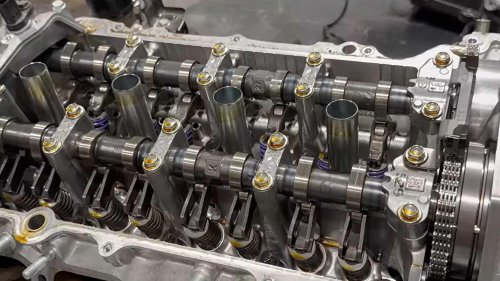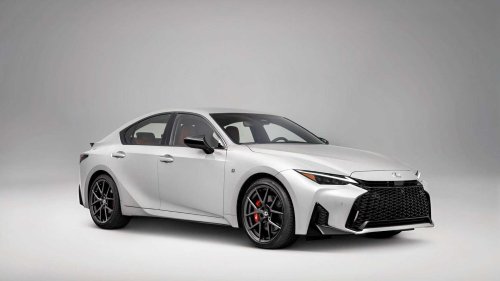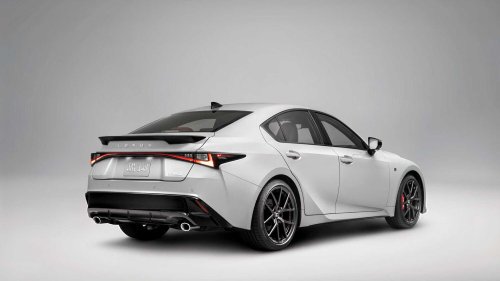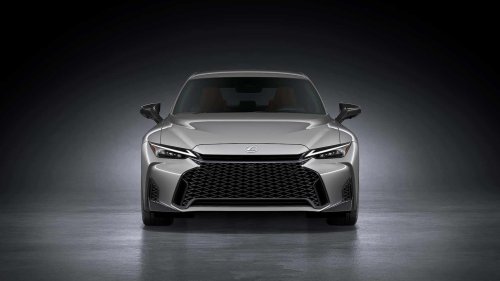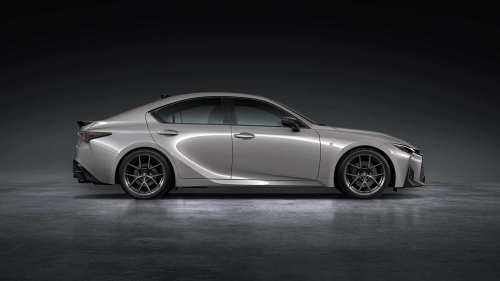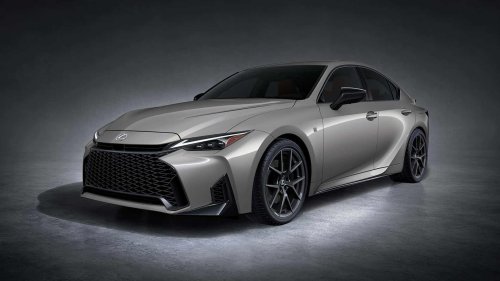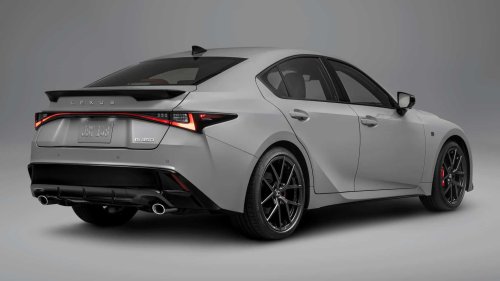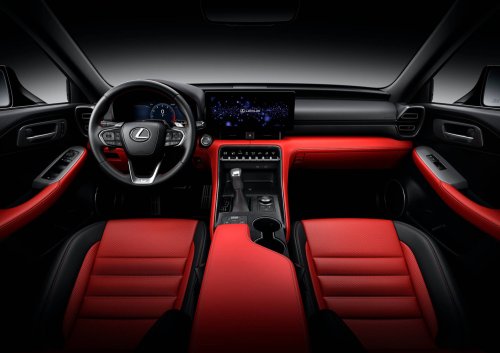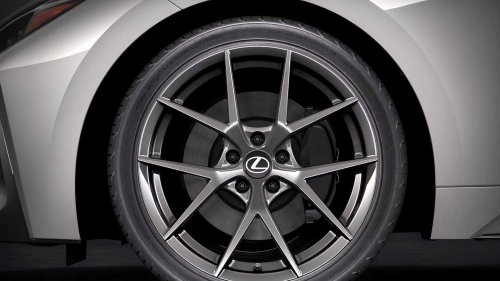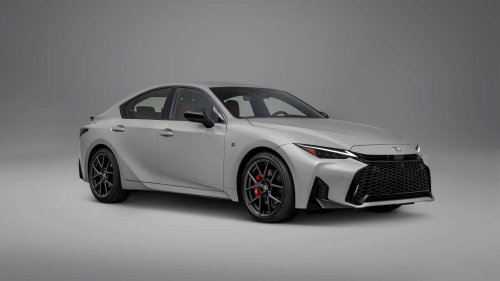
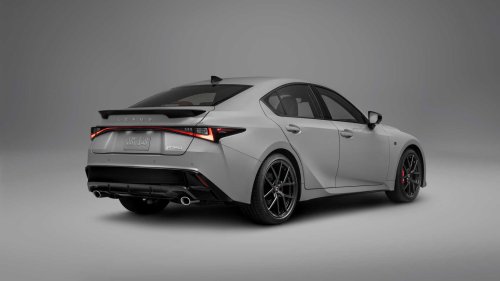
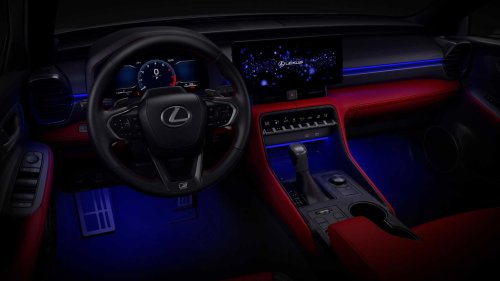
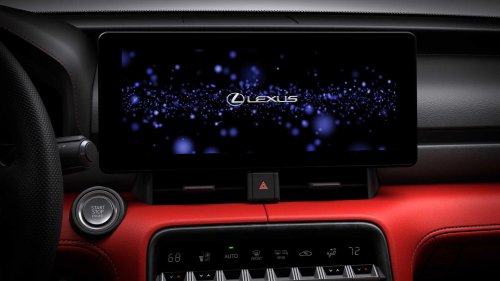
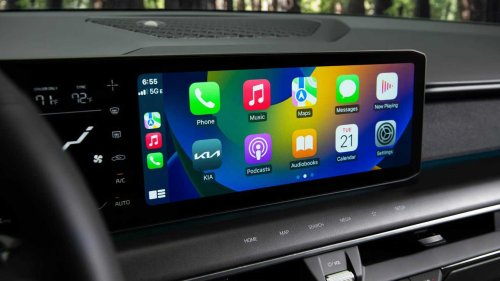
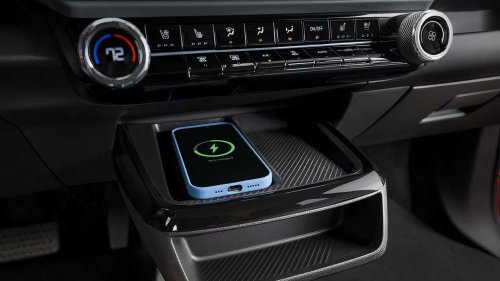

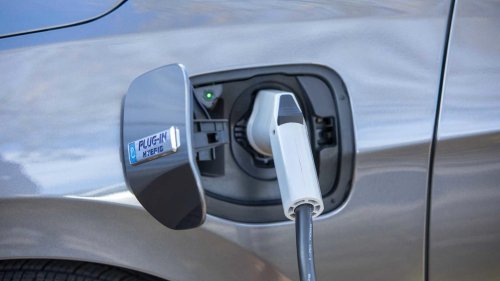























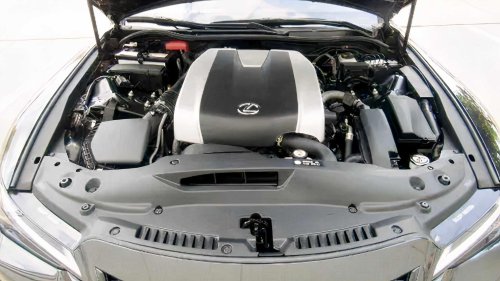
The automotive world frequently operates on the assumption that newer is better. Automakers are always chasing the latest tech and the latest design trends, competing against each other to stay ahead of the curve. Sometimes, however, sticking to what you know is the best way forward. Lexus, Toyota’s high-end sub-brand, has adopted this strategy with one of its models, the IS.The engine powering the IS has been around for 12 years. Its reliability has been a contributing factor to the good reputation of the IS, and it doesn’t look like Lexus has any intention of replacing it any time soon, even in an automotive landscape where V6s are increasingly scarce.However, despite being powered by an engine with a double-digit age, the IS is far from a frozen-in-time Luddite. The model has been updated multiple times over the course of its current generation, which has kept its design looking fresh and its onboard tech up to date. Let’s take a closer look at the IS, how it balances sophisticated tech with solid reliability, and what the most recent JD Power Dependability study tells us about modern cars’ reliability. The Lexus IS: A Reliable Workhorse With An Engine Over A Decade Old LexusThe third and current generation of the Lexus IS was introduced for the 2014 model year. It represented a major shift in design from its second-gen predecessor, with a larger grille, sharper, narrower headlights, and pointed tail lights that further contributed to its sleek appearance. The model has been given an update for 2026, the third during this generation (previous updates had been introduced for 2017 and 2021). The front fascia was reworked slightly, while the interior was upgraded with a mix of modern touchscreens and physical controls.Some mechanical changes were also made. The steering was upgraded to adapt better to road conditions and speed, delivering a smoother driving experience. The suspension was also reworked for improved ride comfort and performance.Lexus While other markets around the world also get a version of the IS equipped with a 2.5-liter inline-four and a hybrid system (the IS 300h), in the US the only version available is the IS 350. In this version, power comes from a 3.5-liter naturally aspirated V6 engine dubbed the 2GR-FKS, making the IS one of, if not thelast naturally aspirated V6 sedan(s) left on the American market.This engine produced is equipped with Toyota’s Dual VVT-i technology, which adjusts timing on both the intake and exhaust camshafts. It is paired with an eight-speed automatic transmission, which sends power to either the rear wheels or all four wheels depending on configuration.It is a part of Toyota’s wider GR engine family, a range of V6s that first made its debut in 2002. Although the 2GR-FKS is much younger than that, it’s still no spring chicken. It was first introduced in 2014 for the 2015 model year, not just in the Lexus IS but also in models such as the Toyota Tacoma, Lexus GS, and Lexus RX. The engine produces 311 hp in the 2026 IS. In other models, power output varies between 278 and 311 hp. Reliability And Technology Can Co-Exist: The Lexus IS Tech LexusWhile the IS has a strong focus on reliability and does not stray far from its proven formula, that does not mean Lexus has not updated with the necessary tech to make it competitive in today’s automotive market. Part of the reason why the model has been able to remain on the market for so long is that Lexus has introduced a few necessary updates over the years, taking great care not to compromise the model’s core foundation that gave it its reliability.As of this year, the IS is equipped with dual 12.3-inch touchscreens, one controlling the infotainment system and the other acting as a digital gauge cluster. In-dash navigation is included as standard, as is Apple CarPlay and Android Auto mobile connectivity. A 10-speaker sound system is the standard option, but a 17-speaker Mark Levinson unit is also available for the audiophile on the move.Lexus One feature you will not find on the IS, however, is over-the-air (OTA) updates. Over the past few years, many automakers have chosen to implement OTA updates, which (at least on the surface) are meant to be a smoother way of keeping an infotainment system up to date. However, they have also proven to be problematic in terms of bugs, glitches and other issues, which have affected some vehicles’ overall reliability profile (we’ll go into more detail on that later). Why Does Automotive Tech Get Associated With Poor Reliability? Kia The reason why the Lexus IS recipe works so well is because, according to the findings of the JD Power 2026 US Vehicle Dependability Study, more tech frequently equals less reliability. Lexus has chosen to include just enough tech features to keep the IS up to date, but not so many that it becomes prone to bugs and errors; as car technology is now a major source of poor reliability, this has proven to be a good choice.Instead of becoming steadily more reliable through the years, as one might expect, modern cars are becoming less reliable thanks to a series of factors, of which onboard tech is one. While last year’s study showed an average of 202 problems per 100 vehicles (PP100), that number is now 204, the highest recorded since the study started collecting data in 2022. Infotainment systems (and over-the-air updates) have proven to be a major culprit.Chevrolet Introduced gradually over the past 10 years or so, over-the-air updates were marketed as a better way of updating infotainment software without needing to visit a dealership or garage, preventing a vehicle’s onboard tech from quickly becoming obsolete. However, 58% of car owners involved in the study reported that the most recent software update carried out by their vehicle didn’t bring a noticeable improvement. A 14% increase in issues was also associated with this feature.To put it simply, more sophisticated features increase the likelihood of something going wrong. As customers continue to demand more technology in their vehicles, automakers will need to find a balance between producing high-tech vehicles and continuing to offer reliability. What Else Did The JD Power Dependability Study Reveal? Jared Rosenholtz/CarBuzz/Valnet The relationship between automotive technology and reliability was not the only focus of the JD Power Dependability Study. It also revealed a few more insights into the modern automotive market, and what vehicle categories are going through a difficult period at the moment.Premium vehicles were put under the spotlight for a worrying trend on the reliability front: the average number of problems has risen by 8 PP100 throughout the past year, marking the sharpest increase since the beginning of the study in its current form in 2022. Mass-market vehicles are doing much better on that front, leaving premium vehicles behind in terms of reliability.The most problematic aspects of premium vehicles include driving experience, controls, and displays. On the powertrain and seats front, however, mass-market vehicles perform worse than premium ones.Honda Hybrids are also a major area of focus; more specifically, plug-in hybrids (PHEVs), which have been identified as more prone to issues than other electrified powertrains. PHEVs registered a year-on-year increase of 39 PP100, with battery electric vehicles and non-PHEV hybrids experiencing a smaller increase. Meanwhile, the dependability of gas-powered cars actually improved. The reliability aspect is definitely one for automakers to keep in mind as they work on electrifying their lineups over the next few years.For the time being, it seems like Lexus has managed to strike a good balance in the IS, between maintaining enough tried-and-true elements (such as the engine) to ensure reliability, and adding the necessary tech to make the model appealing to modern buyers. Now in its 12th model year, the IS is not showing signs of leaving the market anytime soon, and for good reason.Sources: Lexus, JD Power