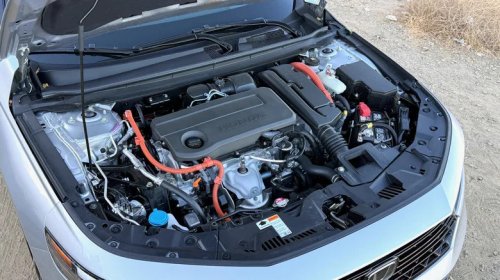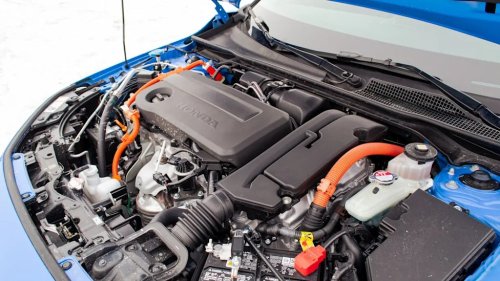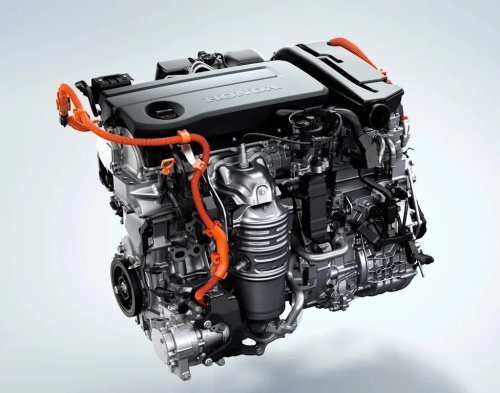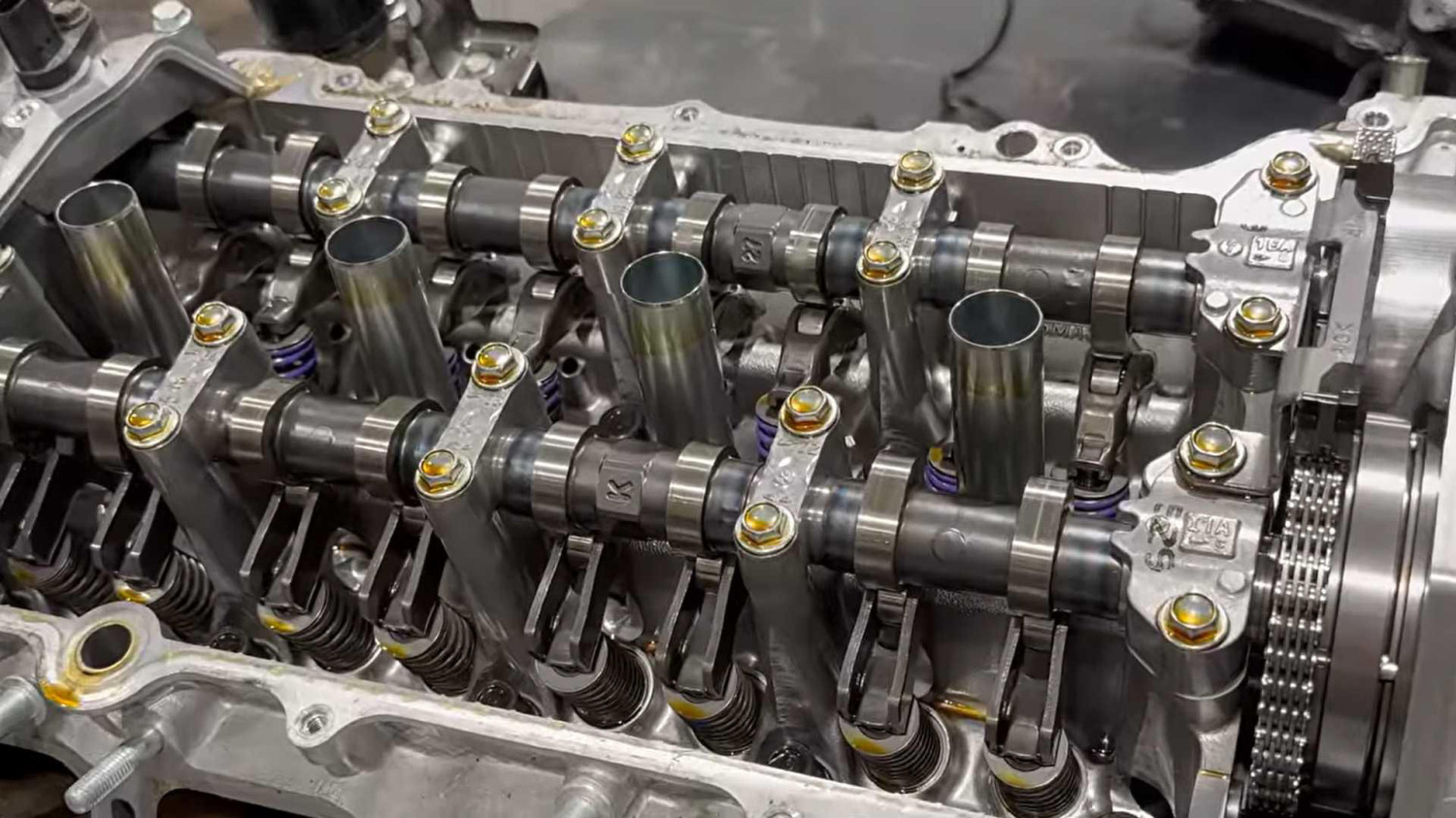
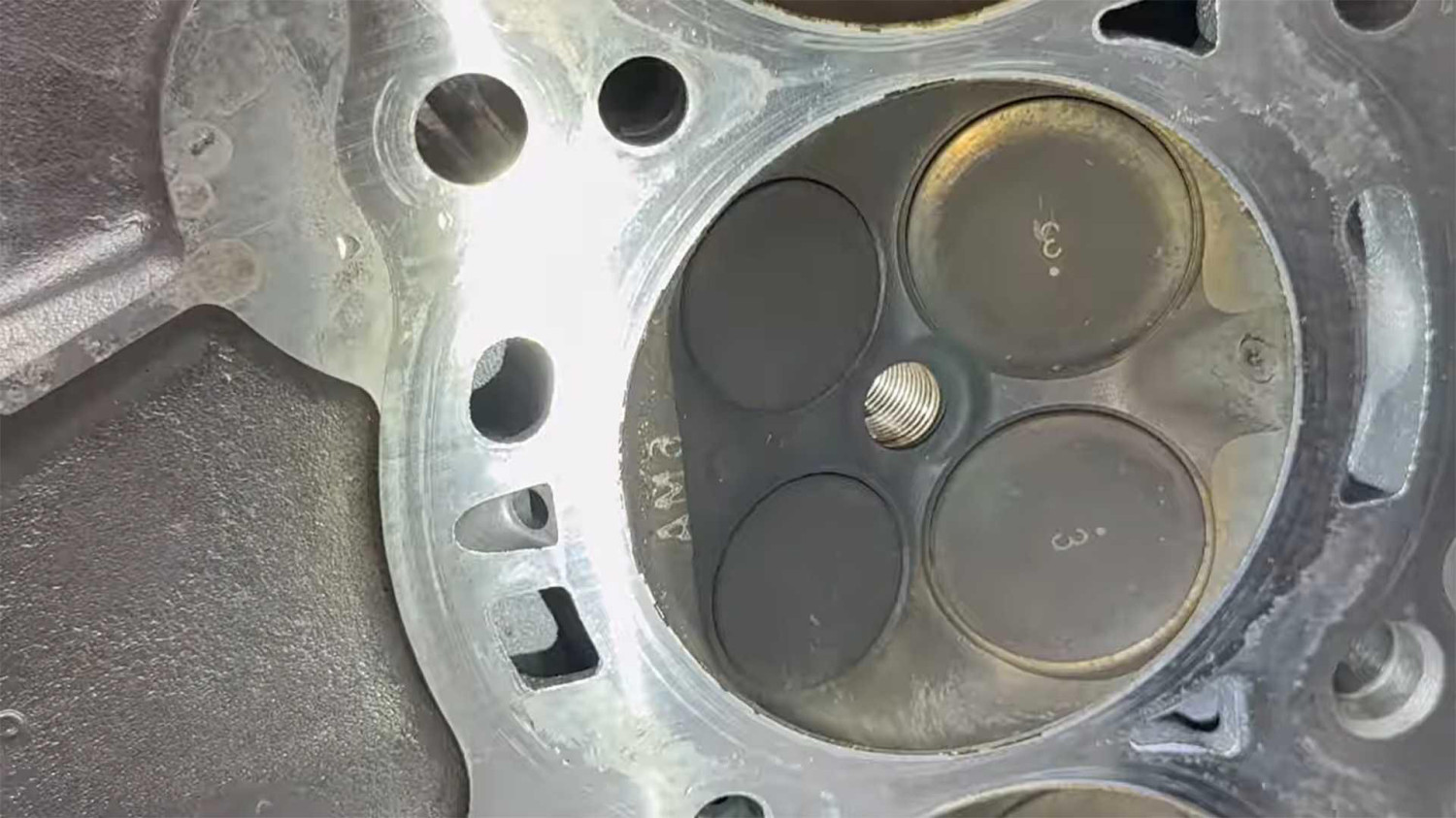
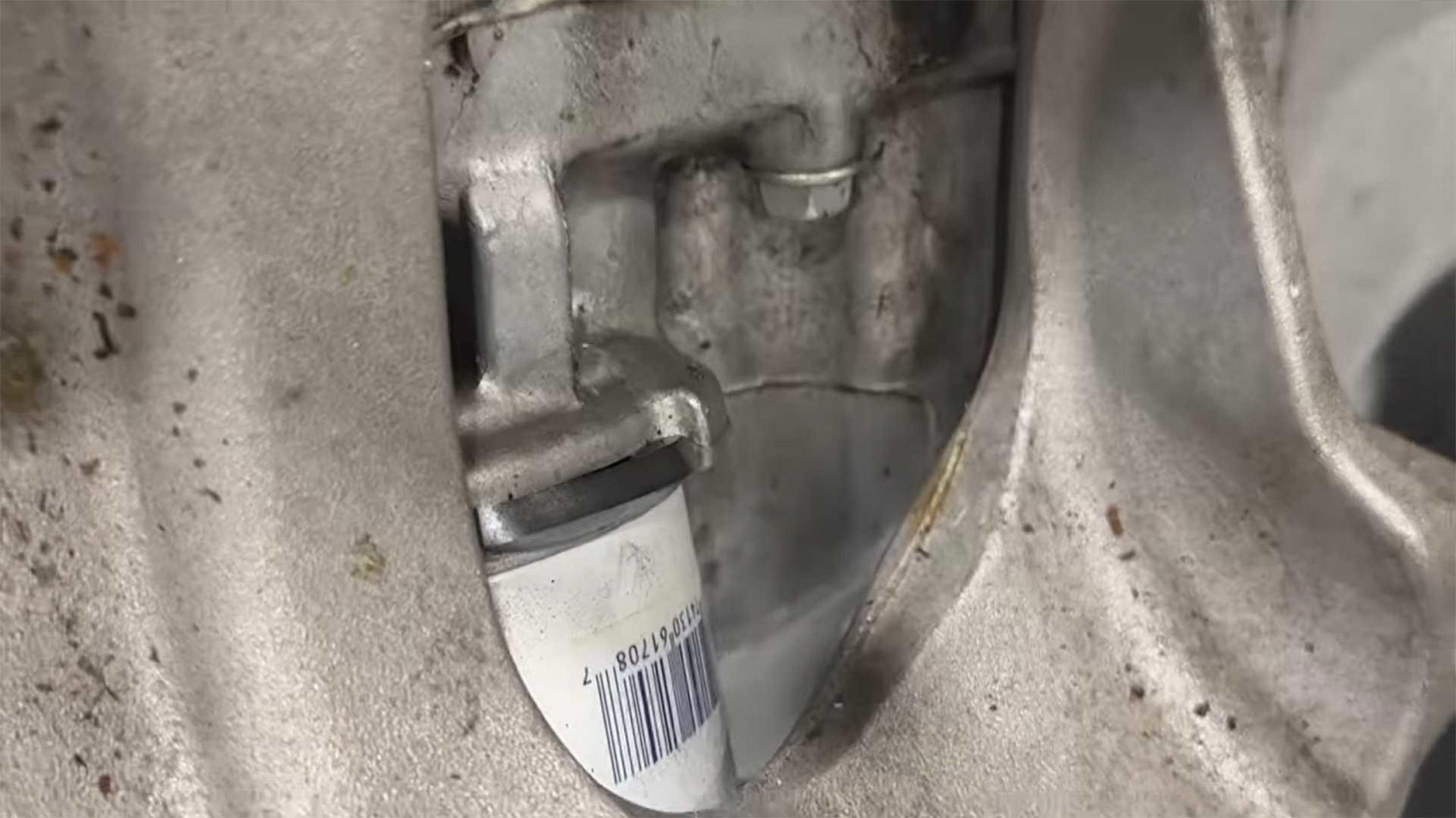























A two-year-old Honda Accord with a blown-up 2.0-liter engine? No, it's not a sign that the company's legendary reliability is being sacrificed to save a few bucks. This low-mile and low-stress Honda engine was killed by a rookie-level mistake in the service bay, which is a shame because this might be the cleanest engine we've ever seen torn down. Is That A Stamping Mark Inside The Combustion Chamber? I Do Cars/YouTube Eric from I Do Cars loves to tear down failed engines, and honestly, we love to watch it happen. When you own a scrapyard, it's probably the most fun you can have without a loader or a crusher. We've seen plenty of high-mile engines taken apart on the channel, along with low-mile motors that hadn't seen an oil change in years. This one, though, died because of bad maintenance on the part of the shop, not the owner.The top half of this 2.0-liter four-cylinder is amazingly clean. It's exactly what you'd expect from a low-stressed engine, which is tuned for fuel economy, not power. It only makes 145 horsepower and 134 pound-feet of torque, because it's generally used to charge the battery that runs the 181-hp electric motor. Only in a few specific situations does it power the car directly.I Do Cars/YouTube This engine is so new that everything comes apart easily. The timing system is spotless (though there is a lot of sealant under there that we might be worried about long-term).Even when the cylinder head comes off, nothing looks wrong. Except for the stamping marks in the combustion chamber on two of the heads. It looks to be a mirror of the 6MA mark that's stamped elsewhere on the head, and it's an identifier of the part number and the engine.It doesn't take long to find out what caused the stamping mark. The pistons have the mark, and they've clearly impacted the cylinder head. Is this our first sign of what killed this engine? The Oil Pan Has Everything But Oil I Do Cars/YouTube When the oil pan comes off, the amount of destruction in the bottom end of the engine is revealed. The pan is full of bearing material and other debris, and more tumbled higher into the engine when it was flipped upside down on the stand. But there's no debris in the oil pickup, and Eric knows why.This engine died... because it didn't have any oil in it. Engine oil provides a microscopic protective layer between moving metal parts, like the crankshaft journals, and the parts that shouldn't move, like the bearings. When the bearings melted, it allowed the two pistons to hit the head, leaving those marks. But it was a moot point. The engine was already dead by that point.We learned at the start of the video why there wasn't any oil in it, but now it's time to dive into that a little bit more. The filter that traps dirt and particles from the motor oil screws onto the bottom of the engine. A thick gasket seals the interface between the filter and the block.Somehow, when the oil filter was installed, that gasket wasn't in the right place. It was sticking out and compressed, and it wasn't doing the job of sealing the path of the oil. It's one of the very few mistakes you can make installing a filter, with the other two being a double-stacked gasket and not screwing the filter on. Eric estimates that all the engine oil would have been pumped out in just a few minutes, once the gas engine in this hybrid car was turned on.Without naming the oil change shop involved, he points out that the brand of filter is sold only in one place, and it's not exactly sold – it's installed by them. Has the quick lube shop killed another engine? It looks that way. Did that shop end up buying a new engine for one unlucky customer? We'll never know for sure, but we certainly hope the answer is yes.Source: I Do Cars / YouTube