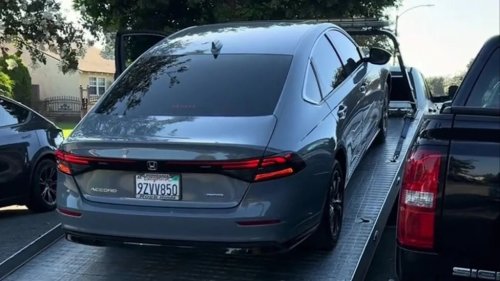
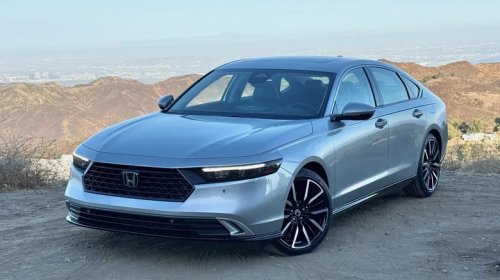
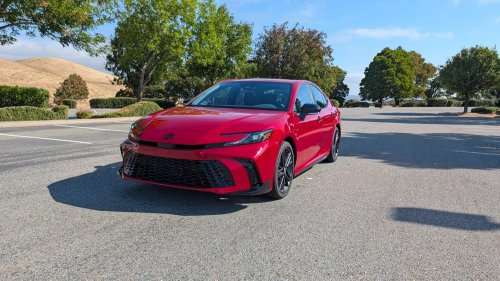
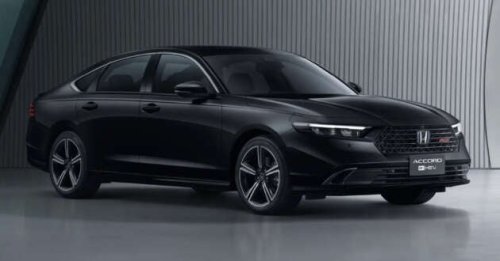
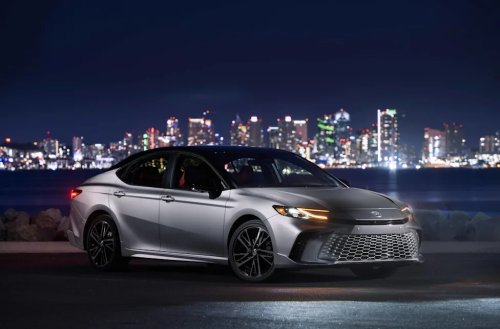
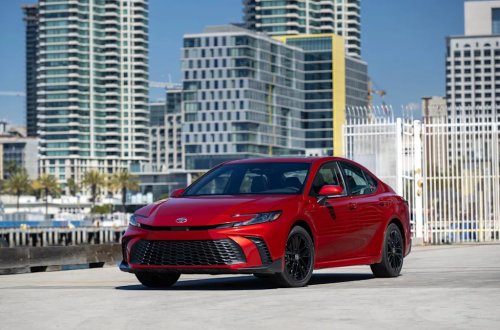
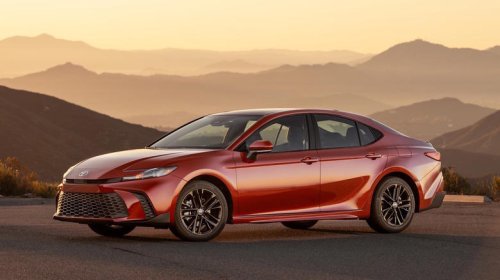
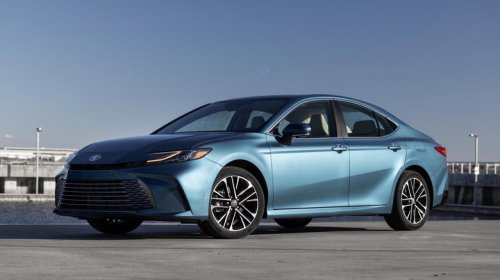
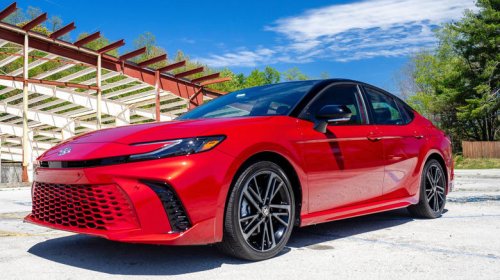
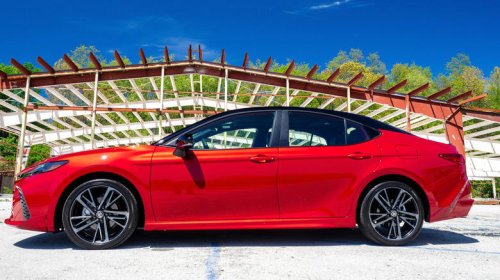
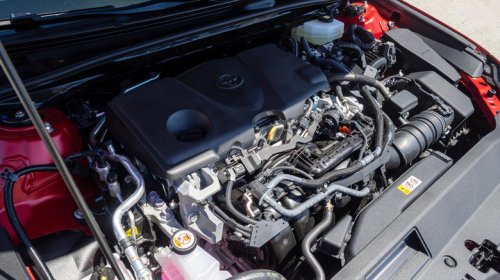
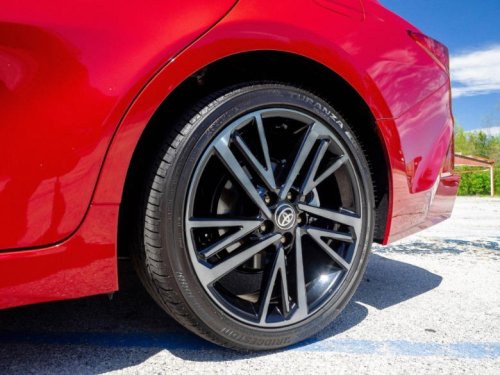
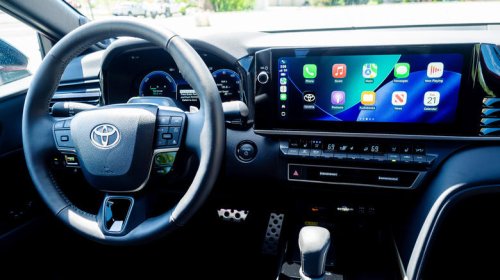
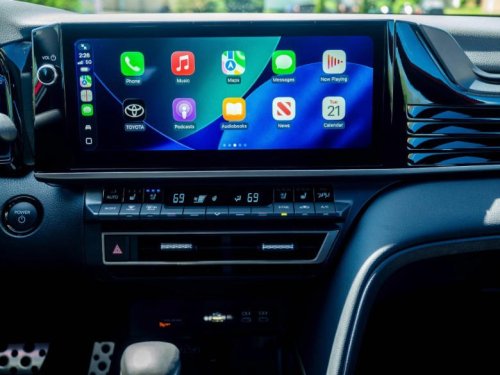
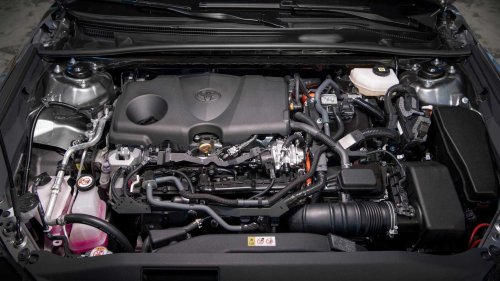
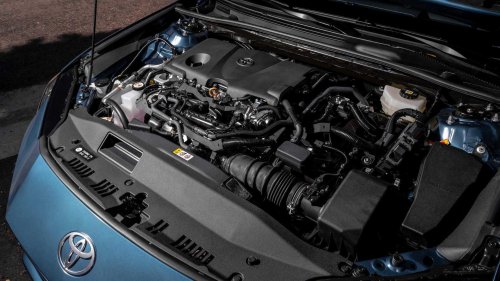
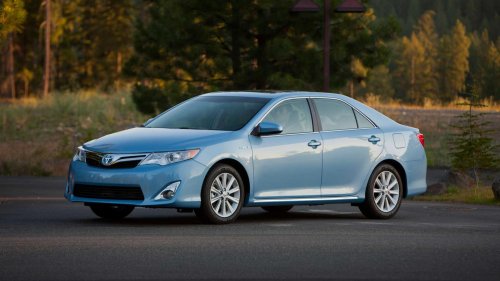
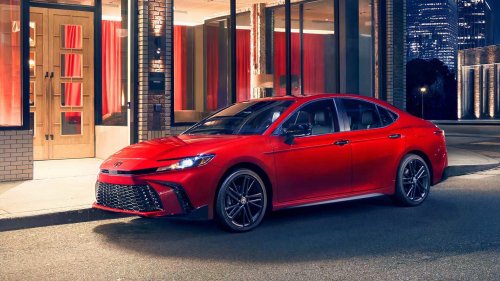
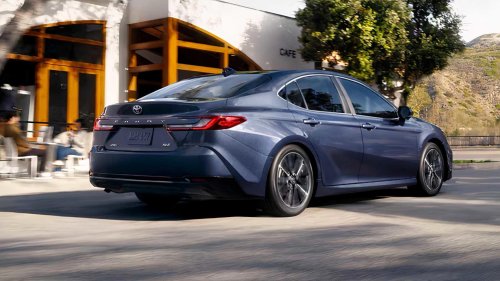
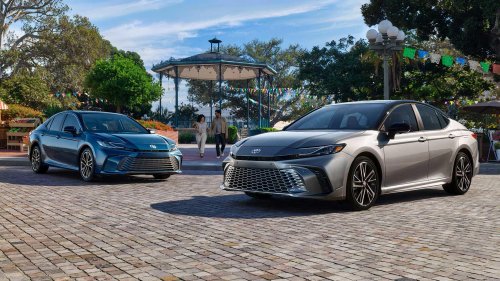
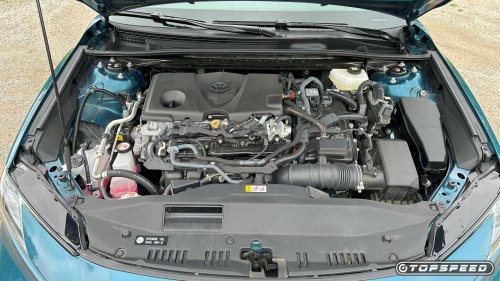
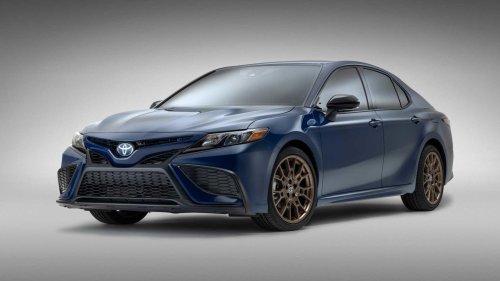
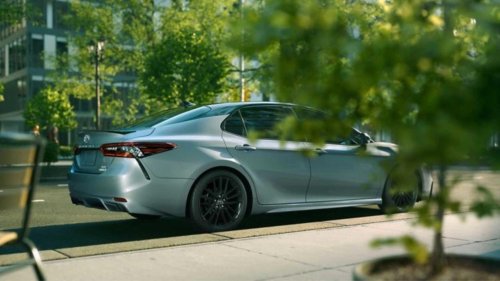
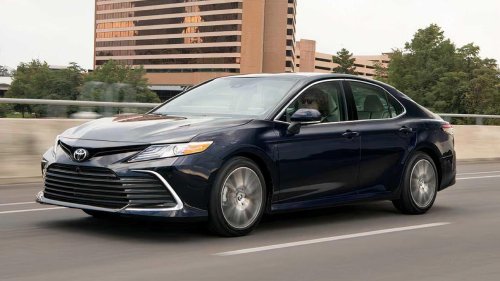
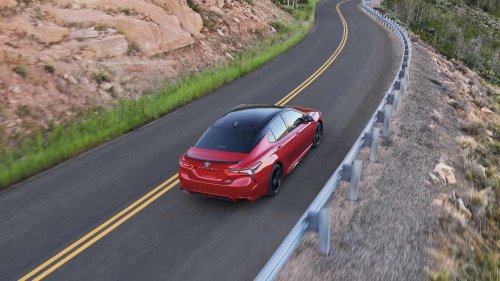
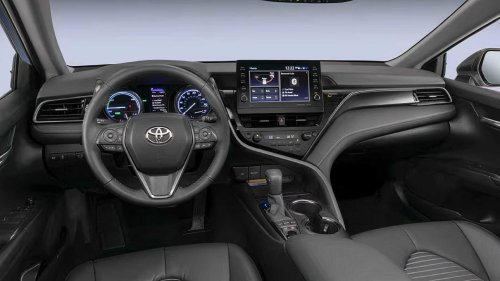
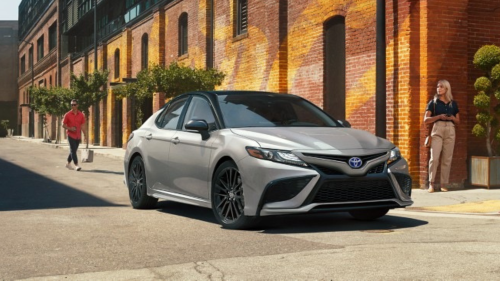
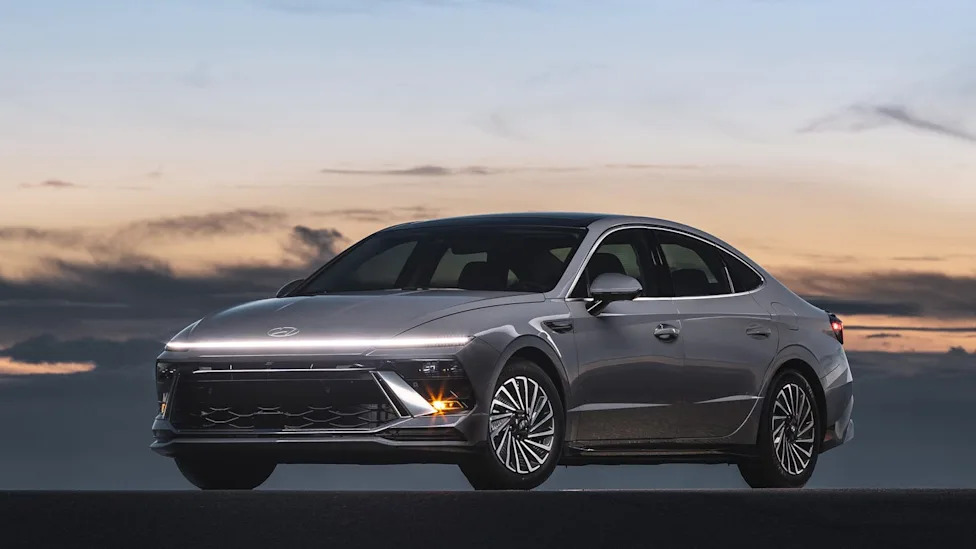
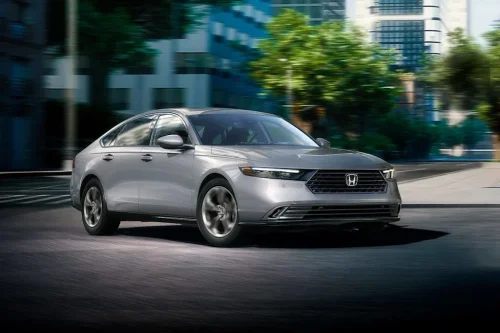
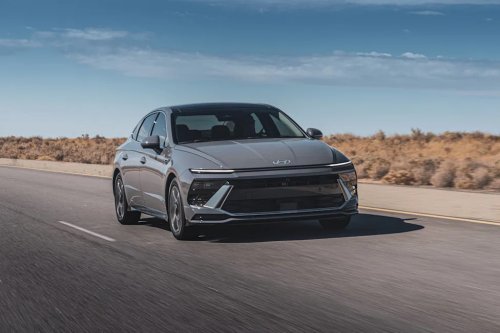
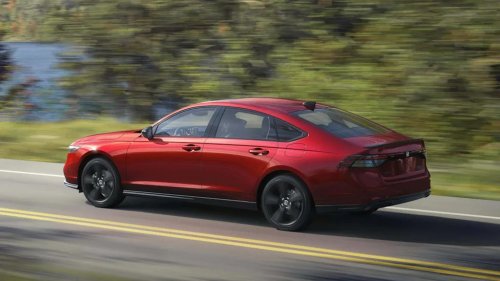
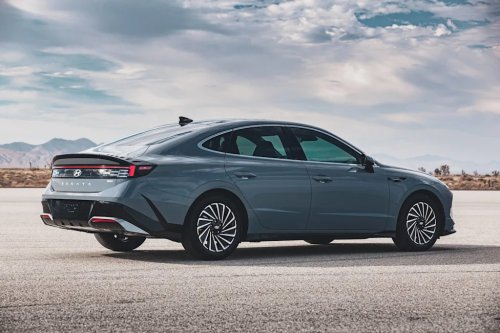
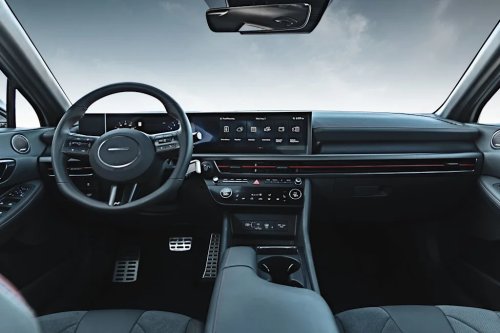
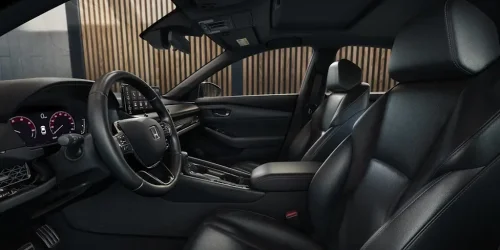
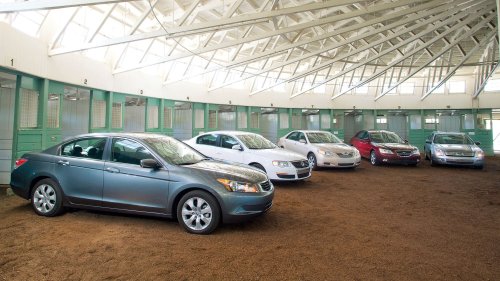
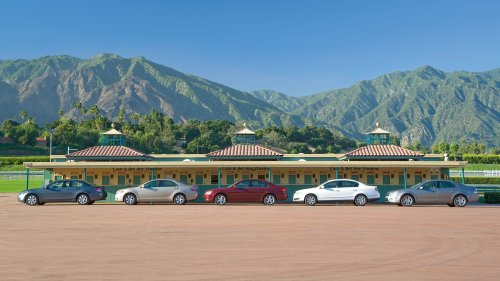
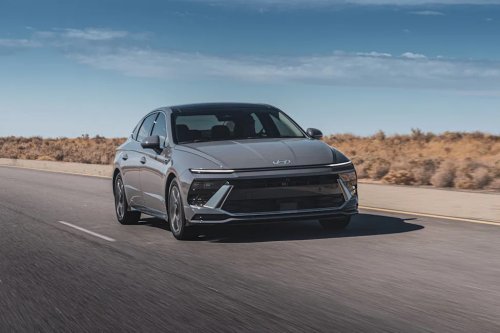
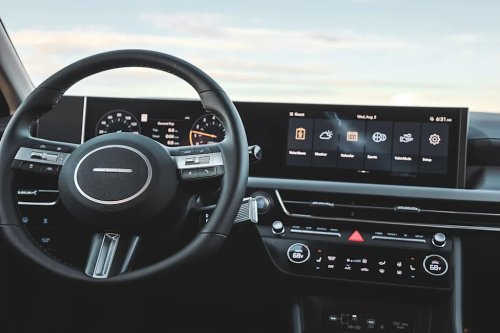
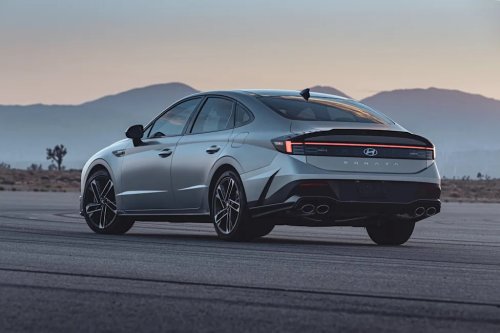
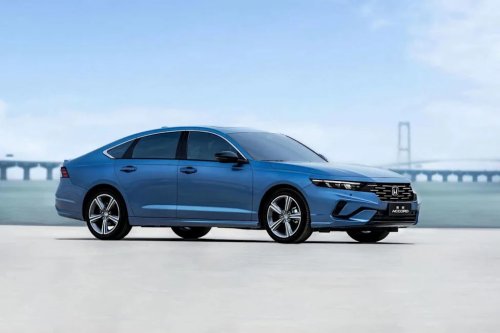
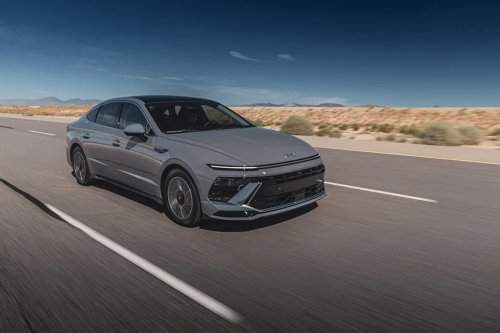
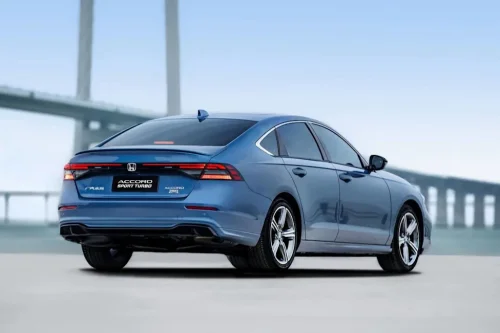
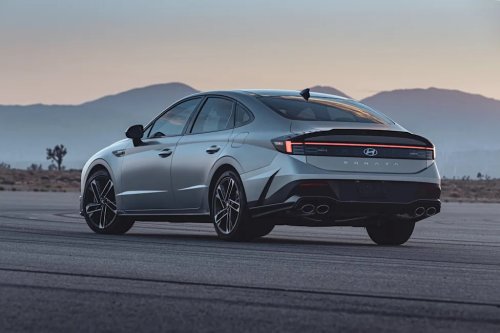
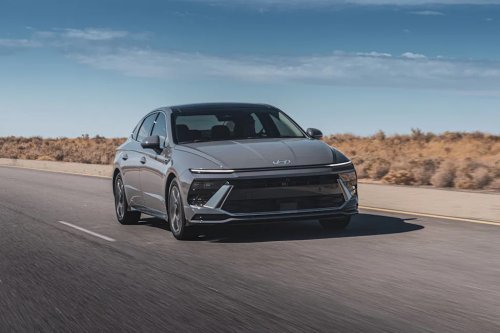
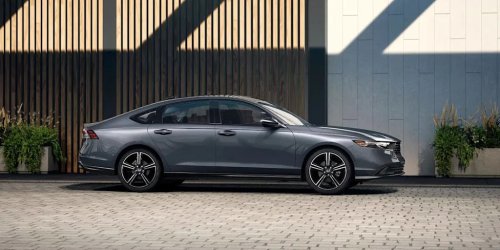
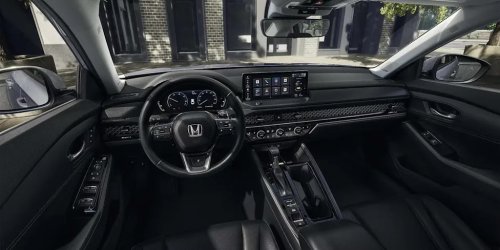
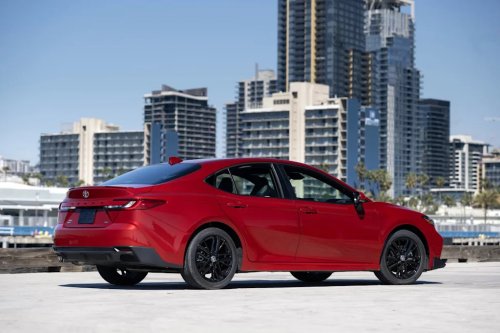
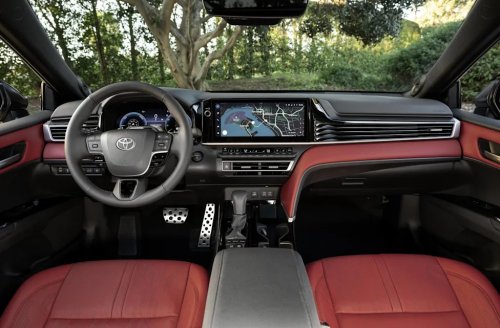
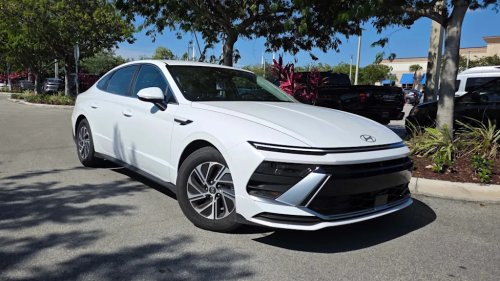
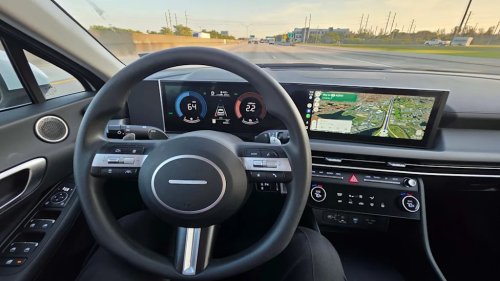
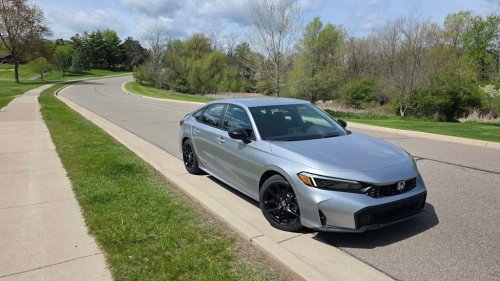
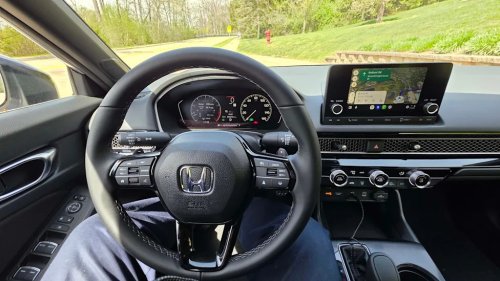
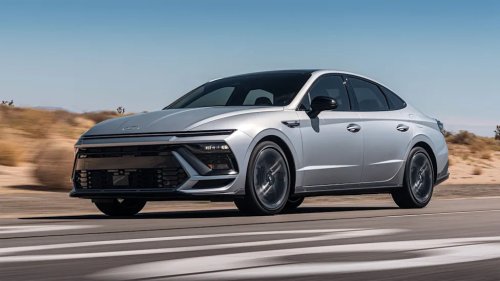
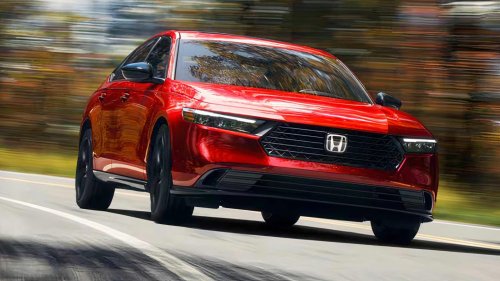
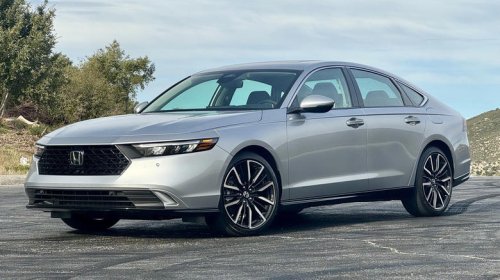
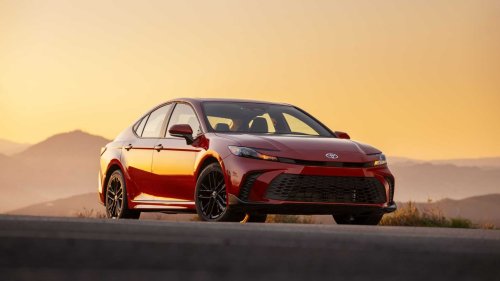
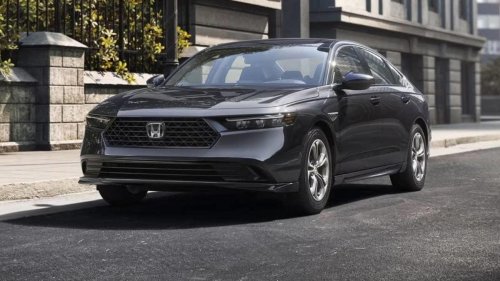
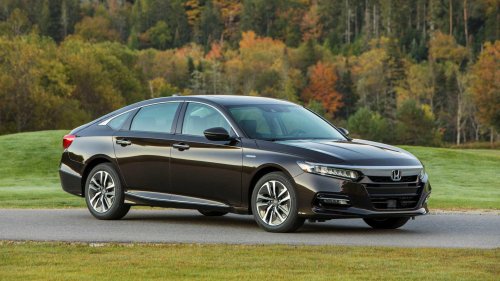
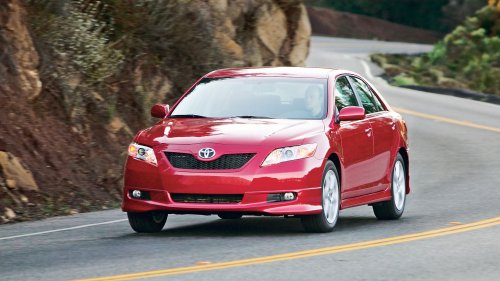
Image: Kyle Patrick Image: Kyle Patrick Co-Written with Kyle Patrick We wouldn't fault anyone for thinking automakers have given up. That brands no longer care about the once-dominant family sedan class. Model lines are dying off quicker than characters in the Game of Thrones franchise. Four-doors like Taurus, Sebring, Mazda6, Passat, Fusion, Malibu, and many more are all but a memory now. North America's unrelenting obsession with SUVs has rendered the traditional car an afterthought for far too many consumers. But there is still a dedicated group of customers who prefer the benefits of a car over utility vehicles, and thankfully, there are still a few OEMs ready to answer the call. The two cars that have been ubiquitous within the family sedan segment for decades, the Honda Accord and Toyota Camry, are still at the forefront of the market. The Honda Accord was last redesigned for the 2023 model year, with the majority of trims including a hybrid powertrain. The Toyota Camry is slightly newer, undergoing a complete overhaul last year, and is now exclusively a hybrid. Still battling these two stalwarts is another family sedan with a long history, the Hyundai Sonata. On sale for over 35 years, the current generation Sonata has been around longer than the Accord and Camry but did get a refresh a few years ago. Like its competition from Japan, the Sonata is available as a full hybrid. To see what a family sedan has to offer in the year 2026, and to take a break from the endless onslaught of high-riding crossovers, we gathered these three hybrid four-door cars for a direct head-to-head-to-head comparison. 3rd Place: Honda Accord Hybrid Image: Kyle Patrick Image: Kyle Patrick Words by Kyle Patrick This feels wrong. We know that the Accord is one of the most consistently excellent vehicles in all of automotivedom. It's classy without being elitist, comfortable yet still reasonably engaging, and lasts approximately forever. Yet the scores had the Honda (just) at the back of the pack. While this is still a satisfying sedan, the Accord is a victim of its own success: you're paying extra for that badge. Cavernous Cabin Image: Kyle Patrick Image: Kyle Patrick For at least a decade now, Honda has been copying Doctor Who's homework, building a mid-sized sedan that feels significantly more spacious inside than its dimensions suggest-and roomier than its rivals. More than anything else in the mainstream world these days, the Accord challenges the idea that one must move up to an SUV for more space. This is the best back row in the class for sheer space, too, and every seat in the house is comfortable and supportive. It's also simply a swell place to spend time. Honda's current interior design approach works well within the Accord, the simple dashboard structure emphasizing the elbows-out space in here. Both fit and finish are strong, though neither of us would say no to a bit more color or material variation a la the Camry or Sonata. Honda's infotainment system slots right in between its competition here: not as snappy nor as stylish as the setup in the Hyundai, but far more fully-featured and prettier than the Toyota's discount screen. The always-there main menu is useful for those who regularly use phone mirroring-and on that note, we found Honda's wireless charger did a better job of keeping the juice flowing. 2025 Honda Accord Touring Hybrid: All the Details 2025 Honda Accord Touring Hybrid: All the Details View Gallery 21 photos Refinement, Sort Of hybrid sedan face off toyota camry vs honda accord vs hyundai sonata The Accord's on-road manners are a strange mix. On one hand, we both agree this is the driver's choice, with a smooth and satisfying feel behind the wheel and mature damping that can match some premium sedans. Honda's latest hybrid powertrain is a good one too: it's at its most powerful here, moving the big Accord down the road with authority and minimizing the rubberbanding feel of the previous model. That huge cabin ends up being a bit of a problem: it acts as an amplifier, highlighting the various noises from the suspension doing its thing and letting in more general road noise than we'd expect of a top trim. In the Accord's defence, there are two explanations for this: winter rubber, and the small matter of this being a well-miled 2025 example. While Honda has made some changes to the Accord for 2026, the top Touring is functionally identical to last year's model. Accord Tax Image: Kyle Patrick Image: Kyle Patrick The Accord's pricing is what sank it in the scores. With the Touring, there are no options beyond premium paint, but even without it, you're clearing $40,000 in America after destination. In Canada, where this pretty Canyon Blue does add to the bottom line, we're talking $48,580 CAD. Both of us would argue this is still a huge amount of trusty, spacious car for that amount of cash, but against the other two sedans-especially the ridiculous value of the Sonata-the Accord could never make up the points. Verdict Image: Kyle Patrick Image: Kyle Patrick Zooming out, the Accord also faces another challenger: the Civic. Whereas Toyota and Hyundai have kept a lot of distance between their compact and mid-sized offerings, the current Civic is both incredibly good and closer to its big brother. They even (basically) have the same powertrain now. We still hold the Accord up as one of the best sedans you can get, but this was the wrong trim for this head-to-head-to-head. 2nd Place: Toyota Camry Hybrid Image: Kyle Patrick Image: Kyle Patrick Words by Mike Schlee In life, the battle between subjective and objective never ends. When tallying up the scorecards for this comparison, Kyle and I both gave the Toyota Camry the highest rating under the Gotta Have It category. It's the category where we determine a car's appeal for no other reason other than what we (and consumers) would irrationally pick. Yet, when all the categories were added up, the Camry came second. So what gives? The main point is price. The price advantage our 2026 Toyota Camry SE AWD Nightshade tester had over the Honda Accord was about the same gap it trailed the Hyundai Sonata. On the outside, the Camry could justify its price premium over the Sonata with features like wider tires on 19-inch wheels, the Nightshade body kit, and more upscale and attractive look overall. Typical Toyota Inside Image: Kyle Patrick Image: Kyle Patrick Inside, though, it was the opposite. It's not like the Sonata has a class-leading interior, but the Camry's feels a bit downmarket compared to the competition here. The small infotainment display screen looks lost in its housing and lacks the straightforward usability of Hyundai's infotainment system. Stylistically, there's a weird ridge that runs from the passenger's door down the center console, the steering wheel feels cheap, and the climate control switch gear looks dated. The latter, though, is a double-edged sword as the admittedly old-school feeling buttons and knobs are the easiest to use, and much more intuitive compared to what's on offer in the Honda and Hyundai. It's a bit of a Toyota hallmark to have simple, yet easy-to-use features. Staying inside, the Camry has one of the more comfortable front seats, especially for taller passengers. The rear seat will easily accommodate adults as long as they are not exceedingly tall. 2027 Audi RS5: All the Details 2026 Toyota Camry SE Nightshade: All the Details 2026 Toyota Camry SE Nightshade: All the Details View Gallery 23 photos Toyota is Still the Hybrid Master Image: Kyle Patrick Image: Kyle Patrick It feels cliché by now, but Toyota really still is the master of hybrid technology. With 232 total system horsepower, the Camry is easily the most powerful in the comparison, and it feels like it behind the wheel. From a stop, the car pulls hard and doesn't stop, even at freeway speeds. During our week with the Camry, we were constantly surprised at how responsive and sporty the drivetrain feels, considering its fuel-saving roots. Part of the Camry's power advantage is due to its gasoline engine. Measuring 2.5 liters in displacement, it's the largest and most powerful in the test. The downside should be worse fuel economy, especially since the Toyota has an extra electric motor powering the rear wheels, but more on that later. Officially, the 2026 Toyota Camry SE AWD is rated at 46 mpg (5.1 L/100 km) city and 46 mpg (5.2 L/100 km) highway. Those official figures put it just below the Accord and Sonata on the combined scale, but during our mixed driving loop, we found the opposite. The Toyota Camry achieved better real-world consumption, beating Toyota's own published figures. Electronic All-Wheel Drive and Handling Image: Kyle Patrick Image: Kyle Patrick As mentioned, the Camry is the only vehicle in our test with all-wheel drive, but that needs a bit of an asterisk. Instead of the rear wheels being connected to the engine or front wheels, the rear axle houses an additional 40-horsepower motor that helps with acceleration at low speeds and traction when required. It is never constantly engaged but rather assists on demand when required. Our test week involved a lot of snow, and although the Camry isn't about to rival a Subaru Outback in terms of poor-weather prowess, the Toyota easily outperformed the Accord and Sonata on snow-covered roads. In terms of drivability, the Camry is just so darn good. In fact, all three cars are. It reminds us how much better a sedan is to drive compared to a crossover or SUV. Like pricing, the Camry finds itself in the middle in terms of road behaviour. It is not quite as engaging to drive as the Accord, but is livelier than the Sonata. It is not as isolating and smooth as the Sonata, but a more refined drive than the Accord. Verdict Image: Kyle Patrick Image: Kyle Patrick The Camry just loses out in this comparison, notably due to the interior, pricing, and a slightly less isolating feeling. That stated, we'd never fault anyone for picking this car over the winner, though. 1st Place: Hyundai Sonata Image: Kyle Patrick Image: Kyle Patrick Words by Kyle Patrick According to the APA's 2023 Stress in America survey, young adults are experiencing far more stress than previous generations. We might have stumbled upon the solution: the Hyundai Sonata hybrid. Stylish, so danged comfortable, and genuinely affordable in a way so many cars aren't these days, Hyundai's mid-sizer feels like a well-kept secret in the industry, one that more people should know about before it disappears. Comfort First Image: Kyle Patrick Image: Kyle Patrick Hyundai has been doing something fascinating over the last decade: broadening its dynamic range. We're big fans of the brand's N performance cars, which deliver sizzling performance as they egg drivers on to have fun. The Sonata sits on the other end of the spectrum: it is distinctly un-sporty. And that's a win. Both Mike and I repeatedly praised the Sonata for its soft, easy-breezy ride quality, gliding along highways and country roads alike. The weather was not playing nice during our test week, but from inside the Hyundai, you'd hardly know. The seats are squishy yet surprisingly supportive, ensuring the miles melt away. While the rear seats have the least amount of legroom (officially: 34.8 inches (884 millimeters), like the Accord, the Hyundai is classified by the EPA as a large car, so actual space is adult-friendly in both rows. Visibility is also generally excellent. 2026 Hyundai Sonata Hybrid: All the Details 2026 Hyundai Sonata Hybrid: All the Details View Gallery 24 photos Smooth Drive Image: Kyle Patrick Image: Kyle Patrick It's incredible the knock-on effect this laid-back feel has on the rest of the Sonata experience. It's fractionally the weakest vehicle here, but you never notice since you're calmly wafting from light to light. Get on the throttle, and every one of those 192 ponies put in work, getting the Sonata up to highway speeds without issue; this is the lightest car here, after all. The six-speed automatic is admittedly a bit of a drawback here; while it's generally well-behaved, its shifts are noticeable after the electronic CVTs of the other two. The trade-off is also slightly less stellar fuel economy; the Sonata is officially the best of the field, but in practice ended up smack dab between the other two. Even still, in frigid temperatures and plenty of loose snow on the roads, these cars were all clearing 40 mpg (5.9 L/100 km), which will save you thousands on fuel over five years, according to the EPA. The Hyundai did scrabble for grip more than the other cars, though how much that comes down to the winter rubber it was fitted with is open for debate. For those select few who do want a more engaging experience in their humble four-door, the Accord is still the way to go. Though you could always opt for the Sonata N-Line, which is a raucous front-drive affair with a healthy dose of old-school torque-steer. Maybe you want the Popeye physique-we don't judge. Value for Money Image: Kyle Patrick Image: Kyle Patrick That the Sonata is so gosh-darned comfortable is all the more impressive considering its price. The mid-level trim (SEL in America, Preferred Trend in Canada) goes for just $33,695 including destination ($39,674 CAD), undercutting the Camry by a few grand and the Accord by almost double that. It's not as if it's lacking equipment, either, though it's important to note the list is very different in each country. Both markets include the panoramic sunroof, dual-zone climate control, heated side mirrors, and an eight-way power driver's seat. America sticks to cloth seating while featuring a standard wireless charger. Canadian-market models skip the charger but add driver memory seats, a power passenger seat, ventilated front seats, a heated steering wheel, and leather seating surfaces. Note that much of this is available on the top Limited trim in the US; in Canada, there's just one hybrid trim these days. The Hyundai's safety suite is just as full-featured and helpful as the ones you'll find in the Japanese offerings. There's a miss here with the lack of the brand's Blind-Spot View Monitor, which is locked to the top trim. Verdict Image: Kyle Patrick Image: Kyle Patrick In America, but especially in Canada, the Hyundai Sonata hybrid offers incredible bang-for-buck. For the price of a low-end CR-V buyers can luxuriate in one of the smoothest, calmest vehicles we've tested under $50,000. Be honest with yourself: if you don't actually need the high ride height of an SUV, a car could provide you with a much better day-to-day experience and lower running costs. While that applies to each of the three sedans here-we'd happily recommend them-it's the Sonata's value that earns it the win here. 2027 Rivian R2: All the Details