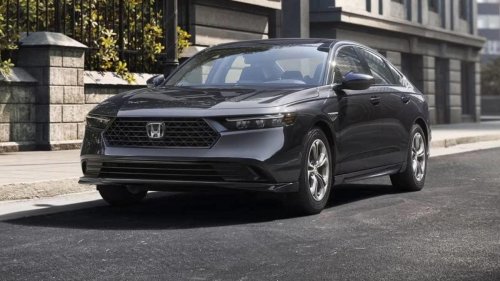
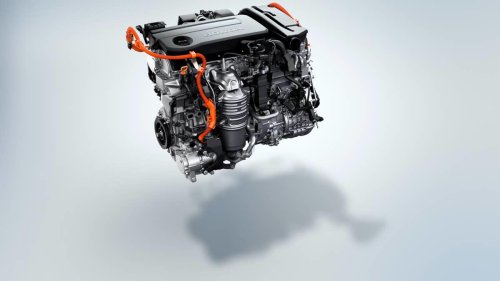
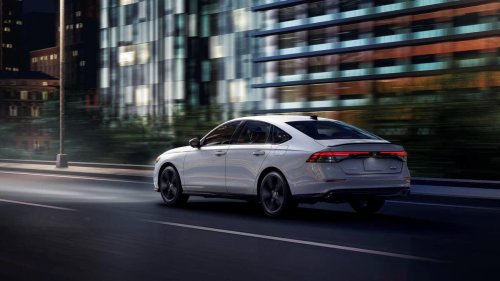
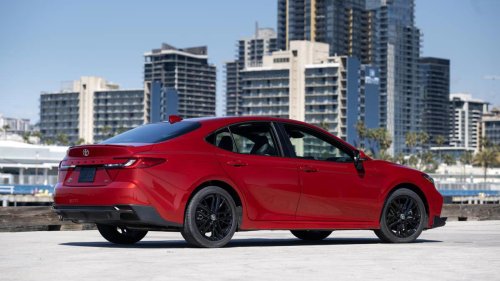
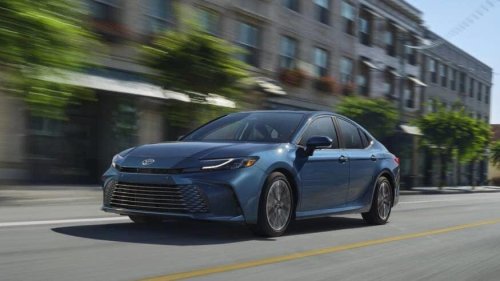
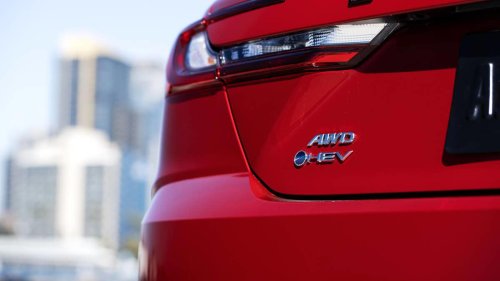
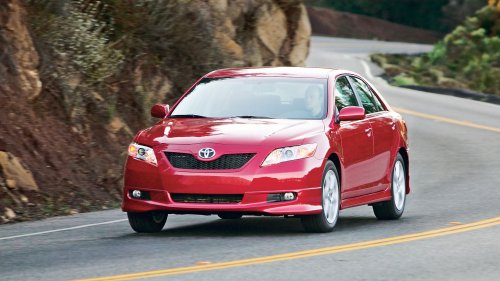
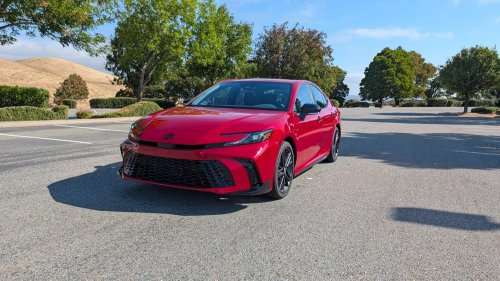
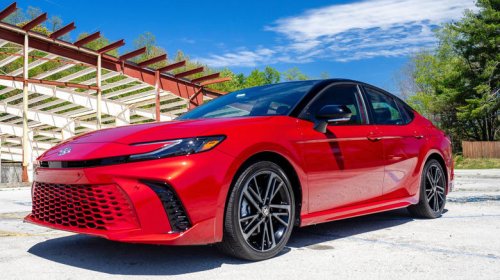
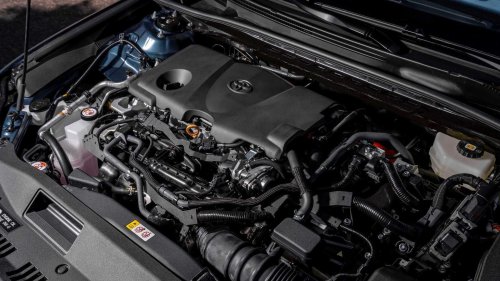
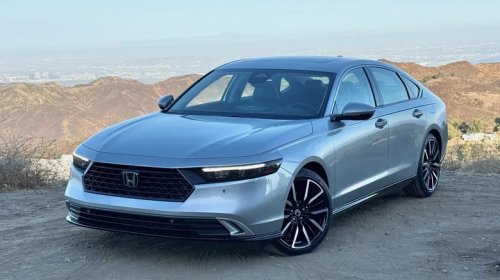
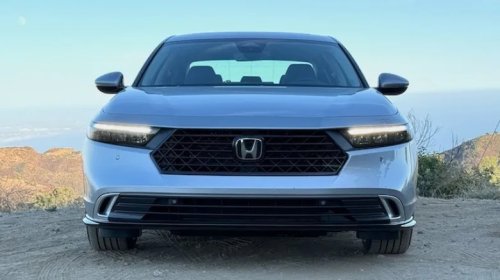
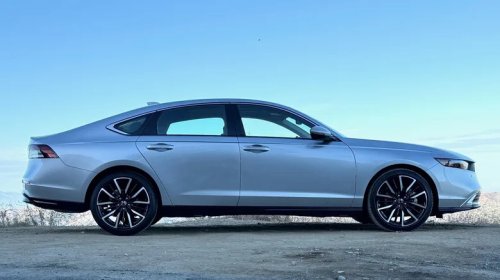
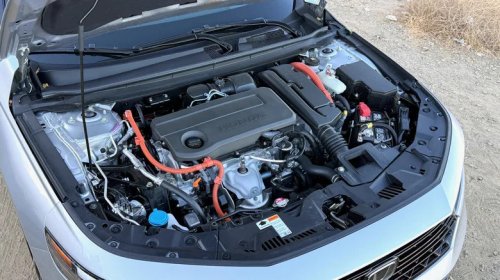
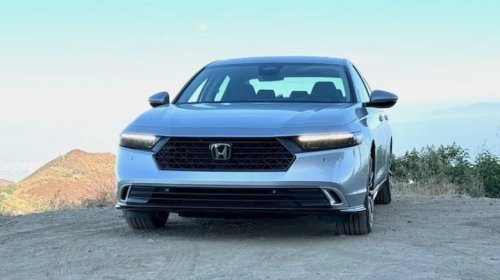
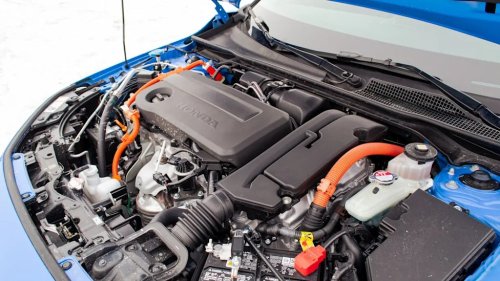
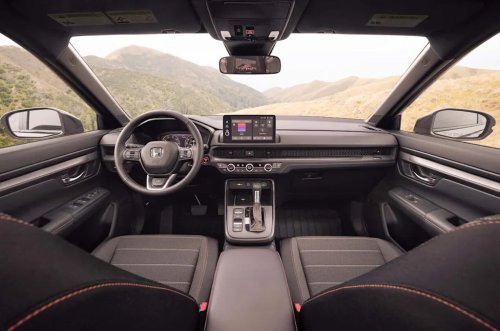
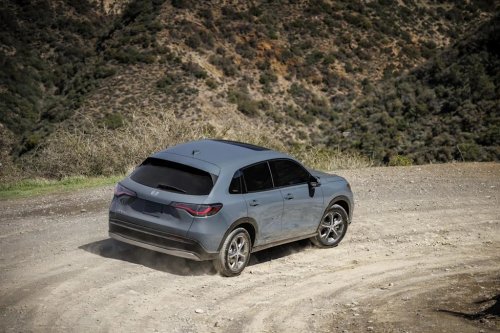
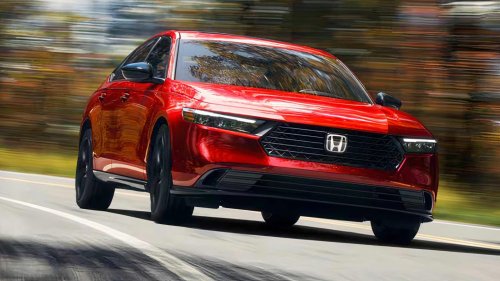
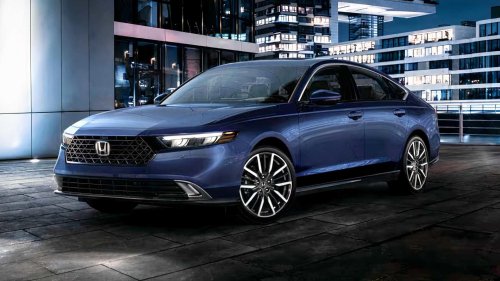
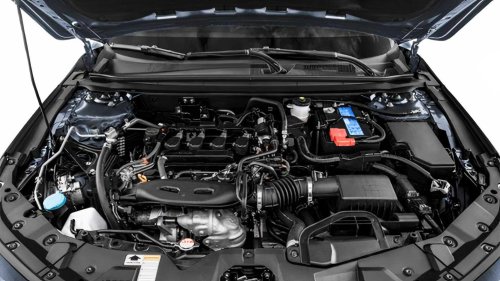
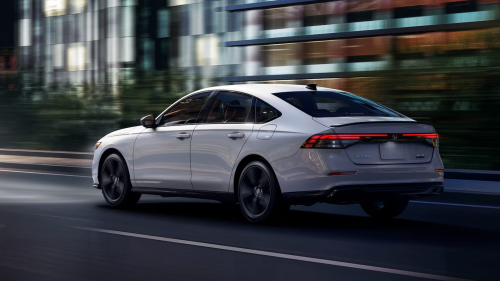
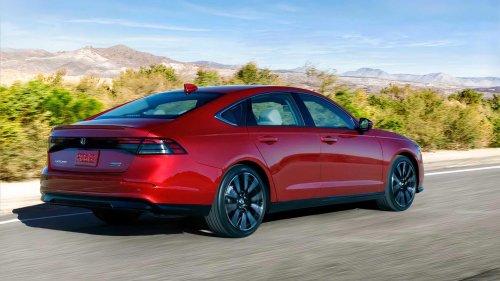
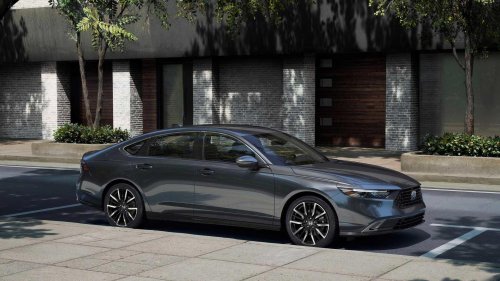
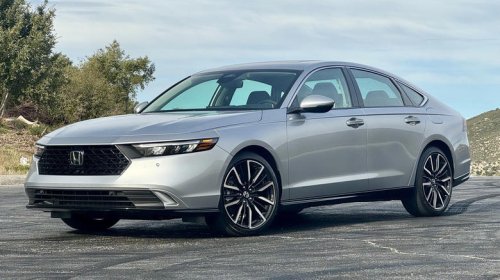
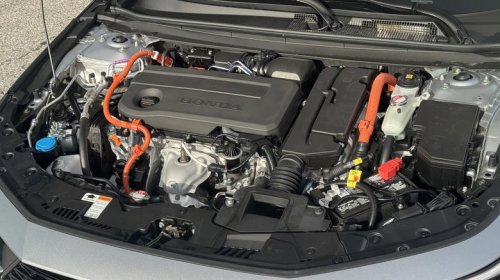
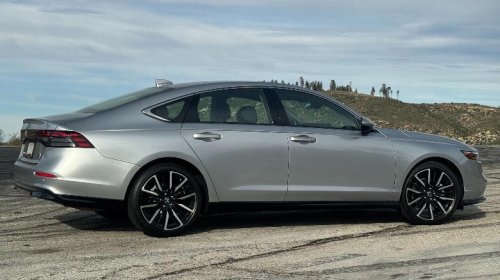
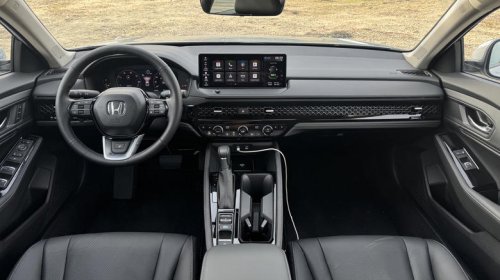
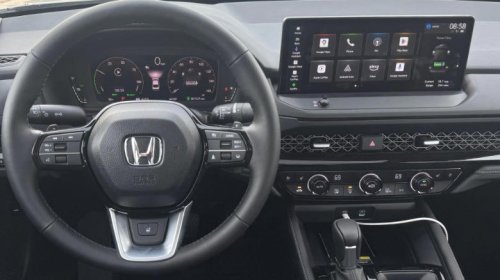
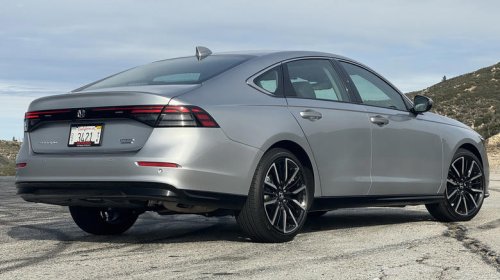
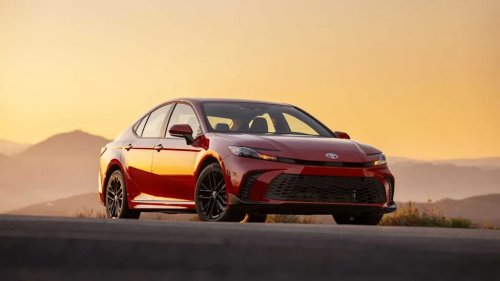
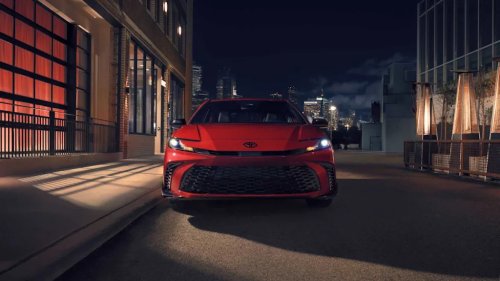
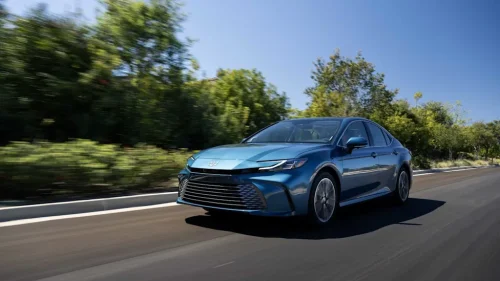
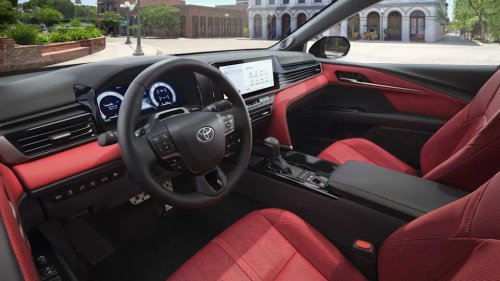
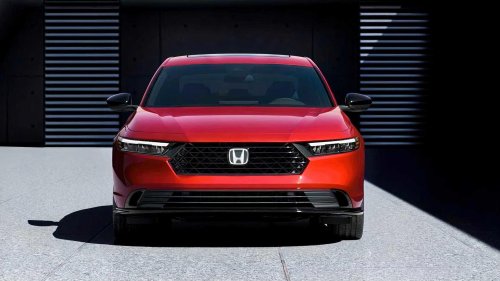
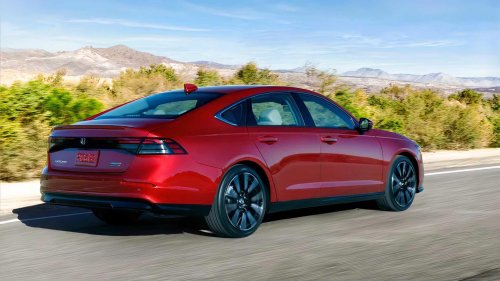
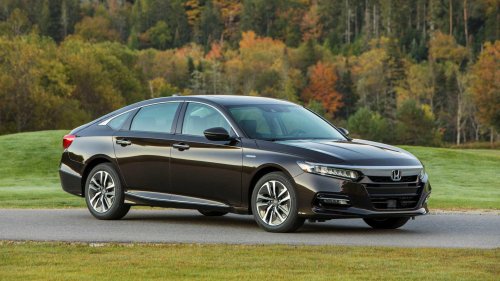
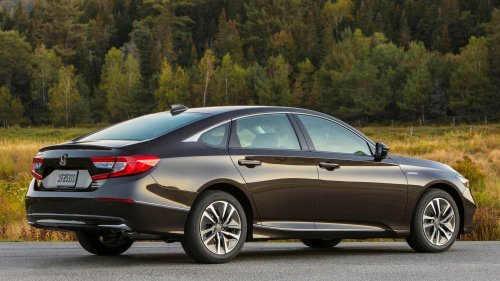
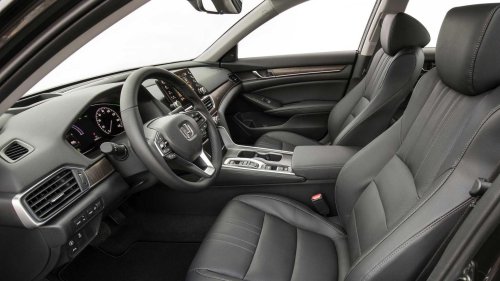
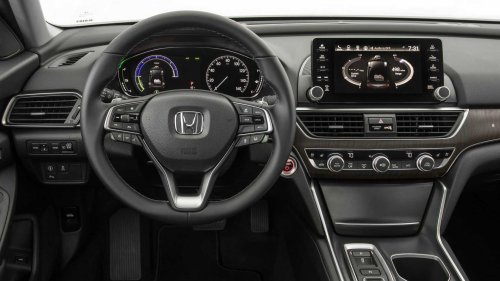
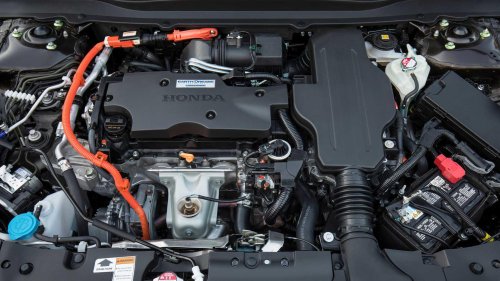
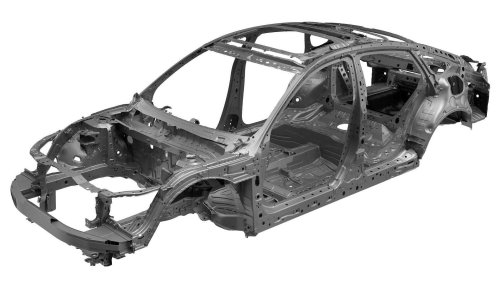
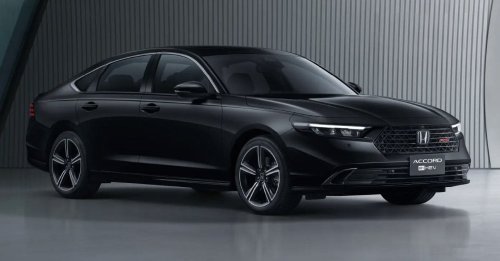
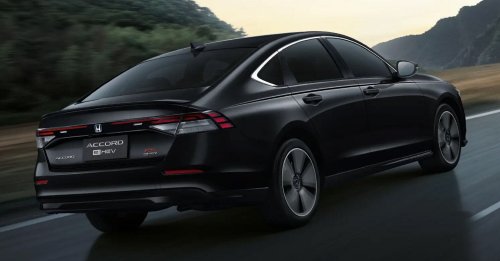
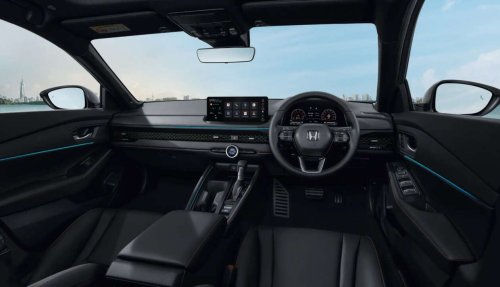
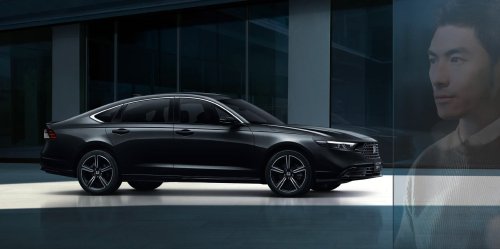
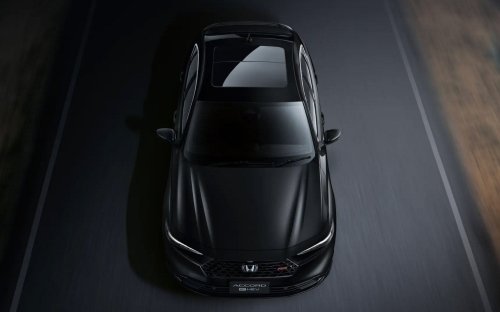
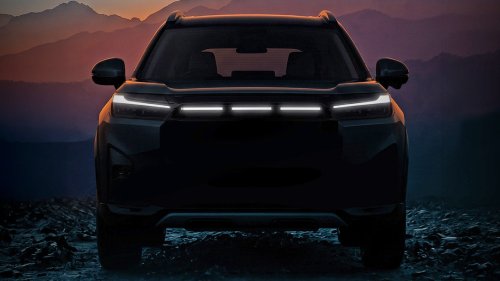
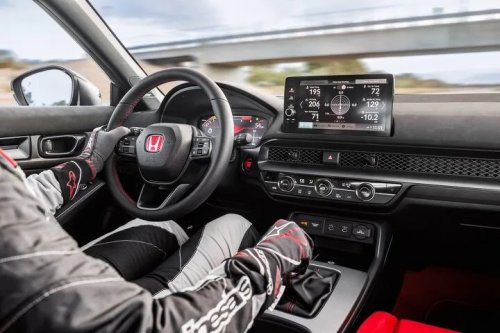
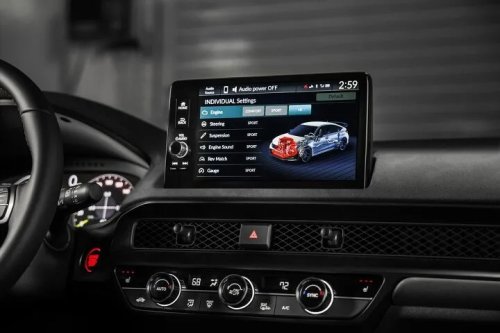
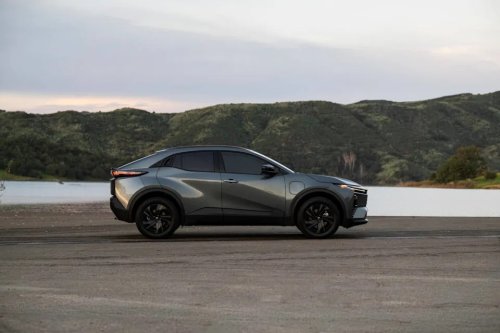
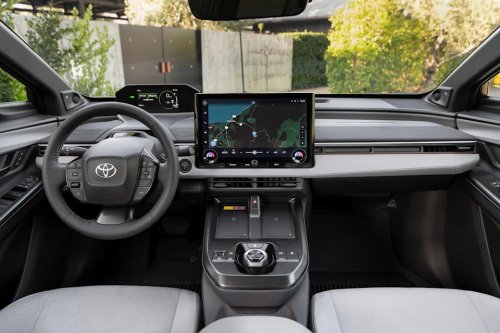
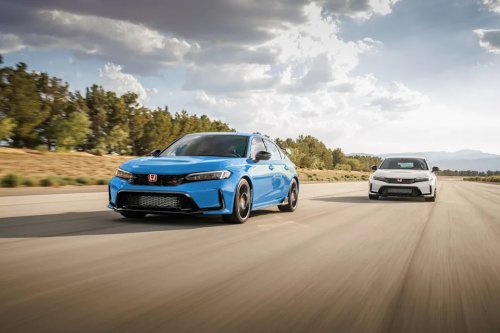
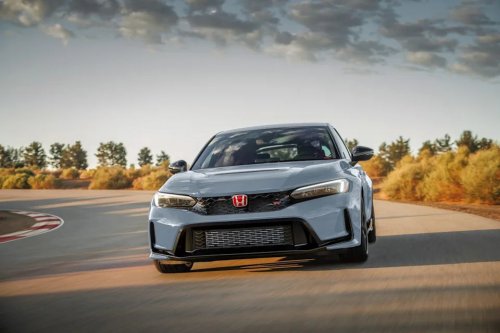
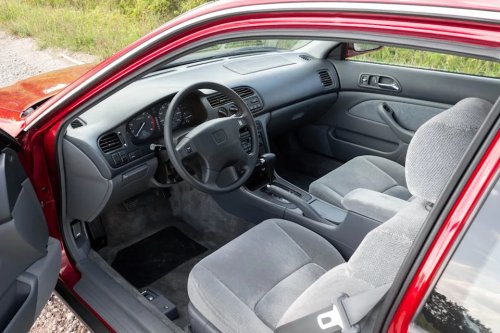
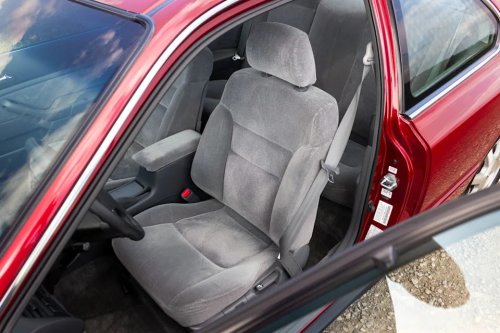
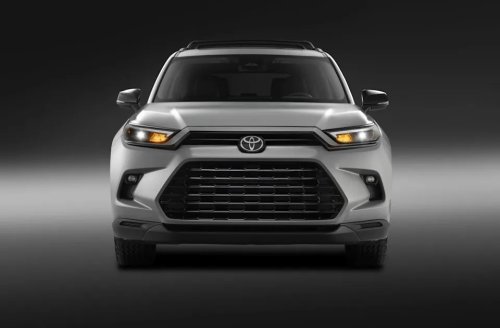
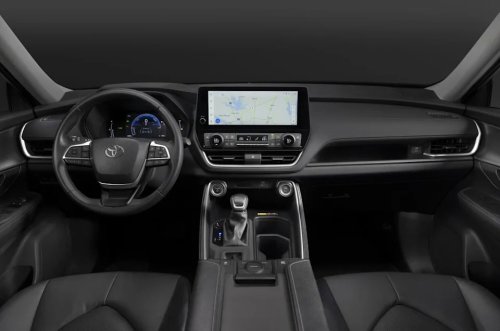
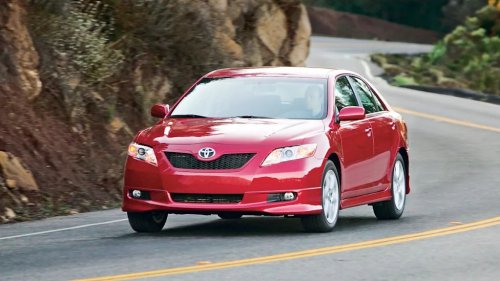
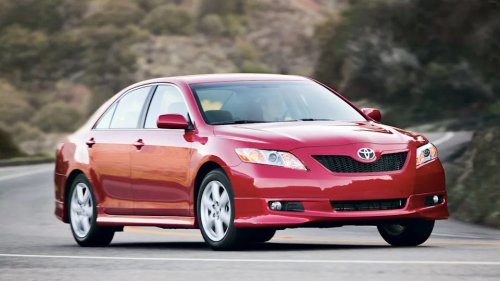
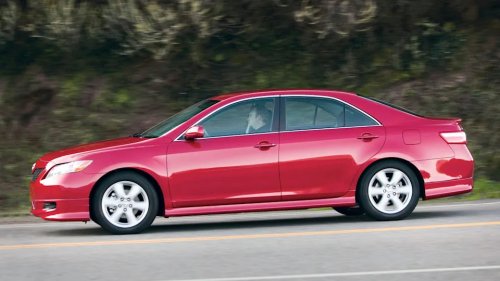
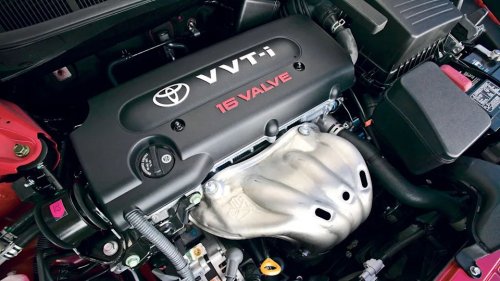
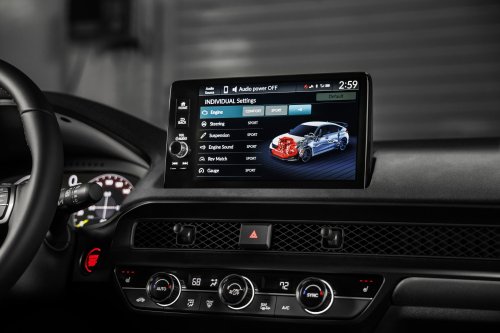
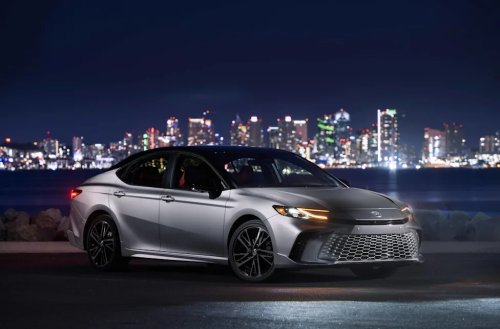
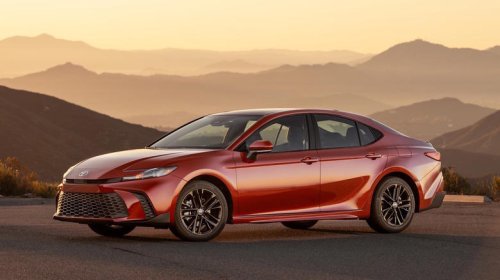
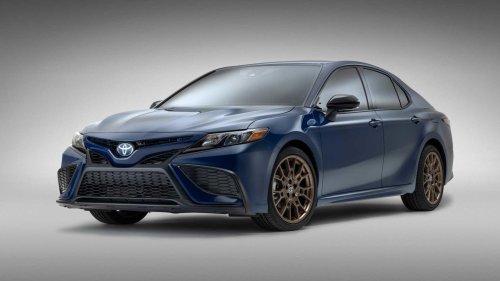
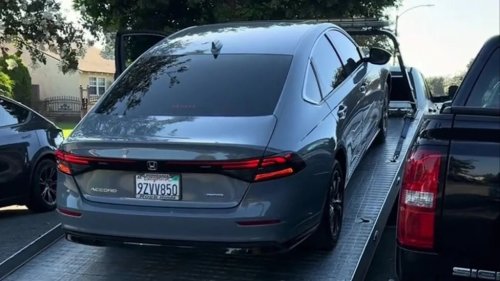
Two fuel-sipping sedans, but only one winnerThe Toyota Camry and Honda Accord have been close rivals for decades, leading all other challengers in the midsize sedan category. If you’re in the minority and not dead-set on an SUV, these sedans offer a competitive mix of practicality, value, and reliability. But with hybrid vehicles increasing in popularity, how do the electrified versions of these sedans compare, especially in terms of economy? The Camry is now hybrid only, while the Accord is available as a hybrid optionally for 2026. Here’s a deep dive into their gas mileage, performance, running costs, and more, so you can decide on the best package for your budget.Powertrain Basics: Two Different Hybrids Before we get into the economy specs, it’s worth understanding what powertrains they use. Here’s an overview of their specifications.The Toyota is more powerful and is the only one of the two to offer the option of all-wheel drive, in which case it gains an extra 7 horsepower. The primary difference between the two cars isn’t horsepower, though, but the way the hybrid systems operate. Toyota uses a parallel hybrid system, whereby both the gas engine and electric motor drive the wheels. Honda’s system can function as a parallel or series hybrid. Most of the time, one of the electric motors in the Honda powers the wheels, with the gas engine connected to the generator to produce electricity. Under certain conditions, the gas engine can also power the wheels, but instead of a traditional transmission, the Accord Hybrid utilizes a Direct Drive Unit, similar to what would be used in an EV.Despite the Accord’s power deficit, it actually posted a quicker 0-60 time in testing by Car and Driver. It managed a 6.7-second sprint, whereas the Camry FWD clocked a seven-second run and the more powerful Camry AWD completed the run in 6.8 seconds. In a real-world drag race, the Camry outsprinted the Accord, though, so it's close.Honda Accord Hybrid Vs. Toyota Camry Hybrid: Gas Mileage Both sedans are remarkably frugal, but the Toyota Camry wins overall. The most efficient FWD Camry has EPA-rated figures of 52/49/51 mpg city/highway/combined. In the Accord, the most efficient trim achieves ratings of 51/44/48 mpg. They’re closely matched in city driving, but the Camry is noticeably more efficient on the highway.With AWD, the Camry LE’s efficiency barely dips to 50/49/50 mpg. The sportiest AWD Camry, the XSE, has the worst efficiency of the bunch, but still gets 43/43/43 mpg. There’s no AWD Accord, but the Sport, Sport-L, and Touring variants are a little less efficient, earning figures of 41/44/46 mpg.The Camry can get up to 650 miles on a full tank and has annual gas costs of as low as $1,150; this figure is based on driving 15,000 miles annually, the current average price of gas, and a mix of city and highway driving. For the Accord, expect a maximum range of 614 miles and annual gas costs of $1,250 for the most efficient derivative.If you’re looking for another ultra-efficient midsize sedan, consider the Hyundai Sonata Hybrid, which gets up to 47/56/51 mpg—it’s more efficient than both the Honda and Toyota in highway driving.Ultimately, the Camry vs Accord Hybrid efficiency battle is won by the newer Toyota.Pricing and Overall Running Costs The Camry is not necessarily a better-value deal just because it’s more efficient. We also need to look at pricing at overall costs for both cars. Here’s what each sedan costs for 2026:2026 Toyota Camry Hybrid2026 Honda Accord HybridBase Price$29,300 (LE)$33,795 (Sport Hybrid)Price For Fully Loaded Model$35,700 (XSE)$39,495 (Touring Hybrid)The Camry once again comes out on top, as it’s significantly cheaper at the bottom and top-end of both models’ respective ranges. You can even add AWD to the Camry XSE and still come in below the price of the Accord Touring Hybrid.According to the latest data from Car Edge, the average cost of owning a Camry over five years works out to $34,297. This figure takes into account depreciation, insurance premiums, maintenance/repairs, loan interest, and fuel costs. For the Accord, the five-year total is $37,216, so it’s a more expensive car to run overall. Note that these figures are not based on hybrid models exclusively, but they do give us an idea of total ownership costs for both sedans.Final Thoughts If you’re planning to buy one of these sedans and want the best bang for your buck, the Camry emerges as the winner. It’s significantly cheaper to buy, more powerful and economical, and has lower total running costs over five years. It also has the bonus of optional AWD. You can, of course, pick up a non-hybrid Accord for a lot less, but that model can’t match the performance and efficiency of the Camry.Once you add in other variables like the driving experience and styling, it comes down to personal preference. But in terms of sheer value for money, the Honda Accord Hybrid is currently beaten by its Toyota rival. If Honda can introduce a cheaper hybrid variant, this would be a much closer contest.