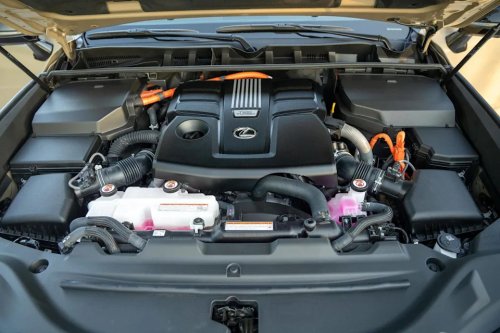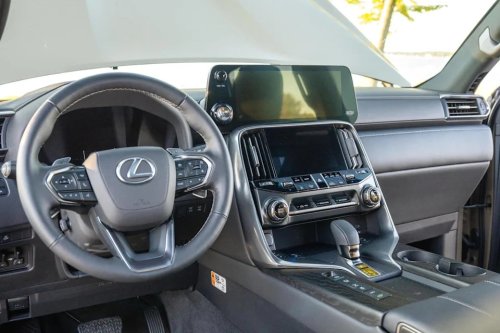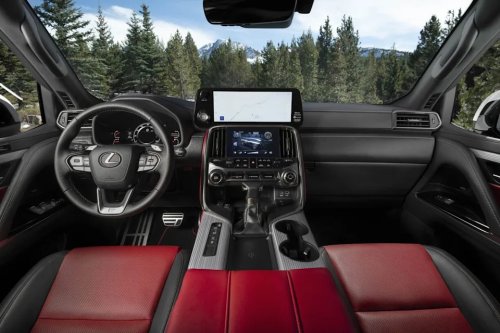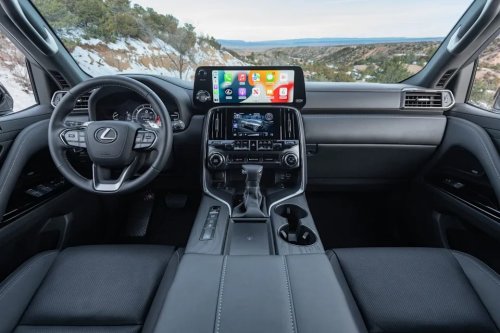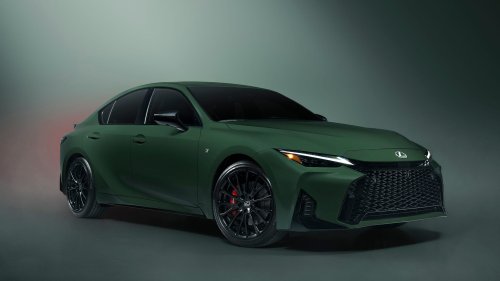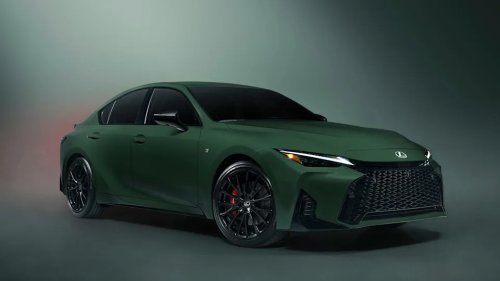
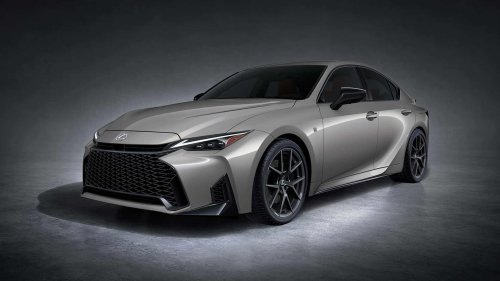
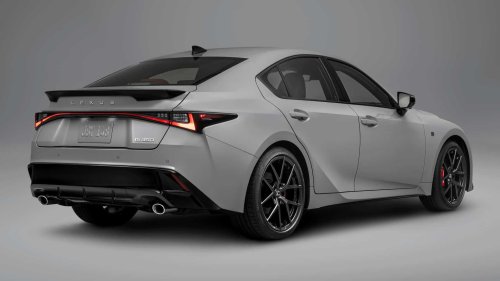
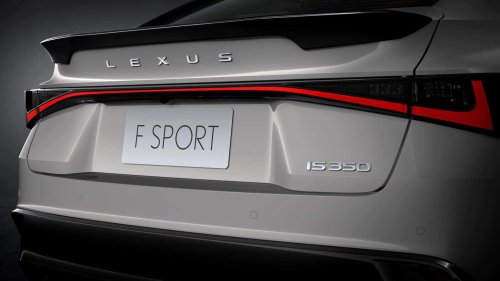
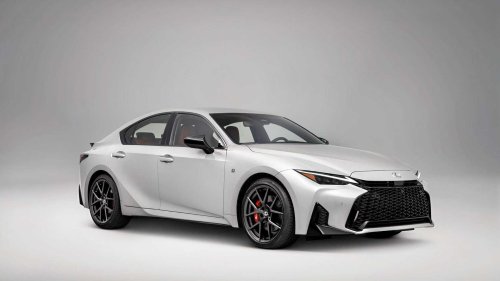
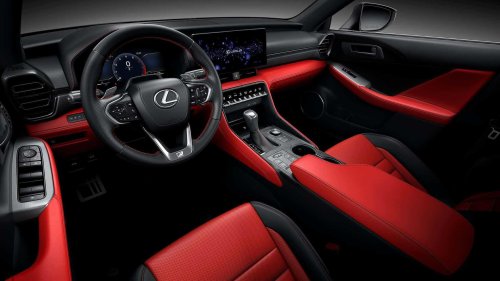
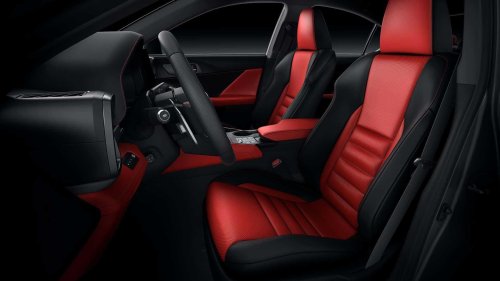



















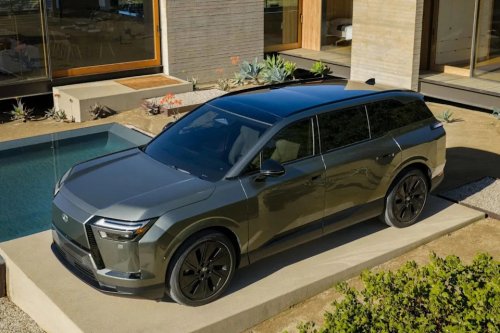
Reliability and mechanical longevity have always been a cornerstone of the American automotive market. Some view cars as a luxury purchase, but most see it as an essential, high-stakes investment required for daily life. Given the widespread geographic scale of the U.S. and the often limited availability of robust public transit, American drivers prioritize dependable transportation that minimizes the risk of unexpected, costly repairs and unpredictable downtime.This demand for reliability is inherently tied to the total cost of ownership. Buyers will typically evaluate vehicles by their initial sticker price, together with their long-term value, resale potential, and repair costs. In an era where vehicle prices have surged, and ownership periods have lengthened, a car’s proven track record of durability serves as a vital safeguard for both the owner’s financial stability and their peace of mind. How Lexus Masters Reliability Lexus Lexus has cultivated its reputation for unrivaled reliability by prioritizing a conservative engineering philosophy that avoids experimental technology in favor of thoroughly vetted, proven platforms. By leveraging the foundational mechanical resilience of its parent company, Toyota, the premium Japanese arm integrates long-tested and durable powertrains into its luxury lineup. Doing so ensures that components have already undergone decades of real-world refinement. This commitment is underpinned by a meticulous manufacturing culture, led by rigorous oversight and attention to detail that ensures every vehicle meets a high-quality standard.Rather than chasing the latest, potentially temperamental trends, Lexus focuses on continuous improvement of its core systems, supported by exhaustive pre-production testing across extreme environments. This systematic, detail-oriented approach creates a level of mechanical predictability and long-term durability that consistently places the brand at the top of industry dependability studies, offering owners the rare combination of premium luxury and immunity to frequent, costly repairs. The Lexus IS Aces Reliability Lexus The 2026 J.D. Power U.S. Vehicle Dependability Study serves as a stark indictment of the automotive industry’s rush toward complexity, with the Lexus IS emerging as the ultimate vindication of a conservative engineering strategy. Industry-wide dependability has hit its lowest point since the study’s 2022 redesign, driven largely by 56.7 problems per 100 vehicles. Infotainment systems and the buggy integration of over-the-air updates are a major reason for this decline. Lexus, however, has secured the top premium brand position for the fourth consecutive year with a score of 151 PP100.This result highlights a widening chasm between the industry’s obsession with tech-heavy innovation and the reality of long-term mechanical predictability. The data reveals that electrification is a significant liability in this regard. PHEVs are the most problematic segment at 281 PP100, followed by EVs at 237 PP100 and hybrids at 213 PP100, all of which substantially trail traditional gas-powered vehicles at 198 PP100. Avoiding excessive technology in favor of a proven, naturally aspirated V-6 engine means that the Lexus IS stands as the quiet counterexample to the modern trend of experimental development. This proves that for luxury buyers who prioritize staying out of the service bay, deliberate restraint is far more valuable than cutting-edge tech hype. Backed By An Impressive Standard Warranty LexusFor reference, J.D. Power gives the 2026 Lexus IS range an 86/100 consumer-verified overall score, consisting of 91/100 for quality and reliability, 81/100 for the driving experience, 84/100 for resale, and 85/100 for the dealership experience. iSeeCars backs its reliability with an 8.9/10 score, highlighting an average lifespan of 16.9 years or 182,397 miles with a 39.5 percent probability of hitting 200,000 miles without experiencing any noteworthy problems.The 2026 Lexus IS 350 follows a maintenance schedule centered on 5,000-mile or six-month intervals. As part of the LexusCare program, your first two scheduled visits are complimentary. Minor services every 5,000 miles include tire rotations and multipoint inspections, while major services occur every 10,000 miles to replace the synthetic oil and filter.Significant milestones include the 30,000-mile service, which requires replacing the brake fluid and engine air filter, and the 60,000-mile service, where spark plugs are replaced, and the transmission fluid is inspected. While the 2026 model has no active recalls, the IS 350 has a stellar recent record. The most notable recall in the last five years affected certain 2021 models because of a potential fuel pump failure that could cause engine stalling, though this was largely a carry-over from a massive industry-wide Toyota recall that has since been resolved in newer production units. The Heart Of The IS's Reliable Reputation Lexus The 2026 Lexus IS 350 features the brand's longstanding naturally aspirated 3.5-liter V-6, producing 311 horsepower and 280 pound-feet of torque. You can opt for the standard rear-wheel drive system with an eight-speed automatic transmission or upgrade to the all-wheel drive configuration, with a six-speed automatic. With all-wheel drive applied, expect to cover a 0 to 60 MPH acceleration run in 5.6 seconds before hitting a limited 143 MPH top speed.According to the EPA, the 2026 Lexus IS 350 all-wheel drive model achieves an estimated 19/26/22 MPG on the city/highway/combined cycle, covering 382 miles on a single 17.4-gallon tank. Over the course of five years, you can expect to spend about $4,500 more on fuel compared to the average new vehicle, with an annual refueling cost of roughly $3,150 and a cost of $5.25 to drive 25 miles.The rear-wheel drive system provides a slight bump in efficiency, returning an estimated 20/28/23 MPG, and can cover 400 miles on a full tank. Choosing this drivetrain reduces your estimated five-year fuel premium to $4,000, with an annual cost of $2,950 and a cost of $4.92 to drive 25 miles. Keeping Things Simple But Emotive LexusToyota's 2GR-FKS engine remains a benchmark for naturally aspirated efficiency and smoothness, despite being one of the oldest engine options in the compact luxury sedan segment. The design consists of an aluminum block and heads that optimize heat dissipation and reduce front-end weight for sharper handling. The engine block is engineered for durability and refinement, utilizing a rigid dual-overhead cam valvetrain and a cooling system designed to maintain peak performance under spirited driving.The engine also benefits from high-strength components, including forged connecting rods and a cast-iron lined block. These components manage thermal loads effectively without the complexity of forced induction. The D-4S dual-fuel injection system is a centerpiece of this engine. It combines direct and port injection for complete combustion, while improving fuel economy and eliminating the carbon buildup issues common in direct-injection-only rivals. Furthermore, Toyota's Dual Variable Valve Timing-intelligent Wide allows the engine to switch between Otto and Atkinson combustion cycles, optimizing airflow across the entire rev range for both low-end torque and high-end power. A Comprehensive And Trusty Cabin Experience Lexus While the platform is older than those used by many current models, the 2026 Lexus IS 350 features a modernized interior focused on driver ergonomics and high-tech connectivity. Standard across all trims is the upgraded Lexus Interface, which includes a 12.3-inch touchscreen paired with a matching 12.3-inch digital instrument cluster.This system includes wireless Apple CarPlay and Android Auto, four USB-C ports, and a standard 10-speaker Lexus Premium Sound system. For comfort, every IS 350 includes NuLuxe synthetic leather upholstery, dual-zone automatic climate control, and a power tilt-and-telescopic steering wheel. The base F Sport Design trim, priced at $46,795, adds heated front seats and a newly standard wireless charging pad, while the F Sport trim benefits from ventilated front seats, a heated steering wheel, and aluminum sport pedals. This costs $49,245.Lexus For those looking to enhance the sedan's luxury or performance, several optional extras and packages are available. The Technology Package adds advanced driver aids like Traffic Jam Assist and a Panoramic View Monitor, while the F Sport Handling Package focuses on the drive with an adaptive variable suspension and a Torsen limited-slip rear differential.If you are an audiophile, we'd suggest upgrading to the premium 17-speaker, 1,800-watt Mark Levinson Surround Sound system for a studio-quality listening experience. Additionally, the limited Special Appearance Package offers exclusive aesthetic and functional upgrades, including Hakugin Matte White paint, 19-inch BBS forged alloy wheels, and Triple-Beam LED headlamps, alongside the high-end Mark Levinson audio as standard for that specific configuration. This costs $61,385. All-wheel drive is a $1,610 option, while all models are sold with a $1,295 destination fee.