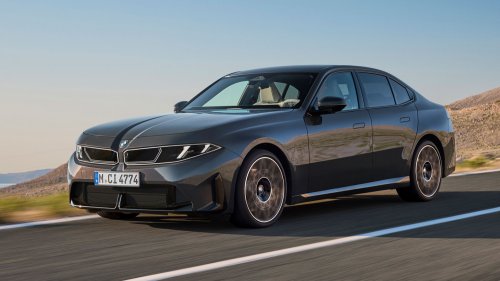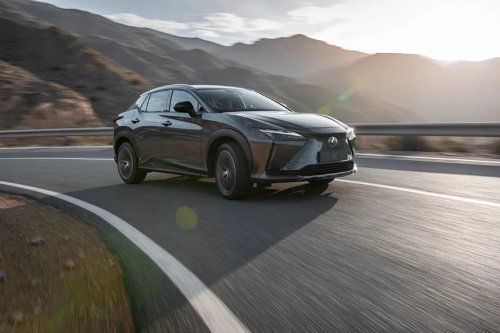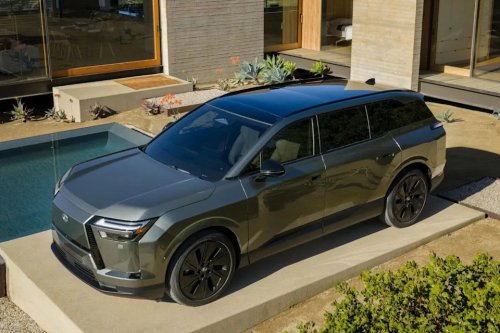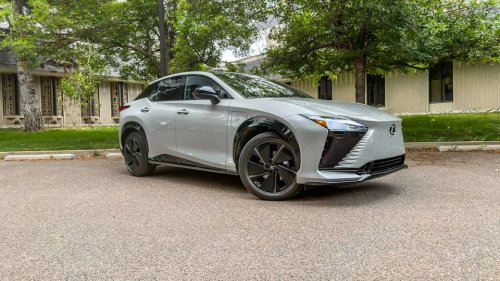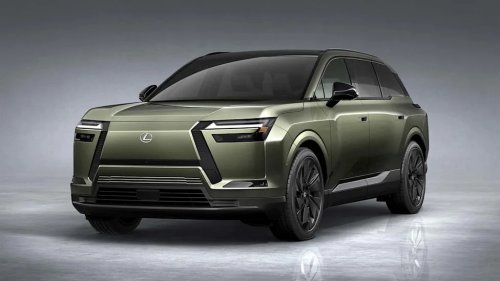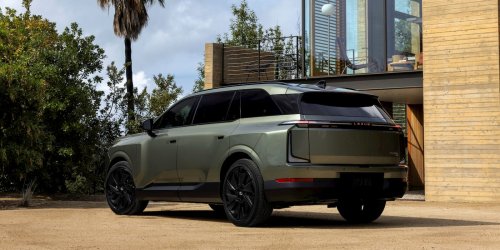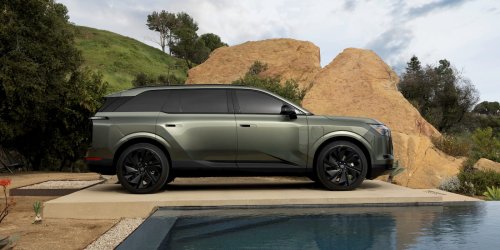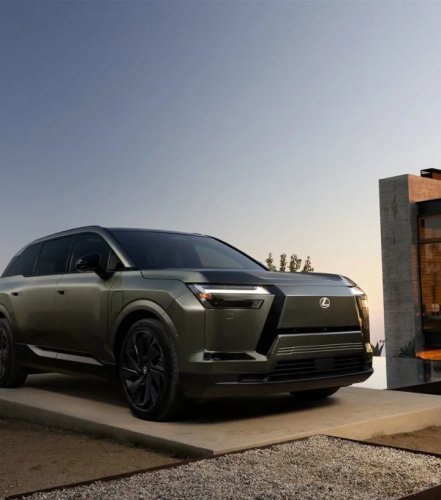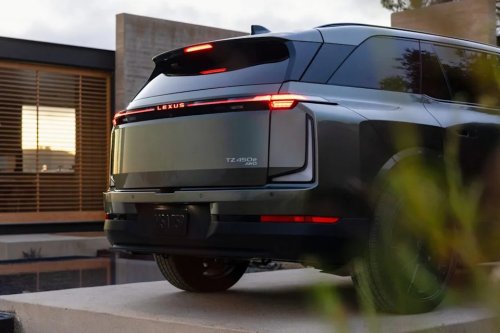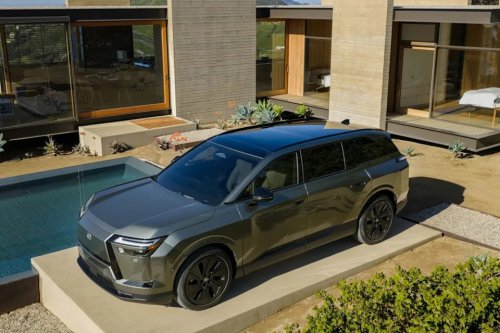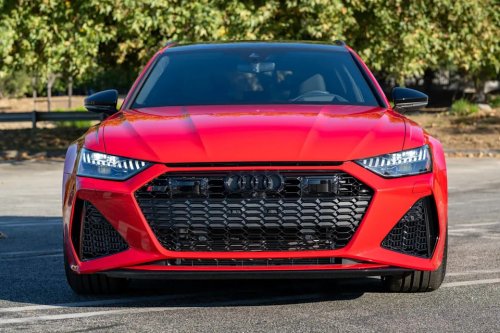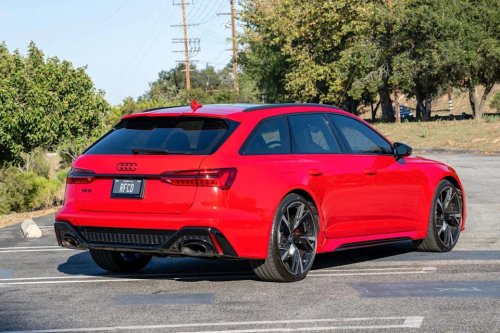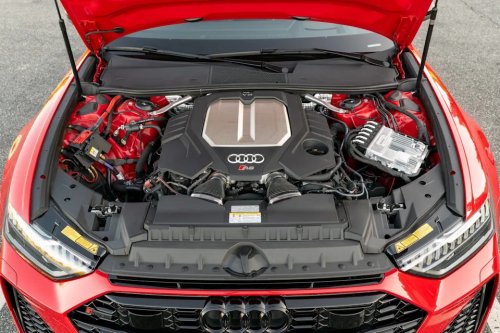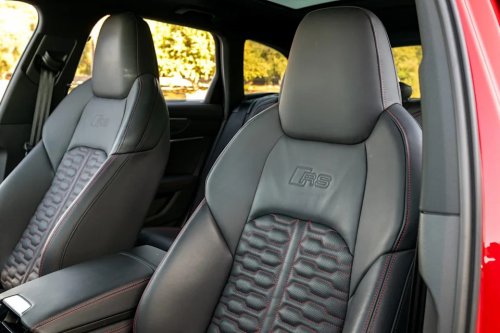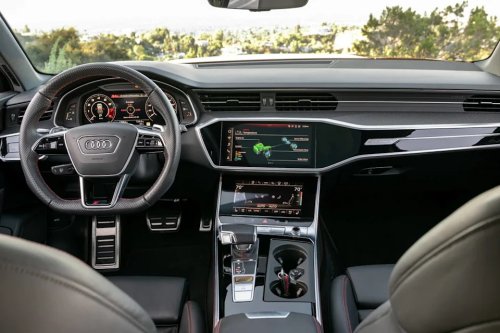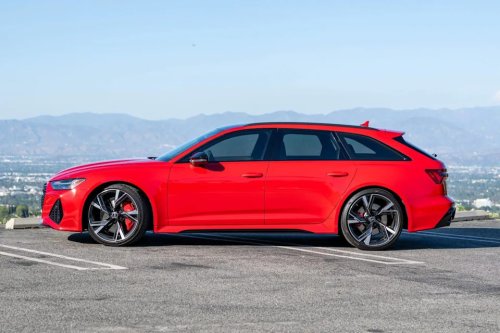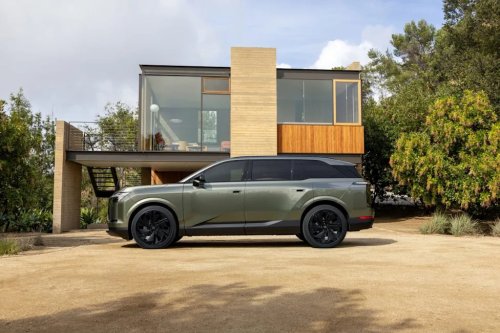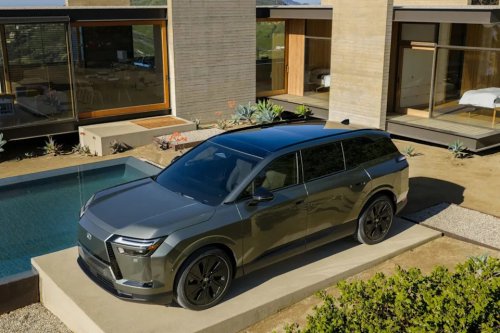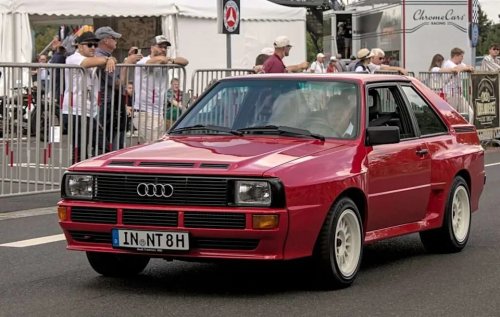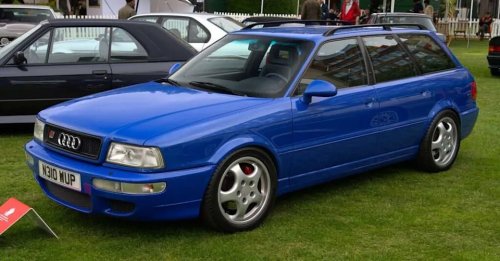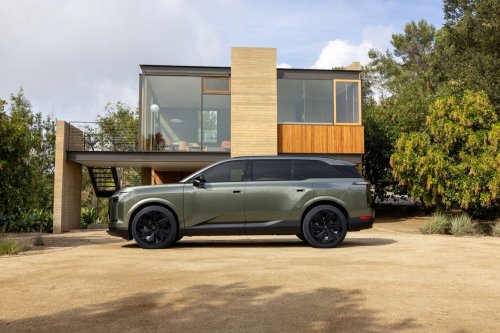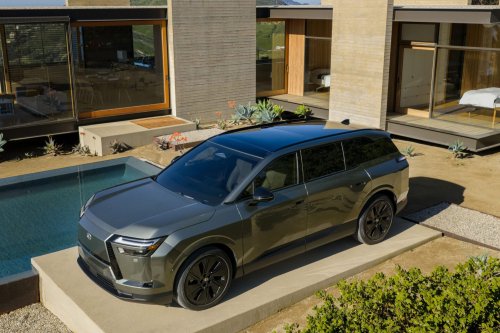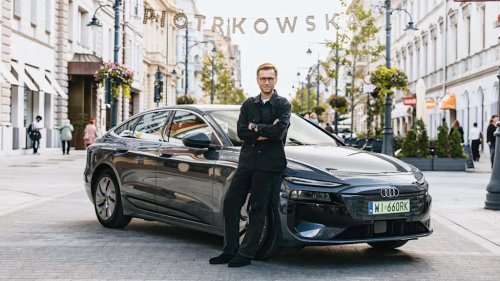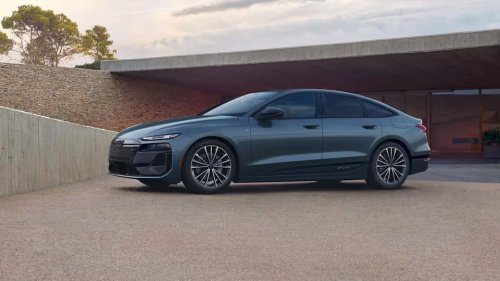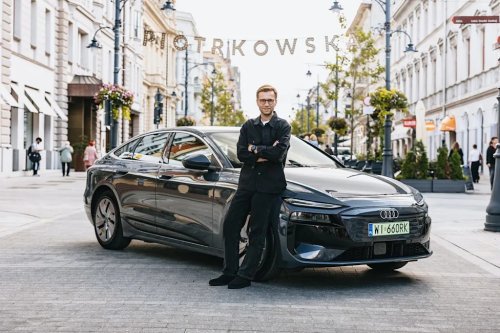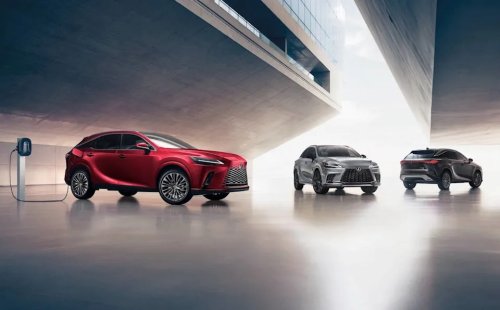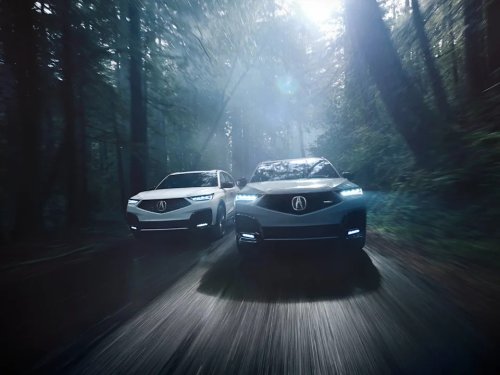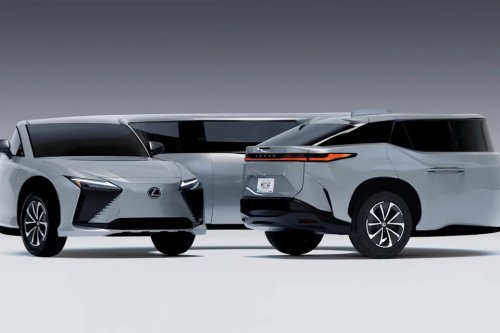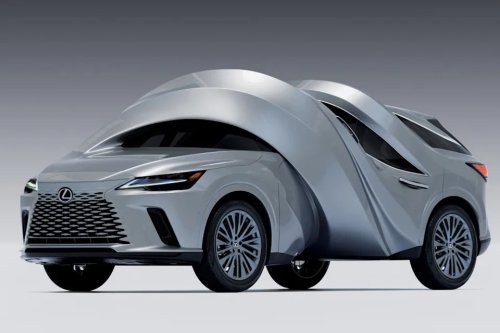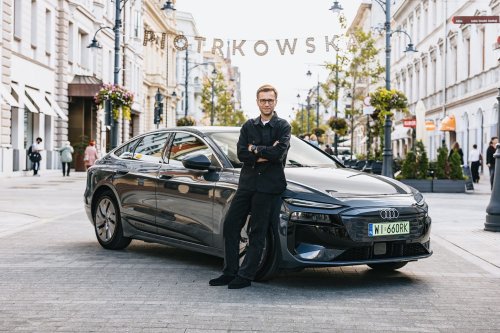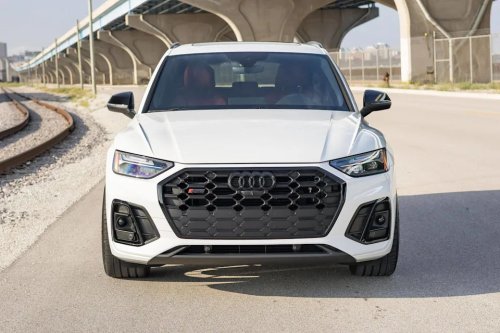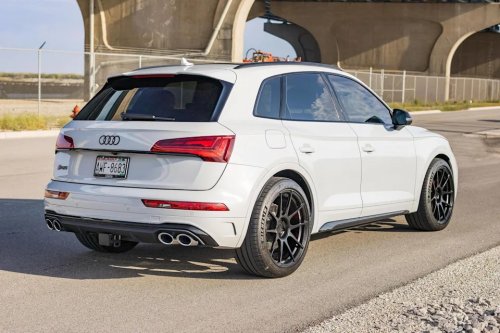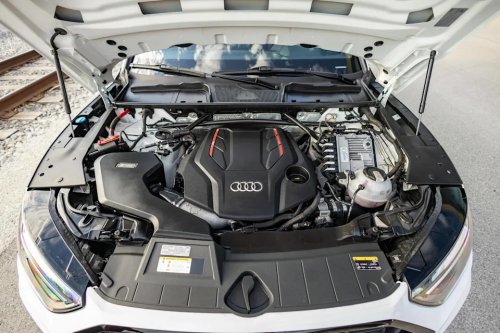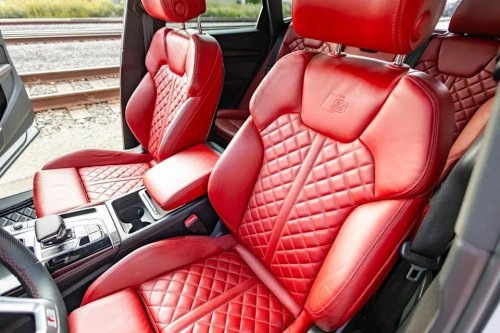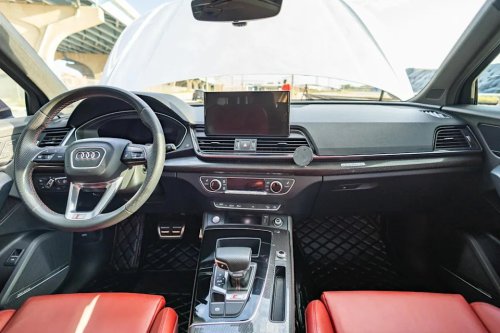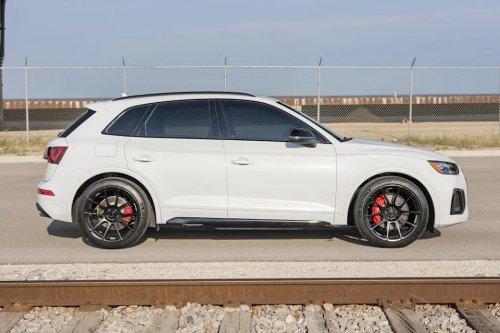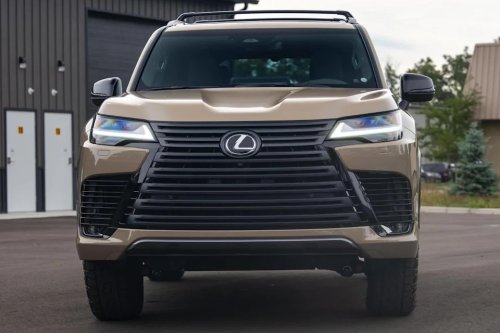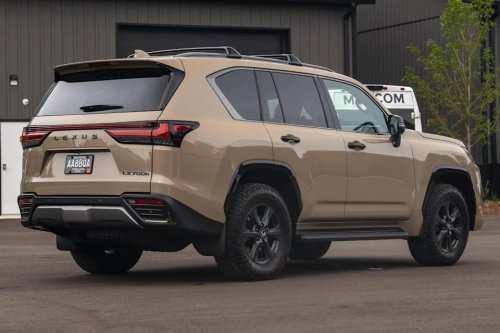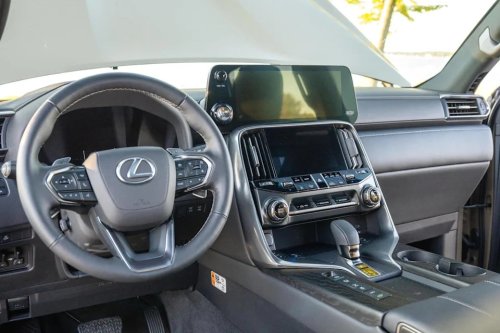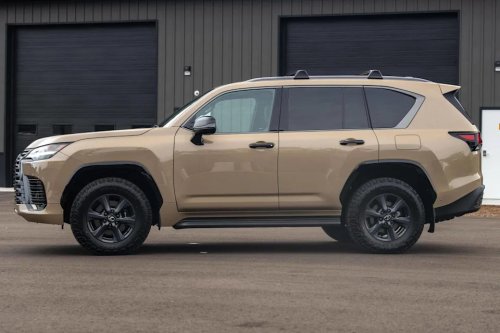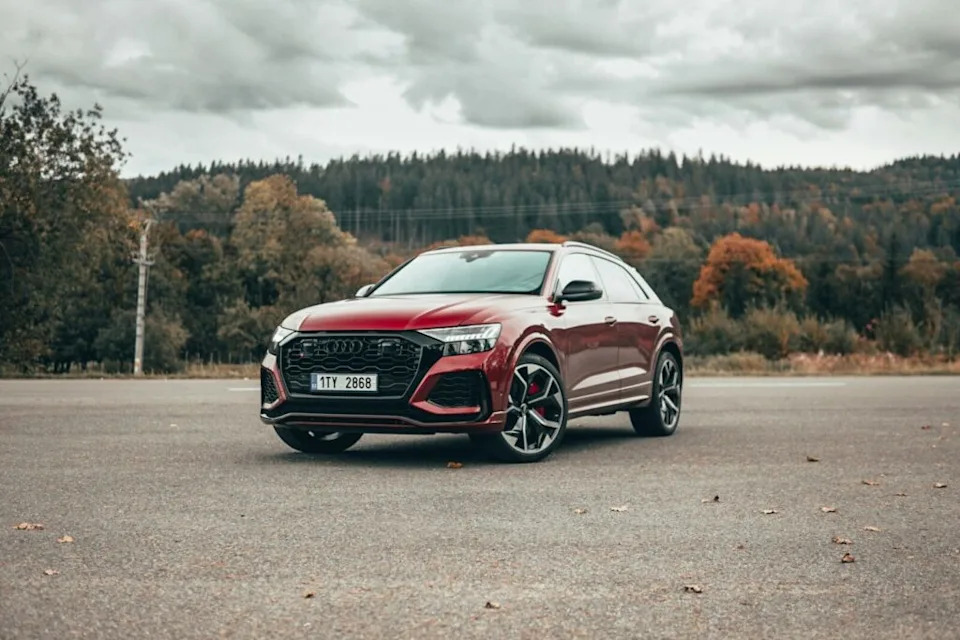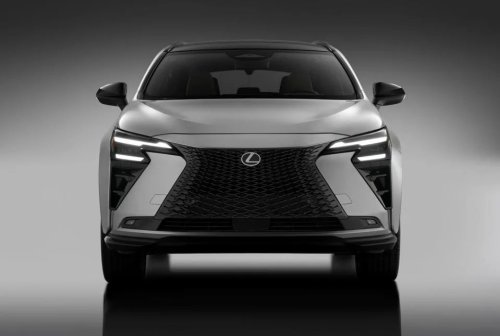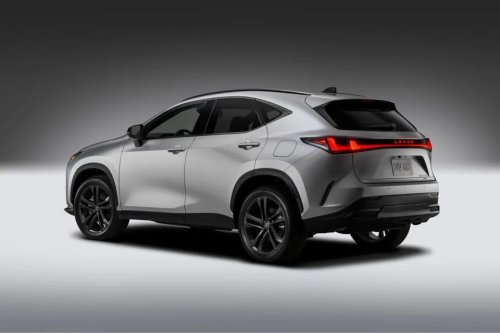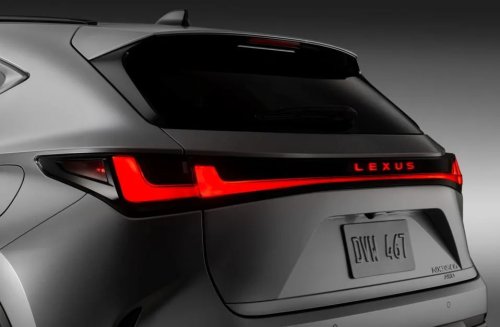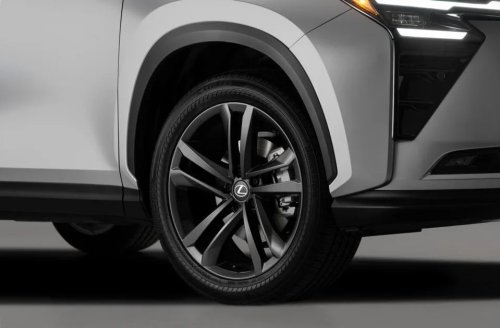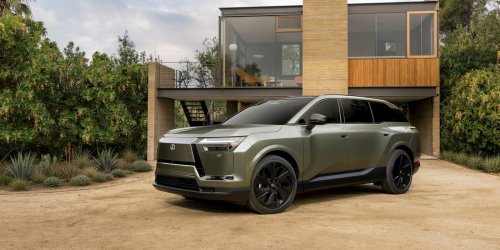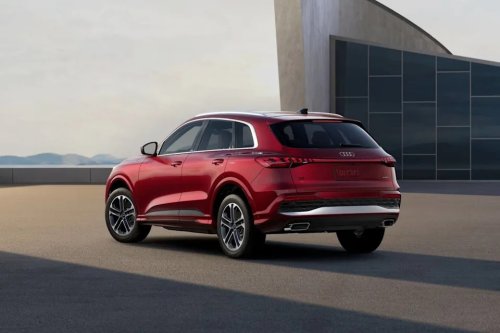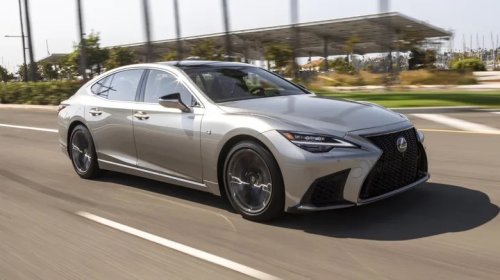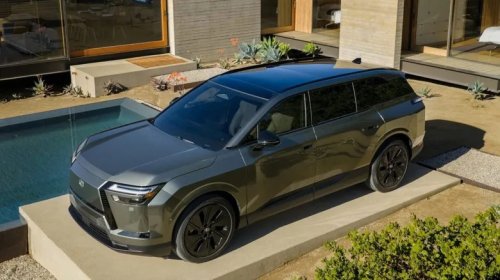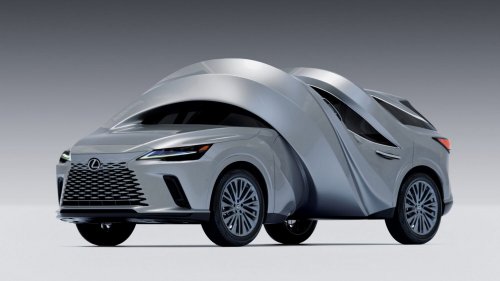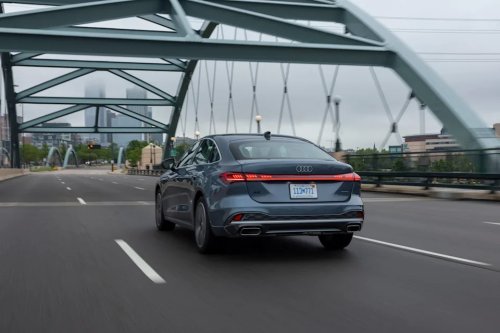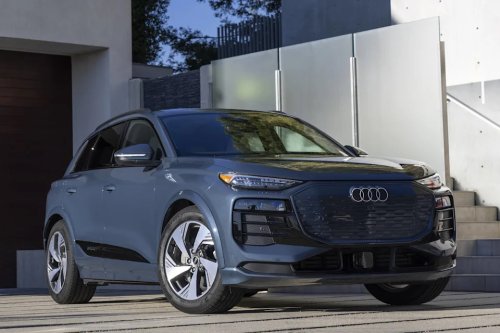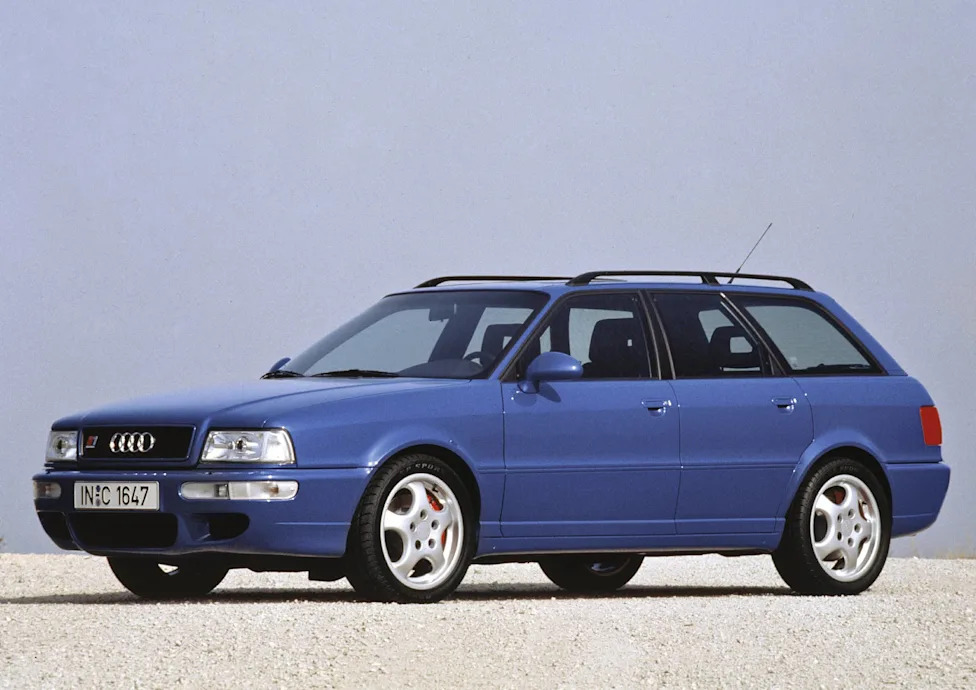
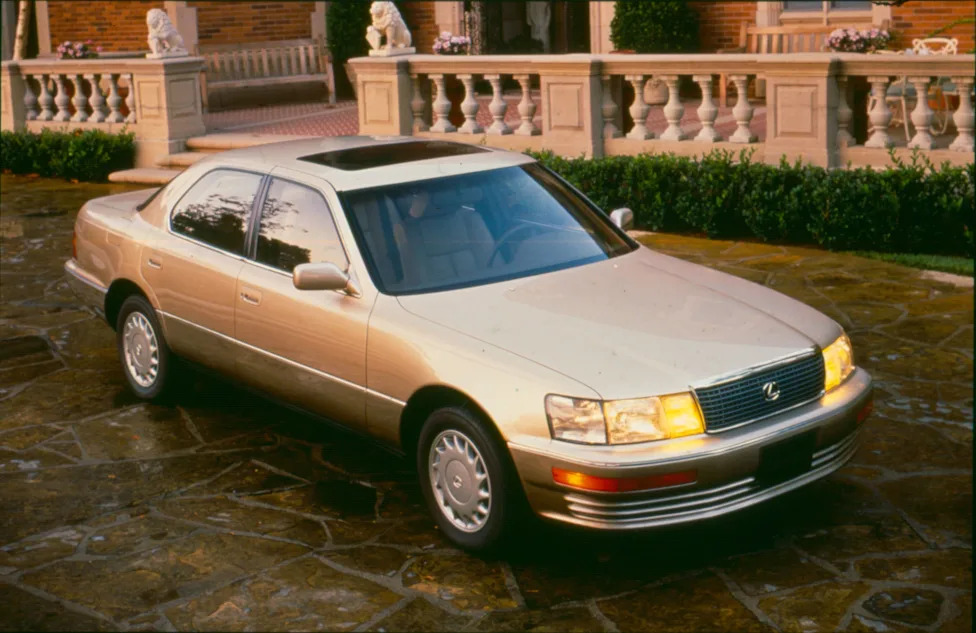
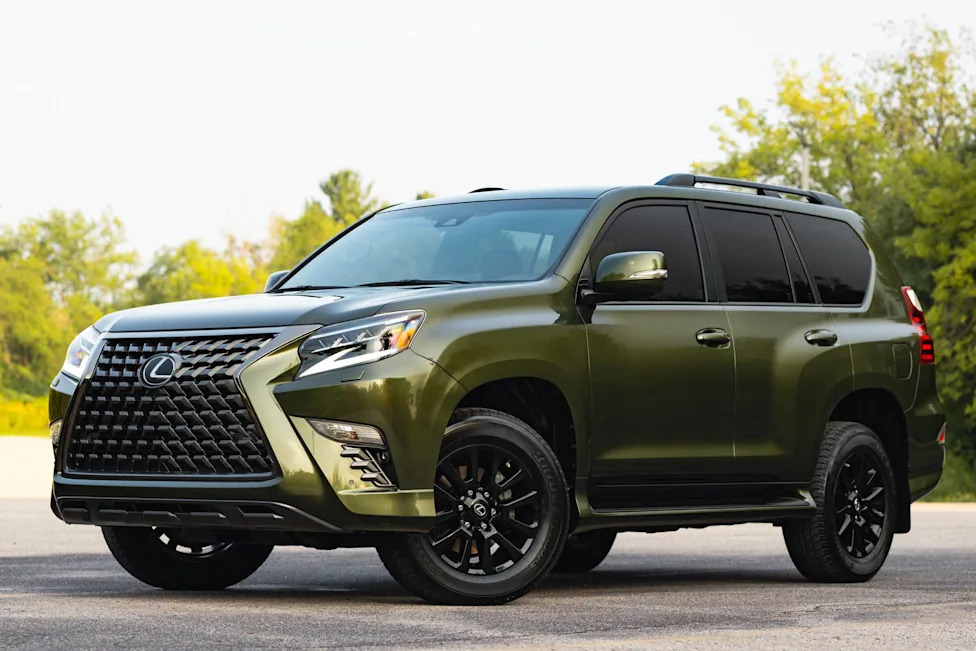



















Autoblog and Yahoo may earn commission from links in this article.The premium auto segment can be very lucrative thanks to its high margins, and the halo effect these cars have on the rest of the range. That's why it's one of the toughest to get into. Image, history and badge recognition are essential, and this makes it particularly tough for new or unknown players to enter the market.Even though they have been around for decades, Audi and Lexus are both relative newcomers compared to established marques like Cadillac, Mercedes-Benz and BMW, and the path each company took to break into the luxury market couldn't be more different. One emerged from an amalgamation of different brands to become the luxury flag-bearer, while the other was developed specifically to take on the world's best automakers at their own game.AudiView the 3 images of this gallery on the original articleAdvertisementAdvertisementAudi's roots trace back to Auto Union, formed in 1932 by four merging German brands (symbolized by its iconic four rings). The modern Audi brand re-emerged in 1965 under Volkswagen ownership with the launch of the F103 series—cars based heavily on a DKW design but updated with four-stroke engines. Audi's ties to VW models have been strong for decades, with many of its early cars being not much more than rebadged Volkswagens with slightly more upmarket interiors.Then, in 1980, Audi launched the Quattro coupe. Combining turbocharging with all-wheel drive gave it the traction and power to take on some of the sportiest models from BMW, Mercedes and even Porsche. Audi's dominance of the World Rally Championships in the early '80s revolutionized the sport and proved that all-wheel drive could be just as game-changing in high-performance cars as it was for off-road vehicles. Key Audi models over the years have included the RS2 Avant, a turbocharged AWD wagon that got some developmental assistance from Porsche, and the mid-engined R8 supercar that was built alongside the Lamborghini Gallardo and Huracan for decades.In a modern context, Audi has positioned itself as a tech-forward company, pushing its "Vorsprung durch Technik" philosophy, which translates into Progress through Technology. Its products have crisp minimalist designs, combined with strong performance from a range of turbocharged engines, powered mostly by a range of all-wheel drive drivetrains. Its main competitors are BMW and Mercedes-Benz, and it fits in-between these two, combining some of the former's sporting pedigree with the latter's luxurious positioning.LexusLexusView the 3 images of this gallery on the original articleAdvertisementAdvertisementLexus is Toyota's luxury marque and arrived on the scene in 1989 in the form of the now iconic LS400 sedan. This model was engineered to take on the very best large luxury sedans from BMW, and particularly Mercedes-Benz, and it came at a time when both these established marques had been resting on their laurels instead of developing innovative new products.The LS400 was quieter, smoother and more advanced than its direct rivals, and at a significant saving. Like the Audi Quattro did in the early 1980s, the LS400 forced the industry to step up its game to compete. Not only did luxury vehicles have to be powerful, quick and high-tech, they now had to be reliable and competitively priced, too.Lexus stole a fair segment of the luxury car market by sticking to its original ideals and continued to introduce new luxury sedans and eventually SUVs that undercut direct rivals while still matching them for luxury, and tech. In terms of build quality and reliability it is arguably still ahead of the curve.While there have been sporty models like the V8 IS 500, even these have been more refined and less overtly track-focused than their rivals. And, aside from limited-volume models like the carbon-fiber bodied V10 LFA supercar, Lexus has focused on developing ultra-luxurious variants of Toyota's model range, while still delivering good value and that impeccable reliability and build quality that the original LS400 stood for.Audi Vs LexusBring a TrailerView the 2 images of this gallery on the original articleAdvertisementAdvertisementWhile both brands occasionally develop halo vehicles that push performance and technological boundaries, they target fundamentally different drivers. Audi attracts buyers who value cutting-edge cabin tech, modern European styling, and dynamic all-weather traction. Lexus appeals to those who prioritize long-term dependability, comfort, and a more laid-back driving feel over outright on-the-limit performance ability.Lexus models benefit from Toyota's legendary durability, giving owners class-leading reliability and lower maintenance headaches in a luxury package. Although some models have at times been a bit too closely related to their less fancy Toyota stablemates to justify the higher pricing.Meanwhile, Audi benefits from the massive scale of the Volkswagen Group. Entry-level Audis share underlying platforms and clever interior tech with high volume VW cars, while high-end models borrow chassis components, engines, and tech from corporate siblings like Porsche and Lamborghini.This can make some lower-spec models seem a bit pricey compared to ground-up luxury offerings from rivals. But, it also works the other way, where models like the Audi R8, Q8 and electric e-tron GT seem like bargains compared to the mechanically similar Porsche or Lamborghini models.AdvertisementAdvertisementIn terms of the core luxury car market, many Lexus and Audi models compete in similar segments, but they cater to different customer needs, and this allows them to co-exist in a very competitive marketplace that has seen other upstart luxury brands struggle to break into.It has taken decades for these two nameplates to become accepted amongst their peers, and ensuring that each successive model retains the values that customers have become accustomed to is key to staying in this exclusive club.This story was originally published by Autoblog on Aug 20, 2026, where it first appeared in the Features section. Add Autoblog as a Preferred Source by clicking here.