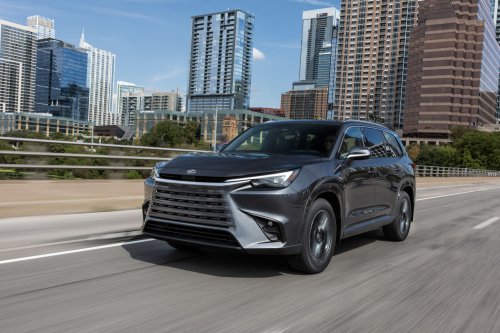
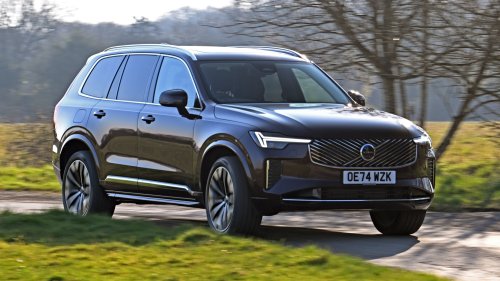
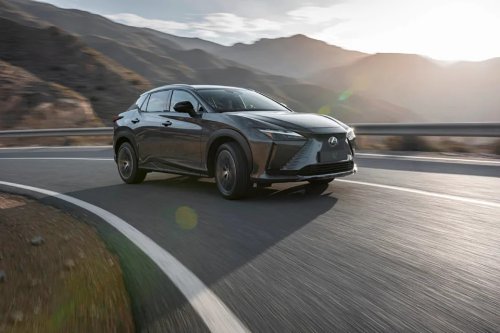
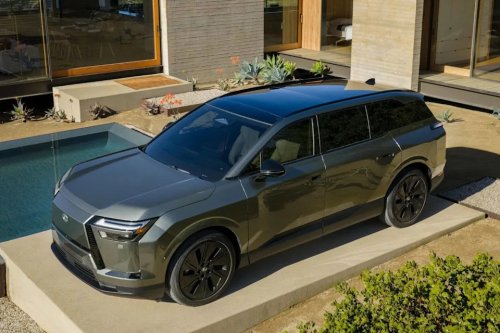
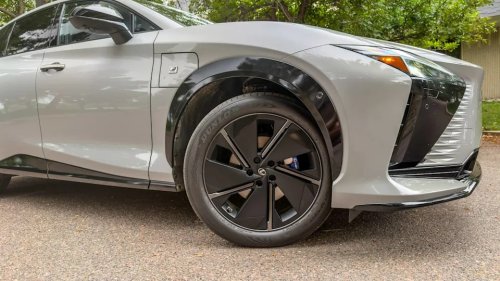
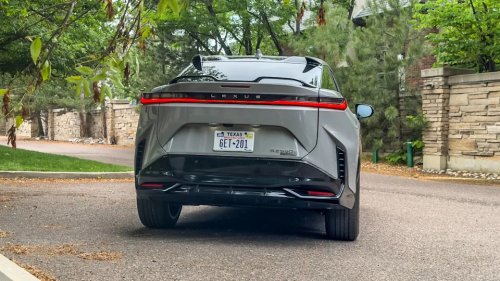
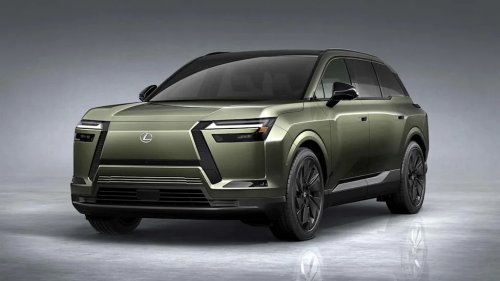
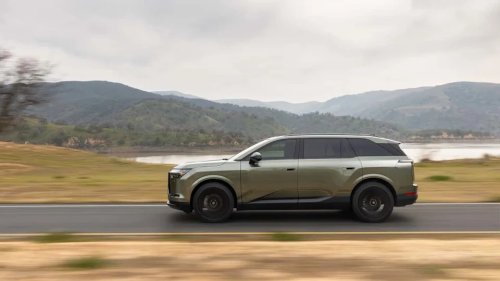
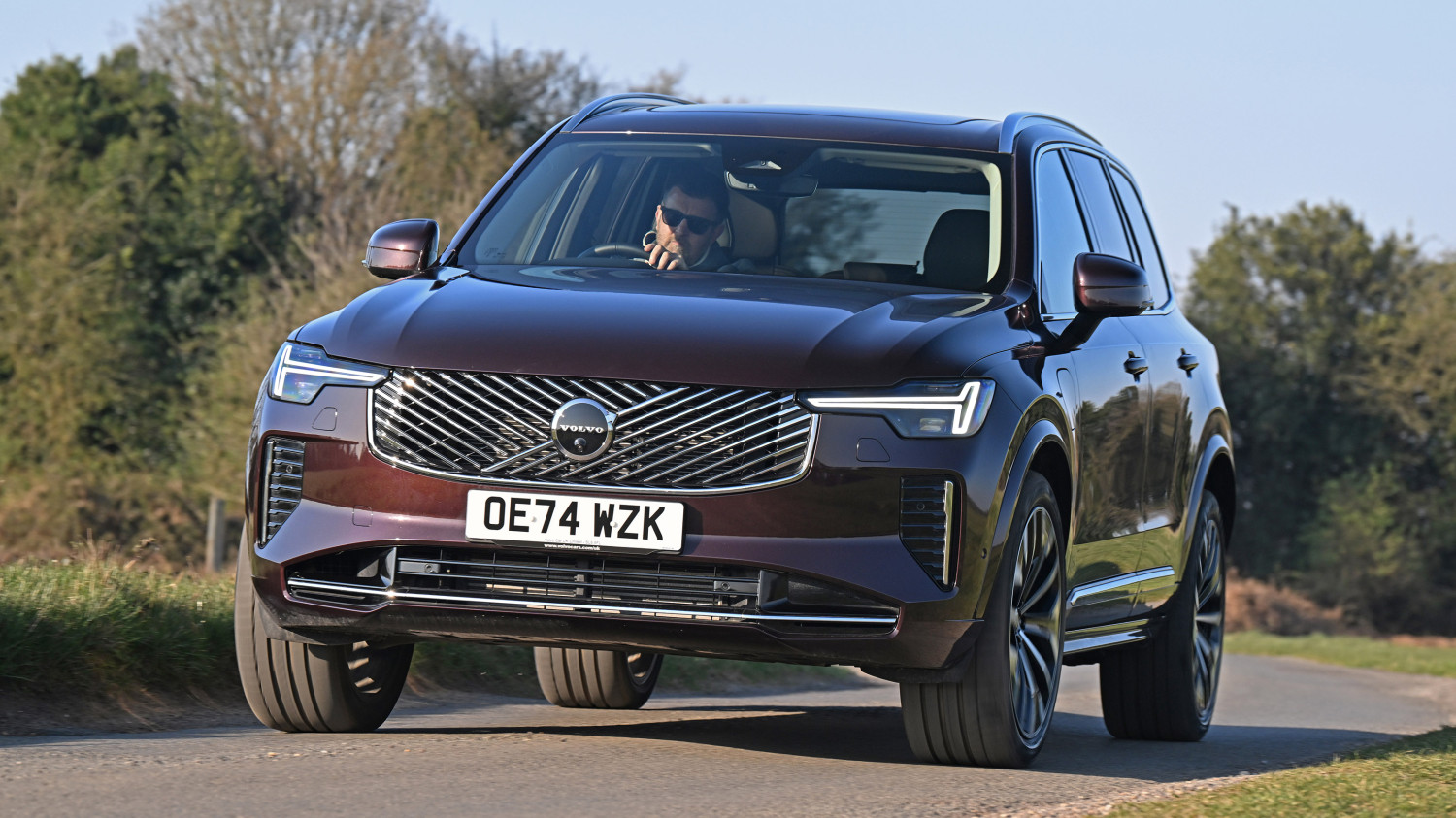
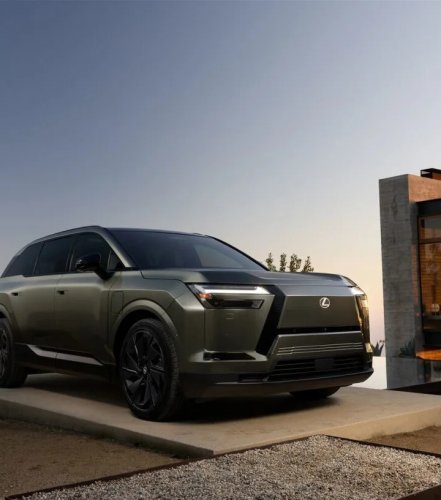
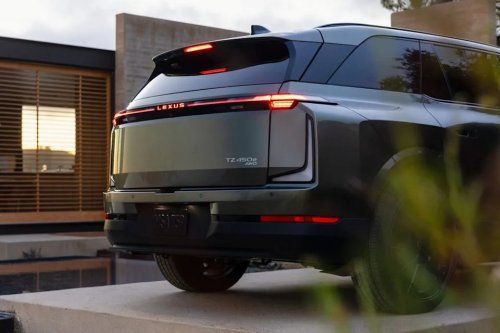
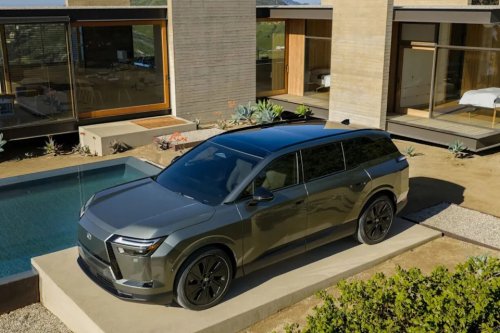
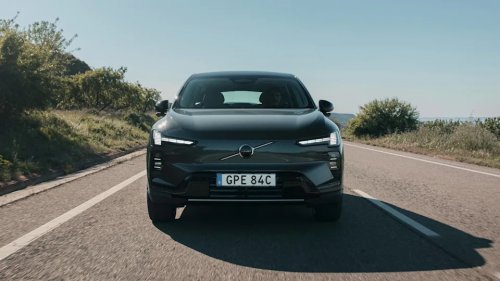
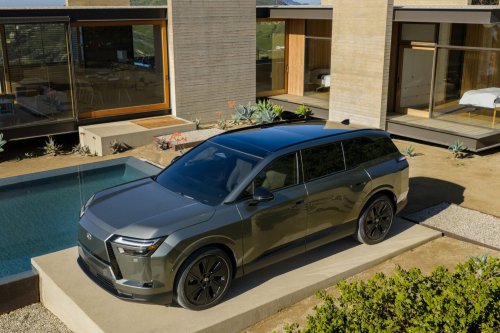
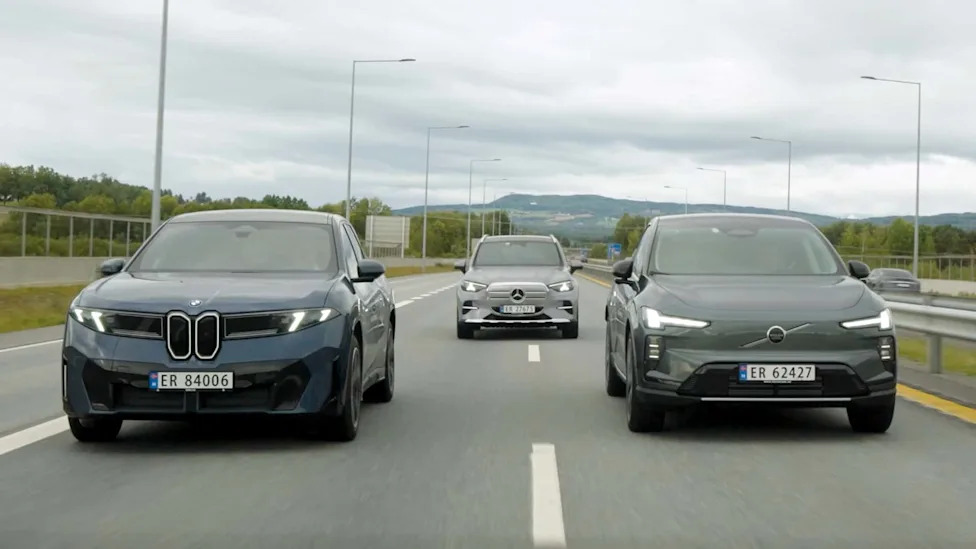
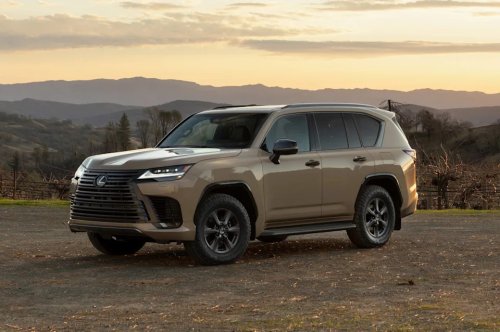
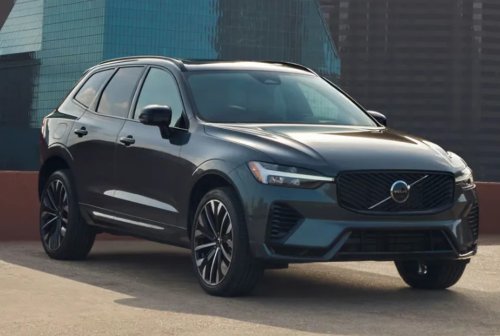
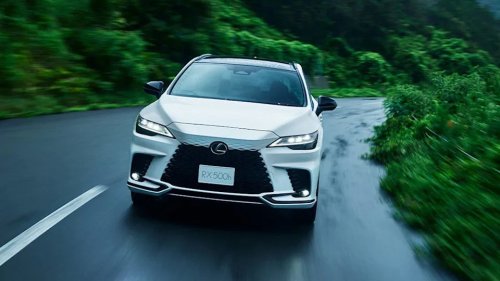
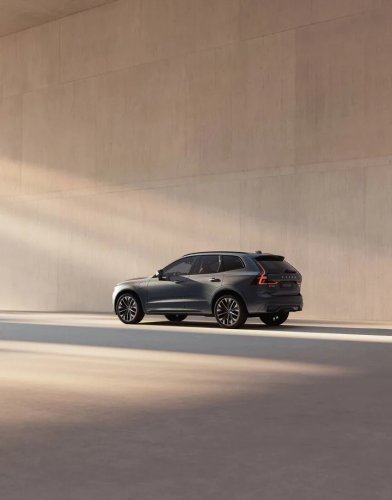
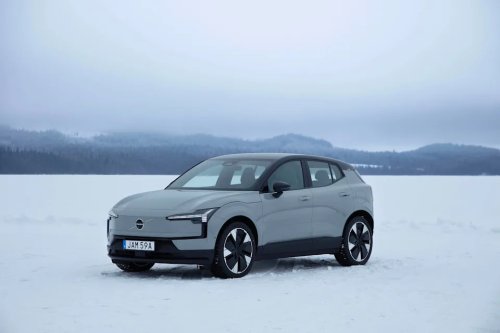
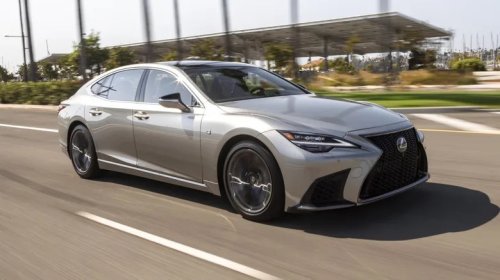
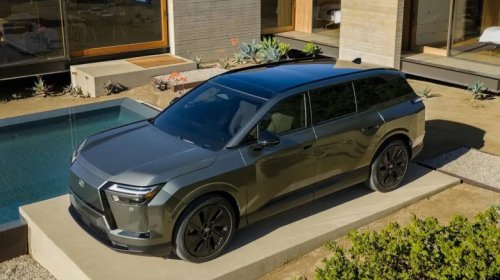
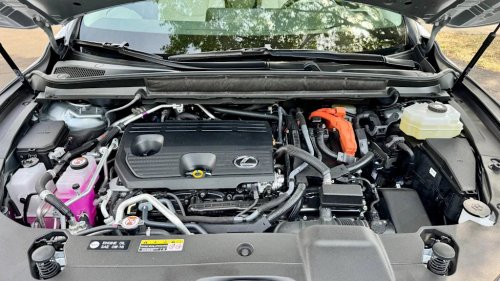
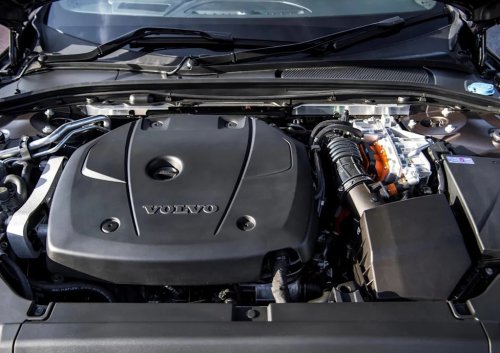
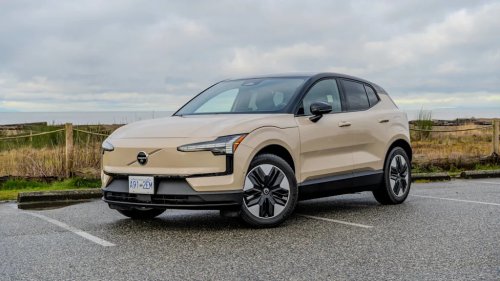
Autoblog and Yahoo may earn commission from links in this article.Not many luxury car brands have achieved reliability standards to match the best mainstream automakers. The innovative powertrain, suspension, and safety technologies in luxury cars mean that more can go wrong as these cars age, relative to a basic Toyota or Honda. Lexus is one of the few luxury brands to rank consistently highly in reliability studies, so how does it compare to Volvo? Both automakers produce exceptionally refined cruisers, but dependability studies from Consumer Reports, JD Power, and other reputable sources show that Volvo is not a close match for Lexus. Here's a deeper dive into what the data says.Volvo Vs. Lexus Reliability: Consumer Reports Favors Lexus2025 Lexus ESLexusView the 2 images of this gallery on the original articleAdvertisementAdvertisementSome automotive reliability studies focus on newer cars after short ownership periods, but Consumer Reports formulates its predicted reliability ratings on data dating all the way back to 2000 model-year vehicles. This roughly 25-year period is based on information from 380,000 vehicles. In scoring each brand, CR considers everything from minor build quality issues to serious powertrain defects.In CR's latest brand rankings, Lexus far outperforms Volvo.LexusVolvoCR predicted reliability score60/10042/100CR brand ranking3rd out of 26 brands15th out of 26 brandsIt's interesting that not a single brand achieved a particularly high predicted reliability score. Toyota, ranked at number 1, had a score of only 66. Still, Lexus is comfortably among the top brands, while Volvo finds itself in the bottom half.Lexus models benefit from sharing many of the same platforms and powertrains as lesser Toyota models. Every single Lexus has an average or better reliability rating, while the NX, NX Hybrid, and UX rate particularly highly in the luxury small SUV segment. The TX tops the midsized luxury three-row category and the RZ is best among luxury electric SUVs.AdvertisementAdvertisementVolvo's overall score is better than Cadillac and Mercedes-Benz, but the automaker has grappled with some frustrating software issues of late, which may have contributed to its lower scores.Related: Genesis Vs. Lexus Reliability: The First 90 Days Tell The Wrong StoryJD Power Vehicle Dependability Study: A Monumental Gulf Between Them2026 Lexus RX 450h+ LuxuryLexusView the 2 images of this gallery on the original articleUnlike the CR study, the JD Power Vehicle Dependability Study released in 2026 is based on how reliable 2023 model-year vehicles are after three years of ownership. The 2026 study was based on responses from 33,268 owners of such vehicles and covers 184 problem areas. Brands are ranked on the number of problems per 100 vehicles (PP100), with a lower number being better.AdvertisementAdvertisementThe gap between Lexus and Volvo was enormous in this year's study.LexusVolvoJD Power Vehicle Dependability Study (PP100)151 PP100296 PP100Brand ranking1st out of 28 brands27th out of 28 brands2023 Lexus vehicles experienced almost half as many problems as 2023 Volvos. Lexus was the top-ranked brand and was the best-ranked premium brand for the fourth consecutive year. Three Lexus models—the IS, UX, and GX—topped their segments.Volvo nearly had the indignity of being ranked last overall; only Volkswagen (301 PP100) was worse in the study. According to JD Power, infotainment systems account for the most vehicle issues, and Volvo itself admitted that the EX30 and EX90 experienced a host of software challenges. Blank driver's displays, faulty key card access, and reduced functionality all affected these EVs.Related: Are Volvos Reliable? The Answer Isn't What It Used To BeJD Power Initial Quality Study: Closer, But Lexus Remains Ahead2026 Lexus RX 450h+ engineJared Rosenholtz/AutoblogThe most recent study to be released was the JD Power Initial Quality Study, an assessment of vehicle dependability over the first 90 days of ownership. This is where mechanical failures are rare, but infotainment and connectivity problems continue plaguing new vehicles. As with the other two studies, Lexus maintains a solid lead over Volvo.LexusVolvoJD Power Initial Quality Study (PP100)156 PP100221 PP100Brand ranking4th out of 27 brands22nd out of 27 brandsWhile Volvos are slightly less problematic after 90 days versus three years of ownership, they still have many more frustrations for owners to deal with than Lexus. Lexus achieved a top segment rating for the NX, while the RX and TX were behind only the Cadillac XT5 in the midsize premium SUV category. There were no segment wins or runner-up finishes for any Volvo model.Why Are Lexus Cars More Reliable Than Volvos?2020 Volvo S90 VolvoThere are a few reasons behind why Volvo consistently ranks behind Lexus in overall reliability.Lexus Tech Is More Conservative2024 Lexus GXJames RiswickLexus takes a slower and steadier approach to introducing new software and powertrain technologies. Its vehicles appear thoroughly modern on the showroom floor, but they often rely on mature platforms and engines that have been around for years. Volvo, meanwhile, more aggressively pushes the envelope with advanced engines (such as twin-charged gas mills), sophisticated driver-assistance systems, and heavier software reliance.AdvertisementAdvertisementBy keeping things simple, Lexus has better control over reliability, and there's another advantage for the Japanese marque when looking at Volvo vs Lexus maintenance costs. According to RepairPal, the average annual maintenance costs of a Volvo are $769, while the average Lexus buyer will pay just $551.Lexus Benefits From Toyota's Massive Scale2026 Lexus NX 350hChatGPTSince Toyota sells so many cars annually, it has more field data to work with when identifying a problem. Greater engineering resources and a robust global parts infrastructure also help.Volvo is a much smaller brand, so does not benefit from these advantages. Its greater willingness to introduce new technologies also increases the number of things that can go wrong.Volvo's EV Rollout Has Been More Rapid2026 Volvo EX30 Ultra Twin Motor PerformanceCole AttishaOver the last few years, Volvo has introduced a number of completely new EVs. These include the EX30, EX60, and EX90. Transitioning to electric architectures has been challenging for many older automakers. These vehicles have very little in common with previous-generation Volvos, from their powertrains to their software-defined features. AdvertisementAdvertisementLexus, meanwhile, has been far slower to introduce new EVs. The RZ crossover and new ES sedan are its only two fully electric vehicles in the U.S. market. By relying mostly on proven gas and hybrid powertrains, Lexus has so far been able to dodge many of the challenges that come with a diverse EV lineup.Final VerdictLexus logoKyle Edward - AutoblogView the 2 images of this gallery on the original articleThis isn't a close call. Lexus is overwhelmingly a more dependable brand than Volvo. If you want a luxury car with as few disruptions to your daily life as possible, you can hardly do better than a Lexus.However, this doesn't mean Volvos should automatically be brushed aside. Buyers who value progressive design, the latest infotainment technologies, and advanced driver-assistance features will appreciate what Volvo has to offer. If you approach the Volvo ownership experience knowing that you may have to visit the shop more often or have a few more software updates done in a typical year, these vehicles can still be satisfying to own. AdvertisementAdvertisementBut Volvo has a long way to go to equal the stellar reputation of Lexus.Related: Lexus Vs. Infiniti Reliability: It's Not Even CloseThis story was originally published by Autoblog on Aug 24, 2026, where it first appeared in the Features section. Add Autoblog as a Preferred Source by clicking here.
























 +59 others