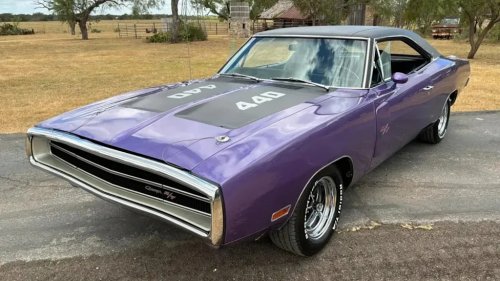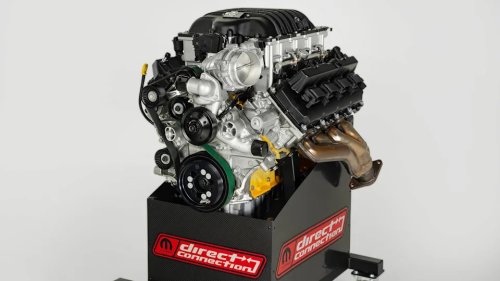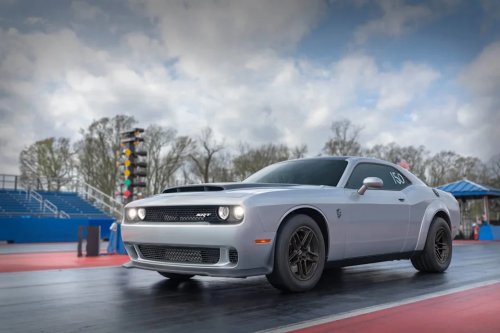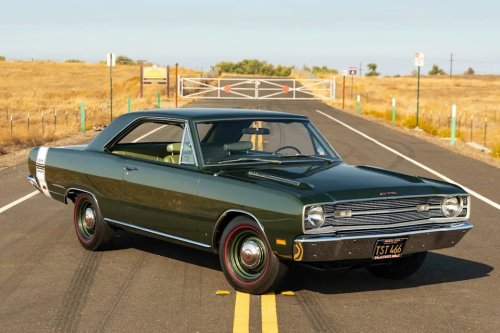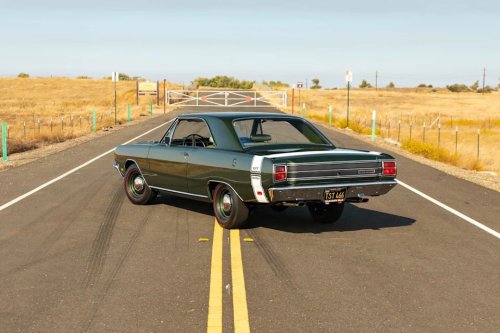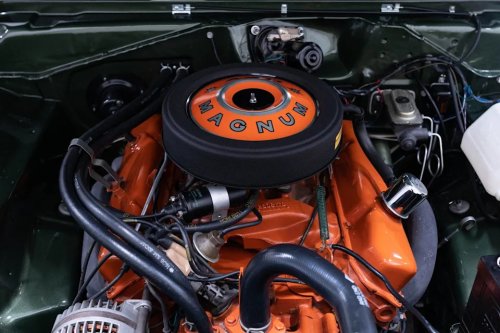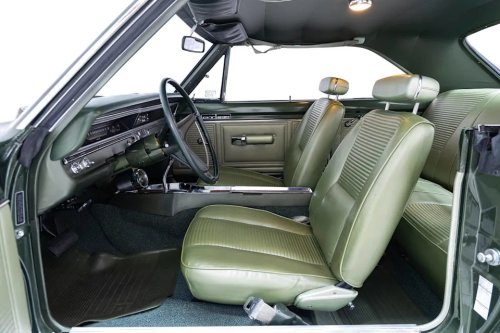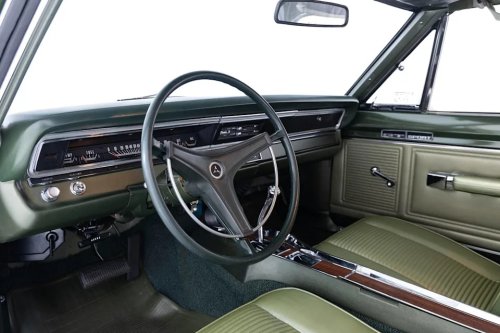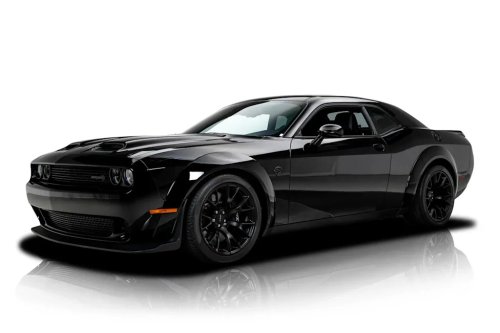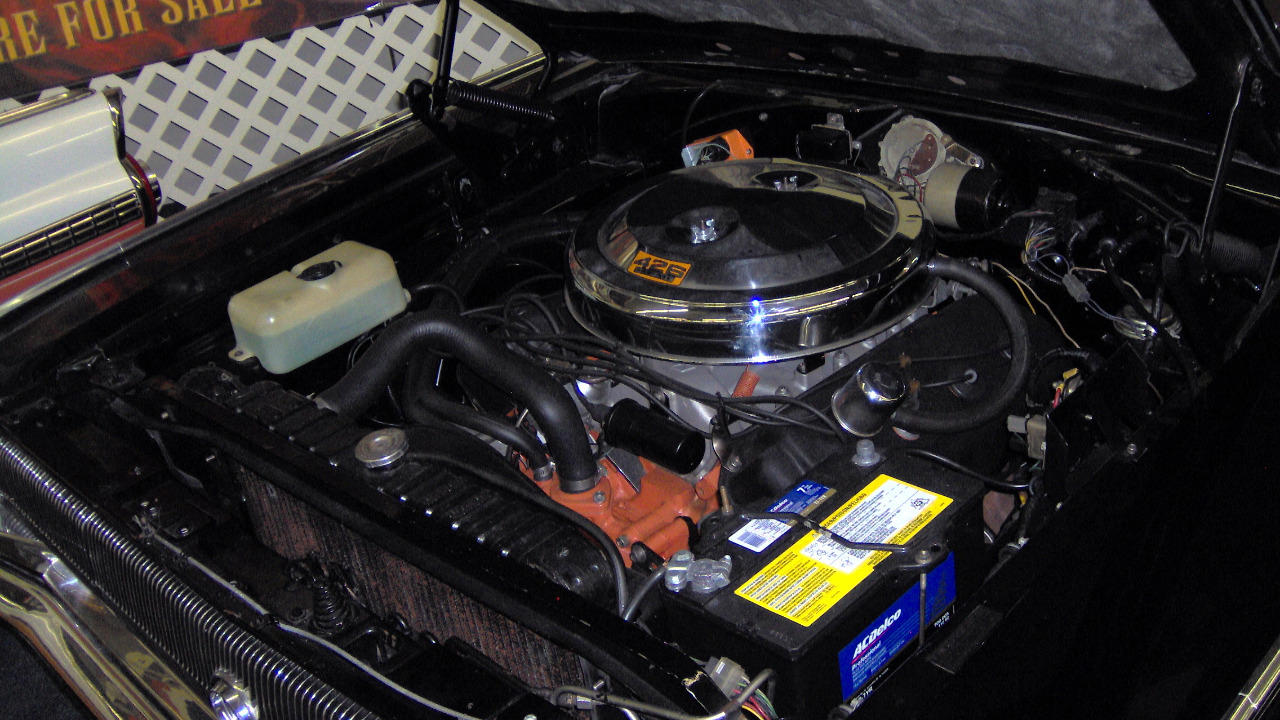



















The Mopar engine that delivered more power than Dodge officially admittedThe Mopar engine landscape is filled with powerful contenders, but few have sparked as much intrigue as the engine that delivered more power than Dodge officially acknowledged. Exploring the history, specifications, and performance of this legendary engine reveals a story of engineering excellence and unexpected capabilities that continue to captivate automotive enthusiasts. The Legend of the Mopar Engine Mopar, a term derived from “Motor Parts,” has been synonymous with high-performance vehicles since its inception. Born from the Chrysler Corporation, Mopar has carved out a reputation for producing some of the most powerful and revered engines in the automotive world. Over the decades, Mopar engines have transformed the landscape of American muscle cars, becoming a staple in both street and racing applications. Key models such as the 426 HEMI, the 440 Six-Pack, and the 383 Magnum have become legendary not just for their power, but also for their engineering innovations. These engines not only redefined performance standards but also inspired a culture of speed and competition. As we delve into the specifics of the 426 HEMI, we will uncover the elements that helped cement Mopar’s legacy in automotive history. The 426 HEMI: A Closer Look The 426 HEMI engine, introduced in 1964, is perhaps one of the most iconic representations of Mopar’s commitment to performance. With a robust 426 cubic inches of displacement, this V8 engine featured a unique hemispherical combustion chamber design that allowed for higher compression ratios and more efficient airflow. The engine produced an impressive 425 horsepower and 490 lb-ft of torque, making it a formidable contender on both the street and the track. In a time when muscle cars were gaining popularity, the 426 HEMI quickly established itself as a dominant force in racing. Its performance metrics were further enhanced by features such as dual four-barrel carburetors and a forged steel crankshaft, which contributed to its ability to withstand high RPMs. The HEMI’s reputation was solidified through its success in NASCAR, where it achieved numerous victories, showcasing its unmatched power and reliability on the racetrack. Performance vs. Manufacturer Claims Dodge’s official power ratings for the 426 HEMI have long been a topic of discussion among enthusiasts and experts alike. While Dodge claimed the engine produced 425 horsepower, many tests and real-world experiences have suggested that the true output was significantly higher. Independent testing and anecdotal evidence from owners have frequently reported figures closer to 500 horsepower, leading to speculation that Dodge may have intentionally understated the engine’s capabilities to comply with insurance regulations or marketing strategies. For example, a comparison study highlighted that several 426 HEMI models consistently outperformed their published ratings in controlled testing environments. This discrepancy has fueled debates among car collectors and enthusiasts, many of whom believe that the HEMI was designed to exceed expectations, both in terms of performance and durability. Customer Testimonials and Anecdotal Evidence The allure of the 426 HEMI extends beyond its technical specifications. Stories from owners and enthusiasts often highlight their experiences with the engine, revealing tales of surprising power on the road. For instance, many drivers have shared that their HEMI-equipped vehicles, such as the Dodge Charger and Plymouth Road Runner, provided exhilarating acceleration that far surpassed their expectations. One notable example involved a classic 1970 Dodge Challenger, where the owner reported a 0-60 mph time of under 4 seconds, a feat that was not officially documented. These personal accounts contribute to the HEMI’s legendary status, portraying it as an engine that not only delivers on paper but also in real-world scenarios. The community surrounding these vehicles often exchanges stories of unexpected power outputs, reinforcing the mystique of the 426 HEMI among enthusiasts. Engineering Innovations Behind the Power The remarkable performance of the 426 HEMI can be attributed to several groundbreaking engineering innovations. The hemispherical design of the combustion chamber was revolutionary, allowing for more efficient fuel combustion and increased power output. This design, coupled with high-performance components such as aluminum cylinder heads and a lightweight forged crankshaft, ensured that the engine could handle the rigors of both street driving and racing. Advancements in materials technology also played a crucial role in the engine’s performance. The use of high-strength alloys and advanced casting techniques helped to reduce weight while maintaining durability. In addition, the development of performance-oriented features, such as tuned exhaust systems and optimized intake manifolds, further enhanced the engine’s efficiency and power. These innovations not only set the HEMI apart from its competitors but also laid the groundwork for future engine designs in the Mopar lineup. The Role of Racing in Engine Development The racing world has always been a crucible for automotive innovation, and the 426 HEMI was no exception. NASCAR played a pivotal role in shaping the design and development of this iconic engine. The rigorous demands of racing required that engines be powerful, reliable, and easily modifiable. As a result, the 426 HEMI was engineered to perform under the extreme conditions of competitive racing, pushing the boundaries of what was considered possible at the time. Racing regulations also influenced the evolution of the HEMI. As rules evolved, so too did the engine’s design, with enhancements made to meet competitive standards while maximizing performance. This cycle of feedback between racing and production not only refined the HEMI but also contributed to its legendary status among car enthusiasts. The lessons learned from the racetrack have been instrumental in the ongoing development of high-performance engines, highlighting the critical relationship between racing and automotive innovation. Modern-Day Relevance of Classic Engines Today, the legacy of the 426 HEMI continues to resonate within the automotive community. It is remembered not just as a powerful engine of the past but as a symbol of American muscle car culture. Enthusiasts and collectors actively seek out HEMI-powered vehicles, with models like the Dodge Challenger and Charger being celebrated at car shows and events across the country. Aftermarket support for the 426 HEMI remains robust, with numerous companies offering restoration parts and performance upgrades. This ongoing interest in classic engines has fostered a vibrant community dedicated to preserving and enhancing these iconic machines. Whether through restoration projects or modern builds utilizing vintage components, the 426 HEMI continues to inspire a new generation of automotive enthusiasts who appreciate its rich history and unmatched performance. More from Fast Lane OnlyUnboxing the WWII Jeep in a Crate15 rare Chevys collectors are quietly buying10 underrated V8s still worth hunting downPolice notice this before you even roll window down