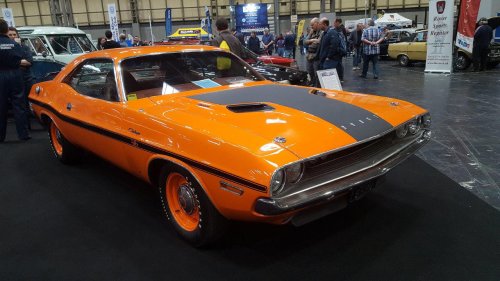
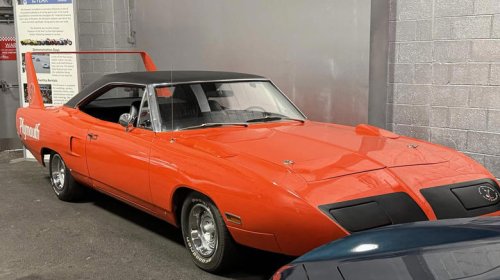
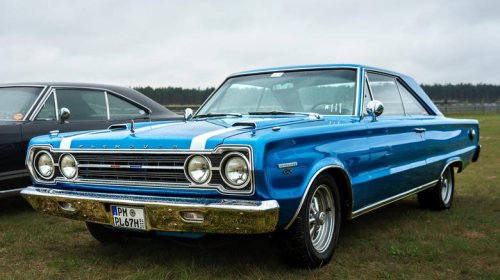
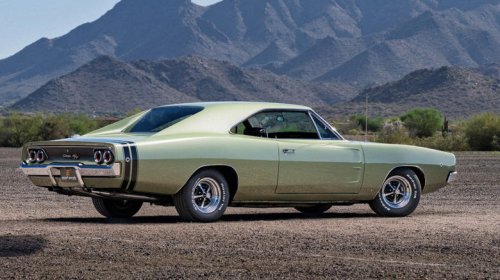
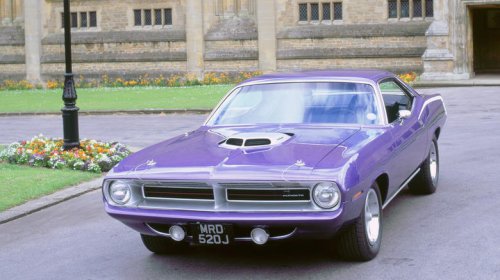
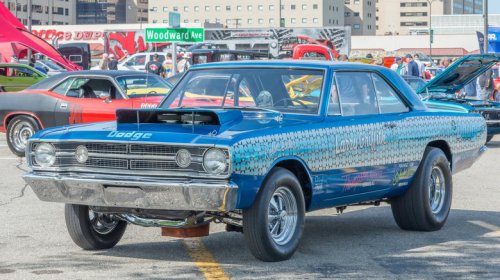
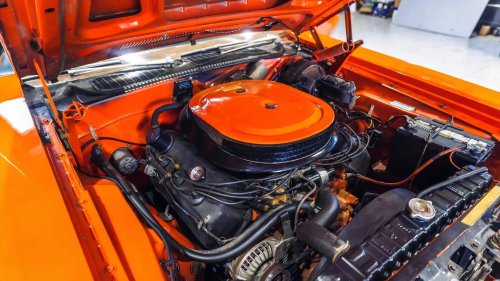
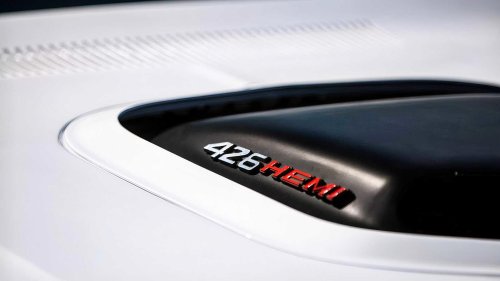
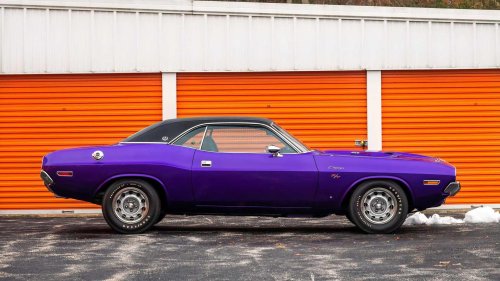
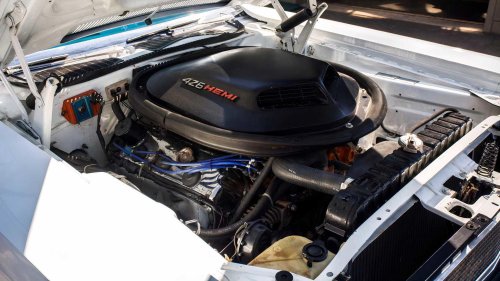
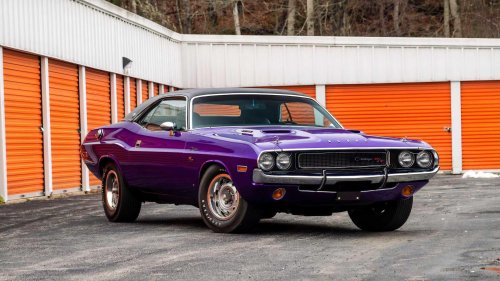
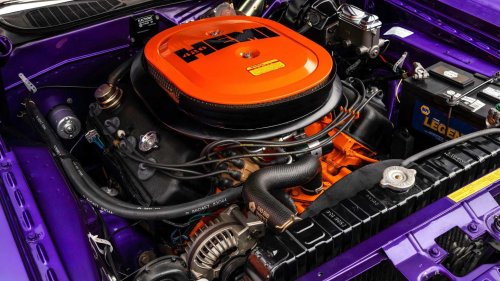
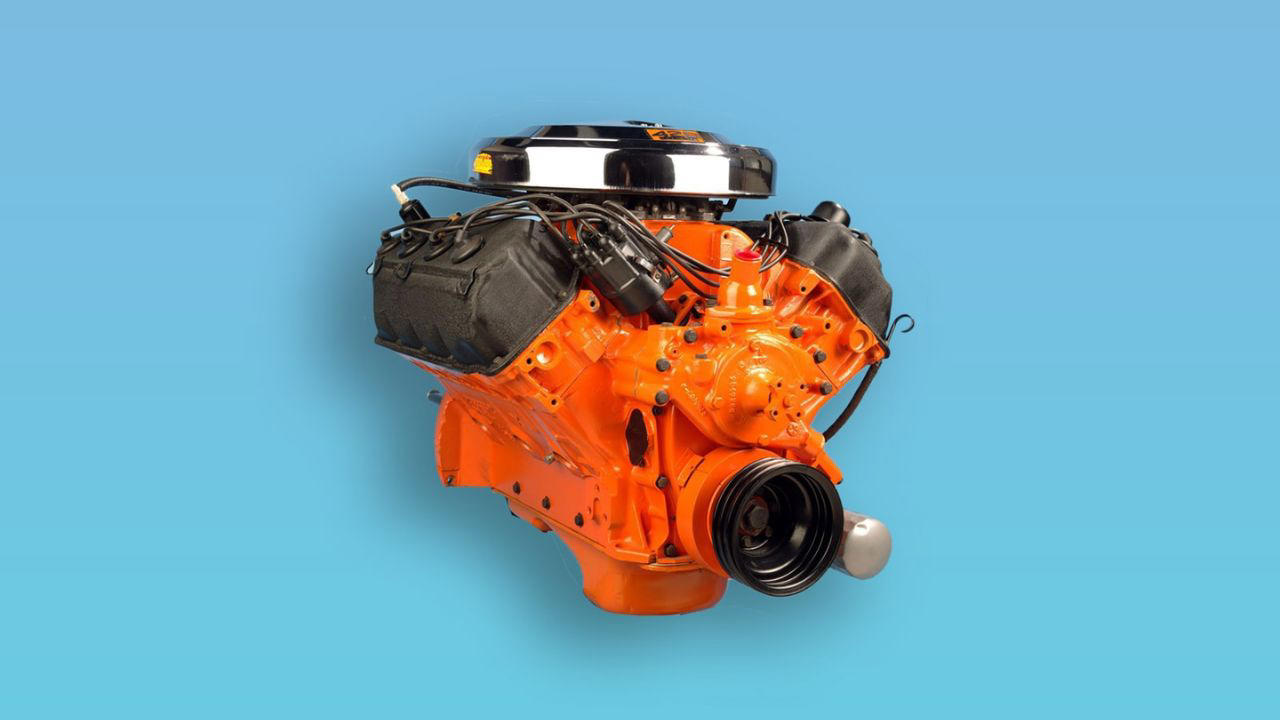
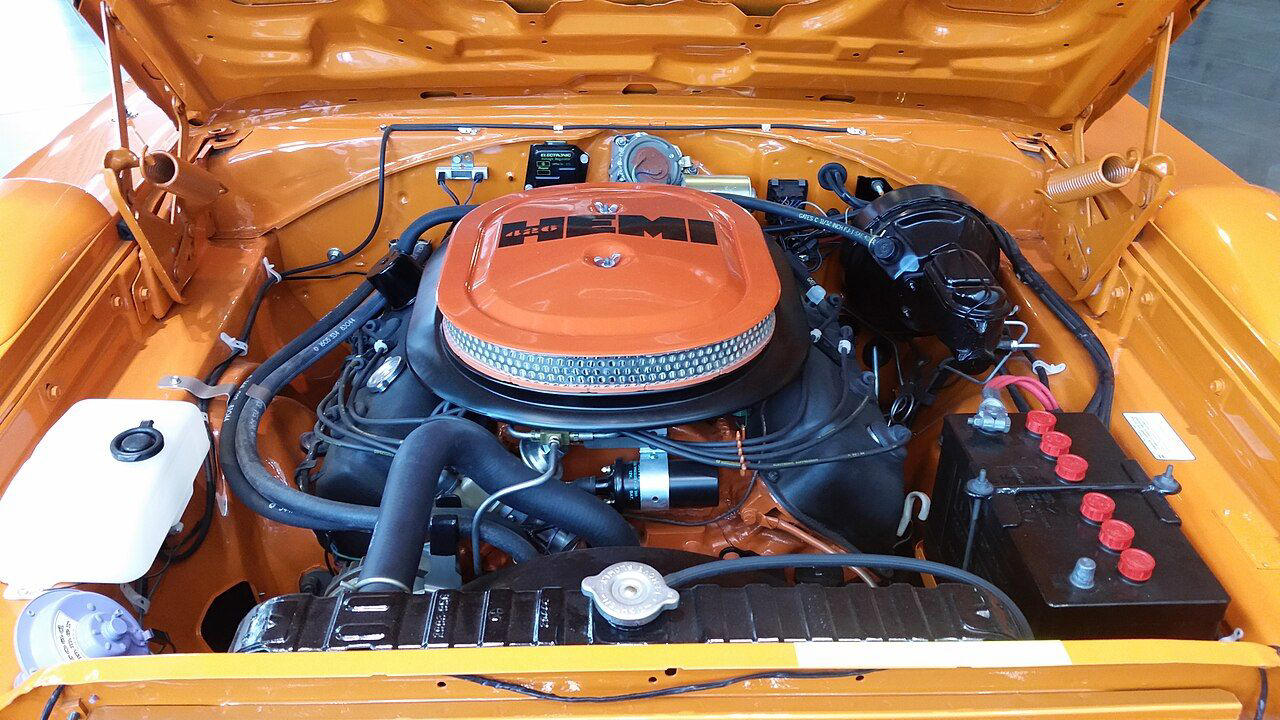
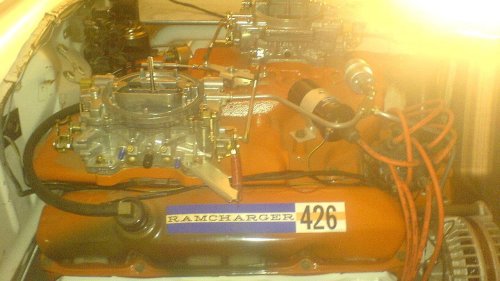
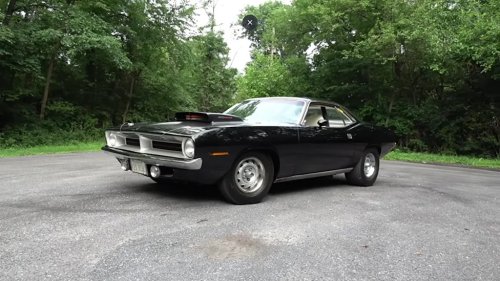
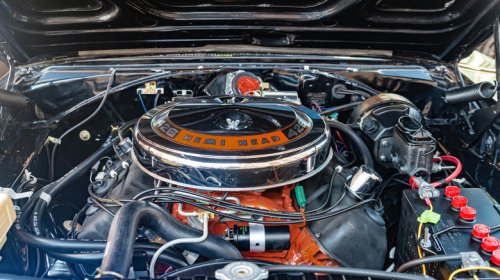
Detroit produced some of the greatest V8 engines during the horsepower wars. With each of the big three slugging it out, trying to claim the title as King of the Streets, they produced some of the gnarliest motors the world had ever seen. The Chevy 454, Mopar 440, and Ford 429 are just a few of the greats that are still celebrated for their performance and ingenuity all these years later. As great as they are, however, none seem to have the presence of the mighty Elephant, the 426 Hemi.When a car rolls up wearing that iconic 426 Hemi badge, people flock in to see. Some may try to say it's nothing special, but their mockery is a facade put on by their pride and loyalty in an attempt to save themselves from its brutality.There have been many other Hemi engines before and after, but the 426 truly is the mother of monsters. It's the best of them all when it comes to all-out performance. And because it's Muscle Week at HotCars, I'm going to tell you what makes this big block Hemi so special. The 426 Hemi Was Made For Racing Mecum The426 Hemi was not the first of its kind. In fact, it was the second generation of Hemi engines produced by the Chrysler corporation. It was the first to wear the "Hemi" badge, though, and, more importantly, it was the first time any of the Mopar brands used the Hemispherical combustion chamber with high-performance characteristics taking precedence above all else.The Chrysler corporation initially used the hemispherical combustion chamber for a bomber prototype that its engineers developed during the Second World War. The XIV-2220 bomber had a 2,220 cubic inch supercharged inverted V16 engine with hemispherical combustion chambers. It did produce an incredible 2,500 horsepower, but power output wasn't the primary goal the engineers had in mind when they implored the use of hemispherical combustion chambers. Rather, they were more concerned with consistent performance at altitude, which the chamber design offered.The same is true for the first wave of Hemi engines used in Chrysler, Dodge, and DeSoto passenger cars produced from 1951 to 1958. Make no mistake, these engines would go on to be performance legends in racing, most famously used in "Big Daddy" Don Garlits' Swamp Rat dragsters. However, the initial thought process behind utilizing the hemispherical combustion chambers was efficiency and consistency across varying conditions, with high horsepower potential being more of a byproduct.The 426 Hemi was born out of the sheer need to win races. Its predecessor was the 426 Wedgeengine. These torque mills were known to be heavy hitters in competitions that focused on low-end performance. However, they struggled to keep up in NASCAR. In their search to get more performance out of them, the engineers decided to adapt the combustion chambers that brought it success in the past and outfitted Hemi heads to the 426. The results were ultimately the most lethal race engine that ever went into mass production. Superior Flow And Hemi Chambers Hank O'Hop Wedge engines, especially those in the Max Wedge configuration, weren't exactly lousy performers. In fact, the 1969-1/2 A12 cars with 440 Six-Pack engines outran street Hemis in the quarter-mile using wedge combustion chambers. So, what gives? What makes the Hemi so special?First and foremost, the hemispherical combustion chambers brought several performance advantages to the table. Chief among them is the ability to run higher-than-normal compression ratios due to their resistance to detonation. Raising compression is one of the best ways to get more performance out of any engine. Positioning the spark plug at the center of the combustion chamber also made for a more consistent and uniform flame front, further aiding power output.Another major advantage of the Hemi chamber is that it allows engine designers to cram in enormous intake and exhaust valves. Not only that, but it also made it easier for them to place the valves in opposing positions so the runners of the intake and exhaust manifolds both have a straight shot at the combustion chamber. This offered unparalleled flow characteristics, which were especially advantageous for top-end performance. It’s Tough As Nails Mecum Auctions When the engineers worked on converting the 426 Wedge into the 426 Hemi, they did more than bolt Hemi heads onto the RB block. They reinforced the bottom end to ensure it could withstand the abuse they were about to throw at it.Hemi engines had forged crankshafts, with big, beefy connecting rods, mated to enormous pistons that matched the Hemi chambers. These are all really beefy components, but they're also very heavy. To make sure the block could withstand the forces produced by high-RPM operation over long periods, the engineers added beefy, cross-bolting mains to the mix.As good as the top-end design of the 426 Hemi is, there are those who will argue that the magic really lies in this bottom-end configuration Chrysler whipped up. If the 426 is anything, it's incredibly durable. While that was great for long-form racing like NASCAR events, it also allowed racers to make serious power with these things without worrying about the engine coming apart.Nobody knew this better than Big Daddy himself. After having much success with the earlier Hemi engines in his swamp rat dragsters, Big Daddy was frustrated when he found the latest and greatest 426 Hemi struggled to compete on the quarter-mile. Feeling the pressure from Chrysler executives after several lousy runs with the motor, Big Daddy decided to go out with a bang. He cranked a ton of timing into the engine in an attempt to blow it up in spectacular fashion, sending a message to the corporation. Only, rather than throwing the crankshaft on the ground, the engine propelled the dragster through a record-breaking run. The more timing he gave it, the better it ran, and another drag racing legend was born. The Irony Of Street Hemis Mecum Auctions By now, some naysayers are shouting that the Hemi engines were actually pretty lousy for use in street cars. Despite their racing legacy, they didn't really deliver on the streetcar front. Again, in stock form, they were even outrun by the A12 Superbees and Road Runners that used the wedge combustion chamber the 426 Hemi moved away from.Another interesting factoid is that Chrysler engineers knew the 426 Hemi was a bit disappointing as a street engine. So, they opted to blend its top-end performance characteristics with architecture copied from what is arguably the best street engine of all time, the Chevy big block. The result was the Ballstud Hemi, an engine prototype we were tragically robbed of due to production costs and the onset of the emissions era.It's important to note that street Hemis were not the same as race Hemis. They were seriously de-tuned versions made available to the public. In stock form, a 426 Hemi as sold in a street car did make a jaw-dropping 425 horsepower and 490 ft-lb of torque. However, out of the box, it was known as soft downstairs. With a great big engine weighing it down, these cars were pretty sluggish in comparison to other high-performance applications of the day.That's not to say the potential wasn't there, though. The right tune could seriously wake these cars up. Throwing the right cam in the mix could also work wonders. Builders who knew their way around the 426 Hemi could make a really hard-running machine that further added to the legendary status of these engines.As for your burning question of how much more powerful race Hemis were than street Hemis, the difference is substantial. NASCAR spec 426 Hemis produced around 650 horsepower. Earlier factory racecars like the A990 cars also featured 426 Hemi engines that many estimated to produce closer to 525-550 horsepower, despite the 425-horsepower factory attached to them. These "factory lightweights" could also run 10-second quarter-mile passes, so don't be quick to write off the potential of the Hemi in the street-car class. Top Fuel Cars Still Run Them Today via Barrett Jackson The 426 Hemi has a long and storied history in racing. Perhaps its most famous stint was in the mythical winged cars produced by Dodge and Plymouth. The engine was built for all-out top-end performance, and no other machine made better use of that than the Dodge Charger Daytona and Plymouth Superbird. They were the first cars to break the 200mph barrier and were so dominant on the superspeedways that a rule change was put into effect after just one season that prevented the two from being used together.The really frustrating part about that ruling is that, hadn't it been done, our timeline would look totally different. Chrysler's wing cars with 426 Hemi engines under the hood forced Ford into producing aero cars of their own, with a conceptual Cammer engine that would have put the Hemi to the test. Knowing this, Chrysler engineers were working on an overhead cam engine of their own known as the "Doomsday" Hemi. Unfortunately, we were robbed of that version of reality before it could take root.That's not to say it's all bad, though. The 426 Hemi is still an absolute tyrant that really has yet to be bested in terms of all-out performance potential. To this day, derivatives of the basic design are used for top fuel drag racing. With the ability to produce 11,000 horsepower, these are the most powerful V8 race engines in the world, and they use the same basic design put forth in 1964. So, yeah, you could say Chrysler engineers got it right with the 426 Hemi.























 +22 others