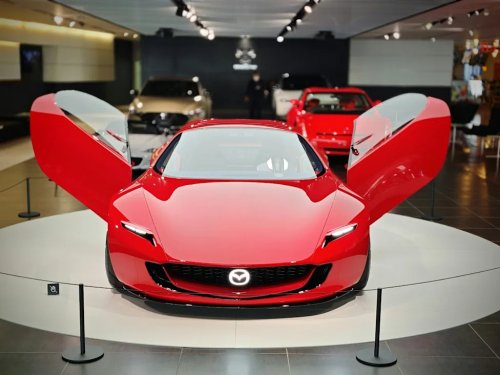
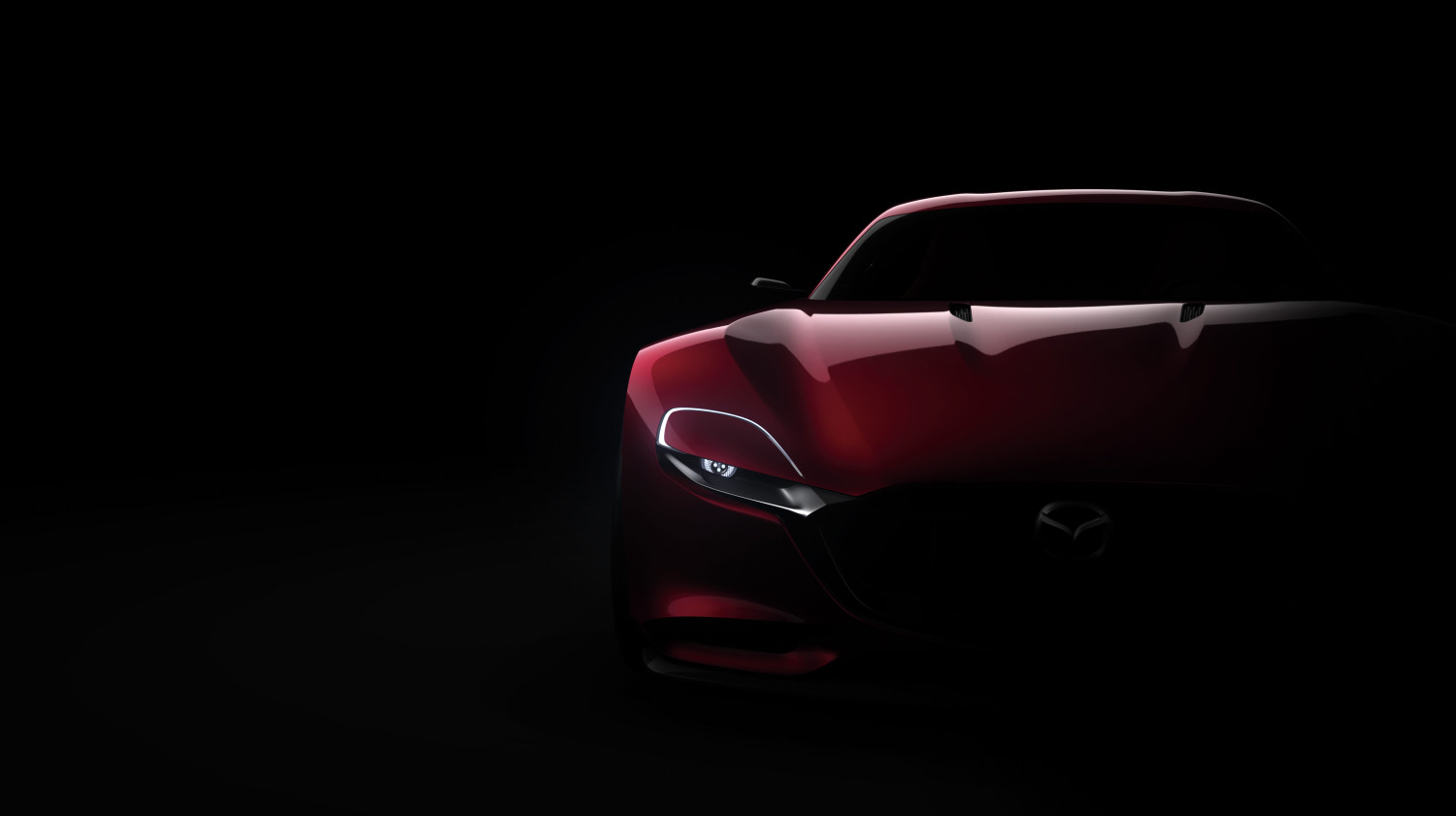
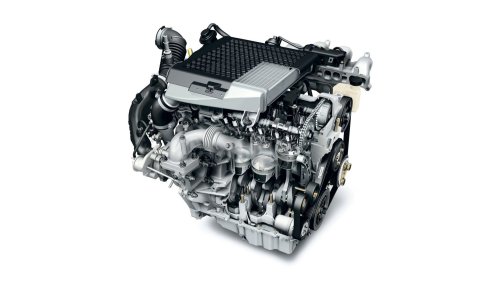
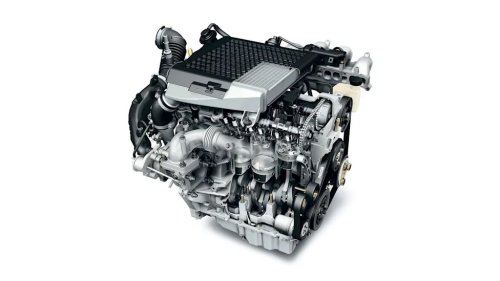
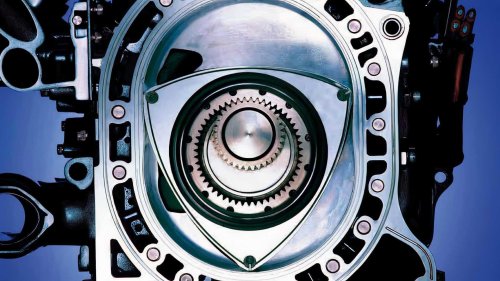
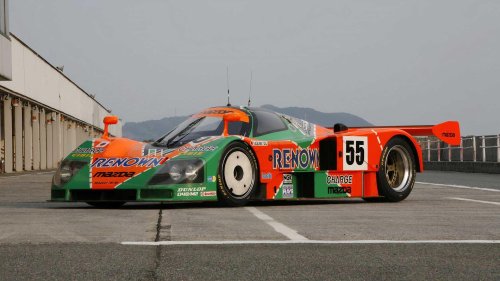
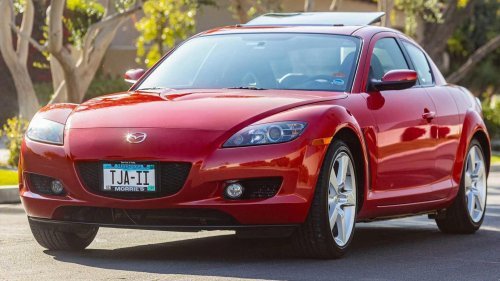
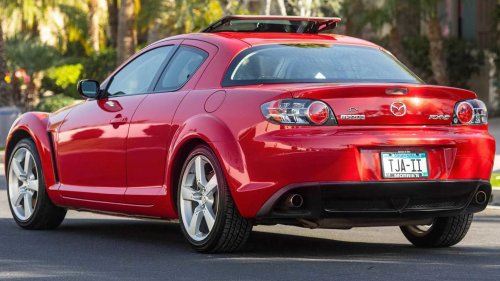
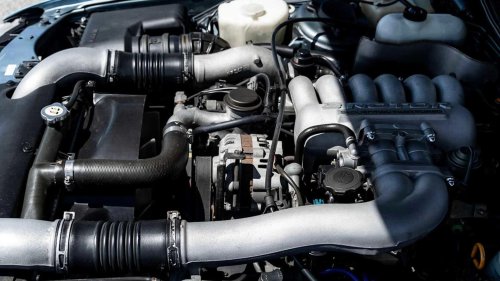
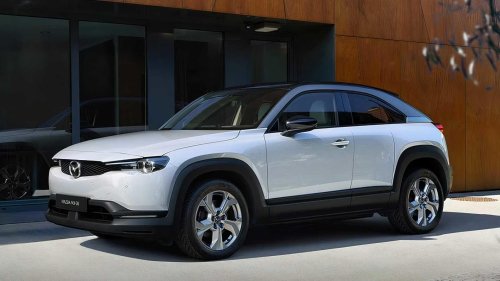
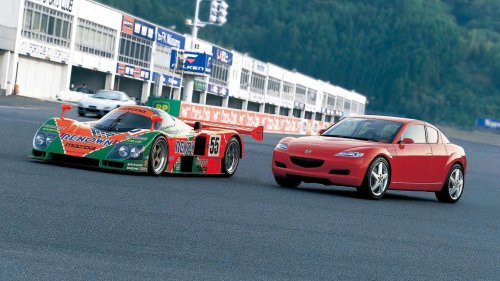
The Mazda rotary engine was the rebel of the automotive world. Compact, rev-happy, and unlike anything else on the road, it set the brand apart for decades. From Le Mans glory to affordable sports cars, the rotary became Mazda’s calling card. Yet despite everything the engine did for it, Mazda eventually decided to pull the plug on its most famous creation.That decision wasn’t made overnight. Mazda fought tooth and nail to keep the rotary alive, constantly refining its quirks and pushing for better performance. But a mix of engineering headaches, environmental realities, and hard economics forced the company to let go. To understand why Mazda killed the rotary, you need to look at both the brilliance and the pitfalls of this unconventional powerplant. The Rotary’s Rise And Why Mazda Loved It Cox MazdaMazda’s fascination with the rotary began in the early 1960s when the German firm NSU introduced Felix Wankel’s unconventional design. Most automakers abandoned it after reliability woes, but Mazda saw an opportunity to stand out. The brand’s engineers worked tirelessly to iron out flaws, and by 1967, the Mazda Cosmo Sport launched with a twin-rotor setup that turned heads across Japan and Europe.What made the rotary so compelling was its compact size. Unlike bulky piston engines, a rotary produced big power in a small package. This meant Mazda could design lighter, more agile cars without sacrificing speed. In models like the RX-2 and RX-3, the rotary gave Mazda’s small coupes a performance edge over rivals. But it was the RX-7, debuting in 1978, that truly put Mazda on the global sports car map. The Ultimate Validation MazdaThe RX-7 embodied everything people loved about the rotary. It revved to the moon, had near-perfect balance, and delivered a driving experience that felt unlike anything else in its price bracket. While rivals like the Toyota Supra and Nissan Z packed larger inline-six engines, Mazda stuck to its small but mighty rotary formula. And in 1991, the rotary achieved the ultimate validation when Mazda’s 787B won the 24 Hours of Le Mans. That victory made Mazda the first and only Japanese automaker to take the overall win, and it etched the rotary permanently into racing folklore.For Mazda, the rotary became the company’s identity. Ads, brochures, and motorsport campaigns proudly touted “Powered by Rotary.” The legend was well and truly established. The Problems Mazda Could Not Solve Via: Bring a TrailerAs much as Mazda celebrated the rotary’s uniqueness, there were serious flaws that plagued it from the start. Reliability was the biggest thorn in the company’s side. The apex seals (thin metal pieces that maintained compression inside the engine) were notorious for wearing out faster than expected. Once those seals failed, owners faced expensive rebuilds or complete engine swaps.Oil consumption was another constant headache. Rotary engines burned small amounts of oil by design, but many burned more than they should, frustrating owners and adding to running costs. Compared to piston engines that could run for hundreds of thousands of miles with basic maintenance, a rotary often felt fragile. This reputation made many buyers hesitant to commit, especially in markets where reliability is a key factor. Capable But Fragile Via: Bring a TrailerFuel efficiency was equally problematic. On paper, a 1.3-liter rotary in an RX-7 or RX-8 should have delivered excellent mileage. In practice, it drank fuel like a V8. And as fuel prices climbed in the 2000s, this inefficiency made the rotary harder to justify. Emissions were even worse. Meeting tightening environmental standards in Europe, Japan, and North America meant constant redesigns of housings, seals, and exhaust systems. Each fix added weight, complexity, and cost without fully solving the problem.By the time the RX-8 hit showrooms in 2003, Mazda was already battling uphill. While the RX-8 was praised for its handling and unique suicide doors, buyers were frustrated by weak torque, high running costs, and looming reliability questions. Mazda extended warranties and tried updates, but the issues never went away. Regulators and customers alike wanted efficiency and durability, two things the rotary couldn't reliably deliver. The Financial Reality For Mazda Via: Collecting CarsMazda has always been a small player compared to giants like Toyota, Honda, or General Motors. While those companies could absorb losses or spread R&D costs across massive lineups, Mazda had far less room to maneuver. Keeping the rotary alive meant pouring money into development that wasn’t paying off.The RX-8’s production life is the best example. Sales started strong in the early 2000s, but quickly declined as negative press about reliability and fuel economy spread. By 2010, RX-8 sales in the United States had dropped below 1,000 units annually. That is a devastating figure for a car meant to carry the brand’s image. Mazda couldn't justify the millions it was spending to keep the rotary compliant with emissions standards for such a small return.Meanwhile, the rest of Mazda’s lineup needed attention. The company was pivoting toward efficient Skyactiv engines, which offered real-world improvements in both performance and fuel economy. With limited funds, Mazda chose to invest in technology that would sell across its full range of sedans, SUVs, and crossovers. In 2012, Mazda officially ended rotary production, marking the RX-8 as the last of its kind. Did The Rotary Really Die? MazdaFor fans, the end of the RX-8 in 2012 felt like the funeral of the rotary. But behind closed doors, Mazda never truly gave up. Engineers continued to tinker with prototypes, testing whether the engine could survive in a modern automotive landscape. There were constant rumors of an RX-8 successor, with enthusiasts eagerly dissecting every Mazda concept car for hints of a comeback.Instead of powering sports cars, Mazda shifted its focus. The rotary’s compact design made it ideal as a range extender for electric vehicles, acting as a small generator to recharge batteries on the move. In 2023, Mazda confirmed this application by reintroducing the rotary in the MX-30 plug-in hybrid. While this was technically a rotary revival, it was not the return fans dreamed of. The new rotary is designed for efficiency and packaging, not for being known as a high-revving monster (sadly).Still, its survival in this form says a lot about Mazda’s loyalty to the concept. Few automakers would spend money to keep such a niche design alive, but Mazda continues to view the rotary as part of its DNA. What Mazda Lost And What We Remember MazdaWhen Mazda killed the rotary, it lost a cultural icon that gave the brand personality in a crowded market. For decades, Mazda was the little company willing to try something different, even when others laughed it off. That reputation helped Mazda carve out a loyal fan base around the world.Today, Mazda’s cars are respected for their design, driving feel, and efficiency, but none carry the same raw identity the rotary once delivered. The RX-7, in particular, has become a legend. Clean FD-generation RX-7s have skyrocketed in value, with prices often exceeding $50,000 for well-preserved examples. Modified versions continue to dominate car shows, drift circuits, and YouTube channels, keeping the rotary flame alive long after its production death.On the motorsport side, Mazda’s 787B Le Mans win still hangs tight. Every year, the company proudly parades the car at events, revving its ear-piercing rotary engine for fans. It’s a reminder that the rotary was capable of conquering the biggest stage in racing. For many, that single achievement cements Mazda’s place in history.In the end, Mazda needed to do what they had to, and no one can begrudge them that. The company needed to survive, and survival meant moving away from the quirks that made it different. But car culture is about more than business, and the rotary’s legend stands on because it resonated with those who thought of cars as more than just a way to practically get from point A to B.Source: Mazda



















 +2 others